How to Strip Clothes for Deep Cleaning: Simple Steps for Best Results
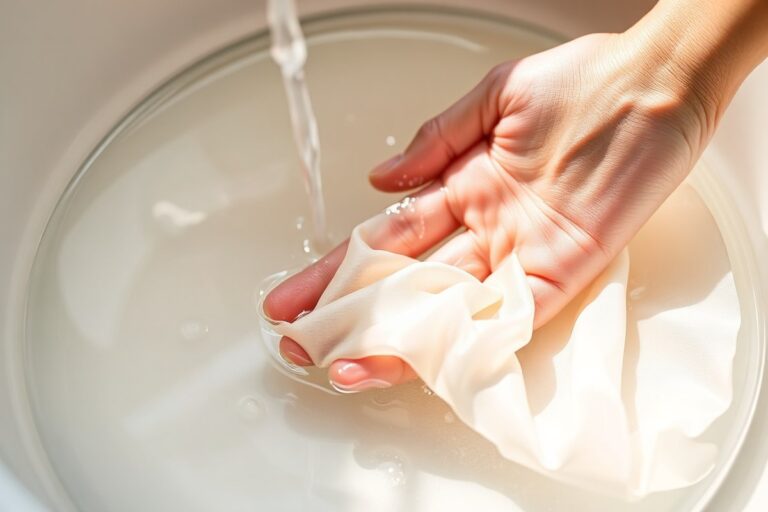
Stripping clothes means giving them a deep clean by soaking and agitating laundry to remove detergent residues, minerals, and odors buildup. This process helps restore fabric softness, brightness, and absorbency, especially for towels, sheets, and workout clothes. Learning how to strip clothes is ideal if your laundry feels stiff, smells musty, or looks dull despite regular washing.
Homeowners and renters with hard water or heavy fabric buildup will benefit most from this method. You’ll find clear steps for making the right stripping solution, safely choosing fabrics, and timing the soak to get the best results without damaging your clothes.
Key Takeaways
- Strip an average load of about 12 to 15 pounds to avoid overfilling the soaking container.
- Use a mixture of borax, washing soda, and detergent for tough residues, especially on moldy or musty items.
- Soak clothes for 4 to 5 hours, stirring occasionally to help the solution fully penetrate the fibers.
- Only strip sturdy fabrics like 100% cotton or synthetic blends; avoid delicate or special-care fabrics.
- After soaking, rinse clothes thoroughly, ideally with a double rinse if borax was used to prevent skin irritation.
- Adjust stripping methods based on your water hardness; hard water often requires more frequent stripping.
What Does It Mean to Strip Clothes in Laundry?
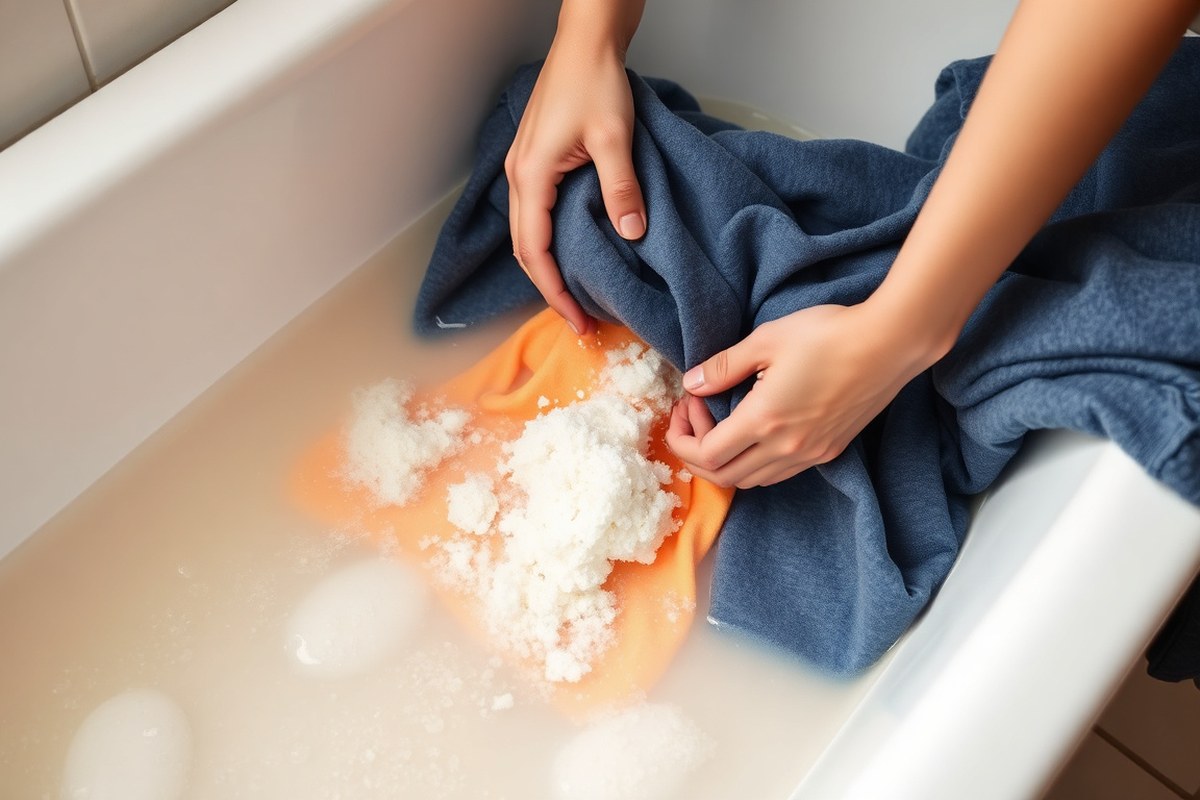
Laundry stripping is a deep-cleaning process designed to remove layers of buildup that regular washing cannot eliminate. It involves soaking clothes or linens for several hours in a hot water bath combined with a strong cleaning solution, typically including powdered detergent, Borax, and washing soda. This method targets accumulated grime such as detergent residue, fabric softener films, body oils, minerals from hard water, and other soils that dull fabrics and cause musty smells even after standard washes.
Unlike daily laundry routines, which usually rely on washing machines and detergents to clean surface dirt, laundry stripping reaches deep into the fibers to break down and dissolve stubborn residues. These residues build up over time because standard washing cycles might not completely rinse out detergents and minerals. This buildup can leave fabrics feeling stiff, looking dingy, or smelling unpleasant despite repeated cleanings.
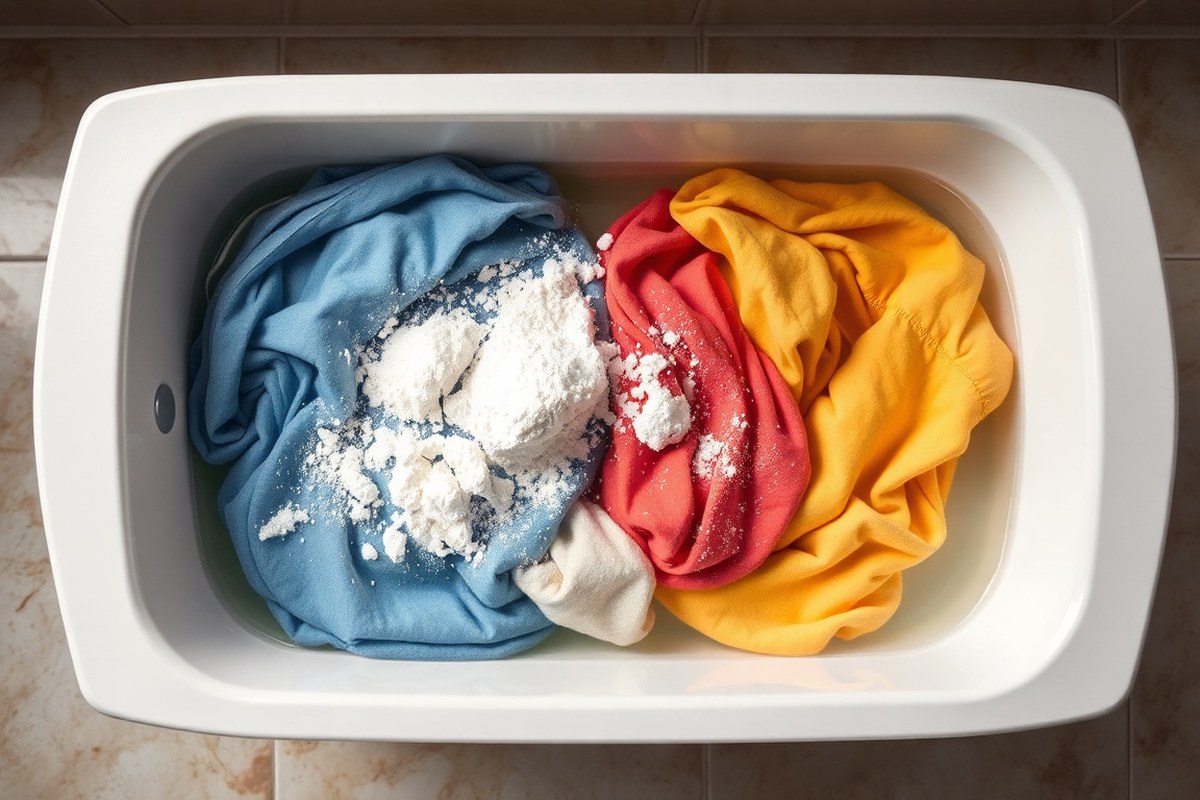
The process starts by filling a large tub or basin with very hot water, typically around 130°F (54°C) to help activate the chemical agents and loosen trapped grime. You then add a measured amount of each ingredient, often about 1/4 cup each of Borax, washing soda, and powdered laundry detergent for a standard bathtub load. Submerge the fabrics fully and let them soak undisturbed for 4 to 5 hours. Stir or push them down occasionally to ensure the solution penetrates all fibers thoroughly. The hot water combined with powerful cleaners causes the buildup to release from the fabric into the water.
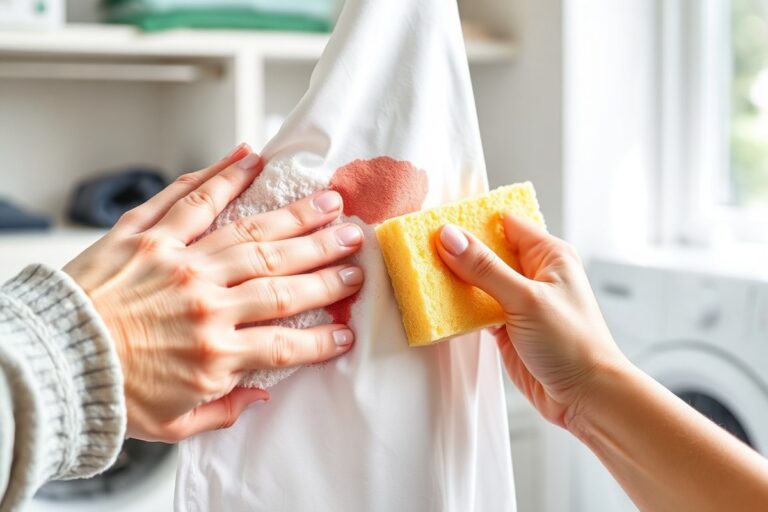
Results show in the discoloration of the soaking water, which often turns gray, dingy, or full of tiny particles pulled from the fabric. This visual cue indicates the stripping process is actively working. Properly stripped clothes and linens should feel softer, smell fresher, and look brighter because surface residues that trapped dirt and oils are removed. However, this method focuses on removing buildup, not stains, so it won’t act as a stain remover.
This deep-cleaning approach requires time, hot water, and strong chemicals that may be harsh on delicate fabrics or certain colors, so it is not recommended for routine washing or all types of clothing. The cost involves the cleaning agents and water heating, but it is generally affordable since common household products are used. Laundry stripping provides a fresh start for items like towels and sheets that have lost their absorbency or brightness due to persistent residual buildup.
Which Clothes and Fabrics Can Be Stripped Safely?
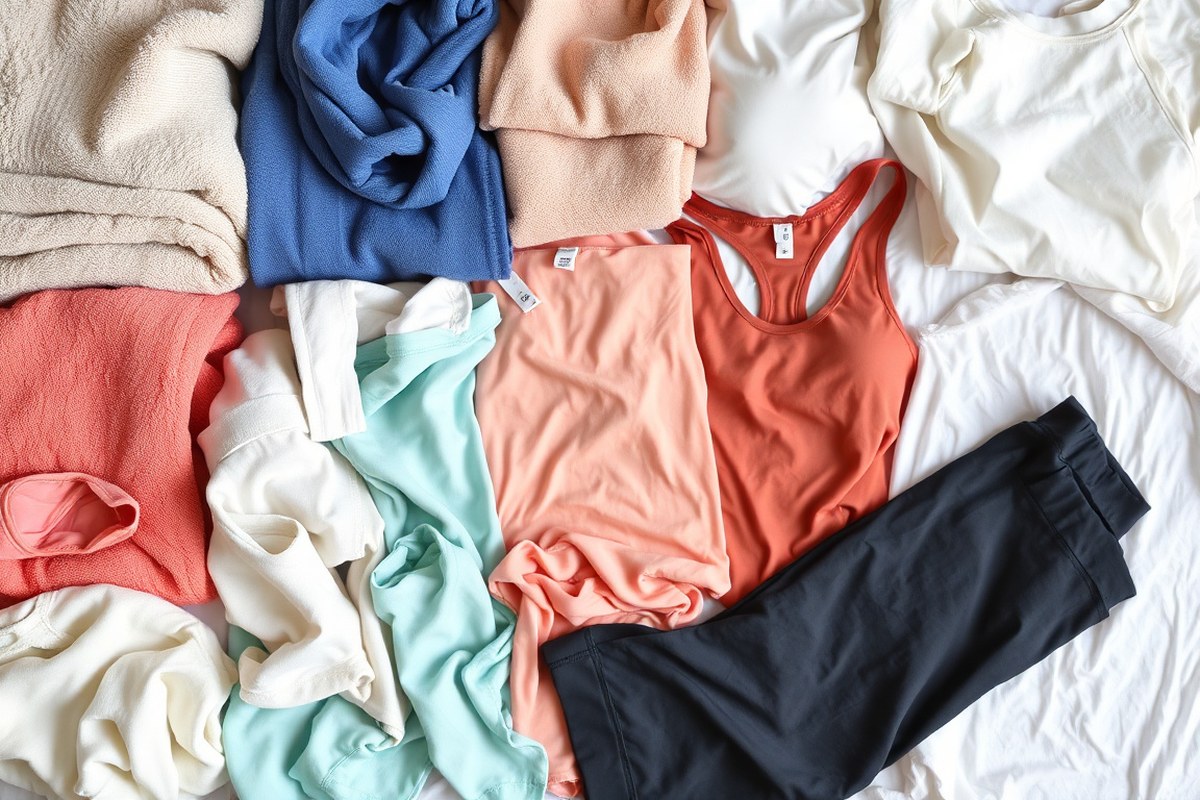
Start by checking garment care labels to see if the fabric can handle the stripping process. Safe fabrics typically include cotton and other sturdy textiles that can tolerate soaking in hot water mixed with borax, baking soda, and laundry detergent for several hours. These materials usually hold up well during the 4 to 5-hour soak and do not shrink or lose shape. Whites and light-colored garments made from these fabrics respond best to stripping because their dyes are stable and less likely to bleed.
Colored clothes present more risk. If you want to strip colored clothing, confirm they are colorfast by testing for dye stability or following the care label advice. Colorfast fabrics may endure stripping without significant fading or bleeding, but the risk increases with unstable dyes. Dark fabrics, including blacks, generally should be avoided because hot water can cause dyes to run and lighten the fabric’s color. This bleeding often turns the soak water dark brown or gray, which signals dye loss and potential damage.
Delicate fabrics like silk, rayon, lace, or modal and items labeled for cold-water washing are not suitable for stripping. Stripping can cause shrinking, distortion, or loss of fabric integrity because the process involves prolonged exposure to high heat and alkaline cleaning agents. Also avoid stripping anything prone to color bleeding or shrinkage to prevent damage. Synthetics such as polyester gym clothes can handle the process occasionally, but repeated stripping may dull their sheen and reduce elasticity.
Blended fabrics require a cautious approach. When blends contain both natural fibers like cotton and synthetic fibers, results vary based on fiber ratios and dye stability. You should only proceed if all fiber components are colorfast and durable enough to withstand the process without shrinking or warping. Otherwise, the fabric may degrade unevenly or suffer dye run issues.
To decide whether to strip a specific clothing item or fabric, follow this checklist: Verify the care label permits hot water or bleach alternatives; test colorfastness by dampening a hidden seam with water and blotting with white fabric; avoid delicates or any item labeled “hand wash only” or “dry clean only”; skip items with unstable or unknown dyes; prefer whites and light, sturdy fabrics. This approach helps prevent unwanted damage and dye loss.
Only strip laundry that is colorfast and sturdy, avoid delicate or dark-colored fabrics to prevent dye bleed and fabric damage.
How to Prepare the Ideal Laundry Stripping Solution
To prepare the ideal laundry stripping solution, you will need Borax, washing soda, powdered laundry detergent, and hot water in specific ratios. The common mix is 1 part Borax, 1 part washing soda, and 2 parts powdered detergent, adjusted proportional to the water volume. Alternatives like baking soda can be used but require conversion to washing soda for best results, especially in areas with hard water.
Essential Ingredients and Their Roles
The main ingredients for stripping clothes include Borax, washing soda (sodium carbonate), powdered laundry detergent, and hot water. Borax softens the water and helps remove odors and stains. Washing soda raises the water’s alkalinity, breaking down residue and hard water buildup. Powdered detergent acts as a surfactant, removing oils, dirt, and grime deeper than regular washing.
Hot water is important because it dissolves residue better and activates the chemicals in the mixture. Powdered detergent works better than liquid versions in this context since it dissolves evenly and contains components that aid in breaking down buildup. Using powdered detergent made for laundry ensures ingredients work synergistically with Borax and washing soda.
Mixing Ratios for Different Water Volumes
The typical ratio for a bathtub full of water (approximately 40 to 50 gallons) is ¼ cup Borax, ¼ cup washing soda, and ½ cup powdered laundry detergent. For smaller containers like buckets or sinks, scale these amounts down proportionally based on water volume. Maintaining the 1:1:2 ratio ensures the solution stays balanced and effective. Here is a comparison table for typical container sizes and ingredient amounts:
| Water Volume | Borax | Washing Soda | Powdered Detergent |
|---|---|---|---|
| Bathtub (~45 gallons) | ¼ cup | ¼ cup | ½ cup |
| 5-gallon bucket | 1 tbsp | 1 tbsp | 2 tbsp |
| 3-gallon sink | 2 tsp | 2 tsp | 1 tbsp + 1 tsp |
For precise scaling, use a kitchen or measuring scale to maintain the 1:1:2 weight ratio, especially if the water volume differs from typical containers.
Safe Substitutes and Alternatives
Baking soda is a common pantry ingredient but is not a direct substitute for washing soda. Washing soda has a higher pH and stronger cleaning ability. You can make washing soda by baking baking soda at 400°F for 30 to 60 minutes, which removes carbon dioxide from the material and makes it more alkaline.
Liquid detergents generally do not work well in laundry stripping solutions because they do not provide the same scrubbing and residue-removing benefits seen with powdered forms. Use powdered detergent designed for laundry stripping to achieve the best results.
For a gentler alternative, some use a laundry softener like 9 Elements Purifying Softener in a 1:10 mix with room temperature water, soaking the clothes for 20 minutes and stirring every 5 minutes. This method is less harsh but also less effective for heavy buildup.
Adjustments for Hard Water Areas
Hard water, which contains high levels of minerals like calcium and magnesium, causes buildup on fabrics and reduces detergent effectiveness. Washing soda in the stripping solution helps soften hard water and remove mineral deposits. Using the full recommended amounts of Borax and washing soda is particularly important in these areas.
If you live in a hard water area (about 85% of U.S. Households), consider increasing washing soda slightly, up to ⅓ cup for a bathtub, while maintaining Borax at ¼ cup and detergent at ½ cup. This adjustment improve the solution’s ability to break down mineral layers on clothes. Always use hot water at as close to 140°F as safely possible for your fabrics, as higher temperatures improve chemical activity and residue removal but can damage sensitive clothes. Follow these steps to prepare your laundry stripping solution:
- Fill your container (bathtub, bucket, or sink) with hot water, ideally around 140°F.
- Measure Borax, washing soda, and powdered laundry detergent according to your water volume using the 1:1:2 ratio.
- Add Borax and washing soda to the water and stir until mostly dissolved.
- Add powdered detergent last and stir well to create an even solution.
- Submerge the clothes fully, ensuring they have room to move freely.
- Soak for 4 to 6 hours, stirring or agitating every hour to help loosen buildup.
- Rinse thoroughly with clean water after soaking to remove all cleaning solution and residues.
Step-by-Step Process for Stripping Clothes Effectively
Stripping clothes effectively involves soaking them in hot water with cleaning agents, stirring occasionally, then rinsing and washing properly. The process takes about four to five hours and exposes deep residues trapped in fabrics, which regular washing might not remove. Following precise steps ensures your clothes come out cleaner and fresher without damage.
Filling and Heating Water Correctly
Start by filling a large container such as a bathtub, top-loading washing machine, or big bucket with hot water. The water should be hot enough to help dissolve detergents and breakdown residue, ideally as close to 140°F as your tap can deliver safely. Using water this hot intensifies the cleaning action without harming most durable fabrics like cotton towels or sheets.
For a 5-gallon bucket, combine about ½ tablespoon each of borax and washing soda with 1 tablespoon of powdered laundry detergent, then stir until fully dissolved. In a bathtub or washer, scale up accordingly, for example, use half to one cup of borax if the clothes are musty or moldy. Borax can cause skin irritation for sensitive users, so double rinsing afterwards is advisable. Stir the solution well to distribute these agents evenly before adding your clothes.
Soaking and Stirring Frequency
Submerge the clothes in the hot solution and let them soak for 4 to 5 hours until the water has fully cooled. This lengthy soak time allows accumulated oils, fabric softeners, dirt, and other residues to release from the fibers. Stir the clothes gently but thoroughly every 30 minutes during the soak. This agitation helps break up buildup and prevents particles from settling back onto the fabrics.
The water will gradually become murky or brown, signaling that dirt and detergent residue are leaving your laundry. Avoid soaking beyond five hours to prevent fabric damage, especially for delicate items. Keep the soaking area at room temperature to allow the water to cool naturally, as quick cooling may reduce effectiveness.
Rinsing and Washing After Soak
Once soaking is complete, remove the clothes one by one and wring out as much liquid as possible to avoid dripping. Place them directly into your washing machine without adding detergent or fabric softener for an additional rinse wash cycle. Using the washer helps remove any loosened residue left from the soak and rinses borax, washing soda, and detergent thoroughly from the fibers.
If your washer has a “rinse and spin” cycle, this is ideal after stripping. Otherwise, run a regular cold water cycle without detergent. Avoid hand-rinsing at this stage since thorough machine rinsing ensures less residue remains and reduces the chance of skin irritation.
Drying Tips for Fresh Results
After washing, dry the clothes as usual based on fabric care labels. For towels, sheets, and durable garments, drying in a warm dryer cycle is effective and can help remove any residual damp odors. Line drying works well for delicate fabrics or when you want to conserve energy.
Make sure clothes are completely dry before storing them to prevent mildew or musty smells from returning. To maintain freshness between strips, regularly wash towels and sheets and avoid heavy use of fabric softeners, which cause buildup over time.
- Fill a bathtub, top-loading washer, or large bucket with hot water (about 140°F).
- Add borax, washing soda, and powdered detergent (e.g., ½ cup borax for a large tub) and stir until dissolved.
- Submerge clothes fully and soak for 4 to 5 hours, stirring every 30 minutes.
- Remove clothes one by one, wring out excess water.
- Transfer clothes directly to the washing machine; run a rinse cycle without detergent or fabric softener.
- Dry clothes according to fabric care, using dryer or line drying.
How Often Should You Strip Clothes for Best Results?
Most households only need to strip towels, sheets, and workout clothes two to four times a year, focusing on items that see heavy use. Towels and sheets, especially cotton ones, benefit the most from periodic stripping because they tend to trap minerals, body oils, and detergent residue more than everyday clothing. Workout clothes with noticeable odors or stiffness also respond well to stripping, but this is best reserved for extremely smelly or coated fabrics rather than after every wash. Stripping too often can be harsh on fibers and is generally unnecessary with regular washing practices.
How frequently buildup happens depends largely on factors like water hardness and detergent use. Hard water contains minerals that can quickly accumulate on fabric, so if you live in a hard water area, you might need to strip laundry more frequently to remove mineral deposits. Using homemade detergents, heavy amounts of fabric softener, or dryer sheets contributes to residue buildup as well. Proper detergent amounts and washing in hot water can reduce buildup, meaning fewer strippings are needed. Conversely, if you notice stiff towels, musty bedding, or clothes feeling coated rather than clean, these signs indicate it’s time to strip your laundry.
Stripping laundry consists of soaking the selected items, preferably grouped like towels with towels, sheets with sheets, in a solution for 4 to 6 hours to loosen and dissolve buildup. After soaking, drain the murky water, wring out the fabrics gently, then run a full wash cycle without detergent or softener to rinse away residues. This process doesn’t replace regular washing but acts as a deep cleaning reset when normal laundering doesn’t restore softness or freshness. Stripping after every wash isn’t recommended because it can wear down fabric fibers and is unnecessary unless you see persistent buildup signs.
Use laundry stripping as a deep cleaning step only when buildup affects fabric feel or smell, not as a routine after every wash, to prolong the life of your textiles.
Common Mistakes in Laundry Stripping and How to Fix Them
Using the wrong detergent or too much of it can leave your clothes with even more residue rather than removing buildup. Laundry stripping requires powdered detergent combined with borax and washing soda to break down oils and minerals effectively. Overdosing on these ingredients, especially borax, may irritate your skin or damage fabrics.
Soaking clothes too long or too briefly also affects results. The optimal soak time is about 4 hours in very hot water, which allows ingredients to penetrate fibers and lift residues. Shorter soaks may leave oils and scents behind, while soaking for more than 5 hours can weaken fabric strength. Avoid hot water above 140°F to prevent damage, especially for delicate fabrics.
Strong smells lingering after stripping usually mean buildup remains or fabric fibers were not fully rinsed. Rinsing thoroughly after soaking with multiple cold water rinses will help remove loosened deposits and any leftover cleaning chemicals. Using enzyme-containing detergents helps break down organic stains and odors more effectively.
Fabric damage results mostly from using harsh chemical levels or excessive agitation during soaking and rinsing. To reduce wear, do not agitate fabrics roughly in the soaking solution or wash them in hot water afterward on high spin settings. Also, avoid stripping clothes more than once every few months to maintain fabric integrity.
- Use a mix of ¼ cup borax, ¼ cup washing soda, and ½ cup powdered detergent per average load (12-15 pounds).
- Only use powdered detergent, not liquid or pods, to ensure proper chemical action.
- Soak clothes in water around 130-140°F for 4 hours; do not exceed 5 hours.
- Rinse clothes 2-3 times in cold water after soaking to remove loosened residue and detergent traces.
- When skin irritation occurs, put on gloves and rinse your hands thoroughly after working with borax solutions.
- Odors that stick around can be tackled by soaking again or using detergents with enzymes for stronger odor removal.
- Limit laundry stripping to occasional use, about once every few months, to avoid fabric weakening.
These adjustments help avoid common stripping errors and protect your fabrics while deep-cleaning. Proper ingredient ratios, soak time, water temperature, and rinsing are key to good results. Protect your skin by using gloves or washing hands immediately after handling borax. This cautious approach reduces risks while restoring freshness and softness to your laundry.
How to Adapt Stripping for Different Containers and Loads
Adjusting ingredient ratios and soaking times depends on the size of your container and load. Using the right container ensures thorough cleaning without risking damage to your laundry or washing machine. Bath tubs and large buckets work well for most towels and sheets, while smaller loads fit better in sinks or small buckets.
Ingredient Ratios by Container Type
The amount of cleaning agents like borax, washing soda, and detergent changes with container size to keep the solution effective but gentle. For a bathtub, use the full recommended recipe, typically about 1/4 cup borax and washing soda plus a few tablespoons of detergent. Smaller containers like buckets or sinks require proportional reductions. Always avoid exceeding detergent recommendations, as leftover soap can cause residue buildup on fabrics.
| Container Type | Typical Volume | Borax | Washing Soda | Detergent |
|---|---|---|---|---|
| Bathtub | 30-40 gallons | 1/4 cup | 1/4 cup | 3 tablespoons |
| Large Bucket | 5 gallons | 1-2 tablespoons | 1-2 tablespoons | 1 tablespoon |
| Sink | 2-3 gallons | 1 teaspoon | 1 teaspoon | 1 teaspoon |
Using this table as a guide keeps your stripping solution balanced and effective regardless of container size. Reducing ingredient amounts too much can result in poor cleaning, while too much can damage fabric or cause buildup.
Recommended Soaking Times per Load Size
Soaking time depends on how large your load is and the type of container you use. For large loads or bulky items like towels and sheets in a bathtub, soak for 3 to 4 hours to allow ingredients to break down oils and residues. Smaller loads in buckets or sinks typically need 1 to 2 hours.
Extended soak cycles in washing machines can help refresh laundry but are not suitable for stripping due to potential appliance damage from harsh solutions. Instead, hand soak your laundry in tubs or buckets, then run a regular wash afterward. For large loads, consider splitting rinses into two cycles to avoid overloading the machine and ensure thorough rinsing.
Best Container Choices and Setup Tips
Choose a container that fits your load size comfortably and allows clothes to move freely in the solution. Bathtubs accommodate large loads easily, making them ideal for bulky towels and sheets. Large buckets work well for medium loads, such as a few towels or smaller bedding pieces.
Sinks fit small loads or delicate items but limit the amount you can strip at once. Avoid using your washing machine’s tub for stripping to protect the appliance. After soaking, rinse thoroughly and wash normally using only the recommended detergent amounts for your machine and load size. Always strip laundry in groups of the same color or colorfastness to prevent bleeding.
Changing Your Regular Laundry Routine After Stripping Clothes
After stripping your clothes, adjusting your regular laundry routine can help prevent buildup and keep fabrics clean longer. Cut back on detergent amounts to what’s necessary, more isn’t better when you want to avoid residue. Most laundry detergent labels recommend around 2 tablespoons for a normal load; using the full amount or less depending on soil level and water hardness helps. Avoid adding fabric softener with every wash, especially on towels, where applying softener every three to four washes protects their absorbency and fluffiness while minimizing waxy buildup.
Cold water washing remains effective after stripping but works best with the right detergent. For regular loads, choose a stain-removing detergent designed for cold water to maintain fabric brightness and odor control. Washing temperatures should follow care label instructions to avoid shrinking or fading, especially after high-temp stripping. A gentle wash cycle is usually sufficient to keep fabrics fresh and reduce wear.
Increasing washing frequency or changing machine settings isn’t usually required after stripping unless your clothes frequently accumulate sweat, oils, or hard-to-clean residues. Instead, focus on pre-treating stains before washing, which can reduce the need for stripping. Be mindful of laundry loads; avoid overloading machines since it hampers rinsing and promotes buildup. Using an extra rinse cycle occasionally can also help ensure detergent and soil fully wash away.
Maintaining this routine helps prevent buildup from recurring. In practice, this means using the minimum effective detergent amount, limiting fabric softener use, washing with cold or warm water per garment care tags, and occasionally adding an extra rinse if residue feels noticeable. Monitoring your washing habits and adjusting detergent based on load size and soil level keeps fabric fibers healthier for longer. Follow garment care instructions to match water temperatures and wash cycles to preserve fabric quality after stripping.
Double-check fabric care tags before switching to higher water temperatures after stripping to avoid accidental damage or shrinkage.
Step-by-Step Action Plan for Stripping Clothes
Use this plan to strip your clothes safely and effectively, ensuring deep cleaning without damage. Follow the timing and actions to see improved freshness and fabric clarity.
- Before you start: Sort your laundry by fabric type, choosing only durable items like cotton towels and heavy cotton clothes for stripping. Avoid delicate or synthetic fabrics to prevent damage.
- Preparation phase: Mix your stripping solution using hot water, laundry detergent, and washing soda as recommended. Ensure solution is well dissolved for even cleaning.
- Stripping day: Soak clothes fully in the solution for at least 4 hours, stirring occasionally. Check fabric condition for any signs of weakening; stop if fibers feel thin or rough.
- Immediately after soaking: Rinse clothes thoroughly in clean water, then wash them as usual to remove any loosened buildup and residue.
- Following week: Monitor how your clothes smell and look after regular washes. Repeat stripping only if persistent odors or residue returns, usually no more than once a month.
- Long-term care: Adjust your detergent amount and washing temperature to prevent buildup. Use fabric softeners judiciously as they can add to residue.
- After several months: Inspect your washing machine and clean it if buildup is present, which can affect your clothes’ freshness.
Frequently Asked Questions
Can You Strip Clothes Without Using Borax?
Yes, you can use baking soda and laundry detergent instead. Borax helps with moldy or musty odors but isn’t essential for all stripping needs.
Is It Safe to Strip Clothes with Synthetic Fabrics?
Synthetic fabrics can be stripped but may require shorter soaking to avoid damage. Check fabric care labels for best results.
How Long Should Clothes Soak During Stripping?
Soak clothes for 4 to 5 hours to allow the solution to penetrate fibers deeply. Stir occasionally to ensure even cleaning.
Can Stripping Damage Colored Clothes?
Stripping may fade some colors, especially darker or delicate ones. Test a small hidden area first before soaking thoroughly.
What Temperature Water Is Best for Stripping Clothes?
Use hot water if the fabric care label allows, as it helps dissolve residues more effectively. Use room temperature water for delicate fabrics.
Is Stripping Laundry Suitable for Everyday Clothes?
Stripping is not recommended for everyday washing; it’s for deep cleaning occasional heavy use items. Regular detergent washes are better for daily wear.
The Bottom Line
Stripping clothes removes deep-set residues and odors that regular washing leaves behind, restoring fabric brightness and hygiene. Try stripping one batch of towels or workout clothes first to see clear results before adjusting your laundry care. Keep an eye on fabric condition to protect your garments while maintaining freshness.