How to Clean White Shirts: 8 Proven Methods for Brilliant Results
Washing white shirts to keep them bright requires using the right detergent and water temperature, and pretreating stains before laundering. Avoid hot water on delicate fabrics and use oxygen-based whitening powders or mild bleach alternatives for better results. You can maintain the crispness of your white shirts by following proven cleaning and care methods.
This advice suits anyone who wants to extend the life of their white shirts and keep them looking fresh. You’ll find straightforward tips on washing, stain removal, using whitening agents, and proper drying to prevent yellowing or greying.
Key Takeaways
- Use cold or warm water with a quality detergent and add ¼ scoop (15g) Vanish Oxi Action Crystal White Powder for brightening.
- Pretreat low-pH stains like coffee or wine by soaking shirts in white vinegar and liquid detergent for 30 minutes to overnight.
- Apply hydrogen peroxide directly on stains, let soak for 10 minutes, then wash as usual for gentle stain removal.
- For stubborn stains, soak white shirts in warm water with whitening powder for 30 minutes before machine washing.
- Add ½ cup distilled white vinegar to the wash cycle with detergent to boost whiteness and remove residue.
- Run an empty hot water cycle with 2 cups distilled white vinegar monthly to maintain washing machine cleanliness.
1. How to Wash White Shirts to Keep Them Bright
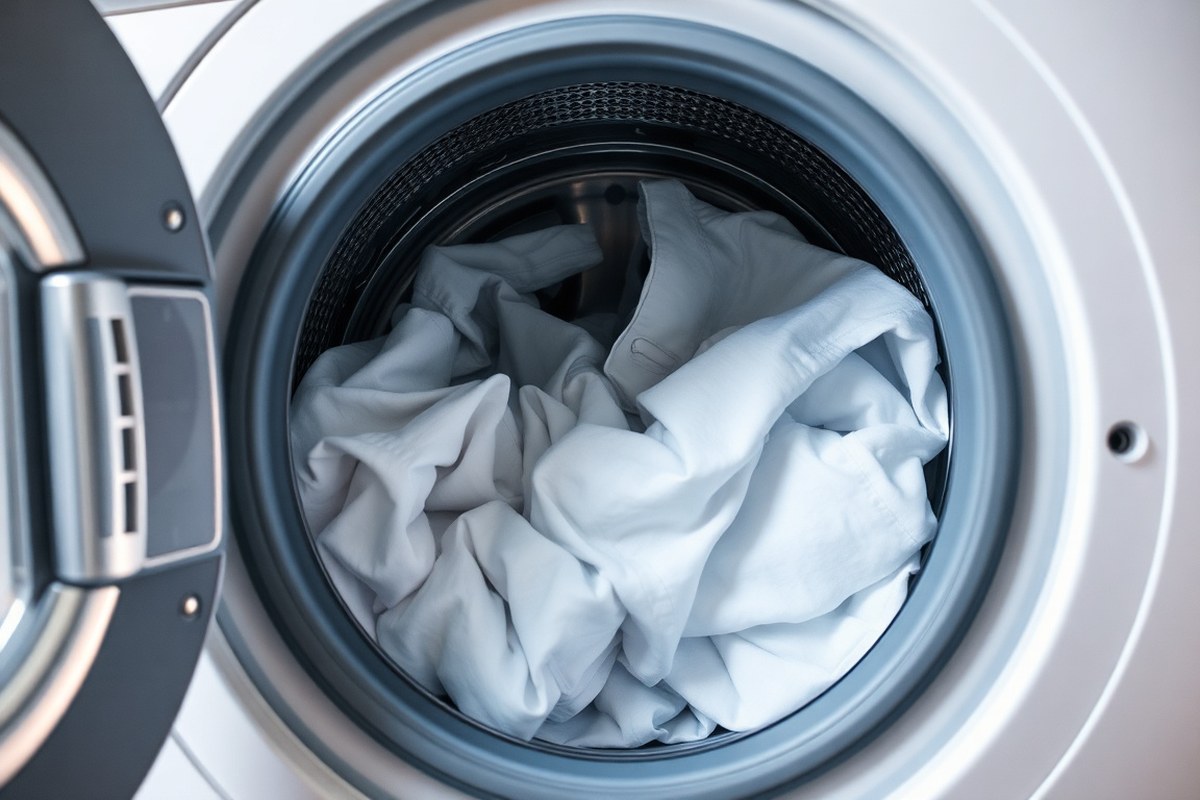
Washing white shirts properly helps maintain their brightness and fresh look over time. Using the right water temperature, detergent, and machine settings matters because whites can dull or develop grays and yellows when washed incorrectly. Cold water is typically best for most white shirts, especially if the care labels recommend it. Cold water reduces fabric wear and colour fading while saving energy. Washing white shirts separately from colored clothes prevents color transfer and keeps whites crisp. Choose a detergent formulated for whites or one with optical brighteners or oxygen-based agents. Avoid overloading your washer to give shirts enough space to get clean, not just tumbled.
- Sort your laundry carefully. Separate white shirts from colored and dark fabrics. Check care labels and make sure any stained shirts receive treatment before washing.
- Select cold water or warm water (no higher than 40°C / 104°F). Cold water is safest for maintaining brightness and fabric health. Warm water can be used occasionally for heavily soiled or cotton whites but avoid hot water which can cause shrinkage or damage.
- Choose a detergent formulated for whites. Look for detergents labeled “whites” or with oxygen-based brighteners. Avoid powdered detergents that don’t dissolve well in cold water; liquids or pods usually work better.
- Do not overload the washing machine. Leave enough room so white shirts can move freely. Crowding limits water and detergent penetration, causing clothes to appear dull or unevenly cleaned.
- Use the appropriate wash cycle. A normal or cotton cycle is fine for sturdy cotton shirts. For delicate fabrics, select a gentle or permanent press cycle to reduce wear.
- Consider adding a whitening boost. Add ½ cup of distilled white vinegar or baking soda to your wash cycle along with detergent to help maintain whiteness without harsh chemicals.
- Start the wash cycle and avoid using fabric softeners. Fabric softeners can leave residues that dull white fabrics. Skip them when washing white shirts.
- Dry shirts according to care instructions. Air drying or tumble drying on low heat preserves fabric and brightness, preventing yellowing caused by overheating.
Following these steps can cost as little as the price of your usual detergent plus a couple of common pantry items like vinegar or baking soda. Proper washing keeps your white shirts looking crisp with less fading, graying, or yellowing over many washes, saving money on replacements. Skimping on sorting, temperature, or detergent often leads to dingy whites and can damage fabric fibers, making shirts wear out faster.
2. Effective Pretreatment Techniques for Common White Shirt Stains

Removing stains from white shirts starts with identifying the stain type and applying the right pretreatment methods. Spot cleaning, soaking, and using stain removers help prevent stains from setting and keep your white shirts bright and fresh.
Identifying Stain Types on White Shirts
Knowing what caused a stain determines how you should treat it. Acidic stains like coffee, wine, and fruit juice respond well to vinegar-based solutions, while protein stains such as sweat, blood, or milk react better to enzyme detergents. Oil and grease stains require grease-cutting products without water saturation at first to prevent spreading.
Fresh stains are easier to treat. Blot gently to lift excess without rubbing. If unsure about the stain, test a small hidden area with the chosen pretreatment to avoid damage.
Applying Liquid and Powder Detergents for Pretreatment
Start pretreatment by applying a small amount of liquid laundry detergent directly to the stain. This works well for many spots before washing. Powder detergents designed for whitening, such as Vanish Oxi Action Crystal White Powder, can be made into a paste with water and applied to stubborn stains. For direct stain application:
- Lift off dry residue carefully with a soft brush or cloth.
- Apply liquid detergent or paste made from powder detergent to the stain.
- Let the treatment sit for 10 to 60 minutes, depending on the stain type.
- Rinse or soak as per the stain instructions before laundering.
Avoid over-scrubbing the fabric as it can weaken fibers and spread the stain.
Soaking Guidelines for Tough and Fresh Stains
Soaking white shirts helps loosen stains before washing. For acidic stains like coffee and wine, soak the garment in a mix of white vinegar and 1 tablespoon of liquid detergent per gallon of water. Soaking time should be at least 30 minutes and can extend overnight for stubborn marks.
Sweat and oil stains benefit from a shorter soak in cool water with a detergent that contains enzymes targeting protein and grease. Avoid hot water as it can set protein stains permanently.
- Fill a basin with cool or lukewarm water suitable for the fabric.
- Add stain-specific solution: vinegar-detergent for acidic stains or enzyme detergent for sweat.
- Fully submerge the shirt, making sure the stained area is covered.
- Let soak according to stain type: 30 minutes to overnight.
- After soaking, treat any remaining spots before washing.
Safe Stain Removal Products to Use
Hydrogen peroxide is effective for many white shirt stains. Apply a small amount directly to the spot and let it soak for about 10 minutes before washing. It works well on sweat, blood, and some beverage stains without damaging most cotton fabrics.
Commercial stain removers that include active brighteners, like Vanish Oxi Action, not only lift fresh and dried stains but also help maintain whiteness after repeated washing cycles. Follow the product instructions, using pre-treatment or soaking options based on stain severity.
For gentle stain removal or delicate fabrics, mix equal parts white vinegar and water and apply as a spot cleaner. This is safer than bleach and minimizes damage risk.
Avoiding Mistakes When Pretreating
Do not apply deodorant, perfume, or hair products directly to white shirts to prevent new stains. Always check fabric care labels before using stain removers or soaking methods to avoid damage.
Using hot water on protein stains like blood or sweat can make them permanent. Avoid soaking for too long in harsh chemicals as it can weaken fabric fibers and cause yellowing. Always allow pretreatment agents to work for recommended times but rinse thoroughly afterwards.
Stop applying products immediately if you notice any fabric discoloration or damage during pretreatment.
3. Choosing and Using Whitening Agents: Bleach, Vinegar, Baking Soda, and Others
Choosing the right whitening agent for white shirts depends on your fabric type, desired brightness, and the shirt’s care label. Chlorine bleach is a strong whitener but can damage delicate fabrics and weaken fibers if used too often or at high concentrations. Oxygen-based bleach offers a gentler alternative compatible with most washable white fabrics, improving brightness without the harsh effects of chlorine. Hydrogen peroxide acts as a mild, environmentally friendly bleach substitute and is generally safe on cotton and polyester blends.
White vinegar and baking soda provide safe, natural methods to brighten white shirts, especially if you want to avoid strong chemicals. Vinegar helps remove grey or yellow tints by breaking down residues in the fabric. Baking soda works as a mild whitening booster and excels as a pretreatment paste for stains like grass or dirt. These options take longer to show whitening effects but reduce risk of fabric damage.
Some situations require avoiding bleach products entirely. Avoid chlorine bleach on delicate fabrics such as silk, wool, or spandex, and on shirts with colored designs. Oxygen bleach and hydrogen peroxide also should not be used on these sensitive materials but are generally safer on cotton and synthetic blends. Vinegar and baking soda are mild enough to use regularly, even on delicate fabrics, though they whiten less powerfully.
| Whitening Agent | Effectiveness | Safe Fabrics | How to Use |
|---|---|---|---|
| Chlorine Bleach | High | Sturdy cotton, polyester | Use diluted (1/4 cup per gallon), cold water, short soak (5-10 mins) |
| Oxygen Bleach | Medium to high | Most washable whites | Add booster pod or 1 scoop to wash cycle, follow label directions |
| Hydrogen Peroxide (3%) | Moderate | Cotton, polyester blends | Use as soak or add 1/2 cup to wash; test fabric first |
| White Vinegar | Low to moderate | Delicates, cotton, blends | Add 1/2 cup to rinse cycle or wash; use distilled white vinegar |
| Baking Soda | Low to moderate | Delicates, cotton, blends | Mix 4 tbsp with water for paste or add 1/2 cup to wash |
Use chlorine bleach sparingly and only on sturdy fabrics to prevent weakening fibers or yellowing over time. Oxygen bleach can be added regularly to laundry as a booster without excessive risk. For all whitening agents, always follow fabric care labels closely.
For mild whitening and stain treatment, mix baking soda with water to create a paste and apply directly to stains before washing. Then wash in cold or warm water with an oxygen bleach booster or add 1/2 cup of distilled white vinegar in the rinse cycle to help maintain brightness. Hydrogen peroxide can be used as a soak for up to 30 minutes but test for colorfastness first. Avoid mixing vinegar with bleach or ammonia products, as this can release toxic fumes.
4. Preventing and Treating Yellowing and Greying of White Shirts
White shirts often develop yellowing or greying mainly because of sweat, body oils, and detergent residues left in the fabric. The yellowing seen in collars and underarms happens when sweat reacts with deodorant ingredients and is not washed out promptly. Over time, this residue oxidizes, creating those stubborn yellow stains that can make a shirt look aged and dirty. Greying occurs when dirt and grime from frequent wear become embedded and are redeposited within the fibers during washing. Both types of discoloration reduce the brightness of your white shirts and can make them feel worn out before their time.
Preventing yellowing starts with proper washing practices right after wearing your white shirts, especially on hot days or after exercise. Wash shirts within 24 to 48 hours to avoid sweat and deodorant buildup. Pretreat underarm and collar areas with a mixture of equal parts water and white vinegar or use a commercial stain remover designed to break down sweat proteins. Soaking shirts in a solution of oxygen-based bleach and water (follow label directions, usually about 1 scoop to a gallon of water) for 30 minutes before washing can also reduce yellow stains without damaging the fabric.
To reduce greying, avoid overloading your washing machine, which can prevent proper rinsing and cause dirt redepositing. Use an adequate amount of detergent and add a whitening booster like baking soda (about half a cup per load) to keep the whites bright. Wash white shirts separately or with other white items to prevent dye transfer. Hot water (around 120°F) helps remove body oils and dirt better but check your shirt’s care label to avoid shrinking or damage.
Handling underarm yellowing especially requires careful attention to sweat stains. After pretreating, wash shirts with a detergent that includes enzymes, which break down protein-based stains like sweat. Avoid using antiperspirants containing aluminum zirconium if prone to yellowing since these compounds react with sweat to cause discoloration. Allow antiperspirants to dry fully on your skin before dressing. In cases where yellow stains are set in, gently scrubbing the area with a paste made from baking soda and water before washing can lift the stain.
Store white shirts in a cool, dry place out of direct sunlight because heat and light exposure can accelerate yellowing and fabric degradation. Use breathable garment bags instead of plastic to prevent moisture buildup, which might also contribute to discoloration. If shirts have already started to look dull or yellowed all over rather than just in sweat-prone areas, using an oxygen bleach soak periodically (every few weeks) can restore some brightness without the harshness or risk of chlorine bleach. Keep in mind frequent use of strong bleaching agents can weaken fabric fibers over time.
Maintaining the whiteness of your shirts takes consistent effort from washing to storage. Address sweat stains quickly and adopt washing and pretreatment routines that minimize residue buildup. These practices help keep your white shirts bright and delay the yellowing or greying that typically comes with regular wear.
5. Proper Drying and Storage to Maintain White Shirt Quality
Drying white shirts properly is key to preserving their brightness and shape. Sunlight naturally helps keep whites looking fresh because the ultraviolet rays can break down residues that cause dullness. Hanging white shirts outdoors to air dry is ideal, but keep them out of direct, intense sun for too long to avoid yellowing or fabric weakening. A spot with morning or late afternoon sun works best. If drying indoors, use a well-ventilated area and avoid heat sources that could shrink or discolor the fabric.
Tumble drying is convenient but carries risks. Use a low heat or air-dry setting to prevent heat damage that can cause yellowing or shrinkage. Remove shirts promptly when dry to reduce wrinkles and avoid prolonged heat exposure. A fabric softener sheet can help maintain softness but may leave residues over time, so use sparingly.
Storing white shirts plays a major role in maintaining their brightness between wears. Proper storage limits exposure to dust, dirt, and environmental pollutants that can cause discoloration. Keep shirts in a cool, dry, and dark closet area to minimize yellowing from light and humidity. Using breathable garment bags or cotton covers can protect them without trapping moisture. Here are best practices for drying and storing white shirts:
- Hang shirts on wide, padded hangers to preserve shoulder shape.
- Air dry outside in indirect sunlight for about 1 to 3 hours for natural whitening.
- Use tumble dryer on low heat; remove shirts promptly when dry.
- Store in a dark, dry closet area away from direct light and heat sources.
- Cover with breathable garment bags to protect from dust and yellowing.
- Avoid plastic bags or airtight containers that trap moisture and promote mildew.
- Wash and dry shirts fully before storing to prevent musty smells and stains setting in.
Always check care labels on your shirts before selecting drying methods to avoid damage from heat or sunlight.
Following these steps costs only a little more effort but makes a noticeable difference. Shirts stay bright and crisp longer, saving you money by reducing replacements or extra whitening treatments. Problems like yellow stains, fabric breakdown, or fading mostly arise when drying is rushed, shirts are over-dried with heat, or stored in humid environments. Keeping your white shirts clean and bright means controlling drying time, temperature, light exposure, and choosing the right storage solutions tailored to your space and lifestyle.
6. Hand Washing White Shirts: When and How to Do It Right
Hand washing delicate white shirts can be better than machine washing when the fabric is fragile or has embellishments. It reduces the risk of damage and allows you to treat stains carefully. Doing it right involves the right soap, water temperature, gentle handling, thorough rinsing, and cautious drying.
Selecting Suitable Soap or Detergent
Choosing the right cleaning agent is key to preserving delicate white fabrics. Use a mild detergent designed for delicate or hand-wash fabrics to avoid harsh chemicals that may weaken fibres or cause yellowing. Avoid bleach or strong detergents, especially on lace, silk, or finely woven cottons, as they can cause damage or discoloration.
Soap flakes or liquid detergents labeled for delicates work well. Oxygen-based stain removers can be added cautiously if the fabric can tolerate it, but always test on a hidden area first and follow the product guidelines strictly.
Using the Right Water Temperature
Water temperature affects cleaning efficiency and fabric safety. Hot water (around 130°F or 54°C) is good for cotton and linen whites because it dissolves dirt and kills bacteria better. However, for delicate fabrics like silk or lace, use cold water (about 70°F or 21°C) to prevent shrinking or damage.
Always check the care label before deciding on water temperature. Using water that is too hot for delicate materials leads to fabric weakening or color shifting, negating the benefits of hand washing.
Gentle Washing and Stain Treatment
Hand washing requires careful agitation to clean without stressing the fabric. Stains should be pretreated with a mild solution or specially formulated stain remover sparingly and treated before washing. Avoid scrubbing vigorously, which can stretch or distort delicate shirts.
- Fill a basin with the correct water temperature and add a small amount of mild detergent.
- Submerge the shirt and gently agitate by swishing it around for 3 to 5 minutes.
- Focus on stained or soiled areas by gently pressing or pinching the fabric but do not rub harshly.
- Let the shirt soak for up to 15 minutes for tough stains.
- Use a soft brush or cloth to spot clean if necessary, carefully and lightly.
- Repeat the gentle agitating motions for a short time after soaking.
- Drain the soapy water but do not wring out the shirt harshly.
Proper Rinsing Techniques
Rinsing out detergent thoroughly is critical to avoid residue buildup that dulls whites. Use clean, cool water and move the shirt gently within the water several times to flush out soap. Multiple rinses may be needed for heavily soiled shirts.
Press the shirt against the basin sides to release soapy water instead of twisting or wringing. Residual soap can attract dirt or cause fabric stiffness, so rinse until the water runs clear.
Drying Hand Washed Whites Safely
White shirts washed by hand should be dried carefully to avoid shrinking or distortion. Gently press excess water out by rolling the shirt in a clean, dry towel, do not wring. Lay the shirt flat on another dry towel or drying rack, reshaping it to its original form during drying.
Avoid direct sunlight and high heat, which may cause fading or yellowing. For delicate fabrics, drying indoors at room temperature is best. Proper drying maintains fabric strength and keeps whites looking bright over time.
7. Cleaning and Maintaining Your Washing Machine for Optimal White Shirt Care
Keeping your washing machine clean is essential for maintaining the brightness and cleanliness of your white shirts. A well-maintained washer prevents odors, residue buildup, and dingy whites by ensuring detergent and soil do not accumulate inside the drum. Regular cleaning routines contribute directly to white shirt care by improving washing performance and extending the life of both your appliance and garments.
Running Vinegar or Hydrogen Peroxide Cycles
Vinegar and hydrogen peroxide are effective natural agents for cleaning your washer and boosting the brightness of white shirts. They break down detergent buildup and kill bacteria that cause odors. Using these substances as part of your regular cleaning cycle helps keep your machine fresh and your whites bright without harsh chemicals.
To maintain your washer, run an empty cycle with one of these cleaners monthly or more often if you wash whites frequently. White vinegar can also be added during rinsing to help strip any lingering residue on clothes.
Removing Detergent Buildup and Odors
Detergent residue and trapped soils can dull whites and produce unwanted smells. Incorporating vinegar or adding a specialized whitening booster during wash cycles mitigates this. Vinegar acts as a natural fabric softener and residue remover, improving detergent effectiveness.
- Measure 1/2 to 1 cup of distilled white vinegar or 1 cup of hydrogen peroxide.
- Add the chosen substance directly to the washer drum before loading clothes for hydrogen peroxide; add vinegar to the rinse cycle or last rinse dispenser.
- Run a normal wash cycle using warm or hot water for best cleaning action.
- Repeat monthly or when you notice odors or residue buildup starting to develop.
Regular Drum and Filter Cleaning
Residue, lint, and mold can accumulate in the drum and filter, affecting cleaning efficiency. Most washers have a removable filter and a cleaning cycle. Regular cleaning prevents white shirts from picking up grime or smell.
Check your machine’s manual for the filter’s location and clean it every 1 to 3 months. For the drum, run a maintenance wash on the hottest setting with a commercial washing machine cleaner or a 2-cup vinegar solution.
- Remove the filter if possible and rinse it under warm water, removing visible lint or debris.
- Prepare a hot water cycle; add washing machine cleaner or 2 cups of distilled white vinegar to the drum.
- Run the hottest wash cycle without any laundry inside.
- Wipe the drum and gasket with a clean cloth after the cycle finishes to remove residual moisture or buildup.
When to Call a Professional for Machine Maintenance
Persistent odors, leaks, or poor washing results may indicate mechanical issues beyond routine cleaning. Frequent failure of drum rotation, drainage problems, or electrical faults require expert attention. Scheduling professional maintenance every 1 to 2 years supports optimal washer performance and white shirt care.
A licensed appliance technician can diagnose and fix buildup inside hard-to-reach components, replace worn seals, and ensure your washer operates safely at ideal temperatures for whitening clothes. Delaying repairs risks further damage and diminished cleaning results.
8. Handling White Shirts with Colored Designs or Delicate Fabrics
White shirts with colored designs or delicate fabrics need extra care to stay bright and undamaged. Always start by checking the care label to identify fabric type and any washing restrictions. If the shirt has embroidery, prints, or mixed fabrics like cotton-polyester blends, avoid harsh chemicals like chlorine bleach, which can fade colors and weaken fibers.
Separate these shirts from both plain white garments and dark or colored laundry. Washing them with plain whites can risk dye transfer from the colored parts, and mixing with darker clothes increases the chance of color bleeding. Use a gentle cycle with cold or lukewarm water (around 30°C or 86°F) to protect fabric integrity and preserve color vibrancy.
Choose a mild, color-safe detergent designed for delicate or mixed fabrics. You can add a quarter to half a cup of lemon juice as a natural whitener without risking damage to colors or embroidery. Avoid mixing lemon juice with ammonia, vinegar, or chlorine bleach, as this creates toxic fumes. For stubborn stains on colored or delicate fabrics, pretreat gently with a stain remover safe for color and fabrics.
Delicate fabrics such as silk or lace require hand washing in cool water with a gentle detergent. Submerge the shirt and gently agitate, then rinse thoroughly without wringing. Dry flat or hang in shade to prevent stretching or fading. For sturdier blends, machine washing on the delicate cycle with a mesh laundry bag offers protection while still cleaning effectively.
Never use chlorine bleach on white shirts with colored designs or delicate embroidery; it can cause fading and fabric damage.
A suitable approach for white shirts that combine fabric types and colors is washing in small loads, using short wash cycles (15, 30 minutes) at low temperatures. This reduces the time colors are exposed to water and detergent. Avoid fabric softeners that may build up and dull both whites and colors over time. Proper sorting, mild cleaning agents, and lowered wash intensity help keep your shirts looking fresh and vibrant without sacrificing fabric quality.
Step-by-Step Action Plan
Follow these steps to keep your white shirts bright and fresh while handling stains and fabric care properly.
- Before washing: Apply a mild stain remover or a paste made from baking soda and water to any stains; this treatment helps fade or remove stains before laundering.
- Washing day: Use a detergent formulated for whites and add a whitening agent like oxygen bleach or a cup of white vinegar; check for consistent brightening after the wash cycle.
- After washing: Inspect the shirt before drying; if stains remain, retreat and wash again to avoid setting stains permanently.
- Drying: Air dry shirts in indirect sunlight or use a low-heat dryer setting; results show minimal yellowing or fabric damage.
- Weekly: Clean your washing machine by running an empty cycle with washing machine cleaner or vinegar to prevent residue build-up, helping keep shirts bright over time.
- For shirts with designs or delicate fabric: Hand wash with mild detergent following label instructions; fabric should feel clean without any harsh wear.
- Storage: Keep white shirts in a dry, cool area out of direct sunlight, and do not use plastic bags for storage to maintain their color and fabric.
Frequently Asked Questions
How to Wash White Clothes in a Washing Machine?
Wash white clothes using hot or warm water, detergent, and avoid overloading the machine so shirts get properly cleaned and rinsed.
Should I Wash Whites on 40 Or 60?
Washing whites at 60 degrees helps remove stains and bacteria better than 40, but check fabric care labels for best temperature use.
How to Remove Stubborn Stains from a White Shirt?
Use hydrogen peroxide on the stain, let it sit for 10 minutes, then wash normally to help lift tough spots.
What Is the Best Whitener for White Clothes?
White vinegar works well as a natural whitener to remove grey or yellow tints when added to your wash cycle.
Can I Use Bleach on White Shirts with Colored Designs?
Avoid bleach on colored designs; it can damage or fade the colors and weaken fabric fibers.
How Often Should I Clean My Washing Machine When Washing White Shirts?
Clean your washing machine monthly by running hot water with 2 cups of white vinegar to maintain white shirt brightness.
Wrapping Up
Maintaining white shirts longer starts with consistent care and attention to fabric type and stains. Start by checking your washing machine for buildup that might dull your clothes and pretreat stubborn stains before washing. This one step can make an immediate difference in brightness for your next wash.