How to Remove Mildew Stains from Clothes: 8 Effective Methods That Work
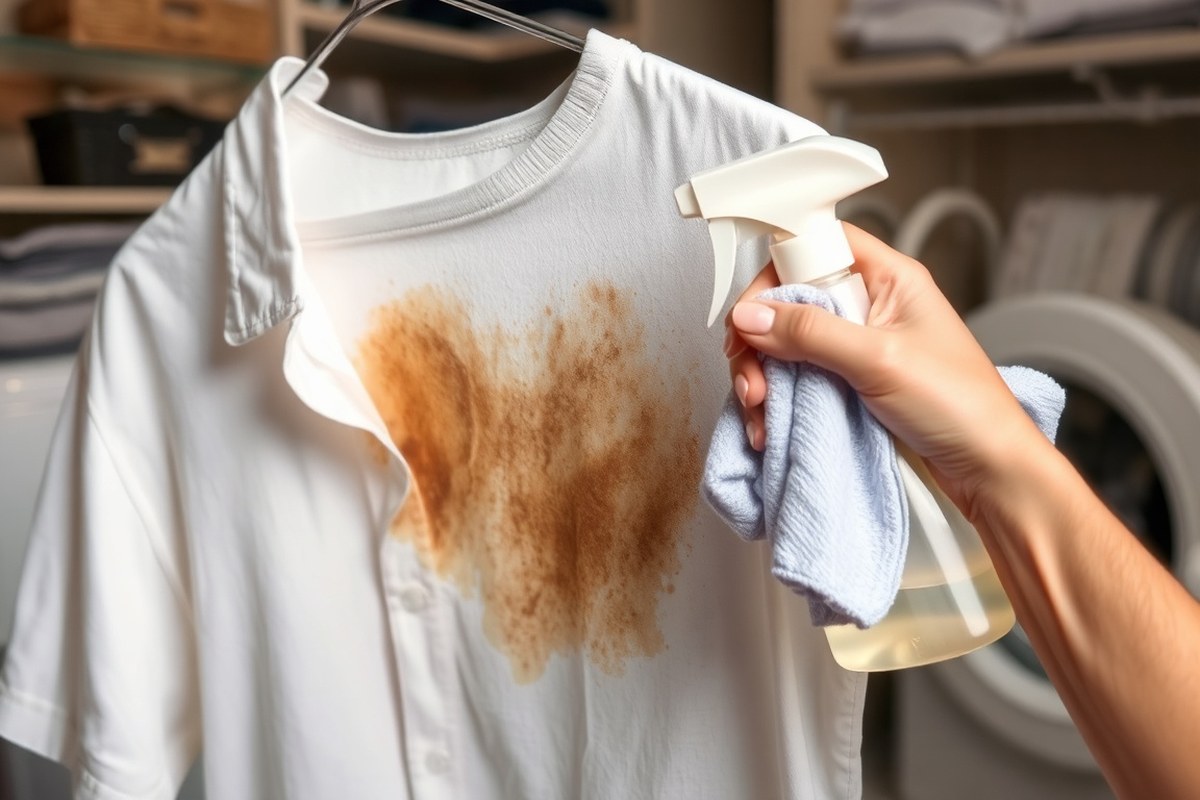
Mildew stains on clothes come from trapped moisture and can be removed safely by soaking garments in diluted bleach or oxygen-based cleaner, then washing thoroughly. Sun drying clothes also helps kill mildew spores and removes musty odors. This method works best on clothes that are wet or stored too long without drying.
Homeowners and renters dealing with mildew-stained laundry will find clear, effective steps to treat different fabrics without damage. The solutions cover safe soaking times, stain treatment, and preventing mildew return after washing and drying.
Key Takeaways
- Soak mildew-stained clothes between 30-60 minutes before washing to loosen spores.
- Use diluted chlorine bleach (1 cup bleach to 1 gallon water) only on white fabrics.
- Choose oxygen-based bleach for colored clothes to avoid discoloration.
- Lay clothes in direct sunlight for 1-2 hours to help eliminate mildew and odors.
- Always dry clothes completely to prevent trapped moisture that encourages mildew growth.
- Pre-treat stubborn stains with detergent mixed in cool water before rewashing if needed.
1. How to Remove Mildew Stains from Clothes Safely and Effectively
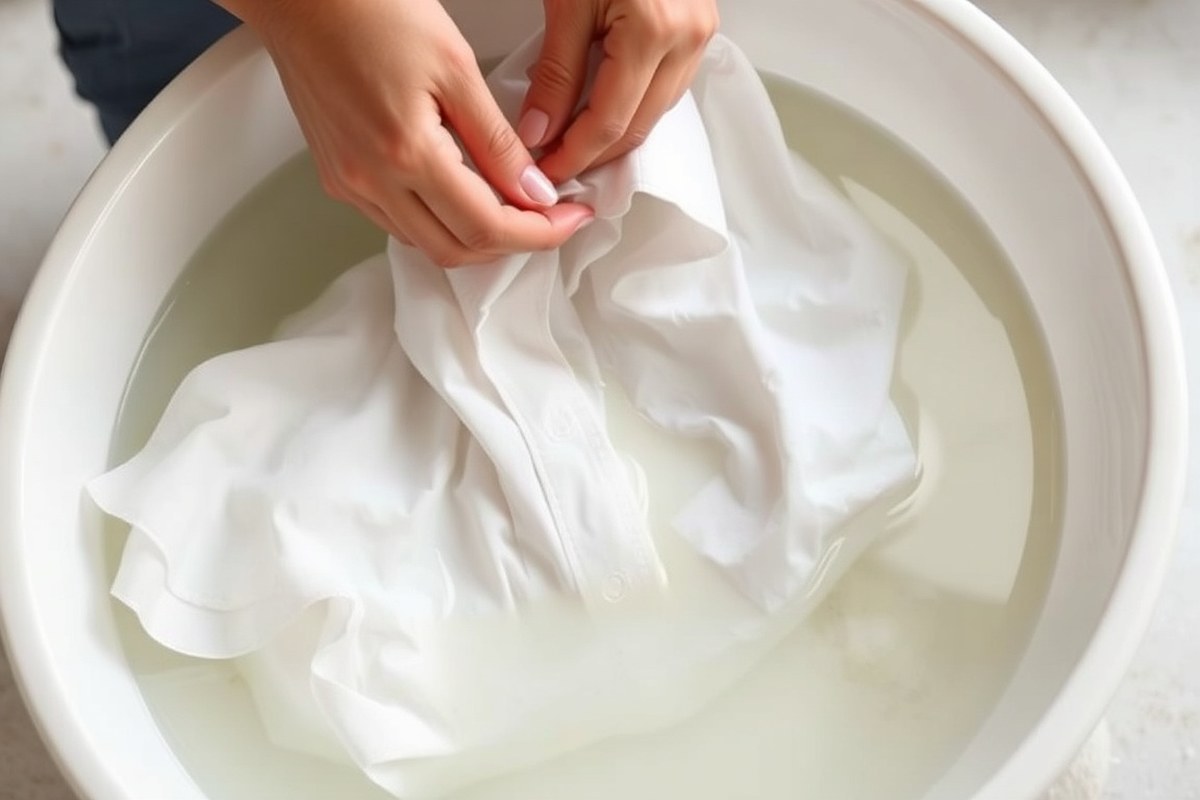
Removing mildew stains from clothes requires immediate and careful action to prevent damage and lingering odors. Mildew, which appears as light, powdery spots, can cause discoloration and an unpleasant smell when clothes stay damp for too long. Using the right household products safely ensures effective stain removal without harming your fabrics. Chlorine bleach works well on white cottons, while oxygen-based bleach is safer for colors. Avoid chlorine bleach on delicate fabrics like wool, silk, viscose, or modal since it can cause damage.
Soaking clothes helps loosen mildew and mold spores so stains wash out more easily. A soak time of 30 to 60 minutes is enough to weaken the stain without risking fabric damage. Applying treatments at the recommended dilutions prevents bleaching spots or weakening fibers. Washing after soaking at the hottest safe temperature for your fabric ensures thorough mildew removal.
- Sort and inspect your clothes. Separate whites, colors, and delicates. Check care labels to avoid bleach on sensitive fabrics.
- Prepare a soaking solution. For whites, mix 1 cup of chlorine bleach with 1 gallon of cool water. For colors, use an oxygen-based bleach mixed according to package directions. Avoid mixing bleach with other cleaners.
- Submerge your clothes. Fully soak mildew-stained clothes for 30 to 60 minutes. For delicate fabrics or when unsure, opt for oxygen bleach or a cleaner like Simple Green All-Purpose Cleaner, which deodorizes and helps remove stains.
- Rinse thoroughly. After soaking, rinse clothes with clean water to remove bleach or cleaning residue before washing.
- Wash at a high temperature. Wash clothes on the hottest cycle safe for the fabric, which improves mildew stain and odor removal. Use a detergent like Cold Power Liquid or Powder for colored clothes.
- Air dry clothes in sunlight. Sunlight helps kill remaining spores and reduce odors. Avoid leaving clothes damp in the washer or hamper to prevent mildew return.
- Treat delicate fabrics carefully. For wool, silk, viscose, or modal, use oxygen-based bleach or mild cleaners instead of chlorine bleach to protect fabric integrity.
Prices for household chlorine bleach generally hover around $3 to $5 per gallon, making it an affordable mildew stain remover. Oxygen-based bleach brands typically cost a bit more but offer safer options for most clothes. Lemon juice can sometimes help remove mild mildew stains naturally but may require repeated application and should be tested first to avoid fabric discoloration.
2. How Different Fabrics Affect Mildew Removal Methods

The type of fabric plays a major role in choosing the right mildew removal method. Some fabrics, like cotton and polyester, can handle stronger treatments such as bleach, while delicate fabrics like silk and wool require gentler care. Treating colored fabrics incorrectly can lead to fading or damage, making it important to match the cleaning method to the fabric’s tolerance and colorfastness.
Cotton and Synthetic Fabrics
Cotton, polyester, and other synthetic blends tolerate more aggressive mildew removal methods. These fabrics can usually withstand chlorine bleach or oxygen bleach. Using chlorine bleach kills mildew quickly but can fade colors and weaken fabric if overused. Oxygen bleach is a safer option for colorfast cotton and synthetics because it is less harsh and does not strip color.
Wash these fabrics using the warmest temperature allowed on their care label, which helps remove mildew more effectively. For stubborn stains, add borax or oxygen bleach during the wash cycle. Avoid excessive detergent or fabric softener, as they can trap dirt and bacteria, making mildew harder to remove.
Delicates: Silk, Wool, and Viscose
Silk, wool, and viscose are sensitive to strong chemicals like chlorine bleach, which can cause permanent damage. These fabrics require mild treatments such as vinegar soaks or sprays with gentle essential oils to break down mildew without harming fibers. Always test any solution on a hidden area first.
Hand wash delicates in cool water with a mild detergent that supports protein fibers. Avoid hot water and harsh agitation. Allow the fabric to air dry completely in a well-ventilated area to prevent mildew from returning. If mildew remains after gentle cleaning, professional treatment may be necessary to avoid damage.
Colored vs. White Fabric Treatments
White fabrics tolerate chlorine bleach because they won’t show fading or discoloration. Colored fabrics often lose vibrancy or develop bleach spots if exposed to chlorine bleach. Oxygen bleach offers a color-safe alternative that can be used on many colored fabrics without damage.
To protect colors, always check the garment care label for bleaching instructions and test any bleach solution in an inconspicuous spot. When in doubt, use oxygen bleach or natural options like vinegar that won’t harm dyes. Overusing bleach on colored clothes causes fabric weakening and irregular spots. Below is a comparison table summarizing safe mildew removal options by fabric type and color:
| Fabric Type | Safe Treatments | Temperature | Notes |
|---|---|---|---|
| Cotton (White) | Chlorine bleach, Oxygen bleach, Borax | Warm to hot (per label) | Can handle strong treatments; monitor fabric condition |
| Cotton (Colored) | Oxygen bleach, Borax, Vinegar | Warm (per label) | Avoid chlorine bleach to prevent fading |
| Polyester/Synthetics | Chlorine bleach (white), Oxygen bleach | Warm to hot (per label) | Generally durable for mildew removal |
| Silk, Wool, Viscose | Vinegar soak, Mild detergent, Essential oils | Cold or cool water | Avoid bleach and hot water to prevent damage |
Choosing the right method for your fabric saves your clothes from further damage and gives the best chance of removing mildew stains completely.
Test any bleach or vinegar solution on a small, hidden area before applying it to the entire garment to avoid unexpected damage.
3. How to Remove Mildew Smell Along with Stains
Neutralizing mildew smell on clothes requires more than just removing visible stains. Using natural products like white vinegar and baking soda or enzyme-based odor removers can eliminate musty odors effectively. Combining these treatments with proper drying is essential to stop the smell from returning.
Using White Vinegar and Baking Soda
White vinegar is a common and effective natural deodorizer. It neutralizes odors and kills bacteria linked to mildew, working well on light mold and mildew smells. To use vinegar, soak clothes in a solution of one part white vinegar to four parts warm water for 30 to 60 minutes before washing. This gives the vinegar time to penetrate the fabric and start breaking down the mildew odors.
Baking soda helps remove odors and break down mildew on fabric. Adding 1/2 cup of baking soda to your washing machine along with detergent works well, or you can use it after soaking clothes in vinegar. For better results, wash clothes first in vinegar, then run a second wash with hot water and 1 cup of baking soda. This method eliminates musty odors and leaves garments fresh. Do not mix vinegar and baking soda at the same time, as their reaction cancels out their cleaning effectiveness.
- Soak clothes in a diluted vinegar solution for 30 to 60 minutes before washing
- Use 1/2 to 1 cup of baking soda in the wash cycle for odor absorption
- Run a second wash cycle with baking soda if odors persist after vinegar treatment
- Wash clothes in the hottest water safe for the fabric to kill mildew spores
- Avoid mixing vinegar and baking soda together in the same wash as it reduces their effectiveness
- Repeat monthly to keep mildew odors away from laundry
Enzyme-Based Odor Removers
Enzyme-based odor removers target the proteins and organic material that cause mildew smells. These products contain natural enzymes that break down odor-causing compounds, eliminating both the smell and the source. Enzyme cleaners are particularly useful for tougher mildew odors trapped in synthetic fabrics or heavy athletic wear.
Apply enzyme cleaners according to the label instructions. Usually, you pretreat the affected areas or add the product to your wash cycle. A typical process involves soaking clothes in warm water with the enzyme cleaner for at least 30 minutes, then washing with a mild detergent. Enzyme-based products can be more expensive than vinegar or baking soda but offer a strong alternative when natural methods aren’t enough.
Proper Drying to Prevent Musty Odors
Even the best washing and deodorizing won’t work if clothes don’t dry fully. Moisture trapped in damp clothes creates a breeding ground for mildew and its musty odors. Always dry clothes completely after washing, preferably in direct sunlight or a well-ventilated area. Sunlight’s ultraviolet rays help kill mildew spores and freshen fabric.
Using a dryer on a warm setting can speed drying, but avoid overloading the machine to ensure even drying. For delicate fabrics that can’t go in a dryer, hang clothes in a warm, dry place with good air circulation. Check clothes for dampness before putting them away because any residual moisture can cause mildew smell to return quickly.
4. How to Pre-Treat and Soak Clothes to Loosen Mildew Stains
Pre-treating and soaking clothes are key steps to break down mildew stains before washing. Soaking loosens the mildew spores and softens the stain, making it easier to remove during the wash cycle. Pre-treatment targets stubborn spots more directly and can sometimes replace soaking when time is limited or the fabric is delicate.
The best soaking solution is a mixture of cool water and a mold-killing detergent such as oxygen bleach or a mildew-fighting laundry detergent. Avoid hot water since it can set stains or damage fabrics. For mild mildew, soaking in a mixture of lemon juice and water can help but may not fully remove entrenched stains.
Soak clothes for at least 30 minutes for typical mildew stains, and up to several hours for heavier or older stains. For extremely tough cases, soaking overnight can improve results, but always rinse thoroughly afterward to remove loosened spores and residues. Pre-treatment using a mildew stain remover or detergent applied directly to the stain should sit for about 15 minutes before washing.
Pre-treatment is useful as a quicker alternative when soaking isn’t practical or for delicate fabrics that can’t endure long soaking times. If mildew stains persist after soaking, pre-treating and then rewashing is a reliable approach.
- Gather your supplies: cold water, mold-killing detergent (oxygen bleach, Clorox mold & mildew remover, or similar), liquid laundry detergent, lemon juice (optional), and a soft brush or cloth for spot treatment.
- Fill a basin or laundry tub with cold water: Use enough water to fully submerge the shoes or item of clothing.
- Add mold-killing detergent: Follow the product instructions for the correct amount, typically about 1 cup (240 ml) for oxygen bleach per gallon of water.
- Soak the clothes: Let them sit for 30 minutes to several hours depending on the severity of the mildew stain.
- Apply pre-treatment to stubborn spots: If necessary, rub a small amount of liquid laundry detergent or mildew stain remover directly onto the stain and let it sit for 15 minutes.
- Rinse thoroughly: Use cold water to remove detergent and loosened mildew spores fully.
- Wash as usual: Follow garment care instructions and consider adding a mold-killing detergent to the wash cycle.
- Dry clothes completely: Dry in direct sunlight for 1-2 hours when possible to naturally eliminate any remaining spores and odors.
This process costs little beyond basic laundry supplies and time. Good results look like fading or removal of the mildew stain and no lingering odor. Poor results can mean stains remain or grow darker, often due to insufficient soaking time, using hot water by mistake, or delaying washing so mildew spreads further.
5. Common Mistakes That Prevent Mildew Stain Removal and How to Fix Them
One common mistake that causes mildew smell to return after washing is leaving wet clothes in the washer for too long. Mildew grows quickly on damp fabric, especially if clothes sit hours after the wash cycle ends. The damp environment promotes new mold growth, which leads to that sour, musty odor. To fix this, move washed clothes to the dryer or hang them up immediately, ideally within 30 minutes of the wash finishing.
Using the wrong detergent can also hinder mildew stain removal. Some detergents do not contain enzymes effective against mold and mildew stains. Avoid using detergents made for cold water only or with low cleaning power. Instead, choose a detergent specifically formulated for stain removal, such as Cold Power, which helps break down the mildew cells and prevents the smell from lingering.
Not cleaning the washing machine regularly contributes to stubborn mildew problems as well. Residue and moisture inside the washer drum or detergent drawer become breeding grounds for mold. A monthly cleaning cycle using hot water and washer cleaner or a solution of vinegar and baking soda can keep these areas hygienic. If the smell persists, wipe down rubber seals and detergent compartments thoroughly.
When stain treatment fails, assess the situation by checking how long you’ve soaked or pretreated the item and whether you’ve dried it quickly and completely. Mildew stains that stay after several washes might require repeating the pretreatment or trying a mildew-specific stain remover. Do not dry clothes until the smell and stain have fully lifted; drying traps moisture and locks in odors.
- Don’t leave wet clothes in the washer longer than 30 minutes after the cycle ends
- Use detergents with enzymatic stain fighters like Cold Power for mildew stains
- Run a monthly cleaning cycle on your washer with hot water and a cleaning agent
- Wipe down the rubber door seal and detergent drawer to remove mildew buildup
- Dry clothes promptly and completely after washing
- Repeat pretreatment and washing for stubborn stains before drying
- Store clothes in a dry, ventilated area to prevent mildew return
Too much detergent can actually make mildew worse because excess soap residue traps moisture and dirt, creating a perfect environment for mold growth. Use detergent doses recommended on the package; high-efficiency washers need much less detergent. Overloading the washer similarly reduces cleaning effectiveness by not allowing the clothes to agitate properly.
Never dry clothes with mildew stains or odor before completely removing the smell; heat can set the stain and odor permanently.
6. How to Maintain Your Washer and Dryer to Prevent Mildew on Clothes
Keeping your washer and dryer clean is key to preventing mildew stains and odors on your clothes. Moisture and dirt left inside these appliances create the perfect environment for mold and mildew growth, which eventually transfers to laundry. Regular maintenance removes this buildup and keeps your machines working efficiently.
For your washing machine, aim to clean it once a month using hot water and vinegar. Run an empty cycle with two cups of white vinegar and the hottest water setting to break down residues and kill mold spores. After the cycle finishes, wipe the inside of the drum, door, and rubber gaskets with a cloth soaked in a 1:1 water and vinegar solution. If your machine has a detergent drawer, remove and clean it separately with warm soapy water. Doing this monthly prevents the musty smell and mold that cause mildew stains on clothes.
Deep cleaning both your washer and dryer at least every three months helps maintain good airflow and hygiene. Your dryer doesn’t handle mold the same way a washer does, but moisture inside can still cause smells and damage fabrics. To clean the dryer drum, wet some old towels or rags with a diluted bleach solution (1 part bleach to 10 parts water), wring them well, and run the dryer on a short heat cycle. This kills any hidden mold inside without pouring liquids directly into the machine.
To help avoid mildew odors, move wet clothes promptly from the washer to the dryer. Most washers keep clean loads fresh for up to 16 hours, but longer delays let mildew develop. Avoid overloading your washer since tight packing prevents clothes from rubbing against each other, which is necessary to remove dirt and inhibit mildew. Once dry, store clothes in a dry, well-ventilated area and consider moisture-absorbing packs to keep the environment mold-free.
- Run an empty hot water cycle with 2 cups of vinegar monthly
- Wipe drum, door seal, and detergent drawer with vinegar solution
- Deep clean washer and dryer every 3 months with appropriate cleaners
- Run dryer with bleach-soaked rags on a short heat cycle to kill mold
- Move laundry from washer to dryer within 16 hours
- Do not overload machines to ensure proper cleaning
- Store dry clothes in breathable, dry spaces with moisture absorbers
Proper maintenance usually takes 30 to 60 minutes monthly for cleaning plus running extra cycles. Costs are minimal, vinegar and bleach are affordable household items. Regular upkeep prevents the high cost and hassle of ruined clothes and appliance repairs caused by mold damage. Neglecting cleaning lets mildew grow unchecked, leading to persistent odors and stains that become harder to eliminate.
7. When to Use Specialty Products or Call a Professional
Use specialty mildew removal detergents when home remedies aren’t enough to clean stubborn stains or odors. Professional mold removal is necessary if mold growth spreads over large areas or affects your living space beyond just clothes. Handling strong chemicals requires care to avoid damaging delicate fabrics while still removing mildew effectively.
Mold-Killing Specialty Detergents
Specialty detergents are formulated with ingredients designed to kill mold and mildew spores on fabrics. Unlike general laundry detergents, these contain antimicrobial agents that penetrate fabric fibers to remove mildew stains and odors more effectively. They work best on synthetic fibers and moderately soiled items that home treatments fail to clean.
These detergents are often chlorine-free to avoid bleaching or weakening fabrics but still strong enough to kill mildew. You can find them under brand names specifically marketed as “mildew removers” or “mold-fighting laundry detergents.” Use according to package instructions, typically adding one to two ounces per wash. Expect to pay about $8 to $15 for a bottle that handles multiple loads.
| Product Type | Key Features | Suitable Fabrics | Typical Cost |
|---|---|---|---|
| Mildew Removal Detergent | Antimicrobial agents, odor neutralizer | Cotton, polyester, blends | $8, $15 per 32 oz |
| Oxygen-Based Stain Remover | Oxygen bleach, milder on colors | Most washable fabrics | $7, $12 per box or bottle |
| Enzyme Detergent | Breaks down organic stains, safe on colors | Delicates, synthetics | $10, $14 per bottle |
| Chlorine Bleach (use selectively) | Strong mildew killer, can damage fabrics | White cotton only | $3, $6 per bottle |
Choosing the right product depends on fabric type and stain severity. Oxygen-based and enzyme detergents offer a safer clean for colored or delicate clothes. Chlorine bleach is effective but should be reserved for white cotton fabric and used cautiously to avoid damage.
Indicators for Professional Mold Removal
Professional mold removal should be considered when mold covers an area of 10 square feet or more on household surfaces, according to health guidelines. If the mold problem isn’t limited to clothes but extends to your home environment such as walls, carpets, or air ducts, a professional can assess and treat the source safely.
Lingering odors or recurrent mildew stains despite proper washing can signal underlying mold growth. Call a certified mold remediation expert if you cannot identify the mold source or if you notice symptoms like persistent respiratory issues, which may indicate airborne spores. Professionals use specialized equipment and chemicals that homeowners cannot safely operate.
- Mold covers 10+ square feet inside your home
- Mildew stains keep returning on clothes after cleaning
- Unexplained musty odors in living spaces
- Visible mold on walls, carpets, or vents
- Health symptoms linked to mold exposure
Safe Use of Strong Chemicals
Strong chemicals like chlorine bleach can remove mildew stains but may damage sensitive or colored fabrics. Test any chemical on a hidden fabric patch before full application. Use only diluted solutions (such as 1 part bleach to 10 parts water) and limit exposure time to under five minutes.
Wear gloves and ensure good ventilation whenever using these chemicals. Rinse garments thoroughly after treatment to remove residues. Use enzyme or oxygen-based products first on most clothes, reserving bleach for white, sturdy fabrics when all other options fail.
A careful method to try is soaking the mildew-stained garment in a mild detergent or oxygen-based cleaner solution for 30 minutes before gently scrubbing and rinsing. Avoid mixing chemicals or applying strong acids, which can harm fabric integrity.
8. Best Practices to Prevent Mildew Stains on Clothes Going Forward
Keeping mildew off your clothes starts with ensuring they dry quickly and fully before storage. Damp fabric creates an ideal environment for mold spores to grow, especially in warm, humid areas. Always dry clothes at a minimum room temperature of 70°F (21°C) with good air circulation or use a dryer set to the appropriate heat for the fabric. Avoid leaving wet clothes in the washer or laundry basket for more than a few hours.
Storage areas need to stay dry and well-ventilated to prevent mildew growth. Use sealed plastic bins or containers with tight lids for seasonal clothes rather than fabric bags, which trap moisture. Storing clothes in a closet or room with a dehumidifier can lower indoor humidity below 50%, the level recommended by the EPA to reduce mold risk. Regularly check these spaces for dampness or musty smells as early warning signs.
- Hang clothes on breathable hangers with space between items for air flow
- Fold and store only completely dry clothing
- Use silica gel packets or moisture absorbers in storage bins
- Keep laundry rooms well-ventilated with an exhaust fan or open window
- Run a dehumidifier when humidity exceeds 50%
- Wash clothes with detergent and dry them promptly within 4 hours
- Clean washing machines monthly to prevent mold buildup inside
Humidity control is a critical part of mildew prevention. You can monitor humidity with an inexpensive hygrometer placed in laundry areas and closets. If levels are high, a portable dehumidifier can cost between $150 and $300, depending on capacity, which is worthwhile to protect your clothes. In some cases, increasing airflow with fans or improving insulation can also help maintain consistent dryness.
Store clothes only when 100% dry; even slight dampness encourages mildew to develop quickly during storage.
Pay attention to laundry schedules by washing and drying clothes frequently to avoid long periods of moisture in your piles. Cold climates may require indoor drying racks near heat sources, while warm, humid climates benefit most from a strong ventilation system. Clothes left damp for more than 24 hours dramatically increase the chance of mildew formation, even if later washed again.
Step-by-Step Action Plan for Removing Mildew Stains from Clothes
Follow these steps to effectively remove mildew stains and odors while protecting your clothes from damage.
- Before Washing: Pre-treat the stained areas with a mixture of liquid detergent and white vinegar. Let it sit 30 minutes to start breaking down mildew.
- During Soaking: Soak clothes in a solution of warm water and detergent with a cup of baking soda for 1 hour. The soak loosens mildew particles and neutralizes odors.
- Wash Cycle: Wash clothes on the hottest safe setting for the fabric type, adding an extra cup of white vinegar or oxygen bleach. Check if stains and smell have faded.
- After Washing: Inspect clothes before drying; if mildew remains, repeat the pre-treat and wash steps. Do not dry mildew-stained clothes until stains are gone to avoid setting them.
- Drying: Use bright sunlight or a hot dryer cycle as appropriate for fabric. Sunlight helps eliminate remaining mildew odor naturally.
- Maintenance: Clean your washing machine monthly using a washer cleaner or a vinegar and baking soda cycle to prevent mildew growth.
- Ongoing Prevention: Dry clothes promptly after washing and store them in dry, ventilated areas to avoid mildew recurrence.
- Call a Professional: If stains or smells persist after two treatments, consider professional cleaning for delicate or heavily affected fabrics.
Frequently Asked Questions
Does Dawn Dish Soap Kill Mold?
Dawn dish soap can help remove mold stains due to its grease-cutting ability but does not kill mold spores. Use it as a pre-treatment to loosen mold, then follow with a disinfecting cleaner for better results.
How to Remove Mold from Plastic Without Bleach?
Use a mixture of water and white vinegar to clean mold off plastic surfaces without bleach. Apply the solution, let it sit for 15 minutes, then scrub and rinse thoroughly.
How to Get Rid of Mold?
To get rid of mold, clean the affected area with a detergent that kills mold spores, such as those containing chlorine or oxygen bleach. Ensure the area is dry afterward to prevent regrowth.
Does OxiClean Kill Mold on Clothes?
OxiClean helps kill mold spores on clothes while removing stains and odors through its fizzing oxygen action. For best results, soak the clothes as directed before washing.
Can Mildew Stains Come Back After Washing?
Yes, mildew stains can return if clothes aren’t fully cleaned or dried before storage. Proper washing and thorough drying prevent mildew regrowth.
Is Vinegar Effective for Mildew Odor Removal on Clothes?
Vinegar neutralizes mildew odors but might not remove tough stains completely. Use it as a rinse or soak to freshen clothes after washing.
Key Points to Remember
Removing mildew stains from clothes demands prompt and fabric-appropriate care to avoid damage. Start by targeting stains with proper pre-treating and soaking, then use the right wash settings and drying methods. Focus on cleaning your washer regularly and drying clothes completely to keep mildew away for good. Take action today by checking your current laundry routine and adjusting it based on these steps to protect your clothes and eliminate mildew effectively.