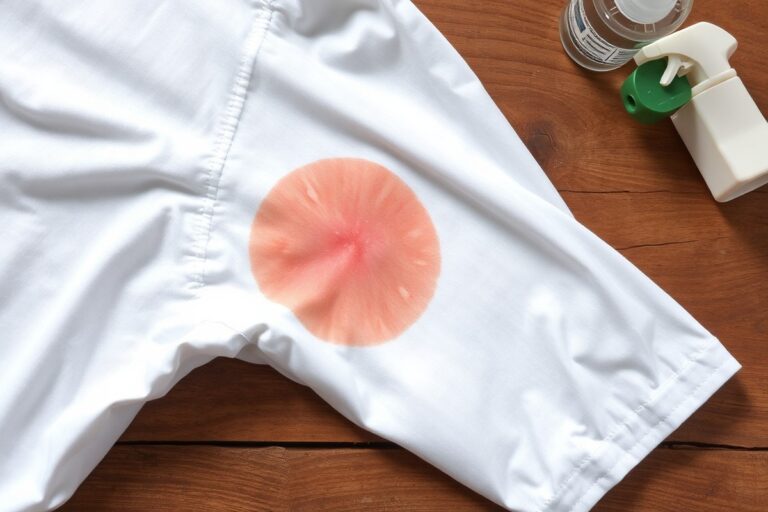
How to Remove Mold from Fabric: 8 Effective Methods for Clean Clothes
To remove mold from fabric, gently brush off loose mold, treat the area with white vinegar or diluted baking soda, then wash according to the care label and air-dry. For white cotton and linen, soaking in a diluted bleach solution for 10 to 15 minutes can be effective when safe to use. These methods help eliminate mold stains and odors without damaging your clothes.
This advice targets homeowners and renters dealing with mold on clothing or fabric items. You will find practical, fabric-specific solutions to clean mold safely and maintain fresh, mold-free fabrics in your home.
Key Takeaways
- Brush off loose mold before applying any cleaning solution to prevent spreading spores.
- Use white vinegar or diluted baking soda on colored fabrics to remove mold stains safely.
- Soak white cotton or linen in a bleach solution only if the care label permits chlorine bleach.
- Wash treated fabrics in cold or warm water following label instructions to preserve fabric quality.
- Air-dry clothes thoroughly to prevent moisture buildup that encourages mold growth.
- Keep indoor humidity below 60% to reduce the chance of mold developing on fabrics.
1. How to Remove Mold from Fabric Safely and Effectively

Removing mold from fabric quickly and thoroughly is essential for protecting your health and preserving your clothes. Mold not only causes unsightly stains but also leaves a strong odor and can weaken the fibers if left untreated. Using simple household items like soap, vinegar, and detergent at appropriate temperatures can effectively eliminate mold stains and spores from most fabrics. Follow these steps to tackle visible mold stains and odors safely and effectively:
- Brush off any loose mold. Take the fabric outside and gently brush away visible mold spores. This prevents spores from spreading inside your home during cleaning.
- Apply a mold treatment. For colored fabrics, dampen the stain with white vinegar or a diluted baking soda paste (1 part baking soda to 3 parts water) and let it sit for 15 to 30 minutes. Vinegar kills mold spores and helps lift stains.
- Soak the fabric if heavily stained. Fill a basin with warm water and add a cup of white vinegar. Submerge the fabric and soak for 30 to 60 minutes. Avoid extending soaking beyond an hour to prevent fiber damage and stain redepositing.
- Wash using hot water and detergent. Use the hottest water safe for the fabric, as indicated on the care label. Add a heavy-duty detergent designed to remove stains. Hot water and detergent effectively kill spores and dissolve mold stains.
- Add supplemental cleaning agents if needed. For tough mold stains, consider adding ¾ cup of chlorine bleach (if safe for the fabric) or oxygen bleach alternatives like OxiClean. Avoid mixing chlorine and oxygen bleach.
- Rinse thoroughly and remove promptly. After washing, remove the fabric immediately from the machine to avoid mold regrowth.
- Dry the fabric in direct sunlight or use a dryer. Sunlight has natural mold-killing properties and helps clear odors. If using a dryer, choose a heat setting compatible with the fabric type.
- Check for remaining stains or odors and repeat if necessary. Persistent mold requires additional treatment before storage.
Prompt cleaning limits mold damage and diminishes health risks. Using hot water at the highest safe temperature removes more mold spores than cold water and improves stain removal. Incorporating vinegar or baking soda before washing gives mold spores a better chance of breaking down without harsh chemicals. Drying thoroughly in sunlight adds a final layer of protection against mold regrowth and smell. Avoid prolonged soaking to protect fabric integrity, and always check care labels to select the safest, most effective temperatures and agents for your garments or fabric items.
2. Which Cleaning Methods Work Best for Different Fabrics?

Choosing the right mold removal method depends largely on the fabric type to avoid damage and ensure safety. Whites and colorfast fabrics can tolerate stronger treatments like chlorine bleach or hydrogen peroxide, while colored and delicate fabrics require gentler options such as vinegar or borax. For non-washable or delicate fabrics, soaking in a mild solution and gentle agitation is key, avoiding harsh chemicals that can weaken fibers or cause discoloration.
Bleach is effective at killing mold but risks fading or damaging colored fabrics. Oxygen bleach (a color-safe alternative) and borax help remove mold without the harsh effects of chlorine bleach. Vinegar works well on almost all fabrics due to its natural disinfecting properties and minimal risk of harm. Hydrogen peroxide at 3% concentration can be dabbed on whites and colorfast fabrics for mold removal but should be avoided on delicate or colored items. Proper soaking times and concentrations vary to balance effectiveness and fabric safety.
| Fabric Type | Recommended Cleaning Method | How To Apply | Considerations |
|---|---|---|---|
| White cotton and linen (chlorine-safe) | Chlorine bleach | Soak in 1/4 cup bleach + 3/4 cup water for 10-15 minutes, then rinse and wash | Only for bleach-safe whites; avoid prolonged soaking |
| Colorfast fabrics (cotton, synthetic blends) | 3% hydrogen peroxide or oxygen bleach | Dab peroxide, wait 10 minutes, rinse; oxygen bleach in wash cycle | Test a hidden area first; avoid on delicate fabrics |
| Colored fabrics (non-bleach-safe) | White vinegar or borax | Apply vinegar directly or soak in borax solution; wash with appropriate detergent | Gentle on colors; vinegar kills mold and odors |
| Delicates and non-washables | Vinegar soak or mild detergent, gentle agitation | Soak for about 30 minutes, agitate gently, rinse carefully | Avoid bleach and harsh scrubbing; air dry thoroughly |
Before treatment, brush off surface mold outdoors to reduce spore spread. Always check the fabric care label for washing temperatures and bleach compatibility. Running moldy clothes through a wash cycle with white vinegar or baking soda helps remove lingering spores and odors using the hottest water safe for the fabric. Delicate fabrics benefit from shorter soaking and less agitation to protect fiber strength.
Tip: Use the hottest water temperature the fabric allows during washing to maximize mold spore removal without damaging the material.
Using bleach on dark or colored fabrics can cause fading and weaken the fibers, so vinegar is the safer choice for these items. Hydrogen peroxide is best reserved for whites and colorfast fabrics due to potential bleaching effects. Borax boosts the cleaning power by breaking down mold biofilms and is safe for most colorfast fabrics. Deciding on the cleaning method starts with identifying your fabric’s bleach tolerance and colorfastness, ensuring mold removal does not trade one problem for another.
3. What Are the Best Natural Alternatives to Bleach for Mold Removal?
White vinegar, baking soda, and hydrogen peroxide all kill mold on fabric while reducing unpleasant odors. Vinegar breaks down mold and mildew enzymes, baking soda lifts stains and freshens fabric, and hydrogen peroxide brightens and sanitizes moldy spots. Each can be used with simple techniques at home, avoiding harsh chemicals when you want a natural option.
Using White Vinegar on Moldy Fabric
White vinegar contains acetic acid, which kills most types of mold and mildew and neutralizes musty odors on clothing. Its effectiveness depends on using it undiluted for direct application or diluted for soaking. Vinegar’s low cost, usually under $3 per gallon, makes it an affordable mold remover.
To tackle mold with vinegar, soak the fabric in a warm water and vinegar mixture or spray full-strength vinegar directly on the moldy areas. Avoid mixing vinegar with bleach or hydrogen peroxide at the same time, as that can produce harmful fumes.
- Fill a bucket or sink with warm water (check fabric label for temperature limits).
- Add 1 cup of white vinegar to the water and stir.
- Submerge the moldy fabric completely and let it soak for 1 hour.
- After soaking, rinse the fabric thoroughly with water.
- If needed, spray undiluted white vinegar on stubborn mold spots and allow it to sit 15 to 20 minutes.
- Wash the fabric normally using detergent to remove loosened mold residues.
- Dry the fabric outside in sunlight if possible to use natural UV rays for extra mold spore disinfection.
Applying Baking Soda for Odor and Stain Removal
Baking soda naturally absorbs odors and helps scrub away mold stains on fabric. It is gentle enough for most fabrics and works well when combined with vinegar or used alone. Baking soda is also inexpensive, often costing under $1 per pound.
You can make a mild spray to treat mold stains and odors or add it directly to washing machines to boost cleaning power. Applying it as a paste on stubborn spots can provide deeper stain removal.
- Dissolve 1 tablespoon of baking soda in 1 cup of water inside a spray bottle.
- Spray the solution onto stained or smelly areas and let it sit for 15 minutes.
- Rub the affected fabric gently with a soft brush or cloth to loosen mold.
- Optionally, make a baking soda paste by mixing baking soda with a little water until thick.
- Apply the paste directly to mold stains and let it sit 30 minutes before washing.
- Add 1/2 cup of baking soda to your washing machine’s drum when laundering moldy clothes to kill odors.
- Dry the fabric in sunlight for extra deodorizing and mold spore removal.
Hydrogen Peroxide for Stubborn Mold Stains
Hydrogen peroxide at 3% concentration is a natural disinfectant that kills mold spores and lightens stains without using bleach. It’s safe for most white and colorfast fabrics but should be tested on hidden areas first to avoid fabric damage or discoloration.
Known for breaking down mold cell structure, hydrogen peroxide also removes the odor left behind. Use it carefully, avoiding prolonged contact and never mixing it with vinegar or bleach simultaneously.
- Pour 3% hydrogen peroxide into a spray bottle for easy application.
- Spray the moldy fabric spots generously and let them soak for 10 to 15 minutes.
- Blot the area with a clean cloth to lift mold and loosen grime.
- Rinse fabric thoroughly with cool water to remove residue.
- Wash the fabric as usual with detergent to complete cleaning.
- Dry fabric in direct sunlight when possible for added mold spore elimination.
- Test on an inconspicuous area before full use to ensure colorfastness.
4. How to Safely Use Bleach and Other Industrial Cleaners on Moldy Clothes
Bleach is effective for removing mold from fabric but isn’t safe for every material or color. Performing a bleachability test before use helps avoid damage. Alternatives like oxygen bleach and commercial mold removers can treat mold without harsh effects on delicate or colored fabrics.
When to Use Bleach on Moldy Fabric
Only use chlorine bleach on white fabrics that are safe to bleach, like cotton and linen. Always check the care label first and avoid bleach if it advises against it. For mold on white cotton, mix about 1/4 cup chlorine bleach with 3/4 cup water and soak the item for 10 to 15 minutes. Rinse well afterward to remove mold and prevent stains. Steer clear of bleach on delicate fabrics such as silk, wool, or dark-colored items since it can cause fading or weaken the material.
Performing a Bleachability Test on Fabric
Test a small hidden area before treating mold with bleach to avoid ruining the garment. Mix two teaspoons of bleach into 1/4 cup of water. Apply a drop of the solution to an inconspicuous spot and let it sit for one minute. Blot with a clean towel and check for any color fading or damage. Proceed with bleaching only after confirming the fabric’s color stays intact and there’s no sign of damage to the material. Skip bleach if you notice any color loss or fiber changes during the test.
How to Use Bleach Safely for Mold Removal
Wear gloves and work in a well-ventilated area to protect your skin and lungs when handling bleach. Avoid mixing bleach with ammonia or other cleaners as toxic gases can form. Use cold water to dilute bleach and never pour full-strength bleach directly on fabric. After soaking, rinse the fabric thoroughly with water. Washing the garment separately afterward helps remove residual bleach and mold spores. Use bleach sparingly and only as a last resort after milder methods like oxygen bleach have been tried.
Alternative Industrial Cleaners to Remove Mold
Oxygen bleach, which contains sodium percarbonate, is a safer alternative for colored and delicate fabrics. It works by releasing oxygen that breaks down mold stains. Add two tablespoons to the washing machine with regular detergent for small mold spots. For heavy mold, soak in an oxygen bleach solution according to package instructions. Commercial mold removers designed for fabrics are also available; choose products labeled safe for your fabric type and follow the instructions precisely. These alternatives avoid the color loss and fabric damage that chlorine bleach can cause.
Testing Fabrics for Tolerance Before Using Cleaners
Regardless of the product, perform a spot test before wide application to prevent damage. Apply the cleaner to a hidden seam or hem area and wait the time recommended by the product instructions, usually a few minutes. Check for color changes, fabric weakening, or residue after blotting. Stop using that cleaner immediately if the fabric shows any negative reaction. When in doubt, use milder options or consult a professional cleaner. This step protects your clothing from irreversible stains or tears while targeting mold effectively.
5. How to Dry and Store Fabrics to Prevent Mold and Mildew
Drying fabrics thoroughly after washing is key to preventing mold and mildew growth. Avoid storing clothes while damp, and choose dry, breathable storage spaces to minimize moisture buildup. Careful handling during drying and storage can stop mold spores from returning.
Best Practices for Drying Mold-Prone Fabrics
Dry fabrics as soon as possible after washing, ideally within 24 hours, to prevent mildew. Use the highest heat setting allowed by the fabric care label; warmer temperatures help kill mold spores and remove musty smells. If using a clothes dryer, clean the lint trap before each load to maintain airflow and drying efficiency. For delicate fabrics that require air drying, hang them in a well-ventilated area with low humidity, preferably outdoors in sunlight, which naturally inhibits mold growth.
Damp clothing left in washers, hampers, or piles for more than 24 to 48 hours promotes mildew development. To speed drying and reduce moisture, open the washing machine door between loads to air out the drum. This prevents residual dampness that creates a breeding ground for mold.
Does Using a Dryer Affect Mold or Odors?
Dryers generally reduce mold risk by fully drying clothes; however, if fabrics are not completely dry before storage, mold problems can return. Overloading the dryer or using low heat may leave damp spots that fuel mildew growth. Also, dryers cannot eliminate deep-set mold stains or smells alone, cleaning and drying must both be effective.
Odors can worsen if moisture is trapped inside the dryer or venting system. Regular cleaning of the dryer vent and ducts is essential to prevent mold spores growing outside the fabric. Running the dryer on a short cool-down cycle after drying also helps reduce moisture inside.
Storage Tips to Prevent Mold Growth by Fabric Type
Store dry fabrics in clean, breathable containers like cotton bags or open bins that allow air circulation. Avoid airtight plastic bags and vacuum-sealed storage for damp or recently washed items; trapped moisture encourages mold. Different fabrics have varying needs:
- Cotton and linens: Store in cool, dry closets with good airflow; replace plastic bags with fabric bins or shelves.
- Wool and delicate fabrics: Use cedar blocks or lavender sachets to deter moths and mold; avoid plastic covers that trap moisture.
- Leather and heavy items: Store loosely to avoid compressing fibers and allow moisture evaporation.
- Seasonal clothing: Wash, fully dry, and air out before storing for months; check periodically for moisture.
Keeping closets and drawers uncluttered and ventilated reduces the chance of mold establishing. Consider using a dehumidifier in storage spaces with high humidity to maintain ideal moisture levels below 50% relative humidity.
Never store clothes that are even slightly damp. Mold spores only need a tiny amount of moisture to grow and spread quickly.
Common Mistakes That Lead to Mold Issues
One frequent error is storing fabrics directly in plastic or vacuum-sealed bags without ensuring complete dryness. This creates a moist environment perfect for mold, especially in basements or garages. Another mistake is letting wet or sweaty clothes sit in hampers or washing machines for too long, always start drying immediately.
Overpacking closets and drawers limits airflow around fabrics, trapping heat and moisture. Blocking vents or enclosing clothes in plastic prevents evaporation, allowing mold to develop on stored items over time.
Drying and Storage Checklist
- Wash fabrics in the hottest water safe for the material.
- Dry clothes promptly, using dryer settings suitable for the fabric.
- Air out washing machines by leaving doors open between loads.
- Store clothes fully dry in breathable containers or fabric-lined shelves.
- Use moisture absorbers or dehumidifiers in damp storage areas.
- Periodically inspect seasonal or stored clothes for signs of mold.
- Avoid plastic bags or vacuum storage unless fabrics are 100% dry.
6. How to Remove Mold Smell Even After Washing
The musty smell often lingers after washing because mildew and mold release spores and oils that cling to fabric fibers, resisting removal by a standard wash cycle. This odor can also be worsened when clothes sit wet too long either in the washing machine or laundry basket. Since the smell comes from living fungal residues rather than dirt alone, extra steps beyond regular detergent are needed to fully eliminate it.
To effectively remove persistent mold smell, soak the fabric in a mixture of one cup of white vinegar and cold water for 1 to 2 hours before washing. Vinegar helps neutralize odors and break down fungal residues. Alternatively, add a half cup of baking soda directly into the washing machine drum with your detergent to boost odor-fighting power. Oxygen-based bleach products designed for colors, such as OxiClean, can also be used for soaking or washing to break down spores without damaging fabric.
Odors that remain after one wash may require repeating the soak and wash cycle up to two additional times. Limit attempts to three total; fabrics weakened by mold may tear or fade with repeated treatment, and tough stains or odors might not fully disappear. Always check fabric care labels and test a small hidden area first to avoid damage, especially on delicate or colored items.
For heavily affected fabrics, commercial odor removers formulated for mildew, such as those containing enzymes or antimicrobial agents, can be sprayed on after washing and dried outdoors if sunlight exposure is safe for the garment. Drying clothes thoroughly in direct sunlight also helps reduce odor by killing residual spores, as mold requires moisture to survive. Avoid leaving clothes damp indoors or in humid spaces to prevent the smell from returning.
Costs vary depending on products chosen; a basic bottle of white vinegar costs around $3 for a gallon, making it an affordable smell remover. Oxygen bleach products typically cost between $10 and $20 per container and are widely available. Enzyme-based odor removers might be pricier but provide targeted action on fungal residues.
Removing stubborn mold odors demands patience and using multiple cleaning agents over at least a couple of wash cycles. Signs that the odor is gone include no lingering musty scent after clothes dry and no visible mold spots. When the fabric retains a musty smell despite three separate washes and odor treatments, discard the item to prevent health risks linked to mold exposure.
7. What Safety Precautions Should You Take When Cleaning Mold from Fabric?
Mold on fabric can release spores that irritate your respiratory system, skin, and eyes while you clean. Black mold, in particular, carries health risks that range from allergic reactions to more serious respiratory issues. Taking safety precautions protects you from these hazards and prevents the mold from spreading throughout your home.
Start by preparing your workspace in a well-ventilated area. Open windows and use fans to direct airflow outside, reducing the concentration of airborne spores. Avoid working in small, enclosed spaces where mold spores can accumulate. Cover surrounding surfaces with plastic sheeting or old towels to catch any spores or cleaning solution drips.
Before handling moldy fabrics, put on protective gear to shield your skin, eyes, and lungs. Use an N95 respirator mask to filter out mold spores and prevent inhalation. Wear rubber gloves to avoid direct skin contact with mold and cleaning agents, which can cause irritation. Long sleeves and pants protect your skin, and safety goggles prevent spores or splashes from reaching your eyes.
- N95 or equivalent respirator mask
- Rubber or nitrile gloves
- Long-sleeved shirt and long pants
- Safety goggles or glasses
- Old towels or plastic sheeting for workspace protection
When you remove fabric from storage or containers, do it gently to avoid releasing spores into the air. Place moldy items directly into a sealed plastic bag if you plan to wash them later or discard them if they are too contaminated. Wash the contaminated fabrics separately in hot water whenever the fabric care label allows, as heat helps kill mold spores.
After cleaning, dry fabrics thoroughly in direct sunlight when possible. Sunlight’s UV rays act as a natural mold killer and reduce lingering odors. When air drying indoors, keep humidity levels low, ideally between 30% and 50%, to prevent mold from returning. Use a dehumidifier or air conditioner if needed to maintain these conditions.
Dispose of cleaning materials such as sponges or towels that contacted mold carefully. Seal them in plastic bags before placing them in the trash to stop spores from spreading. Always wash your hands and exposed skin after handling moldy fabric or cleaning chemicals to minimize irritation.
8. When to Call a Professional for Mold on Fabric
Mold on fabric sometimes goes beyond what typical home cleaning methods can handle. Large infestations covering areas bigger than 10 square feet or mold that deeply penetrates thick upholstery often requires professional mold remediation. You should consider calling a pro if mold has spread to non-washable fabric items such as sofas with fixed covers, upholstered chairs, or drapes that can’t be removed safely for cleaning. These cases need specialized equipment and treatments to reach mold embedded within fibers and prevent spores from returning.
Professionals begin with a detailed assessment to identify mold extent and types of affected materials. They inspect visible mold growth, hidden areas under cushions or behind fabric layers, and air quality for spores. A solid checklist for professional intervention includes mold growth spread exceeding 10 square feet, musty odors persisting after cleaning, fabric colors or textures changing, and health symptoms like allergies or respiratory issues linked to the mold exposure. If you notice these, do not rely on DIY cleaning alone because incomplete removal risks mold regrowth and ongoing contamination.
For furniture or fabrics that cannot be washed or dried properly at home, specialists use controlled cleaning chambers, HEPA vacuuming of spores, and antimicrobial treatments designed for fabric protection. This ensures mold is eradicated without damaging delicate or large items. The process might take several hours to days depending on the item size and contamination level. Service prices can vary greatly but expect to pay from $300 to over $1,000 for extensive mold removal on high-value upholstery, factoring in inspection, treatment, and protective sealing.
To find reliable mold removal professionals, seek companies offering free inspections and clear scope evaluations, like SOS Restoration in Southern California. Look for certifications like IICRC (Institute of Inspection, Cleaning and Restoration Certification) in microbiology or mold remediation. Verify customer reviews and established local presence. Ask for a written remediation plan before work begins. Professionals should explain all steps from assessment to clearance testing, which confirms mold levels are safe again.
Do not try to remove mold from large, non-washable fabric furniture yourself because disturbance can release spores into the air, increasing health risks and spreading contamination.
Step-by-Step Action Plan for Removing Mold from Fabric
Follow these steps to remove mold from your fabrics safely and effectively, ensuring the mold is gone and preventing its return.
- Before you start: Take the fabric outside and brush off any loose mold spores to reduce indoor contamination.
- Day 1: Pre-soak the fabric in a natural solution like white vinegar mixed with water for 1 hour to kill mold and reduce odor.
- Day 1: Wash the fabric using the hottest water safe for the fabric with a heavy-duty detergent and a natural mold remover like baking soda, checking labels for fabric care.
- After washing: Inspect the fabric for any visible mold or persistent smell; if present, repeat the wash using a diluted bleach solution only if fabric allows, or a commercial mold remover designed for textiles.
- Day 2: Dry the fabric completely in direct sunlight or a well-ventilated area, as UV light and air circulation inhibit mold growth.
- After drying: Store fabrics in a dry, cool area with good air flow to prevent mold from returning, avoiding sealed plastic bags unless moisture-free.
- Regularly: Check stored fabrics periodically; if any mold signs or smells return, repeat the cleaning process or consider consulting a professional.
Frequently Asked Questions
How Do You Get Mold or Mildew Out of Clothes?
Wash clothes thoroughly with household soap, then dry in the sun or dryer. Using white vinegar or baking soda during washing helps kill mold spores and removes mildew smell.
What Are the First Signs of Mold Sickness?
Early signs include respiratory issues, coughing, sneezing, and skin irritation. Mold exposure can cause allergic reactions, so watch for symptoms after handling moldy fabric.
Does Dawn Dish Soap Kill Mold?
Dawn dish soap can help remove surface mold but doesn’t kill mold spores effectively. Use it alongside other treatments like vinegar or hydrogen peroxide for better mold removal on fabric.
Does Hydrogen Peroxide Kill Mold?
Yes, a 3% hydrogen peroxide solution can kill mold on fabric. Spray it on the affected area, let it sit, then wash the fabric following care instructions to remove mold stains and spores.
Can Washing Clothes with Vinegar Completely Get Rid of Mold Smell?
Vinegar neutralizes mold odors and can remove many spores, but stubborn smells might need repeated washing or sun-drying for complete removal.
Is It Safe to Wear Clothes That Had Mold Once Cleaned?
Clothes thoroughly cleaned and dried, with no visible mold or smell, are safe to wear. Avoid wearing them if any mold remains to prevent health risks.
Before You Go
Mold on fabric is manageable when you act quickly and use the right cleaning methods adapted to your fabric type. Keeping your fabrics dry and properly stored also plays a big role in preventing mold recurrence. Start by airing out any suspect items and applying a natural mold-killing soak to stop the spread and protect your clothing for the long term.