How to Clean a Down Coat: Safe Washing Tips and Stain Removal Guide
To clean a down coat safely at home, wash it separately on a gentle cycle at 30°C using a mild detergent without fabric softeners or bleach. Pre-treat stains with a vinegar and laundry liquid mix, and dry the coat slowly while fluffing to restore loft.
This advice is for anyone who owns a down jacket and wants to maintain its warmth and shape without professional cleaning. You’ll find clear, practical steps for washing, drying, and stain removal tailored to your down coat’s delicate needs.
Key Takeaways
- Wash your down coat on a gentle or delicate cycle at 30°C to protect the filling.
- Avoid fabric softeners, bleach, or harsh detergents that can damage down insulation.
- Pre-soak heavily soiled jackets for up to 60 minutes before washing.
- Mix equal parts white vinegar and laundry liquid diluted with water to pre-treat stains.
- Dry the coat flat and fluff it regularly for 24 to 48 hours to maintain loft.
- Shake and gently pull apart clumps every 20 minutes during drying to evenly restore the feathers.
How to Wash a Down Coat Safely at Home

You can wash your down coat safely at home if it has a washing machine or hand-washing symbol on the care label. The right approach depends on how delicate the fabric is and the type of washing machine you have. Front-loading machines are best because they clean gently without a central agitator, which can harm the down filling. When the label is missing or unclear, choose a delicate or gentle cycle and set the water temperature to no more than 30 degrees Celsius (86°F). Hand washing takes more time but reduces the risk of damage and is preferable for very delicate coats or if you lack a suitable washing machine.
Machine washing works well for lightly soiled coats, while hand washing is safer for those with heavy staining or sensitive materials. Either way, never use fabric softeners, bleach, or harsh detergents. Use a mild detergent designed for down or one formulated for delicate fabrics. Wash the coat alone to avoid friction and damage to the feathers inside.
- Remove detachable parts. Take off any faux-fur trim or removable accessories and wash them separately or spot clean by hand.
- Check the label and prepare the coat. Zip up the jacket and turn it inside out to protect the outer fabric.
- Pre-treat stains. For heavily stained areas, apply a mild soapy solution and let it sit for 5 to 10 minutes before washing.
- Set your machine. Use a front-loading washer, select the delicate or gentle cycle, and set the temperature at or below 30°C (86°F).
- Add detergent. Use a small amount of down-specific or mild laundry detergent. Avoid regular detergent to protect the down filling.
- Place the coat in the machine. Wash it alone without other items, ensuring the machine load is not too large to prevent uneven cleaning.
- For hand washing, fill a basin. Use lukewarm water around 30-40°C (86-104°F) with a mild detergent. Soak the coat gently and avoid vigorous scrubbing.
- Rinse thoroughly. Whether by machine or hand, rinse the coat fully to remove all detergent residues that could harm the fabric or down.
Choosing the Right Detergent for Down Jackets
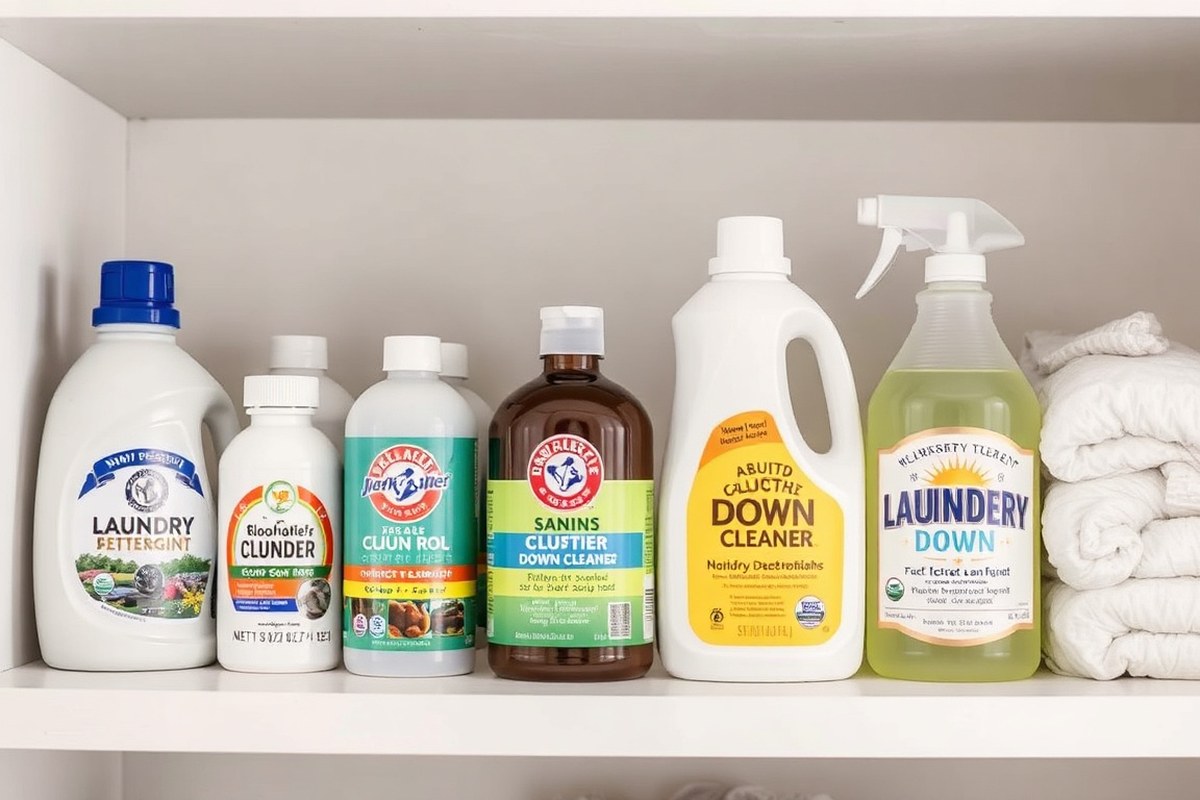
Choose a detergent specially designed for down jackets to preserve the loft and effectiveness of the feathers. Regular household detergents, especially those with biological enzymes, strip natural oils from the down. This leaves feathers brittle, clumped, and less insulating. Regular detergents also harm the fabric’s breathability and water resistance, which are important to the jacket’s performance. Avoid bleach and fabric softeners completely because bleach can damage the thin lining and membrane pores, while fabric softeners coat the feathers, killing loft permanently.
Some brands offer down-specific detergents that clean gently without stripping oils or leaving residues. These detergents maintain the down’s natural fluffiness and the fabric’s protective coating. When washing, avoid detergents with chlorine or other harsh chemicals. For jackets filled with polyester instead of down, regular detergent may work but can leave visible streaks, especially on dark fabrics. Running an extra rinse cycle is recommended to prevent streaking.
| Detergent Type | Safe for Down? | Why or Why Not? |
|---|---|---|
| Down-specific detergent (e.g., Nikwax Down Wash, Granger’s Down Wash) | Yes | Cleans without stripping down oils; maintains loft and fabric coatings |
| Regular laundry detergent (liquid or powder) | No | Strips natural oils from feathers; leaves residues; damages fabric |
| Biological detergent (enzyme-based) | No | Breaks down down’s oils and feathers; harms breathability and water resistance |
| Fabric softener | No | Coats feathers and fabrics; kills loft permanently |
| Bleach or chlorine-based detergent | No | Damages lining fabric and blocks membrane pores |
| Detergent for polyester fill jackets | Yes (regular detergent acceptable) | Cleaner for polyester but can leave streaks; extra rinse needed |
Run an extra rinse cycle to remove all detergent residues, especially when using powder detergents, to keep your down coat clean without streaks or stiffness.
Clean out the detergent compartment completely before adding down-safe detergent to avoid cross-contamination from residues that can damage down feathers. Using the right detergent costs slightly more but protects your investment in a high-quality down coat. Avoiding damage means less clumping and a longer-lasting jacket that stays warm and lightweight season after season.
Pre-Treating Stains on Your Down Coat
Pre-treating stains on your down coat is essential to protect the delicate insulation while removing tough spots like grease, mildew, and heavy soil. Addressing these stains before washing helps maintain your jacket’s loft and warmth. Use targeted treatments and soak properly to loosen dirt without harming the down.
Removing Grease Stains with Detergent and Vinegar
Grease stains need immediate and gentle attention to avoid setting permanently. Dish soap is effective at breaking down oils, and a vinegar solution can help lift the residue without damaging the fabric or down fill.
- Dab a small amount of regular dish soap directly onto the grease stain.
- Lightly moisten the area with warm water, avoid soaking the down itself.
- Gently rub the stained area with your fingertips or a soft cloth to work the soap in.
- Rinse the soap off with a damp cloth, blotting rather than scrubbing to prevent fabric damage.
- If the stain persists, mix a solution of one part white vinegar to two parts water.
- Apply the vinegar solution with a clean cloth onto the stain, allowing it to sit for 5 to 10 minutes.
- Blot the area with a damp cloth to remove vinegar and remaining grease.
- Let the jacket air dry before washing it.
These steps can treat grease effectively without harsh chemicals or heat that might harm your jacket’s insulation.
Treating Mildew Safely Without Damaging Insulation
Mildew can occur when moisture is trapped during storage. Careful cleaning is important because mildew’s moisture and odor might penetrate down, but strong chemicals can damage the insulating properties.
- Take the jacket outside to brush off any surface mildew with a soft brush.
- Prepare a mild cleaning solution of cold water and down-safe detergent as recommended for down coats.
- Spot-clean mildew stains by dabbing the solution gently on affected areas with a soft cloth.
- Allow the detergent solution to sit on the stains for 10 minutes without excessive rubbing.
- Rinse the cleaning solution thoroughly with a clean damp cloth to avoid residue build-up.
- Let the coat air dry completely in a well-ventilated area, away from direct sunlight or heat sources.
- Repeat treatment if mildew odor or stains persist before moving to the full wash cycle.
Using mild detergent and avoiding bleach protects the down’s loft and prevents permanent fabric damage.
Soaking Techniques for Heavy Soil Loosening
Heavy soiling often requires a longer soak in down-safe detergent to release embedded dirt. Proper soaking ensures dirt loosens without excessive agitation, preserving the jacket’s structure.
- Fill a tub or washing basin with warm water, not exceeding 105°F (40°C).
- Add the recommended amount of down-safe detergent and mix gently to dissolve.
- Submerge the down coat fully, ensuring all areas are soaked.
- Let the jacket soak for up to 60 minutes to loosen stubborn soil.
- Gently press the coat occasionally underwater to help detergent penetrate the fabric and down.
- After soaking, drain the soapy water and refill the basin with clean water.
- Rinse thoroughly by pressing and lifting the coat in clean water multiple times to remove detergent residue completely.
- Repeat the rinsing process until all suds are gone, which can take 7 to 10 minutes.
Extended soaking time combined with careful rinsing helps your coat come out fresh without risking damage from aggressive machine washing or harsh chemicals.
Drying Your Down Coat to Restore Loft and Shape
Dry your down coat in a tumble dryer on low heat, using three to five tennis balls or dryer balls to prevent the down from clumping and to restore its loft. Avoid air-drying alone, as it takes much longer and risks the feathers sticking together. Fluff the coat periodically during drying and keep the temperature at or below 80 degrees Fahrenheit for best results.
Setting the Right Drying Temperature
Dry at a low heat setting, ideally no higher than 60 to 80 degrees Fahrenheit. High temperatures can damage the delicate down feathers and the outer fabric, reducing insulation and causing shrinkage. Set your dryer to a gentle or air-dry cycle if available, and avoid using the highest heat settings even if the coat isn’t drying quickly.
Maintaining a lower temperature prolongs the life of your coat while ensuring it dries safely without overheating. At 80 degrees or below, the down dries thoroughly without burning or melting synthetic parts, which helps keep the jacket fluffy and comfortable.
Using Tennis Balls to Prevent Clumping
Place three to five clean tennis balls or dryer balls into the dryer with your down coat. The balls gently break up clumps of feathers as the coat tumbles, redistributing the down evenly. This prevents the insulating material from bunching up, which can create cold spots and reduce warmth.
These balls also help fluff the jacket by patting it during the drying process. Without them, the down tends to mat together, making the coat look flat and less effective. Tennis balls are an affordable and effective solution that you likely already have at home.
Fluffing and Timing During Drying
Drying a down coat usually takes 24 to 48 hours. Periodically pause the dryer and take out the coat to give it a good shake. This helps redistribute the down and prevents clumps from forming. Repeat this every hour or so for the best results.
Damp down feathers can cause your coat to lose loft if not handled with care. Your coat may still be damp after a cycle; continue drying it at low heat, shaking and fluffing it until fully dry. A fully dry coat will feel light, fluffy, and spring back when pressed gently.
Why Avoid Air-Drying Alone
Leaving your down coat to air dry on a flat surface or hanger can take much longer and leads to compacted feathers if you don’t fluff it regularly. Damp clumps reduce insulation, and prolonged moisture can encourage mold or mildew growth, causing odors and damage.
Using a dryer with tennis balls reduces drying time dramatically and restores the coat’s puffiness. When air drying, lay the coat flat on a clean towel and turn it over every few hours, breaking up clumps by hand to keep the down evenly spread.
Preparing Your Down Coat Before Washing
Before washing your down coat, make sure to prepare it properly to protect its delicate filling and fabric. This includes closing all zippers, removing detachable parts like fur hoods, and carefully reading the care label for specific washing instructions. Proper preparation prevents damage and ensures effective cleaning while maintaining warmth.
Read and Understand the Care Label
Start by checking the care label sewn inside your down jacket. The label tells you if the jacket can be machine washed or must be dry cleaned. It also advises on the maximum washing temperature, usually around 30°C (86°F) to avoid shrinking or damaging the down. Some coats have glued seams, leather details, or faux fur that require special care, often indicated by “dry clean only.” Follow these instructions strictly to avoid ruining your coat.
When the label has laundry symbols you don’t recognize, check their meaning online or contact the brand’s customer service for safe washing instructions. Ignoring label instructions can lead to fabric damage, loss of insulation, or shrinkage.
Close Zippers and Fasten Velcro
Before putting your coat in the wash, fasten all zippers, buttons, and velcro strips. This step safeguards the coat’s outer shell from snagging or abrasion during washing cycles. Closed fasteners also keep the coat’s shape intact and prevent the washing machine from catching loose edges, which could cause tears or damage to the machine. Check that the jacket’s pockets are empty, as coins or other small items can cause mechanical damage to both the coat and the washing machine.
Remove Fur Hoods and Detachable Elements
Most fur hoods or trims, real or faux, should be removed before washing the down coat. Fur tends to mat and lose shape in water and agitation. Detachable fur pieces can be cleaned separately according to their own care instructions or taken to a professional cleaner.
Some jackets have removable inner linings or belts; separate these components to clean them properly and avoid damage to the main coat. When the fur can’t be taken off, follow the care label’s advice on how to clean the whole coat properly.
Check for Stains and Prepare for Washing
Inspect your coat for stains before washing so you can pre-treat them properly. Spot treatment prevents stains from setting deeper during the wash cycle and increases the chance of complete removal. Use a gentle stain remover designed for delicate fabrics to avoid harming the down or shell fabric. Also, brush off any loose dirt or debris outside before washing to avoid excess dirt in your machine.
Pre-Wash Preparation Checklist
Use this checklist to get your down coat ready:
- Read the care label for washing and drying instructions.
- Empty all pockets and remove any loose items.
- Close all zippers, buttons, and velcro fasteners.
- Detach fur collars, hoods, or trims if possible.
- Remove inner linings or belts if detachable.
- Spot-treat stains using a down-safe stain remover.
- Brush off dirt or debris before washing.
Following these steps helps maintain your coat’s loft and insulation, reducing the risk of damage during washing. Taking 10 to 15 minutes to prepare your coat properly avoids costly repairs or shortening its life.
Always follow the washing instructions on the care label and remove fur trims to keep your down coat in the best condition.
Common Mistakes and How to Avoid Damaging Down Coats
One of the biggest risks when cleaning a down coat is using the wrong water temperature. Hot water can damage the down feathers and cause them to lose loft and insulation. Aim for cold to lukewarm water, typically around 30°C (86°F), to protect the feathers and fabric. Using water that is too warm may also break down the coat’s outer material, leading to wear and reduced water resistance.
Overusing detergent is another common mistake that can harm your down jacket. Down feathers rely on their natural oils to stay fluffy and insulated. Excess detergent can strip these oils, causing the feathers to clump together and reducing their warming ability. Use only a small amount of specialized down detergent, about one tablespoon for a front-loading washing machine, and avoid regular laundry detergents which are too harsh.
Drying mistakes also frequently damage down coats. Leaving the coat damp or drying it at high heat can lead to mold, mildew, or crushed feathers. The best approach is to dry the coat on low heat in a dryer with clean tennis balls or dryer balls. These help break up clumps and restore the down’s loft. It typically takes 2 to 3 hours, and you need to check periodically that it’s drying evenly. Air drying without agitation often results in heavy clumps that will not regain fullness.
- Use cold or lukewarm water, never hot water, when washing.
- Apply only a small amount of down-specific detergent, avoiding regular laundry soap.
- Rinse thoroughly to ensure no detergent residue remains.
- Dry on low heat with tennis balls or dryer balls to fluff feathers.
- Check drying progress every 30 minutes and break up clumps by hand if needed.
- Avoid wringing or twisting the coat to remove water, as this damages feathers.
- Do not air dry hanging; lay the coat flat and fluff regularly if you choose not to tumble dry.
Clumped feathers usually form because the coat dried too slowly or at too low a temperature with no mechanical agitation to separate them. Fixing this requires re-drying using low heat and a few dryer balls to help break apart clusters. Be patient; repeated cycles might be necessary but avoid overheating which can cause further damage. If clumping is severe after drying, lightly massaging the coat by hand while it’s still slightly damp can help restore loft.
Using these rules helps maintain the coat’s warmth, appearance, and water repellency. Skipping these steps or rushing the drying process often leads to a heavy, misshapen jacket that won’t keep you warm. The proper technique only adds extra drying time but preserves your down coat’s insulation and extends its usable life.
How Often Should You Wash Your Down Jacket?
You should wash your down jacket about one to two times per season if you wear it regularly. Washing more often can risk damaging the insulation by flattening the down, which reduces its loft and warmth. The type of dirt and the jacket’s colour also affect how often you need to wash it. For example, a light-colored coat usually requires cleaning only when it looks visibly dirty, while a darker one might hide stains better and allow slightly longer intervals between washes.
Several factors determine the washing frequency. Heavy or frequent outdoor use in muddy, wet, or dusty environments demands more frequent cleaning. If you notice spots that won’t come off with gentle wiping, pre-treating those stains by rubbing solid soap on the affected area before washing helps. Also, storing your jacket properly when off-season helps maintain its shape and reduce the need for extra washing. After extended compression in storage, such as eight months or more, the down can lose its loft, making restoration during drying difficult or sometimes impossible.
Frequent washing impacts the coat’s insulation and lifespan because repeated exposure to water and detergent breaks down the natural oils that keep down clusters fluffy and water-resistant. Overwashing can cause the down feathers to clump, leaving the jacket less warm and less comfortable. To protect your investment, stick to washing just enough to remove dirt and odour, not out of habit.
After checking your coat’s care label for specific washing instructions, use a gentle cycle with cold water or hand wash to clean your jacket. Avoid washing in a top-loading machine with a central agitator, which can be too rough on your coat. Always zip up your jacket and turn it inside out before washing. Use special down detergent or a mild detergent recommended for down products. Washing one jacket at a time helps avoid excessive agitation and tangling.
Dry your jacket thoroughly on a low heat setting or air dry, constantly fluffing the down to maintain loft. Skipping this slow, low drying step makes the insulation flat and stiff, defeating the purpose of washing. Regularly inspecting your coat before and after washing will help you decide if another cleaning is necessary or if spot-cleaning is enough.
When to Hire Professional Cleaning Services for Down Coats
Professional cleaning services are recommended when your down coat is expensive, has sentimental value, or shows signs of damage. The cost of professional cleaning typically ranges from $30 to $80, depending on the location and service. Spending this on cleaning can be a wise choice compared to the much higher cost of repairing or replacing a damaged jacket. Professionals use specialized equipment and detergents designed specifically for down insulation, which helps remove dirt and oils without harming the delicate feathers or the waterproof shell. Unlike home washing, professionals often perform gentle dry cleaning or commercial wet cleaning that can better preserve the coat’s loft and water resistance.
You should consider professional cleaning if your down coat has stubborn stains that don’t respond well to home pre-treating, or if the jacket has a fragile outer fabric that risks damage in a washing machine. Jackets with heavy wear or minor tears also benefit from professional inspection and repair offered alongside cleaning. On the other hand, most modern down jackets are designed for home washing and can be cleaned successfully with the right detergent, water temperature (typically cold or lukewarm around 30, 40°F), and careful drying techniques. Hand washing remains a safer middle ground for small puffers or delicate shells.
To decide whether to clean your jacket at home or leave it to professionals, ask yourself these questions: Is the coat expensive or hard to replace? Does it have visible damage or fragile material? Have you tried treating stains at home without success? Do you feel confident handling the washing and drying steps yourself? Saying yes to one or more of these suggests professional cleaning might save you money and effort over time. When the coat is affordable, made for regular washing, and mostly undamaged, cleaning it at home often works well and costs less.
Professional cleaners also offer quality control that is hard to match at home. They carefully inspect each coat, adjust cleaning processes based on fabric and fill types, and often use commercial machines with controlled agitation and temperature. This lowers the risk of clumping or matting down clusters. They also restore the coat’s water repellency treatment if needed. However, this service can take several days and the cost adds up if you clean frequently, making it less practical for yearly upkeep.
Always check the care label and consider how much you trust your cleaning skills before deciding between home washing and professional cleaning of your down coat.
Step-by-Step Action Plan for Cleaning Your Down Coat
Follow these steps to clean your down coat effectively while keeping it in good shape.
- Before washing: Check the care label and close all zippers and fasteners to prevent damage during cleaning.
- Pre-treatment phase: Spot-treat any visible stains with a mild detergent designed for down and wait 15 minutes to see if the stain lightens.
- Washing day: Use a front-loading washing machine or hand wash with cold water and a detergent made for down, running a gentle cycle for 30 to 40 minutes.
- Rinse phase: Run an extra rinse cycle or rinse by hand to remove all detergent residues that can impair loft and insulation.
- Drying start: Gently squeeze out water without wringing, then tumble dry on low heat with clean tennis balls or dryer balls for 60 to 90 minutes to rebuild loft.
- Drying finish: Check the coat every 20 minutes to break up clumps of down with your hands; the coat is dry when it feels light and fluffy inside.
- Post-wash inspection: Confirm there are no damp spots or odors; a properly cleaned down coat should feel soft and evenly insulated.
- Regular maintenance: Air out your down coat after each use to extend the time between washes and preserve its insulating properties.
Frequently Asked Questions
Can I Hand Wash a Down Jacket?
Yes, hand washing is safer for down quality but less effective at deep cleaning. Use gentle motions and mild detergent to avoid damaging the feathers while cleaning.
How to Get Grease Out of a Down Coat?
Spray a mix of equal parts white vinegar and laundry liquid diluted with water, then wipe the grease spot with a clean towel. This helps break down oil without harming the coat.
How to Get Mildew Out of a Down Jacket?
Use a diluted vinegar solution to spray on the mildew and gently wipe it away with a clean cloth. Ensure the coat fully dries afterward to prevent mildew from returning.
How to Wash a Coat with Down Feathers?
Wash the coat separately on a gentle cold cycle with down-specific or mild detergent, avoiding bleach, fabric softeners, and harsh chemicals. Front-loading machines are best to protect the feathers.
Can I Wash My Down Coat in a Top-Loading Machine?
It’s best not to because the agitator can damage the down; use a front-loader or hand wash instead.
How Long Does It Take for a Down Coat to Dry After Washing?
Drying usually takes 24 to 48 hours but use low heat or air dry with occasional fluffing to restore loft effectively.
Key Points to Remember
Cleaning your down coat carefully protects its warmth and appearance for seasons ahead. Take action by spot-checking stains and treating them promptly before your next wash. Proper care will keep your jacket ready for cold days without sacrificing comfort or durability.