How to Brighten Whites Without Bleach: 8 Effective Non-Toxic Methods That Work
To brighten whites without bleach, use safe options like hydrogen peroxide soaks, baking soda with vinegar treatments, and lemon juice with sunlight. These methods gently whiten clothes without harsh chemicals or damaging fabric. They’re effective alternatives for keeping your whites fresh and bright while avoiding chlorine bleach.
This guide fits homeowners, renters, and eco-conscious consumers seeking non-toxic laundry solutions that maintain fabric quality. You’ll learn practical, easy steps to restore and preserve the brightness of your white clothes using natural and mild ingredients.
Key Takeaways
- Soak whites in a 3% hydrogen peroxide solution diluted 1:3 with water for 30-45 minutes before washing.
- Add half a cup of baking soda to warm water and soak whites for 1-2 hours to lift dullness before laundering.
- Pre-soak yellow armpit stains 30 minutes in vinegar, baking soda, or soda crystals to break down residue.
- Apply lemon juice directly to stains and expose clothes to sunlight for natural whitening and stain removal.
- Use warm or hot water above 130°F for oxygen-based treatments to speed up whitening effectiveness.
- Massage liquid detergent into stains or apply a prewash stain remover for 5-10 minutes before washing.
Best Non-Bleach Methods to Brighten White Clothes

Using natural and safe alternatives to chlorine bleach can effectively brighten your white clothes without risking fabric damage or harsh chemical exposure. Five standout methods include baking soda soaks, diluted hydrogen peroxide treatments, white vinegar rinses, lemon juice combined with sunlight, and commercial oxygen-based bleaches like OxiClean. These options vary in whitening power, fabric compatibility, and cost, allowing you to choose one that fits your laundry needs and preferences. Here’s a detailed comparison of popular non-bleach whitening methods to help you find the best fit:
| Method | Best For | Fabric Safe? | Cost | Effectiveness |
|---|---|---|---|---|
| Baking Soda Soak | General dulling, odour | Most fabrics | Very low | Good |
| White Vinegar Rinse | Detergent buildup, softening | All fabrics | Very low | Moderate |
| Hydrogen Peroxide | Yellowing, stains | Cotton, linen, polyester | Low | Very good |
| Lemon + Sunlight | Stubborn yellowing | Cotton, linen | Very low | Good (slow) |
| OxiClean / Oxygen Bleach | Deep stains, heavy whitening | Most fabrics | Moderate | Excellent |
Baking soda soaks are an easy starting point. Add ½ cup of baking soda to a gallon of warm water and soak whites for 1 to 3 hours before washing. This method helps neutralize odours and lifts general dullness safely on most fabrics. The cost is minimal, typically just a few cents per load, and results improve with longer soaks.
White vinegar offers a mild acid rinse that breaks down detergent buildup, leaving whites softer and fresher. Use ½ to 1 cup of distilled white vinegar in the rinse cycle. Vinegar is gentle on all fabrics and very affordable, although its whitening power is moderate. It’s best paired with regular detergent washes.
Diluted hydrogen peroxide (3% solution) serves as a strong oxygen bleach alternative. Mix 1 cup of hydrogen peroxide with 2 gallons of water, then soak whites for about 30 minutes before washing. This method targets yellowing and tough stains on cotton, linen, and polyester effectively without the risks associated with chlorine bleach. Costs are slightly higher but still reasonable.
Lemon juice combined with sunlight produces a gradual natural bleaching effect. After washing, soak garments in a solution of ¼ cup lemon juice per gallon of water, then lay them flat in direct sun for 2 to 4 hours. This approach is safest on cotton and linen and uses inexpensive ingredients, though the brightening process takes longer.
Oxygen-based bleaches like OxiClean are commercial products designed for deep whitening without chlorine. They work well on most fabrics but cost more than natural methods. Follow the product instructions carefully for soaking or washing to avoid fabric damage, especially on delicate materials.
How to Use Hydrogen Peroxide to Whiten Whites Safely
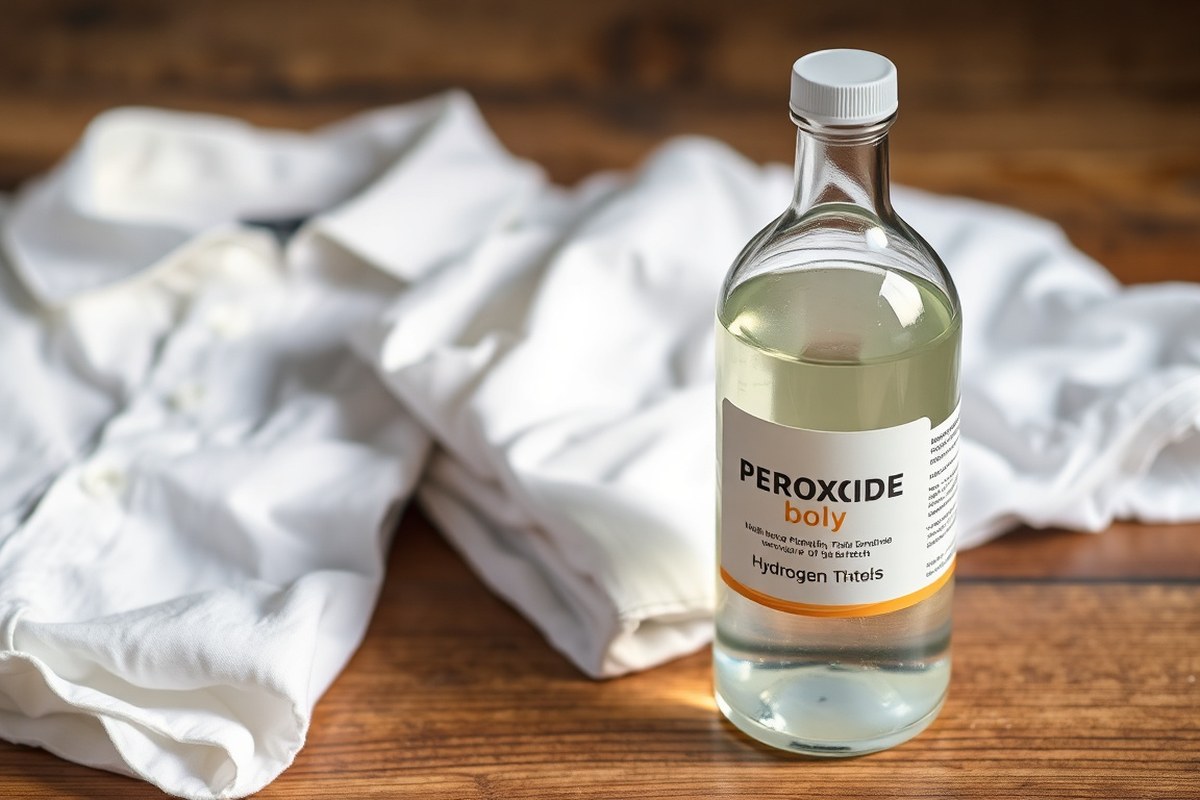
Hydrogen peroxide whitens whites by acting as a mild oxygen bleach that breaks down stains and brightens fabric fibers without the harshness of chlorine bleach. To use it safely, dilute 3% hydrogen peroxide with water in a 1:3 ratio, soak the whites for 30 to 45 minutes, then wash them normally. This method works best on cotton and synthetic blends, while more delicate fabrics require caution.
Preparing the Hydrogen Peroxide Solution
Start with 3% hydrogen peroxide, which is widely available at pharmacies and costs around $2 to $4 per bottle. Diluting correctly prevents fabric damage while preserving whitening power. Mix one part hydrogen peroxide with three parts cool or warm water in a large basin or bucket. Use enough solution to fully submerge your garments without crowding.
Choosing the right fabric to treat matters. Cotton, polyester, and poly-cotton blends respond well to peroxide whitening. Avoid using this method on silk, wool, or leather as hydrogen peroxide can weaken or discolor these delicate fibers over time.
Soaking Duration and Water Temperature
Warm water improves stain removal and whitening effect without being too harsh on most fabrics. Use the warmest water temperature allowed by the garment’s care label to improve peroxide activity. Soak your whites for 30 to 45 minutes, stirring occasionally to ensure even exposure and oxygen release.
Prolonged soaking beyond 45 minutes can damage fabrics or cause yellowing, so limit soak time carefully. For delicate or older whites, reduce soaking to 15-20 minutes and use cooler water to minimize wear.
Post-Soak Washing Recommendations
After soaking, transfer the clothing to your washing machine and wash on a normal cycle using your regular detergent. Add baking soda for additional whitening if desired. Always check clothes before drying; if stains or dullness remain, repeat the peroxide soak once or twice but avoid excessive repetition.
Avoid using chlorine bleach or mixing hydrogen peroxide with other strong cleaning agents directly as this can cause harmful chemical reactions. Always rinse well with cold water after soaking to remove residual peroxide.
- Fill a basin with warm water, following the garment care label temperature.
- Mix in 1 cup of 3% hydrogen peroxide with 3 cups of water.
- Submerge white clothes fully, ensuring no overcrowding.
- Soak clothes for 30 to 45 minutes, stirring occasionally.
- Remove clothes and transfer to the washing machine.
- Wash with your regular detergent on the appropriate cycle.
- Check the clothes before drying; repeat soaking if necessary.
Safety Tips for Handling Hydrogen Peroxide
Hydrogen peroxide can bleach surfaces and irritate skin in higher concentrations. Use 3% peroxide only and avoid contact with eyes or prolonged skin exposure. Wear gloves if you have sensitive skin or cuts. Do not mix hydrogen peroxide with chlorine bleach or vinegar, as this produces dangerous gases.
Store hydrogen peroxide in a cool, dark place to maintain potency. Dispose of used peroxide solution down the drain with plenty of water.
Always test a small, hidden section of fabric before soaking the entire garment to check for colorfastness and fabric reaction.
Baking Soda and Vinegar: A Powerful Dual Approach
Baking soda and white vinegar can brighten your white clothes effectively without bleach, but they work best when used separately. Baking soda lifts stains and neutralizes odors, while vinegar softens fabric and restores brightness. Avoid mixing them in the same wash because they cancel each other’s effects.
Making a Baking Soda Soak
Baking soda whitens by breaking down stains and residues that dull whites. It’s gentle enough to use on most fabrics while deodorizing at the same time. For a soak, dissolve 1 cup of baking soda in 4 liters (about 1 gallon) of warm water. Submerge your white clothes fully and let them soak for 1 to 2 hours, or up to overnight for heavily soiled items.
After soaking, wash as usual with your regular detergent. This soak helps remove greyish tones and refreshes fabric brightness without harsh chemicals. Baking soda also works well as a booster added directly to your detergent measure to increase cleaning power.
Using White Vinegar as a Rinse
White vinegar acts primarily as a fabric softener that prevents grime buildup and dulling over time. Adding 1 cup of white vinegar to the rinse cycle brightens whites by removing detergent residues that leave fabrics looking faded or yellowed. Vinegar also helps reduce static and soften fibers, making clothes more comfortable to wear.
For stubborn yellow stains, soak those areas in undiluted white vinegar for about 30 minutes before washing. This pre-soak loosens stain particles so your detergent can remove them more effectively during the wash.
Combining Baking Soda and Vinegar Safely
Baking soda and vinegar won’t brighten clothes if added together because they chemically neutralize each other, losing cleaning power. To use both, apply them in separate steps. For example, start with a baking soda soak to tackle stains and odors, then rinse with vinegar to soften fabrics and restore brightness.
- Soak whites in baking soda solution for 1 to 2 hours or overnight for dull or grey clothes
- Wash with your regular detergent after soaking
- Use white vinegar only in the rinse cycle or as a targeted pre-soak on yellow stains
- Avoid mixing vinegar directly with detergent or chlorine bleach
- Do not combine baking soda and vinegar in the same wash or soak
- Test delicate fabrics before using vinegar soak or baking soda solution
- Use warm or hot water for soaking when fabric care labels allow
Following this order maximizes the effects of both ingredients without damaging your clothes or losing whitening power.
Limitations for Sensitive Fabrics
Both baking soda and vinegar are generally safe for cotton, polyester blends, and sturdy white fabrics. However, vinegar’s acidity can weaken natural fibers like silk and wool if left too long or used too concentrated. Avoid applying vinegar directly to sensitive materials unless diluted heavily and tested first.
Baking soda’s mild alkaline nature is usually safe but may cause slight roughness on delicate fabrics after prolonged soaking. Always check care labels and start with shorter soak times to avoid any damage. Do not use these methods on fabrics labeled “dry clean only” or with special finishes without professional advice.
Using Lemon Juice and Sunlight for Natural Whitening
Lemon juice contains natural acids that slowly break down stains and brighten white fabrics. Sunlight’s ultraviolet (UV) rays act as a natural bleaching agent by breaking apart color molecules in fabric fibers. Using lemon juice with sunlight offers a gentle whitening method that works over time without harsh chemicals. However, frequent or prolonged sun exposure can weaken fabric fibers and cause yellowing, so moderation and care are important.
Preparing Lemon Juice Solutions
Fresh lemon juice delivers the natural acids needed for whitening. It’s best to use freshly squeezed lemon juice rather than bottled for maximum potency. Diluting the juice with hot water allows it to penetrate fabric fibers more effectively without risking damage.
To prepare the solution, start by pouring hot water into a basin or bucket. Squeeze the juice of one lemon into the water and stir. This mixture activates the acids and makes lemon juice easier to apply evenly on your whites.
Applying Lemon Juice Before Sun Exposure
Applying lemon juice to your whites before sun exposure primes the fabric to brighten naturally. The juices soak into the fabric and work alongside the sun’s UV rays to lift stains and dullness. Follow these steps to apply lemon juice correctly:
- Fill a basin with hot water.
- Add the juice of one lemon and stir to mix.
- Fully submerge your white clothes in the lemon water solution.
- Let the clothes soak for 30 to 60 minutes at room temperature.
- After soaking, gently wring out excess water without rinsing the lemon juice out.
- Hang the damp clothes directly in sunlight to dry.
For spot treatment, mix ¼ cup lemon juice with 2 cups water and strain into a spray bottle. Spray directly on tough stains before soaking.
Optimal Duration in Sunlight
The sun’s UV rays need time to break apart stains, so drying clothes outdoors under direct sunlight for at least 2 hours is ideal. Wet fabrics respond better to sunlight bleaching, so hanging damp clothes is most effective.
Check fabric periodically to avoid overexposure, which can cause yellowing or weakening. For light stains and general brightening, 2 to 3 hours often suffice. Stronger stains may require multiple applications over a few days.
Protecting Fabrics from UV Damage
While sunlight helps whiten whites, too much exposure degrades fibers and can cause yellowing. Reserve lemon juice and sun treatment for natural fibers like cotton or linen rather than synthetic blends, which may fade unevenly.
Limit sun exposure to a few hours and alternate with shade drying to reduce damage risk. Avoid regular use more than once a month on delicate or worn fabrics. If fabric starts to smell like bleach or feels brittle, stop sun bleaching and switch to gentler methods.
Why Whites Turn Yellow or Grey and How to Fix It
White clothes often turn yellow because of body oils, sweat, and deodorant residues that don’t rinse out completely during washing. Sweat contains proteins and salts that can interact with fabric fibers, causing a yellowish stain, especially on areas like underarms and collars. Oils from your skin build up over time, trapping dirt and creating those yellow patches. Using too much detergent or not rinsing thoroughly leaves soap residue, which also contributes to yellowing.
Grey or dull whites usually result from mineral deposits in hard water and dye transfer from other clothes. Hard water contains calcium and magnesium, which attach to fabric fibers and make whites look dingy or grey. Washing whites in hard water can gradually reduce brightness, and detergent alone may not remove these minerals.
Prevention starts with prompt action: avoid keeping wet whites in the washing machine for long since dampness invites mildew, which can cause yellow stains. Wash whites separately from colored clothes to prevent dye transfer. Use moderate detergent amounts and follow instructions closely. For hard water, adding a water softener or washing soda can help prevent mineral buildup. These small steps reduce staining before it starts.
To treat yellow sweat stains, pre-treat the fabric by gently rubbing liquid detergent or an enzyme-based stain remover into the affected areas. Let it sit for 15 to 30 minutes before washing. Oxygen-based bleach is safer than chlorine bleach for most whites, especially on delicate blends like cotton-rayon, because it avoids fabric weakening and yellowing. Wash in the warmest water safe for the fabric to help remove oils and residues. Avoid the dryer until stains fully disappear, as heat can set yellowing permanently.
Greying whites benefit from washing with detergent formulated for hard water, or adding vinegar to the rinse cycle to dissolve mineral deposits and brighten fabric. DIY options like eco-friendly dishwasher detergent can also remove buildup and brighten whites. For persistent dullness, soaking whites in a solution of warm water and oxygen bleach for up to a few hours before washing can restore brightness without harsh chemicals.
Always check garment care labels before using stain removers or oxygen bleach to avoid damage, and never leave whites wet in the washer to prevent mildew yellowing.
Choosing the Right Water Temperature for Whitening
Hot water can improve whitening efficiency for some alternative whiteners, but it comes with fabric care tradeoffs. Oxygen-based whiteners, such as those containing sodium percarbonate, perform best in temperatures above 130°F (54°C). At these temperatures, the chemical reaction that releases oxygen speeds up, breaking down stains and dullness more effectively. However, washing most white fabrics at such high heat regularly can weaken fibers, cause shrinkage, or fade delicate materials. For everyday whites, a warm wash around 104°F (40°C) offers a balance between whitening power and fabric safety.
Warm water works well with agents like washing soda, which needs enough heat to dissolve completely and activate stain removal. Arm & Hammer recommends adding washing soda at the start of the cycle when water is warm but not hot. For white cotton items, washing in warm water helps remove oils and dirt while preserving fabric strength. Cold water, on the other hand, is gentler on heat-sensitive fabrics such as rayon or certain synthetics. Cold washes slow down whitening reactions for alternatives like hydrogen peroxide, which still whitens but may require longer soaking times or multiple washes for similar results.
Hard water impacts whitening because minerals like calcium and magnesium leave residues that make whites look dull or grey. Using water softeners or adding products like washing soda can help counteract hardness in both warm and cold water settings. In areas with very hard water, pre-soaking whites in warm water with baking soda or borax can improve the cleaning and brightening effect before the main wash. Softeners bind minerals, allowing whitening agents to work more efficiently.
High temperatures pose risks such as fabric weakening, color loss on trims or non-white fabrics, and setting stains with heat from dryers. Hot water should be reserved for heavily soiled whites that can tolerate it, like well-made cotton towels or sheets. For mixed-fabric loads or delicate whites, stick to warm or cold water to avoid damage. Stain-setting happens mostly with heat from dryers, so washing in appropriate temperatures and air-drying when possible protect whites further. For example, a typical routine might use warm water at 104°F for a cotton white shirt with baking soda added, while silk or rayon whites should wash in cold water under 86°F (30°C) with hydrogen peroxide for safer whitening over time.
Pre-Soaking and Stain Treatment Tips for Brighter Whites
Pre-soaking white clothes helps lift stains and dirt, making them easier to wash out and improving overall brightness without bleach. Soaking for 30 minutes to an hour in lukewarm water mixed with a stain-fighting solution softens stains and reduces fabric wear during washing. For tougher stains, longer soaking up to 2 hours is often effective, but avoid leaving clothes wet for more than 4 hours to prevent mildew or color changes.
Homemade pre-soak mixes target different stain types safely and economically. A common and gentle formula combines 1 cup of baking soda with warm water to create a mildly alkaline solution that brightens whites. Another option is mixing 1/2 cup washing soda with enough water to submerge clothes, which gives stronger cleaning power without harsh chemicals. For protein-based stains like sweat or food, enzyme soap diluted in warm water works well.
Targeting stains before washing requires applying the chosen treatment carefully to avoid fabric damage. Liquid or spray stain removers should not contact fabric for more than 1 to 3 minutes before rinsing, as directions from Texas A&M report some dyes degrade with prolonged exposure. Paste treatments made from baking soda or other powders should sit for about 30 minutes for optimal stain breakdown, then launder as usual. Avoid scrubbing aggressively; gently pressing helps protect fabric fibers.
When stains persist after one treatment, repeat the process up to two more times before washing. Do not exceed this limit to reduce weakening of fabric. Stubborn spots like underarm yellowing or grass stains benefit most from focused pre-treatment combined with pre-soaking. Checking fabric care labels before applying any mix helps avoid shrinking or fading. Follow these steps to brighten whites using pre-soaking and targeted stain treatment safely and effectively:
- Fill a basin with lukewarm water (around 90°F to 110°F) enough to fully submerge your white garments.
- Add 1 cup of baking soda or 1/2 cup washing soda to the water and stir until dissolved.
- Place stained whites into the solution and soak for 30 minutes to 2 hours, depending on stain severity.
- Remove clothes and gently squeeze out excess water without wringing to protect fabric.
- For targeted stains, apply a paste made of baking soda and water directly, let sit for 30 minutes.
- Use a gentle enzyme liquid for protein stains, spraying briefly and rinsing within 3 minutes to protect fabric dyes.
- Launder whites as usual using your regular detergent and warm water recommended on the care label.
- Repeat pre-treatment only once or twice more on stubborn stains before washing again.
Preventing Whites from Dulling: Long-Term Maintenance
To keep your whites bright without bleach, start by washing them separately from colored clothes. Mixing whites with colored or heavily patterned fabrics can transfer dyes, leading to dullness or grey tinges. Use cold or warm water for regular washes, but avoid hot water, which might set stains or weaken fabrics, causing fibers to trap dirt and look dingy over time.
Choosing the right detergent plays a big role in maintaining whiteness. Look for detergents labeled as “formulated for whites” or those with non-chlorine brighteners. Adding a small amount of an oxygen-based whitening agent to your detergent can prevent dullness without harsh chemicals. Avoid using fabric softeners on whites since they can leave residues that yellow fabrics after repeated use.
- Wash whites only with other whites to avoid color transfer
- Use detergents with non-chlorine brighteners or oxygen-based whitening agents
- Wash in cold or warm water; avoid hot water to preserve fabric integrity
- Skip fabric softeners on whites to prevent residue buildup
- Pre-soak new white clothes before first wear to remove manufacturing residues
- Air dry whites in indirect sunlight to prevent yellowing from UV exposure
- Store whites in a cool, dry place away from direct light and plastic bags
Proper storage helps prevent yellowing and greying. Avoid storing white clothes in plastic bags or airtight containers, which can trap moisture and cause mildew or yellowing. Instead, use breathable cotton garment bags or clean drawers with good airflow. Exposure to sunlight is a double-edged sword; while sunlight can whiten clothes naturally, prolonged or direct sun during storage can lead to fabric damage or yellowing.
Common laundry mistakes include overloading the washing machine, which stops clothes from rinsing thoroughly and leaves detergent residues. Also, leaving wet whites in the washer too long encourages mildew and dullness. Taking care to promptly transfer clothes to a dryer or drying rack reduces these risks and keeps whites fresh.
Always separate whites from colored laundry to prevent dye transfer and maintain brightness over time.
Step-by-Step Action Plan to Brighten Your White Clothes Without Bleach
Follow these steps to safely brighten your whites using simple household ingredients. Each phase helps you see improvements and keeps whites fresh over time.
- Before Washing: Sort your whites and pretreat any yellowed or stained areas with a paste of baking soda and water. Let sit for 30 minutes to improve fabric brightness.
- Day 1: Add 1 cup of hydrogen peroxide to your washing machine along with your usual detergent. Wash whites on the hottest water safe for the fabric. You’ll notice a brighter look after drying.
- Week 1: For added whitening, soak white clothes in warm water mixed with 1/2 cup of baking soda for 1 to 3 hours before washing. Whites should appear fresher and less dull afterward.
- Week 2: Use lemon juice in the rinse cycle (1/4 cup) or rub lemon juice directly on small areas. Dry your whites in the sun to boost natural whitening. Check for improved brightness after drying.
- Ongoing Maintenance: Wash whites separately on appropriate water temperature settings. Add 1/2 cup of vinegar to the final rinse once every few washes to prevent residue build-up and graying.
- Monthly: Deep soak whites in hydrogen peroxide and baking soda solution overnight to lift yellowing. Whites should look noticeably cleaner and brighter after this treatment.
Frequently Asked Questions
How Can I Whiten My Dingy White Clothes?
Use a baking soda soak or a diluted hydrogen peroxide treatment for effective whitening without bleach. These methods remove dulling and stains gently and safely on most fabrics.
What Works as Good as Bleach?
Oxygen bleach dissolved in warm water works well to brighten whites and remove deep stains, similar in effectiveness to chlorine bleach but safer on fabrics.
How to Clean White Clothes Which Have Turned Yellow?
Soak yellowed whites in an oxygen bleach solution according to the fabric care label, then wash as usual before drying. This targets yellowing without harsh chemicals.
Does Vinegar Whiten Clothes?
White vinegar helps brighten clothes by removing detergent buildup and softening fabrics, resulting in moderately increased whiteness when added during the wash cycle.
Can Sunlight Alone Whiten Clothes Safely?
Yes, sunlight naturally brightens whites by breaking down stains and discoloration, especially when combined with lemon juice, but it works slower than chemical methods.
Is It Okay to Use Hydrogen Peroxide on All White Fabrics?
Hydrogen peroxide works best on cotton, linen, and polyester, but test on a hidden area first since it can be too strong for delicate fabrics.
Wrapping Up
Using safe, gentle whitening methods protects your fabrics and reduces exposure to harsh chemicals. Start with hydrogen peroxide and simple pre-soaks to see quick results you can build on. Try adding lemon juice and sun drying next to naturally brighten without risk. Keep testing small treatments until your whites stay as bright as you want.