How to Brighten White Clothes: 8 Proven Methods That Actually Work
To brighten white clothes effectively, soak them in solutions like diluted chlorine bleach or oxygen-based whiteners for 15, 60 minutes before washing. Use natural agents such as vinegar, lemon juice, or baking soda to gently lift stains and restore brightness. This approach helps remove yellowing and discoloration safely, keeping your whites vivid without damage.
This advice is for homeowners and laundry users aiming to maintain crisp white garments. You will learn practical methods to brighten your clothes, from chemical treatments to natural remedies, plus tips on proper washing and stain removal techniques that actually work.
Key Takeaways
- Soak yellowed whites in a chlorine bleach solution for 15, 30 minutes to restore brightness safely.
- Use oxygen-based whiteners to lift stains without the harshness of chlorine bleach.
- Vinegar, lemon juice, and baking soda are effective natural whiteners and stain removers.
- Apply hydrogen peroxide directly to dark stains like blood or ink before washing.
- Prevent discoloration by washing whites separately from colored clothes, especially reds.
- Limit ammonia soaks to 1 hour to avoid fabric damage from harsh chemicals.
1. Effective Ways to Brighten White Clothes Safely

To brighten white clothes safely and effectively, consider using oxygen-based whiteners or natural whitening agents like hydrogen peroxide, baking soda, vinegar, and lemon juice. These methods provide a good balance between whitening power and fabric care. Chlorine bleach is highly effective but should be reserved for pure white, durable fabrics due to its harshness and potential to weaken fibers or cause yellowing if misused. Oxygen bleach and hydrogen peroxide are gentler alternatives that work well on most white fabrics without the risks associated with chlorine bleach.
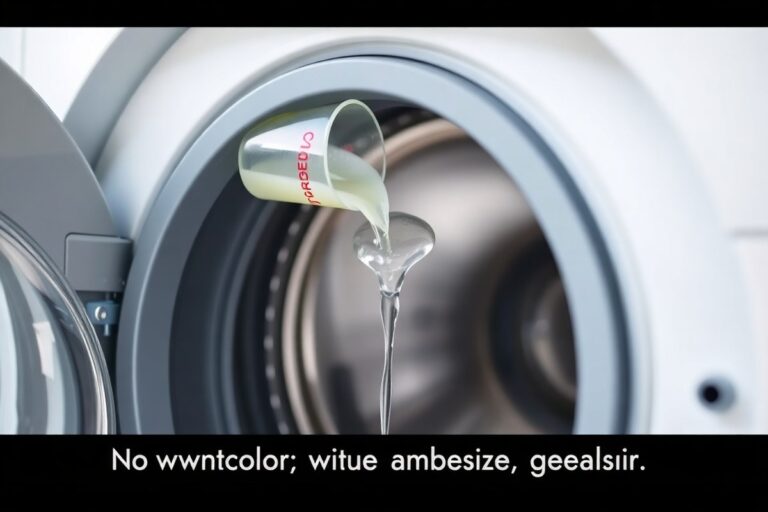
Chlorine bleach works by breaking down colored molecules but can damage delicate fabrics or cause discoloration on anything but pure white cotton or polyester blends. Non-chlorine bleaches, often oxygen-based, release oxygen that breaks down stains more gently. For example, soaking white clothes in a lukewarm solution of about 2 tablespoons (30 mL) of oxygen bleach per gallon of water for 1 to 2 hours can effectively brighten whites without fabric damage. This approach is eco-friendlier and safe for most washable fabrics.
Hydrogen peroxide (typically sold as 3% solution) is another safe whitening option suitable for most white fabrics, particularly beneficial for yellowed clothes and tough spots like blood or ink stains. Apply it directly to the stain or soak whites in a mix of 1 part hydrogen peroxide to 3 parts water before laundering. Avoid using peroxide on fabrics prone to damage from oxidizers, such as silk or wool, unless the product directions specifically allow it.
Natural agents like distilled white vinegar and baking soda offer eco-friendly brightening while softening clothes and neutralizing odors. Adding 1 cup (240 mL) of vinegar to the rinse cycle or ½ cup (120 mL) of baking soda to the wash cycle can help maintain fabric brightness over time. Lemon juice can be used similarly but use caution as its acidity may weaken fabric fibers if overused. Below is a simple decision guide for choosing among whitening methods:
| Method | Best For | Fabric Safety | Time Needed | Eco-Friendly? |
|---|---|---|---|---|
| Chlorine Bleach | Pure white cotton/polyester, heavily stained | Can damage delicate fabrics | 15, 30 min soak | No |
| Oxygen Bleach | Most white fabrics, general whitening | Gentle on fabrics | 1, 2 hour soak | Yes |
| Hydrogen Peroxide (3%) | Yellowed whites, stain removal | Safe on most fabrics except delicate ones | Direct application or soak before wash | Yes |
| Vinegar & Baking Soda | Brightening, odor removal, maintenance | Gentle for all fabrics | During wash and rinse cycles | Yes |
| Lemon Juice | Occasional brightening | Use sparingly on sturdy fabrics | Pre-soak or with wash | Yes |
Bleaching with chlorine works quickly and saves time but can make fabrics brittle over time and may cause yellowing if clothes are over-soaked or exposed to strong sunlight immediately after. Oxygen bleach and peroxide take longer but protect fabric integrity and offer environmental benefits. Natural agents like vinegar and baking soda maintain brightness but are less effective for deep stains on their own.
To brighten white clothes safely, match your whitening method to the fabric type and stain severity. For everyday whitening, oxygen bleach or hydrogen peroxide soaks followed by regular washing with a quality detergent preserve fabric strength and brightness. Reserve chlorine bleach for occasional use on all-white cotton or polyester clothes, avoiding delicate, patterned, or mixed-fabric items. Eco-friendly natural agents support maintenance and can be integrated into laundry routines to keep white clothes looking fresh while reducing chemical exposure.
2. How to Use Bleach and Oxygen-Based Whiteners

Chlorine bleach and oxygen-based whiteners both brighten white clothes but work differently and suit different fabrics. Chlorine bleach offers strong whitening effects and stain removal but can weaken fabrics and cause yellowing if misused. Oxygen-based whiteners are gentler and safer for more fabrics, providing effective brightening without the risks of chlorine bleach.
Chlorine Bleach Usage Instructions
Chlorine bleach, often found as sodium hypochlorite, works quickly to whiten whites and remove tough stains. It’s ideal for cotton and durable whites but can damage delicate or synthetic fabrics. Always check the clothing care label for bleach safety before use. Follow these steps to safely use chlorine bleach:
- Read the fabric label to confirm bleach compatibility.
- Dilute 1/4 cup of chlorine bleach in 1 gallon of cool water for soaking.
- Pre-soak yellowed or stained whites for 5 to 10 minutes; do not exceed 10 minutes to avoid damage.
- Add 1/2 cup of bleach to the washing machine during the bleach dispenser cycle for a regular size load.
- Run the wash cycle with the hottest water safe for the fabric.
- Rinse thoroughly to remove all bleach residue.
- Dry the clothes as recommended on the care tag.
Do not mix chlorine bleach with ammonia or vinegar, as toxic fumes can form.
Oxygen-Based Bleach Benefits and Limits
Oxygen-based whiteners use active oxygen to lift stains and brighten fabric with less harsh chemicals. They work well on yellowing and graying whites and are safer for fabrics containing spandex, polyester, and other synthetics. These whiteners typically do not damage fabric fibers or cause yellowing.
Oxygen-based bleach requires longer soaking times and higher temperatures for best results. For heavy discoloration, soak whites for 30 minutes or more in hot water mixed with oxygen whitener according to package instructions. They generally cost more than chlorine bleach but offer safer repeated use. Oxygen-based whiteners are ideal when chlorine bleach is unsafe, such as on baby clothes, vintage linens, or fabrics labeled “no bleach.” They also provide a safer alternative for routine whitening without fabric weakening.
Precautions to Avoid Fabric Damage
Both chlorine bleach and oxygen-based whiteners need careful handling to protect clothes and your skin. Always wear gloves and use bleach in a well-ventilated area. Avoid using bleach on delicate fabrics such as silk, wool, mohair, or any synthetic that the care label prohibits.
Chlorine bleach can cause yellowing or fabric weakening if used too often, at too high a concentration, or with heat-sensitive fabrics. Oxygen-based products reduce these risks but still require you to follow product directions carefully. Never mix different types of bleach or combine with other household chemicals.
Test a small, hidden area of the fabric before full treatment to check for color loss or damage. Using the proper water temperature, bleach amount, and soaking time keeps white clothes bright longer without harm.
3. Natural Whitening Agents: Vinegar, Lemon Juice, and Baking Soda
Vinegar, lemon juice, and baking soda brighten white clothes by using their natural acidic or mild abrasive properties to remove dinginess and soften fabrics. Vinegar and lemon juice act as natural bleachers by breaking down dullness, while baking soda helps neutralize odors and lift away stains gently. Each works best in different scenarios, and none fully replace bleach’s power against tough stains, but they offer safer, low-cost options for regular whitening.
How Vinegar Brightens Whites
Distilled white vinegar has acetic acid that breaks down leftover detergent and mineral deposits from hard water. These buildups often cause white clothes to lose their brightness and turn dull or gray. Pouring 1 cup of vinegar into the rinse cycle clears away these residues and brightens fabrics gently. It also softens fabric naturally, cutting down on stiffness without using harsh substances.
Use vinegar when your whites are slightly dingy but not heavily stained. Avoid using vinegar with bleach or oxygenated whiteners at the same time, as this can reduce their effectiveness or release unpleasant fumes. It is safe to add vinegar regularly to maintain brightness and soften clothes, especially if your water is hard or your detergent leaves buildup.
Lemon Juice as a Natural Bleacher
Lemon juice brightens whites through its mild citric acid, which helps break down yellowing and dullness caused by sweat or age. Adding ½ cup of lemon juice along with your detergent boosts whitening, particularly after exposure to sun, as lemon’s acid aids UV rays in breaking down stains. Lemon juice works best on lightly discolored whites rather than deep stains or heavily dingy fabrics.
Use lemon juice in the main wash cycle. For extra whitening, hang clothes outside to dry and let natural sunlight improve lemon’s bleaching effect. Bear in mind lemon juice can be mildly acidic, so avoid frequent use on delicate fabrics or wool to prevent wear.
When to Use Baking Soda Versus Washing Soda
Baking soda (sodium bicarbonate) is a gentle whitening agent and deodorizer that softens water and clothes. Adding 1 cup of baking soda to your regular detergent in the wash cycle helps lift residues and odors, resulting in brighter, fresher whites. You can also make a baking soda paste to pre-treat small stains or soak whites in a baking soda solution for an hour before washing to boost brightness.
Washing soda (sodium carbonate) is stronger, with higher alkalinity, and works well for very dingy whites or greasy stains but can be harsher on fabrics and skin. Washing soda is less commonly on hand and should be used cautiously. Baking soda suits most white clothes and frequent use because it’s mild and won’t damage fabric even in hot water settings.
Can Natural Agents Replace Bleach?
Vinegar, lemon juice, and baking soda brighten whites and soften fabric but lack the strong oxidizing power of bleach. They work well for routine maintenance, mild discoloration, and preventing yellowing. However, natural agents struggle with heavy stains, deep yellowing, or whitening clothes after prolonged wear. Bleach or oxygen-based whiteners remain more effective for such cases.
Using these natural agents reduces risk of fabric damage, color fading, or irritant exposure. They provide an inexpensive, eco-friendly whitening boost suitable for frequent washing, especially on delicate whites, but can be combined with occasional use of stronger whiteners for best results.
4. Enzyme Presoaks and Spot Treatments for Stains
Enzyme presoaks help brighten white clothes by breaking down protein-based stains such as sweat and food. Pre-treating spots with enzyme solutions softens and loosens stains, making them easier to wash out. Proper application and timing ensure the enzymes work effectively without damaging delicate fabric.
Types of Stains Enzymes Remove Best
Enzymes target stubborn protein stains like sweat, blood, food residues, and deodorant marks. These types of stains contain proteins that enzymes can break down into smaller, water-soluble particles.
Enzyme presoaks also remove yellowing caused by body oils and sweat buildup over time, which standard detergents might not fully address. They do not work as well on oily or mineral-based stains, which require different treatments.
Applying Enzyme Pre-Treatment Safely
Enzyme presoaks come as powders or liquids containing active enzymes, surfactants, and brighteners. To avoid fabric damage, avoid direct use of bleach or strong chemicals while presoaking with enzymes.
For spot treatments, apply a thick paste made from baking soda and water to stubborn spots first, especially on delicate areas. Enzyme pretreaters can then be applied on top to improve stain breakdown before washing.
The best way to pre-treat spots is to gently rub or blot the enzyme solution on the stain, avoiding excessive scrubbing that might damage the fabric. Avoid using enzyme presoaks on wool, silk, or other protein-based natural fibers, as enzymes can degrade them.
Timing and Washing After Presoaking
Leave enzyme presoaks on white clothes for about 30 minutes to one hour at room temperature. This gives enzymes enough time to break down the stain proteins effectively.
For tough, set-in stains, an overnight soak may help but test on a small area to prevent fabric weakening. Avoid soaking longer than 12 hours as long exposure could weaken fibers.
After presoaking, wash the clothes in the hottest water safe for the fabric with a normal detergent cycle. Using oxygen-based bleaches along with your detergent further improve brightening by removing residual stains.
- Fill a basin or sink with warm water (around 90°F to 110°F), enough to fully submerge the white clothes.
- Add the recommended amount of enzyme presoak powder or liquid as per the product instructions.
- Submerge the white clothes completely and let them soak for 30 to 60 minutes.
- For stubborn stains, gently apply a baking soda and water paste directly to the spot before soaking.
- After soaking, wash the clothes promptly in your washing machine using the hottest water the fabric can tolerate and regular detergent.
- Add an oxygen-based bleach product if you want to boost whitening without the risk of fabric damage.
- Air dry the clothes, ideally in the sun, which naturally brightens whites.
5. The Role of Bluing Agents and Citrate Powders
Bluing agents and citric acid powders brighten white clothes by different but complementary mechanisms. Bluing agents add tiny amounts of blue dye to your laundry water that counteract yellow or gray tints in white fabrics, making them appear brighter and cleaner. Citric acid powder works as a mild acid that helps dissolve mineral deposits and break down dingy residues, restoring whiteness and freshness.
Bluing agents are often liquid solutions sold in small bottles and used in the final rinse cycle. To use, add about 1 to 2 teaspoons of bluing agent per wash load into the rinse water. Avoid using too much, since excessive blue tint can give whites a faint blue cast. Bluing agents are particularly helpful for whites that show yellowing from aging or repeated washing.
Citric acid powder, a more concentrated form of the natural acid found in lemons, whitens by gently removing buildup and neutralizing alkaline residues. Mix 3 tablespoons of citric acid powder with one gallon of hot water in a large basin or tub. Soak your white garments for 1 to 2 hours before washing as usual. This pre-soak can break down dinginess without harsh bleaching chemicals.
Using bluing agents and citric acid powder requires caution. Bluing agents should be measured carefully to avoid staining, and fabrics must be rinsed thoroughly after use. Citric acid might cause mild fading or damage to delicate fabrics if soaked too long or used too frequently. Always test a small, hidden area before treating the entire garment.
Use the following checklist when brightening whites with these products: add bluing agent to rinse water at 1 to 2 teaspoons per load; soak whites in a citric acid powder solution (3 tablespoons per gallon of hot water) for up to 2 hours; rinse well after treatment; separate whites from colored laundry to prevent dulling; avoid using on delicate or vintage fabrics without spot testing. Cost-wise, bluing agents typically cost around $5 to $10 per bottle, which lasts for dozens of loads. Citric acid powder is inexpensive and sold in grocery or online stores, usually under $10 for a large container.
Good results include visibly brighter whites without any blue or yellow tints, while garments maintain fabric softness. Watch for any signs of color changes or fabric weakening as a warning. For heavily stained or sensitive fabrics, these methods work best combined with appropriate detergents suited for your clothing’s care label instructions.
Always separate white laundry from colored items; red or dark clothes can cause your whites to dull or discolor despite whitening efforts.
6. Water Temperature, Washing Cycles, and Load Tips
Washing white clothes in the right water temperature significantly affects both the brightness of your whites and the longevity of the fabric. Hot water, generally around 130°F to 140°F (54°C to 60°C), is effective for removing dirt and stains, keeping heavily soiled whites bright. However, frequent use of hot water can consume more energy and may cause some fabrics to wear out faster. For everyday brightening and to prevent yellowing, cold water washes help stop stains from setting and save energy. Always check fabric care labels and use the warmest water safe for your garment.
Separating whites from colors during laundry improve whitening results. Washing whites on their own prevents dye transfer that can dull their brightness. This is particularly important if you mix new colored clothing or items prone to color bleeding. For best results, sort laundry into whites, darks, and lights, and treat whites separately. Combining whites with colors may save time but risks graying or yellowing your white clothes over time.
The washing cycle also matters. Choosing a cycle that agitates enough to remove stains but is gentle enough to protect your clothes is key. For most white garments, a regular or normal cycle with an extra rinse is ideal. The extra rinse helps remove detergent residues that can cause dullness. For delicate fabrics, opt for a gentler cycle with warm water. Avoid cycles designed for heavy fabrics, as they can be too harsh and cause wear.
- Use hot water (130°F, 140°F) for heavily soiled whites; cold water for regular washing to preserve fabric and save energy.
- Wash whites separately from colors to prevent dye transfer and dulling.
- Choose the normal cycle with an extra rinse to boost brightening and remove detergent residue.
- Pre-treat stains before washing to reduce the need for harsh cycles or very hot water.
- Avoid fabric softeners with whites, as they can leave residues that dull fabric brightness.
- For delicate whites, use warm water and a gentle cycle to protect the fabric.
- Regular washing, at least every 1, 2 weeks, prevents stains from setting and keeps whites bright.
You can add half a cup of distilled white vinegar directly into the washing machine drum with your whites. This helps improve brightening and neutralizes odors, especially for activewear. When soaking whites before washing, use a solution of 1 cup of Clorox 2™ for Colors Laundry & Fabric Stain Remover mixed with 2 gallons of water. After soaking, pour off the solution and wash the items in hot water with detergent and additional stain remover for best results.
7. Sun Drying and Other Natural Brightening Techniques
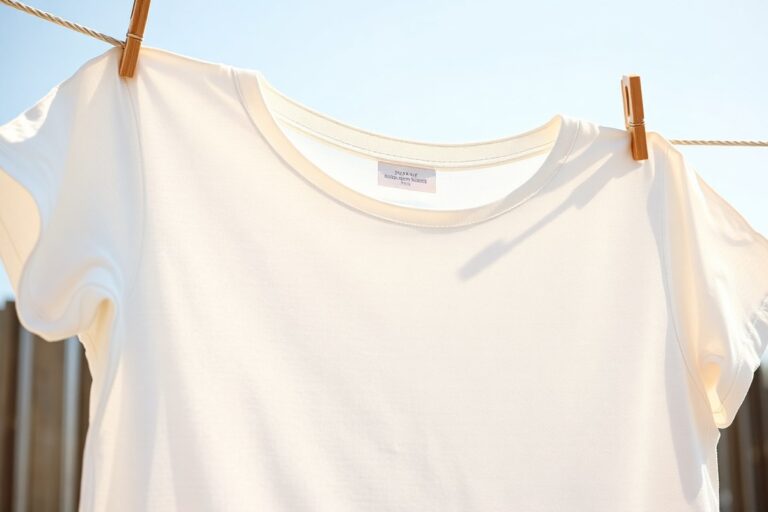
Sunlight naturally whitens white clothes by exposing fabrics to ultraviolet (UV) rays, which act as a mild bleaching agent. This makes the sun an easy and effective way to brighten whites without harsh chemicals. To use this method, hang your freshly washed clothes outside during the sunniest part of the day, ideally between 10 a.m. And 3 p.m., when UV rays are strongest. Let your clothes dry completely in direct sunlight, which usually takes about two to four hours depending on temperature, humidity, and fabric thickness.
Drying clothes in the sun not only saves energy but also boosts brightness by lifting any remaining dullness or haze from your whites. For best results, shake your laundry out before hanging to reduce wrinkles and ensure even sun exposure. Use a sturdy clothesline or drying rack in an open area for maximum airflow. Avoid drying clothes in the shade, as this reduces the whitening effect and may leave your clothes feeling damp longer.
Though sun drying is a natural whitener, there are some risks to avoid. Prolonged exposure beyond what is needed for drying can weaken fabric fibers, especially for delicate materials like cotton blends or lace. Over-drying also may turn whites slightly yellow or faded if left in intense sun too long. With most cotton items, two to four hours is sufficient. More sensitive fabrics should be checked regularly, removing them once dry.
Combining sun drying with other whitening methods improve results. For example, adding a cup of white vinegar to the rinse cycle before drying can cut grease and soften water, boosting brightness. Following that with drying in direct sunlight takes advantage of vinegar’s natural acid and the UV bleaching effect together. Similarly, pre-soaking clothes in lemon juice or baking soda before washing, then sun drying, can improve the whiteness while reducing chemical use.
When outdoor drying is not possible, a dryer can be used after washing, but it won’t brighten clothes naturally like the sun. Sun drying requires no extra cost beyond access to outdoor space. If you don’t have a yard or live in a low-sun environment, place whites on a balcony or by a sunny window, rotating them occasionally for even light exposure. This natural approach works well during spring and summer months but may be limited in winter or rainy climates.
8. Preventing Yellowing and Common Whitening Mistakes
Preventing your white clothes from yellowing again requires attention to how you wash and store them. Yellowing often results from residue buildup, improper washing temperatures, or the use of chlorine bleach in hard water, especially water high in iron like well water. Avoiding these pitfalls helps keep your whites bright longer.
Common mistakes that dull or grey whites include mixing whites with colored laundry, using too much detergent, and washing in water that’s too hot or too cold. Over-washing can also wear down fibers, causing dullness, while under-washing leaves oils and dirt that cause discoloration over time. Here’s a checklist of mistakes and how to fix or avoid them:
- Washing whites with colored loads, always separate to prevent color transfer.
- Using chlorine bleach in high-iron or hard water, switch to oxygen-based bleach or add a water conditioner.
- Using excessive detergent, follow label instructions and avoid buildup that causes dinginess.
- Washing in very hot water, opt for warm water unless fabrics require hot water by care label.
- Skipping regular whitening treatments, plan to whiten white clothes every few months based on wear and exposure.
- Leaving damp whites in the washer too long, promptly dry to avoid mildew yellowing.
- Not using bluing agents or whiteners that counteract dullness and yellow tones.
Whitening your white clothes every two to three months works well for regular wear, or more often if clothing faces heavy soil, sweat, or outdoor exposure. Oxygen-based bleaches can be gentler over time and help maintain brightness, though they take longer per wash cycle. Using smaller loads avoids overstretching fabrics and ensures thorough cleaning.
To prevent yellowing, never let white clothes sit damp after washing; dry them promptly and fully to avoid mildew stains.
Taking these steps adds only minutes more to your laundry routine but extends the life and whiteness of your garments. When you notice whites looking dull, applying a whitening treatment designed for your fabric type corrects minor staining before it becomes permanent. Avoid harsh treatments like chlorine bleach on delicate or older whites to prevent damage and yellowing caused by chemical reactions.
Step-by-Step Action Plan for Brighter White Clothes
Follow these steps to refresh your white clothes effectively while avoiding damage or yellowing.
- Before laundering: Check all white items for stains and treat them with an enzyme-based presoak or spot treatment. You’ll know it’s effective when stains visibly fade before washing.
- Wash day: Use warm water if safe for the fabric and add oxygen-based whitening agents according to the package instructions. Brightened whites will look visibly cleaner and more vibrant after drying.
- During the wash: Add a small amount of white vinegar or baking soda to your detergent to boost whitening power naturally. You should notice less dullness and fresher-smelling clothes.
- Drying phase: Hang your clothes outdoors in direct sunlight when possible. The sun’s natural bleaching helps maintain brightness without chemicals, evident when whites look crisp and radiant.
- Regular maintenance: Use a bluing agent occasionally, but sparingly, to counteract yellow tones. Whites will appear brighter but avoid overuse that may cause a bluish tint.
- After several washes: Rotate between oxygen bleaches and natural whiteners like lemon juice in your routine to sustain brightness without fabric damage. Clothes should retain a fresh, white look without signs of weakening fibers.
Frequently Asked Questions
How Long Should I Soak White Clothes in Whitening Solutions?
Soak white clothes for 1 to 2 hours in whitening solutions to lift stains and brighten. Shorter soaks may not remove tough discoloration effectively.
Can Hydrogen Peroxide Damage White Fabrics?
Hydrogen peroxide at 3% is generally safe for white fabrics and removes stains effectively. Test on a small area first for delicate items.
Will Washing White Clothes with Colored Clothes Cause Yellowing?
Washing whites with colored clothes can cause minor discoloration over time, especially with reds. Keep whites separate to maintain brightness.
Does Sunlight Really Brighten White Clothes?
Sunlight naturally brightens white fabrics but can fade colors. Use it for whites or turn colored items inside out.
Can Baking Soda Be Used Alone to Whiten Clothes?
Yes, baking soda can brighten and whiten white clothes by acting as a mild abrasive and deodorizer. Mix with water for spot treatments.
What’s the Best Water Temperature for Washing Whites?
Use high water temperatures around 140ºF with the “whites” wash cycle for effective cleaning and to prevent yellowing.
Key Points to Remember
Brightening white clothes requires a balance of effective cleaning, gentle treatment, and smart drying choices. You can keep whites looking fresh by treating stains promptly and incorporating natural whiteners regularly. Start by soaking a stained shirt in an enzyme presoak and watch how much brighter it can become after your next wash.