How Much to Dry Clean a Suit: Costs, Factors, and Smart Saving Tips
Dry cleaning a suit typically costs between $18 and $45 for a standard two-piece suit, depending on factors like location and fabric. Costs can range higher for premium services or heavier fabrics but expect to pay around $20 to $40 in most cases. Knowing how much to dry clean a suit helps you budget and make smart choices about maintenance.
This information is useful if you wear suits occasionally or professionally and want to avoid overspending. You’ll learn what affects dry cleaning prices and get practical tips to save money while keeping your suits in good condition.
Key Takeaways
- Typical dry cleaning prices for a two-piece suit range from $18 to $45 depending on the city and cleaner.
- Fabric type and suit construction can increase cleaning costs, with delicate or heavy fabrics costing more.
- Press-only services cost less than full dry cleaning and are good for lightly soiled suits.
- Dry cleaning once every 3 months balances cost with maintaining suit quality for infrequent users.
- Prices in big cities like New York and San Francisco tend to be higher, reaching up to $50 per suit.
- Choosing a reliable cleaner with transparent pricing helps avoid unexpected fees for stain removal or rush services.
How Much Does It Typically Cost to Dry Clean a Suit?
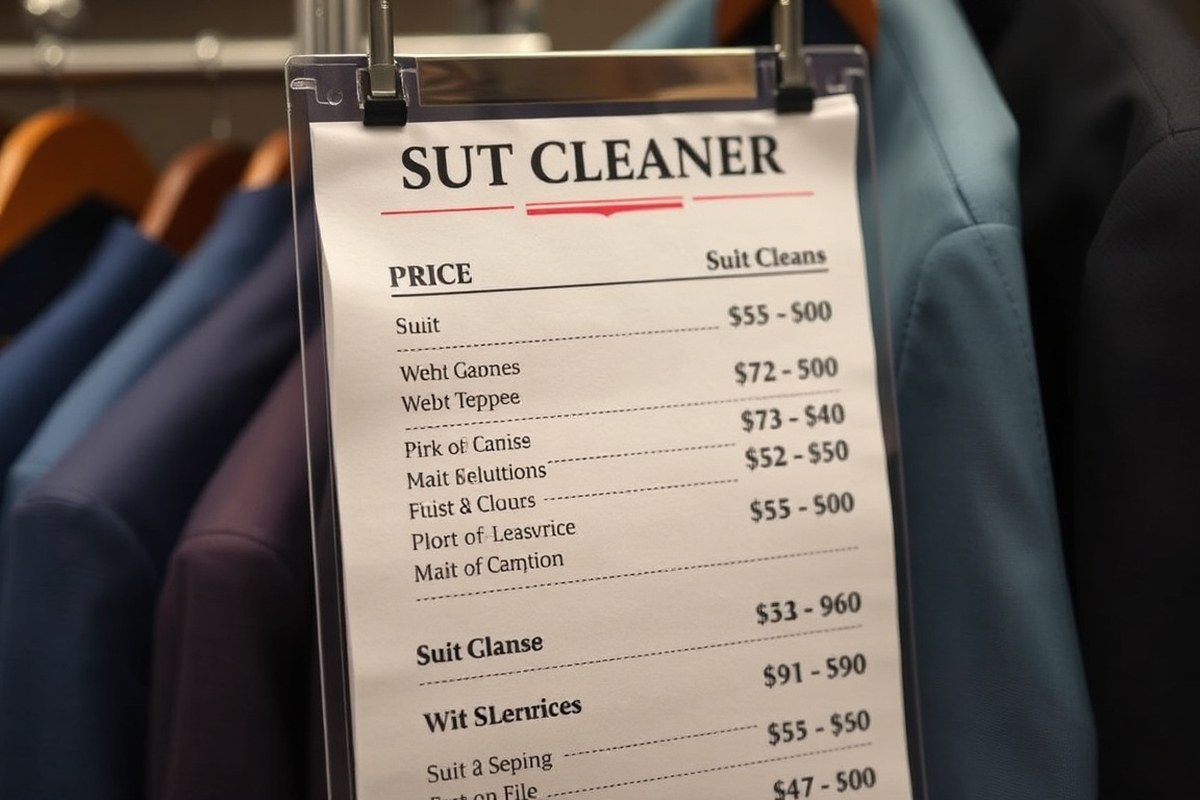
Dry cleaning a suit generally costs between $10 and $50, depending on the type of suit, the region, and the quality of service. For a typical two-piece suit, which includes a jacket and trousers, you can expect to pay around $16 on average. Basic wool or cotton blends tend to fall on the lower end of the range, usually between $10 and $22. The price tends to be higher for three-piece suits that add a vest, with costs ranging from $25 to as much as $60 or more, reflecting the extra fabric and labor involved.
Regional differences significantly affect these prices. Dry cleaners in urban areas or higher-cost states often charge at the upper end of these ranges. In contrast, smaller towns or regions with more competition may offer lower prices. Some cleaners also provide bundle deals, such as a suit paired with shirt cleaning, which can reduce the per-item cost for frequent customers.
| Suit Type | Low Price | Average Price | High Price | Notes |
|---|---|---|---|---|
| Two-Piece Suit | $10 | $16 | $50 | Basic wool or cotton blends; varies by location |
| Three-Piece Suit | $25 | $40 | $60+ | Includes vest; higher labor and fabric cost |
| Express Service (Same-day/Next-day) | $8 | $15 | $30 | Rush cleaning fees apply |
| Stain Treatment | $5 | $12 | $25 | Additional for heavy or specialized stains |
| Household Pickup/Delivery | $0 | $10 | $25 | Delivery adds convenience and cost |
Cost variations depend on the fabric and construction of your suit, but be aware that some cleaners separately price the jacket and pants, while others charge a flat rate for the whole suit. Choosing a cleaner with transparent pricing can help avoid surprises. You might also find press-only services that cost less than full cleaning, useful if your suit only needs a quick freshening without stain removal.
What Factors Drive the Price of Suit Dry Cleaning?

Several factors influence how much you’ll pay to dry clean a suit. The fabric type, presence of stains or odors, the suit’s design, and additional services like express cleaning all affect the cost. Where you get the suit cleaned also makes a difference, as prices vary by location and the type of cleaner.
Fabric Type and Suit Material
The material of your suit is a primary cost driver. Wool and wool blends, the most common suit fabrics, usually fall into a moderate price range. Specialty materials like silk, linen, or cashmere often require more delicate handling and special solvents, which can push costs toward the higher end. Basic fabrics might range around $18 to $25 for standard two-piece suits, while suits made from luxe or delicate materials can cost $30 or more. Dry cleaners use different solvents and cleaning cycles depending on fabric, as sensitive fibers require lower-temperature processes and careful spot treatments.
Heavier or lined suits with more complex construction also take extra time to clean properly. Extra pressing may be needed to maintain shape, adding labor hours and machine use charges. Suits with detailed buttons, embroidery, or hand-stitched elements may require hand finishing that raises the price further.
Stain Removal and Odor Treatments
Spot treatments for stains like ink, grease, or wine add to the total cost. Removing a stubborn stain typically costs between $5 and $20 per spot, depending on its size and difficulty. Some stains need enzymatic or solvent-based treatments that require specialized chemicals and additional labor. Odor removal, often necessary after extended wear or smoky environments, might also add an extra cleaning step. Extra time in solvent baths or ozone treatments can increase price and turnaround time.
Standard dry cleaning usually covers light soil and general cleaning, but highly soiled areas, discolorations, or set-in odors require these additional services. Without proper stain or odor treatment, garments risk damage or incomplete cleaning, so these costs ensure your suit comes back in wearable condition.
Location and Type of Dry Cleaner
The price you pay varies widely by where you live and the type of cleaner you choose. Urban areas often have higher labor costs and rent, reflected in dry cleaning prices that are roughly 20% to 40% higher than in smaller towns. Franchise cleaners might offer consistent pricing with transparent fees, while local shops can vary but sometimes charge less.
Choosing between a large chain and a neighborhood cleaner involves tradeoffs. Chains may offer perks like quicker turnaround, pick-up and delivery, or loyalty programs that justify higher prices. Independent shops might excel in garment care with hand finishing and personalized attention, but prices depend heavily on local competition and labor costs.
Additional Services and Rush Options
Express or rush cleaning services typically cost 25% to 50% more than standard service. If you need your suit cleaned within 24 hours instead of the usual 2 to 3 days, the additional fee reflects overtime labor and priority machine time. Some cleaners also charge extra for pressing only, a useful option if your suit is clean but wrinkled, usually costing less than full dry cleaning.
Delivery and pickup services, especially those that bring garments to your home, work, or locker, can add $5 to $25 to your overall bill. Taxes and local fees may also apply depending on your state or city regulations. Asking about these fees upfront helps avoid surprise charges at checkout.
Plan ahead and ask about extra fees for stain removal or express service before dropping off your suit to prevent unexpected costs.
How Does Suit Fabric and Construction Affect Dry Cleaning Costs?
Suit fabric and construction strongly affect dry cleaning costs because different materials need specialized care and varying cleaning processes. Delicate fabrics or suits with intricate details often require gentler solvents and longer handling times, which raises the price. Understanding your suit’s fabric helps predict cleaning costs and avoid damage during the process.
Common Suit Fabrics and Price Impact
The most typical suit fabrics include wool, polyester blends, cotton blends, and occasional linen. Wool suits usually cost between $10 and $15 to dry clean because they require careful solvent use to preserve the fabric’s strength and color. Polyester and cotton blends tend to be less expensive since they handle conventional dry cleaning well and can tolerate more aggressive solvents without damage.
Linen is less common but also demands extra care because of potential shrinking and wrinkle issues. Its cleaning may cost slightly more, though still generally less than specialty fabrics. Synthetic fabrics offer the lowest cleaning prices but may lack the structure and breathability of natural fibers.
| Fabric Type | Typical Dry Cleaning Cost | Reason for Cost Impact |
|---|---|---|
| Wool | $10 – $15 | Requires gentle solvents and care to prevent shrinking and color shift |
| Polyester Blend | $8 – $12 | Durable, tolerates standard cleaning solvents well |
| Cotton Blend | $8 – $12 | Easier to clean but prone to wrinkles requiring more pressing |
| Linen | $12 – $18 | Sensitive to shrinking and wrinkling, needs careful handling |
Knowing what fabric your suit contains often is a matter of checking the garment’s label. This informs you not only of the fabric but also suggested cleaning methods, which directly affect cost.
Specialty Fabrics: Cleaning Challenges and Costs
Suits made from luxurious fabrics like silk, cashmere blends, velvet, or those with satin linings typically cost more to dry clean. These materials are delicate and require gentler, often ‘eco-friendly’ hydrocarbon solvents that are pricier than traditional perchloroethylene cleaners.
The cost for cleaning suits with these specialty fabrics can rise to $20-$25 or more. Intricate stitching, added linings, or embellishments also raise complexity, sometimes necessitating hand treatment or separate cleaning stages. This extra work increases the price as well as the time required for safe maintenance.
Be cautious with frequent dry cleaning of delicate suits; the solvents and heat can weaken fibers over time. Limiting cleaning frequency while using protective measures like garment steaming helps preserve these expensive materials.
Fabric Care Tips to Avoid Frequent Cleaning
To reduce dry cleaning costs linked to fabric and construction, pay attention to proper daily care. Hang suits on wide, padded hangers to maintain shape and air out wrinkles. Use a garment steamer instead of frequent dry cleaning to refresh the suit and remove odors without harsh chemicals.
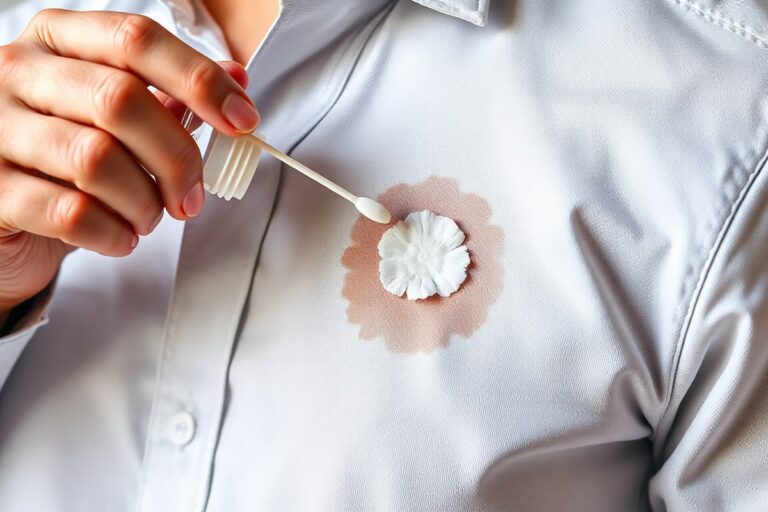
Spot cleaning small stains promptly with fabric-safe products can avoid full cleanings. Always follow the suit’s care label instructions to prevent damage from unsuitable cleaning methods. Avoid exposure to moisture and direct sunlight, especially with delicate fabrics like silk and cashmere, to maintain fabric integrity between cleanings. By understanding your suit’s fabric and adopting these care habits, you minimize the number of times you need professional dry cleaning, keeping costs lower and prolonging your suit’s lifespan.
How Do Different Dry Cleaning Services and Options Affect Suit Prices?
Different dry cleaning options for your suit vary in price, timing, and the level of care they provide. Full dry cleaning removes dirt and odors completely, press-only refreshes and removes wrinkles without cleaning, spot cleaning targets specific stains, and express services speed up turnaround times for an extra cost. Bundled services can offer better value per item when you clean multiple garments together.
Standard Dry Cleaning vs. Press-Only
Standard dry cleaning involves chemical cleaning to remove dirt, oils, and odors from the entire suit. It typically costs between $40 and $100 per suit, depending on the fabric and any additional treatments required. This process takes several hours to a day, allowing solvents to clean thoroughly before pressing and finishing.
Press-only service, typically priced around $12.50, offers a gentler alternative when the suit isn’t dirty but needs freshening. This service focuses on steaming and pressing to remove wrinkles and restore shape without the chemicals and labor of full cleaning. It can be a cost-effective way to maintain your suit’s appearance between cleanings.
Additional Services: Stain Removal and Odor Treatment
Targeted stain removal and odor treatments add to the base cost of dry cleaning. Spot cleaning on collars or cuffs ranges from $8 to $15, addressing body-oil buildup effectively. General odor refresh treatments cost between $10 and $25 and are best for mild smells like underarm odor.
For tougher, set-in stains, pre-treatment attempts may charge you $15 to $35. These services tackle older or more visible stains but don’t guarantee full removal. Premium finishing and extra pressing add $12 to $30, improving your suit’s presentation for important events.
| Service | Additional Cost | Best For | Value Score |
|---|---|---|---|
| Collar/cuff targeted spot treatment | +$8 to +$15 | Light body-oil buildup | ★★★★☆ |
| General odor refresh | +$10 to +$25 | Underarm odor or mild mustiness | ★★★☆☆ |
| Set-in stain pre-treatment attempt | +$15 to +$35 | Older or partially visible stains | ★★★☆☆ |
| Premium finishing/pressing | +$12 to +$30 | Client-ready presentation | ★★★★☆ |
Adding these treatments is practical when you want to extend the wear between full cleanings or address problem areas. Asking for specific services helps control costs and target what your suit needs most.
Rush and Express Service Pricing Explained
Express and same-day dry cleaning services usually come at an additional charge, sometimes 20% to 50% above standard prices. For example, if normal cleaning costs $40, rush service could add $8 to $20. This fee compensates for prioritizing your suit and often requires the dry cleaner to work outside normal schedules.
Bundled services, such as cleaning a suit with a shirt and tie, tend to reduce the per-item price. Dry cleaners often provide package deals to encourage larger orders, making it cheaper per garment than paying for each separately. Bundles are suitable if you need several items cleaned at once and avoid multiple trips.
How Long Does It Typically Take to Dry Clean a Suit?
Suit dry cleaning usually takes between two to four days for standard service. This timeline covers the entire process, including inspection, cleaning, pressing, and minor repairs if needed. Express services reduce the turnaround to about one to two days, often charging an extra fee to speed up the steps without sacrificing quality. Choosing express cleaning is useful when you have an urgent event or travel plans.
The fabric type and suit construction influence how long the cleaning takes. Wool suits, which are the most common, often require a consistent but straightforward cleaning cycle of about 12 minutes of labor. More delicate fabrics like silk blends or garments with intricate linings and trims may need extra care, adding a day or more to the usual schedule. Cleaning complexity also varies with how soiled the suit is; stains or heavy odors require additional treatments that extend processing time.
Pickup and delivery services add convenience but may affect your total wait time. Some cleaners offer same-day pickup with next-day delivery, ideal if you lack time to visit the shop. However, scheduling and transit logistics can introduce delays, particularly in busy urban areas or over weekends. Ordering delivery in advance and confirming slots helps manage timing expectations and prevent surprises.
Expect typical timing estimates to align with your cleaner’s advertised service levels. Standard service fits most schedules, providing a balance between cost and thorough care. Express options come in handy for last-minute needs but may cost 20% to 50% more depending on the provider. Staying aware of your garment’s fabric and stain condition can guide decisions on whether to accept longer turnaround for safer handling.
Check with your dry cleaner if express service fits your suit’s fabric type to avoid damage from rushed processing.
How Often Should You Dry Clean Your Suit to Save Money and Maintain Quality?
Dry cleaning your suit too often can wear down the fabric and increase your expenses, while cleaning it too rarely risks stains setting and fabric damage. A practical approach is to dry clean your suit based on actual use and visible signs of soil, rather than sticking to a strict time schedule. Most professionals with office-heavy schedules find cleaning suits every 4 to 6 wears balances cost and garment care effectively.
Factors like your activity level, climate, and how much you sweat also affect cleaning frequency. For instance, if you wear your suit in a smokier or dustier environment, or during hot weather causing more perspiration, you might need to clean it more often. Wool suits, which often cost more to clean, benefit from extended intervals between cleanings because frequent dry cleaning can harm delicate fibers.
Good daily care can extend the time between necessary cleanings, saving money and maintaining your suit’s appearance. Air your suit after each use by hanging it in a well-ventilated area for at least 24 hours to let moisture and odors dissipate. Use a garment brush or a gentle steam treatment to remove wrinkles and refresh the fabric without chemical cleaning. These steps reduce stains and fabric wear caused by excessive dry cleaning.
- Air your suit for 24 hours after wearing to remove odors and moisture.
- Use a steam iron or handheld steamer on a low setting to smooth wrinkles.
- Brush off dirt, lint, and hair with a soft-bristle clothing brush.
- Spot-clean small stains immediately with a damp cloth or suit-safe cleaner.
- Store the suit on a wide, padded hanger to retain its shape.
- Dry clean only when visibly soiled, or roughly after 4 to 6 wears.
- Repair any damage like loose buttons or small tears promptly to avoid costly repairs.
This routine helps you keep your suit clean and crisp without unnecessary dry cleaning costs. For example, skipping dry cleaning until visible stains or odors develop can reduce your annual dry cleaning expenses by 30 to 50 percent. A two-piece suit typically costs $12 to $50 per cleaning depending on location and cleaning quality, so limiting cleanings to necessary occasions can save hundreds yearly.
To balance budget and suit longevity, track your wear frequency and condition visually. More frequent wear means cleaning on the lower end of the 4- to 6-wear range, while occasional use lets you stretch it to 8 wears or more. Choose a trustworthy dry cleaner who handles suits carefully to minimize risks of fabric damage during cleaning and pressing. This approach maintains your investment and keeps your suits looking professional without wasted expense.
Where Can You Get Your Suit Dry Cleaned and How to Choose the Best Cleaner?
You have several options when choosing where to get your suit dry cleaned: chain cleaners, independent local shops, and eco-friendly or specialty services. Chains often provide consistent pricing, typically around $15 to $25 for a two-piece suit, and may offer convenient locations. Independent shops can be less expensive, sometimes as low as $10 in smaller cities, but quality varies more. Eco-friendly cleaners use solvents with lower environmental impact and charge closer to $30 or more, reflecting their specialized process and equipment.
Quality matters because suits require careful pressing to maintain structure, especially for jackets with shoulder pads and linings. A cheaper price may mean less attention to detail or faster processing. On the other hand, premium or eco-friendly services might use gentler solvents, extending your suit’s lifespan but at a higher cost and sometimes longer turnaround time. If preserving fabric and fit is your priority, paying extra is often worth it.
- Do you use modern or eco-friendly solvents?
- What is your average turnaround time for suits?
- Are jackets and pants priced together or separately?
- Can you handle delicate fabrics or specialty suits?
- What pressing and finishing processes do you use?
- Do you offer stain treatment or spot cleaning?
- Is there a satisfaction guarantee or re-clean option?
Ask these questions when dropping off your suit to gauge the cleaner’s expertise and professionalism. Also, observe the shop’s cleanliness and how garments are handled. Choose a chain if you value standard service and convenience, an independent shop for potentially lower costs or personalized service, or an eco-friendly cleaner if minimizing environmental impact matters most to you.
When weighing cost versus quality, consider how often you wear the suit and the fabric type. For expensive or delicate suits, select a reputable cleaner trusted for careful handling. For everyday suits, a well-reviewed local cleaner usually offers a good balance. Remember that separate pricing might apply if you only clean the jacket or pants, so clarify this upfront to avoid surprises.
How to Save Money on Dry Cleaning Without Sacrificing Quality
Reducing how often you dry clean your suit saves money without hurting its look. Suit fabrics don’t need cleaning after every wear. Spot cleaning small stains and steaming your suit at home can refresh it between cleanings and extend the time between dry cleans. Use a handheld steamer to smooth wrinkles and remove odors, steaming takes just a few minutes and costs under $30 if you buy a basic model. For dust and lint, a quality clothes brush is a simple tool that costs around $10 and effectively maintains your suit’s appearance.
Negotiating pricing or asking for bundle deals works best when you understand what you’re paying for. Request itemized pricing for each garment to compare costs. Dry cleaners often offer discounts if you bring in multiple items at once or become a regular customer. Don’t hesitate to ask if such deals exist. Some dry cleaners offer loyalty programs or seasonal promotions that can lower prices by 10 to 20 percent.
- Use a clothes brush weekly to remove dust and lint
- Refresh your suit with steaming between wears
- Spot clean small stains at home using gentle fabric cleaners
- Only dry clean after 4 to 6 wears, unless visibly soiled
- Ask dry cleaners for itemized bills and bundle discounts
- Sign up for loyalty programs or seasonal dry cleaning deals
- Store suits properly on wide hangers to reduce wrinkles and damage
Always follow care label instructions, using harsh stain removers or washing suits at home can damage fabric and increase long-term costs.
Careful home maintenance can save several dollars each cleaning cycle and keep suits in better shape. Avoid washing suits in water or using bleach, which causes shrinking or fading. Instead, gently dab stains with a damp cloth and mild detergent. When a stain is tougher, wait for your next scheduled dry cleaning rather than trying aggressive home treatments that may ruin your suit. These small steps lower the total number of dry cleaning visits you need over a year, which usually costs $12 to $25 per suit.
Step-by-Step Action Plan for Dry Cleaning Your Suit
Use this plan to keep your suit looking sharp while managing dry cleaning costs effectively.
- Before your first wear: Identify a reputable dry cleaner that specializes in suits by checking reviews or getting recommendations. Confirm their pricing and turnaround time.
- After each wear: Spot clean minor stains at home promptly to avoid unnecessary dry cleaning. Your suit should look fresh and stain-free before its first dry cleaning.
- Every 3 to 4 wears: Schedule a dry cleaning session. This frequency balances care and expense without damaging fabric or fit.
- At drop-off: Specify fabric and any special care instructions to the cleaner. Proper handling prevents damage that can increase future costs.
- Upon pick-up: Inspect your suit for quality cleaning and check that all stains were removed. Address any issues immediately for corrective service.
- Quarterly: Rotate suits if you own more than one. This spacing extends fabric life and reduces frequent cleanings.
- Annually: Evaluate your dry cleaning provider’s prices and service quality. Consider alternatives if costs rise or quality declines.
Frequently Asked Questions
What Is the Average Price to Dry Clean a Two-Piece Suit?
You can expect to pay between $17 and $25 to dry clean a two-piece suit at most cleaners. Prices vary with location and fabric type but generally fall within this range.
Does Pressing a Suit Cost Less Than Dry Cleaning?
Press-only service usually costs less, around $12 to $15, compared to full dry cleaning. It’s a good option if your suit is clean but just wrinkled.
How Often Should Suits Be Dry Cleaned to Avoid High Costs?
Dry cleaning every 3 to 5 wears balances cost and suit care effectively. Regular cleaning extends suit life while avoiding unnecessary expenses.
Are Dry Cleaning Prices Higher in Big Cities?
Yes, in cities like New York or San Francisco, drying a suit can cost $15 to $50 or more. Smaller towns often have lower prices, typically $12 to $25.
Do Suit Fabrics Impact Dry Cleaning Costs Significantly?
Suit fabric affects costs slightly; delicate fabrics like silk or wool blends may cost more than standard polyester or cotton suits. Fabric care needs influence pricing.
Can Altering When You Dry Clean Save Money?
Yes, limiting dry cleaning to necessary times and using spot cleaning or steaming can reduce expenses and maintain suit quality longer.
Final Thoughts
Dry cleaning a suit typically costs between $10 and $30 depending on fabric and service level. Managing how often you clean and selecting the right cleaner helps maintain your suit’s appearance and your budget. Take action by scheduling your next cleaning only after 3 or 4 wears and choose a cleaner that meets your quality and cost expectations.