Do Not Dry Clean Symbol Meaning and Safe Care Tips You Need to Know
The do not dry clean symbol looks like a circle with a diagonal line through it, showing that dry-cleaning solvents should not be used on this item. Using dry cleaning despite this warning can cause fabric damage, so it’s important to follow the care instructions carefully. When you see this symbol, skip the dry cleaner and use alternative washing techniques recommended for that fabric.
This information is for anyone looking to preserve their clothes and avoid costly damage. You’ll learn how to recognize the do not dry clean symbol and understand safe care practices for garments that require it.
Key Takeaways
- A circle crossed by an X means the garment should not undergo professional dry cleaning because it may be damaged during the process.
- Use gentle hand washing at or below 40 °C for garments labeled with the do not dry clean symbol.
- Never use bleach on items marked with a triangle crossed by an X; it means no bleach allowed.
- Delicate cycle washers can safely wash do not dry clean garments if set to 104 °F or lower.
- The dry clean symbol alone means professional solvent cleaning is recommended, but an X cancels this.
- Garments marked do not dry clean often include sensitive fabrics vulnerable to solvent damage.
What Does the Do Not Dry Clean Symbol Look Like?

The symbol for no dry cleaning shows a circle crossed out with an “X.” This sign means that dry cleaning chemicals may damage the item, so professional dry cleaning should be avoided. The usual dry clean icon is a plain circle, sometimes with letters inside that specify which solvents are safe for cleaning.
For example, if you see a “P” inside the dry clean circle, it means the garment can be professionally dry cleaned using specific solvents, while an “F” signals the use of petroleum-based solvents only. The do not dry clean symbol stands apart because it prevents dry cleaning altogether rather than recommending certain solvents.
The dry clean symbol and do not dry clean symbol appear similar at first glance since they both use a circle. Spotting the difference quickly involves checking for the presence of the “X.” Care labels may include several symbols, so the strictest rule applies if you see conflicting guidance.
| Feature | Dry Clean Symbol | Do Not Dry Clean Symbol |
|---|---|---|
| Visual Appearance | Circle (may include A, P, or F letter inside) | Circle with an “X” crossing it out |
| Meaning | Garment can be dry cleaned professionally, solvent type may vary | Garment must not be dry cleaned; solvents will damage fabric |
| Solvent Use | Allowed, solvent varies by letter code; A means any solvent | Not permitted; any dry cleaning solvent is harmful |
| Additional Symbols | Bar(s) under circle indicate gentle or very gentle cleaning recommended | Usually just the crossed circle, no bars |
Look carefully for the crossed circle on your garment’s care label. This is often found alongside other care instructions. You might find slight variations across labels, but the circle with a clear X always means no dry cleaning. The symbol is standardized in textile care labeling to reduce confusion.
Since the do not dry clean symbol prohibits the use of dry cleaning solvents, any cleaning should be done following wash and dry instructions or consider professional wet cleaning if the label allows it. Always accept the strictest care instruction on the label since improper cleaning can damage the garment.
What Does ‘Do Not Dry Clean’ Actually Mean for Garments?
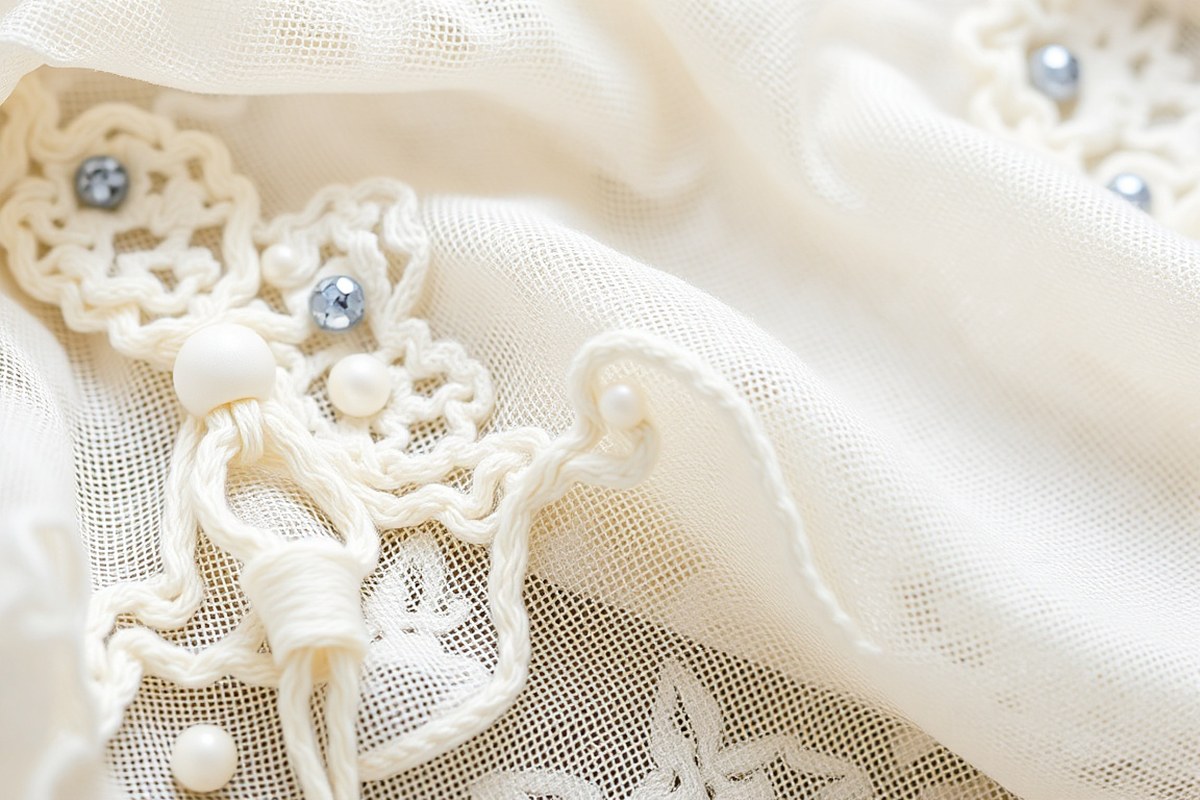
The “Do Not Dry Clean” label on a garment warns against exposing it to dry cleaning solvents or mechanical processes usually involved in professional cleaning. This restriction often relates more to the construction and finish of the garment than just the fabric. Manufacturers add this symbol when the dry cleaning chemicals, such as perchloroethylene or petroleum-based solvents, can dissolve dyes, damage coatings, or weaken adhesives used in the garment’s assembly.
Solvent damage is a primary concern. Some fabrics carry pigment-dyed or printed patterns sensitive to chemical solvents, which can bleach or distort colours. For example, pigments and dye layers may dissolve partially, causing uneven fading or staining. Fabrics with polyurethane coatings, PVC laminates, or waterproof membranes also suffer because solvents degrade these protective surfaces. This breakdown can ruin water resistance or alter texture and appearance permanently.
Mechanical agitation at the dry cleaner poses additional risks. Machines rotate garments through solvent baths and dryers, and delicate decorations like beads, rhinestones, or appliqués can loosen or fall off. Adhesive bonds inside some garments may weaken or fail when repeatedly exposed to wetting and tumbling, causing seams or inner layers to separate. These construction issues mean even durable fabrics might fail if the garment design incorporates materials sensitive to dry cleaning techniques.
Dry cleaning involves solvents heated to about 100°F (38°C) and tumbling action, which together can strip finishes or damage garment structure if the item isn’t built to resist these conditions. The mechanical and chemical exposure can warp shape or shrink components where bonding agents are present. This is why you might see this symbol on items with delicate trimmings, waterproof treatments, or certain technical fabrics that maintain their function only when solvent-free.
Taking a garment labeled “Do Not Dry Clean” to a professional cleaner can cause irreversible damage to dyes, coatings, or garment structure, so always follow the label carefully.
Understanding this symbol means recognizing that the warning is about more than the fabric itself, it alerts you to avoid standard dry cleaning processes because solvents and machinery can harm the entire garment. To care for these items, alternative cleaning methods like hand washing or professional wet cleaning may be safer options, provided they align with the fabric type and garment construction.
How to Handle Garments with the Do Not Dry Clean Symbol Safely
Garments marked with the do not dry clean symbol require extra care to avoid damage. You can safely clean these items at home or seek specialized professional help, depending on fabric and soil level. Following a clear cleaning and drying process helps preserve the garment’s lifespan without using dry cleaning solvents.
Step 1: Check Other Care Symbols
Start by examining the entire care label. Look for washing, bleaching, and drying icons that guide you on what is safe for your garment. The symbols communicate restrictions or permissions on water washing, machine agitation, bleaching, drying temperature, and ironing.
Do not assume you can wash a garment with a do not dry clean symbol in a washing machine. A washing tub symbol with a cross or caution means home washing may damage the fabric or shape. Some garments may allow gentle hand wash or professional wet cleaning instead.
Step 2: Choose Appropriate Cleaning Method
Decide on the safest cleaning approach based on the label and fabric type. Hand washing is often the best alternative to dry cleaning when allowed. Use cold or lukewarm water, mild detergent, and gently agitate the garment without wringing. Avoid harsh scrubbing or soaking for longer than 10 minutes.
Professional wet cleaning, marked with a W in a circle on tags, is another option. This method uses water and specialized detergents with controlled machinery that is gentler than home machines. For minor stains, spot cleaning with a damp cloth and mild soap can work without fully washing the garment.
- Read the care label fully for washing and bleaching permissions.
- Home washing is okay with a basin filled with cold to lukewarm water, approximately 75°F to 85°F.
- Add a mild detergent designed for delicate fabrics.
- Submerge the garment, gently swish for 3 to 5 minutes without rubbing harshly.
- Rinse thoroughly with cool water to remove all soap residues.
- For stains, apply a mild soap solution to the area and blot gently without vigorous rubbing.
- Do not wring the garment; press water out carefully instead.
Step 3: Drying and Handling
The best way to dry garments with the do not dry clean symbol is to dry flat and in shade. This prevents stretching and fading caused by the sun or hanging while wet. Lay the garment on a clean towel, reshape it gently, and let it air dry naturally.
Avoid tumble drying unless the care label explicitly permits it with a drying symbol. Wringing or twisting the garment can distort the fabric and cause permanent damage. Patting excess water with a towel before drying reduces drying time and strain on the fibers.
Step 4: When to Consult a Professional
Some garments with do not dry clean symbols still need professional care to avoid damage. Signs you should visit a specialized cleaner include delicate fabric types like silk, intricate beading or embroidery, persistent stains, or if the label suggests professional wet cleaning.
Professional cleaners skilled in wet cleaning and delicate textile care can clean without harsh chemicals or damaging agitation. Consulting an expert safeguards your investment in clothing that home methods may harm due to its sensitivity or construction.
Differences Between Dry Cleaning Symbols and Related Care Instructions
Dry cleaning symbols on clothing labels use circles to communicate how your garments should be cleaned by professionals. A plain circle usually signifies that dry cleaning is allowed, while letters inside the circle specify the type of solvent or process to be used. For example, a letter “P” inside the circle indicates that dry cleaning is allowed but only with specific solvents safe for that fabric, such as perchloroethylene or hydrocarbons. A circle with a “W” inside stands for professional wet cleaning, which uses water-based methods designed for delicate fabrics.
A circle with a cross through it signals that dry cleaning must be avoided. This symbol differs from the “dry clean only” label, which means dry cleaning is the only suggested way to clean the item. Recognizing this symbol helps prevent harm to the fabric or changes in the garment’s fit, color, or feel. Clothes marked for dry cleaning often depend on solvent cleaning to protect them from water damage, while items with the “do not dry clean” symbol require other cleaning methods like hand washing or professional wet cleaning, if suitable.
Professional wet cleaning is a water-based, environmentally friendly alternative to traditional dry cleaning. It uses specialized equipment and detergents that are milder than home washing products. This method is suitable for some fabrics that cannot withstand conventional washing but are also not compatible with dry cleaning solvents. The W inside the circle signals to professional cleaners that wet cleaning is safe and recommended for those items.
| Symbol | Meaning | Suitable Solvents | Cleaning Method |
|---|---|---|---|
| Circle (empty) | Dry clean allowed | Any professional dry cleaning solvent | Standard dry cleaning process |
| Circle with P | Dry clean only with specified solvents | Perchloroethylene, hydrocarbons | Dry cleaning using recommended solvents only |
| Circle with W | Professional wet cleaning | Water-based detergents | Specialized wet cleaning for delicate fabrics |
| Circle with X (crossed out) | Do not dry clean | None | Alternative cleaning methods (e.g., hand washing, professional wet cleaning) |
Cleaning costs and processes vary. Dry cleaning generally runs between $5 and $15 per item depending on fabric and location. Professional wet cleaning is a newer service and may cost slightly more due to equipment and training required. When a label restricts cleaning to specific solvents, your dry cleaner must follow those requirements to prevent damage. Using the correct method maintains fabric quality and extends garment life.
Why Some Fabrics and Garments Have the Do Not Dry Clean Symbol
The do not dry clean symbol often appears on fabrics that can’t handle the chemicals or processes used in dry cleaning. Manufacturers place this symbol to prevent damage caused by solvents or heat that could weaken fibers, alter finishes, or ruin attached details. This caution is common in garments where delicate fabric properties or complex construction make dry cleaning risky.
Several fabric types frequently have this symbol because they are sensitive to dry cleaning agents or mechanical action. Natural fabrics like silk and raw wool can lose texture or shrink. Synthetic fibers such as acetate and some blends may melt or distort. Some treated fabrics, including water-repellent or coated textiles, risk losing their special finishes.
- Acetate and triacetate: prone to shrinking and surface damage from solvents
- Silk: can lose sheen and weaken with solvent exposure
- Leather and suede: chemicals can strip natural oils and cause stiffness
- Fabrics with polyurethane coatings or laminates: dry cleaning solvents may cause peeling or cracking
- Foam-backed or padded garments, such as some jackets and athletic wear: adhesives can break down
- Embellished or trimmed clothing, like sequins, beads, or glued-on appliques: dry cleaning chemicals can dissolve adhesives or tarnish decoration
- Laminated or bonded multi-layer fabrics often used in rainwear are prone to delamination or distortion
Garment construction plays a significant role too. Complex items with glued seams, foam inserts, or special finishes tend to have this symbol to avoid solvent penetration that causes separation or shrinkage. Textile manufacturers test how materials react to dry cleaning before approving care labels, ensuring the garment lasts through normal use.
Always check for the do not dry clean symbol on decorated or coated garments to avoid costly damage or permanent changes in texture and appearance.
In summary, the symbol is a safeguard against the chemical stress and heat of dry cleaning processes harmful to certain materials or constructions. Ignoring it often results in fabric brittleness, adhesive failure, shrinkage, or loss of special surface coatings. Proper recognition helps select safer cleaning methods that protect your clothes and extend their life.
What Happens If You Ignore the Do Not Dry Clean Symbol?
Ignoring the do not dry clean symbol can cause serious damage to your garment, often irreversible. Dry cleaning uses chemicals such as perchloroethylene or hydrocarbon solvents, which may dissolve or weaken fibers not suited for this process. For example, fabrics like leather, suede, or some silks can shrink, discolor, or become stiff when exposed to these solvents. Over time, repeated dry cleaning against care instructions can lead to fabric thinning and loss of structural integrity, making garments look worn out much faster.
Common damage scenarios include color fading and bleeding. Dark or bright-colored fabrics might lose vibrancy when dry cleaned despite the symbol’s warning. Patterns can blur or fade unevenly. Along with chemical exposure, the mechanical action inside dry cleaning machines can distort delicate items, causing misshaping or stretching. Trims, appliques, buttons, and adhesives may loosen or detach as some adhesives cannot withstand dry cleaning solvents.
Repairing dry cleaning damage is often difficult and costly. Shrinkage cannot usually be undone, and restoring original color intensity requires professional dyeing, which may cost $50 to over $100, depending on the garment. Tears or distortion might be mended by a tailor, but the overall fabric quality may remain compromised. In some cases, repairs can make the garment functional but won’t restore its original look or feel.
Ignoring this symbol may also void warranties or return policies. Many brands and retailers require following all care instructions to accept returns or refunds. Transport or cleaning damage caused by ignoring instructions often excludes coverage, leaving you responsible for repair or replacement costs. This can become expensive, especially for high-end or specialty fabrics where dry cleaning is explicitly prohibited.
Following the instructions in conjunction with other symbols matters too. Sometimes a do not dry clean garment might still be washable using gentle hand washing or specific detergents under cold water to avoid damage. Only relying on dry cleaning symbols without considering washing instructions may lead to mistakes causing additional harm. Proper care often involves a combination of avoiding dry cleaning and paying attention to water temperature, detergents, and drying methods.
In essence, dry cleaning a garment marked with do not dry clean risks permanent damage, expensive repairs, and lost consumer protections. Respecting the label avoids shrinking, fading, warping, and weakened fibers that solvents and machine action cause. Protecting your clothing’s lifespan and value means choosing safer cleaning methods that this symbol recommends.
How to Interpret Multiple Care Symbols with Do Not Dry Clean
You should consider all care symbols on a label together, especially when ‘do not dry clean’ appears with other restrictions like ‘do not wash.’ The strictest instruction generally dictates how to care for the garment, limiting the use of home laundering or professional cleaning methods. Knowing how to read and prioritize these symbols helps you avoid damage and maintain your clothing’s condition.
Understanding ‘Do Not Wash’ and ‘Do Not Dry Clean’ Together
When ‘do not wash’ and ‘do not dry clean’ labels appear together, it means neither traditional home washing nor dry cleaning is advisable. Manufacturers often recommend this for very delicate fabrics or garments with finishes vulnerable to water and solvents. Professional wet cleaning, a technique using controlled water and specialized detergents, might be an option if the label allows it.
This method is gentler than home washing and can reduce risks, but you should check the label for any express prohibition of water or wet cleaning. Home care options are very limited in these cases, so hand spot cleaning with care or airing the garment may be safer alternatives to avoid fabric damage.
Interpreting Bleach and Drying Symbols
Bleach symbols on the label indicate whether bleaching agents can be used. A ‘do not bleach’ symbol restricts chlorine and non-chlorine bleach, which protects fragile fibers and garment colors. When ‘do not dry clean’ is shown along with ‘do not bleach,’ professional cleaning options narrow because many detergents and solvents used in dry cleaning or wet cleaning may contain bleaching agents or chemicals harmful to the item.
Drying instructions, such as ‘do not tumble dry’ or ‘dry flat’, further affect how you can care for the garment at home. For instance, even simple air drying must be gentle and avoid stretching or heat exposure. Respecting these combined symbols reduces the chance of shrinking, warping, or color loss.
Prioritizing Care Instructions
When multiple care symbols appear on a label, use a decision rule checklist to find the most restrictive instruction:
- Check if ‘do not wash’ or ‘hand wash only’ appears; these indicate water-based cleaning’s limits.
- Look for ‘do not dry clean’ or ‘dry clean only’ to determine if solvent-based cleaning is allowed.
- Consider bleaching and drying symbols as additional constraints on cleaning methods.
- Follow the most conservative combination of these instructions.
The following table shows typical symbol combinations with recommended care approaches:
| Symbol Combination | Recommended Care Approach |
|---|---|
| Do Not Wash + Do Not Dry Clean | Spot clean only, no water or solvent immersion, professional wet cleaning if permitted |
| Do Not Wash + Dry Clean Only | Professional dry cleaning only, no home washing |
| Do Not Dry Clean + Hand Wash Only | Manual gentle washing at low temperature, no dry cleaning |
| Do Not Bleach + Do Not Dry Clean | Avoid bleaching agents and dry cleaning solvents; gentle hand washing or professional wet cleaning |
| Do Not Wash + Do Not Bleach + Do Not Dry Clean | Spot cleaning only; no washing, bleaching, or dry cleaning |
Strict adherence to the most limiting symbols protects expensive or delicate fabrics from irreversible damage. Ignoring these signs can cause shrinking, color fading, or fabric weakening, steps that often cannot be undone. You should consult a professional cleaner with knowledge of specialized care techniques before attempting any cleaning yourself if you’re unsure.
When to Consult Professionals for Do Not Dry Clean Garments
You should consider professional help for garments marked with the do not dry clean symbol when stains are complex, the fabric is fragile, or the item shows signs of damage that could worsen with home treatment. Specialists offer controlled wet cleaning and expert care that protect these sensitive pieces. Communicating clearly with your cleaner about the label restrictions ensures your garment is handled safely.
Signs a Professional Is Needed
Complex stains like oil, ink, or set-in discoloration often require professional attention. Spot-treating these at home risks damage or permanent marking. Delicate materials such as silk, acetate, or embellished fabrics can degrade if washed inappropriately.
Structural concerns, including loose seams, weak linings, or shrinkage-prone fibers, also call for expert handling. Professionals have the right tools and cleaning solutions to avoid worsening these issues.
- Presence of difficult or multiple stains
- Fabric is natural silk or a delicate blend
- Garments with trims, beads, or embroidery
- Signs of fabric instability, like stretching or thinning
- Garment is expensive or has sentimental value
- Previous failed attempts at home cleaning
- Label explicit restriction against dry cleaning
Explaining Label Restrictions to Cleaners
Provide the cleaner with a clear view of the care label and emphasize that the do not dry clean symbol must be respected strictly. Use phrases like, “This item cannot be dry cleaned under any circumstances,” and ask about alternative wet cleaning methods.
Share details about the fabric type and any stain issues. Verify the cleaner’s experience with delicate fabrics and confirm their ability to perform professional wet cleaning. This ensures you and the cleaner align on the safest approach.
Always bring the garment and the full care label to the professional cleaner to avoid any misunderstanding.
Risks of Home Dry Cleaning Kits
Home dry cleaning kits use mild solvents and small steam units but are not suitable for every do not dry clean garment. They might work for lightly soiled synthetic blends but can cause shrinkage, color loss, or damage on delicate or natural fibers.
Using these kits on silk, heavily soiled, or embellished garments is risky. These kits cannot replicate the extraction and drying control of professional equipment, which protects fabric integrity.
When considering the cost, home kits range from about $10 to $30 per use but could end up costing more if the garment is ruined. Professional wet cleaning typically costs $10 to $25 per item but offers greater safety for restricted garments.
Step-by-Step Action Plan for Caring for Garments Labeled Do Not Dry Clean
Follow this plan to keep your do not dry clean clothes safe and looking their best.
- Before washing: Check the entire care label for all symbols. Confirm the do not dry clean symbol is present and look for additional washing instructions to protect the fabric.
- Day 1: Test a small, hidden area with water and mild detergent if the label allows hand or machine washing. Observe for any color bleeding or fabric damage after drying.
- Day 2: If the test is successful, gently wash the garment by hand or on a gentle machine cycle, using cold water. Lay flat or hang to dry according to the fabric’s needs.
- Week 1: Avoid ironing directly if the label warns; instead, use a low-heat setting with a pressing cloth or steam cautiously. Check fabric response after this initial press.
- Ongoing care: Store garments away from direct sunlight and moisture to preserve fabric integrity. Recheck care labels before each cleaning to ensure no changes in instructions.
- If uncertain: Contact a trusted professional cleaner or fabric expert before attempting any cleaning not advised on the label. Proper advice prevents costly damage.
Frequently Asked Questions
Can I Use Professional Wet Cleaning on Garments with the Do Not Dry Clean Symbol?
Yes, professional wet cleaning may be safe since the symbol prohibits only dry cleaning, not all professional cleaning methods. Always check the label for other instructions to avoid damage.
Does the Do Not Dry Clean Symbol Apply to Home Dry Cleaning Kits?
Yes, the symbol warns against any dry cleaning solvents, including home dry cleaning kits, as they can harm the garment. Opt for gentle hand or machine washing if permitted.
Is the Do Not Dry Clean Symbol the Same as the Do Not Wash Symbol?
No, the do not dry clean symbol forbids dry cleaning solvents, while the do not wash symbol means you should not use water to clean at all. Follow both if present.
Can Some Fabrics Labeled Do Not Dry Clean Be Hand Washed Safely?
Often you can hand wash such garments carefully using mild detergent, but always check other symbols. Avoid soaking or wringing to protect delicate fibers.
Why Might a Garment Show Both Dry Clean and Do Not Dry Clean Symbols?
It may show multiple options for different fabrics or finishes; the strictest care instruction, usually the do not dry clean, should guide you to avoid errors.
Does the Do Not Dry Clean Symbol Mean the Garment Is Washable at Home?
Not necessarily; the symbol only restricts dry cleaning. Always look at washing and drying symbols to know if home laundering is safe.
Before You Go
Respecting the do not dry clean symbol helps you maintain garment quality and avoid damage from unsuitable cleaning methods. Start by carefully following label instructions and testing care methods gently. This approach preserves your clothes and extends their usable life, so you get the most from your wardrobe.