
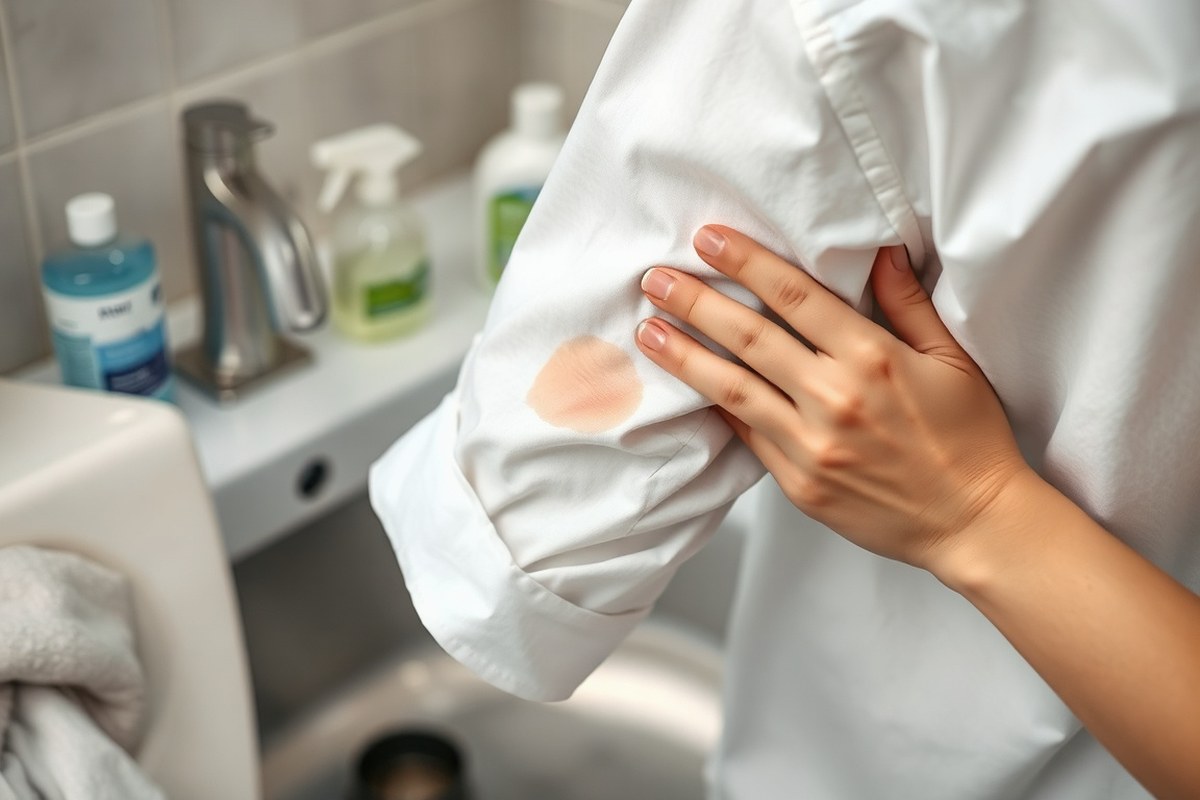
How to Get Rid of Sweat Stains on Clothes: 8 Effective Methods That Work
To get rid of sweat stains on clothes quickly and effectively, soak stained areas in a vinegar and water solution for 20 to 30 minutes before washing. For white garments, a bleach wash can help remove stubborn stains, while baking soda and hydrogen peroxide also work as powerful stain removers. These methods target sweat residue and discoloration without damaging fabrics when used properly.
These tips suit anyone dealing with sweat stains, from everyday wearers to athletic enthusiasts. You’ll learn how different cleaning solutions work, how to pretreat various fabrics, and when to use homemade remedies versus commercial products to restore your clothes.
Key Takeaways
- Soak sweat stains in cold water mixed with white vinegar for 20, 30 minutes to lift stains on colored clothes.
- Apply a baking soda paste on stains, let sit for 5 minutes, then scrub with a brush to break down residue.
- Use bleach cautiously on white or cream garments to brighten and remove persistent sweat stains.
- Hydrogen peroxide acts as a mild bleach, effective on sweat stains but requires testing on colored fabrics first.
- Always pretreat sweat-stained clothes with appropriate solutions before machine washing to improve stain removal.
- Opt for commercial sweat-proof shirts with built-in underarm pads to prevent stains and control odor for up to 48 hours.
1. How to Remove Sweat Stains from Clothes Quickly and Effectively
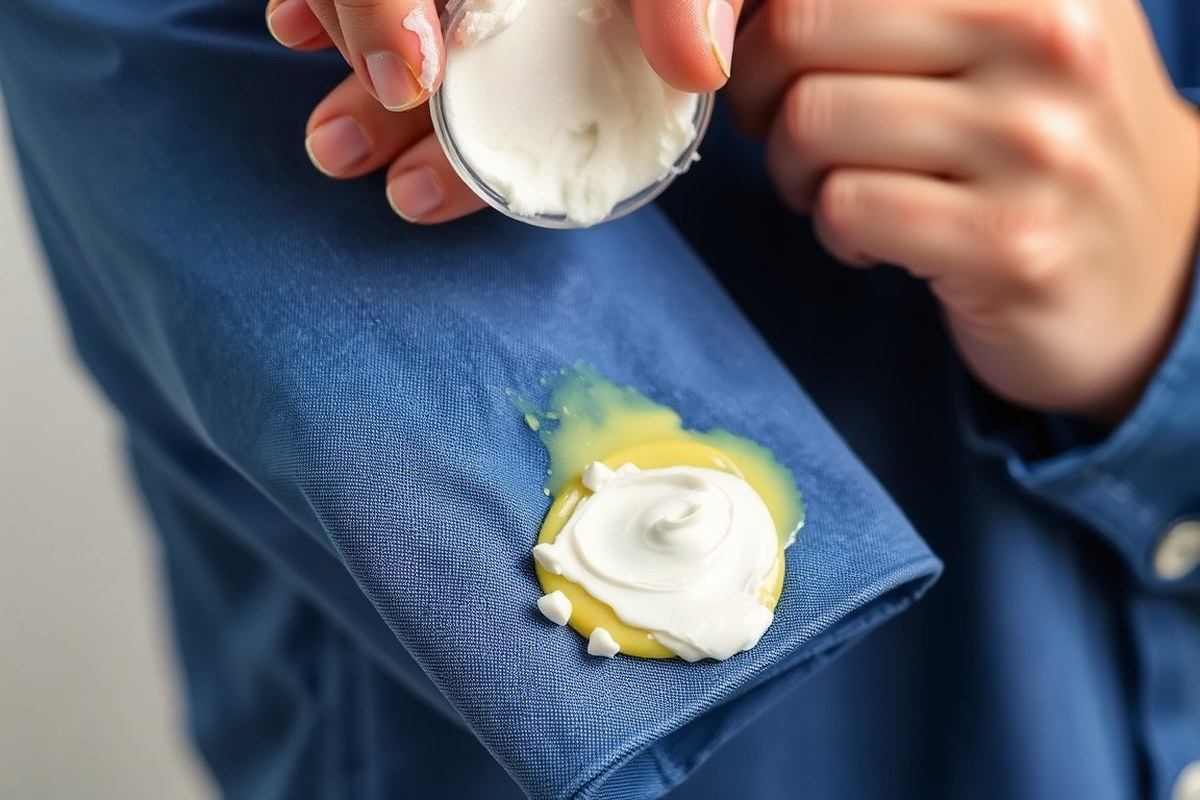
Sweat stains form when your sweat soaks into the fabric and combines with body oils, salts, and deodorant residues. Removing these stains quickly is important because fresh stains are easier to lift before they set. You should act as soon as you notice sweat marks to avoid discoloration and odor buildup. For colored clothes, vinegar helps break down residues without fading, while baking soda paste can tackle white or light fabrics to lift stains gently.
Below is a straightforward method that works well for both fresh and somewhat set sweat stains. Allowing soaked clothes enough time to break down the stain molecules is key, usually around 20 to 30 minutes. This process also saves wear on your clothes by preventing harsh scrubbing or repeated washing cycles.
- Rinse the stained area with cold water. Hold the fabric under cold running water to flush out as much sweat as you can. Avoid hot water since it can set the stain.
- Prepare a soaking solution. For colored fabrics, mix one part white vinegar with four parts cold water in a basin. For whites, make a paste of four tablespoons of baking soda with a quarter cup of water.
- Fully immerse the stained area in the vinegar mixture and leave it for 20 to 30 minutes. For white clothes, spread the baking soda paste over the stain and allow it to rest for 15 to 30 minutes.
- Gently rub the stained area. After soaking, lightly rub the area with your fingers to help loosen the stain particles.
- Launder as usual. Use a quality detergent like Charlie’s laundry detergent and wash the item following the care label instructions. Cold or warm water is best as indicated by the fabric type.
- Inspect before drying. Check if the stain faded; if not completely gone, repeat the soaking and washing steps, since drying can permanently set any remaining marks.
Acting quickly after noticing sweat stains makes removal faster and more effective. Soaking for about 20 to 30 minutes loosens the stain and reduces the need for excessive scrubbing, which can damage fabrics. Avoid hot water or heat before the stain is removed, because it can cause sweat marks to become permanent. Using gentle but targeted treatments like vinegar for colors keeps fabric colors intact while breaking down residue. For whites, baking soda’s mild abrasive action and stain-fighting power help restore brightness. This approach keeps your clothes looking fresh without harsh chemicals or costly special products.
2. Comparing Homemade and Commercial Sweat Stain Removers

Both homemade remedies and commercial sweat stain removers can effectively tackle sweat stains, but their efficiency, safety, and fabric suitability vary. Homemade solutions often work well for light stains and delicate fabrics, while commercial products offer more reliable results on tough or older stains. Choosing the right option depends on the type of fabric, stain severity, and personal preferences for eco-friendly ingredients.
Popular Homemade Solutions
Common DIY sweat stain removers often use baking soda, vinegar, hydrogen peroxide, and water. These ingredients help dissolve sweat deposits and freshen clothes. For instance, applying a paste of four tablespoons baking soda mixed with a quarter cup water on the stain for 30 minutes before washing can help remove light sweat marks.
Homemade remedies are generally safe for most fabrics, especially delicate ones like silk or wool when used cautiously. However, hydrogen peroxide can bleach colored fabrics, so testing on an inconspicuous area first is important. These methods are low cost and use ingredients you likely already have, but they may require repeated treatments and longer soaking times to work on stubborn stains.
Top Commercial Products
Sprays like Shout Active Enzyme Laundry Stain Remover, OxiClean Max Force Laundry Stain Remover Spray, and Sweat X Extreme Stain Remover Spray target sweat and body oil stains effectively. OxiClean Max Force handles stubborn, older stains best, while Puracy Natural Laundry Stain Remover offers a plant-based, eco-friendly alternative for everyday use. Specialized products like Raise Armpit Stain Remover focus on tough underarm sweat stains.
Commercial removers often act faster and with less effort compared to homemade solutions. Most come in ready-to-use sprays or gels that pretreat stains before washing. These products tend to cost between $7 and $15 per bottle but save time and reduce the risk of fabric damage when used as directed. Some brands also formulate their removers to protect color and fabric fibers better than homemade options.
| Product | Type | Good Fit For |
|---|---|---|
| Shout Active Enzyme Laundry Stain Remover Spray | Pretreatment spray | Sweat, body-oil, and everyday underarm stains |
| OxiClean Max Force Laundry Stain Remover Spray | Stain-removal spray | Stubborn and older underarm stains on compatible washable fabrics |
| Puracy Natural Laundry Stain Remover Spray | Plant-based stain remover | Everyday pretreatment when you prefer a plant-based product |
| Sweat X Extreme Stain Remover Spray | Sports-oriented stain remover | Active wear and heavy sweat stains |
The range of commercial products provides options depending on your priorities, such as eco-friendliness, fabric type, or stain age. Using the right product reduces the likelihood of having to repeat treatment or damage the garment.
Choosing Between Homemade and Store-Bought
When deciding between homemade and commercial stain removers, consider the stain’s age and fabric delicacy. Homemade solutions fit best for fresh, light stains and delicate fabrics where you want to avoid harsh chemicals. For example, baking soda paste is gentle enough for silk and wool if you use it sparingly.
Commercial products suit deeply set or older sweat stains, especially on durable fabrics like cotton or synthetics. They often include enzymes that break down protein-based stains more effectively. Choosing plant-based commercial stain removers like Puracy or Love2Laundry’s eco-friendly options offers a balance of effective stain removal and gentle care for fabrics.
Tip: Always test stain removers on a hidden fabric section before full use to avoid discoloration or damage.
3. Choosing the Right Techniques for Different Clothes and Fabrics
Adapting sweat stain removal methods depends on the fabric’s type, color, and care instructions. Whites tolerate stronger treatments like mild bleach, while colored and delicate fabrics need gentler approaches to avoid fading or damage. Always check the garment care label and spot test before applying any treatment.
Treating Whites vs Colored Clothes
White and cream clothes can handle more intensive stain removers such as oxygen-based bleach or diluted hydrogen peroxide without losing color. These work well to break down sweat proteins and deodorize. For whites, soak the stained area in a mix of water and bleach following the package instructions, typically around 1 tablespoon of bleach per gallon of water, for up to 30 minutes before washing.
Colored garments require milder care to prevent fading. Avoid chlorine bleach as it can strip color. Use a color-safe detergent and stain removers designed for colored fabrics instead. Pre-treat stains with a non-toxic stain stick or a paste made from baking soda and water, letting it sit 15 to 30 minutes before washing with cold water.
Spot-testing is important for colored clothes. Apply a small amount of your chosen product on an inconspicuous area, wait 10 minutes, then rinse and check for color change. If colors hold, apply to sweat stains.
Care for Delicate Fabrics
Delicate fabrics like silk, wool, and cashmere are more prone to damage from harsh chemicals and vigorous washing. Mechanical agitation can distort fibers, and some stain removers may cause discoloration or weakening of the fabric. Labels sometimes recommend dry cleaning only.
For delicate items, avoid home bleaching or heavy scrubbing. Instead, gently blot with a mild detergent solution suitable for delicates, such as a wool-safe liquid detergent. For silk, use cold water and a gentle detergent, then rinse carefully without wringing. Prompt treatment is important to prevent stains from setting.
Professional cleaning is often the safest route for costly or very delicate pieces. Many dry cleaners use specialized sweat stain treatments not available for home use, preserving fabric integrity.
Fabric-Safe Stain Removal Tips
Follow this checklist to handle sweat stains safely on any garment:
- Always read and follow the garment’s care label instructions.
- Spot test stain removers on a hidden area before full application.
- Choose products formulated for your fabric and color type.
- Use cold or lukewarm water for washing delicate and colored clothes to prevent damage.
- Avoid chlorine bleach on non-white or delicate garments.
- For stubborn stains on whites, use oxygen-based bleach instead of chlorine bleach.
- Consider professional cleaning when unsure about home treatment risks.
By tailoring your approach to the fabric type, you reduce the risk of fading, shrinking, or weakening the garment. Careful selection of temperature, cleaning agents, and application time ensures better stain removal outcomes while keeping clothes looking their best.
4. How Vinegar, Baking Soda, and Hydrogen Peroxide Work on Sweat Stains
Vinegar, baking soda, and hydrogen peroxide each target sweat stains in different ways due to their unique chemical properties. Baking soda acts as a mild abrasive and deodorizer. When mixed into a paste with water, it gently scrubs away the stain’s oils and proteins while neutralizing odors. This makes it especially useful for fresh or lightly set stains. A typical recipe involves combining equal parts baking soda and water to create a paste, which you then spread over the stain, scrub with a soft brush, and leave for 20 to 30 minutes before rinsing and washing.
White vinegar works as a mild acid. It breaks down the buildup of sweat residue and kills odor-causing bacteria. For older or set-in stains, diluting vinegar in water and applying it directly can help lift the stain and neutralize smells. Vinegar is safe for colored fabrics when diluted, a ratio of one part vinegar to four parts water is a common starting point. Apply this solution using a spray bottle or cloth, let it sit for 10 to 15 minutes, then rinse thoroughly. Avoid using undiluted vinegar, as the acidity can weaken fibers over time.
Hydrogen peroxide is a mild bleaching agent, effective at breaking down the protein and pigment components of sweat stains, particularly on white or light-colored clothes. A simple mixture to pretreat stains is one part hydrogen peroxide, one part baking soda, and one part water. This solution can be applied directly to the stain and left for about five minutes before laundering. However, hydrogen peroxide can cause discoloration or weaken colored fabrics, so test it on a hidden area first or avoid it altogether on anything brightly dyed.
All three substances carry some risk of fabric damage if used improperly. Baking soda is generally safe but can leave a residue if not rinsed well. Vinegar’s acidity can break down elastic fibers or delicate fabrics if used too frequently or too concentrated. Hydrogen peroxide’s bleaching effects mean it should never be left on clothes too long or applied repeatedly. Always rinse treated clothes thoroughly with cold water right after treatment. Avoid mixing vinegar and hydrogen peroxide together directly, as this can create harmful fumes.
When dealing with stubborn sweat stains, using these agents as pretreatment steps before washing can improve results. For white t-shirts with set-in stains, a paste of baking soda and hydrogen peroxide can remove yellowing, but make sure to wash immediately after to avoid residue setting. On colored shirts, spot treat with diluted vinegar or baking soda paste and then wash in cool water to preserve color. Be mindful that taking too long to treat stains or skipping the rinse may cause permanent marks or fabric wear.
5. Step-by-Step Guide to Pretreating and Washing Sweat-Stained Clothes
Getting rid of sweat stains requires careful pretreatment, proper soaking, and correct washing and drying techniques. Pretreat the stain first to break down body oils and deodorant residue. Soak the garment for about 30 minutes before washing with an effective detergent. Avoid drying in heat until stains are fully removed to prevent setting them permanently.
Pretreatment Options
Pretreating sweat stains targets the concentrated stain before washing, improving stain removal success. Use a stain removal spray designed for body oils and underarm stains, like Shout or similar brand products. Apply the spray directly to the stained areas and gently rub it in to break down sweat and deodorant buildup.
Another option is to create a pretreatment solution using household ingredients such as white vinegar or a mixture of baking soda and water. White vinegar can help dissolve mineral salts left by sweat, while baking soda neutralizes odors and softens the fabric.
Soaking Recommendations
Soaking stained clothes before washing allows the pretreatment to fully penetrate and loosen sweat components locked in the fabric. Use cool or warm water to avoid setting stains, and soak the garment for at least 30 minutes. Soaking longer, up to several hours or overnight, can improve results for tougher stains.
Mix the water with a pretreatment solution if possible. For example, add 1 cup of white vinegar to a basin of cool water for soaking. Avoid hot water as heat can cause sweat proteins and oils to bond permanently with fabric fibers.
Washing and Drying Tips
Wash sweat-stained clothes using a high-quality detergent that targets both general soil and underarm buildup, like Persil ProClean. This detergent can help prevent stains from setting during the wash cycle. Use the warmest water temperature safe for the fabric, as indicated on the label, to maximize cleaning.
Do not dry clothes containing visible sweat stains in the dryer or under direct heat. Heat can cause permanent yellowing and set stains, making them almost impossible to remove. Instead, air-dry garments in a shaded area. Repeat pretreatment and washing if stains persist before drying again.
- Identify sweat-stained areas and apply a stain removal spray or homemade solution directly to those spots.
- Rub the pretreatment gently into the fabric for even absorption without damaging delicate fibers.
- Prepare a soaking basin with cool or warm water and add a cup of white vinegar or other pretreatment mix.
- Submerge the garment fully and soak for at least 30 minutes or up to several hours for stubborn stains.
- Remove the garment and wash using a detergent suited for sweat and deodorant stains, following the fabric’s care label for water temperature.
- Inspect the garment after washing for remaining stains before drying.
- Air-dry the clothes away from direct sunlight and heat sources to avoid setting any residual stains.
- If stains remain after drying, repeat pretreatment, soaking, and washing steps before attempting to dry again.
Never put sweat-stained clothes in the dryer before the stains are fully gone; heat will make stains permanent.
6. Preventing Sweat Stains and Protecting Clothes Long-Term
Preventing sweat stains starts with controlling sweat and protecting fabric from buildup. Wearing an undershirt or sweat guards acts as a barrier, keeping sweat away from your outer garments, especially white shirts prone to yellowing. Choosing aluminum-free deodorants helps avoid the chemical reaction between aluminum compounds and sweat that causes stubborn yellow stains. Some products, like SheaMoisture deodorants, offer gentle, effective protection while respecting skin, reducing the likelihood of marks forming.
Fabric choice and handling also affect long-term stain prevention. Natural, breathable materials like cotton allow sweat to evaporate quickly, lowering residue. Wash clothes soon after sweating to prevent stains from setting, using gentle cycles and mild detergents focused on stain removal. Avoid overusing antiperspirants directly on clothes; instead, apply them to clean, dry skin to reduce residue transfer. Adjusting lifestyle habits such as staying hydrated can dilute sweat concentration and reduce salt deposits, which contribute to visible white rings and fabric damage.
- Wear an undershirt or sweat guards to protect outerwear
- Choose aluminum-free deodorants or specialized products like SheaMoisture
- Opt for breathable natural fabrics to improve sweat evaporation
- Apply deodorant only on dry, clean skin to minimize residue
- Launder clothes promptly after sweating using gentle detergent
- Stay hydrated to reduce the concentration of sweat salts
- Avoid using harsh chemicals or bleach, which can worsen stains
Protecting clothes during wear involves some extra care but pays off in freshness and fewer stains. Rotate shirts frequently to allow air drying between wears, and avoid heavy antiperspirant application on clothing areas. Using whole-body deodorants can reduce sweat on more than just underarms, lowering overall fabric exposure. These steps combine fabric care with lifestyle adjustments, creating a practical, cost-effective approach to sweat stain prevention that helps your clothes look better for longer.
7. Common Mistakes in Removing Sweat Stains and How to Fix Them
One common mistake when treating sweat stains is using bleach incorrectly. Bleach can break down fabric fibers, especially on colored or delicate clothes, leading to fading or holes. For white garments, adding a small capful of bleach to your wash is usually safe, but always check the care label first. Avoid pouring bleach directly on the stain, as this can make it worse. Instead, pre-treat stains with mild detergent or a stain remover designed for sweat before washing.
Washing sweaty clothes in hot water can sometimes set stains instead of removing them. Cold water with a good detergent is better for preventing stains from becoming permanent, especially on synthetic fabrics. Hot water may also shrink or damage some clothing materials. For best results, pretreat the stain, wash in cold water, and air-dry when possible to check if the stain is gone before using a dryer.
Delaying treatment after you notice sweat stains allows the salts and oils to bake into the fabric. Treat stains within 24 hours to improve removal chances. If the stain reappears after washing, re-treat it with a mixture of vinegar and water or baking soda paste, then wash again in cold water. Avoid overwashing, which can wear out fabrics and cause colors to fade.
- Pre-treat sweat stains promptly with detergent or a stain remover
- Use cold water for washing sweaty clothes to prevent stains setting
- Check fabric care labels before applying bleach; avoid it on colors and delicates
- Do not pour bleach directly onto stains; dilute or use a safer alternative
- Avoid hot water and high heat drying until stains are fully gone
- Re-treat stains if they return after washing rather than repeating harsh washes
- Consider using undershirts to protect dress shirts from sweat stains
Harsh cleaners like straight bleach or strong chemical stain removers can weaken fabric fibers and cause discoloration. Using milder, oxygen-based stain removers is safer and effective for most fabrics. Cost-wise, mild stain treatments or homemade solutions like baking soda and vinegar cost only a few cents per use, compared to specialty products priced anywhere from $5 to $15. Taking time to treat stains carefully prevents fabric damage and preserves clothing lifespan, making your efforts more worthwhile.
8. When to Consider Professional Cleaning or Garment Replacement
You should consider professional cleaning when home treatments fail to remove sweat stains, especially if the garment is valuable or delicate. Professionals use specialized enzyme-based detergents and industrial techniques that break down organic stains like sweat more effectively than typical household products. For example, enzyme laundry aids help break down proteins and oils that cause stubborn stains and odors, offering a cleaning depth difficult to achieve at home. Expect professional stain removal to cost between $10 and $30 per garment, depending on the fabric and stain severity.
Signs that sweat stains are permanent include persistent yellowing after multiple washings, fabric deterioration near the stain, and absorption of the discoloration deep into fibers. If you’ve tried pretreatment sprays and strong enzyme detergents without success after two or three attempts, the stain may be set. Another clue is if the stain remains visible even after boiling water treatment, which loosens fabric to help remove tough stains. In these cases, no home remedy will fully restore the garment’s original appearance.
Deciding when to replace a sweat-stained item depends on its function, value, and appearance after cleaning efforts. Replace clothes if the stains are visible, the fabric smells sour despite washing, or the material becomes brittle and weak, risking tears. For items regularly exposed to sweat, like workout gear, frequent replacement can preserve appearance and hygiene. However, expensive or sentimental clothing may be worth a professional cleaning attempt before replacement, considering the cost and potential benefits.
Some fabrics, such as silk or wool, may suffer damage from harsh stain removers, so professional cleaners can better protect these fibers with expert methods. For cotton and synthetic blends, enzyme detergents like Persil Universal Gel or Truly Free Home Stain Stick can typically handle sweat stains if used repeatedly according to label instructions. When stains persist on light-colored fabrics, professionals might use oxygen-based boosters or oxygen bleach treatments, which home users should apply cautiously to avoid discoloration.
When reaching out to a cleaner, mention the stain’s age, your prior attempts to remove it, and the fabric type. This helps them recommend the best approach, whether a soak in enzyme detergent, oxygen-boosted wash, or specialized solvent treatment. Professionals also handle complex stains that combine sweat with deodorant residues or body oils that home products often leave behind.
Use enzyme-based detergents consistently for at least two wash cycles before concluding that professional cleaning is necessary.
Step-by-Step Action Plan to Remove Sweat Stains from Clothes
Follow this plan to tackle sweat stains effectively and keep your clothes looking fresh. Each step helps you confirm the stain is fading or gone.
- Before washing: Pretreat the stained area with a paste of baking soda and water or apply a store-bought stain remover. Let it sit for 30 minutes; the stain should look lighter or less noticeable.
- During washing: Use the hottest water safe for the fabric with your usual detergent and add half a cup of white vinegar. Check after the wash; stains should be much less visible.
- After washing: Air dry the garment rather than using a dryer to avoid setting any remaining stain. If stains remain after drying, repeat pretreatment.
- Second treatment: Apply hydrogen peroxide carefully on white or colorfast clothes if stains persist. Let it sit for 10 minutes, then wash again as directed.
- Regular care: Wash heavily worn or sweat-prone items promptly after use to prevent stains from setting.
- Preventive step: Before wearing, use an antiperspirant that reduces sweat or wear undershirts to protect clothes from direct contact with sweat.
Frequently Asked Questions
Does Hydrogen Peroxide Remove Stains?
Yes, hydrogen peroxide can help remove sweat stains from white clothes by breaking down proteins and bacteria, but avoid using it on colored items as it may cause discoloration.
Does Dawn Dish Soap Remove Sweat Stains?
Dawn dish soap is effective at breaking down oils and sweat residues when used in a pretreatment mix, helping to lift stains before washing.
How to Get Deodorant Stains Out of Black Shirt?
Soak the black shirt in cold water and white vinegar for 20 to 30 minutes, then wash normally to help remove deodorant stains without fading the fabric.
How to Prevent Armpit Sweat on Shirt?
Use antiperspirants, wear moisture-wicking undershirts, and avoid tight synthetic fabrics to reduce sweat buildup and protect shirts from stains.
Clothing Care 101: Baking Soda for Sweat Stains?
Baking soda forms a mild abrasive paste that helps lift sweat stains when applied before washing, especially effective on white or light fabrics.
Can I Use Lemon Juice to Remove Sweat Stains from Clothes?
Yes, lemon juice’s natural acidity helps break down sweat stains, but test it first to avoid bleaching colored fabrics.
Wrapping Up
Removing sweat stains takes consistent care, from pretreating to choosing the right washing methods. Treat sweat stains as soon as possible and test any cleaning method on a small fabric area first. Start with the pretreatment step on a stained garment you can test today to see real improvement.


