How Do You Remove Odor from Clothes: 8 Proven Methods That Really Work
To remove odor from clothes effectively, soak them in a vinegar and water solution for 30 minutes, pre-wash with detergent in warm water, and dry clothes completely before storing. Tailor treatments for specific smells like sweat, smoke, mildew, or gasoline using household items like baking soda, vinegar, and careful drying methods. Each step helps break down odor-causing residues or traps and eliminates smells without damaging fabric.
This advice helps everyday home launderers solve common odor problems using simple, proven methods. You’ll discover how fabric types influence your options, easy fixes without washing, and when professional cleaning becomes necessary for tough odors.
Key Takeaways
- Soak clothes in a 1:4 vinegar-to-water solution for 30 minutes to neutralize odors naturally.
- Pre-soak smelly clothes in warm water with 1 ounce of detergent for 30 minutes before washing.
- Sprinkle baking soda on gasoline stains after blotting and let sit for 24 hours to remove the smell.
- Ensure clothes are completely dry before storing to prevent odor buildup and mildew growth.
- Use cold water cycles to save energy when washing odor-prone fabrics without sacrificing effectiveness.
- Seal smelly clothes in a ziplock bag and freeze for 4-6 hours to reduce bacteria causing odors.
1. How to Remove Odor from Clothes Effectively

Removing odor from clothes relies on cleansing away the bacteria and residue that cause smells. Many common household ingredients can boost your washing routine or serve as pre-treatments. Using warm or hot water (depending on fabric care) helps dissolve soils and activate detergents, while soaking allows odors to loosen. Soaking times typically range from 30 minutes for mild smells to two hours or more for tough odors. When odors persist, targeting the problem before washing improves results and helps protect your clothes from repeated harsh washes, which can wear out fabrics. Below is a step-by-step approach to effectively remove odors from clothes using everyday items and washing methods.
- Sort clothes by odor severity and fabric type. Separate heavily odored items from lightly smelly ones and consider fabric care labels. This helps tailor washing techniques like water temperature and soaking times.
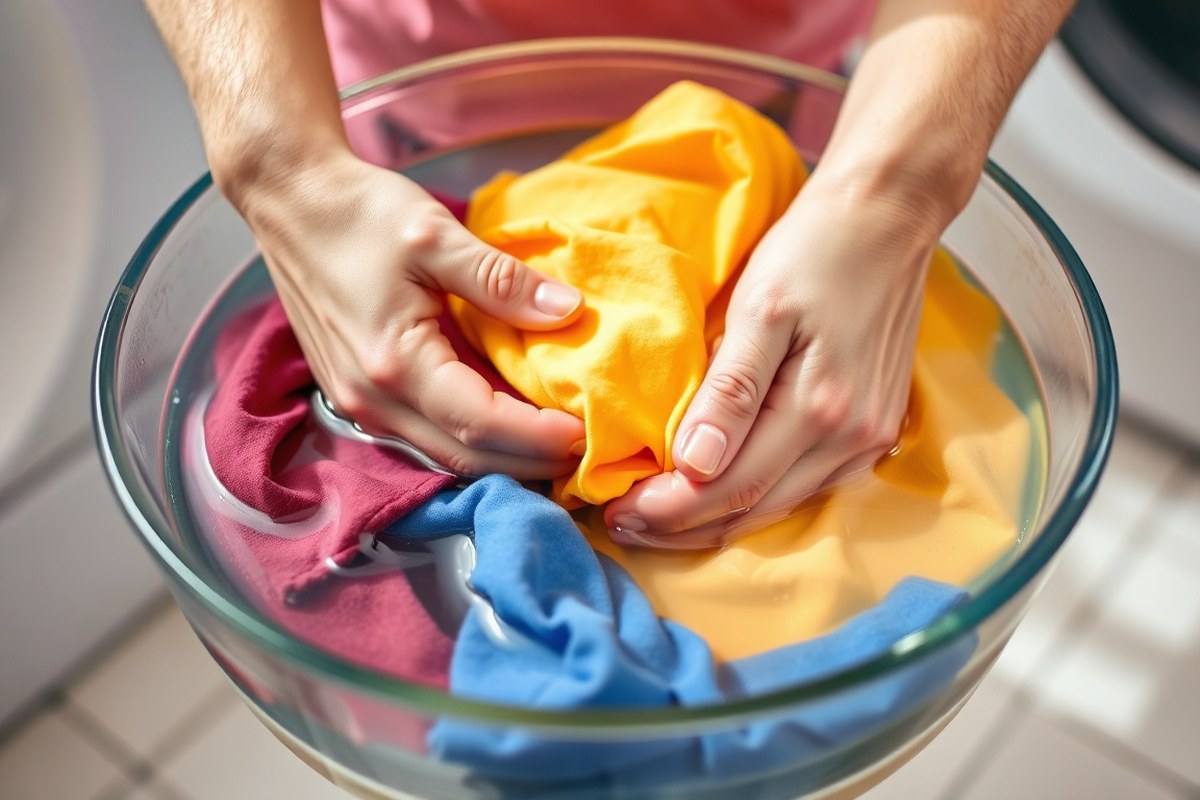
- Pre-soak in a warm water solution with detergent. Fill a basin or tub with warm water and add about 1 ounce (28 grams) of laundry detergent. Submerge clothes for 30 minutes to start breaking down odor-causing substances.
- Use baking soda for stubborn smells. Add ½ to 1 cup baking soda to the soak or directly into the washing machine. Baking soda neutralizes acidic odors and helps remove mildew and smoke smells.
- Soak heavily odored clothes for longer. For tough odor, soak clothes in warm water mixed with 2 cups baking soda for at least two hours. This step is especially helpful for gym clothes, mildewed towels, or smoke-contaminated fabrics.
- Wash clothes inside out to better reach odor sources. Turning garments inside out exposes underarms and other odor-prone areas directly to water and detergent for better cleaning.
- Choose appropriate wash settings. Use the hottest water safe for the fabric and an odor-fighting detergent or commercial odor remover. A thorough, extra-rinse cycle can help eliminate residual odor molecules.
- Dry clothes completely in sunlight or a well-ventilated area. Sunlight acts as a natural deodorizer and bacterial killer, while thorough drying prevents musty smells from redeveloping.
- Repeat pretreatment and washing for persistent odors. Some odors, such as gasoline or pet smells, may require multiple treatments or specific products like enzyme cleaners. Avoid overwashing delicate fabrics to preserve their integrity.
2. Best Household Treatments: Vinegar, Baking Soda and Detergent

Vinegar, baking soda, and detergents each target odors in clothes differently. Vinegar soaks break down odor-causing residues, baking soda neutralizes smells and retains freshness, and detergents wash away oils and bacteria. Combining them properly can improve results while avoiding damage to fabrics. Using them safely and in effective mixtures removes most household odors efficiently.
Preparing Vinegar Soak Mix Safely
White distilled vinegar is a mild acid that dissolves odors caused by bacteria and sweat. You can use it as a soak before washing to loosen odor sources. To make an effective soak, dilute vinegar in cool or lukewarm water to protect fabric fibers. Follow these steps to prepare and use a vinegar soak:
- Fill a basin with 1 gallon of cool or lukewarm water (not hot to avoid fabric damage).
- Add 1 cup of white distilled vinegar to the water and stir gently.
- Submerge the odor-affected clothes completely in the solution.
- Let the clothes soak for 30 minutes to 1 hour, especially for synthetics or tough smells.
- After soaking, remove the clothes and wring out excess liquid gently.
- Wash clothes as usual with your preferred detergent.
Avoid soaking delicate fabrics like wool or silk with vinegar to prevent fiber weakening and color fading.
Applying Baking Soda Treatments for Different Odors
Baking soda works as a dry deodorizer and can help draw out odors from clothes due to its alkaline nature. It’s particularly useful for neutralizing smoke and general mustiness and can be applied before washing or as a spot treatment for localized smells. For different scenarios, try these baking soda applications:
- For soaking, mix 1 cup of baking soda with 4 cups of hot water in a basin.
- Soak smoky or food-odored clothes for 4 hours or overnight if the smell is strong.
- For spot treatments, create a paste using equal parts baking soda and water.
- Apply the paste to odor spots and allow it to sit for 30 minutes or longer before washing.
- You can also add ½ cup of baking soda directly to your washing machine alongside your detergent to boost odor removal.
Never use baking soda paste on delicate fabrics without testing a small hidden area first, as it may cause mild abrasion.
Choosing the Right Detergent for Odor Removal
Detergents with enzymatic formulas are best for breaking down organic odor sources like sweat and urine. They work well with vinegar or baking soda soaks as a second step to thoroughly clean clothes. Use detergents designed for your fabric type and odor severity to avoid damage. Effective detergent use involves these steps:
- Select a detergent with enzymes or a sports-specific formula for heavy odors.
- Add detergent according to the label instructions based on load size and soil level.
- If you used a vinegar or baking soda soak, wash clothes immediately after to avoid lingering smells.
- For synthetic fabrics, avoid harsh detergents that contain bleach which can degrade fibers.
- Run the detergent cycle using warm water appropriate for the fabric care tag to maximize odor removal.
Always check care labels before using enzyme-based or heavy-duty detergents, especially on delicate or treated fabrics.
3. Remove Specific Odors: Sweat, Smoke, Mildew, and Gasoline
Different odors in clothes need targeted treatments because each comes from unique sources like bacteria in sweat, smoke particles, mildew growth, or gasoline residues. Effective odor removal depends on understanding these causes and applying the right cleaning methods and timing. Here’s how to tackle sweat, smoke, mildew, and gasoline smells to restore freshness without damaging your clothes.
Sweat Odor Treatment Steps
Sweat odor comes from bacteria breaking down compounds in sweat, especially in activewear and tightly woven fabrics. Washing clothes with detergent alone can sometimes trap odors, so adding vinegar during the rinse cycle helps neutralize smell-causing bacteria. Use cool to warm water according to fabric instructions, since very hot water can damage synthetic workout fabrics.
For heavy sweat odors, pre-soak clothes in a mixture of 1 cup vinegar and 1 gallon of cold water for 30 minutes before washing. Avoid fabric softeners on sweaty workout gear as they can hold onto oils and odors. To prevent odors from returning, wash sweaty clothes promptly instead of letting them sit damp.
Smoke and Cooking Odor Removal Tips
Smoke and cooking smells cling to fabric due to tiny particles lodging in fibers. Removing these odors often requires longer wash cycles with detergents designed for heavy-duty cleaning. Adding baking soda to the wash can also absorb odors. For delicate fabrics or mild smoke smells, airing clothes outside in fresh air can reduce odor before washing.
For persistent smoke odors, repeat washing cycles or use specialized laundry additives formulated to break down smoke particles. Avoid drying clothes before odors are fully removed, as heat can set the smell permanently. Ventilate your laundry area to help remove lingering smoke from the air and fabric.
Mildew and Gasoline Odor Removal Methods
Mildew odors come from mold growth on damp fabric and require specific care to avoid damage. Placing clothes in the freezer for 24 hours can kill mildew spores and reduce smell without the harshness of chemicals. After freezing, wash garments with detergent and add 1 cup of vinegar to the rinse cycle to remove residual odor.
Gasoline odors are highly flammable and must be handled carefully. Avoid putting gasoline-smelling clothes in the dryer. Pre-soak these items outside in cold water mixed with a small amount of heavy-duty detergent before washing them in a well-ventilated area. Multiple rinses may be needed to fully eliminate the smell. Use gloves and consider professional cleaning if the smell persists or if the clothing is valuable.
| Odor Source | Key Issue | Recommended Treatment | Timing/Notes |
|---|---|---|---|
| Sweat | Bacteria on fabrics | Pre-soak in 1 cup vinegar + 1 gallon water; use vinegar in rinse | Soak 30 min; wash promptly |
| Smoke | Smoke particles absorbed by fibers | Long wash cycles; baking soda additive; repeat if needed | Air out; avoid drying before treatment |
| Mildew | Mold spores on damp fabric | Freeze 24 hours; wash with detergent + vinegar rinse | Freezing kills spores without damaging fabric |
| Gasoline | Flammable, strong residue | Pre-soak outdoors; multiple rinses; avoid dryer | Handle with gloves; air dry in ventilated area |
Correct timing and treatment choices prevent setting odors permanently into fabrics. For example, failing to wash smoky clothes before drying traps odor. Similarly, delaying cleaning of sweaty clothes allows bacteria to multiply, creating stronger smells. Taking immediate, odor-specific steps improves fresh results while protecting fabric quality.
4. How Fabric Types Affect Odor Removal Choices
Different fabric types respond uniquely to common odor removal methods. Knowing the material of your clothes helps avoid damage while effectively eliminating smells. For instance, delicate fabrics like silk require gentle care, while synthetic fabrics such as polyester and nylon can handle more vigorous treatments but need temperature attention.
Choosing the right odor removal method starts by reading the fabric care label. Check for washing temperature limits and any warnings against acids or abrasives. Labels often advise washing synthetics in cold water to protect fibers and prevent setting sweat odors, while delicate fabrics might require hand washing or dry cleaning only. Testing any treatment on a small hidden area of the garment first ensures you won’t cause discoloration or weakening.
Vinegar is a mild acid that can safely remove odors from most fabrics, including cotton and synthetics, without fading or damage when used properly. However, avoid vinegar on silk and other delicate natural fibers to prevent weakening the material. Baking soda neutralizes odors and is generally safe when sprinkled dry on the fabric; avoid soaking delicate clothes with baking soda to reduce abrasion risk.
Adding 1 cup (240 ml) of white distilled vinegar or baking soda during the wash cycle improves odor removal for most everyday fabrics. For synthetic activewear, use cold water with detergent plus this additive to prevent damage to elastic fibers while removing odors. Delicate garments benefit from milder treatments or professional cleaning to keep texture and color intact.
| Fabric Type | Recommended Odor Removal Method | Precautions |
|---|---|---|
| Cotton and Cotton Blends | Use 1 cup vinegar or baking soda added to wash; warm or cold water fine | Test spot for any color changes; avoid excess detergent use |
| Synthetic Fabrics (Polyester, Nylon, Activewear) | Use cold water with detergent plus baking soda or vinegar for odor | Avoid warm/hot water to protect elastic fibers; avoid bleach |
| Delicates (Silk, Wool) | Hand wash with mild detergent; avoid vinegar; professional cleaning if needed | Do not soak in baking soda or vinegar; test on hidden spot first |
| Heavily Odored Clothing (Mildew, Smoke) | Use vinegar or baking soda in wash, add extra rinse cycle | Repeat treatment as needed; sun drying helps neutralize odors |
Follow a simple decision checklist before treating clothes:
- Check the care label for water temperature and chemical advice.
- Identify the fabric material to select a safe odor remover (vinegar, baking soda, detergent, or professional care).
- Test the chosen method on an inconspicuous area first.
- Use recommended amounts (such as 1 cup of vinegar or baking soda per wash) to prevent fabric weakening or residue.
- Finish by sun drying garments to improve odor removal naturally.
Taking these steps helps remove odors effectively without harming your clothes’ fibers or color. Using vinegar or baking soda properly adds minimal cost and effort while extending the life of your garments and keeping them smelling fresh.
5. Removing Odors Without Washing Clothes
Odors can often be removed without running clothes through a full wash cycle, especially when you need a quick refresh or want to save water and time. Several at-home options can reduce smells effectively by targeting odor-causing bacteria or simply airing out the fabric.
Air drying is one of the simplest methods. Hanging your clothes outside in direct sunlight allows UV rays to naturally kill bacteria that cause odors, particularly on light-colored garments. This also avoids heat baking odors into synthetic fibers, as drying polyester in the sun reduces lingering smells. Fresh air circulation helps break down odor molecules without any chemical treatments.
Steaming clothes can neutralize odors by warming fabric enough to kill some bacteria while relaxing fibers. You can use a handheld garment steamer or the steam setting on a steam dryer if available. Steam treatment suits lightly worn clothes or freshly washed items needing extra odor elimination. It usually takes a few minutes per garment to cover all surfaces.
Freezing clothes is a less common but useful trick to reduce odors caused by bacteria, such as sweat smell. Placing clothes in a sealed plastic bag and freezing them overnight kills many odor-producing bacteria by halting their growth. This method works best on fabrics that are colorfast and can tolerate dampness from condensation when thawing. It won’t remove dirt or oils but helps refresh items when washing isn’t possible.
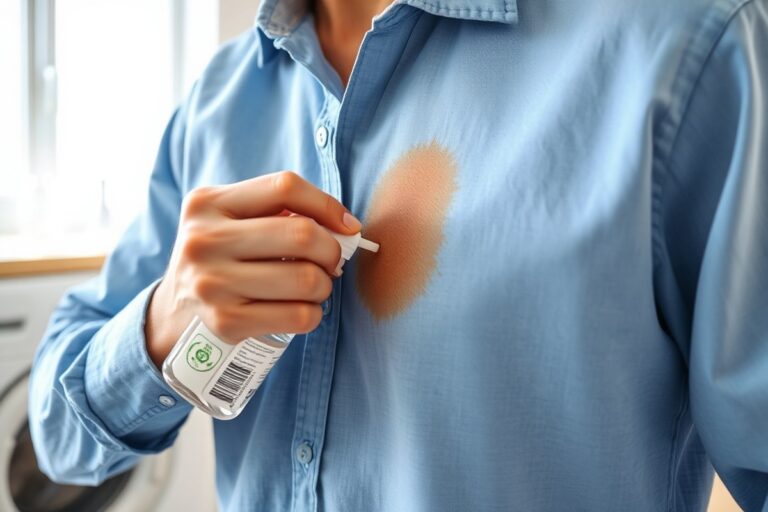
- Sprays with odor neutralizers or water and vinegar mixtures freshen fabrics without washing.
- Air clothes outdoors for several hours to use UV light as a natural disinfectant.
- Steam garments using a handheld steamer or steam dryer setting for 5-10 minutes per item.
- Freeze clothes in a sealed bag for 12-24 hours to kill bacteria causing odor.
- Use baking soda sprinkled on fabric and left for a few hours before brushing off to absorb smells.
These solutions cost little, sprays or baking soda typically under $5, and take less than a day to produce noticeable improvements. They can be especially handy for clothing that only needs a light refresh rather than a deep clean. However, some odors are stubborn, and bacteria deeply embedded in thick or heavily worn clothes might persist without washing.
Do not rely solely on freezing or steaming to remove grease or strong odors as these methods do not clean fabric but only reduce bacteria.
6. How Drying Methods Influence Odor Prevention and Removal
Proper drying is essential to stop odor buildup because damp clothing creates an environment where bacteria and mildew thrive, causing musty smells to return quickly. After washing, drying clothes thoroughly within 4 to 6 hours prevents microbes from multiplying. Leaving wet clothes crumpled or in a closed space like a laundry basket or gym bag encourages persistent odors that are much harder to remove later.
Choosing the right drying method depends on fabric type and can help freshen your clothes effectively. For cotton and linens, air drying in direct sunlight works best as sunlight kills bacteria and lightens odors naturally. Synthetic fabrics like polyester and nylon dry faster in a machine dryer at medium heat, which prevents the dampness that leads to smells. Delicates and fabrics that shrink easily, such as wool or silk, should be air dried flat in a well-ventilated area to avoid damage while ensuring thorough drying.
Tumble dryers can both cause and prevent odors depending on usage. A clean dryer with good airflow removes moisture quickly, stopping bacteria growth and keeping clothes fresh. To use a dryer effectively, clean the lint trap before every load, and check for blockages in vent hoses regularly. Running the dryer for at least 30 to 40 minutes on a medium setting ensures clothes reach a moisture level below 15 percent, which inhibits odor-causing bacteria. Avoid overdrying, which can lead to static and damage fabrics, making odors cling more.
To avoid mustiness, create conditions that allow clothes to dry swiftly and evenly. Hang wet items with enough space to promote air circulation and turn clothes occasionally if air drying indoors. Avoid leaving damp clothes in piles or enclosed spaces longer than 30 minutes before drying. For gym clothes or heavily soiled fabrics, consider drying on higher heat or adding a fabric-safe antibacterial laundry additive to the wash to reduce bacteria that lead to odors.
Fabric softeners might seem helpful, but they are not recommended for clothes like workout gear that accumulate odors since softeners can leave residues that trap smells instead of eliminating them. Instead, opt for vinegar during washing, which acts as a natural fabric softener and odor neutralizer by breaking down residues without coating fibers.
To make sure drying is effective, use this checklist: remove wet clothes promptly, choose a drying method suited to the fabric, ensure good ventilation, monitor drying time, and keep dryers and drying areas clean. Doing so uses time efficiently, completing drying within a few hours, and costs nothing extra beyond regular energy or sunlight. Effective drying shows fresh, wrinkle-free clothes without lingering dampness or sour smells. When clothes feel cool or clumped at the folds, they need more drying to prevent odors from returning.
7. Common Odor Removal Mistakes and How to Fix Them
Odors can linger on clothes even after washing because bacteria, sweat, and body oils sometimes remain trapped in the fibers or because detergent residue builds up. Using too much detergent or washing clothes in cold water without properly rinsing them can cause this residue to cling to fabrics, leaving a sour or mildewy smell. Overloading the washer limits water flow and prevents thorough cleaning and rinsing, which also allows odors to persist.
Residue buildup in your clothes and washing machine plays a key role in odor retention. Detergents, fabric softeners, and grime can accumulate over time, especially if you use the wrong water temperature. Warm water helps break down oils and residues better than cold water alone. Washing on a high temperature setting is recommended for odor removal, except for delicate fabrics.
Rinsing is important. A good rinse removes leftover detergent and loosened particles that cause bad smells. After soaking clothes in a mixture of ¼ cup detergent per gallon of warm or cold water for up to 60 minutes, don’t skip a thorough rinse in clean water before machine washing. This prevents buildup that traps odors. When handwashing, rinse under running cold water until no suds remain; for machine washing, use the extra rinse cycle if your washer has that option.
- Do not overload your washer, wash smaller loads to allow better water circulation.
- Use ¼ cup detergent per gallon of water to avoid excess residue.
- Soak your clothes in a cold water and vinegar mix (one part vinegar to four parts water) for half an hour. This helps remove the buildup that causes bad smells.
- Wash clothes in warm water when safe for the fabric to better remove oils and bacteria.
- Rinse thoroughly to flush out detergent and debris, add an extra rinse cycle if possible.
- Dry clothes completely; dampness can cause odors to return.
- Clean your washing machine regularly to avoid transferring mildewy smells to clothes.
Following these steps helps ensure odors don’t return after washing. For example, if you soak smelly gym clothes in the vinegar mixture for 30 minutes, then wash in warm water with the right detergent amount and rinse well, you’ll see a significant reduction in odor. Avoiding excess detergent and preventing washer overload cost nothing but time, while vinegar is inexpensive and effective as a natural deodorizer. Proper drying, whether by machine or air, is the last step to prevent smells from redeveloping.
8. When to Seek Professional Cleaning for Tough Odors
Professional cleaning becomes necessary when odors persist despite thorough home treatments or when garments are delicate and labeled for special care. Certain odors and fabric types require advanced methods that home remedies cannot safely provide. Knowing when to turn to professionals ensures your clothes end up fresh without damage.
Identifying When Professional Help Is Necessary
Persistent odors that remain after multiple washes and treatments signal the need for professional cleaning. If you’ve used vinegar, baking soda, or detergents several times over a week without improvement, home methods might not be enough. Clothing soaked with smoke, mildew, or strong chemical smells such as gasoline often need specialized care. Also, garments labeled “dry clean only” should never be washed at home, especially if they trap odor deeply in fibers.
Expensive or delicate fabrics, like silk, wool, cashmere, or embellished pieces, may appear clean but still have hidden odors that home washing can’t remove without risk of damage. Professionals have the equipment and cleaning solutions designed specifically for these sensitive fabrics. Attempting to remove strong odors at home on such items can cause shrinking, color fading, or fabric distortion.
How Professional Cleaning Removes Odors Safely
Professional cleaners use fabric-specific cleaning methods that reach odor sources hidden deep in fibers instead of just masking smells. Services often include dry cleaning solvents and steam treatments that soften fibers and dissolve trapped odor-causing molecules. Steam is particularly effective because it loosens dirt and bacteria without wetting delicate fabrics extensively, reducing shrinkage or damage.
Many dry cleaners provide odor removal as a specialized service, combining steam, air treatments, and commercial detergents tailored to fabric type. This process can remove bacteria, smoke residue, mildew spores, and chemical odors far more efficiently than home washing or air drying. Typically, clothes are treated, inspected, and then gently pressed before return. Although professional service costs more, ranging from $10 to $30 per garment depending on fabric and treatment, this often saves money and frustration by avoiding repeated home washing attempts and protects your investment in high-quality clothing.
For delicate items, always inform the cleaner about the type of odor and fabric to ensure they use the safest and most effective treatment available.
Choosing the Right Service for Your Garment
When selecting a professional cleaner, ask specifically if they offer odor removal services in addition to standard dry cleaning. Some cleaners advertise fabric-specific odor treatments that focus on eliminating smells rather than just cleaning visibly soiled areas.
Garments labeled “dry clean only” should go exclusively to a reputable dry cleaner. Avoid home dry cleaning kits for strong or persistent odors as these kits often only mask odors instead of removing them. For frequently soiled or offensive-smelling work clothes, consider laundry services that specialize in odor removal using commercial washing machinery and treatments tailored to heavy soils.
Before handing over garments, provide details on the odor source and any home treatments used. This helps the cleaner choose the best method and prevents causing damage with unsuitable chemicals. Expect turnaround times from 1 to 3 days depending on the service level and complexity of odor removal.
Step-by-Step Action Plan to Remove Odor from Clothes
Follow these practical steps to tackle odors in your clothes effectively and keep them smelling fresh.
- Before washing: Sort clothes by fabric and odor type to choose the best treatment method for each load.
- Day 1: Pre-soak smelly clothes in a solution of 1 cup white vinegar and water for 30 minutes to neutralize odors.
- Immediately before washing: Add ½ cup baking soda to your detergent to boost odor removal during the wash cycle.
- During washing: Use the hottest safe water setting for your fabric, as warm water better removes oils that trap odors.
- Right after washing: Check for lingering smells; if odors remain, repeat treatment or try a second soak before drying.
- Drying: Air-dry clothes outside or use a dryer with a clean lint filter and proper heat to prevent mildew and odor buildup.
- After drying: Store clothes in a well-ventilated area to avoid new odors forming from dampness or confined spaces.
Frequently Asked Questions
Can Vinegar Soak Remove Strong Odors from Clothes Overnight?
Yes, soaking clothes in vinegar overnight can remove strong odors effectively, though 30 minutes of soaking usually works. Longer soaks help stubborn smells penetrate and break down better for complete odor removal.
Is It Safe to Soak Clothes in Baking Soda and Hot Water for Odor Removal?
Soaking clothes in a hot water and baking soda solution for at least two hours is safe and effective for tough odors. Baking soda neutralizes smells, making it a reliable option when washing alone doesn’t work.
How Often Should Smelly Gym Clothes Be Washed to Avoid Odor Buildup?
Gym clothes should be washed after every use to prevent bacteria growth and odor buildup. Letting sweaty clothes sit in a closed bag speeds up odor-causing bacteria growth, making smells harder to remove later.
Can Overdosing Detergent Cause Odors in Washed Clothes?
Yes, using too much detergent causes residue buildup that traps odors and stains the fabric. Use the recommended amount to ensure odor molecules get washed away without leaving any soap buildup behind.
Does Drying Clothes Outside Help Prevent Odor Better Than Machine Drying?
Air drying clothes outside helps prevent odors by exposing fabrics to sunlight and fresh air, which kill odor-causing bacteria. Machine drying can sometimes leave dampness, allowing smells to linger.
Can Fabric Softeners Hide Odors Instead of Removing Them?
Fabric softeners often mask odors with fragrance instead of eliminating them. For truly odor-free clothes, use odor-removing treatments before adding any scented softeners.
Wrapping Up
Removing odors from clothes relies on choosing the right treatment for the fabric and odor source and following proper washing and drying steps. Starting with simple, safe household products like vinegar and baking soda often solves the problem without extra expense. Try these steps on your next laundry load and you can enjoy fresher smelling clothes every day.