How to Make White Shoes White Again: 8 Proven Methods That Work
To make white shoes white again, start with a thorough cleaning using gentle scrubbing agents like baking soda mixed with water or mild toothpaste. For tougher stains, a 3% hydrogen peroxide soak can brighten and disinfect your shoes effectively. These methods restore your shoes’ original brightness without harsh chemicals, preserving the material.
This advice suits anyone from beginners to those with some cleaning experience looking to bring life back to their dirty or stained white shoes. You’ll learn practical steps for different materials, stain removal, and maintenance for long-lasting whiteness.
Key Takeaways
- Soak white shoes in a gentle baking soda and water mixture for 1-2 hours to loosen dirt and brighten surfaces.
- Use a toothbrush to scrub shoes after applying a paste of baking soda and hydrogen peroxide for deeper cleaning.
- Apply 3% hydrogen peroxide to remove tough stains while disinfecting your shoes from bacteria and fungi.
- Dry shoes in direct sunlight for 3 to 4 hours to help whitening agents work and to evaporate moisture.
- Layer wet toilet paper on shoes and allow to dry for 12 hours to remove yellowing using a paper-mache effect.
- Replace white shoes after 300-500 miles of use to maintain fresh appearance and support foot health.
1. How to Make White Shoes White Again: Effective Cleaning Methods

The most effective ways to make white shoes white again include using baking soda and vinegar paste, magic erasers, non-gel white toothpaste, hydrogen peroxide, and bleach pens. Each method suits different shoe materials and stain types, providing options from natural home remedies to more powerful chemical treatments. Choosing the right method depends on your shoe’s fabric and the severity of the discoloration.
Baking Soda and Vinegar Paste
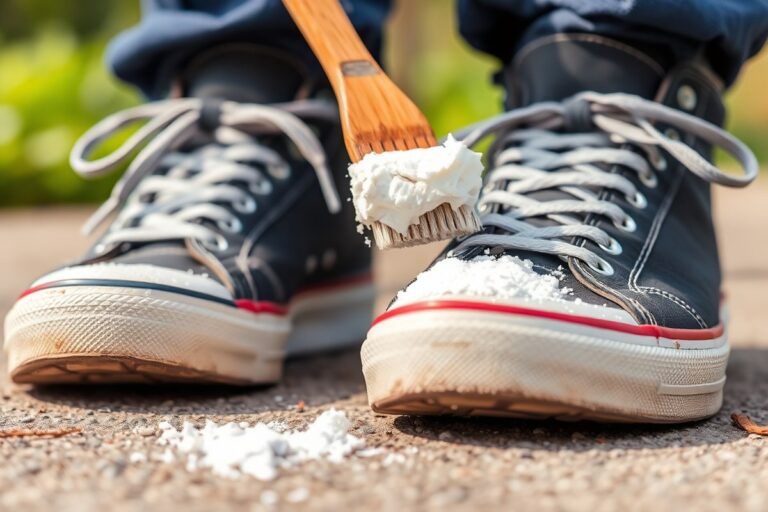
Baking soda combined with white vinegar forms a natural paste that works well on canvas shoes and general stains. This mixture gently scrubs away dirt and scuffs while deodorizing the shoes. It’s a low-cost method that avoids harsh chemicals and is effective for regular cleaning needs.
Combine 3 tablespoons of baking soda and 1 tablespoon of white vinegar in a bowl, stirring until the mixture becomes a smooth paste. Use a toothbrush to spread it over the stained parts of your shoes and let it work on loosening dirt.
- In a small bowl, mix together 3 tablespoons of baking soda and 1 tablespoon of white vinegar until the mixture forms a paste.
- Dip an old toothbrush into the paste and scrub the stains on your white canvas shoes using circular motions.
- Wait about 30 minutes for the paste to work on the stain and deodorize the shoe.
- Rinse the shoes with clean, warm water to remove the paste and loosened dirt.
- Remove any leftover moisture by wiping the shoes, then place them in a shaded area to dry naturally.
Use of Magic Eraser for Rubber Soles
Magic Erasers are excellent for cleaning rubber soles and scuff marks on white sneakers, leather, or canvas shoes. The melamine foam material gently scrubs the surface without damaging the rubber, quickly restoring brightness. This method works best for grimy areas rather than deep fabric stains.
Simply dampen the Magic Eraser with water and rub it on the rubber parts of your shoes. Be careful not to over-saturate the shoe’s fabric if it’s connected to the sole.
- Moisten the Magic Eraser with water until it is damp but not dripping.
- Rub the eraser on the rubber sole or any stained rubber parts using firm but careful strokes.
- Check the area and repeat as needed to remove all dirt and scuffs.
- Wipe away any residue with a dry cloth after cleaning.
Toothpaste for Surface Stains
Non-gel white toothpaste is a handy, everyday cleaner for various shoe materials including canvas, leather, and rubber soles. It gently lifts dirt and minor discoloration with the mild abrasives it contains. Avoid gel or colored toothpaste, as they can cause additional staining.
Applying toothpaste with an old toothbrush lets you target small surface stains effectively without soaking the shoe in water. This method is great for quick touch-ups or regular shining.
- Apply a small amount of non-gel white toothpaste directly to the stained shoe areas.
- Use a soft toothbrush to scrub the toothpaste into the stains using circular motions.
- Leave the toothpaste on the shoe for 10 minutes to let it work on the dirt.
- Wipe off the toothpaste with a damp cloth or rinse lightly with water.
- Dry the shoe with a clean towel and let it air dry thoroughly.
Hydrogen Peroxide for Whitening and Disinfecting
Hydrogen peroxide is effective for whitening white fabric shoes and disinfecting without leaving harsh residues. Mixing it with baking soda makes a powerful paste to target stubborn stains and yellowing. Use it cautiously because it can bleach or weaken some materials.
Testing a small hidden area before applying widely is important to avoid damage. This method fits well when stains persist after milder treatments.
- In a small container, blend together 1 tablespoon of baking soda, ½ tablespoon water, and ½ tablespoon hydrogen peroxide until smooth.
- Apply the paste gently onto stained parts of white canvas or fabric shoes.
- Use a toothbrush to scrub the mixture into the shoe fabric.
- Let the paste sit for about 30 minutes to whiten and disinfect.
- Rinse thoroughly with water and pat dry with a towel.
- Air dry completely away from direct sunlight to prevent damage.
Bleach for Tough Stains, Used Cautiously
Bleach pens provide concentrated cleaning power for tough stains on white shoes, especially durable materials like leather. They remove stubborn marks that other methods can’t handle but require careful use. Avoid over-application as bleach can discolor or damage fabric.
Wear gloves, work in a well-ventilated area, and protect your clothing and surfaces. Apply the bleach pen only to spots with heavy staining and rinse after treatment.
- Put on gloves and choose a well-ventilated workspace, preferably outdoors.
- Apply the bleach pen directly onto small stubborn stains on white leather or synthetic shoes.
- Let the solution sit for a few minutes, but do not let it dry on the shoe completely.
- Rinse the treated area with water carefully to dilute the bleach residue.
- Dry the shoe with a clean towel and allow it to air dry away from direct sunlight.
- Repeat only if absolutely necessary to avoid fabric damage.
| Method | Best For | Key Ingredient(s) |
|---|---|---|
| Baking Soda & Vinegar | Canvas Shoes | Baking Soda, White Vinegar |
| Soapy Water | Leather Shoes | Liquid Dish Soap |
| Toothpaste | Various Materials | Non-gel White Toothpaste |
| Bleach | Tough Stains | Bleach Pen |
2. Preparing Your White Shoes for Cleaning

Removing the laces and insoles before cleaning your white shoes prevents damage and ensures a deeper clean. Laces can tangle or retain soap, while insoles hide dirt and moisture that cause odor. Taking them out also protects these parts from harsh cleaners and makes it easier to get into tight spaces.
Check your shoes for colorfastness by testing your chosen cleaning solution on a small, hidden spot. This step helps avoid discoloration or damage, especially on delicate materials like leather or mesh. Apply a tiny amount of the cleaner, wait 5 to 10 minutes, then blot with a cloth. If the fabric bleeds or changes color, try a milder product or seek professional advice.
Pre-wetting your shoes with water can loosen surface dirt before applying any cleaner. Use lukewarm water, neither hot nor cold, to avoid affecting adhesives or material texture. Soaking is an option for canvas or fabric shoes, but leather and suede require gentle wiping instead.
- Remove shoelaces and insoles and set them aside.
- Inspect shoes for stains, scuffs, or color issues.
- Test cleaning product on a discreet area to check colorfastness.
- Use lukewarm water to dampen shoes if gently dirtied.
- Keep sharp or rough tools away to prevent surface scratching.
- Gather soft brushes or cloths appropriate for your shoe material.
- Prepare your cleaning solution according to product instructions or homemade recipe.
Avoid skipping the colorfastness test; it safeguards your shoes from unexpected fading or spots caused by harsh cleaners.
Amount of time for soaking can vary from 30 minutes to 2 hours depending on fabric and dirt level. Leather shoes should never be fully soaked, as excess moisture can warp or weaken them. For these, focus on spot treatment. Insoles may require a different cleaning method, often hand washing with mild soap.
Taking these steps helps maximize cleaning effectiveness while reducing risks. Diligent preparation prevents damage, promotes even cleaning coverage, and can shorten overall cleaning time. You’ll notice cleaner whites and fewer issues with stains or material breakdown after repeated cleaning cycles.
3. Cleaning White Shoes by Material Type
Cleaning white shoes depends mainly on the material they are made from because different surfaces react differently to water, soap, and scrubbing. Leather, canvas, mesh, and suede each need targeted care for the best results without damage. Below is a detailed look at how to clean each type of material effectively.
Cleaning Leather Shoes Safely
Leather shoes need careful cleaning to protect the material from drying out or cracking. Begin by removing loose dirt with a dry cloth. Next, use a soft brush or toothbrush dipped in mild soapy water to gently scrub just the surface. Avoid soaking them, as excess moisture can weaken and harm the leather. Afterward, wipe with a damp cloth to clear away soap residue and let them dry naturally, away from heat or sunlight.
For stubborn spots, a paste made from baking soda and water can be applied lightly but should never be left on too long. Leather may need conditioning afterward to restore its natural oils and prevent stiffness.
Effective Canvas Shoe Cleaning Steps
Canvas shoes can handle a bit more water but still need careful treatment to avoid damaging the stitching or shape. Avoid the temptation to use a washing machine, which can wear down the shoe’s structure. Instead, mix mild detergent with warm water and apply it with a soft brush. Scrub gently but thoroughly to lift dirt and stains.
For deeper stains, a paste of baking soda and water works well. Apply it with a toothbrush, scrub gently, and let it sit for 3 to 4 hours in the sun before brushing off excess paste. Air drying is essential to keep the shoes in good condition.
Mesh and Synthetic Materials Care
Mesh shoes need cleaning methods that protect their breathable fabric without excessive wetting. Use a soft brush dipped in soapy water to scrub gently, focusing on dirty areas. Avoid soaking mesh shoes fully to preserve the adhesive bonds and shape.
Using a spray bottle to apply cleaner softly and evenly is effective for mesh and synthetic uppers. These materials dry relatively fast but still should be air-dried away from heat sources. Mesh is somewhat easier to clean than leather but requires more care than canvas or rubber.
Do’s and Don’ts with Suede and Nubuck
Suede and nubuck are sensitive materials that do not tolerate water well. Do not use water-based cleaning solutions, which can cause staining or texture damage. Instead, use a special suede brush and eraser to lift dirt and stains gently. These tools restore the nap (texture) by loosening embedded dirt without moisture.
Shoes requiring deeper cleaning might benefit from the help of professional services. Using homemade pastes or brushes with water can make suede darker or patchy, which is hard to fix. Suede requires cautious, light touch cleaning and drying at room temperature. Below is a comparison table summarizing the best cleaning methods for each material type:
| Material | Recommended Cleaning Method | Water Usage | Tools Needed | Drying Method | Risks to Avoid |
|---|---|---|---|---|---|
| Leather | Gentle brushing with soapy water, wiping | Minimal; avoid soaking | Soft brush or toothbrush, cloth | Air-dry away from direct heat/sun | Over-wetting, rough scrubbing |
| Canvas | Hand scrub with detergent and water | Moderate; do not machine wash | Soft brush/toothbrush, mild detergent | Air-dry; sunlight can help remove stains | Machine washing, soaking |
| Mesh/Synthetic | Gentle brushing, spray cleaner | Light; avoid saturation | Soft brush, spray bottle | Air-dry at room temp | Soaking, heat drying |
| Suede/Nubuck | Brush and eraser without water | None (avoid water) | Suede brush, eraser | Air-dry at room temp | Water, harsh cleaners |
Using the right method for your shoe material makes a big difference in maintaining whiteness and extending shoe life. Avoiding damage caused by excess water or abrasive techniques ensures your white shoes stay cleaner and fresher for longer.
4. Removing Tough Stains: Grass, Ink, and Dirt
Grass, ink, and dirt stains can be tough on white shoes, but targeted removers and proper scrubbing can restore their brightness. Grass stains often contain chlorophyll and natural pigments that bind tightly to fabric or canvas. Ink, especially from pens, can be oily and quick to set, making it harder to remove without damaging the shoe material. Dirt may seem simple but can embed in textured surfaces. Choosing the right cleaning agent and scrubbing technique matters to avoid spreading the stain or causing discoloration.
To tackle these stubborn stains effectively, use a mild stain remover for grass, an alcohol-based product or makeup remover wipes for ink, and a soft brush or cloth with soap for dirt. Harsh chemicals like bleach should be your last option because they can yellow or weaken materials. Proper scrubbing avoids abrasive damage and ensures the cleaner reaches the stain. Below are clear steps to follow for best results.
- Blot ink stains immediately with makeup remover wipes or apply a small amount of rubbing alcohol on a cotton swab. Dab gently to lift the ink without spreading.
- Mix mild soap and warm water for dirt and grass stains. Use about 1 teaspoon of liquid soap per cup of water to create a gentle cleaning solution.
- Dip a soft-bristle toothbrush or cloth into the solution, then gently scrub the stained areas in small circular motions. Avoid scrubbing too hard to prevent fabric damage.
- Apply a paste of baking soda and water on persistent grass stains, letting it sit for 15 to 20 minutes to break down pigments before scrubbing again.
- Rinse your shoe with clean water carefully to remove all residue, avoiding soaking delicate materials like leather.
- Repeat the process if needed for tough stains but avoid over-wetting or vigorous scrubbing to maintain shoe integrity.
- Allow shoes to air dry at room temperature away from direct sunlight or heat sources to prevent yellowing or warping.
Good results show a marked improvement in brightness with stains visibly reduced or removed. Grass stains will lighten substantially, while ink might require multiple treatments. Dirt should lift easily with mild scrubbing. Failing to follow careful steps can spread stains or dim the white surface instead of restoring it.
5. Cleaning White Shoelaces and Insoles
Shoelaces and insoles often get overlooked when cleaning white shoes, but restoring their whiteness is essential for a fresh overall look. Shoelaces can usually be machine washed, but hand washing helps prevent damage and keeps them bright. Stains on laces can be treated quickly with spot cleaning. Insoles tend to absorb sweat and odors, so cleaning them not only improves their appearance but also freshens your shoes. Follow these steps to clean white shoelaces and insoles without causing damage:
- Remove shoelaces and insoles from the shoes. This keeps the shoe materials safe and allows you to clean each part properly.
- Pre-soak shoelaces in warm water and a mild detergent. Use about 1 tablespoon of detergent per quart of water and soak for 15 to 30 minutes. This loosens dirt and light stains.
- Spot treat stubborn stains on shoelaces. Use a mixture of equal parts baking soda and water or a small dab of non-gel white toothpaste. Rub gently with an old toothbrush for 2 to 3 minutes.
- Hand wash shoelaces if preferred. After pre-soaking and spot treating, gently rub laces between your fingers or brush lightly. Rinse well in cool water to remove soap and residue.
- Machine wash shoelaces only if the label permits. Place laces in a mesh laundry bag and wash on a gentle cycle using cold water and mild detergent. Avoid bleach, as it can weaken fibers over time.
- Clean insoles by wiping with a cloth dampened with a solution of equal parts water and white vinegar. The vinegar deodorizes and disinfects without harsh chemicals. Use a soft brush on fabric insoles to remove dirt and stains gently.
- Allow insoles and shoelaces to air dry completely. Lay flat or hang in a well-ventilated area away from direct sunlight, which can cause yellowing or warping.
Do not put insoles in the washing machine or dryer, as this can damage their shape and material, reducing comfort and support.
6. Avoiding Common Mistakes When Cleaning White Shoes
White shoes can easily get damaged during cleaning if you use harsh chemicals or the wrong techniques. For example, chlorine bleach can cause yellowing on white fabrics and even weaken the shoe material over time. To avoid this, opt for oxygen bleach, a gentler alternative safe for most fabrics. Another common mistake is drying shoes in direct sunlight or near heat sources. Prolonged exposure to heat or UV rays not only causes yellowing but can also make some materials brittle and prone to cracking.
Scrubbing your shoes is necessary but overdoing it can damage the fabric or the finish. When you scrub too hard or use stiff-bristled brushes on delicate materials like canvas or leather, you risk creating scratches, loosening threads, or thinning the fabric. Use a soft brush and apply gentle pressure, focusing on stained areas and testing a small spot first. Let cleaning solutions sit for the recommended time before scrubbing to avoid excessive abrasion. Pay attention to these frequent cleaning errors and how to prevent or fix them:
- Avoid chlorine bleach; use oxygen bleach instead for safer whitening.
- Dry shoes in a shaded, well-ventilated area, not under direct sunlight.
- Use a soft brush and gentle pressure when scrubbing to protect fabric fibers.
- Test cleaning products on a hidden area to check for adverse reactions.
- Rinse thoroughly to remove all detergent or bleach residue that can cause stains.
- Store shoes in a cool, dry place to prevent yellowing and material breakdown.
- Schedule regular cleanings to avoid buildup that requires aggressive scrubbing later.
If your shoes yellow due to bleach or sun exposure, you can try a baking soda paste (baking soda mixed with water) applied gently to affected areas, then rinsed off after 30 minutes. This may help brighten but won’t completely reverse severe damage. Avoid repeating harsh cleaning that caused the issue in the first place.
Taking these steps will protect your white shoes, keeping them bright and extending their life. The right products, careful technique, and proper drying and storage create the foundation for successful restoration without damaging your shoes further.
7. Drying and Maintaining Your White Shoes Post-Cleaning
Drying your white shoes properly after cleaning is key to preserving their bright appearance and preventing damage. Avoid drying them directly in strong sunlight since UV rays can cause yellowing and material weakening. Instead, place your shoes in a well-ventilated, shaded area with temperatures between 60°F and 75°F. This helps them dry evenly without risking discoloration.
The drying time usually ranges from 12 to 24 hours, depending on the shoe material and climate. After you’ve cleaned your shoes, stuff them with white paper towels. This helps maintain their shape and absorbs excess moisture from the inside, speeding up the drying process. Avoid using newspaper or colored paper towels, as the ink may transfer and stain the shoes.
Proper storage is just as important to keep your white shoes white over time. Store them in a cool, dry place, away from direct heat sources or humid areas, which can promote mold or mildew growth. Using a dust bag or their original shoe box can protect them from dust and accidental scuffs. Regularly inspect your shoes and wipe off any dirt with a soft cloth to prevent stains from setting in.
- After cleaning, stuff shoes with white paper towels to maintain shape and absorb moisture.
- Dry shoes indoors, away from sunlight, in a shaded, ventilated spot.
- Allow 12 to 24 hours drying time depending on material and weather conditions.
- Store shoes in a dust bag or box in a cool, dry place to prevent yellowing and dirt buildup.
- Check shoes regularly and wipe off surface dirt promptly before it sets.
Keeping your white shoes out of sunlight during drying and storage reduces the risk of yellowing and fading. This approach takes some patience but significantly extends how long your shoes look fresh. Following these practices allows you to enjoy your clean, white shoes without premature wear or discoloration.
8. Long-Term Whitening and Protection Strategies
Keeping your white shoes bright and clean over time requires consistent care with the right products and routines. Using a water and stain repellent spray before wearing your shoes forms a protective barrier that minimizes dirt buildup and stains. Regular cleaning combined with these sprays extends the fresh look of your shoes. Knowing when to clean, treat, or replace helps maintain their appearance and prevents irreversible damage.
Using Protective Sprays and Sealants
Applying a protective spray specially designed for water and stain repellency is essential for preserving white shoes. Choose a spray suitable for your shoe material, such as canvas, leather, or synthetic fabrics. Spray evenly over the entire surface before the first wear, holding the bottle about 6 to 8 inches away. Allow the spray to dry fully, usually 15 to 30 minutes, before putting on the shoes. This creates a barrier that repels liquids and grime, reducing stain absorption significantly.
Reapply the protective spray every 1 to 2 months or more often if you wear the shoes daily or in harsh conditions like rain or mud. Inexpensive sprays usually cost between $10 and $20 per bottle and can cover several pairs of shoes. Using this step reduces the frequency and intensity of deep cleanings, because dirt and stains won’t settle as easily.
Always test a small, hidden area before applying protective sprays to ensure no discoloration occurs.
Routine Cleaning Maintenance Tips
After each wear, take a moment to gently wipe your shoes with a clean, soft cloth dampened with warm water. This prevents dirt particles from embedding deeply. Mild soap or a gentle detergent can be used once a week or every few wears, depending on exposure. Avoid harsh scrubbing that can damage shoe fabric or fade the white tone. Always rinse the cleaning agent off with a damp cloth to avoid residue buildup.
Set a schedule to deep clean your white shoes every 2 to 4 weeks if you wear them frequently. Store them in a cool, dry place to minimize moisture damage and yellowing. Keeping shoes crisp requires balancing cleaning frequency with gentle treatment to extend life without causing wear from excessive washing.
Do not put white shoes in the washing machine regularly, as it wears down fabric and can yellow whites.
When to Replace or Seek Professional Help
Even with the best care, white shoes show wear over time such as deep stains, yellowing, or sole damage that home cleaning cannot fix. When the white fabric is permanently discolored or the shoe shape is compromised, professional shoe repair services can offer renewal through whitening treatments, re-dyeing, or sole replacement. These services typically cost between $20 and $60 depending on the extent of repair and should be considered for valuable or favorite pairs.
If the shoes have extensive structural damage like sole separation or holes, replacement is more cost-effective and safer. Regularly evaluate the shoes for these signs after cleaning to decide on repair vs replacement. Investing in preventive care with sprays and upkeep reduces the frequency of needing professional help or replacement.
Professional whitening can restore shoe brightness but may not be suitable for all materials; consult the service before proceeding.
Step-by-Step Action Plan to Restore and Maintain White Shoes
Follow these steps to clean your white shoes effectively and keep them looking fresh longer.
- Before You Start: Remove the shoelaces and insoles for separate cleaning to get the best overall results.
- Day 1: Use a gentle brush and mild detergent to scrub the shoe surface based on its material, rinsing lightly to avoid damage. You’ll see dirt lifting off and the shoe brightening.
- Day 2: Apply spot treatments on tough stains like ink or grass using a stain remover or diluted bleach on fabric shoes. Test a small area first. Stains should fade noticeably.
- Day 3: Clean shoelaces and insoles in warm, soapy water, scrubbing away dirt. Let them dry completely before reinserting them.
- Day 4: Dry shoes by stuffing them with paper towels and Air drying in a shaded, well-ventilated spot. Avoid direct sunlight to prevent yellowing.
- After 1 Week: Apply a shoe protector spray made for white shoes to repel dirt and stains going forward. This helps maintain your work.
- Monthly Check: Wipe shoes with a damp cloth and mild soap to remove light dirt early, preventing buildup.
Frequently Asked Questions
What Household Product Can Quickly Whiten White Shoes?
Baking soda paste works well for scuffs and general stains and is a natural cleaning choice. It can be messy, so apply carefully and rinse thoroughly after use.
Can I Use Toothpaste to Make White Shoes Look New Again?
Yes, non-gel white toothpaste is good for canvas, leather, and sneakers but avoid toothpaste on suede materials. Use a soft brush to scrub gently and then wipe clean.
How Long Should I Soak White Shoes in a Cleaning Solution?
Soak shoes for 1 to 2 hours in a suitable solution to remove dirt and stains effectively. Longer soaking may damage some materials, so check the shoe type before soaking.
Is It Safe to Use Bleach on All White Shoes?
Bleach is effective but can damage or discolor some materials, so use a bleach pen only on tough stains and test in a hidden area first.
Can Putting White Shoes in the Sun Make Them Whiter?
Yes, drying white shoes with baking soda paste in the sun for 3 to 4 hours helps the paste dry, crack, and lift stains, brightening the shoes naturally.
What Should I Avoid Doing When Cleaning White Shoes?
Avoid cleaning dirty shoes without removing loose dirt first, and don’t apply harsh chemicals on delicate materials like suede or mesh to prevent damage.
Key Points to Remember
Keeping white shoes bright takes careful cleaning and consistent care tailored to the shoe’s material. Act quickly on stains and dry shoes properly to avoid damage. Your next step is to schedule a regular light cleaning every few weeks to avoid heavy buildup and extend the freshness of your whiteness.