How to Remove Musty Odor from Clothes: 8 Proven Methods That Work
To remove musty odor from clothes, wash them with white vinegar or baking soda, dry thoroughly in fresh air, and avoid damp storage. Persistent smells often respond well to soaking for 30 to 60 minutes, boiling water treatment, or freezing clothes before airing. These methods target the bacteria and mold that cause musty odors.
These tips are for homeowners and renters struggling with musty smells in their laundry. The article offers practical, proven solutions to tackle odor on various fabrics, including how drying and storage affect smell, plus prevention and troubleshooting advice.
Key Takeaways
- Mix 2 cups of white vinegar into a gallon of water and let musty clothes soak in this solution for 30 minutes before you wash them.
- Use baking soda in the wash to neutralize odors, 1 cup for regular loads, 1/2 cup for smaller machines.
- For severe odors, boil clothes in water for 5 minutes then wash as usual.
- Freeze musty clothes at least 2 hours, then hang outside to defrost and air dry.
- Dry clothes completely in a well-ventilated area or outdoors to prevent mold and mildew growth.
- Use dryer sheets by leaving them with clothes for 24 hours to freshen stored garments before removing.
1. Effective Methods to Remove Musty Odor from Clothes
To get rid of musty odor from clothes quickly and effectively, washing them using odor-fighting ingredients combined with proper drying is key. Hot water helps break down odor-causing bacteria in many fabrics, while white vinegar and baking soda neutralize the smell. For garments you can’t rewash easily, freezing or vodka spray can reduce odors without a full wash.
Using White Vinegar in the Wash Cycle
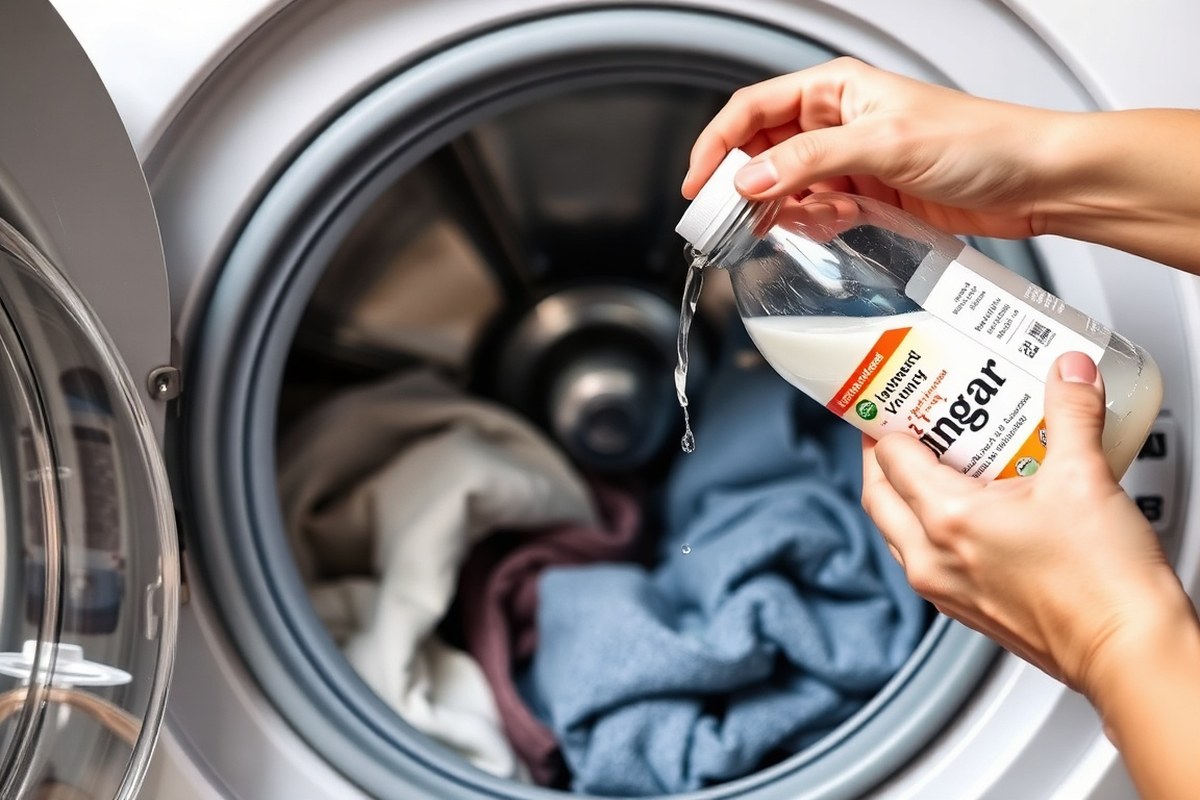
White vinegar is a proven deodorizer that kills bacteria responsible for musty odors in clothes. Adding vinegar to your laundry helps break down and neutralize the sour smell that mildew leaves behind. It is safe on most everyday fabrics and often works better than detergent alone in removing odor.
For best results, add 1 cup of distilled white vinegar to the washing machine’s water during the wash cycle. Use a hot water setting if the fabric can tolerate it. Adding vinegar to the rinse cycle instead can also freshen clothes but may be less thorough against odors embedded deep in fibers.
- Sort your clothes by fabric type and check care labels for water temperature recommendations.
- Load the washing machine and select the hottest water temperature safe for the garment.
- Add your usual detergent as directed.
- Measure and pour 1 cup of white vinegar directly into the washing water or detergent compartment.
- Start the wash cycle and wait for completion.
- Dry clothes fully outdoors or in a dryer set on medium heat to prevent lingering damp smells.
Baking Soda as an Odor Neutralizer
Baking soda neutralizes odors by balancing pH levels on fabric and absorbing moisture, which helps prevent mustiness. It’s often used alongside vinegar or on its own in the wash cycle to control and eliminate persistent smells. Baking soda is mild, safe for most fabrics, and economical.
Use ½ to 1 cup of baking soda added to the wash water along with your detergent. An extra rinse cycle may help remove residues from thick or heavy materials that trap smells. Baking soda is especially useful for workout gear and towels that develop body odor mixed with mildew.
- Check garment labels for water temperature instructions.
- Place clothes in the washer and set to the warmest temperature recommended.
- Add regular detergent and ½ to 1 cup of baking soda into the drum or detergent compartment.
- Start the wash cycle and allow it to run completely.
- Add an extra rinse cycle to fully flush out baking soda if desired.
- Dry clothes thoroughly in sunlight or a dryer to ensure odor molecules don’t linger.
When to Use Hot Water Safely
Hot water, usually temperatures of 130°F (54°C) or above, is effective in killing bacteria and breaking down oils causing musty smells. However, hot water can damage delicate fabrics, cause colors to fade, or shrink certain clothes. Always check care labels before using hot water.
Use hot water mainly for sturdy fabrics such as cotton towels, linens, and workout wear, items that tolerate higher heat. For synthetic or delicate fabrics, warm or cold water combined with vinegar or baking soda is safer. Hot water works best when paired with odor neutralizers to ensure full removal of smells.
Freezing Clothes to Kill Bacteria
Freezing is a useful no-wash method to reduce musty odors without exposing clothes to heat or chemicals. Placing garments inside a sealed plastic bag and freezing for 24, 48 hours can kill some odor-causing bacteria, especially on items that can’t be washed frequently, like coats or dry-clean-only fabrics.
This method doesn’t eliminate all smells, particularly heavy mildew, but it can reduce fresh odors quickly and delay the need for washing. After freezing, allow clothes to air out before wearing or storing.
- Put your musty clothes inside a sealable plastic bag, pressing out excess air.
- Seal the bag tightly to avoid moisture intrusion.
- Place the bag in your freezer for 24 to 48 hours.
- Remove clothes and let them air out in a well-ventilated area for a few hours.
- Wear or store the garments as needed.
Vodka Spray for Quick Deodorizing
Vodka contains alcohol that kills bacteria and neutralizes odors on fabrics without leaving a strong scent once it evaporates. It’s an accessible, quick solution for musty garments that need refreshing between washes.
Pour plain vodka into a spray bottle and mist the inside and outside of clothes until damp. Hang the clothes to dry in fresh air or use a fan to speed drying. Avoid soaking fabrics, especially delicate ones. This method works well for travel items or stored clothes but doesn’t remove heavy mildew odors completely.
- Fill a spray bottle with plain, unflavored vodka.
- Lay the musty clothes flat or hang them on a clothes hanger.
- Lightly spray vodka evenly over all areas affected by odor until slightly damp, not soaked.
- Allow clothes to dry completely in fresh air or in a well-ventilated room.
- Repeat as necessary before wearing or storing to keep smells away.
2. Why Do Clothes Develop Musty and Moldy Odors?
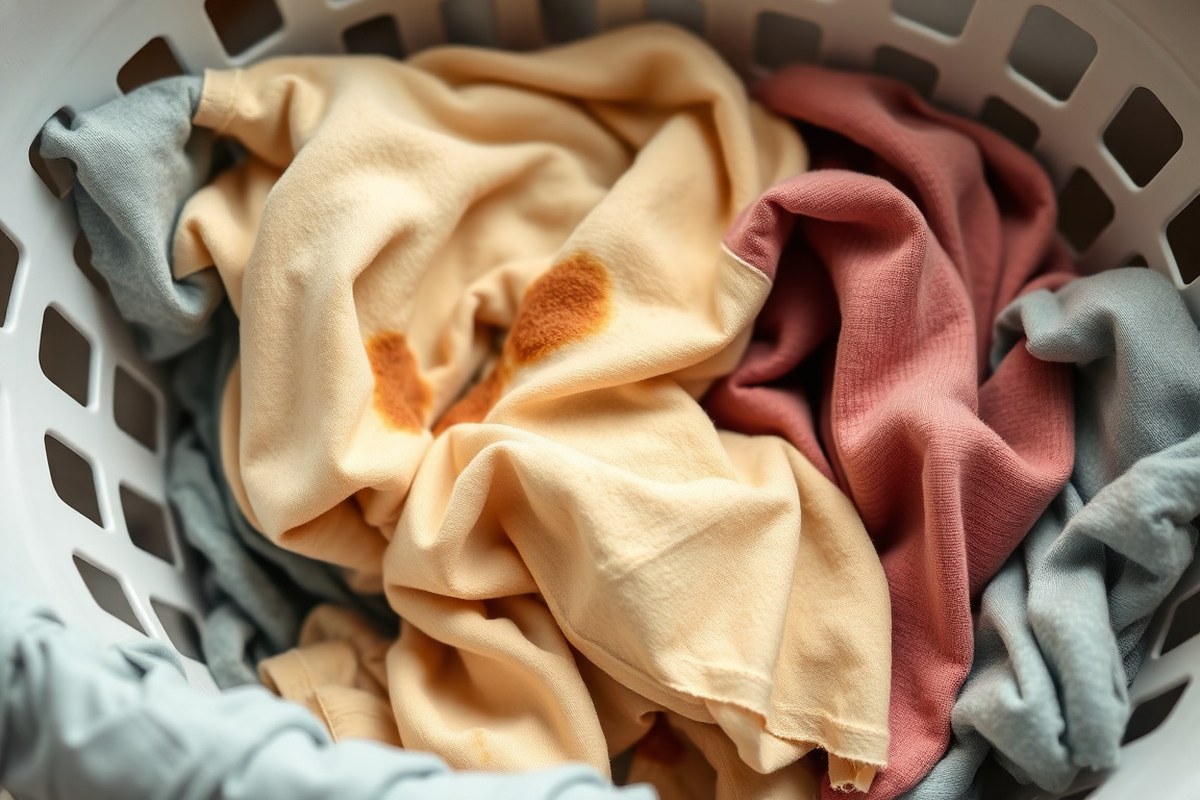
Musty and moldy odors on clothes happen mainly because of trapped moisture combined with bacteria and mold growth. When laundry stays damp for too long, whether left in the washing machine, balled up in the dryer, or stored improperly, these microbes feed on organic residues like sweat, skin oils, and detergent buildup. This creates a lingering smell that washing alone often doesn’t remove.
One common cause is leaving clothes wet in the washing machine for extended periods. The cool, moist environment inside a closed washer drum encourages mildew and bacteria growth. Towels and workout clothes tend to smell musty even after washing because they absorb sweat and don’t dry quickly enough. After washing, if you throw damp towels into the dryer without fully spinning out the water, it prolongs the moisture that fosters odor-causing bacteria.
Washing machine cleanliness also plays a significant role in this problem. Residue from detergent, fabric softeners, and skin deposits can build up inside the machine’s drum, detergent dispensers, and seals. These trapped residues create a breeding ground for mold and bacteria, which transfer back to clothes during the wash cycle. Regularly cleaning your washing machine with a specialized cleaner or a vinegar and baking soda cycle helps eliminate buildup, reducing musty smells.
Drying methods matter too. Even well-washed clothes can develop a musty odor if they don’t dry completely within a few hours. Air drying indoors without good ventilation or leaving clothes damp in the dryer are common culprits. Moisture encourages enzymatic breakdown by mold growth, weakening fabric fibers and causing discoloration like yellow, gray, or black spots. Achieving thorough drying at recommended settings, usually 135°F to 145°F on high heat or appropriate air-dry cycles, is essential to prevent odor and fabric damage.
To stop musty smells, don’t leave wet clothes sitting in your washer or dryer; transfer them right away and run a cleaning cycle on the machine every 1 to 2 months.
Odor persists because trapped moisture allows bacteria to thrive between washes. This is why rewashing prints and synthetic workout fabrics with an enzyme-based odor remover or oxygen bleach can help break down the buildup that traps odors. For clothes stored for long periods, freezing them in a sealed bag can kill odor-causing bacteria, offering another practical way to refresh garments without washing.
In summary, moisture retention, improper drying, and washing machine residue create the ideal conditions for musty and moldy smells. Addressing these causes through prompt drying, machine maintenance, and the right cleaning additives can keep your clothes smelling fresh and your fabrics in good condition.
3. Choosing the Right Cleaning Agents for Different Fabrics
Select cleaning agents based on fabric type to remove musty odors safely and effectively. Synthetic workout clothes benefit most from enzyme detergents, while oxygen bleach suits color-safe washable fabrics with stubborn odors. Natural options like vinegar and baking soda work well across many fabric types but require care with colors and delicates. Vintage and delicate fabrics need gentle treatments like cool water soaks with mild odor removers.
Enzyme Detergents for Synthetic and Activewear
Synthetic fabrics, especially workout clothes, hold onto sweat-based odors tightly due to oils and bacteria trapped in fibers. Enzyme detergents specifically target these proteins and oils to break them down. Use enzyme-based detergents formulated for activewear to tackle musty smells from sweat and mildew effectively.
Wash synthetic athletic clothes in warm water with an enzyme detergent following the product instructions. Avoid high heat drying, as it may damage fibers or set odors if not fully removed. These detergents typically cost between $10 and $20 and are available in grocery or sports stores.
Oxygen Bleach Versus Chlorine Bleach
Oxygen bleach is a color-safe alternative to chlorine bleach that removes mildew and musty odors without bleaching colors or damaging fabric fibers. It breaks down mold and bacteria that cause odor and helps loosen buildup that traps smells. Use oxygen bleach for washable colored fabrics, towels, dishcloths, and work clothes that hold persistent musty odors.
Chlorine bleach, while powerful, can ruin colors and weaken delicate or vintage fabrics, so avoid it unless the fabric care label explicitly permits it and the garment is white and heavily soiled. Oxygen bleach is typically added during the wash cycle at about half a cup per laundry load and costs roughly $5 to $15 per container.
Natural Odor Removers: Vinegar, Baking Soda, Lemon Juice
Everyday natural ingredients can deodorize clothes without harsh chemicals. White vinegar and baking soda are the safest and most effective for most fabrics. Vinegar helps neutralize odors and sanitize, while baking soda absorbs smells even on dry clothes. Lemon juice also removes odors but can bleach colored fabrics, so use lemon only on whites.
Pre-soak clothes in cool or warm water with 1/2 cup baking soda or 2 cups vinegar to loosen odors before washing. Add a cup of vinegar to the rinse cycle or half a cup of baking soda to the wash cycle for extra deodorizing power. These ingredients cost pennies per use and avoid risks of fabric damage.
Special Care for Vintage and Delicate Fabrics
Delicate and vintage clothes require gentle, low-risk treatments to prevent damage while removing musty odors. Use cool or warm water with mild vinegar or baking soda soaks, avoiding harsh detergents and bleaches. Alcohol diluted with water can help deodorize vintage pieces without washing but test a small area first.
Hand wash or use the gentle cycle on machines, and skip high heat drying to prevent shrinking or fabric breakdown. Spot test any product on a hidden area before full treatment. These approaches typically take longer and require more care but protect cherished garments. Below is a decision table summarizing recommended cleaning agents by fabric type and odor treatment method:
| Fabric Type | Recommended Cleaning Agent | Why | How to Use | Caution |
|---|---|---|---|---|
| Cotton & other colorfast fabrics | Oxygen bleach, vinegar, baking soda | Breaks down mold, neutralizes odor, safe for colors | Add ½ cup oxygen bleach or 2 cups vinegar in wash; soak in ½ cup baking soda water | Do not mix vinegar and bleach products; test colorfastness |
| Synthetic & workout fabrics | Enzyme detergent, baking soda | Targets sweat proteins, absorbs odor | Use enzyme detergent in warm wash; pre-soak with baking soda | Avoid high heat drying to protect fabric |
| Delicates (silk, lace, wool) | Vinegar, baking soda | Gentle odor neutralization without harsh chemicals | Soak in cool water with vinegar or baking soda; hand wash | Use cold water; avoid bleach and lemon juice |
| Vintage fabrics | Diluted alcohol and water, vinegar | Deodorizes without full washing; gentle on fibers | Spot test first; lightly dab with alcohol-water mix; soak in vinegar solution | Test for colorfastness; no harsh chemicals or high heat |
| White fabrics | Lemon juice, vinegar, oxygen bleach | Lemon brightens and deodorizes; oxygen bleach sanitizes | Use lemon juice combined with sunlight; add oxygen bleach in wash | Avoid lemon on colors; do not mix lemon with bleach |
Select your cleaning agent from the table based on fabric type and odor cause, apply as instructed, and observe fabric care labels closely for best results. Adjust the soak times from 15 minutes up to an hour depending on how musty the clothes smell. Proper selection protects your clothes and removes odors without damage.
4. How Drying Methods Impact Musty Odors in Clothes
Drying techniques have a significant impact on eliminating musty odors from clothes. Sun drying is effective because ultraviolet (UV) rays from the sun help kill mold and mildew spores that cause the smell, while fresh air adds a clean scent. For best results, hang your clothes outside in direct sunlight for at least several hours, ideally up to 24 hours in a well-ventilated space. This method not only reduces odor but also helps remove excess moisture that can trigger mustiness.
However, sun drying is not always practical. On humid, wet, or cold days, clothes may take too long to dry outside, increasing the risk of mildew growth. In these cases, machine drying is better. Using a dryer on a high heat setting helps quickly evaporate moisture and kill odor-causing spores. Make sure the clothes are completely dry before putting them away to avoid musty smells lingering. Keep in mind that repeated machine drying can wear out some fabrics faster, so check care labels before choosing this option.
Air drying indoors requires extra care to prevent mildew. Clothes should be spread out with good airflow around them rather than bunched up or in damp, poorly ventilated areas. Using a dehumidifier or fan can help keep the environment dry and reduce stale air. Avoid air drying in bathrooms or basements where humidity tends to be higher. Taking these steps ensures your clothes dry thoroughly without trapping moisture and odors.
- Hang clothes outside in the sun for 4 to 24 hours for best odor removal.
- Use a dryer on high heat if outdoor drying is slow or the weather is damp.
- When air drying indoors, space out garments to allow airflow.
- Use a fan or dehumidifier to keep drying areas dry and ventilated.
- Do not hang clothes in humid rooms like bathrooms or basements.
- Ensure clothes are completely dry before folding or storing.
Each drying method plays a role in odor elimination, and the best choice depends on weather conditions, fabric type, and available equipment. Sun drying is the most natural and cost-effective way to refresh clothes but requires suitable weather. Machine drying offers speed and reliability but uses electricity and can impact fabric longevity. Proper indoor air drying combines safety with energy savings but needs attention to ventilation and humidity control. Using these strategies tailored to your situation helps prevent musty smells from lingering on your clothes.
5. Preventing Musty Smells in Stored and Rarely Worn Clothes
To keep stored and rarely worn clothes free from musty odors, create a dry, clean storage environment with good airflow. Moisture and lack of ventilation cause mildew and odor, so aim to store clothes in a temperature-controlled room with humidity below 50 percent. Using silica gel packets or moisture absorbers in storage bins or closets helps reduce dampness.
Before storing clothes, make sure they are completely clean and dry. Any lingering dirt or dampness can contribute to musty smells forming. Washing clothes according to their care labels and drying them thoroughly, preferably in sunlight or a well-ventilated area, prevents mildew growth during storage.
Dryer sheets can help prevent musty odors by lifting existing odors and adding a pleasant scent. Place a dryer sheet between folded items or inside storage bags. This simple step adds protection against odors without the moisture that liquid fabric softeners may introduce.
- Wash and dry clothes completely before storage
- Store clothes in breathable containers like cotton bags or plastic bins with ventilation holes
- Use silica gel packets or moisture absorbers to keep humidity low
- Place dryer sheets between folded garments or in storage bags for fresh scent
- Ensure closets and storage areas have air circulation and keep doors slightly open if possible
- Expose clothes to sunlight periodically to naturally reduce moisture and odors
- Choose cool, dry spots away from basements or attics prone to dampness
Naturally scented options such as lavender sachets or cedar blocks provide both fragrance and mild resistance to moths and mildew. These are especially useful for wool or delicate fabrics stored long term. Avoid plastic bags that trap moisture and encourage odor development.
Check stored clothes every few months for musty signs and air them out to prevent odor buildup before it starts.
By following these steps, the effort invested upfront pays off in fresher clothes ready to wear anytime without the need for re-washing. Remember that prevention depends on dryness, airflow, and cleanliness rather than relying solely on fragrances or chemical treatments.
6. Troubleshooting Persistent Musty Odors After Washing
Musty odors can persist in clothes after washing if certain conditions aren’t addressed. One common reason is overloading the washing machine, which prevents water and detergent from circulating properly through each fabric. This leaves damp spots where mildew can develop. Avoid filling the drum more than three-quarters full to ensure thorough cleaning and rinsing.
Another frequent cause is residue buildup inside the washing machine itself. Detergent, fabric softener, and dirt can accumulate around the drum, door seals, and detergent dispensers. These deposits become a breeding ground for mold and bacteria that transfer odor back onto your laundry. You should clean your washing machine every 1 to 3 months, especially if you use it frequently or notice a sour smell. To clean your washing machine effectively:
- Run an empty hot water cycle with 2 cups of white vinegar once a month to kill mold and clean residues.
- Follow with a second cycle using 1/2 cup of baking soda to neutralize odors and remove leftover grime.
- Wipe around the door seal, detergent drawer, and drum edges with a solution of equal parts water and vinegar.
- Leave the washing machine door open after each wash to dry out the interior.
- Check and clean the drain pump filter every few months to prevent clogging and odor buildup.
Diagnosing a smelly washer is possible by smelling inside the drum and around the door seal. Moldy or sour odors indicate bacterial growth or detergent residue. Seeing visible black or gray mold also signals the need for a thorough cleaning.
Store-bought odor removers like laundry boosters or enzyme cleaners can help eliminate stubborn smells, but don’t rely on them alone. Products containing enzymes break down organic residues causing musty smells. Use such boosters alongside regular detergent for better results. Check the label to ensure compatibility with your machine and fabrics. These products generally cost between $5 to $15 per bottle and require adding them directly to the wash.
If musty smells remain despite cleaning, rewash items with one cup of white vinegar added directly to the drum, as vinegar helps break down mildew and neutralize odors. For very tough smells, using a longer hot water cycle also aids odor removal but verify that garments can tolerate heat first. Avoid leaving wet clothes in the machine for extended periods after washing, as retaining moisture creates ideal conditions for mildew growth.
7. Safe Approaches for Delicate, Vintage, and Heavily Mildewed Clothes
To protect delicate and vintage fabrics while removing musty odors, avoid harsh chemicals and aggressive washing. Use gentle soaking methods and mild cleaners like white vinegar or baking soda. For heavily mildewed garments, an extended soak in oxygen bleach or enzymatic cleaner helps eliminate odor without damaging fabric fibers.
Spot Testing and Gentle Soaking
Always start by testing any cleaning solution on a hidden area of your delicate or vintage clothes. This prevents potential damage or discoloration. Use a mild solution such as equal parts white vinegar and water for soaking. Gently soak the clothes for 30 to 60 minutes to loosen odor-causing residues without stressing the fabric.
After soaking, rinse thoroughly with cool water. Avoid wringing or rubbing delicate garments, as this can cause stretching or tearing.
Using Oxygen Bleach Safely
Oxygen-based bleach is a safer alternative to chlorine bleach for removing musty odors from delicate or vintage items. It works by breaking down organic compounds causing the smell without harsh chemicals that can damage fibers.
Mix oxygen bleach with warm water according to package instructions. Avoid hot water as it may weaken delicate fabrics or set stains.
- Fill a clean tub or bucket with warm water (about 90°F to 100°F).
- Add oxygen bleach and stir to dissolve fully.
- Place garments fully submerged in the solution.
- Let soak for 3 to 6 hours for heavily mildewed clothes.
- Gently swish the clothes every hour but avoid agitating vigorously.
- Remove and rinse several times with cool water.
- Air dry completely, preferably outside in sunlight to help break down odors naturally.
Extended Soak and Rinse Routine
For garments with strong mildew smells, extended soaking in a combination of baking soda and white vinegar can help. Baking soda neutralizes odors, while vinegar breaks down mildew residue. This method suits fragile fabric types that can’t tolerate high heat or bleach.
- Fill a basin with cool water.
- Add 1 cup of baking soda and stir until dissolved.
- Submerge clothes and soak overnight, up to 12 hours if necessary.
- Drain water and prepare a rinse basin with cold water and 1 cup of white vinegar.
- Transfer clothes and soak for 30 minutes.
- Rinse thoroughly with cool water.
- Dry clothes flat on a towel indoors or hang outside in indirect sunlight.
Avoid using chlorine bleach on delicate fabrics, as it can cause fibers to weaken or yellow. Repeating the soak cycle up to twice can improve results but discontinue if you notice fabric damage or color loss.
When to Seek Professional Cleaning
Turn to a professional cleaner if vintage or delicate clothes have persistent odor after multiple safe soaks or show extensive mold growth that you cannot clean at home. Professional cleaners use specialized solvents and techniques designed to protect fragile fabrics while removing mildew and odor.
If the fabric is rare, expensive, or has sentimental value, professional assessment reduces the risk of damage. Also consider a cleaner if the clothing label warns against home laundering or soaking, or if the clothes require dry cleaning only.
8. Common Mistakes That Cause Musty Smells to Linger
Musty odors often linger on clothes due to a few common laundry mistakes that trap moisture and promote microbial growth. One key error is not removing clothes promptly from the washer. Leaving wet clothes sitting inside the machine for more than a couple of hours allows bacteria and mildew to thrive. Aim to transfer clothes to the dryer or hang them outside within 30 minutes to an hour after the cycle finishes.
Using too much detergent or the wrong type can worsen smells. With high-efficiency (HE) washers, non-HE detergents create excess suds that leave residue on fabric and inside the machine. This buildup can trap body oils and minerals, creating a breeding ground for odor-causing microbes. Always use HE detergent if you have an HE washer and measure detergent according to the load size, usually 2 tablespoons for most medium loads.
Fabric softener is another culprit. It mostly masks odors rather than eliminating them, and it can leave a waxy film on fabrics that holds in moisture and bacteria. Avoid using liquid fabric softeners if musty smells persist. Instead, try dryer sheets or vinegar as alternatives.
Overloading the washer makes it harder for water and detergent to circulate properly. This prevents thorough cleaning and rinsing, causing dirt and microbes to remain. Follow your machine’s capacity guidelines and avoid packing clothes tightly. You want the drum to fill about three-quarters full to allow movement.
- Dry the washing machine door and gasket after each use to prevent trapped moisture.
- Use the hottest water safe for the fabric to kill mold and mildew spores during washing.
- Run a maintenance wash cycle once a month, empty load with hot water and 2 cups white vinegar, to clean detergent buildup.
- Check and clean the washer’s detergent dispenser regularly to avoid residue buildup.
- Hang clothes promptly after washing and avoid leaving them balled up in the laundry basket.
Managing moisture inside the washer, detergent buildup, and fabric saturation is critical to keeping clothes fresh. Letting washers and clothes dry between cycles or storage reduces the environment mold needs to grow. Overusing detergent or fabric softener carbonates the issue by sealing in odors rather than washing them away.
Prompt removal of clothes from the washer and immediate drying is your best defense against musty smells.
Step-by-Step Action Plan to Remove Musty Odor from Clothes
Follow these steps to get rid of musty smells and keep your clothes fresh. Each step includes a tip to check if the odor is gone.
- Before washing: Sort clothes by fabric type and smell intensity to choose the right cleaning agents.
- Day 1: Wash affected clothes with a detergent designed for odor removal or add white vinegar to the wash. Smell clothes after drying to check improvement.
- After wash: Dry clothes thoroughly in direct sunlight or a well-ventilated area. Clothes should smell fresh when fully dry.
- Week 1: Store clothes in breathable containers or bags with moisture absorbers like silica packets to prevent return of odors.
- Day 7: Check stored clothes for any musty smell; if present, repeat washing with vinegar or baking soda treatment.
- Month 1: For delicate or vintage items, use gentle soap and air-dry only. Confirm no lingering odor before long-term storage.
- Ongoing: Avoid leaving damp clothes in the washer and clean your washing machine monthly to help prevent musty odors over time.
Frequently Asked Questions
Can Musty Odor in Clothes Indicate Mold Growth?
Yes, musty odor often signals mold growth on fabric, caused by moisture and poor ventilation. Addressing the moisture source helps prevent health risks and recurring smells.
Do Dryer Sheets Help Remove Musty Odors from Clothes?
Dryer sheets can freshen clothes if left in the dryer about one day then removed. This method also helps keep stored clothes smelling fresh and prevents musty odors.
Why Do Some Fabrics Retain Musty Smells More Than Others?
Natural fibers like cotton absorb moisture easily, causing longer-lasting musty odors compared to synthetics. Proper drying and cleaning are key for these fabrics.
Can Musty Odors Be Removed from Clothes Without Rewashing?
Yes, airing clothes outdoors or using fabric sprays can reduce odors temporarily. However, rerunning a wash with additives is more effective for thorough odor removal.
Is White Vinegar Safe for All Types of Fabric to Remove Musty Smell?
White vinegar works well for most fabrics but test it on delicate or vintage clothes first to avoid damage or color fading.
What Should I Do If Musty Smell Persists After Home Treatments?
Persistent odors may require professional dry cleaning, especially for delicate or heavily mildewed clothes that home remedies can’t fix.
The Bottom Line
Removing musty odors requires consistent care, from washing with the right products to drying and storing clothes properly. Your next best step is to treat affected items now with vinegar or an odor-fighting detergent, ensuring they’re dried quickly in sunlight or fresh air. Regular attention can keep your clothes smelling fresh and avoid musty problems in the future.