How to Clean Leather Jacket at Home: 8 Safe Steps for Lasting Care
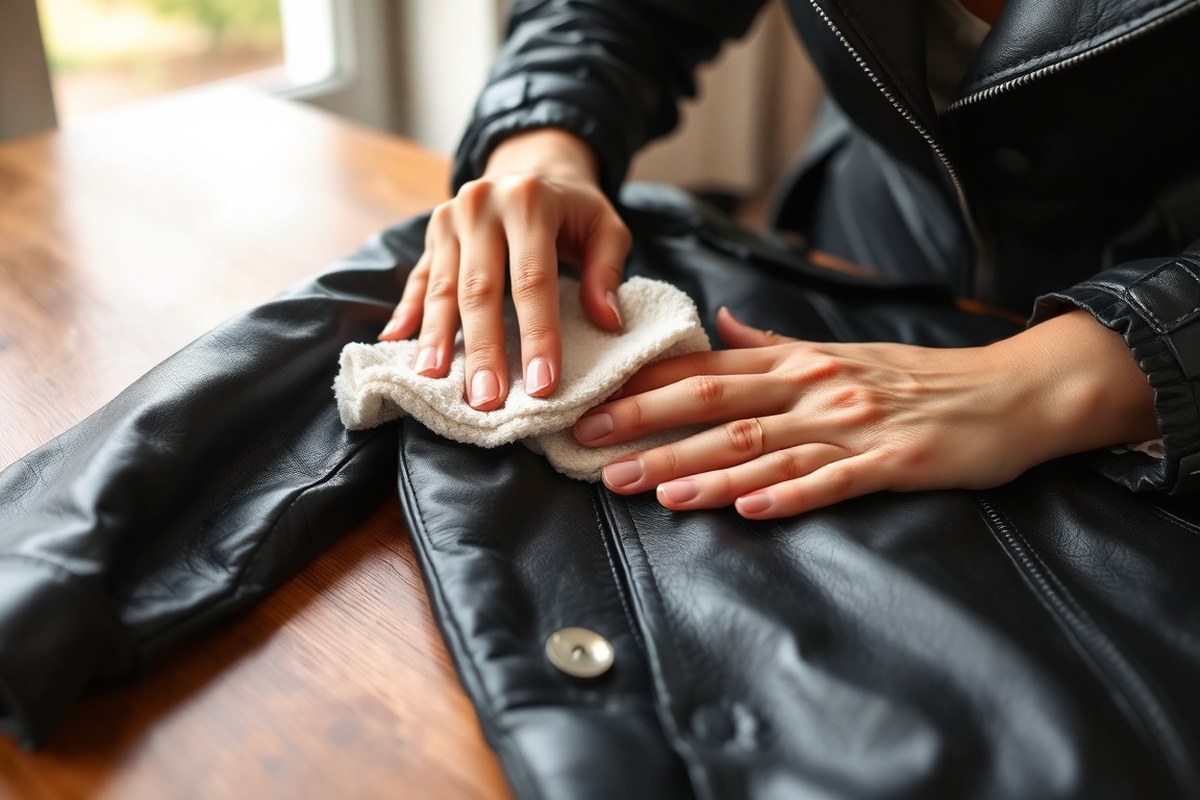
Cleaning a leather jacket at home starts with wiping down the surface to remove dirt, then using a leather-safe cleaner and conditioner. Proper care keeps the jacket soft, prevents cracking, and preserves its appearance for years. This advice suits anyone who owns a leather jacket and wants practical steps to clean and maintain it themselves.
You will learn how to identify your jacket’s leather type, select safe cleaning products, handle tough stains, clean the lining safely, and condition it to extend its life. Following these steps will help keep your jacket looking fresh without risking damage from harsh chemicals or improper methods.
Key Takeaways
- Begin by confirming your jacket is clean and dry before any cleaning process.
- Identify your leather type to choose appropriate cleaning methods and avoid damage.
- Use mild soap with water or a designated leather cleaner; avoid acidic substances like vinegar.
- Condition the jacket every 3 to 6 months to maintain softness and prevent cracks.
- Hand-clean linings, especially if made of fur or feathers, instead of machine washing.
- Address stains quickly using leather-safe products specific to the stain type.
1. How to Clean a Leather Jacket Step-by-Step
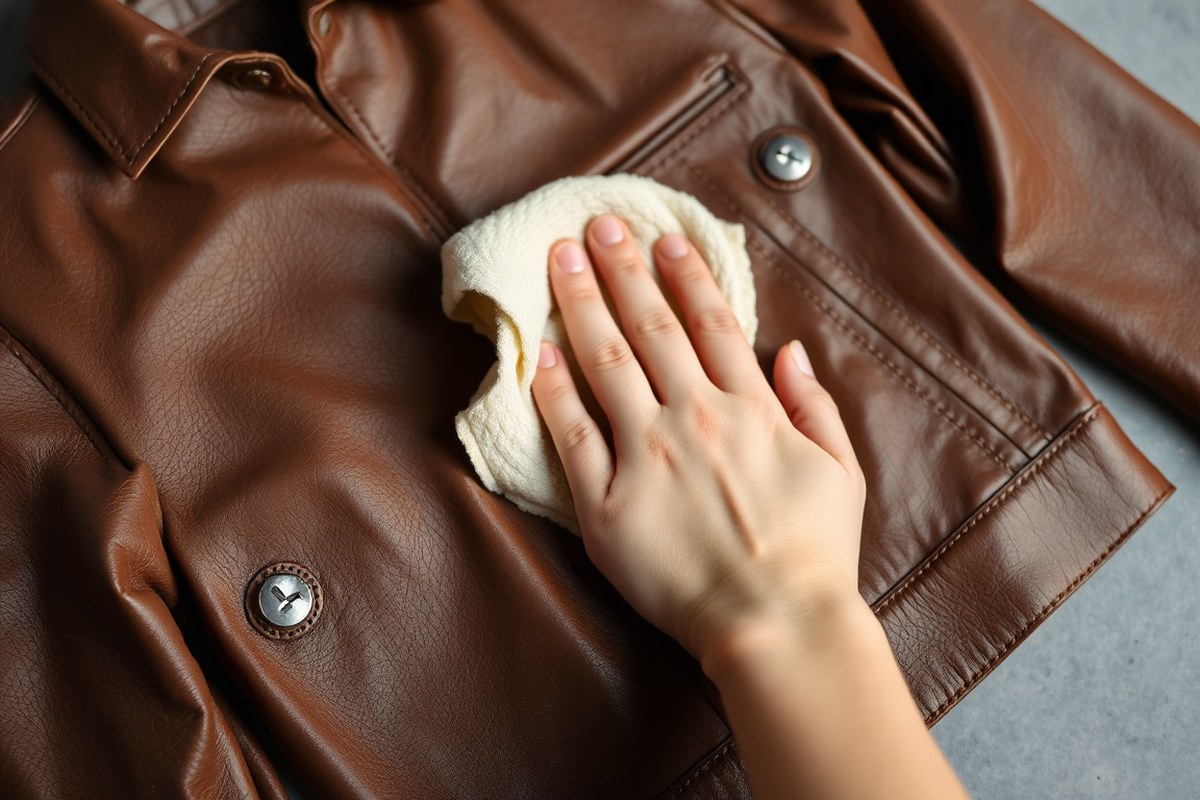
Cleaning a leather jacket at home requires a careful, step-by-step approach to protect the leather’s finish and suppleness. You begin by gently preparing the jacket, then proceed through surface cleaning and spot treatment, followed by drying and conditioning. Each step helps maintain the jacket’s appearance and extends its life.
Preparing Your Leather Jacket for Cleaning
Start with a clean, dry jacket to avoid embedding dirt into the leather during cleaning. Remove any accessories like buttons or pins that could catch on cleaning tools or get damaged. Check the jacket’s pockets and empty them to prevent damage or awkward spots.
Gathering your supplies ahead of time ensures the process goes smoothly. You’ll need a soft brush or dry microfiber cloth, mild soap (like castile or a specifically designed leather cleaner), a bowl of lukewarm water, leather conditioner, and a clean, dry towel.
Gentle Dusting and Surface Cleaning
Getting rid of dust and dirt from the leather surface helps prevent scratches when you clean it more thoroughly. Take a soft brush or a dry microfiber cloth and softly remove the dust. Avoid using rough materials that might damage the jacket’s leather.
For a light clean, prepare a mild soap solution by mixing a small amount of soap with lukewarm water, about a teaspoon of soap per cup of water. Dampen a soft cloth in the solution, wring it out well, and wipe the jacket in small circular motions. Focus on areas that look visibly dirty but avoid soaking the leather. Always test the solution on an inconspicuous spot first to check for color fastness or damage.
Spot Cleaning Common Stains Safely
Treat spots after surface cleaning, as addressing stains too early or too aggressively can spread or embed them deeper. For greasy or oily spots, sprinkle a small amount of cornstarch or talcum powder and let it sit overnight to absorb the oil. Brush off powder with a soft brush the next day.
For other common marks like water spots or mild scuffs, use a slightly damp cloth with mild soap and gently rub the area. Avoid harsh chemicals or scrubbing hard, which can damage the finish. Ink stains or tough spots may require specialized treatments covered separately.
Drying Techniques to Avoid Damage
Never dry your leather jacket by placing it near direct heat sources like radiators or in direct sunlight. Heat dries out and cracks leather quickly. Instead, pat dry the jacket with a clean, dry towel if it’s damp from cleaning, then hang it on a wide padded hanger in a well-ventilated room at room temperature.
Allow the jacket to air dry completely, which may take 12 to 24 hours depending on humidity. Make sure it dries evenly by occasionally checking the inside and outside surfaces. Avoid folding or crushing the leather when damp or wet to prevent creasing.
Applying Leather Conditioner Correctly
Once dry, apply a quality leather conditioner to replenish moisture and keep the leather flexible. Use a small amount, usually a dime-sized drop on a soft, clean cloth, and rub it into the leather using gentle circular motions. Focus on areas that flex or look dry but apply evenly overall.
Allow the conditioner to absorb fully, typically for several hours or overnight. Wipe away any excess with a dry cloth to prevent residue buildup. Conditioning every 3 to 6 months helps maintain softness and prevent cracking, especially if you often clean the jacket or live in dry climates.
- Remove any accessories and empty pockets to prepare your jacket.
- Take a gentle approach by using a soft brush or a dry microfiber cloth to clear away dirt from the surface.
- Mix a mild soap with lukewarm water and wipe the jacket with a damp cloth, avoiding soaking.
- Spot treat stains carefully, using absorbent powders for oils and mild soap for scuffs.
- Pat dry with a towel and hang the jacket to air dry away from heat and direct sunlight.
- Apply a small amount of leather conditioner with a soft cloth after the jacket is fully dry.
- Let the conditioner absorb and wipe away any excess to finish.
2. Identifying Your Jacket’s Leather Type and Condition
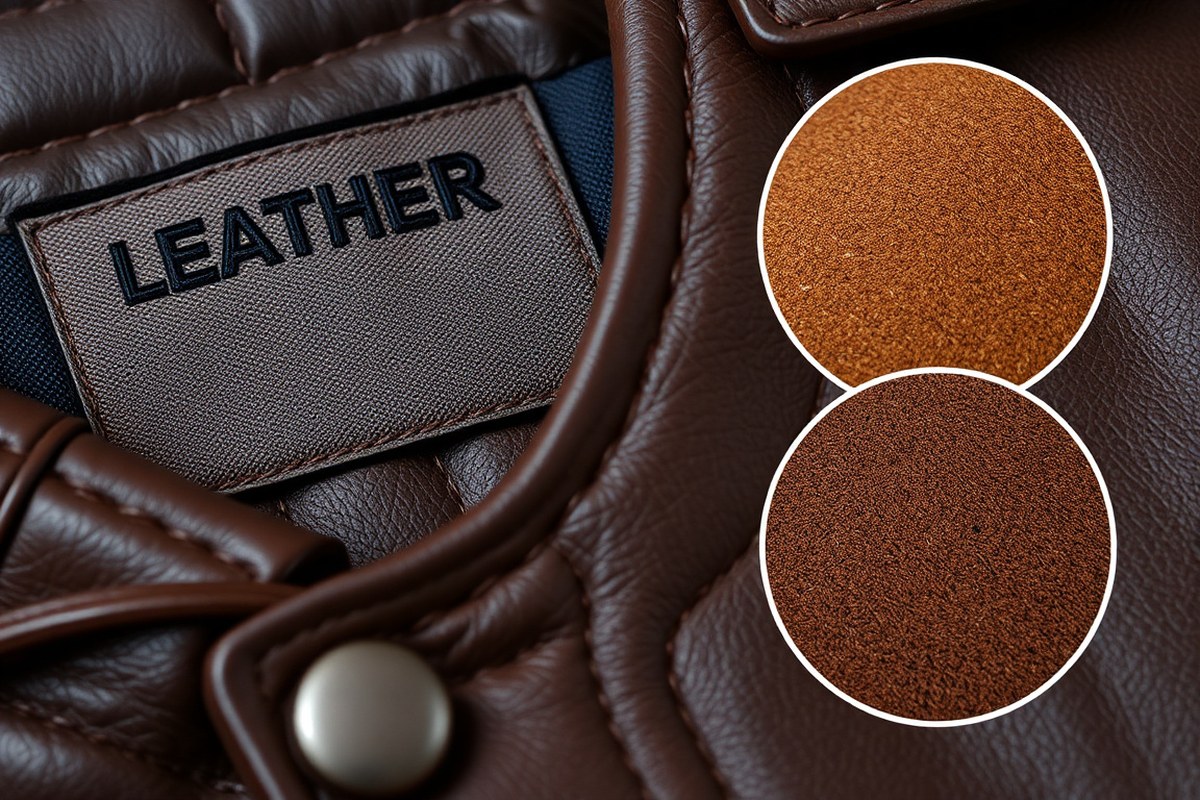
Identifying the type and condition of your leather jacket is essential before cleaning it. Different leathers, full-grain, top-grain, suede, or bonded, respond uniquely to cleaning methods, and assessing wear helps avoid damage during care.
Types of Leather Jackets Explained
Leather jackets mainly come in these categories: full-grain, top-grain, suede, and bonded leather. Each type has distinct textures and finishes that affect how you should approach cleaning. Full-grain leather is the most natural and durable, while bonded leather consists of leather scraps glued together, making it less sturdy and more sensitive to harsh products.
Labels inside the jacket often indicate the leather type, but surface feel and appearance can also guide you. Suede and nubuck feature a soft, fuzzy texture distinct from smooth leather surfaces. Nubuck has a fine, slightly polished nap, while suede feels rougher and less dense.
| Leather Type | Description | Cleaning Sensitivity |
|---|---|---|
| Full-grain | Top layer with natural markings, most durable | Least sensitive; can handle gentle cleaning products |
| Top-grain | Sand and refinished surface, smoother than full-grain | Moderate sensitivity; avoid harsh chemicals |
| Suede | Fuzzy texture from underside of hide | Highly sensitive; requires special suede cleaners |
| Bonded leather | Leather fibers bonded with adhesives | Very sensitive; avoid water and solvents |
Understanding these differences helps you choose cleaning products and techniques that preserve the leather’s integrity and appearance.
Unique Cleaning Needs for Each Leather Type
Full-grain and top-grain jackets tolerate mild, water-based cleaners and quality leather conditioners that nourish and protect the material. Avoid soaking these jackets and use soft cloths to prevent abrasion.
Suede and nubuck require specialized care because water and standard cleaners can damage their texture. Dry brushes and suede-specific cleaning agents work best. Bonded leather, with its fragile composition, should not be cleaned with water or harsh solvents, as this may cause peeling or cracking.
Always test cleaners on a hidden area of leather before full application to prevent irreversible damage.
Exotic finishes or decorative elements such as embroidery or painted details may further alter cleaning needs, requiring gentle spot cleaning and caution.
Signs Your Jacket Needs Special Care
Before cleaning, evaluate the jacket’s condition by checking for dryness, cracks, fading, stiffness, or stains. Leather that feels dry or cracked needs conditioning after cleaning to avoid brittleness. If the surface paint or finish is peeling, or if the jacket has delicate textures like suede, it demands special products or professional cleaning.
Examine seams, zippers, and linings for wear or dirt buildup. Wool linings and delicate fabrics inside the jacket require separate careful cleaning methods that avoid contact with water or leather cleaners.
Failing to recognize these signs can lead to permanent damage like discoloration, stiffness, or tearing. Taking note of these factors directs you toward the safest cleaning method and when to consider professional services.
3. Which Cleaning Products Are Safe for Leather Jackets?
Choose cleaning products specifically designed for leather or mild soaps that won’t strip oils and dry out the material. Avoid harsh chemicals like ammonia, bleach, or alcohol-based cleaners because they can damage your leather jacket’s texture and finish. Household items such as vinegar and baking soda require careful use or are best avoided due to their acidity or abrasiveness.
Commercial Leather Cleaners and Conditioners
Leather cleaners formulated for jackets gently remove dirt without causing dryness. These products typically cost between $10 and $30 and are pH-balanced to preserve leather’s natural oils. Conditioners restore moisture and flexibility, preventing cracking and stiffness. A quality leather cream or lotion applied every few months keeps the jacket supple and extends its life.
Choose cleaners labeled safe for smooth or aniline leather, depending on your jacket’s type. Leather conditioners often contain natural oils like mink or beeswax. Always test new products on a hidden patch to see how the leather reacts before full application.
Household Products: What to Use or Avoid
Using household items on leather can be risky. Mild soap diluted in water, such as baby shampoo or saddle soap, can clean surface dirt if applied sparingly with a soft cloth. Avoid soaking or scrubbing vigorously to prevent damage.
Vinegar and baking soda are not recommended for regular cleaning. Vinegar’s acidity can break down leather fibers, causing stiffness or color fading. Baking soda’s abrasiveness and powder residue may scratch the surface and create dryness.
Ammonia and bleach must never be used as they strip essential oils, leaving leather brittle and prone to cracking. Instead, stick to mild soapy water or commercial products made for leather care. Maintaining a protective spray designed for leather can also shield your jacket from water and stains without harsh chemicals.
Essential Cleaning Supplies Checklist
Keeping a basic set of leather care supplies ready allows you to address light cleaning and conditioning regularly. These tools help avoid improper cleaning methods that wear down leather.
- Soft microfiber or cotton cloths for gentle wiping and buffing
- Mild leather cleaner or pH-balanced soap solution (baby shampoo or saddle soap diluted 1:10 with water)
- Leather conditioner or cream suited for your jacket’s leather type
- Leather protectant spray to repel moisture and stains
- Small soft-bristled brush for stitching and seams
- Patch test materials (cotton swabs and spare cloth)
Storing these supplies together helps maintain your leather jacket’s appearance and feel. Regular use of these products ensures cleaning without stripping away natural oils.
4. Removing Tough Stains Like Ink, Sweat, and Dirt
Removing tough stains like ink, sweat, and dirt from a leather jacket requires specific care to avoid damage. Ink stains respond well to isopropyl alcohol on smooth leather but should not be attempted on suede. Sweat and oil stains benefit from absorbent powders like baking soda or cornstarch. Dirt often comes off with gentle spot cleaning using a mild soap solution. Home remedies can be effective but always start with a small test area to check for adverse effects. Recognizing when a stain is too deep or the leather is delicate is essential to avoid permanent damage, which calls for professional cleaning. Follow these steps to treat common tough stains safely at home:
- Test a hidden spot: Apply a small amount of your chosen cleaner, rubbing alcohol for ink, soap for dirt, or water for sweat, to an inconspicuous area. Wait 10 minutes to ensure no color or texture changes occur before proceeding.
- Treat ink stains: Dampen a cotton swab with isopropyl alcohol and gently dab the ink stain. Avoid rubbing, which can spread ink. Blot with a clean cloth and repeat carefully until the stain lightens. This usually takes 3 to 5 gentle applications.
- Remove oil or sweat stains: Sprinkle baking soda or cornstarch on the stained area and let it sit overnight (8 to 12 hours). Brush away the powder with a soft brush the next day. This absorbs excess oil without wetting the leather.
- Clean dirt or grime: Mix a few drops of mild liquid soap (like dish soap) with lukewarm water. Dampen a soft cloth, wring it well to avoid over-saturating, and gently wipe the dirty areas. Use a separate cloth dampened with clean water to remove soap residue. Dry with a towel.
- Address odors quickly: For sweat smells, hang your jacket outdoors in shade for several hours. Then apply a light spray of lemon juice diluted in water (1 tablespoon lemon juice per cup of water) using a cloth, avoiding soaking. Let dry fully.
- Condition after cleaning: After the spots have dried, gently rub a small amount of leather conditioner into the leather using a soft cloth to maintain its flexibility and avoid cracking. Always follow the directions provided with the conditioner.
- Assess stain severity: If stains do not improve after several attempts or the leather shows signs of discoloration, stiffness, or cracking, stop DIY treatments. Deep oil stains, mold, or damage on delicate leather types like suede or hand-painted finishes require professional care.
Home treatments can cost under $10 and take a few hours to overnight, depending on the stain type and drying times. Successful results appear as a visible reduction or full removal of the stain without altered leather texture or color. Avoid scrubbing hard or soaking leather to prevent damage. Persistent odors and tough stains are safer to leave to pros, as improper DIY cleaning risks permanent harm.
5. How to Clean the Lining and Internal Parts Safely
Cleaning the inside lining of your leather jacket requires care to avoid damaging the leather or internal materials. Most linings are made from fabric or fur and should be handled gently. Before starting, turn your jacket inside out and lift the lining carefully to protect the outer leather from moisture. Use a soft brush or a vacuum with a brush attachment to remove dust and debris from fabric linings. For fur linings, gently shake out loose dirt and spot clean with a damp cloth using mild soap diluted in water.
Zippers, buttons, and other hardware on your leather jacket need cleaning without risking rust or weakening the leather near them. Use a dry, soft cloth to wipe metal parts carefully. For stuck or rough zippers, apply a small amount of zipper lubricant or rub a bar of soap gently along the teeth. Avoid soaking hardware with liquids that can seep into the leather and cause stains or stiffness.
Internal odors often develop from sweat or extended use. To combat odors, sprinkle a light layer of baking soda onto the fabric lining and let it sit for a few hours to absorb smells. Shake out the baking soda thoroughly before wearing. Another method is to air out your jacket in a shaded, well-ventilated area for 24 to 48 hours. Avoid direct sunlight or heat sources, which can dry out and crack leather. Follow this checklist for safe internal cleaning:
- Turn jacket inside out and lift lining to protect leather.
- Vacuum fabric lining with brush attachment or use a soft brush.
- Spot clean fur or fabric lining with mild soap solution and damp cloth.
- Wipe metal hardware with a dry, soft cloth and use zipper lubricant if needed.
- Apply baking soda to lining for odor removal; leave for several hours.
- Air out jacket away from direct heat and sunlight for up to 48 hours.
- Do not saturate lining with water or cleaning agents to avoid leather damage.
Test any cleaning method on a small, hidden area first to ensure no discoloration or damage occurs.
Cleaning internal components of your leather jacket at home can keep it fresh and comfortable without harming the leather’s look or flexibility. Avoid using harsh chemicals or soaking the jacket, as this can cause stiffness, shrinking, or staining. Taking 20 to 30 minutes for interior care every few months helps maintain your investment and prevents buildup of dirt and odors over time.
6. Correct Drying and Conditioning to Protect Leather
Drying your leather jacket properly is essential to keep it supple and prevent damage. Never use direct heat sources like hairdryers, radiators, or sunlight to dry leather. These methods can cause the leather to dry unevenly, leading to brittleness and cracking. Instead, after cleaning or if your jacket gets wet, let it air dry naturally at room temperature, away from direct sunlight and heat. Hang it on a padded hanger in a well-ventilated area, allowing moisture to evaporate slowly over several hours or even a day, depending on the dampness.
Signs that your leather is drying out include stiff texture, visible cracks, or dullness. These symptoms show that the natural oils in the leather have evaporated or worn away, making the material more vulnerable to further damage. Regular conditioning is the best way to prevent this. Conditioning restores moisture and protects the leather from becoming rough or brittle, which prolongs its life and maintains its appearance.
To condition your jacket, choose a leather conditioner made specifically for apparel leather; generic or furniture conditioners may be too heavy or unsuitable. Begin by wiping the jacket with a clean, soft cloth to remove any surface dust or dirt. Apply a small amount of conditioner, about a dime size, to another soft cloth. Rub the conditioner gently into the leather in circular motions, covering evenly without saturating any area. Focus on high-wear spots like sleeves and seams. After applying, let the jacket absorb the conditioner for at least 30 minutes at room temperature. If the leather feels sticky or greasy after that time, wipe off any excess with a dry cloth to avoid attracting dirt.
Condition your leather jacket every 3 to 6 months, depending on how often you wear it and the climate you live in. In dry, cold, or windy environments, your jacket may need conditioning more often to combat quicker moisture loss. For brand-new leather jackets made from thin, soft leather, conditioning is not always necessary immediately but should be added as the leather begins to show signs of dryness.
Avoid using household cleaners or products not made for leather, as these often contain harsh chemicals that strip away oils and cause drying. Also, do not apply conditioner to a wet jacket. Always ensure the jacket is completely dry before conditioning to avoid trapping moisture, which can lead to mildew. For long-term storage, make conditioning part of your routine to safeguard leather from drying and cracking over time.
7. Storing and Maintaining Your Leather Jacket Long-Term
The best way to store your leather jacket starts with using a wide, padded hanger. This helps preserve its shape and prevents creases or stretching, which can happen if the jacket is folded or hung on a thin wire hanger. Avoid plastic covers or bags, which trap moisture and cause odors or mildew. Instead, use a breathable garment bag made from cotton or linen to shield the jacket from dust while allowing airflow.
Temperature and moisture levels affect how long your leather jacket lasts. Store it somewhere cool and dry, avoiding direct sunlight and sources of heat. Mold forms when humidity goes over 60%, harming the jacket’s natural oils, while humidity under 30% leads to cracking. Aim for a closet environment with temperatures between 60 and 70 degrees Fahrenheit and humidity around 45% to 55%.
Before storing for an extended time, clean and condition your jacket thoroughly. Cleaning removes dirt and oils that could break down the leather, while conditioning replenishes natural oils to keep the leather soft and supple. Use a leather conditioner designed specifically for jackets, applying a thin layer and letting it absorb fully. This routine helps prevent stiffening and cracking during storage.
- Hang your jacket on a wide, padded hanger to maintain shape.
- Use a breathable garment bag, not plastic, to avoid moisture buildup.
- Keep your jacket stored in a spot that stays cool and dry, away from sunlight and heat to protect the leather quality.
- Keep humidity levels between 45% and 55% to prevent mold and cracking.
- Clean and condition the jacket before putting it away for the season.
- Check on the jacket every 2-3 months to air it out and assess condition.
- Avoid overcrowding to prevent unnecessary creasing or pressure.
Ongoing maintenance includes light cleaning after use, especially if exposed to sweat, rain, or dirt. Wipe off surface grime with a damp cloth and allow the jacket to dry naturally before rehanging. Regular conditioning every 3 to 6 months helps maintain softness and water resistance, supporting your jacket’s elegant look and wearability for years to come.
8. When to Seek Professional Leather Cleaning Help
To decide between cleaning your leather jacket at home or turning to a professional, consider the stain type, leather condition, and your skill level. Minor dirt and smudges work well with soft cloth wiping and leather-safe products. Avoid DIY attempts at fixing tough stains like ink or dye transfer, or treating delicate suede with water-based cleaners, since these commonly result in damage. When in doubt about severity, seek expert evaluation. Finding a trusted leather cleaning specialist begins with research. Seek out cleaners who advertise leather services specifically, rather than general dry cleaners. Check for customer reviews emphasizing care quality and successful stain removal from leather garments. Ask about their cleaning process, whether they use eco-friendly solvents, and how they restore leather suppleness. Professional leather cleaning costs range broadly but expect $50 to $150 for a jacket, depending on damage and locality. Good results from a pro show clean leather without stiffening, shrinking, or surface discoloration. Pay attention to how your jacket feels and smells after service; it should look refreshed but maintain its original feel. Beware of shops that offer quick fixes or use harsh chemicals visible by altered texture or color patches. Attempting to remove heavy ink stains or repairing cracked leather at home often causes permanent damage; such cases need a professional leather cleaner’s expertise.
Step-by-Step Action Plan for Cleaning Your Leather Jacket
Follow these clear steps to clean and maintain your leather jacket safely at home, keeping it in great condition.
- Before you start: Identify your jacket’s leather type and check its condition to choose the right cleaning method.
- Day 1: Dust off loose dirt using a soft cloth or brush. This prevents scratching during deeper cleaning.
- Day 1: Spot-clean stains carefully with a mild leather cleaner appropriate for your jacket’s finish. Test on a hidden area first.
- Day 1: Clean the lining gently using a fabric-safe cleaner without soaking it, then air it out thoroughly.
- Day 1: After cleaning, allow the jacket to dry naturally away from heat or direct sunlight to avoid damage.
- Day 1-2: Apply a leather conditioner designed for your jacket’s type to restore suppleness and prevent cracking.
- Week 1: Store your jacket on a wide hanger in a breathable garment bag, avoiding plastic covers to maintain airflow.
- Month 3: Inspect for any new stains or drying signs, and repeat spot cleaning or conditioning as needed to maintain appearance.
Frequently Asked Questions
Can a Leather Jacket Be Dry Cleaned?
Most leather jackets should not be dry cleaned as harsh chemicals can damage the leather’s finish. Instead, use gentle cleaning methods at home or seek a professional leather cleaner experienced with leather garments.
Does Vaseline Preserve Leather?
Vaseline is not recommended for preserving leather because it can clog pores and attract dirt. Use a proper leather conditioner instead to maintain softness and prevent drying.
What Not to Do with a Leather Jacket?
Avoid exposing your leather jacket to water, direct heat, and harsh chemicals. Do not store it in plastic bags or fold it tightly, as that can cause creasing and damage.
Is Leather Ruined If It Gets Wet?
Leather isn’t ruined if it gets wet, but it should be dried slowly at room temperature. Avoid using heat sources, which can cause stiffness and cracking.
How Often Should You Condition a Leather Jacket?
Condition your leather jacket every 3 to 6 months to keep it supple and prevent drying. More frequent conditioning may be needed in dry climates.
Can You Use Water to Clean a Leather Jacket?
Use only a damp cloth with mild soap for cleaning; avoid soaking the leather with water to prevent damage.
The Bottom Line
Cleaning a leather jacket at home can keep it looking fresh while extending its lifespan if you follow careful steps and use the right products. Plan to check and condition your jacket every few months to protect the leather from drying out or cracking. Once you notice stubborn stains or deep damage beyond simple DIY fixes, consider professional cleaning. Taking the time now means your leather jacket will stay wearable and stylish for years.