How to Wash a Leather Jacket: Simple Steps for Safe Cleaning and Care
Washing a leather jacket at home requires gentle cleaning with mild soap solutions and careful drying to avoid damage. Use saddle soap or a small amount of dish soap on a damp cloth, avoid soaking, and always condition the leather afterward to keep it supple. Proper cleaning protects your jacket’s look and extends its life without needing professional services for routine care.
This advice is for leather jacket owners with basic to moderate care knowledge who want safe, effective cleaning methods at home. You’ll learn exact steps to wash, treat stains, condition, and dry your jacket without risking cracks or discoloration.
Key Takeaways
- Use a damp cloth with mild saddle soap or dish soap to gently clean dirt and grime from your leather jacket’s surface.
- Treat stains promptly by applying a cleaning solution, letting it sit 20, 30 minutes, then wiping with a wet cloth.
- Condition your jacket every 6, 12 months or when it looks dull, using products like Leather Honey or Venetian Imperial Balm.
- After cleaning, allow the jacket to air dry naturally for at least 24 hours on a hanger outdoors in fresh air.
- Inspect your jacket regularly for signs of dryness or damage to address problems early with cleaning or conditioning.
- Avoid harsh chemicals like rubbing alcohol or excessive soap that can dry out or discolor leather prematurely.
How to Wash a Leather Jacket Safely at Home
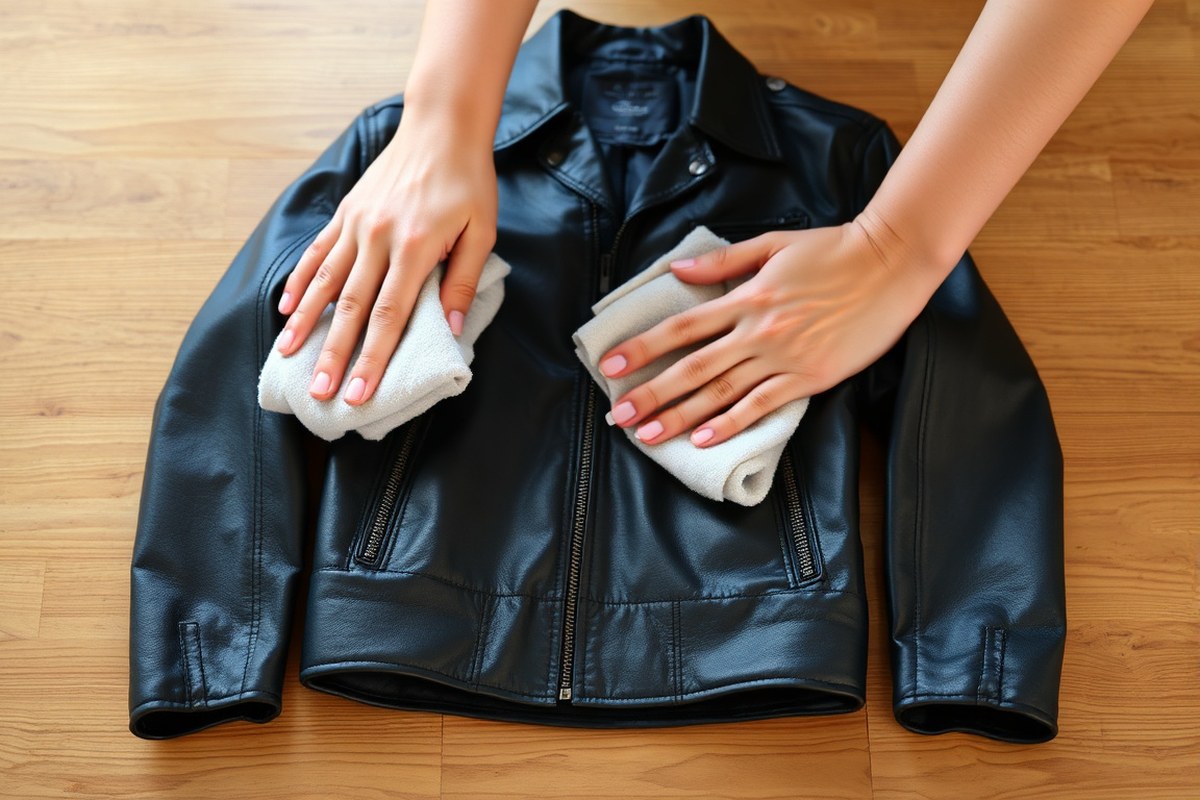
Washing a leather jacket at home requires gentle care and the right supplies to avoid damage. Avoid machine washing or soaking leather in water since this can cause stiffness, cracks, or color loss. Instead, clean your jacket using a mild soap or leather cleaner applied to a slightly damp cloth, followed by conditioning to keep the leather soft and supple.
Gathering the Right Supplies
Before starting, collect all materials needed to clean your leather jacket safely. Choose mild, leather-friendly products to avoid stripping the natural oils from the leather. Avoid harsh detergents or products not meant for leather care. You’ll need a soft-bristled brush to remove dust, a clean white cloth for testing and wiping, lukewarm water, mild leather cleaner or gentle soap (such as saddle soap or a dish soap with low additives), and a quality leather conditioner to restore moisture afterward.
Testing Cleaners on a Hidden Spot
Testing any cleaner on leather helps prevent unexpected discoloration or damage. This step matters most for lighter-colored or vintage jackets where the color may not hold up well.
Moisten a clean white cloth with lukewarm water and a small bit of your preferred cleaner. Test it on a hidden spot inside the jacket by gently dabbing. Let it sit for around 5 minutes to check for any fading, darkening, or texture shifts. When no changes show, you can safely clean the jacket’s exterior.
Step-by-Step Cleaning Process
Follow these steps to clean your leather jacket at home without causing harm:
- Brush off dust and loose debris. Use a soft-bristled brush to remove surface dust and dirt gently.
- Dampen a clean cloth slightly. Use lukewarm water, wringing out excess liquid so the cloth is just barely damp.
- Apply a mild leather cleaner or gentle soap. Add a drop or two on the damp cloth. Avoid soaking the leather.
- Wipe the jacket softly with the cloth. Move in circular motions, focusing on dirty or stained areas but being careful not to wet the leather excessively.
- Remove soap residue. Use another clean, slightly damp cloth with just water to wipe away any soap traces.
- Dry the jacket naturally. Hang it in a cool, well-ventilated spot away from direct sunlight or heat sources to prevent drying out or warping.
- Condition the leather once dry. Dab a small amount of leather conditioner on a clean cloth and apply evenly in circular motions. This step restores oils and maintains suppleness.
Avoid machine washing or tumble drying your leather jacket. Washing machines can cause shrinkage and damage the leather’s finish, while dryers create heat that leads to cracking and stiffness. Spot cleaning and conditioning preserves your leather’s look while extending its lifespan.
Removing Common Stains from a Leather Jacket

Removing common stains from a leather jacket involves first identifying the type of stain, then applying a suitable cleaning method to avoid damage. Different stains like oil, sweat, salt, and ink each require specific treatments. Using the right products carefully and knowing when to skip home remedies helps preserve the leather’s appearance and longevity.
Oil and Grease Stain Removal
Oil and grease stains can darken leather and cause long-lasting damage if not treated promptly. Special leather cleaning products such as sprays and wipes designed for grease removal are the safest approach. Apply the product with a sponge to dissolve the grease stain, then gently wipe it away with a damp cloth. Avoid overusing water since excessive moisture can create new stains or cause leather to stiffen.
Though some household items are tempting, table salt should not be applied: it absorbs grease but can scratch the leather while being removed. Instead, leather-specific degreasing sprays cost around $10 to $20 and usually come with instructions on application and drying times. Using these maintains leather’s softness and avoids discoloration.
Removing Sweat and Salt Stains
Sweat stains often leave ring-like marks due to salty residues from body perspiration. Salt from winter roads can create similar damage when it settles into pores. Such stains may feel stiff or darker than usual and tend to build up over time. Start by wiping the leather with a barely damp cloth to remove surface salt gently.
For persistent salt or sweat staining, use a mild, pH-balanced leather cleaner applied sparingly on a soft cloth, rubbing lightly in circular motions. Avoid household vinegar or coconut oil since vinegar’s acidity and oils can affect the leather finish adversely. After cleaning, let the jacket air dry completely at room temperature to prevent mold. Conditioning afterwards keeps leather supple and prevents cracking.
Dealing with Ink Marks and Mold
Ink stains are one of the toughest to remove, especially from smooth leather. Rubbing alcohol (isopropyl alcohol) is effective for light ink stains: apply a small amount on a cotton swab and dab gently. Test a hidden area first, as alcohol can strip color or finish. Avoid using alcohol on suede or rough leather which usually requires professional cleaning to prevent damage.
Mold growth appears as fuzzy spots, often after improper storage or excess moisture. Clean mold by brushing off dry spores outdoors, then wipe the leather with a cloth lightly dampened with a mixture of equal parts water and rubbing alcohol. Dry the jacket thoroughly in a well-ventilated space. If mold persists or the jacket smells musty, seek professional cleaning to avoid health risks and irreversible harm. The following table summarizes stain types and recommended cleaning methods for common leather jacket stains:
| Stain Type | Identification | Cleaning Method | Products to Avoid |
|---|---|---|---|
| Oil / Grease | Dark, shiny spots | Leather degreasing spray or wipes, sponge application | Table salt, too much water |
| Sweat / Salt | Ring-shaped stains, stiff texture | Mild leather cleaner, barely damp cloth rubbing, air dry | Vinegar, coconut oil |
| Ink | Dark marks, usually small | Rubbing alcohol on cotton swab, test first | Use on suede, aggressive scrubbing |
| Mold | Fuzzy spots, musty odor | Brush spores off outside, wipe with water-alcohol mix | Keeping wet, improper drying |
Test any cleaner on hidden leather sections before full application to avoid discoloration or damage.
Why Conditioning Your Leather Jacket Is Essential
Conditioning a leather jacket is essential to keep its natural oils intact, preventing dryness and cracking. Using the right conditioner and applying it properly restores softness and extends the jacket’s life. Typically, conditioning every six months to a year suits most wearers, depending on use and environmental exposure.
Why Leather Needs Conditioning
Leather is a natural material that loses moisture over time, especially with exposure to sun, wind, and rain. This loss leads to stiffness, cracking, and fading. Conditioning replenishes the oils that keep leather supple and flexible, protecting it from damage.
Without proper conditioning, the leather can become brittle, causing permanent damage that cheapens its appearance and reduces comfort. Conditioning also helps maintain the jacket’s shine and can prevent dirt and stains from absorbing deeply into the surface.
Choosing the Right Conditioner
Not all conditioners work equally well for every leather jacket. Look for a quality leather conditioner designed for garments, such as Lexol All-Leather Spray or Leather Honey Conditioner, which nourish without leaving a greasy residue. Avoid products with harsh chemicals or heavy waxes if your goal is softness over shine.
Adding a small amount of leather wax can provide a subtle shine or some waterproofing, but this step is optional and shouldn’t replace your routine conditioning. Test any product on a small, hidden area first to check for color changes or adverse reactions.
How to Apply and Buff Conditioner
Applying leather conditioner properly ensures even absorption and avoids damage. Use a soft microfiber cloth to work the conditioner into the leather gently without saturating it. Buffing the jacket afterwards helps spread the conditioner evenly and restores a natural-looking finish. Follow these steps to condition your jacket correctly:
- Ensure the jacket is completely dry and clean any surface dirt with a soft cloth before starting.
- Apply a small amount of conditioner to a clean microfiber cloth instead of directly on the leather.
- Gently rub the conditioner into the leather using circular motions, covering the entire surface evenly.
- Give the conditioner roughly 10 to 15 minutes to soak into the leather before moving on to the next step.
- Use a dry part of the cloth to buff the jacket, removing any excess conditioner and improving the sheen.
- Place the jacket in a dry, cool area away from sunlight to allow the conditioner to fully penetrate the leather.
- Repeat conditioning every six months to a year, or sooner if the jacket feels dry or stiff.
Overconditioning can cause the leather to feel sticky or attract dust, so apply sparingly. For jackets frequently worn in harsh weather or heavy use, applying conditioner every six months works well. For occasional wearers in mild conditions, once a year is usually sufficient.
Different Leather Types and How They Affect Cleaning
Leather jackets come in various types, each requiring a different approach to cleaning and maintenance. The most common types include smooth leather, suede, nubuck, and vintage leather. Smooth leather has a polished surface that reacts well to gentle cleaning with leather-specific products like Bickmore Bick 5, which is known for leaving no sticky residue. Suede and nubuck, however, have a delicate, textured finish that water and regular cleaners can damage easily. For these, you should use specialized products designed specifically for the texture, such as suede brushes and cleaners, or consider professional cleaning to avoid irreversible harm.
Vintage leather jackets often need special care because their aging process and finishing techniques can vary widely. The type of vintage leather can usually be identified through the garment’s collar tag or product label, which provides details on the hide and finish. This information guides the cleaning method and product choice because the wrong approach can cause discoloration, stiffness, or peeling. Testing any cleaner on a small, hidden area of the jacket first is essential to prevent damage and negative reactions.
Cleaning a leather jacket means recognizing when and how much cleaning is needed. Regular light cleaning every 2 to 4 weeks helps maintain appearance and prevents dirt buildup. Deep cleaning should happen every 6 to 12 months or when the jacket feels grimy or stained, but this varies depending on the leather’s sensitivity. Conditioning plays an important role in keeping leather soft and supple, typically needed when the jacket shows dryness or dullness, usually every 6 to 12 months.
Before cleaning, decide your leather type by checking the collar tag or doing a visual inspection for surface texture and finish. For smooth leather, use a damp cloth with a leather-specific cleaner and follow with a conditioner suited for smooth finishes. Avoid water on suede or nubuck; instead, use a suede brush and cleaner, and never apply oils or conditioners meant for smooth leather. Vintage leather cleaning may involve a stepwise procedure starting with dust removal, gentle cleaning, conditioning, and sometimes protection, varying by the jacket’s particular treatment and history.
Choosing the right product can seem costly but is worth the investment: a quality leather cleaner and conditioner will usually cost between $10 and $25 each and last a long time since minimal amounts are needed per cleaning. Using generic cleaners or household products risks damage that could require professional restoration, which is often much more expensive, especially for vintage or delicate leather. By following the label instructions and the small patch test rule, you avoid ruining the finish or texture while preserving your jacket’s longevity and value.
Drying Your Leather Jacket Without Damage
Dry your leather jacket naturally and avoid exposing it to heat sources like radiators, hair dryers, or direct sunlight. Heat causes the leather to dry unevenly, which can stiffen the material and lead to cracking. Instead, hang your jacket on a wide, padded hanger to keep its shape and allow air to circulate around it. Make sure the drying area is well-ventilated but away from drafts and extreme temperature changes.
In humid climates, drying a leather jacket may take 24 to 48 hours. Cooler and less humid environments might speed up the process, sometimes drying the jacket within 12 to 24 hours. Avoid rushing this step because incomplete drying can cause mildew or odors. To check if your jacket is dry, lightly touch the leather inside and out; it should feel dry to the touch but not brittle or crispy.
Do not lay the jacket flat on a surface to dry, as this can flatten the leather and create unwanted creases. Also, never use a clothes dryer or tumble dryer, as heat and tumbling can damage the leather permanently. For jackets that get moderately wet from rain, remove excess water carefully with a soft cloth, then follow the natural drying method. After the jacket is dry, applying a small amount of glycerin-based leather conditioner can help restore softness and give the jacket a natural shine.
In a situation where you must dry your jacket indoors during cold weather, place it on a hanger near a dehumidifier rather than a heater. This will help wick away moisture without heating the leather directly. For leather jackets with suede panels, extra care is needed; drying by air is still the safest, but use a suede brush after drying to maintain texture and appearance.
Never use a hair dryer or direct heat to dry leather, this damages the fibers and causes stiffness and cracking.
How Often to Clean and Condition Your Leather Jacket
Your leather jacket’s lifespan and appearance depend heavily on how often you clean and condition it. For jackets worn occasionally, a thorough cleaning once a year is enough to keep the leather in good shape. This involves a deep clean followed by conditioning to restore moisture and flexibility. Conditioning immediately after cleaning is important because leather can dry out and crack without proper moisture replenishment.
For jackets you wear daily, your maintenance routine needs to be more frequent. Light cleaning and conditioning every three to six months helps maintain suppleness and prevents premature aging. Use gentle cleaning methods to remove surface dirt or oils without stripping the leather’s natural oils. Conditioning every few months keeps the leather supple even under heavy use and exposure to varying weather conditions.
In between deep cleanings, focus on spot cleaning only when necessary. This reduces the need for frequent washing, which can stress leather fibers. The jacket’s lining should be washed no more than once a month if you wear it regularly, as excessive cleaning can weaken stitching and fabric integrity. Conditioning is not necessary every time you do light cleaning, but if the leather feels dry or stiff, apply a suitable conditioner.
A practical timeline looks like this: for casual wear, deep clean and condition once a year; for moderate to heavy use, do light cleaning every 1 to 3 months and condition every 3 to 6 months. Always condition immediately after a deep clean. This routine costs little beyond time and the price of a good leather cleaner and conditioner, typically $15 to $30 each, but it prevents expensive repairs or replacement.
Results of good maintenance include a jacket that feels soft and flexible, resists cracking and peeling, and maintains its color and finish. Neglecting conditioning after cleaning, or washing too often, may cause stiffness, fading, and dry patches. By adjusting the cleaning and conditioning frequency to how often you wear your jacket, you keep it looking sharp and comfortable without unnecessary treatments.
Common Mistakes That Can Ruin Your Leather Jacket
Washing a leather jacket incorrectly can cause irreversible damage, so it’s important to avoid common mistakes that harm the material. One of the biggest errors is putting your jacket in a washing machine. The agitation and water exposure can strip natural oils, cause shrinkage, and destroy the jacket’s finish. Drying leather too quickly or in direct heat is another frequent mistake that dries out and stiffens the leather, leading to cracks.
Using harsh soaps, detergents, or household cleaners not specifically formulated for leather may remove stains but often dry or discolor the material. Even using too much water during spot cleaning can leave water marks or cause the leather to warp. After washing, skipping conditioner will leave the leather vulnerable to drying and wear. Conditioning restores moisture and flexibility, preventing stiffness.
- Never wash your leather jacket in a machine or submerge it in water.
- Avoid household detergents; use products made for leather care only.
- Clean stains gently with a soft cloth and minimal moisture.
- Do not dry leather jackets under direct sunlight or with hairdryers.
- Condition the leather after cleaning to maintain suppleness.
- Apply a leather-safe protective spray to guard against water and stains.
- Test any cleaner or conditioner on a small, hidden area first.
If your leather jacket shows damage like discoloration, stiffness, or cracking after cleaning, apply a leather conditioner immediately. Use a small amount and gently rub it in with a soft cloth, allowing time for absorption. Avoid products with petroleum or silicone oils that can make the leather sticky or attract dirt. For severe damage, consult a professional leather specialist who can evaluate options such as deep conditioning treatments or restorations.
Taking time to use the right products, gentleness during cleaning, and regular conditioning ensures your leather jacket retains its appearance and durability. Trying to speed drying or rushing cleaning often leads to costly repairs or permanent damage that no home method can fully reverse.
When to Seek Professional Cleaning for Leather Jackets
You should seek professional cleaning for your leather jacket when the damage or stains are beyond simple home care. Examples include large or deeply embedded stains, significant water or weather damage, or signs of long-term wear and tear such as cracking or fading that you cannot address safely. Suede jackets and other delicate or specially treated leathers, like faux-croc or hand-painted finishes, also benefit from expert attention, since water and common soaps can cause discoloration or texture changes.
Common stain types that usually need professional care include oil spots from grease or makeup, ink stains, and paint. These can be difficult to remove without causing further damage or noticeable marks. Major water damage, such as saturation from heavy rain or spills that have soaked into the leather, also requires professional restoration to avoid stiffness or warping. Signs of general wear like fading, stiffness, or cracking often indicate that a leather specialist can better assess and properly condition the jacket to extend its life.
The cost of professional leather cleaning varies based on your location, the type of leather, the extent of damage, and the service provider. Generally, you can expect to pay between $50 to $150 for cleaning a standard leather jacket. More complex repairs, specialized treatments for delicate types such as suede, or extensive restorations could increase the price. Some professionals offer package deals that combine cleaning and conditioning, which may be more cost-effective over the long run.
Follow this checklist to decide if your jacket needs professional cleaning: check the leather type for special care instructions; assess the size and type of stains; note any physical damage such as cracks or stiff areas; and evaluate how long the jacket has gone without cleaning or conditioning. If your jacket meets several of these criteria, it’s safer to consult a professional to avoid costly mistakes.
When you take your jacket to a leather cleaning expert, they will typically test the leather’s reaction to cleaning products on a small, hidden area. This ensures the treatment won’t discolor or damage the garment. They use specialized cleaners and conditioners that home products can’t match, and tools designed to rinse and moisturize the leather carefully. Experts also offer repair services when needed, such as patching torn areas or recoloring parts to restore uniform appearance.
Attempting to clean heavy oil or ink stains on your leather jacket at home can make the damage worse, so leave these to professionals with the right solvents and experience.
Step-by-Step Action Plan for Leather Jacket Care
Follow these steps regularly to keep your leather jacket clean, conditioned, and in good shape without risk of damage.
- Before you start: Check your jacket’s label and type of leather to tailor your cleaning products and methods.
- Spot clean stains immediately: Use a damp cloth and mild soap on common stains; know it worked if the stain fades without leather damage.
- After initial cleaning: Let the jacket air dry flat away from direct heat to avoid shrinking or cracking.
- Weekly care: Wipe down your jacket with a dry cloth to remove dust, which keeps leather fresh and prevents dirt buildup.
- Monthly conditioning: Apply a leather conditioner designed for your jacket type; the leather should feel supple and not look dry once absorbed.
- Every 6 months: Inspect for cracks, fading, or stubborn stains that need professional cleaning to avoid worsening damage.
- Store properly: Use a padded hanger and breathable garment bag between wears to maintain shape and prevent moisture buildup.
Frequently Asked Questions
Can I Use Coconut Oil on a Leather Jacket?
Coconut oil is not recommended for leather as it can clog pores and attract dirt. Use a leather-specific conditioner instead to maintain softness and prevent damage.
Does Murphy’s Oil Soap Clean Leather?
Murphy’s oil soap can clean leather gently but use it sparingly and dilute it well. Always test on a small area first to avoid oversaturation or discoloration.
How to Clean Sweat Stains from Leather?
Wipe sweat stains with a damp cloth and mild soap, then rinse with a clean damp cloth. Dry the area thoroughly away from heat to avoid damaging the leather.
Can I Use Vinegar to Clean Leather?
Vinegar can remove salt stains when diluted with water, but avoid using it straight on leather regularly as it may dry the material out.
How Do I Remove Ink Stains from a Leather Jacket?
Dab ink stains gently with a cotton swab dipped in rubbing alcohol, avoiding rubbing. Test first on a hidden spot to ensure it doesn’t damage the leather.
Can I Machine Wash a Leather Jacket?
Machine washing a leather jacket is not safe and can ruin the material. Stick to spot cleaning and professional services for deep cleaning.
Before You Go
Proper care for your leather jacket starts with understanding its needs and following gentle cleaning and conditioning routines. Taking action with the right products and timing protects the leather’s natural qualities and appearance over time. Start today by identifying your leather type and testing a spot clean on a small area to build confidence for ongoing maintenance.