Does Washing in Hot Water Shrink Clothes? What Actually Happens & How to Control It
Washing in hot water can shrink clothes, especially those made from natural fibers like cotton and linen. Hot water causes fabric fibers to contract, leading to a size reduction of about 3% to 5% for many cotton garments. This effect is most noticeable when combined with high-heat drying. Knowing how different fabrics react to hot water helps you control shrinkage effectively.
This information is useful if you want to avoid unintentional shrinking or if you need to shrink clothes deliberately. You’ll also learn how to adjust washing settings and handle fabrics carefully to keep your clothes fitting right and looking their best over time.
Key Takeaways
- Hot water over 120°F (49°C) causes natural fibers like cotton and linen to shrink noticeably during washing.
- Denim typically reduces in size by around 3% to 4%, mostly shortening in length, after exposure to hot water washing and high heat drying.
- To prevent shrinkage, wash cotton blends and delicate fabrics in cold or warm water instead of hot.
- Using the hot water wash with a high-heat dry cycle shrinks cotton items by up to 5% after one treatment.
- Soaking shrunken garments in lukewarm water for 30 minutes can help relax fibers before reshaping.
- High-heat drying amplifies shrinkage and should be avoided if you want to maintain garment size.
Does Washing Clothes in Hot Water Cause Shrinkage?
Washing clothes in hot water can cause shrinkage, but it is not the water temperature alone that directly shrinks fabric. The main factor involves a combination of heat, moisture, and mechanical agitation during washing, followed by high heat drying. Hot water, typically above 120°F (49°C), relaxes and swells natural fibers like cotton, making them more prone to contraction, especially when combined with the tumbling action of the washing machine.
Hot water weakens the tension in fabric fibers, allowing them to contract more easily. However, washing in hot water by itself, without subsequent drying heat, usually does not cause significant shrinkage. The biggest shrinkage occurs when hot-washed clothes are put into a dryer set to high heat, which further tightens and shortens the fibers. For example, cotton and denim fabrics are known to shrink noticeably (around 3-4% in denim length) when exposed to this heat combination. Items like towels and sheets made from 100% cotton can also shrink when washed in very hot water due to fiber contraction.
The washing machine’s agitation adds to shrinkage by physically disturbing the fabric, causing fibers to rub and compress. This action, combined with detergent and water at high temperatures, creates the conditions that lead to shrinkage. Yet, without the heat from drying, this effect is limited. Air drying or sun drying after washing in hot water leads to gentler shrinkage, if any, because the fibers cool and dry more gradually, stabilizing their size.
Different fabrics respond uniquely to hot water. Natural fibers like cotton shrink more when exposed to hot water and drying heat, while synthetic fibers such as polyester require high dryer heat after washing to shrink effectively. Delicate materials like silk cannot handle hot water or high heat without damage and usually require gentler handling to prevent shrinkage or other harm.
Choosing hot water for washing has an important impact on whether your clothes will shrink. Washing in water over 120°F combined with a hot dryer setting often leads to the most shrinkage, especially for natural fibers. Washing in hot water alone will swell fibers and loosen tension but won’t cause the full shrink effect unless followed by drying heat. This explains why clothes can sometimes feel tight or smaller after a full wash-and-dry cycle using hot water and high heat. In some cases, washing in cold water helps prevent shrinkage because the fibers remain more stable during the process.
Which Fabrics Shrink Most from Hot Water Washing?
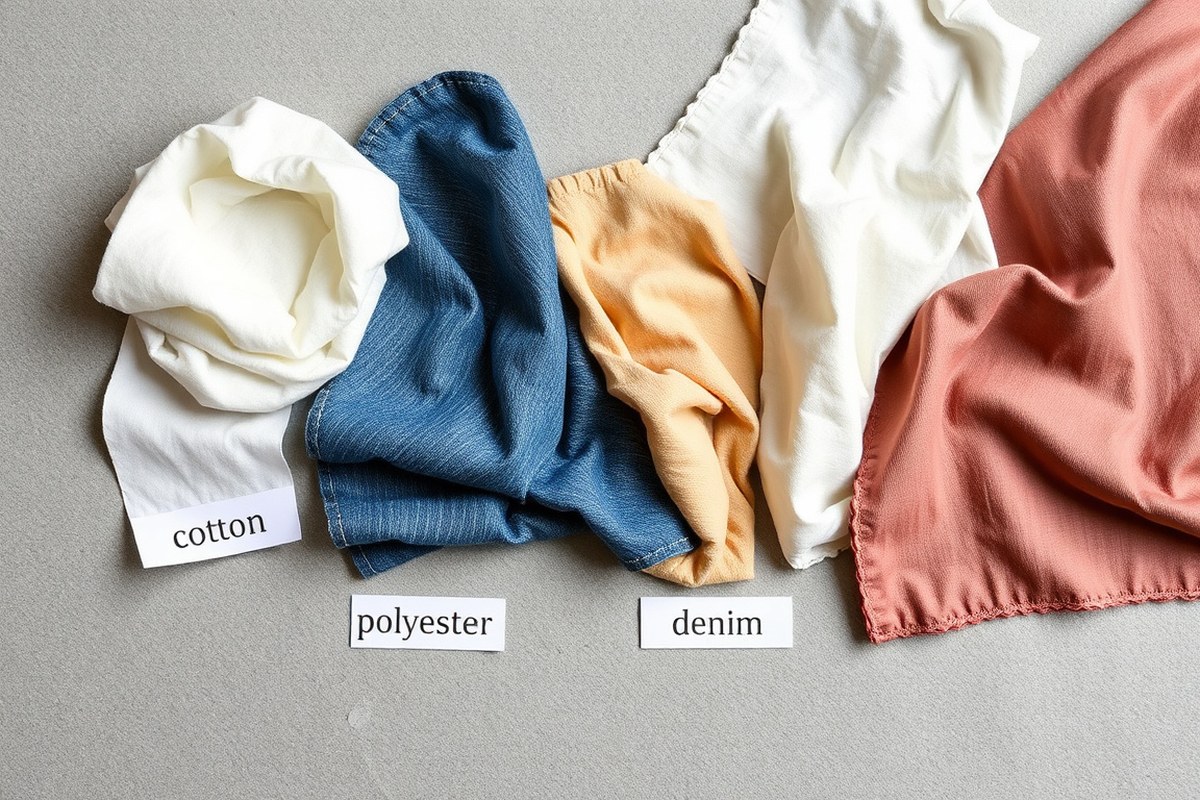
Natural fibers such as cotton, wool, and linen generally shrink the most when washed in hot water. This is due to their internal fiber structure, which relaxes and contracts when exposed to heat and moisture. Cotton typically shrinks between 3% and 5% after one hot wash and drying cycle, with 100% cotton fabrics showing the highest shrinkage. Wool is highly sensitive and prone to extreme shrinkage if not handled with cool water and gentle cycles. Linen also shrinks about 3% to 5%, although careful washing can help limit its shrinkage. Denim, made primarily from cotton, usually shrinks 3% to 4% when exposed to hot water and high heat in the dryer.
| Fabric | Shrinkage Percentage Range | Shrinkage Risk at Hot Water |
|---|---|---|
| Cotton (100%) | 3% – 5% | High |
| Denim | 3% – 4% | Moderate to High |
| Wool | Variable (can be extreme) | Very High |
| Linen | 3% – 5% | Moderate |
| Polyester | 0% (negligible) | Low |
| Silk | Minimal to Slight | Low to Moderate |
Synthetic fabrics such as polyester generally show little to no shrinkage when washed in hot water. Their fibers are made of plastic polymers that resist the heat and moisture effects that cause shrinkage in natural fibers. Silk, which is a natural protein fiber, does not shrink as dramatically as cotton or wool but still requires careful washing and tends to be labeled dry-clean only to avoid damage. Some fabrics, like cashmere, should never be washed in hot water due to high shrinkage risk and fabric damage. The balance in handling fabrics involves knowing their shrinkage potential and selecting the right temperature to preserve garment size and texture.
Hot water exposure combined with a high heat dryer cycle is most effective for shrinking cotton and denim, but can severely shrink wool or damage delicate fabrics like silk and cashmere.
How Hot Water Actually Causes Fabric Shrinkage
Hot water causes fabric shrinkage by loosening the fibers at a molecular level, allowing them to contract and lock into a smaller shape. This process involves heat increasing fiber energy, disruption of internal bonds, and mechanical action pushing fibers closer together. The combination of heat and agitation tightens the fabric’s structure, leading to the noticeable size reduction after washing.
Molecular Changes in Fibers from Heat
Fabric fibers, especially natural ones like cotton and wool, are made up of long chains of molecules held together by hydrogen bonds. Hot water raises the fibers’ energy, making the molecules vibrate and move more rapidly. This extra motion breaks some of the hydrogen bonds, temporarily opening up the fibers. When fibers open, they become more flexible but also more vulnerable to rearranging into a smaller, denser form.
Water temperatures around 120°F (49°C) and above tend to be hot enough to cause this effect. Cold water keeps fibers’ hydrogen bonds stable and closed, preventing shrinkage. The exact temperature effective for shrinkage depends on the fiber type and quality, but generally, hotter water increases the likelihood and extent of shrinking.
How Agitation Forces Fibers to Contract
Mechanical agitation from washing machines adds a physical force that pushes fibers against each other while they are swollen and flexible from the heat. This friction causes the fibers to slip, interlock, and pack tighter together. Agitation moves the fibers around repeatedly, encouraging them to settle into this new, smaller arrangement.
Machine cycles with vigorous spinning and tumbling multiply the tightening effect. This is why fabrics are more likely to shrink during standard or heavy wash cycles in hot water rather than gentle cycles. Overdrying in the dryer increases this effect further by continuing to force fibers closer as moisture evaporates.
Step-by-Step Fiber Reaction During Hot Wash
First, hot water temperature causes fibers to absorb moisture and swell, breaking hydrogen bonds between molecules. Next, the fibers loosen and open, increasing their flexibility. Then, agitation moves fibers around and rubs them against each other, causing some to shift position and slide closer together. Finally, the water drains away and the fibers begin to dry, locking the new, smaller configuration into place as the hydrogen bonds reform in tight positions.
This entire process happens within a typical washing cycle, which usually lasts from 30 to 60 minutes. Both water temperature and agitation intensity greatly influence how much the fibers contract. Skipping hot water or using a gentle cycle slows or prevents these changes.
Drying’s Role in Setting Shrinkage
After washing, drying plays a critical role in finishing shrinkage. As water evaporates, fibers lose moisture and tighten further. High heat in dryers accelerates this moisture loss and forces the fibers closer together. Continued tumbling during drying improve fiber interlocking and permanent contraction.
Air drying or tumble drying at low heat can reduce how much a fabric shrinks, especially if agitation was minimized during washing. Overdrying can cause excessive shrinkage even if the wash cycle was gentle. Monitoring drying time and heat helps control final garment size.
Safe Washing Machine Settings to Prevent or Control Shrinkage
You can prevent unwanted shrinkage by choosing the right water temperature and washing machine cycle for each fabric type. Cold water washes at around 60°F (16°C) reduce the risk of shrinking because they avoid the heat that causes fibers to contract. Using gentle or delicate cycles also minimizes agitation, lowering mechanical stress on fibers that can lead to shrinkage or distortion.
Hot water, usually above 120°F (49°C), can shrink fabrics that are prone to heat, especially natural fibers like cotton and wool. When you want to control shrinkage intentionally, selecting a hot water cycle combined with high heat drying can help. However, this comes at the cost of potential damage to your clothes, such as fabric weakening or color fading, so use this option sparingly and only on durable items you want to shrink.
Balancing cleaning effectiveness and shrinkage risk involves understanding your garments’ labels and the nature of the stains or dirt you want to remove. Cold water with an appropriate detergent cleans well for most everyday loads and preserves fabric size and shape. Reserve warm or hot water cycles for heavily soiled items or linens that can tolerate heat. Use extra rinse cycles to remove detergent residues that might degrade fibers over time.
- Wash cotton and wool in cold water on a gentle cycle to prevent shrinkage and distortion.
- Use warm water (around 90°F or 32°C) only for fabrics labeled colorfast and wash separately.
- Choose a delicate or hand-wash cycle for sweaters and blends to reduce mechanical agitation.
- Avoid hot water washes for synthetic fabrics to prevent misshaping and damage.
- Air dry flat or use low heat settings on dryers to minimize post-wash shrinkage and maintain shape.
- For intentional shrinking, wash clothes in hot water (around 130°F or 54°C) and dry on high heat, monitoring closely.
- Check garment care labels and never exceed recommended water temperatures or cycle settings.
Many washing machines allow customizing cycle length and agitation speed. Selecting shorter cycles or lower spin speeds can reduce fiber stress, cutting down the chance of shrinking. Excessive tumbling combined with heat causes fibers to break down or return to their crinkled state, leading to size loss. Therefore, applying a careful balance of water temperature, cycle gentleness, and drying method is key to preserving your clothes’ fit.
Step-by-Step Methods to Shrink Clothes Using Hot Water
You can shrink clothes using hot water by soaking or washing them in high temperatures, followed by drying methods that encourage fabric contraction. Control the temperature, duration, and drying process carefully to achieve noticeable shrinking without damaging the item.
Preparation: Checking Fabric and Labels
Start by reading the care labels on your clothes to confirm they tolerate hot water and drying heat. Some fabrics like wool or silk shrink unpredictably or can get damaged, so avoid shrinking those at home. Make sure clothes are clean before shrinking, as dirt and oils can affect the shrinking process.
Gather natural detergent and prepare your washing area with energy-efficient equipment when possible for an eco-friendly approach. Knowing exactly what the fabric can handle helps you plan the shrinking method safely.
Hot Water Washing and Soaking Guidelines
Hot water promotes fiber contraction that causes shrinkage. For best results, soak your garment in water heated to around 130°F to 140°F. Set a timer for about 30 minutes so the fabric absorbs the heat evenly. After soaking, rinse the item in cool water to lock in the shrinkage without shocking the fibers.
When using a washing machine, select the hottest water setting compatible with the fabric. Use a normal wash cycle but keep the time moderate to avoid over-shrinking. Repeat the cycle if you want more shrinkage, but monitor the fabric closely after each wash.
- Check the garment’s care label to confirm it can handle hot water and heat drying.
- Wash or dry clean the garment to ensure it is clean before shrinking.
- Fill a basin or washing machine with water heated to 130°F, 140°F (54°C, 60°C).
- Soak the garment for 30 minutes, setting a timer to track exact time.
- Rinse the garment in cool water to preserve the shrinkage effect.
- When washing in a machine, choose the hottest water setting and a normal wash cycle.
- Repeat washing and soaking cycles if needed for gradual shrinking.
Track time carefully during the soak or wash to avoid over-shrinking or damaging the fabric.
Drying Techniques to Finish Shrinking
Heat drying intensifies shrinkage by forcing fibers to contract further. Use a hot dryer setting for cotton or denim items, monitoring the clothes closely to stop the cycle as soon as you reach the desired size. For delicate fabrics, air drying in a warm, well-ventilated area helps control shrinkage without excessive contraction.
Check the garment right after drying. Repeat washing with hot water and drying in smaller increments to shrink it more if needed. Letting clothes finish drying naturally avoids over-contraction and maintains fabric quality.
How to Unshrink Clothes After a Hot Water Wash
Clothes that shrink after washing in hot water can often be unshrunk, but the results vary depending on the fabric and how much shrinkage has occurred. The key is to carefully relax the fibers and stretch the garment back toward its original size while it is still damp or flexible. Complete restoration is rarely possible, especially if the shrinkage was extreme, but you can usually recover enough size to wear the garment comfortably again.
One common method is soaking the shrunken item in lukewarm water mixed with a gentle hair conditioner or baby shampoo. These products help relax the fibers and make them easier to stretch. Soak the garment for about 30 minutes, gently squeeze out excess water without wringing, then lay it flat on a towel to stretch it back to shape. This process can restore half an inch or more in length or width for many cotton and wool items.
Stretching and rewashing can also help, especially for natural fabrics. After the initial soak, you can rinse the garment in cool water and repeat gentle stretching while drying. Avoid heat at this stage, as it can cause further shrinkage. The effectiveness depends on how tightly the fibers shrank and the fiber type; wool responds well to this, while polyester and acrylic shrink less and may not unshrink much.
- Soak in lukewarm water with 1 tablespoon of hair conditioner per quart for 20 to 30 minutes.
- Gently squeeze out water; do not wring or twist the garment.
- Lay flat on a clean towel and stretch the item evenly back to size.
- Use heavy objects or weights on edges to hold the garment stretched while it dries.
- Repeat soaking and stretching if the first attempt doesn’t fully restore size.
- For wool, a cool rinse followed by reshaping on a flat surface works best.
- Avoid heat such as hot water or dryers during the unshrinking process.
Products like hair conditioner are affordable and readily available at most stores, usually costing under $10 for a bottle that lasts multiple treatments. These cost-effective methods take about an hour per session including soaking and drying time. While they won’t make a heavily shrunk shirt fit like new, recovering one or two sizes is common. Stretching too aggressively risks deforming the fabric or seams, so apply even, gentle pressure. Some garments with tight weaves or synthetic blends might not respond well, and professional help could be necessary for delicate or high-value items.
Common Shrinkage Mistakes and How to Fix Them
One common mistake that leads to accidental shrinkage is drying clothes at high heat. Many fabrics, especially cotton and wool, can shrink permanently in a dryer if the temperature is too high. Avoid using the high or extra hot drying settings and instead opt for low heat or air-dry options. This requires little effort and protects your clothes from unwanted size changes.
Another frequent error is washing clothes in water that is hotter than the fabric label recommends. For example, using hot water on delicate or natural fibers may cause them to contract. Always check the care tags and select the cold or warm water setting if instructed. Cold water washing reduces the risk of shrinking and is often more energy-efficient as well.
Trying to shrink an item by washing and drying it multiple times at high heat can backfire. Excessive heat exposure can damage fibers, causing stiffness or uneven shrinkage rather than a uniform reduction in size. When shrinking is desired, limit the drying time to 15-20 minutes at medium heat and inspect frequently. Stop as soon as the garment reaches the preferred fit.
- Using hot water instead of warm or cold: switch to cold water setting
- Drying on high heat: choose low heat or air-dry cycles
- Ignoring fabric care labels: follow manufacturer’s washing instructions strictly
- Over-drying clothes: remove garments promptly when they are slightly damp
- Repeating high-heat drying too often: limit drying sessions to avoid fiber damage
- Mixing fabric types in the same load: wash delicate items separately
Recognizing that the dryer causes more shrinkage than the washer helps you adjust your process quickly. If you notice a favorite shirt shrinking, try air-drying similar clothes next time or use a drying rack indoors. To fix accidental shrinkage, gently stretch the damp garment back to its original size and let it air dry flat. This can restore some of the lost length or width without risking further shrinkage.
Mistakes made while trying to shrink clothes intentionally often include overheating and over-drying. Keep the heat moderate and check the garment every 5-10 minutes during the drying cycle to avoid damaging the fabric. Using boiling water or leaving clothes in hot water too long may also weaken fibers. Instead, soak in warm water for about 30 minutes to achieve gradual, controlled shrinkage.
When to Seek Professional Laundry Care for Shrinkage Issues
You should consider professional laundry care when shrinkage threatens valuable or delicate garments that home treatments can’t safely fix. Items with high price tags, sentimental value, or made from complex fabrics benefit most from expert handling. Professionals offer targeted cleaning and restoration methods that limit further damage and sometimes reverse mild shrinkage.
Signs a Garment Needs Professional Attention
Garments showing uneven shrinkage, severe distortion, or damage to seams and fabric texture require professional care. Delicate materials like wool, silk, or blends often react unpredictably to home shrinking attempts and can lose shape or softness. If the care label warns against hot water or aggressive washing, choosing a service experienced with that fabric is wise.
Sentimental clothing such as heirlooms or expensive items over $100 should be inspected by professionals before you try to fix shrinkage yourself. Many manufacturers provide specific shrinkage percentages on tags, and if your garment has shrunk beyond those margins, an expert can assess the best restoration steps. Professional treatment also matters if multiple fabrics are blended, since they may respond differently to heat and moisture.
Professional Shrinkage Reversal Methods
Specialized laundry services use controlled steaming, delicate wash cycles, or mild chemical relaxers that reshape fibers without causing additional shrinkage. These techniques can gradually restore fabric dimensions or soften stiffened areas more effectively than home soaking or ironing. Ultrasonic cleaning and professional blocking (reshaping and drying on forms) provide extra precision.
In some cases, tailor services collaborate with cleaners to alter seams or reinstate cut lines without compromising garment integrity. This option minimizes replacing the item altogether. The ability to safely combine cleaning with gentle reshaping depends on fabric type and shrinkage extent. Your professional cleaner can advise specific treatments based on fiber composition and garment construction.
Cost and Value Considerations for Professional Care
Professional laundry for shrinkage prevention and restoration typically costs between $20 and $50 per item, with possible higher rates for bulky or special-care garments. Many services offer 20% off first orders to ease costs. While expensive compared to home washing, the cost is often justified for garments worth $100 or more or those with irreplaceable value.
Attempting costly DIY fixes may damage clothes further, leading to replacement expenses that far exceed professional fees. Professionals not only prevent additional shrinkage but also extend garment lifespan through expert fabric care. This investment helps protect clothing budgets over time by reducing the need for full wardrobe replacements after shrinkage incidents.
Always show your garment’s care label to the cleaner and describe any shrinkage issues to get advice tailored to your fabric’s needs.
Step-by-Step Action Plan to Manage Clothes Shrinkage
Follow these steps to control or reverse shrinkage caused by hot water washing. Each phase helps you check progress and adjust your care routine.
- Before Washing: Read care labels to identify fabrics prone to shrinkage like cotton and wool. Knowing this helps you choose the right water temperature.
- During Washing: Use warm or cold water settings instead of hot for vulnerable fabrics. Check after the cycle to ensure clothes maintain their size.
- Right After Washing: Remove clothes promptly to reduce heat exposure. Gently reshape damp garments that have shrunk to their original dimensions.
- Drying Phase: Air dry or choose low heat settings on your dryer to avoid further shrinkage. Confirm clothes have dried without additional size loss.
- First Shrinkage Check: After drying, measure or try on clothes that were in hot water to see if they shrunk. Note any size changes to guide future washes.
- If Shrinkage Occurs: Soak the shrunken garment in lukewarm water with hair conditioner, then gently stretch it. Test the fit again after drying to see improvement.
- Ongoing Care: Wash sensitive fabrics using recommended settings and handle reshaping immediately after washing. Monitor clothes regularly to avoid surprises.
Frequently Asked Questions
How Often Do Japanese Do Laundry?
Japanese households typically do laundry about 2 to 3 times per week, depending on family size and clothing needs. The frequency helps keep clothes fresh and reduces the risk of mildew or odors.
What Is the 30 Minute Laundry Rule?
The 30 minute laundry rule suggests removing clothes from the washer within 30 minutes to prevent mildew and wrinkles. Prompt unloading helps maintain fabric quality, especially for delicate items prone to damage when left wet.
Will 100% Cotton Shrink Should I Size Up?
Yes, 100% cotton can shrink 3% to 5% after washing and drying in hot water. Sizing up or washing in cold water with low heat drying reduces the risk of unwanted shrinkage for cotton garments.
Is It Better to Wash Your Clothes in Cold or Hot Water?
Cold water is better for most clothes to prevent shrinkage and color fading, while hot water is suitable for cotton sheets and towels needing deep cleaning. Choose based on fabric type and cleaning requirements.
Can Washing Clothes in Hot Water Fade Colors?
Yes, hot water can cause colors to fade faster, especially in dark or bright fabrics. Use cold water for colorful clothes to keep them vibrant longer.
Does Repeated Washing in Hot Water Increase Shrinkage?
Yes, repeatedly washing clothes in hot water can cause gradual shrinkage over time. Limit hot water washes to necessary items to avoid excessive size reduction.
Wrapping Up
Hot water is a common cause of fabric shrinkage, especially for natural fibers like cotton and wool, due to the way heat and agitation affect the fibers. Taking immediate steps after washing, such as reshaping damp garments or avoiding high heat in drying, can minimize or reverse shrinkage. Your next move should be to check your most-washed garments for shrinkage and then adjust your water temperature settings based on their care labels to protect their size. This simple adjustment preserves your clothes’ fit and extends their life.