Does Washing Clothes in Hot Water Shrink Them? What Actually Happens to Fabrics
Using water temperatures around 130°F or above to wash clothes often causes shrinkage in natural materials such as cotton, wool, and linen. These higher temperatures expand and then tighten the fibers, which reduces the overall size of the fabric. Synthetic fabrics usually hold up better against shrinking but can still shrink slightly or get damaged when exposed to too much heat. Knowing how different types of fabric respond to hot water assists you in avoiding unwanted shrinkage.
This information targets homeowners and laundry doers concerned with fabric care and shrinkage. You’ll learn how hot water affects your clothes, when to use it despite risks, and how to keep your garments looking their best without losing size or shape.
Key Takeaways
- Use cold water below 80°F to minimize shrinkage, especially for cotton, wool, and linen.
- Hot water above 130°F removes allergens and grease but increases shrinkage risk for natural fibers.
- Expect 3-5% shrinkage in non-preshrunk cotton when washed in hot water.
- Synthetics shrink less but can still contract slightly or weaken in very hot water or dryer heat.
- Wash 100% cotton on a delicate cycle using cold water and air dry to avoid shrinking.
- Hot water kills dust mites, making it ideal for bedding of allergy sufferers despite shrinkage risks.
Does Washing Clothes in Hot Water Cause Shrinkage?
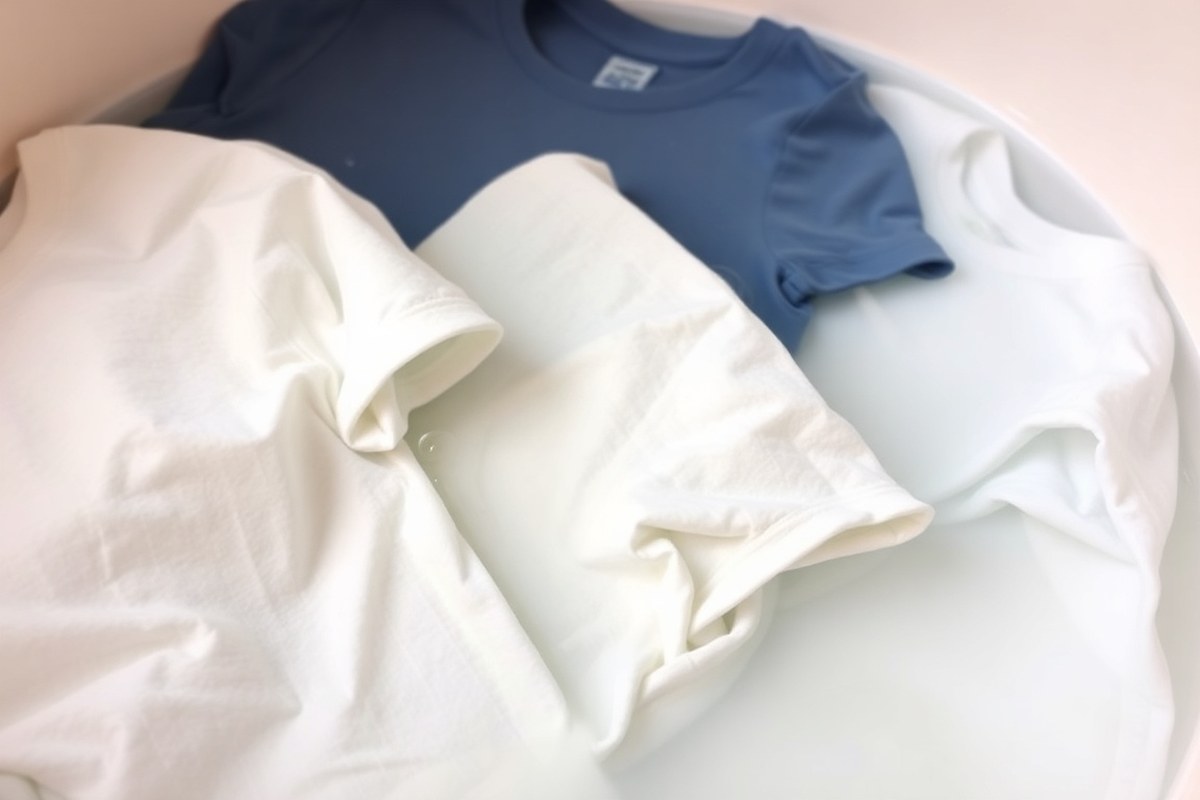
Washing clothes in hot water does not always cause shrinkage, but heat exposure is a key factor. Hot water around 130°F (54°C) or higher can cause natural fibers like cotton and wool to shrink because heat relaxes the tension in the fabric fibers, allowing them to contract. Synthetic fibers such as polyester generally resist shrinking in hot water. Shrinkage depends on the fabric type, water temperature, and how the garment was made. For example, tightly woven or pre-shrunk fabrics will shrink less or not at all during a hot water wash.
Shrinkage from washing in hot water is often permanent because the fibers have tightened and no longer have the original shape or size. Applying heat again usually keeps the fibers contracted. However, some garments may regain size by gently stretching them while damp or washing in cooler temperatures after shrinking. Rough handling or machine drying at high heat after a hot wash usually locks the shrinkage in place, making it irreversible.
Drying heat generally causes more shrinkage than washing in hot water. Even low or medium dryer heat can shrink fabrics, while high dryer heat leads to more dramatic size reduction. Dryers apply direct heat and mechanical tumbling, which compresses fabric fibers further. Because of this, many clothing care labels warn against high dryer heat, especially for shrink-prone items. If you want to limit shrinkage, washing in hot water may cause some contraction but avoiding dryer heat or air drying is often more effective to preserve size.
To minimize the risk of shrinkage, control water temperature and drying methods carefully. Washing at or below 80°F (27°C) reduces shrinkage risk significantly, especially for fibers like cotton and wool. When you use hot water, keep drying temperatures low or use an air-dry setting. On the other hand, if shrinking is desired, combining hot water washing with high dryer heat reliably shrinks items like denim or cotton shirts. The key is knowing your fabric and adjusting both water temp and drying heat to match your care goals.
How Hot Water Affects Different Fabrics and Fibers
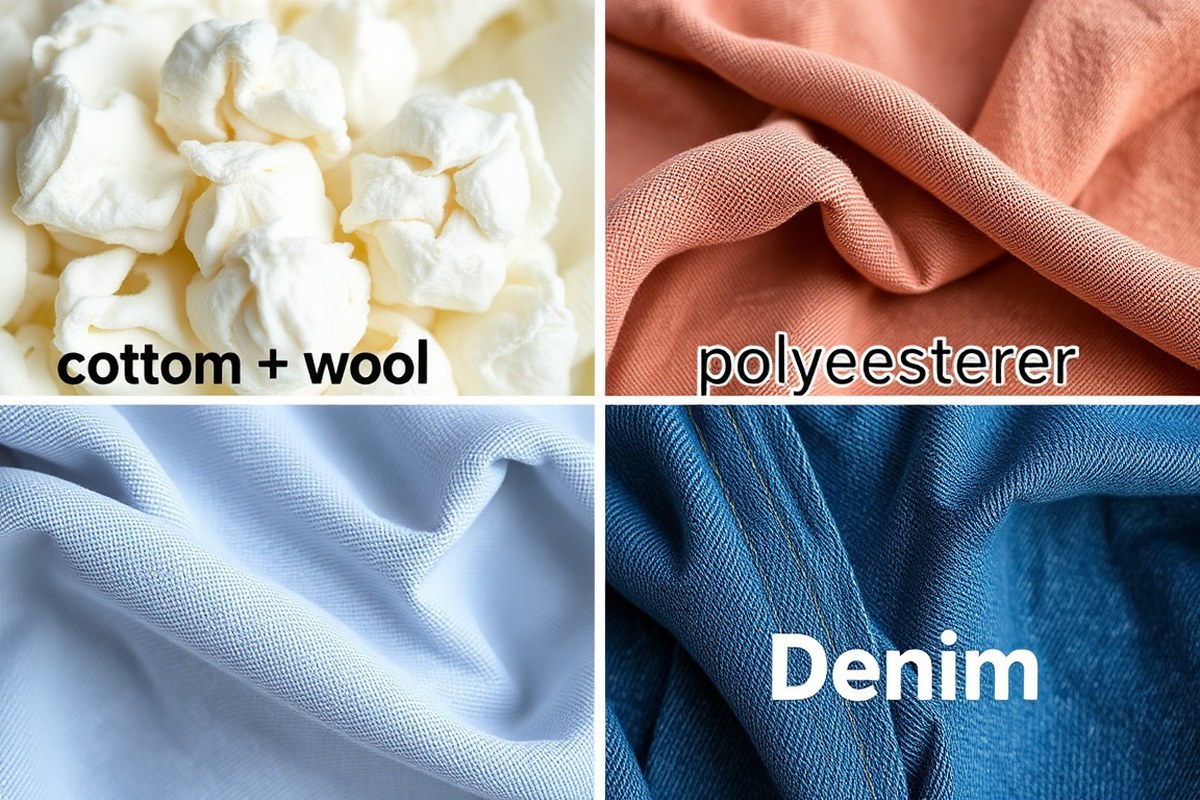
Fabrics made from natural fibers are the most prone to shrinking in hot water because their fibers absorb moisture and contract as they heat up. Cotton, wool, linen, and rayon all have a natural tendency to return to their original, tighter state when exposed to heat and water, which leads to noticeable shrinkage. For example, a 100% cotton T-shirt that has not been pre-shrunk may lose its shape significantly if washed in hot water.
Synthetic fabrics like polyester and nylon resist shrinkage much better in hot water because their fibers are more heat-resistant and do not absorb water the same way natural fibers do. However, even synthetics can shrink if exposed to extreme temperatures; polyester may shrink about 1% in boiling water, and nylon can start shrinking at temperatures above 180°F (82°C). Silk, a protein fiber, is sensitive to hot water as well and can warp or shrink due to the tightening of its weave, especially when loosely woven.
The fiber weave or knit type also influences how much a fabric shrinks in hot water. Tightly woven fabrics tend to resist shrinkage more than loosely woven ones because the close thread pattern limits how much the threads can contract. For instance, tightly woven silk shrinks less than loosely woven silk, and dense denim made from cotton shrinks more predictably when washed hot. In contrast, open-knit cotton garments might shrink unevenly due to varied fiber tension.
| Fabric Type | Shrinkage Risk in Hot Water | Typical Shrinkage Characteristics |
|---|---|---|
| Cotton | High | Fibers contract and tighten; common to shrink several percent; pre-shrunk cotton is less affected |
| Wool | High | Fibers felt and contract when agitated and heated; noticeable shrinking occurs |
| Denim (Cotton) | High | Susceptible to shrinkage due to cotton fibers; shrinkage worsens without preshrinking |
| Silk | Moderate | Heat-sensitive; loosely woven silk shrinks more than tightly woven |
| Polyester | Low | May shrink up to 1% at boiling temperatures; minimal in typical hot wash |
| Nylon | Low to Moderate | Shrinks above 180°F (82°C); generally heat-resistant under normal washing conditions |
| Linen and Rayon | High | Natural fibers; shrink when washed hot due to fiber tightening |
Careful selection of water temperature based on fabric type can reduce the risk of shrinkage. Avoid hot water for cotton, wool, linen, and rayon unless necessary. For synthetic blends, hot water is less risky but should still be controlled to preserve garment shape and avoid potential damage during drying. Understanding fabric construction helps anticipate how hot water might change your clothes’ fit.
Use cold water cycles for natural fibers like cotton and wool to minimize shrinkage risks while still cleaning effectively.
Why and How Does Heat Cause Fabric Fibers to Shrink?
Hot water causes fabric fibers to shrink by triggering physical changes at the microscopic level. When fibers like wool or cotton are exposed to heat combined with agitation during washing, the structure of these fibers reacts. Wool has a surface covered with tiny scales, similar to shingles on a roof. Hot water and motion cause these scales to open and catch onto each other, locking the fibers tightly together. This matting effect makes the fabric denser and physically smaller. Cotton, while lacking scales, shrinks because heat relaxes the fiber’s tension, allowing the yarns to tighten and pull the fabric inward.
Heat affects fibers by first relaxing them, which means they lose the stretched shape created during manufacturing and wear. This relaxation lets fibers return closer to their original, more compact state. In wool, the scales interlock during agitation, preventing the fibers from sliding apart again. For cotton, heat softens the fibers and allows them to contract. This tightening reduces the overall size of the fabric. The exact temperature that causes these effects can vary, but exposure to water above about 120°F (49°C) usually starts to make shrinkage more likely, especially when combined with mechanical action like a washing machine’s agitation cycle.
Repeated washing in hot water can increase shrinkage over time. Each cycle exposes the fibers to heat and motion, encouraging more scales to lock and yarns to contract a bit further. For wool, this causes ongoing irreversible matting, while cotton fibers gradually tighten with each wash. Even clothes that have been pre-shrunk before sale can experience this slow additional shrinkage if consistently washed in hot water. Agitation during washing and the heat from drying both add to these effects, so a high heat wash followed by a hot dryer cycle can multiply the shrinkage impact on many fabrics.
The way to control shrinkage is to manage both temperature and agitation. Washing clothes in cooler water limits how much fibers relax and how much wool scales interlock. Gentle wash cycles reduce mechanical stress on fibers, preserving fabric size. While hot water causes fibers to shrink by relaxing and tightening their structure, a careful wash routine controls these factors to maintain your clothes’ shape and size over multiple washes.
How Long Does It Take for Hot Water to Shrink Clothes Noticeably?
Noticeable shrinkage of clothes in hot water usually happens during the first one to three wash cycles, depending on fabric type and washing conditions. Cotton garments like t-shirts, hoodies, and denim tend to show shrinkage after a single hot wash when water reaches temperatures around 130°F (55°C) or higher. The heat causes fibers to contract quickly, and agitation in the washing machine can speed this process. Overdamped heat combined with vigorous agitation will make shrinkage more pronounced and faster.
The speed and duration of agitation influence how fast shrinkage becomes visible. Longer wash cycles or higher agitation settings apply more mechanical stress to fibers, which promotes tightening and shrinking. For example, using the longest hot water cycle available with strong agitation will cause quicker, more significant shrinkage compared to a quick gentle cycle. Hand washing, which involves less agitation, tends to slow down the shrinkage process even if hot water is used.
Shrinkage does not always happen immediately or uniformly. Some fabrics shrink gradually over several washes, especially if washed repeatedly in warm or hot water. An untreated cotton shirt might shrink a noticeable 3 to 5 percent after the first hot wash, then continue shrinking slightly with each additional hot water wash or overdrying. Pre-washed garments can still shrink, but the initial change is usually less dramatic because a portion of shrinkage has already occurred during manufacturing.
The exact timeline depends on how long clothes stay in hot water and the washing cycle length. For quick cycles of around 30 minutes at temperatures near 130°F, noticeable shrinkage can appear right after the first wash. Tub soak times longer than 30 minutes or additional drying in high heat will exacerbate shrinkage. Avoiding overdrying or reducing agitation can delay shrinkage, although not always prevent it entirely with repeated hot washes.
For people concerned about shrinkage but needing hot water for hygiene, limiting washes to the shortest cycle at the lowest effective agitation reduces fabric stress. A combination of cold and warm water washes alternated with occasional hot washes can slow gradual shrinkage without sacrificing cleanliness. If shrinkage is desired, washing on the longest hot water cycle with high agitation is the effective method to accomplish quick, noticeable size reduction.
Best Ways to Prevent Shrinkage When Washing Clothes
You can prevent shrinkage by washing clothes in cold or lukewarm water, following fabric care labels, and avoiding high heat during washing and drying. Natural fibers like cotton, wool, silk, and linen are especially prone to shrinking, so using gentle settings helps preserve their size and shape.
Check Fabric Care Labels Carefully
Fabric care labels provide essential instructions to help protect your clothes from shrinking. Look for symbols that indicate water temperature limits, recommended washing cycles, and drying methods. These labels often specify if an item requires cold water or a delicate cycle, which is important for natural fiber garments and delicate fabrics like wool and silk.
Ignoring care labels can lead to unintentional shrinkage or damage. For instance, wool garments typically require washing in cold water or a wool-specific cycle to prevent fibers from contracting. Silk and lace also need careful handling, with warm water and low heat drying suggested to avoid shrinkage and fabric distortion.
Use Cold or Lukewarm Water Settings
Cold or lukewarm water minimizes the risk of shrinkage, especially for cotton, linen, and wool. Washing natural fibers in water temperatures between 60°F and 80°F slows fiber contraction and preserves the garment’s size. Using warm water (around 90°F to 110°F) may be suitable for man-made fibers but can increase shrinkage risk for natural fabrics.
Using cold water not only reduces shrinkage but can also save energy and prevent color fading. Fabrics that need cleaning of protein stains (such as blood or grass) perform best in cold water, providing a balance between stain removal and fabric care.
- Sort your laundry by fabric type to avoid mixing delicate fabrics with heavy items like jeans or towels.
- Set your washing machine to cold or lukewarm water, ideally on a delicate or gentle cycle for natural fibers.
- Use a small amount of mild detergent formulated for cold water washing to protect fibers.
- Choose short washing cycles to reduce mechanical agitation that can contribute to shrinkage.
- Remove clothes promptly after the cycle ends to avoid wrinkles and excess heat retention.
Avoid High Heat in Drying and Agitation
High heat in the dryer and aggressive washing machine agitation cause fabric fibers to tighten and shrink. Air drying is the safest option for natural fibers and delicate fabrics, allowing them to keep their original size and shape. For wool sweaters and silk garments, laying them flat to dry reduces the risk of stretching and shrinkage.
If you use a dryer, select low or medium heat settings and remove clothes while still slightly damp to prevent over-shrinking. Avoid mixing delicate fabrics with heavy items during washing and drying cycles, since heavier fabrics require higher heat and longer agitation that can damage sensitive clothes.
Never use high heat drying on wool, silk, or cotton fabrics if you want to avoid shrinkage and preserve your clothes’ fit.
When Is Washing in Hot Water Necessary Despite Shrinkage Risks?
Washing clothes in hot water is sometimes necessary despite the risk of shrinkage because it effectively kills germs, bacteria, and allergens that cold water cannot always remove. Hot water, defined as temperatures around 130°F to 140°F (54°C to 60°C), is recommended for disinfecting many common household fabrics, especially when sanitizing bedding, towels, or items exposed to illness. For example, healthcare providers often advise washing bed linens and towels in water at least 140°F to reduce the presence of bacteria and viruses, including resistant germs like MRSA.
Clothes exposed to heavy soil, sweat, or body oils also benefit from hot water washing, as heat helps break down oils better than cold or warm water. This results in cleaner fabrics and reduces odors. Allergens such as dust mites and pet dander are more effectively eliminated at higher temperatures, which is useful for people with allergies or asthma. Washing at 130°F or above for at least 10 minutes can provide this hygiene advantage, according to recommendations from the CDC and allergy specialists.
To balance shrinkage risks against hygiene, you should reserve hot water washing for fabrics that tolerate heat well. Durable cotton towels, cotton bedding, and many synthetic blends handle 130°F to 140°F safely without shrinking noticeably if washed properly. Avoid hot water for delicate fabrics like lace, wool, or certain synthetics prone to shrinkage. Instead, wash these in cold water on gentle cycles.
Using the highest water temperature your fabric’s care label recommends is a good rule. Always check the label before switching to hot water washing. Use regular or heavy-duty wash cycles to ensure the heat penetrates all fabric layers for effective disinfection. It may increase your energy cost slightly; running a hot water cycle consumes more electricity or gas, adding roughly 20 to 30 cents per load depending on local utility rates. Lower water volumes reduce this cost, so use high-efficiency washers if possible.
Overheating or prolonged exposure to hot water can cause some shrinkage even in heat-tolerant fabrics. Limiting cycle length to 10 or 15 minutes helps prevent this. Also, immediate removal of clothes from the washer and avoiding high-heat drying can further protect fabric size. For hygiene-critical items, washing in hot water combined with drying on high heat provides complete disinfection but requires careful fabric selection to avoid shrinking.
Can You Intentionally Shrink Clothes Using Hot Water and Heat?
Yes, you can intentionally shrink clothes using hot water and heat, but you need to handle the process carefully to avoid damaging the fabric. This technique works best with natural fibers like cotton, denim, and wool, which tend to contract when exposed to heat and moisture. Using a combination of hot water soaking and a high-heat dryer setting allows you to control how much your garments shrink.
Pre-Soaking Garments in Hot Water
Pre-soaking clothes in hot water helps relax and shrink fabric fibers before drying. This step is particularly effective on cotton, denim, and wool since these natural fibers absorb water and heat, allowing the fibers to tighten as they dry.
To start, use water heated to about 130°F to 140°F (54°C to 60°C). Avoid hotter water, as it can damage delicate fabrics or cause uneven shrinking. Submerge the garment fully for 30 minutes to an hour to let the fibers soak in the heat.
Using High Heat in the Dryer
After pre-soaking, drying your clothes on the highest heat setting “locks” the shrinkage by forcing the fibers to tighten. Mechanical agitation in the dryer and heat together produce the most consistent results.
For fabrics like cotton and denim, using your dryer’s highest heat setting for 30 to 45 minutes typically results in noticeable shrinkage. Without a dryer, you can use a strong blow dryer to carefully apply heat while moving the garment to avoid over-shrinking specific areas. Be cautious with wool and cashmere, as these fabrics can shrink unevenly or become damaged if overheated.
Monitoring and Measuring Shrinkage
Controlling shrinkage requires frequent checking to avoid over-shrinking your clothes. Taking measurements before and after each step helps you track progress and stop at the desired size.
Measure key areas like chest width, length, or inseam with a tape measure. After drying, try on the garment to confirm the fit. If it hasn’t shrunk enough, repeat soaking and drying in shorter intervals to fine-tune the size. Avoid excessive heat exposure to prevent fabric damage, misshaping, or stiffness.
- Fill a basin or sink with hot water heated to 130°F, 140°F (54°C, 60°C).
- Fully submerge the garment and soak for 30 to 60 minutes.
- Remove the garment and gently squeeze out excess water without wringing.
- Place the garment in the dryer and select the highest heat setting.
- Dry the garment for 30 to 45 minutes, checking the size halfway through.
- Measure the garment and try it on to check the fit.
- Repeat the soaking and drying steps if more shrinkage is needed, reducing soak and dry time to avoid over-shrinking.
- Air dry if shrinking is sufficient to prevent further size loss.
How to Fix or Stretch Clothes That Shrunk in Hot Water
Shrunk clothes can often be relaxed and stretched back toward their original size by using some careful soaking and handling techniques. Applying a fabric conditioner soak followed by gentle stretching while wet can ease the fibers open. Air drying flat or pinned into shape helps maintain the regained size. Professional help is a good option for delicate or highly shrunken garments that need precise fiber care.
Soaking in Lukewarm Water with Conditioner
Soaking clothes in lukewarm water with a small amount of fabric conditioner helps relax the fibers, making them easier to stretch. The conditioner softens the fabric, loosening tight threads that cause shrinkage. Use water around 85°F (29°C), which is warm enough to relax fibers without causing further shrinkage.
- Fill a basin or sink with lukewarm water around 85°F (29°C).
- Add 2 tablespoons of hair conditioner or a fabric softener designed for hand-washing.
- Stir the water to evenly mix the conditioner.
- Submerge the shrunk garment completely in the water.
- Let it soak for 15 to 30 minutes.
- Gently press the fabric to help conditioner penetrate the fibers.
- Do not wring or twist the fabric after soaking.
Only use lukewarm water, not hot, to avoid increasing shrinkage during the soak.
Gently Stretching Wet Fabric
While still wet from soaking, gently stretching the garment helps return fibers to their original layout. Stretch sections evenly to prevent distortion. Focus on key areas that shrunk, like sleeves, chest, or length, depending on the garment type. Repeat stretching every few minutes during drying for improved results.
- Lay the damp garment on a clean towel.
- Hold opposite edges of the shrunk area.
- Apply gentle, even pressure to stretch the fabric lengthwise and widthwise.
- Avoid pulling too hard to prevent permanent damage or misshaping.
- Repeat stretching every 10 minutes while the garment air dries.
- Focus on different areas as needed to restore fit.
Never use heat from a dryer after stretching; heat sets fibers in place and reverses your efforts.
Blocking and Air Drying Techniques
Blocking involves reshaping the garment on a flat surface using pins or heavy objects to hold the stretched shape while it dries. Air drying at room temperature prevents further shrinkage from heat sources. Blocking works well for wool, cotton, and other natural fabrics prone to shrinking.
- Place a clean, dry towel on a flat surface.
- Lay the stretched garment flat on the towel.
- Use rust-proof pins or heavy objects to pin the edges in the desired shape and size.
- Let the garment dry completely, which can take 12 to 24 hours depending on thickness.
- Avoid direct sunlight or radiators to prevent uneven drying and shrinking.
For delicate fabrics like silk, hanging the garment to air dry works better than heat drying and is less likely to distort its shape after stretching.
Blocking requires patience; rushing the drying process with heat risks resetting the shrinkage permanently.
Step-by-Step Action Plan for Managing Shrinkage from Hot Water Washing
Follow these steps to safely wash your clothes while minimizing shrinkage risks and fixing any that happens.
- Before you wash: Check garment labels for water temperature recommendations to avoid damage and shrinkage. Use cold or warm water when possible.
- During washing: Use the warmest water that your clothes can handle without risk, and avoid long wash cycles. After the cycle, inspect clothes for signs of shrinking.
- Right after washing: Remove clothes promptly from the washer to prevent heat setting in. Gently stretch any areas that look tighter while damp.
- Drying phase: Use a low heat dryer setting or air dry your clothes to avoid further shrinking. Pause the drying process halfway to check their size.
- Shrinkage occurs: Soak the item in lukewarm water mixed with hair conditioner for 30 minutes, then carefully stretch it back to its original size. Repeat if necessary.
- Weekly maintenance: Wash similar fabrics together and maintain proper water temperature settings to reduce further shrinkage risks.
- Ongoing: Reserve hot water washes for heavily soiled items or whites that require sanitizing, balancing cleanliness with fabric care.
Frequently Asked Questions
How Often Do Japanese Do Laundry?
Japanese households typically do laundry two to three times a week, balancing cleanliness with fabric care and energy use. This routine helps prevent over-washing, which can cause shrinkage and wear.
What Is the 30 Minute Laundry Rule?
The 30 minute laundry rule suggests washing clothes for about 30 minutes to clean effectively without prolonged heat exposure that can increase shrinkage risk. Using shorter cycles helps protect delicate fabrics from damage.
When to Use Hot Water in a Washing Machine?
Use hot water for heavily soiled items, bedding, or allergy-sensitive laundry since it kills bacteria and dust mites. Avoid hot water for delicate or shrink-prone fabrics to prevent damage.
Will 100% Cotton Shrink Should I Size Up?
Yes, 100% cotton can shrink, especially if washed and dried in hot water or high heat. Sizing up can help if you prefer a looser fit, but washing in cold water and air drying is a safer way to maintain size.
Does Washing Clothes in Hot Water Save Energy Compared to Warm or Cold Cycles?
Washing in hot water uses more energy than cold or warm cycles, increasing utility costs and environmental impact. Cold water generally cleans well and reduces shrinkage, so many prefer it for everyday laundry.
Can Repeated Hot Water Washing Damage Fabric Strength?
Yes, frequent washing in hot water can weaken fibers over time, causing fabric to wear out faster. To extend garment life, reserve hot water for tough stains and wash most clothes in cold or warm water.
Before You Go
Hot water can cause clothes to shrink, especially natural fibers like cotton and wool, but careful washing and drying can prevent or reduce this. Handling garments gently while damp offers a practical way to reverse some shrinkage without damaging the fabric. Start by adjusting your washing routines according to the garment labels and test stretching damp clothes to maintain size and comfort.