Does Drying Clothes Shrink Them? What Actually Works to Prevent Shrinkage
Yes, drying clothes can shrink them, especially when using high heat on certain fabrics like 100% cotton. Shrinkage is most noticeable when drying natural fibers that haven’t been preshrunk or treated. Understanding how fabric type and dryer settings affect shrinkage helps you keep clothes fitting well longer.
This article is for anyone wanting to prevent their clothes from shrinking in the dryer and maintain garment shape. You’ll learn which fabrics shrink most, how washing influences drying shrinkage, and practical steps to avoid common drying mistakes that cause shrinkage.
Key Takeaways
- Drying 100% cotton fabrics at temperatures above 90°F increases the risk of shrinking up to 5% after the first wash and dry.
- Preshrunk cotton may still shrink slightly but much less than untreated cotton.
- Wool and silk fibers can shrink even more, up to 10% and 5% respectively, if dried with heat.
- Wash cotton garments in cold water on a delicate cycle to reduce shrinkage before drying.
- Air drying 100% cotton and delicate fabrics helps prevent shrinkage but requires at least 24 hours to fully dry.
- Avoid high heat dryer settings to protect synthetic blends and natural fibers from shrinking.
Does Drying Clothes Actually Cause Them to Shrink?
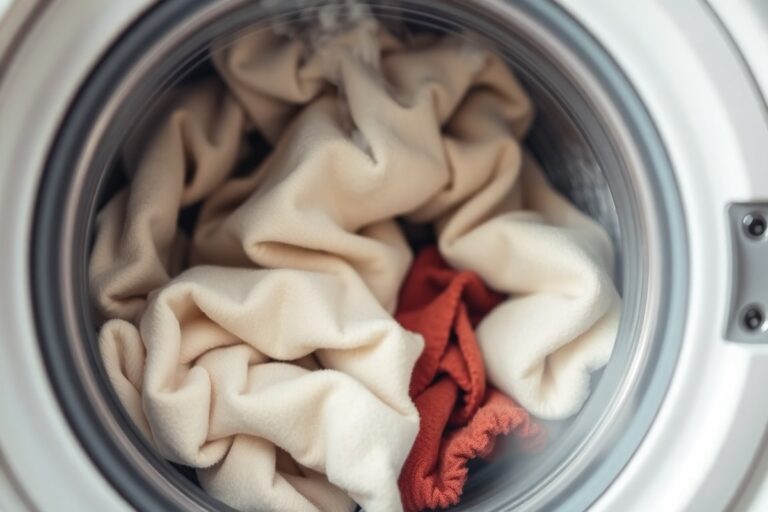
Drying clothes does cause them to shrink, and it is often the main reason for permanent shrinkage. The dryer exposes your clothes to heat and constant tumbling, which together cause the fibers to contract. Heat causes fibers to relax and tighten up in a smaller space, while the mechanical action of tumbling physically shortens and distorts the fabric structure. This combination affects many fabrics more than washing does.
Heat is the strongest factor in shrinkage during drying. Most shrinkage happens when clothes are dried at medium to high heat settings, roughly from 130°F to 160°F or above. At these temperatures, fibers made of natural materials like cotton and wool contract significantly. Even synthetic fibers can shrink or distort under intense heat. Overdrying clothes intensifies this effect. Leaving fabrics in the dryer until completely dry for long periods encourages contraction of fibers and can lead to clothes feeling smaller or tighter.
Besides heat, the tumbling action in the dryer also contributes to shrinkage. Clothes bounce and rub against each other inside the drum, causing fibers to break down faster than with air drying. This agitation, combined with moisture and heat, leads to permanent changes in fabric size and texture. Overloading the dryer worsens this problem by causing clothes to bunch up, drying unevenly and increasing friction between items. Smaller or delicate fabrics packed too tightly may shrink more quickly due to this mechanical stress.
Comparing drying to washing, drying tends to cause twice as much shrinkage. While hot water and high agitation in the washer do cause fibers to contract and tighten, the heat and tumbling in the dryer have a more direct and sustained effect. Washing in cold water and gentle cycles minimizes shrinkage, but once clothes enter a heated dryer, the fiber contraction usually becomes more pronounced and permanent.
It is the combination of heat and tumbling that makes drying a high-risk process for shrinking clothes. Paying attention to dryer settings helps control shrinkage. Using a low or medium heat setting, removing clothes when they are still slightly damp, and avoiding long drying times reduce the chance that fibers will contract too much. Keeping the dryer load size reasonable limits clothes from bunching and rubbing excessively. Through these steps, you can minimize shrinkage and keep clothes closer to their original size.
Which Fabrics Are Most and Least Prone to Shrinking in the Dryer?

Fabrics react differently to the heat and tumbling in a dryer, which directly affects their likelihood of shrinking. Natural fibers like cotton and wool tend to shrink the most because their fibers constrict when exposed to heat. Synthetic fibers and blends resist shrinking better but can still shrink under high heat or prolonged drying.
Preshrunk cotton is treated to reduce shrinkage, but it can still shrink slightly, usually less than untreated 100% cotton. Choosing the right drying settings can help limit this shrinkage. Synthetic blends generally shrink less than pure cotton, as the synthetic fibers hold their shape better under heat.
| Fabric Type | Typical Shrinkage Rate (%) | Reaction to Dryer Heat |
|---|---|---|
| 100% Cotton (Untreated) | Up to 5% | Shrinks noticeably, especially at high heat |
| Preshrunk Cotton | Less than 2% | Shrinks minimally but still requires low heat |
| Wool | Varies, potentially significant | Shrinks considerably due to fiber constriction; avoid dryer |
| Polyester Blends | <1% | Resists shrinkage well; safe on low to medium heat |
| Linen | Up to 3% | Can shrink; better to dry on low heat or air dry |
| Denim (93, 100% Cotton) | Up to 5% | Shrinks if dried on high heat; air dry recommended |
Because cotton and other natural fibers absorb water and contract in heat, controlling dryer temperature and time reduces shrinkage substantially. Cotton items often benefit from being removed while slightly damp and finished with air drying. Synthetic blends are less demanding but still perform best with gentle drying cycles. Avoiding high heat is important for any fabric prone to shrinkage.
Tip: Remove cotton garments from the dryer before they are fully dry and allow them to finish drying naturally to avoid too much shrinking.
How Do Dryer Heat and Settings Impact Clothes Shrinkage?
Dryer heat, cycle length, and moisture sensors all have a significant effect on how much your clothes shrink. Higher temperatures cause natural fibers like cotton and wool to contract, while longer drying times increase exposure to heat, raising the risk of shrinkage. Choosing low heat or air-dry settings combined with moisture sensing technology helps prevent clothes from shrinking by stopping the drying process once the fabric is dry enough.
Safe Dryer Temperature Ranges by Fabric Type
Cotton fibers typically begin to shrink at dryer temperatures above 90°F (32°C). For cotton garments, using a low heat setting that stays under this threshold, often labeled “permanent press” or “low heat”, reduces the chance of shrinkage. Wool is even more sensitive and can shrink up to 10% when exposed to temperatures above 130°F (54°C). Keeping wool on the dryer’s air-dry or very low heat setting is essential since high heat causes the fibers to tighten significantly.
Synthetic fabrics, by contrast, usually tolerate higher temperatures with minimal shrinkage risk. However, natural fibers require more gentle treatment to preserve fit. Following the care label recommendations for dryer temperature helps prevent damage, with low heat or air-dry modes offering a safer baseline choice for most shrink-prone materials.
When to Use Air-Dry or No-Heat Cycles
Air-dry or no-heat cycle settings rely on tumbling without added heat to gently remove moisture through evaporation. These settings are particularly effective for delicate fabrics and natural fibers prone to shrinking, such as wool and silk. Using air-dry avoids the risk of heat-triggered fiber contraction entirely, making it the safest choice for preserving garment size and shape.
This approach requires a longer drying time, sometimes up to double that of heated cycles, but it significantly lowers the chance of shrinking or damaging delicate clothing. If you have the time, air-drying combined with moisture sensors can keep clothes safe by preventing overdrying without exposing fibers to heat stress.
Impact of Drying Duration and Moisture Sensors
The length of time clothes spend in the dryer impacts shrinkage because longer exposure to heat allows fibers more opportunity to contract. Even at lower heat settings, extended drying can increase shrinkage over multiple cycles. Removing clothes promptly when the cycle finishes also helps minimize excess heat exposure.
Modern dryers often include moisture sensors that detect when clothes reach a target dryness level and automatically stop the cycle. Using moisture sensors reduces shrinkage risk by preventing overdrying, which causes unnecessary heat damage. Selecting moisture-sensing cycles combined with low or no heat provides an effective solution to dry clothes thoroughly while protecting their size and appearance.
How Do Washing Methods Influence Shrinkage During Drying?
Washing clothes in hot water increases the risk of shrinkage during drying because high temperatures cause fibers, especially natural ones like cotton and wool, to loosen and contract more easily. The heat from hot water combined with agitation in the washing cycle can cause fibers to swell and then tighten as they dry, resulting in smaller garments. Using cold water for laundering is a safer choice to maintain fiber structure and reduce shrinkage later in the drying stage. Cold water generally means temperatures below 80°F, which is gentler on fabrics and helps preserve their original size.
The level of agitation in the washing machine also influences how much shrinkage can happen when clothes are dried. Vigorous agitation, such as in a heavy-duty cycle or older top-loading models, can stretch and stress fibers, making them more prone to shrinking once exposed to the heat of the dryer. Agitation causes mechanical action that can distort fabric shape, and when the garments later lose moisture in a hot dryer, this distortion tightens the fibers further. Using a gentler washing cycle with slower spin speeds minimizes fiber stress, reducing shrinkage risks after drying.
Laundry detergent plays a role too, though less directly. Mild detergents formulated for delicate fabrics help protect fiber integrity during washing, which leads to less damage and shrinkage when drying. Harsh detergents or those containing bleach or strong chemicals can weaken fibers, making them more susceptible to heat-related shrinkage. Opt for detergents labeled for sensitive or wool fabrics, especially if you wash garments prone to shrinking. These detergents maintain fiber strength and elasticity, helping clothes keep their shape through drying.
Applying these practices means washing clothes at lower temperatures, using gentle agitation settings, and selecting mild detergents to prepare your laundry for the drying process without excessive fiber damage. These steps reduce the chance that heat and tumbling in the dryer will cause unwanted shrinking. In addition, the gentler you treat your clothes during washing, the less shrinkage you’ll likely see when drying, preserving the fit and feel of your garments over time.
What Common Drying Mistakes Cause Clothes to Shrink and How to Fix Them?
Common drying mistakes like using excessive heat, ignoring care labels, and overloading the dryer often cause clothes to shrink. To reduce damage, always follow label instructions, use the correct dryer settings, and handle your load carefully. If shrinkage occurs, some garments can be partially restored through gentle stretching and conditioning.
Overheating and Over-Drying Mistakes
Heat is a primary factor that causes fabrics like cotton, wool, and silk to shrink. Using high heat settings dries clothes faster but causes fibers to contract and weaken, leading to shrinkage. Over-drying clothes by leaving them in the dryer beyond the recommended time also accelerates shrinkage and fiber damage.
A good practice is to select low or medium heat settings, or a “tumble dry low” option if available. Remove clothes promptly once the dryer cycle ends or slightly before full dryness to preserve fabric shape. Removing excess moisture before drying, by spinning clothes thoroughly in the washer, cuts down drying time and lowers shrinkage risk.
Ignoring Care Labels and Overloads
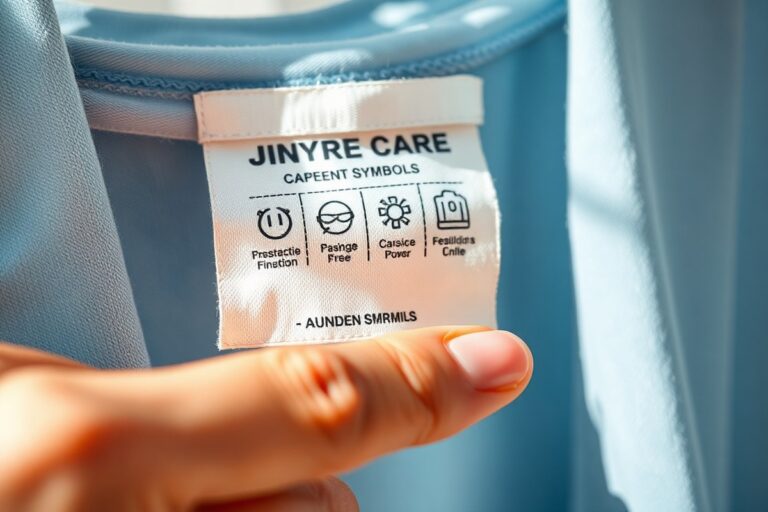
Care labels provide valuable drying instructions specific to each garment. Failing to check these labels leads to using heat levels or drying times that damage fibers. Always follow label guidance on temperature and drying methods. Some items, delicate lingerie, activewear, or silk, should be air-dried instead.
Overloading the dryer is another common mistake. It causes clothes to bunch up and tangle, preventing even drying and increasing the chance of shrinkage or fabric distortion. To avoid this problem, dry medium-sized loads that allow enough room for clothes to move freely.
- Read and follow care labels carefully before drying.
- Use low or medium heat settings unless the label says otherwise.
- Do not overload the dryer to prevent tangling and uneven drying.
- Remove clothes slightly damp rather than overdrying.
- Use gentle cycles for delicate fabrics.
- Consider air-drying for items prone to shrinking or damage.
Always double-check fabric care instructions and sort clothes by material and drying needs to protect your wardrobe.
Methods to Unshrink or Stretch Garments
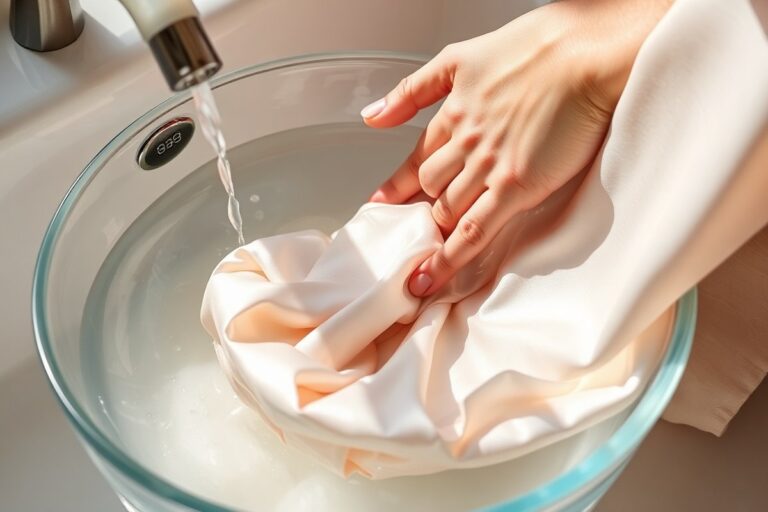
Some shrunken clothes can be gently stretched and restored using simple home techniques. For cotton or wool items, soak the garment in lukewarm water with a small amount of hair conditioner or baby shampoo to relax fibers. After soaking for 15 to 30 minutes, carefully stretch the fabric back to its original size while damp.
Lay the garment flat on a dry towel and reshape it as you let it air dry. Avoid wringing or twisting, which can cause further damage. This method won’t fully restore severe shrinkage but can regain some size and improve fit.
When Should You Air-Dry Clothes Instead of Using a Dryer?
Fabrics like silk, wool, and lingerie benefit the most from air drying to avoid shrinkage and preserve their quality. These delicate materials can lose shape or shrink significantly with the heat and tumbling of a dryer. Air drying keeps them safe from the high temperatures that cause fibers to contract and the mechanical action that may stretch or damage the fabric.
Special-care items such as cashmere sweaters, lace, or embroidered clothing also do better when air-dried. Machine drying risks shrinking or weakening these fabrics, so you’ll want to lay them flat on a towel or hang them in a well-ventilated area away from direct sunlight. This method helps prevent stretching and fading while preserving the garment’s original fit and finish.
For most air-dried items, drying time varies depending on factors like fabric thickness, humidity, and airflow. Thin items like silk shirts can dry within a few hours, while thicker wool sweaters might take up to 24 hours or longer. To minimize shrinkage, avoid stuffing clothes into crowded drying racks where air circulation is poor, as dampness combined with pressure may lead to fabric deformation.
When air drying, make sure to reshape garments gently before hanging or laying flat. For instance, smooth out wrinkles on wool sweaters or adjust sleeves and collars. Hang clothes on a sturdy hanger or drying rack that supports the weight evenly. Avoid pinching delicate fabrics with clothespins that could leave marks or cause stretching. A well-arranged drying setup helps clothes dry evenly and keeps them from shrinking or losing shape.
Air drying costs only your time and a bit of space, unlike using a dryer that consumes electricity. It also reduces wear on your clothes, extending their usable life. In humid or cold weather, consider using a dehumidifier or a fan near the drying area to speed up evaporation and protect from musty smells. In dorm rooms or apartments without outdoor space, portable drying racks are inexpensive and effective solutions.
Sorting clothes before drying is essential to preserve fabric quality. Keep delicates separate from heavier garments to prevent exposure to heat or friction that can cause shrinkage. Overloading a dryer with mixed fabrics increases the risk of damage, so if you do use a dryer for some items, run smaller, sorted loads at appropriate heat settings. Otherwise, stick to air drying for those sensitive pieces.
How to Safely Dry Delicate and Special-Care Fabrics in a Dryer
Drying delicate and special-care fabrics in a dryer requires careful attention to dryer settings, the use of drying aids, and proper handling before and after drying. Choosing the right temperature, cycle, and laundry products can help protect your clothes from shrinking, damage, and static buildup while keeping fibers soft.
Recommended Dryer Settings for Delicate Fabrics
Use the lowest heat setting available, often called “air dry,” “fluff,” or “delicate,” to protect fragile fabrics like wool, silk, and cashmere. These cycles typically run at or below 120°F, reducing the risk of heat-induced shrinkage and fiber damage. If your dryer has a moisture sensor, select the gentle or delicate drying option to avoid over-drying, which can cause stiffness and shrinkage. To further protect delicate items, consider reducing drying time by removing garments when they are slightly damp and finishing drying flat or on a hanger.
Pay close attention to the garment’s care label, which provides essential information on safe dryer settings. When the label says “dry flat” or “air dry only,” skip the dryer or use the coolest and shortest cycle available. For wool and silk, avoiding high heat and tumbling will help maintain their shape and softness.
Using Dryer Aids to Reduce Shrinkage and Static
Dryer sheets and fabric softeners can help coats fibers with a thin layer that reduces friction and static cling. This coating minimizes fiber contraction that leads to shrinkage, making these products beneficial for delicate loads. Using fabric softener during the wash or dryer sheets during drying can also make clothes easier to iron and more comfortable to wear.
Dryer balls provide an alternative that can improve airflow and reduce drying time, which decreases exposure to heat. Some dryer balls feature nodules that help keep clothes separated, preventing fiber tangling and static buildup. Follow manufacturer instructions for the number of dryer balls to use, typically 3 to 6 for a standard load. Combine dryer balls with low heat settings to maximize protection for delicate fabrics.
Pre- and Post-Drying Care for Fragile Fibers
Before drying, use a detergent designed for delicate fabrics or wool, which often includes ingredients to nourish fibers and prevent shrinkage. Washing with cold water on a gentle cycle also limits stress on the fibers. For special-care clothing, avoid wringing or twisting out excess water; instead, gently press or roll the garment in a towel.
After drying, remove delicates promptly from the dryer to prevent wrinkles and the need for ironing, which can damage fragile fabrics over time. For wool and cashmere, reshape items while still slightly damp and lay them flat on a clean towel to finish drying if possible. Avoid hanging wet wool or cashmere, since this can stretch the fabric out of shape.
Practical Steps to Prevent Shrinkage and Keep Clothes Fitting Longer
To keep your clothes fitting well and prevent shrinkage, start by paying close attention to their care labels. These labels provide specific washing and drying instructions tailored for that garment’s fabric and construction. Follow recommendations for water temperature, wash cycle, and especially drying temperature or whether to avoid the dryer altogether. Ignoring these can cause fibers to tighten and garments to lose their original size.
Before washing, consider whether a garment truly needs cleaning. Overwashing contributes to shrinkage, faded colors, and stretched or worn-out shapes. If the item is only lightly soiled or worn for short periods, spot clean or air it out instead.
When drying, using low heat or tumble dry settings minimizes fiber contraction. High heat accelerates shrinkage and damage. For delicate or natural fibers prone to shrinking, air drying flat or hanging avoids heat exposure and helps garments keep their shape longer. A clean, dry towel can be placed underneath when laying items flat to speed drying without stretching.
Develop habits that support clothing longevity by avoiding heavy-duty wash cycles and fast spin speeds, which stress fibers and predispose fabrics to shrinking. Regularly reshape garments while damp to maintain their original fit and prevent tightness after drying.
- Check care labels and stick to suggested washing and drying instructions
- Wash clothes only when necessary to reduce fabric stress
- Use cold or warm water washes with gentle cycles
- Choose low heat or air dry settings in the dryer
- Lay flat or hang clothes prone to shrinking during drying
- Reshape damp clothes before drying to help maintain size
- Avoid heavy-duty cycles and rapid spin speeds in washers
Using high heat in your dryer can shrink your clothes quickly, so choose the lowest heat setting that still gets the job done or air dry when possible.
Knowing when to air dry versus machine dry is important, especially for fabrics like wool, rayon, and cotton blends that are more vulnerable. While air drying takes longer, it prevents unwanted shrinking and maintains garment integrity. Investing time in proper drying routines extends the lifespan of your clothing, helping keep the fit and look you expect without needing frequent replacements or alterations.
Step-by-Step Action Plan to Prevent Clothes Shrinkage in the Dryer
Follow these steps to keep your clothes fitting well and avoid unexpected shrinkage from drying.
- Before washing: Check fabric care labels for drying instructions to identify which clothes are at risk of shrinking.
- During washing: Use cold or warm water cycles and gentle settings on delicate fabrics to reduce fiber stress and shrinkage risk.
- Immediately before drying: Separate clothes by fabric type and weight to tailor dryer settings effectively for each load.
- During drying: Use low heat or air-dry settings especially for cotton, wool, or delicate synthetics; confirm by feeling the garments are warm but not hot after drying.
- After drying: Remove clothes promptly from the dryer to prevent heat retention and creasing, which can contribute to fabric distortion.
- Weekly check: Inspect clothes for any signs of shrinkage or changes in fit; adjust drying methods immediately if shrinkage is detected.
- When unsure: Air-dry high-risk or new items the first few times and monitor fit before switching to machine drying.
Frequently Asked Questions
Can Drying Clothes Cause Fabric Damage Besides Shrinkage?
Yes, drying clothes can weaken fibers and cause fading or pilling, especially with high heat. Using lower heat settings helps protect fabric quality while still drying effectively.
Does Using Dryer Sheets Affect the Amount of Shrinkage?
Dryer sheets don’t reduce shrinkage but can soften fabric and reduce static. Shrinkage is mainly caused by heat, so controlling temperature matters more.
Can Drying Laundry Outdoors Prevent Clothes from Shrinking?
Yes, air-drying clothes outdoors avoids heat-related shrinkage and is gentler on fabrics. Sunlight can also naturally brighten whites but avoid direct sun to prevent fading.
Is It Better to Tumble Dry Clothes Inside Out to Reduce Shrinkage?
Turning clothes inside out doesn’t prevent shrinkage but can protect prints and colors from fading. Shrinkage depends mainly on heat and fabric type.
Does Overloading the Dryer Increase the Chance of Clothes Shrinking?
Overloading the dryer can cause uneven drying and increase drying time, potentially leading to shrinking from prolonged heat exposure. Dry smaller loads to avoid this.
Can Drying Clothes at Night Reduce Energy Costs Without Affecting Shrinkage?
Drying at night may lower energy bills depending on local utility rates but won’t impact shrinkage risk, which depends on heat settings and fabric type.
The Bottom Line
Drying clothes can cause shrinkage, especially in natural fibers like cotton and wool, when exposed to high heat. Taking control of your drying settings and following fabric care recommendations helps maintain garment size. Start by trying the low heat or air-dry setting on new or delicate items to protect their shape. This simple shift can save your clothes from shrinking and extend their lifespan.