Does Cotton Polyester Shrink? What to Expect and How to Handle It
Yes, cotton polyester blends do shrink, but less than 100% cotton garments. Shrinkage happens mostly due to the cotton fibers, while polyester helps reduce overall shrinkage and stabilize the fabric. Understanding how much your cotton polyester blend can shrink helps prevent surprises after washing and drying.
This information is for anyone who owns or makes cotton polyester clothing and wants to manage shrinkage effectively. You will learn what affects shrinkage, how to care for your garments, and how different cotton-polyester ratios behave during laundering.
Key Takeaways
- 60% cotton and 40% polyester blends may shrink up to 5% if washed and dried at high temperatures.
- Washing cotton polyester in cold water and air drying limits shrinkage effectively.
- Polyester fibers shrink less than 1% overall, mainly from stress during initial processing.
- 50/50 cotton polyester blends shrink less than 100% cotton but still require proper care to minimize shrinkage.
- Pre-shrunk fabrics or higher polyester content reduce the risk of noticeable shrinking.
- Tumble drying on low heat instead of high heat helps maintain garment size and shape.
Does Cotton Polyester Shrink and by How Much?
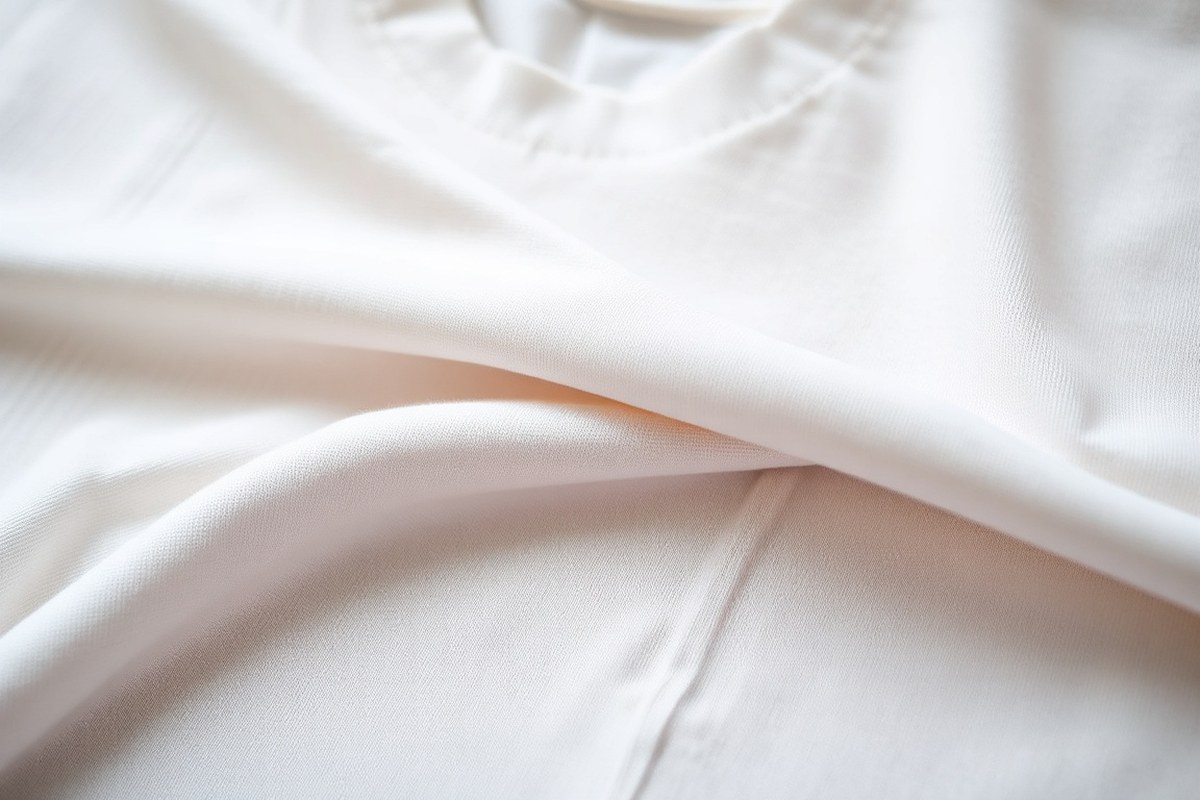
Cotton polyester blends do shrink after washing, but the amount depends largely on the specific ratio of cotton to polyester. Pure cotton fabrics experience the highest shrinkage, typically around 3% to 4% after one home laundry cycle. This means a garment cut at 100 inches in length could lose 3 to 4 inches in size after washing. Polyester, being a synthetic fiber, shrinks very little, usually less than 0.5%. When blended, the polyester content helps limit overall shrinkage, making the fabric more stable than 100% cotton.
For popular cotton polyester blends like 60% cotton and 40% polyester, shrinkage usually falls between 1% and 3%. This moderate shrinkage range reflects the balance between cotton’s natural tendency to contract when wet and polyester’s resistance to it. A similar but slightly lower shrinkage rate appears in 50/50 blends, which typically shrink about 1% to 2.5%. Pure polyester fabrics show minimal shrinkage, often less than 0.5%, even after repeated washing and drying cycles.
Understanding the typical shrinkage ranges can help you choose the right fabric for your needs. Clothing made from 100% cotton might shrink noticeably after the first wash, which can be an issue if the fit is already tight. On the other hand, garments with a higher polyester content tend to maintain their size better, which is why blends like 65% cotton and 35% polyester are popular for workwear and uniforms where durability and consistent sizing are important.
Washing temperature and drying methods also influence shrinkage, but the fabric’s composition lays the foundation. For example, a 100% cotton shirt washed in warm water and machine dried at high heat might shrink 3% to 4%. A 60/40 blend under the same conditions might only see about 2% shrinkage, making it a more reliable choice for everyday wear that must withstand regular laundering.
A simple comparison of shrinkage percentages helps clarify expectations: 100% cotton fabrics lose around 3% to 4% of their dimensions per wash cycle; 50/50 cotton polyester blends shrink roughly 1% to 2.5%; 60/40 blends shrink about 1% to 3%; and 100% polyester shrinks less than 0.5%. These percentages indicate linear dimensional change and vary slightly depending on fabric weave, treatment, and laundry conditions.
Choosing a cotton polyester blend with an appropriate ratio gives you a fabric that balances comfort from cotton with polyester’s shrink resistance. This helps maintain fit and reduces the risk of your clothing becoming too small after a few washes. While shrinkage in blends is never zero, it’s typically low enough to avoid major sizing problems for casual or work apparel made from these fabrics.
How Heat and Washing Affect Cotton Polyester Shrinkage

Heat plays a significant role in the shrinkage of cotton polyester blends. Washing these fabrics in hot water, above 104°F (40°C), increases the chance of shrinkage because the cotton fibers absorb more water and relax, which shortens the fibers. In contrast, cold or lukewarm water (below 80°F or 27°C) causes minimal shrinkage since the polyester portion remains stable and cotton fibers are less stressed. Thus, selecting wash temperature depends on your goal: use cold water to maintain size and hot water only if you want to shrink the garment slightly.
Drying temperature also affects shrinkage. High heat drying (above 140°F or 60°C surface temperature) can cause additional shrinkage by locking the contracted cotton fibers in place as the water evaporates. Low heat tumble drying (around 122°F or 50°C) or air drying limits this effect, preserving the garment’s original size better. The mechanical agitation in washing machines, especially during longer or harsher cycles, can increase fiber contraction by loosening fibers and encouraging relaxation, so gentle cycles help reduce shrink risks.
Following the right wash and dry practices can control shrinkage effectively. Using a gentle cycle with cold or lukewarm water and tumble drying on low heat, or air drying, is best for preserving the fabric’s size. The exact approach can vary for blends: higher cotton content leans toward more shrinkage risk and needs more careful temperature control. Polyester-rich blends resist shrinkage better, even under moderate heat, but it’s still safer to avoid extremes. To reduce shrinkage, follow these steps:
- Check the care label and select the recommended wash temperature, preferably cold or up to 104°F (40°C) for cotton polyester blends.
- Use a gentle or delicate washing cycle to minimize agitation and mechanical stress on fibers.
- Choose a mild, enzyme-free detergent to protect fabric finishes and reduce shrinkage potential.
- After washing, either tumble dry on low heat (below 122°F or 50°C) or hang the garment to air dry to prevent heat-induced shrinkage.
- If tumble drying, remove the garment promptly when dry or slightly damp to avoid overexposure to heat.
- Iron at medium temperature (around 300°F or 150°C) with a pressing cloth, avoiding direct high heat on the fabric.
- For mixed fabric blends with higher cotton ratios, consider line drying to further reduce shrinkage risks.
- Avoid fabric softeners that can affect the fabric’s finish and sometimes contribute to shrinkage over repeated washes.
Always avoid washing cotton polyester blends in very hot water followed by high heat drying, as this combination causes the most shrinkage and can damage the fabric’s appearance and fit.
Why Cotton Polyester Blend Shrinks Less Than 100% Cotton
Cotton polyester blends shrink less than 100% cotton because polyester fibers resist heat and moisture-induced changes that cause cotton to contract. Polyester’s molecular structure maintains stability below its glass transition temperature, holding the fabric’s shape when exposed to typical laundry conditions. The combination of fibers and fabric construction creates a balance that limits overall shrinkage to roughly 1% to 3%, compared to higher rates in pure cotton.
Polyester’s Heat-Resistance Explained
Polyester is a synthetic polymer made of tightly packed, crystalline molecular chains. These chains give polyester high dimensional stability and a glass transition temperature around 70°C (158°F). Below this temperature, polyester fibers remain rigid and glassy, preventing significant relaxation or contraction. This property means polyester fabrics do not shrink much during washing or drying at common temperatures, which typically stay below 60°C (140°F) in household machines.
The glass transition temperature matters because polyester restrains the shrinkage forces generated by the swelling and drying of cotton fibers in a blend. In a cotton polyester fabric, polyester acts as an anchor, absorbing less water and resisting heat-induced deformation. The polymer’s limited moisture absorption and high thermal stability reduce fiber movement, allowing the fabric to keep its shape better through many washes.
Cotton Fiber Swelling and Shrinkage
Cotton is a natural cellulose fiber that readily absorbs water, causing it to swell when wet. Heat and mechanical agitation during washing encourage the cotton fibers to contract and entangle more tightly when drying. This action leads to noticeable shrinkage, often ranging from 3% to 5% in commonly used cotton garments. Cotton’s fiber structure is more irregular and porous than polyester, which allows water molecules to penetrate deeply and cause this dimensional change.
The contraction happens because the cotton fiber’s hydrogen bonds temporarily break with water exposure, allowing fibers to rearrange and settle in a denser configuration during drying. The overall shrinkage depends on fiber orientation in the fabric and the intensity of heat exposure. Pure cotton knit fabrics tend to shrink more, showing up to 3.8% length reduction, while cotton-polyester blends shrink less due to polyester’s limiting influence.
Blend Fabric Construction Impact
The way fibers are woven or knit affects how much shrinkage occurs. Polyester fibers have a higher recovery angle measured at 85% to 95% within minutes after tension release, whereas cotton usually shows around 50% to 68% recovery. This means polyester knit or woven fabrics bounce back more from stretching or thermal distortion than cotton.
In a cotton polyester blend knit fabric, the polyester threads help maintain fabric elasticity and reduce permanent deformation. For example, a 50/50 cotton-polyester knit might shrink only 1.5% in length compared to 3.8% for 100% cotton knit. The tighter, more uniform weave or knit structure with polyester stabilizes the fabric and prevents the cotton fibers from tightening excessively, lowering overall shrinkage risk.
The blend’s performance depends on the ratio of cotton to polyester and the fabric construction type. Woven cotton polyester blends experience less width shrinkage than knit equivalents because the fibers are locked firmly in place. Knit fabrics, while more prone to stretching, benefit strongly from polyester’s resilience, which limits dimensional changes even under heat and moisture stress.
How to Prevent Shrinkage in Cotton Polyester Clothing
To prevent shrinkage in cotton polyester clothing, focus on using low temperatures and gentle handling. Wash these blends in cold or lukewarm water, ideally at 30 to 40 °C, on a gentle cycle. This approach protects the cotton fibers from tightening while avoiding heat stress on polyester, which is heat-set during manufacturing but can still shrink if exposed to excessive heat repeatedly.
Air drying helps reduce shrinkage more than using a tumble dryer because the heat from dryers causes fabrics to tighten. When dryer use is necessary, choose the tumble dry low option, maintaining temperatures around 40 to 50 °C. Dry the garment for only 20-25 minutes before hanging it up to complete the drying process with air. This approach avoids excessive shrinking and protects the polyester fibers from damage.
- Wash in cold or warm water (30, 40 °C) with a gentle cycle to protect fibers
- Use mild detergent to maintain fabric integrity and color
- Tumble dry on low heat (40, 50 °C) for no more than 25 minutes, then air dry
- Hang dry cotton polyester garments whenever possible to reduce heat exposure
- Avoid high-spin speeds in the washer to limit mechanical stress
- Use low or medium heat settings on your iron and apply steam with caution to avoid harming the fabric.
- Follow garment care labels and manufacturer instructions precisely
Ironing can cause shrinkage if the heat is too intense. Polyester melts around 180, 220 °C, so stay well below those levels by using a low or medium heat setting designed for synthetics or blends. Apply steam sparingly and avoid lingering on one spot, especially on cotton-rich areas, to prevent fiber tightening. To be safe, iron the garment inside out and keep it moving continuously.
Hand washing also supports shrinkage prevention because it reduces agitation and prevents tension on the fibers. Use cool to lukewarm water with mild detergent, gently press out excess water instead of wringing, and lay garments flat or hang them to dry. These steps keep cotton polyester blends in shape longer, preserving both comfort and fit.
Methods to Intentionally Shrink Cotton Polyester Garments Safely
You can shrink cotton polyester shirts at home by carefully using controlled heat and water without damaging the fabric. The key is to use moderate temperatures in your washer and dryer or apply steam in a way that targets the cotton fibers while avoiding harm to polyester. Overheating or improper technique risks weakening fabric strength or causing unwanted creases.
Using the Dryer to Shrink Safely
Using a dryer on medium heat helps shrink cotton polyester blends gently. Polyester shrinks at dryer temperatures above 135°F (57°C), so keeping the dryer setting just at or below this threshold targets mainly the cotton component, allowing some shrinkage while protecting the polyester fibers. Follow these steps to use your dryer for safe shrinking:
- Wash your cotton polyester shirt with warm water, around 104°F (40°C), to start relaxing the fibers.
- Place the shirt in the dryer and select a medium heat setting, ensuring the temperature doesn’t exceed 135°F (57°C).
- Run the dryer for 20 to 30 minutes, checking the shirt periodically to avoid overheating.
- If further shrinkage is desired, repeat the process but avoid running multiple cycles at high heat consecutively.
- Remove the shirt promptly and shape it while damp to prevent distortion.
Keep dryer temperatures controlled and avoid high heat to prevent fabric damage and excessive shrinking.
Hot Water Soak Technique
Soaking cotton polyester clothes in hot water effectively shrinks the cotton fibers while partially affecting polyester if water is near 230°F (110°C). For safety and fabric preservation, use water around 120°F to 140°F (49°C to 60°C). Avoid boiling water as it may weaken or distort the polyester components. Use this approach for a gradual shrink:
- Heat water to between 120°F and 140°F (49°C to 60°C).
- Submerge the garment fully in the hot water for 20 to 30 minutes.
- Agitate gently every 5 minutes to loosen fibers and encourage equal shrinking.
- Drain the water and carefully squeeze excess liquid without wringing.
- Dry the shirt on a medium heat setting in the dryer or lay flat to air dry if slight shrinkage is enough.
Prolonged soaking in very hot water risks breaking down polyester fibers; stay within moderate temperature ranges.
Steam Shrinking Method
Applying steam selectively can shrink cotton polyester shirts by relaxing cotton fibers without damaging polyester. A medium iron heat around 150°C (302°F) with steam softens cotton components and helps reshape the fabric safely. Here’s how to steam shrink effectively:
- Set an iron to medium heat (about 150°C) with the steam function on.
- Lay the shirt flat on an ironing board or hang it on a sturdy hanger.
- Press the iron gently with steam over the cotton areas, moving consistently to avoid overheating any spot.
- Allow the garment to cool between passes to set the shrinkage without stressing the fibers.
- Repeat as needed, focusing on areas that need more shrinkage while avoiding prolonged contact with polyester-only sections.
Never use maximum iron temperature since polyester can melt or deform above 230°F; medium heat with steam is safest.
How to Unshrink Cotton Polyester Clothes When They Get Too Small
Yes, you can often unshrink cotton polyester clothes by gently relaxing and stretching the fibers, especially right after they shrink. Using household items like hair conditioner or baby shampoo helps soften the fabric and makes it more pliable. Professional steaming or dry cleaning can also improve results, particularly for delicate or stubborn shrinkage.
Soaking with Conditioner or Baby Shampoo
Soaking your shrunken cotton polyester garment in a conditioner or baby shampoo solution helps soften the fibers, making them easier to stretch back towards their original size. This treatment relaxes the blend’s cotton and polyester fibers by lubricating them, reducing stiffness caused by heat or improper washing. The process only takes about 20 to 30 minutes and requires items you likely have at home. Here’s a simple approach to get started:
- Fill a clean basin or sink with lukewarm water, around 85 to 95 degrees Fahrenheit.
- Add one to two tablespoons of hair conditioner or baby shampoo to water and stir until it is thoroughly mixed.
- Place the shrunken clothing into the mixture so it is completely covered and leave it soaking for 20 to 30 minutes.
- Occasionally agitate the fabric gently to ensure even softening.
- After soaking, carefully drain the water without wringing or twisting the fabric.
- Roll the garment tightly in an absorbent towel to press out extra moisture.
- Unroll the garment and prepare for stretching while it’s still damp.
Stretching and Reshaping Techniques
Once soaked and softened, carefully stretching and reshaping your cotton polyester piece is key to recovering size. The fibers are most relaxed when damp. Stretch slowly and evenly to avoid damage or distortion. Focus on pulling lengthwise and widthwise to regain the original dimensions.
Try laying the garment flat on a clean surface. Use your hands to gently stretch sections, then pin or weight the edges to hold the shape during drying. Heavy books or flat weights work well. This prevents the fabric from shrinking back as it dries. Repeat the stretching process a few times if necessary, especially in high-shrinkage areas like sleeves or the torso.
Professional Steaming and Dry Cleaning Options
Professional steaming can be a better option if the shrinkage is significant or if the garment is delicate. Steam penetrates the fabric and loosens fibers more evenly than soaking. Dry cleaners often have specialized steam machines designed for this purpose. This method can cost $10 to $20 or more per garment depending on your location and cleaner.
Using a handheld garment steamer on a medium heat setting, hold the device several inches from the fabric while steaming at home. Slowly steam the shrunken areas while gently stretching by hand. Avoid direct contact with the polyester to prevent melting or damaging the fibers.
Some dry cleaners offer garment reshaping or pressing services that may also reduce shrinkage. These methods tend to be more reliable but cost more than DIY soaking and stretching. Consider professional help for cherished or high-value cotton polyester items that do not respond well to home treatments.
Common Myths and Misconceptions About Cotton Polyester Shrinkage
One common myth is that a 60/40 cotton polyester blend will never shrink. While this blend does shrink less than 100% cotton, it can still experience some shrinkage, especially if exposed to high heat in washing or drying. The cotton portion remains vulnerable to shrinkage because cotton fibers contract when wet and heated. Polyester fibers resist shrinking but do not eliminate it entirely. So, with a 60/40 blend, you can expect less shrinkage than pure cotton, but some shrink will still occur depending on how the garment is treated.
Another misconception is that all polyester blends are completely shrink-resistant. Polyester fibers are more stable than cotton fibers, meaning they resist shrinking better. However, blending polyester with cotton or other natural fibers doesn’t make the fabric immune to shrinkage. The shrink resistance varies with the polyester percentage and fabric construction. For example, a 65/35 cotton-polyester blend shrinks less than a 50/50 blend because of the higher polyester content, but some shrinkage can still happen if heat and moisture conditions are right. Pretreatments like sanforization can reduce shrinkage by about 70%, controlling how much the fabric changes size during washing.
Some believe polyester melts before it shrinks when exposed to heat, preventing shrinkage altogether. Polyester does have a melting point around 482°F (250°C), much higher than typical home laundry temperatures. Polyester fibers start to soften and relax at temperatures around 300-350°F, but usual washing and drying cycles stay well below these levels, so melting is highly unlikely. Shrinkage in polyester fibers occurs mainly through relaxation shrinkage during washing, when fibers contract slightly as tension is released. This shrinkage is minimal compared to cotton but can accumulate over many cycles or with very hot water and drying.
Understanding these myths helps you handle cotton polyester blends better. Expect some shrinkage with blends like 60/40, especially if washed or dried at high heat. Avoid assuming polyester blends are fully shrink-proof, and always check care labels for fabric-specific instructions. Pretreatments and fabric quality also influence how much shrinkage occurs. Managing heat exposure during laundry is the best way to keep your garments close to their original size.
How Fabric Quality and Pre-Shrinking Treatments Affect Shrinkage
Fabric quality and pre-shrinking treatments significantly influence cotton polyester shrinkage. Higher-quality cotton varieties with longer staple lengths usually experience less shrinkage because the fibers are stronger and more uniform. Yarn twist also plays a role; tightly twisted yarns reduce the bulk swelling of fibers when wet, lowering shrinkage by about 0.5% compared to low-twist yarns.
Pre-shrinking methods like sanforization or mechanical compacting help limit shrinkage by relaxing the cotton fibers before garment construction. These treatments are common in commercial cotton polyester blends, especially in 60/40 fabrics, and typically reduce shrinkage to around 3.0 to 4.0%, compared to 5 to 8% shrinkage in untreated 100% cotton fabrics.
Finishing processes apply chemical or mechanical treatments to stabilize fabric dimensions. Sanforization compresses the fabric in a controlled process, restraining the cotton fibers from contracting further after washing. Compacting mechanically forces the fibers closer together. These steps cost more in manufacturing but improve garment durability and size retention, boosting consumer satisfaction.
| Cotton Variety | Staple Length (mm) | Typical Yarn Twist (TPI) | Shrinkage Length (%) (AATCC 135) | Comments |
|---|---|---|---|---|
| Upland Cotton | 25, 28 | 25, 30 | 3.8, 4.2 | Most common, moderate shrinkage |
| Pima Cotton (Long-Staple) | 30, 34 | 28, 32 | 3.0, 3.5 | Tighter yarns reduce bulk shrink |
| Egyptian Cotton | 33, 35 | 30, 35 | 2.8, 3.2 | Highest quality, lower shrink rates |
The type of cotton in the blend, its yarn twist, and the finishing treatment work together to control shrinkage. Polyester fiber itself exhibits minimal shrinkage, but when blended with cotton, the cotton portion dominates shrinkage behavior. High-quality cotton yarns with a high twist combined with sanforized finishing produce fabrics that are more dimensionally stable.
Keep in mind that pre-shrunk fabrics lower shrinkage significantly but are not completely shrink-proof. Minor shrinkage may still occur after several washing and drying cycles, especially if the care instructions are not followed. Avoid ironing cotton polyester blends at cotton settings above 200°C, as this can damage synthetic fibers like elastane, which may be included for stretch.
Check garment labels for terms like “sanforized” or “compact-finished” to identify pre-shrunk cotton polyester fabrics that hold their shape better after washing.
Understanding Shrinkage Differences Across Cotton Polyester Blend Ratios
The amount of cotton versus polyester in your fabric blend plays a key role in determining how much the fabric will shrink after washing. Cotton fibers tend to shrink more because they absorb water and relax when wet. Polyester content counteracts that effect by adding stability and reducing overall shrinkage. As you increase the polyester percentage, the total shrinkage noticeably decreases.
The following table shows approximate shrinkage ranges for common cotton-polyester blend ratios based on industry data. These percentages represent typical dimensional changes in length or width after a standard wash cycle at warm temperatures around 104°F (40°C).
| Blend Ratio (Cotton/Polyester) | Typical Shrinkage Range (%) |
|---|---|
| 80/20 | 2.4, 3.2% |
| 65/35 | ~2.5% |
| 60/40 | Approximately 2% or less |
| 50/50 | Minimal, generally under 2% |
A blend with 80% cotton and 20% polyester exhibits shrinkage close to pure cotton, around 2.4% to 3.2%, because the high cotton content dominates the fabric’s behavior. The polyester lowers this shrinkage by about 1 to 1.5 percentage points compared to 100% cotton. Moving to blends like 65/35, shrinkage reduces to near 2.5%, making it a popular choice for uniforms and promotional shirts where controlling shrinkage at a reasonable cost is important.
When polyester makes up 40% or more, such as in a 60/40 or 50/50 blend, shrinkage becomes minimal. The fabric holds its shape better in water and heat since polyester fibers do not contract like cotton. A 50/50 blend typically shrinks less than 2%, often negligible for most wearers. At polyester levels above 50%, shrinkage drops further but these blends are less common for daily apparel.
Knowing how blend ratio influences shrinkage helps you pick the right garment for your needs. If you want natural cotton softness but need to avoid noticeable size changes, aim for blends with at least 35% polyester. These will require less careful washing and drying. Lower polyester content demands more cautious care, like cold water washing and air drying, to prevent unexpected shrinkage.
Quick-Start Action Plan for Managing Cotton Polyester Shrinkage
Follow these steps to keep your cotton polyester clothes fitting well and avoid unwanted shrinkage.
- Before Washing: Check the garment tag for care instructions to confirm the recommended water temperature and drying method.
- Wash Cycle: Use cold or warm water on a gentle cycle to minimize shrinkage and protect fabric quality.
- Detergent Selection: Choose a mild detergent designed for blended fabrics to maintain material integrity.
- Drying Method: Air dry or tumble dry on low heat, checking the garment halfway to prevent over-shrinking.
- Spot Shrinking: To intentionally shrink, soak the garment in warm water and dry on medium heat, then try it on to assess fit.
- Resizing After Shrinking: To unshrink, gently stretch damp fabric or soak in lukewarm water with hair conditioner, then reshape and air dry flat.
- Fabric Quality Check: Buy pre-shrunk or high-quality blends to reduce risks of unexpected shrinking before you start regular wear and care routines.
Frequently Asked Questions
Does Polyester Shrink More Than Cotton?
Polyester shrinks less than cotton due to its synthetic fibers, which resist heat and moisture compared to natural cotton fibers. This makes polyester fabrics more stable during washing and drying.
Can You Shrink a Polyester Blend Without Heat?
Shrinking polyester blends without heat is difficult since heat causes fibers to contract. Cold water alone won’t cause significant shrinkage in cotton-polyester blends.
Does Polyester Fabric Stretch After Washing?
Polyester fabric generally maintains its shape but can slightly stretch if exposed to moisture and tension during washing. Avoid high heat to prevent distortion.
How Long Does It Take to Shrink a Cotton-Polyester Blend?
Shrinking happens during the first few hot wash and dry cycles, usually visible after one or two washes. Continued heat exposure may cause minor additional shrinkage.
Can Polyester Prevent Cotton from Shrinking?
Polyester reduces cotton’s overall shrinkage in blends by limiting fiber contraction and swelling during laundering, acting as a stabilizer against shrinkage.
Does Fabric Weight Affect Shrinkage in Cotton-Polyester Blends?
Heavier fabric tends to shrink less because the dense weave resists fiber movement, but heat and washing still influence shrinkage in all blends.
Wrapping Up
Cotton polyester blends do shrink, but much less than pure cotton. Managing heat exposure during washing and drying is your best way to preserve fit. Start by following care labels closely and using cold water washes to keep shrinkage minimal and your clothes comfortable.