Do You Need Dryer Sheets? What They Do and Best Alternatives Explained
You do not strictly need dryer sheets, but they help soften fabrics and reduce static cling in your laundry. Dryer sheets are useful if you want fresher-smelling clothes and less static, especially for synthetic fabrics. This information is for anyone curious about improving laundry results or considering alternatives to traditional dryer sheets.
This article explains how dryer sheets work, which fabrics benefit or shouldn’t use them, and safer, eco-friendlier options. You’ll also learn about proper usage, unexpected uses, and how to decide if dryer sheets are right for your laundry routine.
Key Takeaways
- Dryer sheets soften clothes and cut static by releasing lubricants and anti-static agents during drying.
- Use dryer sheets mainly with synthetic fabrics for static control; avoid them on moisture-wicking or athletic wear.
- Scented dryer sheets can emit volatile organic compounds (VOCs) linked to mild respiratory irritation in some users.
- Wool dryer balls offer a natural, reusable alternative that reduces drying time by up to 25% and softens fabrics without chemicals.
- Reusable dryer sheets made of polyester and nylon may lose effectiveness after several months of use.
- Budget-friendly options like Meyer’s and Bounce vary in price and pack size; cost per sheet can guide the best purchase.
Do You Need Dryer Sheets for Your Laundry?
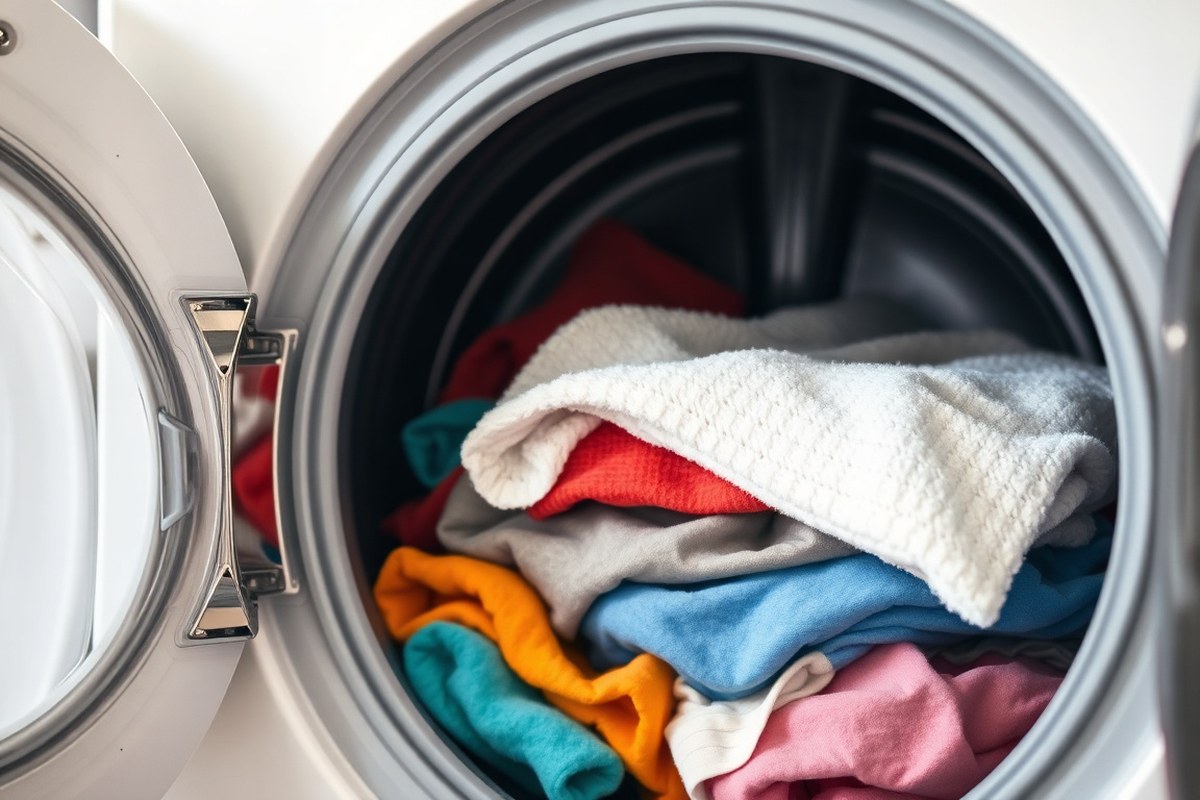
You don’t need dryer sheets to get your laundry clean or properly dried. Clothes will still come out of the dryer dry and wearable without them. However, dryer sheets offer benefits like reducing static cling, softening fabrics, and adding a fresh scent. These effects come from the sheet’s ingredients, activated by the heat and tumbling inside the dryer. When tossed in with damp clothes, the sheet’s compounds coat fabrics, minimizing static electricity and making clothes feel smoother.
Not using dryer sheets means your clothes might stick together more due to static, especially in dry weather or with certain synthetic fabrics. They also won’t have that extra softness or scent that many people appreciate. Dryer sheets are not necessary for soft or static-free clothes, but they are designed specifically to provide those benefits. Some people skip them and use alternatives like wool dryer balls or damp cloths with vinegar, which can reduce static without leaving residue.
Overuse or improper use of dryer sheets can lead to drawbacks. Residue can build up on fabrics like towels, reducing their absorbency or moisture-wicking ability. It can also collect inside your dryer’s lint trap, meaning you’ll need to clean it more frequently to keep your dryer running efficiently. Using the right amount matters: one sheet per medium to large load is usually enough. Avoid cramming your dryer, as overloaded loads prevent sheets from tumbling freely, reducing their effectiveness.
Choosing whether to use dryer sheets depends on your preferences for softness, scent, and static control. They are a relatively recent invention, coming around in the 1980s, and not a required step in laundry care. You get a fresher smell, softer clothes, and less static by using dryer sheets, all for just a few cents per sheet with minimal effort. Those perks may not matter, or you might want to avoid residue buildup, making it fine to skip dryer sheets, though some loads might feel less soft and have more static.
How Dryer Sheets Work to Soften and Reduce Static
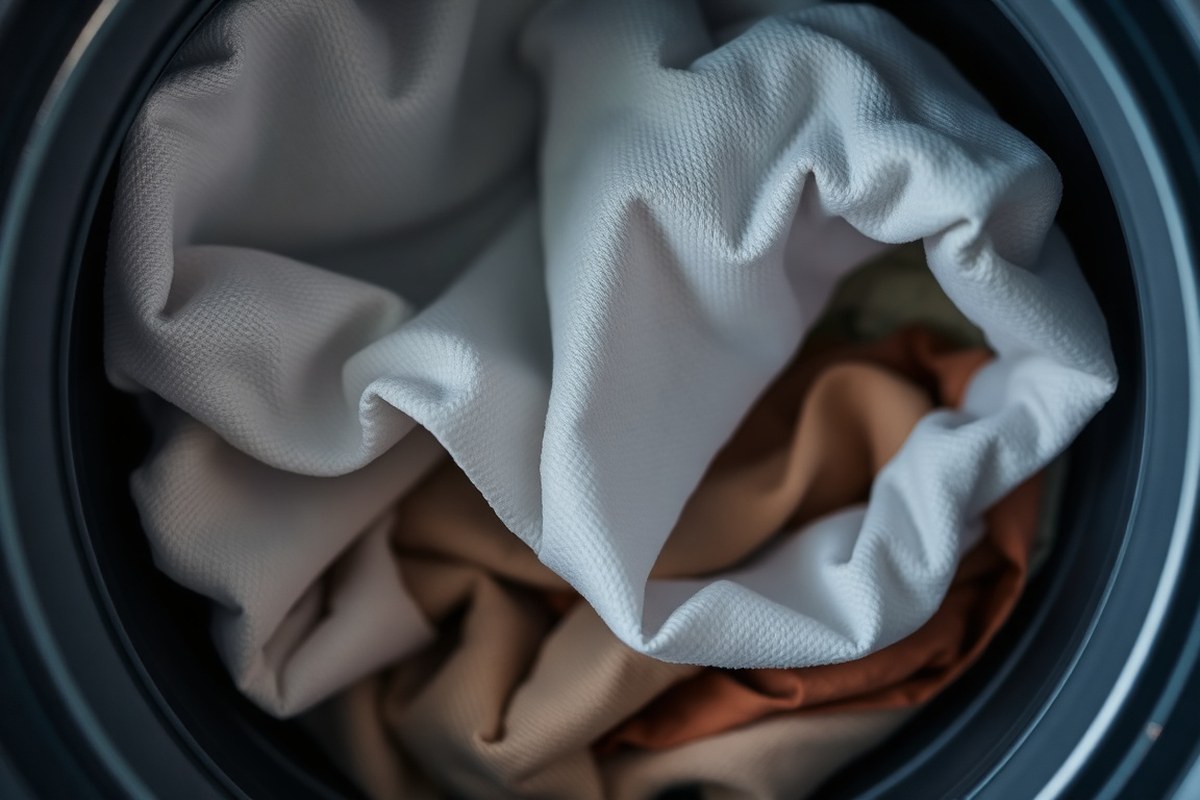
Dryer sheets soften fabrics primarily through a coating of positively charged surfactants and softening agents deposited onto clothes during the drying cycle. These chemicals reduce static cling by neutralizing the negative electrical charges that develop as fabrics rub together. Dryer sheets typically consist of a thin, non-woven polyester material coated with quaternary ammonium salts or silicone-based softeners. When heated in the dryer, this coating transfers from the sheet to the fabric surface, creating a thin layer that smooths fibers and lowers friction to prevent static build-up.
The static reduction matters because it stops fabrics from clinging to each other or to your skin, improving comfort and ease of folding. This static control is most effective on synthetic fabrics like polyester, rayon, and wool, which tend to generate more static electricity during drying. Less static also reduces the clinginess that can attract lint or pet hair. Proper use involves placing one dryer sheet on top of a normal load of wet clothes before starting the dryer, typically set between 120°F and 140°F. The coating activates with heat, so avoid overdrying or very low heat, which can limit effectiveness. One sheet usually covers a typical load, though larger loads might benefit from two.
Fabric softening from dryer sheets happens because the surfactants leave a lubricating layer on fibers, making them feel smoother and less stiff. This is helpful for towels, jeans, and cotton clothes that often feel rough from repeated washing. However, the softener coating can reduce water absorption, which means towels might dry you less efficiently. It can also interfere with water-repellent qualities on specialized garments, reducing breathability or protective features. To soften clothes without dryer sheets, adding half a cup of baking soda to the wash cycle is an alternative that does not coat fabrics.
Fragrance in dryer sheets comes from scented oils and fragrance molecules embedded within their coating. As the sheets heat and tumble with the clothes, these scent compounds transfer onto fabric fibers, leaving clothes and linens smelling fresh. Available scents range from floral to clean cotton aromas. While generally safe in the small amounts used, scent ingredients can occasionally irritate sensitive skin or allergies, so unscented versions are available and recommended for those prone to irritation.
Applying dryer sheets is straightforward. Toss a single sheet atop wet laundry in the dryer. Avoid using them on flame-resistant clothing such as children’s sleepwear because the coating may reduce flame resistance. The softening layer will gradually wash out with each laundering, so they only affect the current drying cycle. Prices for dryer sheets typically range from $0.10 to $0.30 per sheet, depending on brand and scent variety.
Avoid using dryer sheets on items labeled flame-resistant or water-repellent, as the softening chemicals can alter these fabrics’ safety and performance features.
Which Fabrics Benefit from or Should Avoid Dryer Sheets
Dryer sheets are not safe for all fabric types. They work well with sturdy cottons and mixed fabrics but can harm athleticwear, flame-resistant clothing, microfiber, and towels. Using them on these sensitive fabrics can reduce absorbency, trap moisture, or even damage protective coatings.
Fabrics That Work Well with Dryer Sheets
Dryer sheets are suitable for cottons, linens, and durable synthetic blends. These fabrics usually benefit from the softening and anti-static effects without losing function. For best results, add one dryer sheet per load, avoiding overuse that leaves residue. This approach keeps your clothes soft and reduces static cling without buildup on the fabric or inside the dryer.
Using dryer sheets on regular clothes helps them feel softer and smell fresher. You don’t have to worry about damage to these types of fabrics, making dryer sheets a good choice for everyday laundry loads that do not include specific performance fabrics or delicate items.
Fabrics to Avoid Using Dryer Sheets On
Athleticwear and moisture-wicking fabrics are poor candidates for dryer sheets. The softening chemicals coat the fibers in a waxy residue, which blocks airflow and traps sweat, defeating the moisture-wicking function these clothes rely on. Water-repellent fabrics also lose their water resistance when coated with softener chemicals from dryer sheets.
Flame-resistant clothing should never meet a dryer sheet. The chemicals in the sheets strip away protective coatings that reduce flammability, increasing the risk of fire hazard, especially in children’s sleepwear. Microfiber fabrics also suffer because the softener fills tiny hooks in the fabric, reducing their cleaning and dust-absorbing abilities while leaving streaks.
Effects of Dryer Sheets on Specific Fabrics
Dryer sheets negatively affect towels by covering the fibers with a softening agent that makes them less absorbent. You might notice towels feel less effective at drying and water beads on the surface rather than soaking in. This residue builds up over time and can lead to a waxy film on fabric and in your dryer’s lint trap. The table below summarizes the effects of dryer sheets on various fabric types commonly found in laundry:
| Fabric Type | Primary Function | Effect of Dryer Sheets | Result |
|---|---|---|---|
| Gym Wear | Moisture Wicking | Coats fibers in wax | Traps sweat; blocks airflow |
| Flame-Retardant | Fire Safety | Strips protective coating | Increases flammability risk |
| Microfiber | Dust/Oil Absorption | Fills microscopic “hooks” | Leaves streaks; reduces cleaning power |
| Towels | Water Absorbency | Coats fibers with softener | Reduces absorbency |
Choosing whether to use dryer sheets depends on the fabrics you wash. Follow garment care labels and avoid dryer sheets with performance or protective clothing to keep your clothes safe and functional. Towels, microfiber, flame-resistant items, and moisture-wicking garments should be dried without dryer sheets to maintain their qualities.
Health, Environmental, and Safety Considerations with Dryer Sheets
Dryer sheets contain chemicals, synthetic fragrances, and sometimes dyes that can cause skin irritation and respiratory problems, especially for sensitive individuals. Those with conditions like eczema or asthma may experience flare-ups from residues left on clothing. The Environmental Working Group rates popular brands like Bounce Dryer Sheets poorly, marking them unsafe due to hormone-disrupting chemicals and volatile organic compounds (VOCs). These VOCs also contribute to indoor air pollution, which can be problematic for household members with allergies or chemical sensitivities.
Many dryer sheets leave a waxy buildup on fabrics that reduces breathability and moisture-wicking properties. This residue can clog the fabric’s pores, which makes clothes feel musty or less comfortable. Over time, the buildup also affects the dryer’s drum and sensors, leading to longer drying times and higher energy use. Delicate items such as kids’ sleepwear, which often have flame-resistant treatments, may lose some safety features when coated by softeners.
From an environmental perspective, disposable dryer sheets add to landfill waste, and the chemicals they release are not biodegradable. Even products advertised as “green” sometimes contain synthetic fragrances and other substances that can harm the environment or your health. Using fragrance-free or chemical-free sheets can reduce risks, though they may still leave some residue. For households with babies, children, or anyone prone to sensitive skin reactions, chemical-free alternatives that last for hundreds of loads are a better option and often cost a bit more upfront but save money over time.
You can switch to safer and more eco-friendly alternatives such as wool dryer balls or cloth squares dampened with vinegar. These options avoid chemical exposure and prevent residue buildup, keeping garments softer and dryers cleaner. If you choose to keep using dryer sheets, use only one per load and avoid overusing them on sensitive items. Also, avoid combining dryer sheets with water-repellent fabrics like raincoats or performance wear, as the chemicals can degrade their protective coatings.
Making your own natural dryer sheets is another way to avoid chemicals and waste. Simply soak reusable fabric squares in a mixture of water and a few drops of essential oil, then store them in an airtight container. Use one per load just like commercial sheets. This method cuts down on costs and lets you control the scents and ingredients, reducing the risk of skin irritation and environmental impact.
Dryer Sheets vs Wool Dryer Balls and Other Natural Alternatives
Wool dryer balls, liquid fabric softeners, vinegar, and dryer sheets all serve to soften laundry and reduce static, but they differ in cost, effectiveness, eco-friendliness, and care for fabrics. Wool dryer balls are reusable and free from chemicals, costing around $10 to $20 for a set of six. They work by physically separating clothes and reducing drying time, which saves energy. Liquid fabric softeners and dryer sheets both use the same softening agents, just in different forms, coating fabrics to reduce static and add fragrance. They typically cost about $0.10 to $0.20 per load and contain fragrances and lubricants that can impact certain fabrics, such as towels or moisture-wicking sportswear.
Vinegar is a natural, low-cost alternative that many people add during the rinse cycle, using 1/4 to 1/2 cup in the fabric softener dispenser. It softens fabric by reducing detergent residue without adding scent or oil-based softeners, thus preserving fabric absorbency. However, vinegar doesn’t reduce static cling like dryer sheets or fabric softeners and is less effective at adding fragrance or softness. The table below compares these options side by side based on cost per load, effectiveness, environmental impact, and fabric care considerations.
| Product | Cost per Load | Effectiveness | Eco-Friendliness | Fabric Care |
|---|---|---|---|---|
| Dryer Sheets | $0.10, $0.20 | Soften fabric, reduce static, add fragrance | Single-use, non-recyclable, chemical residues | May reduce towel absorbency, not ideal for athletic wear |
| Wool Dryer Balls | ~$0.05 (after multiple uses) | Softens fabric, reduces drying time, moderate static reduction | Reusable, biodegradable, chemical-free | Gentle on all fabrics, no residue buildup |
| Liquid Fabric Softener | $0.10, $0.20 | Softens fabric, reduces static, adds fragrance | Contains chemicals, can accumulate in machines | Similar to dryer sheets; avoid on towels and moisture-wicking fabrics |
| Vinegar (White) | Less than $0.05 | Softens fabric, reduces detergent residue, no static reduction | Natural, biodegradable, no chemical buildup | Preserves fabric absorbency, fragrance-free |
Use wool dryer balls by tossing 3 to 6 balls into the dryer with your laundry. They last for hundreds of loads, significantly lowering cost and waste. For liquid fabric softener, add 1 to 2 tablespoons to the washing machine’s fabric softener dispenser during the rinse cycle. Drying sheets can be added directly to the dryer before starting it. Vinegar should be poured into the fabric softener compartment so it releases during the rinse phase.
Don’t use dryer sheets or fabric softeners on microfiber cloths or moisture-wicking athletic wear, as the coating can reduce their performance.
Wool dryer balls reduce drying time by physically separating clothes, saving energy, while dryer sheets and liquid softeners rely on chemical coatings. Vinegar’s primary benefit is softening without residues. Choosing between these depends on your priorities: for eco-friendliness and fabric care, wool dryer balls and vinegar stand out; for convenience and fragrance, dryer sheets or liquid softener might suit you better.
How to Use Dryer Sheets Properly for Best Results
Use one dryer sheet per small to average-sized load to avoid buildup and stains. Load your dryer loosely for best airflow and evenly distributed softening. Remove sheets promptly after drying to prevent residue on clothes and in the dryer.
Choosing the Right Number of Sheets by Load Size
The general rule is one sheet for a small to medium load, about one armload of clothes. For larger loads, use two dryer sheets to ensure full coverage. Adding more than two sheets rarely improves effectiveness but can increase residue buildup and cost.
Heavily soiled or bulky items like towels may need a single sheet, as they already trap moisture and lint well. Using too many sheets for a small load risks stains and residue, so always judge sheet quantity by load size rather than fixed rules.
Preventing Dryer Sheet Residue on Clothing
Residue often appears when the dryer is overloaded or sheets stick to wet clothes. To avoid stains or oily spots, do not pack the dryer tightly. Clothes need space to tumble freely and distribute dryer sheet coating evenly.
Remove the dryer sheet as soon as the cycle finishes to prevent sticking or melting onto fabric. Check garments before folding and discard used sheets promptly. Washing delicate or stain-prone fabrics separately without sheets can reduce risk.
Best Practices to Extend Dryer Efficiency
Dryer sheets can leave buildup inside the dryer drum and on moisture sensors, affecting performance. Clean your lint screen after every use and wash it with soap and water monthly to remove sheet residue. Clear around the moisture sensor frequently to keep it accurate.
Also, wipe down the drum every few months with a damp cloth to remove any accumulated coating. Avoid using dryer sheets for every load if you notice reduced drying efficiency or increased static; consider natural alternatives or occasional use instead. Follow these steps for proper use and maintenance to enjoy the benefits of dryer sheets while minimizing risks:
- Measure your laundry by armload to estimate the correct number of dryer sheets.
- Place the recommended number of sheets on top of clothes before starting the dryer.
- Do not overload the dryer; leave enough room for clothes to tumble freely.
- Remove the sheets immediately after the drying cycle completes.
- Separate out delicate or stain-prone items to wash without dryer sheets.
- Clean the lint screen after every load and wash it monthly.
- Inspect and wipe the dryer drum and moisture sensor every few months.
- Monitor drying efficiency and reduce sheet usage if buildup occurs.
Unexpected Uses of Dryer Sheets Beyond Laundry
Dryer sheets don’t have to be limited to freshening up your laundry. You can reuse or repurpose both used and unused dryer sheets around your home in practical ways that save money and reduce waste. Their texture and scent make them handy for cleaning and deodorizing tasks beyond fabric softening.
Unused dryer sheets work well as natural air fresheners. Placing one in your closet, drawers, or shoes can help keep those spaces smelling fresh without extra sprays or sprays that might contain harsh chemicals. The scent tends to last for weeks, but swap the sheet out when the smell fades.
Used dryer sheets still retain some cleaning power and can be reused a few times for light dusting and odor control. They won’t soften clothes as effectively after the first use due to lost chemicals, but they remain useful for other chores where static reduction or softness isn’t needed.
- Dusting surfaces like blinds, baseboards, and shelves to attract and hold dust.
- Cleaning pots, pans, and removing grease by rubbing leftover residue gently with a damp used sheet.
- Using them to scrub car grills, bumpers, or tires, helping loosen dirt without scratching surfaces.
- Placing in storage boxes or bags to repel insects and keep clothes smelling fresh.
- Rubbing hard-to-reach spots like blinds or vents as a lint and dust remover while adding a mild scent.
- Using sheets to reduce static in car interiors, especially on vinyl or leather seats.
- Incorporating dryer sheets in trash cans or diaper bins to control odors efficiently.
Repurposing dryer sheets in these ways can cut down on buying separate cleaning or freshening products. For example, reusing one dryer sheet for dusting can last through several rooms, reducing waste. The cost per sheet often falls below 10 cents, making this a budget-friendly option if you already have extras on hand.
Keep in mind that scented dryer sheets may not suit every purpose, especially when cleaning surfaces that contact food or when allergies are a concern. Also, avoid using dryer sheets on delicate or porous surfaces that could absorb chemicals or oils leftover from the sheet’s fabric softener. For pest control, the scent acts as a mild deterrent but won’t replace professional solutions for infestation problems.
Used dryer sheets are versatile tools found in most households that go beyond laundry duties. Experimenting with the list above can help you find practical ways to reuse what might otherwise be thrown away, saving money and making your cleaning routine more efficient.
Deciding When to Choose Dryer Sheets or Skip Them
You should use dryer sheets when you want to reduce static cling, soften fabrics, or add a fresh scent to your laundry, especially with synthetic blends, towels, or bedding. Avoid them if you have sensitive skin, allergies, or want to reduce environmental impact. A checklist can help you decide, while watching for signs that indicate whether your choice is working or causing issues.
Checklist: When to Use Dryer Sheets
Deciding to use dryer sheets depends largely on fabric type, skin sensitivity, environmental concerns, and how your laundry behaves in the dryer. Dryer sheets work best on synthetic fabrics like polyester and nylon, which tend to develop static cling. Use them with towels and bedding to help keep fabrics soft and reduce stiffness caused by detergent residue. Avoid dryer sheets if you have sensitive skin or allergies, as they can leave a chemical film that may irritate your skin or cause breathing problems.
Consider your drying needs and preferences as well. Dryer sheets offer a simple way to make laundry smell fresh without using extra sprays or detergents. However, if you want to avoid any residue buildup on fabrics or dryer vents, you might choose natural alternatives instead.
- Use dryer sheets with synthetic blends to reduce static cling
- Choose dryer sheets for towels and bedding to improve softness
- Avoid dryer sheets with delicate fabrics like microfiber or flame-resistant clothing
- Skip them if skin is sensitive or prone to allergies
- Consider environmental impact; dryer sheets create waste and leave residues
- Use them if you prefer added scent and static control with minimal effort
- Do not use dryer sheets with wool dryer balls or other fabric softeners to prevent build-up
Following this checklist helps you target when dryer sheets provide benefits without causing problems for your laundry or personal health.
Signs Dryer Sheets Are Beneficial or Harmful
You’ll know dryer sheets are working if your clothes come out feeling softer, static is reduced, and there’s a pleasant but not overpowering scent. Towels should feel fluffier without being coated in residue. Another positive sign is fewer clinging clothes or hair after drying.
Watch for signs of harm such as fabric buildup that leaves clothes feeling sticky or oily. Some dryer sheets leave a lingering film that can reduce moisture absorption, especially on towels. Skin irritation, itching, or redness after wearing freshly dried clothes indicates sensitivity to the chemicals. Check dryer vents regularly because the residue can collect and potentially reduce dryer efficiency or cause odors.
Avoid using multiple dryer sheets at once; too many can leave excessive residue that harms fabric quality and your dryer.
Alternatives Decision Tree
Follow this decision tree to choose alternative options when dryer sheets aren’t a good fit. Wool dryer balls naturally soften clothes and cut down on static while helping you avoid chemical residues and reduce waste. Use them especially for sensitive skin or eco-friendly households.
To reduce static on synthetic fabrics, try using a slightly dampened washcloth or a ball of aluminum foil with water instead of dryer sheets. This method does not add fragrance but minimizes static without film buildup.
Choose no products at all if your fabrics don’t tend to cling or you prefer fragrance-free laundry. Regularly cleaning your dryer and using the right wash cycle can minimize static and keep fabrics soft on their own.
- Want natural softening? Use wool dryer balls
- Concerned about static only? Try a damp washcloth or aluminum foil ball
- Need fragrance? Consider essential oil sprays applied lightly after drying
- Have very sensitive skin? Avoid dryer sheets and scented products entirely
- Focus on environmental impact? Choose reusable dryer balls or skip added products
Step-by-Step Action Plan for Using Dryer Sheets
Follow these steps to decide if and how you should use dryer sheets in your laundry routine.
- Before Your Next Load: Check your laundry labels for any dryer sheet warnings to avoid damaging delicate fabrics.
- First Use: Add a dryer sheet to a typical cotton or synthetic load to soften clothes and reduce static; notice if fabrics feel smoother and less clingy.
- After 3 Loads: Observe whether your clothes retain scent and softness; if not, try switching dryer sheet brands or consider natural alternatives.
- After 1 Week: Test wool dryer balls or no dryer sheet on a similar load to compare softness and static reduction.
- After 2 Weeks: Evaluate any skin irritation or allergic reactions; stop using dryer sheets if they cause sensitivity and consider fragrance-free options.
- Ongoing: Use dryer sheets sparingly on fabrics that benefit from softening and static control, but skip them on moisture-wicking or flame-resistant clothes.
Frequently Asked Questions
Are Dryer Sheets Necessary for Preventing Static Cling?
Dryer sheets help reduce static cling by coating fabrics with surfactants, but they are not necessary if you use alternatives like wool dryer balls. Your choice depends on how much you value softening effects alongside static control.
Can Dryer Sheets Damage Athletic Clothing?
Yes, dryer sheets coat moisture-wicking fabrics and can trap sweat, reducing their effectiveness. Avoid dryer sheets with gym wear to maintain breathability and drying performance.
Do Dryer Sheets Affect the Flame Resistance of Children’s Sleepwear?
Dryer sheets can decrease the flame resistance of burn-protective sleepwear by coating fabrics, which increases flammability risk. Skip dryer sheets on flame-resistant fabrics to keep safety intact.
Are Reusable Dryer Sheets as Effective as Disposable Ones?
Reusable dryer sheets, like Purecosheet made of mostly polyester and nylon, offer similar softening benefits and reduce waste. They work well, but washing between uses is necessary to maintain performance.
Can Using Dryer Sheets Cause Skin Irritation?
Dryer sheets may irritate sensitive skin due to fragrance and chemical coatings. Using fragrance-free or natural alternatives helps minimize skin reactions, especially for people with allergies.
Do Dryer Sheets Contribute to Indoor Air Pollution?
Yes, dryer sheets can emit volatile organic compounds through dryer vents. Good ventilation and occasional airing-out of laundry rooms reduce indoor air quality concerns.
Final Thoughts
You don’t need dryer sheets for every load or fabric, but they can improve softness and reduce static on many common materials. Try using them selectively while paying attention to your clothes’ care labels and your comfort. Start your next laundry day by testing a dryer sheet on one load, and adjust based on the results you notice.