How to Wash a Feather Down Comforter: Simple Steps for Safe, Fluffy Results
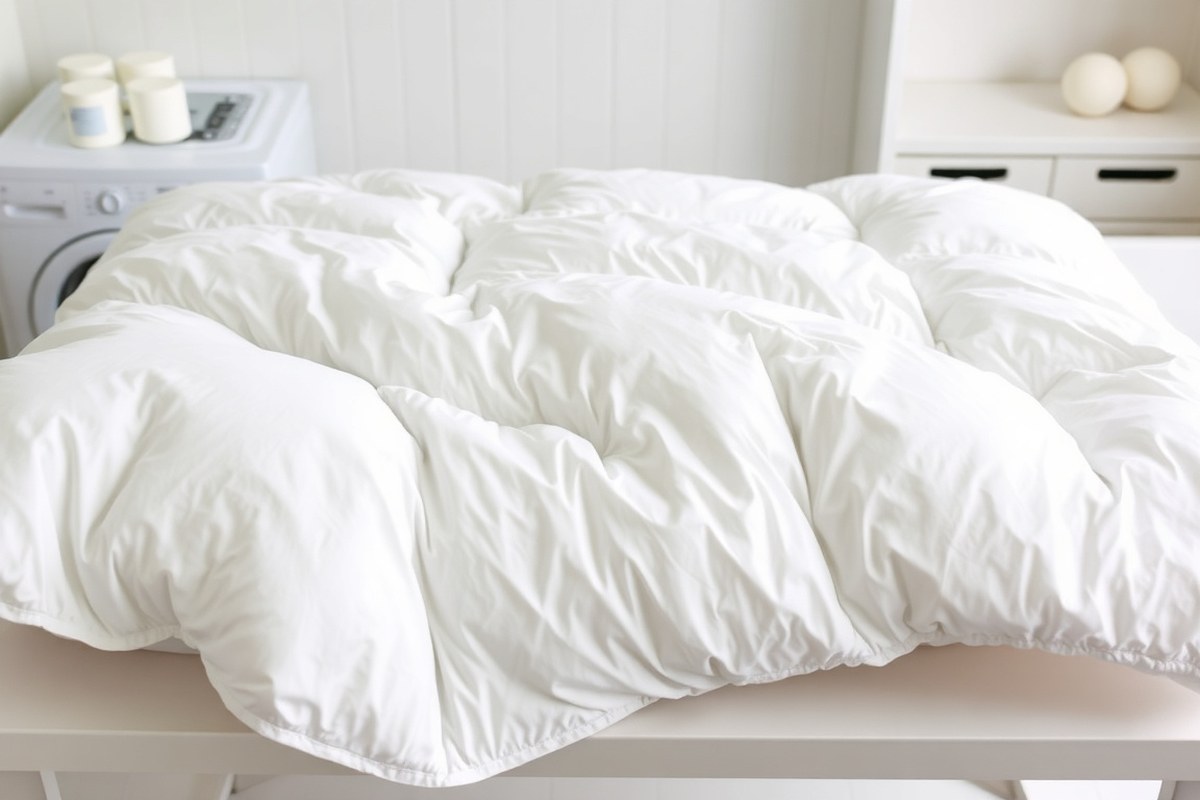
You can wash a feather down comforter at home by using a gentle cycle with warm water, then tumble drying on low heat to keep it fluffy. Proper care prevents damage to the feathers and helps maintain the comforter’s loft and warmth over time. This approach suits homeowners and renters aiming to clean their comforters safely without professional help.
This article explains how to wash a feather down comforter safely, including effective washing and drying techniques, stain handling, common mistakes to avoid, and storage tips. Following these steps will help you extend your comforter’s life and keep it feeling fresh and comfortable.
Key Takeaways
- Wash your feather down comforter every 3-5 years under normal use to maintain freshness and hygiene.
- Use warm water at about 140°F with a delicate cycle to clean without harming feathers.
- Remove the comforter every 30-60 minutes during drying to break up clumps for even fluffiness.
- Choose the lowest heat setting on your dryer for 2 to 4 hours to safely dry your comforter completely.
- Spot clean stains promptly to avoid full washes and maintain feather quality.
- Avoid harsh detergents and fabric softeners, which can damage down and feathers.
Can You Wash a Feather Down Comforter at Home?

You can wash a feather down comforter at home if you have the right equipment and follow specific precautions. Washing at home is generally safe when you use a large front-loading washing machine that can comfortably fit the comforter. The washer should allow the down to move freely during the cycle, which helps prevent clumping and damage to the feathers. Top-loading machines with agitators often cause excessive wear and tearing of the fabric and feathers, so they are usually not recommended.
Before washing, always check the care label sewn into your comforter for manufacturer instructions. The label will indicate whether machine washing is allowed and any temperature restrictions. Washing in warm water (around 140°F or 60°C) on a gentle or delicate cycle is preferred to remove dirt without harming the down. Using a mild detergent specifically designed for down or delicate fabrics also protects the feathers’ natural oils, which help maintain loft and insulation. Avoid bleach or fabric softeners, which can damage the feathers and fabric.
Size matters when deciding if you can wash your comforter at home. If your comforter is oversized and barely fits in the washer, it’s better to opt for professional cleaning to avoid strain on both the machine and comforter. Generally, if the comforter fills more than two-thirds of the drum, home washing might not be safe or effective. Professional wet cleaning or laundering designed for down products can handle bulky items and provide a thorough clean without risking damage.
Hand washing is an alternative gentler method but requires a large tub and time. It helps control agitation and temperature but is labor-intensive and less practical for very large comforters. Most people find that a front-loading washer on a delicate cycle offers a good balance between care and convenience.
Consider how often you use the comforter and its exposure to dirt or pets. Frequent washing, two to three times per year for nightly use, is acceptable at home if done carefully. Overwashing or aggressive cycles can break down the feathers and reduce the comforter’s lifespan. Professional cleaning is advisable if the comforter is stained heavily, has odors that don’t come out after home washing, or is too bulky for your machine.
In terms of cost and convenience, home washing is affordable and allows you to clean your comforter more often, while professional dry cleaning is expensive and recommended only once or twice a year due to potential feather damage from solvents. Proper drying after washing is critical to keep the feathers fluffy and avoid mildew, but that is covered in detail elsewhere.
Choosing the Right Washing Method for Feather Down Comforters
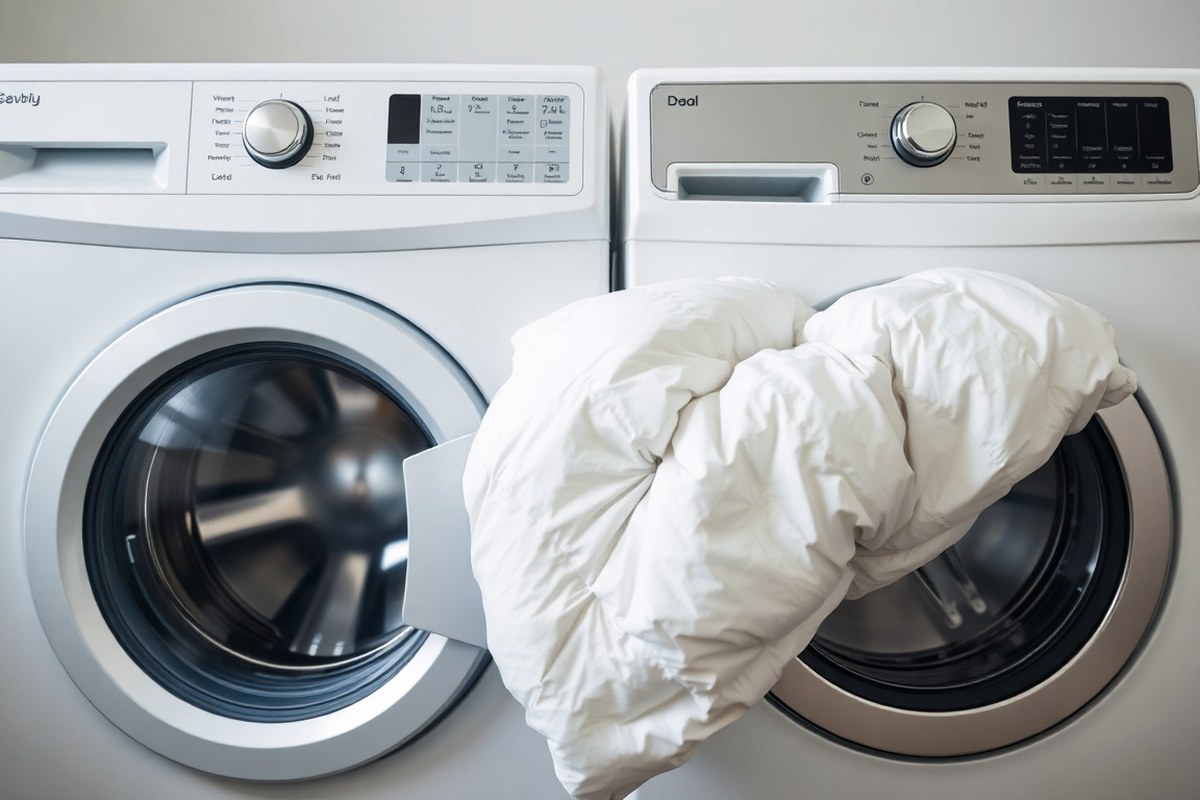
You can wash a feather down comforter either by machine or by hand, but each method has distinct advantages and risks. Machine washing is quicker and works well if you have a large, gentle washer, while hand washing offers more control but takes more effort. Choosing the right method depends on your equipment, comforter size, and your willingness to invest time.
Pros and Cons of Machine Washing
Machine washing feather comforters can be efficient and effective if your washer is large enough and has a delicate cycle. Front-loading washers are generally best because they are gentler and don’t use an agitator, reducing the risk of damaging the feathers or shell. A washer with sufficient capacity prevents the comforter from being crushed, which could lead to uneven cleaning and damage.
On the downside, machine washing can lead to clumping of feathers if the comforter is not properly balanced or rinsed. The agitator in top-loading machines with central posts can also tear the fabric or cause feathers to escape. Also, improper drying after machine washing can cause mildew or odor issues.
| Pros | Cons |
|---|---|
| Faster and less labor-intensive | Needs a large washer to avoid damage |
| Gentle cycles protect down fill | Risk of feather clumping and uneven wetting |
| Uses specialized detergents easily | Incorrect drying can cause mildew or odor |
Use a front-loading washer with a large drum to minimize risks when machine washing your comforter.
Pros and Cons of Hand Washing
Hand washing allows for careful, gentle cleaning and is useful if your comforter is too large or delicate for a machine. You have full control over water temperature, detergent type, and agitation, which reduces the risk of damage. Hand washing can help avoid mechanical stress that may tear the fabric or break the down clusters.
However, hand washing is time-consuming and requires space to soak and rinse properly. You must also dry the comforter completely to prevent mold, which can take days or weeks depending on weather and drying conditions. Hand washing may not be practical for heavier or bulky down comforters.
| Pros | Cons |
|---|---|
| More control over cleaning process | Requires significant time and effort |
| Gentler on fabric and feather clusters | Needs large space for soaking and drying |
| No risk of machine damage | May not clean as evenly as machine washing |
Use cool or lukewarm water and a mild detergent to avoid damaging the down during hand washing.
Essential Tools for Hand Washing
To hand wash a feather down comforter, you need some basic equipment to make the process manageable and effective. A clean bathtub or a very large basin is essential so you can fully immerse the comforter without squeezing it too tightly. Gentle, specialized down or wool detergent is required to protect the feathers. You also need the following items:
- Thermometer to check water temperature (ideal: 85°F to 105°F)
- Soft brush or sponge for spot cleaning
- Large towels for blotting excess water
- Racks or clothesline for drying in a well-ventilated space
- Fan or dehumidifier to speed drying if indoors
- Patience to repeat rinsing thoroughly and air drying completely
Using these tools helps you avoid over-soaking and allows the comforter to dry evenly, preventing clumps and mold growth.
How to Prepare and Wash Your Feather Down Comforter Safely
You can safely wash your feather down comforter at home by using a gentle detergent, washing in cold or warm water on a delicate cycle, and carefully pre-treating any stains. Taking these steps protects the feathers and shell while thoroughly cleaning your comforter. Follow the instructions below for the best results.
Choosing a Mild Detergent
Pick a detergent that is mild and liquid, designed for delicate fabrics or down-filled items. Avoid harsh powders or detergents with bleach and enzymes, as these can damage the feathers or strip the natural oils that keep them fluffy and insulating. A small amount of gentle detergent cleans effectively without leaving residue.
Look for detergents labelled as “down wash” or “delicate cycle safe.” These are formulated to clean without harming feathers or the comforter’s shell fabric. Using too much detergent can cause clumping of feathers and leftover soap buildup, so measure carefully.
Setting the Correct Water Temperature and Cycle
Set your washer to a cold or warm water setting, generally around 60°F to 80°F (15°C to 27°C) works best. Avoid hot water because it can shrink the fabric and set stains permanently. Agitation should be minimal to prevent tearing or crushing the feathers inside.
Always use the gentlest or delicate cycle on your machine. If you have a front-loading washer, that is preferable because it uses less agitation and protects large bulky items better than top-loading machines. Make sure your washer has enough space to allow the comforter to move freely without being compressed.
Pre-Treating Stains Before Washing
Apply a down-safe stain remover directly to any spots or stains before washing. Pre-treating helps lift stains without using excessive agitation or harsh chemicals during the wash cycle. Avoid bleach or strong chemicals, as these can damage the feathers and fabric.
Let the stain remover sit for about 15 to 30 minutes so it can break down dirt and oils effectively. Gently blot the stain with a clean cloth, do not rub, to avoid spreading the stain or damaging the down filling.
- Place the feather down comforter into a large-capacity washing machine ensuring enough room for movement.
- Add a small amount of mild liquid detergent designed for delicate fabrics or down items.
- Set the washer to a cold or warm water temperature, between 60°F and 80°F (15°C to 27°C), on the gentle or delicate cycle.
- Pre-treat any visible stains with a down-safe stain remover, letting it sit for 15 to 30 minutes before washing.
- Start the wash cycle, avoiding heavy agitation to protect the feathers inside.
- Once the cycle is complete, remove the comforter gently to prevent tearing or stress on the seams.
- Follow drying instructions carefully to maintain fluffiness and shape (covered in a separate section).
Effective Drying Techniques to Keep Your Comforter Fluffy
Use a low heat setting on your dryer to avoid damaging the feathers and keep the comforter fluffy. Drying may take 3 to 5 hours, depending on the dryer’s power and the comforter’s size. Adding wool dryer balls or clean tennis balls helps separate feathers and keeps the loft even.
Using Dryer Balls to Speed Drying
Dryer balls are essential for fluffing your feather down comforter and speeding up drying time. They work by separating the filling inside the comforter, allowing heat and air to circulate more evenly. This reduces clumping and helps the feathers dry fully without overheating.
Plastic or wool dryer balls will last a long time and can reduce dry time by up to 25%. Without dryer balls, 2 or 3 clean tennis balls work well in the dryer to help maintain the down’s loft and stop it from bunching in one place.
Choosing the Right Dryer Heat Setting
Use the lowest heat setting your dryer offers, typically “low” or “delicate.” High heat can damage feather fibers and strip natural oils, leaving your comforter flat and less insulating. Drying on low heat slows the process but protects the material and maintains softness.
Expect the drying cycle to last about 3 to 5 hours under low heat. For very large or thick comforters, drying time could extend up to 12 hours, so allow extra time for the process. Splitting the drying into multiple shorter cycles with breaks in between helps avoid overheating and gives you a chance to break up clumps manually.
Preventing and Fixing Feather Clumping
Feather clumping happens if moisture remains trapped or the down is compressed in drying. To avoid this, pause the dryer every 30 to 45 minutes to shake or fluff your comforter by hand. This redistributes feathers and lets wet areas dry evenly.
When clumps form, break them up gently by hand or lay the comforter flat and pat it to restore an even distribution of feathers. Running additional dry cycles with dryer balls between shakes will help restore loft. Avoid using fabric softeners or dryer sheets as they can leave residue, contributing to clumping over time. Follow these steps to dry your feather down comforter safely and effectively:
- Set your dryer to the lowest heat or delicate setting to prevent fabric damage.
- Place your comforter in the dryer with 2 to 3 wool dryer balls or clean tennis balls to separate filling.
- Run the dryer for 30 to 45 minutes at a time.
- Remove the comforter and shake or fluff it by hand to break up any developing clumps.
- Repeat the drying and fluffing cycle every 30 to 45 minutes until the comforter is fully dry, usually 3 to 5 hours in total.
- A damp or lumpy feel after the final drying cycle means the comforter needs more drying; keep adding balls and fluff it often to ensure even drying.
- Once fully dry, give it a final shake and smooth to restore loft before using or storing.
Spot Cleaning and Handling Stains on Feather Comforters
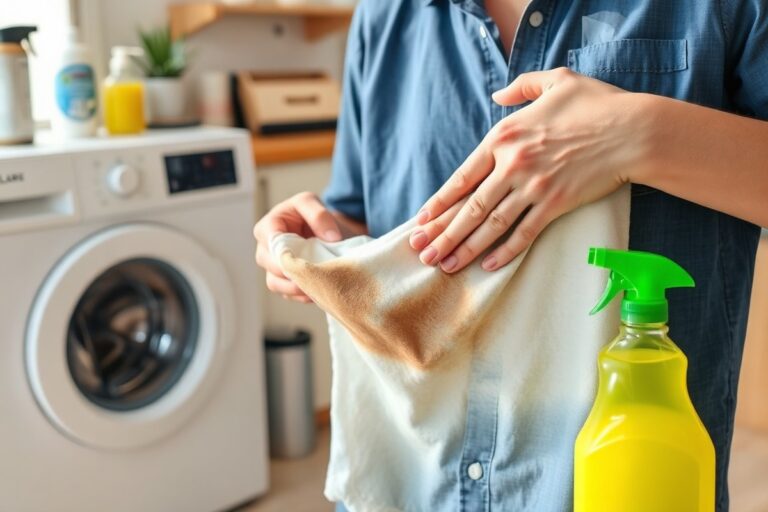
Small stains or localized spots on your feather down comforter should be treated carefully and promptly to avoid frequent full washes that can wear down the feathers. Use gentle cleaners like mild soap or a gentle detergent diluted in water. Avoid harsh chemicals or bleach, as these can damage the delicate down filling and the fabric covering it.
Spot cleaning protects the integrity of your down comforter by focusing only on the soiled area, reducing moisture exposure and mechanical agitation that could cause clumping or loss of loft. You should reserve full washing for when large areas are soiled, when the comforter develops an odor, or after every three to four months of regular use, especially if you maintain it with routine spot cleaning. Follow this step-by-step process for effective spot cleaning:
- Prepare a mild cleaning solution: Mix a small amount of mild soap or gentle detergent with warm water, about one teaspoon of soap per cup of water.
- Test on a hidden area: Dab a small amount of the solution on a discreet section to check for any fabric discoloration or damage.
- Dampen a clean cloth: Soak a soft white cloth or sponge in the solution and wring it out well to avoid over-wetting the comforter.
- Gently blot the stain: Press the damp cloth onto the stained area without rubbing aggressively to avoid pushing the stain deeper or damaging the fabric and down inside.
- Use a clean damp cloth: Wipe the spot with a cloth dampened with plain water to remove soap residue.
- Dry the area: Pat dry gently with a dry towel and allow the comforter to air dry completely, preferably in a well-ventilated room or near a gentle fan.
- Repeat if necessary: For tougher stains, repeat the process but avoid saturating the comforter, as excess moisture can lead to down clumping.
Choose mild soaps labeled safe for delicate fabrics or wool detergents with no added enzymes or bleach, as they are less likely to harm down. Avoid stain removers with strong solvents, as these can degrade feathers or the shell fabric.
Tip: Attend to fresh spills immediately with spot cleaning to prevent stains from setting, reducing the need for full washing that can shorten your comforter’s lifespan.
Full washing is necessary if stains cover a large area, if the comforter develops a musty odor, or if the fabric or down feels heavy due to excessive moisture absorption or oily buildup. In those cases, careful machine washing or professional cleaning is best.
Common Mistakes to Avoid When Washing Feather Down Comforters
Washing feather down comforters requires care to avoid damaging the delicate feathers inside. One common mistake is using hot water or high-heat dryer settings. High temperatures can cause feathers to break down, clump, or lose their natural loft. Always wash your comforter in cool or warm water, around 30 to 40°C (86 to 104°F), and dry on a low heat setting to protect its structure.
Another frequent issue is selecting the wrong washing cycle. Aggressive or long cycles can mishandle the down filling, leading to clumping or uneven distribution. Choose a gentle or delicate cycle to minimize agitation. This helps maintain the fluffiness and even spread of feathers throughout the comforter.
Detergent use is also critical. Using too much detergent or fabric softeners leads to residue buildup. Residue reduces loft and softness by coating feathers and making them sticky. To prevent this, use a mild detergent formulated for down or delicate fabrics, and skip fabric softeners and dryer sheets altogether. Running an extra rinse cycle after the wash removes any leftover soap, which helps keep the down clean and fluffy.
- Avoid hot water and high dryer heat to prevent feather damage
- Use gentle washing cycles for minimal feather disturbance
- Choose mild, down-safe detergent and avoid fabric softeners
- Run an additional rinse cycle to eliminate detergent residue
- Shake the comforter after drying to distribute feathers evenly
- Repeat drying if clumping persists to ensure complete drying
Clumping indicates either inadequate drying or improper washing. After washing, drying thoroughly on low heat while periodically fluffing the comforter breaks up wet clumps and restores loft. If some areas remain damp, repeating drying cycles is necessary to avoid mildew and odors. Shaking the comforter vigorously after each drying cycle also helps redistribute feathers and prevents clumps from reforming.
Neglecting these practices can shorten your comforter’s lifespan and reduce its comfort. Taking a little extra time with cycle selections, detergent amounts, rinse cycles, and drying methods ensures your feather down comforter stays soft, warm, and well-fluffed wash after wash.
How to Store Your Feather Down Comforter After Washing
Storing a feather down comforter properly after washing is essential for keeping it fresh and maintaining its loft. The most important factor is ensuring the comforter is completely dry before storage. Any dampness can lead to mildew and musty odors. Airing the comforter outside for several hours on a mild, dry day can help eliminate residual moisture and odors. This step refreshes the down and helps prevent trapped humidity inside storage.
Selecting a storage option that permits airflow is important. Storage bags made from 100% eco-friendly polypropylene nonwoven fabric support ventilation, reducing the chances of mildew and bad odors. The SLEEPING LAMB 120L Extra Large Blanket Storage Bag fits this need well. It is roomy enough for king-size comforters and pillows, while its breathable material allows moisture to dissipate, keeping musty smells at bay.
Plastic bags or vacuum-sealed bags are not ideal for storing down comforters long-term because they trap moisture and restrict airflow, which can damage the feathers and reduce loft. Instead, underbed storage bags or cotton storage bags provide a safer environment. They protect the comforter from dust and pests while letting it breathe.
- Ensure the comforter is 100% dry before storing, preferably after air-drying outdoors.
- Use a breathable storage bag made from polypropylene nonwoven fabric or cotton.
- Avoid plastic or vacuum-sealed bags for long-term storage to prevent moisture buildup.
- Store comforters in a cool, dry place away from direct sunlight and extreme temperature changes.
- Occasionally take the comforter out to fluff it and allow fresh air to circulate.
- Keep the storage area clean and pest-free to protect the down filling.
These steps help maintain your comforter’s loft and softness while preventing odors and mildew. Proper storage can extend the life of your feather down comforter, keeping it feeling fresh year after year. Storing the comforter for several months calls for regular checks to make sure no dampness or musty odors have formed.
When to Choose Professional Cleaning for Your Feather Comforter
Professional cleaning often makes sense when your feather down comforter shows heavy soiling, persistent odors, or stubborn stains that home washing can’t handle safely. When the fabric is delicate, the stitching shows wear, or your comforter is too large and bulky for your washer and dryer, a professional service offers better protection for its condition. Comforters with non-removable covers or those that have been exposed to allergens, smoke, or pet dander may also benefit from professional treatment to ensure a deep, thorough clean.
Costs for professional cleaning vary mainly by comforter size. Typically, expect to pay $15 to $30 for a twin or single, $20 to $40 for double or full, $25 to $50 for queen, and $30 to $60 for king size comforters. Pricing can be higher in some urban areas or if special treatments like deodorizing or stain removal are requested. Considering these costs, professional cleaning is best reserved for cases where home laundering risks damage or won’t achieve the cleanliness level you need.
Before taking your comforter to a cleaner, inspect it carefully to note any particular spots or damage, and secure loose threads or buttons to prevent further issues during handling. Remove any detachable covers or shams to reduce cleaning expenses and avoid unnecessary treatment of components. Call ahead to ensure the cleaner specializes in feather down products and understands their care requirements, such as using low temperatures and gentle detergents. Also, ask about the timeframe for pickup to plan accordingly.
Choosing professional cleaning protects your comforter from twisting, uneven washing, or stretching, common problems at home that can damage the down filling or fabric shell. Professionals use industrial washers sized appropriately for bulky bedding, ensuring thorough rinsing and spinning. They typically apply controlled drying methods that prevent overheating down clusters, preserving loft and comfort. Although more expensive than home washing, professional cleaning helps maintain your comforter’s lifespan, especially when frequent cleaning is needed due to allergies or excessive use.
Some comforters, especially large or very delicate ones, should never be home washed because improper handling can cause permanent damage.
Weighing pros and cons helps decide if professional cleaning fits your situation. Professionals offer superior stain removal, allergen elimination, and fabric protection but come with higher costs and less control over handling time. Home laundering saves money and allows flexible timing but risks uneven drying, potential feather clumping, or fabric wear. Your comforter is lightweight, only lightly soiled, or fits in your home machines, so washing at home stays a practical option.
Step-by-Step Action Plan for Washing Your Feather Down Comforter
Follow these steps to clean your feather down comforter safely at home while keeping it fluffy and damage-free.
- Before you start: Check the care label on your comforter to confirm that home washing is safe.
- Preparation phase: Spot clean any stains using a mild detergent and cold water, then let the treated areas dry.
- Washing day: Use a large front-loading washing machine with a gentle cycle and cold water to avoid damaging the feathers.
- Detergent selection: Choose a mild detergent formulated for down or delicate fabrics for the best cleaning results without stripping oils.
- Rinsing: Run an extra rinse cycle to ensure all detergent is washed out, reducing clumping and residue.
- Drying: Dry your comforter on low heat with several clean tennis balls or dryer balls to help restore loft and prevent clumping.
- Dry check: Make sure the comforter is completely dry to avoid mildew; drying can take several hours, so be patient.
- Storage: Store your clean comforter in a breathable cotton bag or pillowcase to protect it while allowing air circulation.
Frequently Asked Questions
How Often Should I Wash My Feather Down Comforter?
Wash your feather down comforter every 3 to 5 years unless used heavily; frequent use or allergies may require washing every 3 to 6 months.
Can I Machine Wash a Feather Down Comforter If It’s Very Large?
Large feather down comforters can be washed in commercial machines at laundromats to avoid damage and ensure thorough cleaning.
What Detergent Is Best for Washing Feather Down Comforters?
Use a gentle, mild detergent designed for down or delicate fabrics to protect the feathers and avoid residue buildup.
Can Washing My Feather Down Comforter Reduce Its Warmth?
Overwashing or improper drying can cause feathers to clump, reducing loft and warmth. Proper drying helps maintain insulation.
Is It Safe to Use Fabric Softener on a Feather Down Comforter?
Avoid fabric softeners as they can coat feathers, reducing their natural loft and breathability.
How Do I Prevent Feathers from Escaping During Washing?
Check for tears and repair them before washing to prevent feathers from leaking out during the wash cycle.
Key Points to Remember
Washing a feather down comforter at home is doable when you follow the right steps carefully. Make sure your comforter is fully dry to keep it fluffy and prevent damage. Start by checking your care label and preparing your comforter with spot cleaning before the full wash. Taking these measures will help your comforter stay clean and cozy for many nights ahead.