

Does Vinegar Remove Stains? 9 Proven Methods and Safety Tips
Does vinegar remove stains effectively? Yes, vinegar’s mild acetic acid can break down certain types of stains, especially organic ones like coffee, tea, and sweat. It works best when diluted properly and applied directly to the stain with some soaking time.
This information suits homeowners or renters seeking natural, affordable ways to tackle common household stains. You’ll learn which stains vinegar can handle, how to use it safely, and when it’s better to try other methods for stubborn marks.
Key Takeaways
- Use white distilled vinegar diluted to about 5% acidity for most stain removal tasks.
- Soak coffee or tea stains in a mixture of 1/3 cup vinegar and 2/3 cup water for 30 minutes before washing.
- Apply a 1:1 vinegar and water solution directly to upholstery and carpets, then rinse after 10 minutes.
- For yellow sweat stains on whites, mix 2 tablespoons vinegar in 1 cup warm water before applying.
- Spot-treat white clothes with undiluted vinegar for 15 minutes to lift stubborn stains safely.
- Allow vinegar to soak for 15 to 30 minutes on hard surfaces with tough mineral deposits before rinsing.
1. Does Vinegar Really Remove Stains Effectively?
Vinegar removes stains effectively because it contains acetic acid, which breaks down and dissolves the molecular bonds holding many stains in place. This acidity helps to loosen mineral deposits, soap residues, and certain organic stains, making vinegar a useful natural cleaner for light to moderate stains on fabrics, carpets, and hard surfaces. Its ability to disrupt chemical bonds means that vinegar can weaken stain substances, allowing you to lift them away with gentle blotting or washing.
To use vinegar for stain removal, start by blotting the stained area gently with a clean cloth to absorb excess moisture or residue. Applying vinegar directly to the stain after this prepares the surface for the acid to start breaking down the stain. For fabrics and upholstery, a diluted solution often works best, commonly one part vinegar to two or three parts water, to avoid damaging delicate materials or causing colour fading. After applying vinegar, let it sit for 5 to 10 minutes to allow the acid to work, then blot or rinse the area thoroughly with cold water. This method is especially effective for stains like red wine, grease, and some food residues.
Vinegar is less effective against stains that do not respond to acid or require enzymes or bleaching agents to break down. Protein-based stains, such as blood or sweat, may not come out well with vinegar alone and often need enzymatic cleaners or cold water treatment. Likewise, tannin-rich stains from fruits or coffee could be only partially removed with vinegar, sometimes requiring additional cleaning steps. Vinegar also doesn’t work well on oil-based or waxy stains without help from other solvents due to its water solubility. Beyond its limits, vinegar may not perform well on delicate or elastic fabrics like spandex because its acidity can damage fibres or cause stiffness.
The costs of using vinegar for stain removal are low since most households already have it on hand, and typical white distilled vinegar costs about $2 to $4 per gallon. Its widespread availability and low price make it an accessible option. Good results present themselves as a visible lightening or disappearance of the stain without damage to the fabric or surface. Problems usually arise when applying vinegar undiluted on colored or delicate fabrics, which can cause fading or fibres to wear down. Overuse may also leave a lingering vinegar smell, so rinsing or airing out is recommended afterward.
Using vinegar effectively means understanding its acid concentration and applying the right dilution depending on the surface. For carpets and upholstery, gentle blotting after vinegar application avoids pushing stains further in. For synthetic fabrics like polyester and nylon, vinegar works well, but always test a small hidden area first. Vinegar’s stain-fighting power comes from disrupting stain molecules, but it isn’t universal. Choosing when and how to use vinegar depends on stain type, fabric, and test results to avoid damage.
2. Which Types of Stains Can Vinegar Remove?
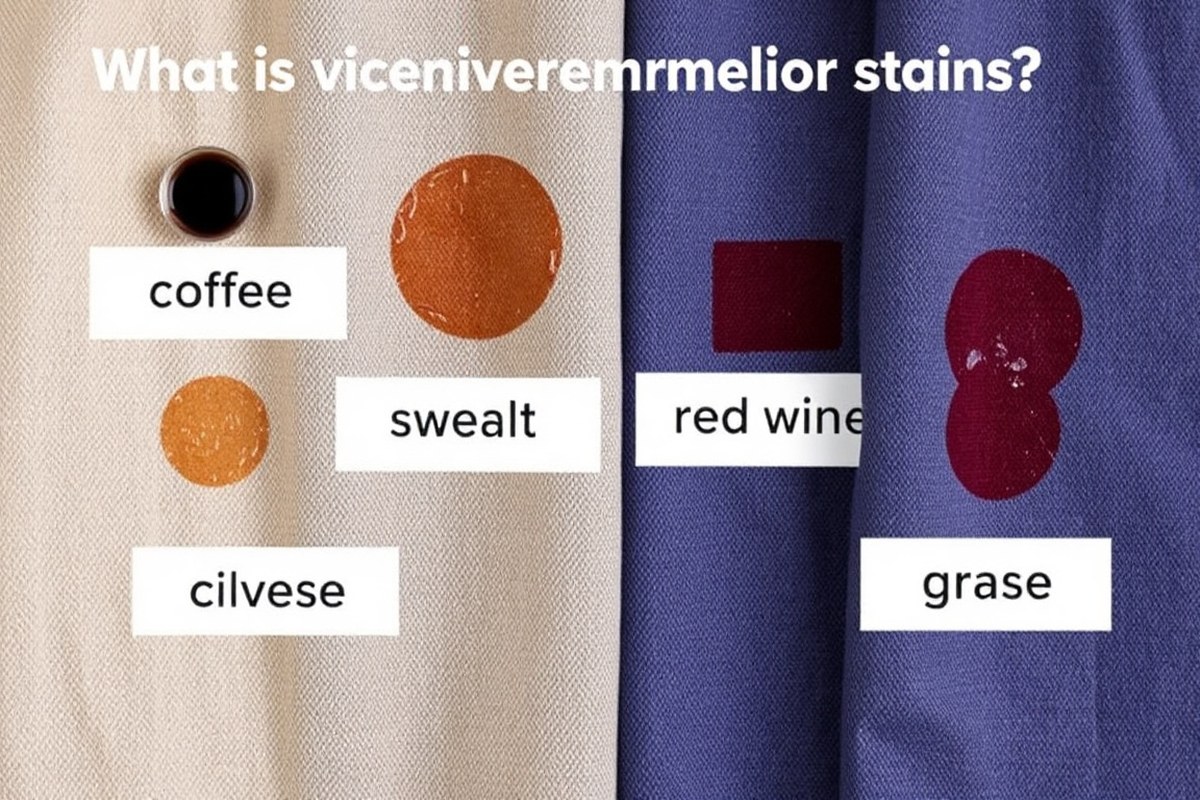
Vinegar works best on stains that are alkaline or organic in nature. The acetic acid in white vinegar breaks down minerals like hard water deposits and dissolves residues such as soap scum. This makes it effective for removing yellow sweat stains, coffee or tea spills, grass, and mud stains from fabrics, carpets, and upholstery. Vinegar’s ability to neutralize odors often complements its stain removal, helping freshen laundry and household surfaces.
Applying vinegar promptly is key. For fresh stains like coffee or tea, soaking the area in a solution of one-third cup white vinegar with two-thirds cup water for about 30 minutes can lift the stain before washing. For yellow sweat stains on whites, mixing two tablespoons of vinegar with one cup of warm water and dabbing it on pre-treats effectively. Soaking fabrics in diluted vinegar helps tackle stubborn, set-in stains.
| Type of Stain | Vinegar Treatment | Effectiveness |
|---|---|---|
| Yellow sweat stains | Mix 2 tbsp vinegar with 1 cup warm water; apply and let sit before washing | Good for fresh or set-in stains on whites |
| Coffee and tea stains | Soak in 1/3 cup vinegar + 2/3 cup water for 30 mins | Works well on fresh stains before laundering |
| Grass and mud stains | Apply diluted vinegar, scrub gently, then rinse | Effective at breaking down natural pigments |
| Soap scum and hard water deposits | Use undiluted or diluted vinegar to dissolve mineral build-up | Highly effective on hard surfaces, less so on fabrics |
| Odors in laundry | Add vinegar during rinse cycle or soak | Vinegar neutralizes many unpleasant odors |
| Protein-based stains (blood, egg, dairy) | Not recommended; vinegar may set stains | Ineffective or can worsen stain |
| Ink, oil, and grease stains | Vinegar is generally ineffective | Stains require specialized removers |
Vinegar struggles with protein-based stains such as blood, egg, or dairy because its acidity can cause these stains to set deeper into fabric fibers rather than lift out. It is also not effective against grease, oil, or ink stains. These typically need other treatments like enzyme-based stain removers or solvents designed for oil. Testing vinegar on a hidden area first is important, especially on delicate fabrics or upholstery, to avoid any damage.
Always test vinegar on a small, hidden spot before applying it to a visible stain, especially on colored fabrics or upholstery to avoid discoloration or damage.
Besides stain removal, vinegar helps neutralize odors in laundry and on hard surfaces, making it a good dual-purpose cleaner. For fabrics, adding vinegar in the rinse cycle or soaking items before washing helps remove mildew smells and freshen materials. Its low cost and availability make it a practical option, but following dilution guidelines ensures you get good results without weakening fabrics or surfaces.
3. Choosing the Best Vinegar and Dilution for Stains
For most stain removal tasks, white vinegar and apple cider vinegar are the best choices, with white vinegar preferred for common household stains due to its strong acidity. Always dilute vinegar with water before applying it to fabrics or surfaces to avoid damage, adjusting the ratio depending on fabric type and stain severity. Testing an unseen spot first can prevent unwanted discoloration or material harm.
Types of Vinegar for Cleaning
White vinegar is the go-to cleaning vinegar because of its approximately 5% acetic acid concentration, which is strong enough to tackle stubborn stains like red wine, coffee, and tea. Its acidity helps neutralize alkaline stains and prevents them from setting into fibers or surfaces. Apple cider vinegar offers a milder alternative with a lower pH, making it suitable for delicate fabrics and surfaces that can be sensitive to harsh acids.
Both types are widely available and cost-effective, with white vinegar generally priced around $2 to $3 per quart at grocery stores. Choosing between the two depends on the stain type and how delicate the fabric or surface is.
Recommended Dilution Ratios by Fabric Type
Proper dilution is critical to protect your garments and household items. For cotton, linen, and other natural fibers that are durable, a 1:1 ratio of vinegar to water is typically effective for common stains. For more delicate fabrics like silk or wool, mix one part vinegar with three or four parts water to reduce acidity and avoid fiber damage. Here is a simple dilution guide you can follow:
- Light stains on durable fabrics: 50% vinegar and 50% water
- Heavier stains on durable fabrics: undiluted or 75% vinegar with 25% water
- Light stains on delicate fabrics: 25% vinegar and 75% water
- Carpets and upholstery: 50% vinegar diluted with 50% water, test before use
- Dark or brightly colored fabrics: avoid vinegar or test on a hidden spot first
Applying vinegar directly without dilution to tough stains can improve stain removal but should be done cautiously and only after testing. Use cool or lukewarm water to dilute vinegar; hot water may cause some stains to set further.
Precautions to Avoid Damage or Discoloration
Vinegar’s acidity can weaken some fabrics and damage sensitive surfaces. Avoid using vinegar on natural stone like marble or limestone, as acid can dissolve these materials. Always check the fabric’s care label and perform a patch test on an inconspicuous area before treating the visible stain to ensure no color fading or fabric degradation occurs.
Using vinegar on dark or brightly colored fabrics risks unwanted discoloration. If you notice any color change during the patch test, do not continue with vinegar treatment.
When applying vinegar solutions, avoid soaking the fabric excessively to prevent weakening fibers. Dab or lightly spray the stain and allow the vinegar mixture to sit for 5 to 10 minutes before rinsing or laundering as usual. Prolonged exposure may cause irritation or damage.
4. How to Apply Vinegar to Different Stains Safely
Vinegar should usually be applied diluted for surface or fresh stains and undiluted for spot-treating tougher stains like sweat marks. Let the vinegar sit for about 10 to 15 minutes to break down the stain, but avoid prolonged exposure on delicate fabrics. Rinse the vinegar off with cold water after treatment to stop any acid from weakening fibers or causing discoloration.
Pretreating Fresh Stains
Start by acting quickly to prevent the stain from setting. Diluted vinegar is best here because it gently lifts the stain without damaging fabric or surfaces.
- Combine equal measures of white vinegar and cold water in a spray bottle or container.
- Dampen the stained area lightly with water to avoid spreading the stain.
- Apply the diluted vinegar solution directly onto the stain, using a spray bottle or a clean cloth.
- Let the solution sit for 10 to 15 minutes to allow the vinegar to break down the stain components.
- Gently blot or scrub the area with a soft brush or cloth to help lift the stain.
This method works well on grass, coffee, or mild food stains on most washable fabrics. Avoid soaking delicate materials or leaving vinegar on too long.
Treating Older or Stubborn Stains
For tougher stains like older perspiration marks or dried ink, undiluted white vinegar is more effective. The raw acidity helps break down proteins and pigments deeply embedded in the fibers.
- Lightly dampen the stain with water to prepare the fabric.
- Apply undiluted white vinegar directly to the stained area using a dropper or clean cloth.
- Allow the vinegar to soak into the stain for 15 minutes.
- Repeat the application and soaking steps if the stain persists but avoid over-saturating the fabric.
- For very stubborn stains, follow up with your usual detergent or a mild prewash stain remover after vinegar treatment.
Keep in mind some stains like grease or blood might require additional or different treatments. Always test on a hidden area first to prevent color fading.
Rinsing and Follow-Up Washing
Rinsing vinegar off after treatment is important to prevent acid damage or lingering odours. Cold water rinsing preserves fabric and halts further stain setting.
- After vinegar has soaked in for the recommended time, rinse the fabric or surface thoroughly with cold water.
- For clothing, wash the treated item according to its care label instructions using a regular detergent.
- Check the stain after drying before repeating vinegar treatment or using other stain removers.
- Allow treated items to air dry when possible to avoid heat setting any remaining stain.
Do not put stained clothes in the dryer until you’re sure the stain is gone, as heat can set stains permanently. Rinsing and washing promptly helps protect your fabrics and remove both vinegar and loosened stain residues.
5. Using Vinegar on Carpets, Upholstery, and Hard Surfaces
You can safely use vinegar to clean and remove stains from carpets, upholstery, and many hard surfaces by diluting it properly and testing on a small area first. Vinegar, especially distilled white vinegar, is an effective and affordable cleaning agent, but it requires care to avoid damage to delicate fabrics or sensitive surfaces.
Carpet and Upholstery Vinegar Treatment
Use a solution of equal parts distilled white vinegar and water for most carpet and upholstery stain treatments. Apply it gently with a spray bottle or a clean cloth on the stained area, then let it sit for about 10 minutes. Avoid saturating your carpet or upholstery to prevent water damage or mildew. After the solution has set, blot the area with a dry cloth to lift the stain and vinegar residue. Repeat if necessary but always allow drying in between.
To avoid discoloration or fabric damage, test the vinegar solution on a hidden spot first. Some synthetic upholstery fabrics handle vinegar well, while natural fibers like wool and silk can weaken or discolor. For tough pet stains or food spills, follow up with a mild detergent and water rinse, then blot dry.
Hard Surface Cleaning with Vinegar
Hard surfaces like tile, glass, countertops, and sinks clean well with a diluted vinegar solution. Mix one part vinegar with four parts water to avoid surface etching or dulling, especially on sealed stone or hardwood floors. Apply with a spray bottle or cleaning cloth and wipe the surface. Vinegar helps remove mineral deposits, soap scum, and general grime effectively.
Plastic and glass parts on appliances like blenders and coffee makers are safe to clean with vinegar. Avoid letting vinegar sit too long on metal or rubber parts to prevent corrosion or damage. Vinegar deodorizes as it cleans, leaving surfaces fresh after wiping.
Surfaces and Fabrics to Avoid
Some surfaces and fabrics do not tolerate vinegar well. Avoid using vinegar on delicate fabrics such as silk, wool, or any upholstery with special finishes or dye that might react poorly. Also, steer clear of natural stone surfaces like marble, granite, or limestone because vinegar’s acid can etch and dull these materials.
Metal surfaces such as aluminum, cast iron, and some stainless steels may corrode when exposed to vinegar for prolonged periods. Rubber and certain plastics can degrade or discolor under acidic conditions, so rinse those areas after contact.
- Test vinegar solution on a hidden spot before full application.
- Always dilute vinegar with water for cleaning tasks.
- Blot, don’t rub, stains on fabrics to avoid spreading.
- Limit vinegar exposure time on metal and rubber surfaces.
- Use distilled white vinegar for consistent results.
- Allow fabrics and surfaces to dry fully after treatment.
- Use additional mild cleaners if stains persist after vinegar treatment.
Always spot test vinegar on delicate fabrics and sensitive surfaces before applying broadly to prevent permanent damage or discoloration.
6. Common Mistakes and How to Avoid Damage with Vinegar
You can damage fabrics or surfaces if vinegar is used incorrectly. Vinegar’s acidity can weaken or discolor some materials, especially when applied full strength or left on too long. For example, natural stone like marble or granite can etch and dull if treated with vinegar. Cotton and wool fabrics may fade or weaken with repeated vinegar treatments. Knowing common mistakes and how to avoid them keeps your items safe and stain-free.
One frequent error is applying undiluted vinegar directly on the stain. Vinegar’s acidity ranges from 5% to 8%, which can harm sensitive materials. Always dilute vinegar with water, usually a 1:1 ratio works well for cleaning stains on durable fabrics, while a 1:3 or 1:4 ratio is safer for delicate fabrics or surfaces. Testing on a hidden area first helps you avoid visible damage.
Another common mistake is leaving vinegar on the item for too long. Vinegar should sit for no more than 10 to 15 minutes before rinsing; longer exposure can cause color changes or fiber breakdown. Rinse thoroughly with clean water afterward to remove all vinegar residue and stop the acid from continuing to affect the fabric or surface.
- Always test vinegar on a small, hidden area before full application
- Use the correct dilution for the fabric or surface type
- Limit vinegar contact time to 10, 15 minutes
- Rinse thoroughly with water after applying vinegar
- Avoid vinegar on natural stone, hardwood, or silk
- Do not mix vinegar with bleach or hydrogen peroxide to prevent harmful fumes
If vinegar causes discoloration or damage, act quickly by rinsing the area with plenty of water to dilute and remove remaining acid. For fabric stains, gently blot and soak the fabric in cold water to reduce vinegar effects. Avoid rubbing, which can worsen damage. You may also apply a mild detergent mixed with water to neutralize the vinegar before washing as usual.
Preventing damage saves time and expense. For instance, natural stone restoration or fabric repair can cost $50 to $200 or more, depending on severity. Checking product care labels before using vinegar and adhering to the steps above helps protect your home’s fabrics and surfaces while still benefiting from vinegar’s stain-fighting ability.
7. Can Vinegar Be Combined with Other Stain Removers Safely?
Combining vinegar with certain substances can either improve stain removal or create hazardous reactions. Vinegar’s acidity helps break down stains, and in some cases, adding another ingredient boosts this effect safely. Mixing it correctly matters because improper combinations can produce harmful fumes or reduce cleaning power.
Baking soda is a common companion for vinegar in stain removal. When you sprinkle baking soda on the stain and then apply vinegar, the reaction creates fizzing that loosens dirt. This mixture can be made into a paste by adding just enough vinegar to about a tablespoon of baking soda. Apply the paste to the stain and let it sit for several hours or overnight before rinsing. This method works well for tough stains, such as red wine or ground-in dirt on fabric.
On the other hand, some mixtures must be avoided entirely due to safety risks. Never combine vinegar with bleach or ammonia, as this can release toxic chlorine gas or chloramine vapors. These fumes pose serious breathing hazards and require immediate ventilation and medical care if exposure occurs.
| Combination | Purpose | Safety Notes | How to Use |
|---|---|---|---|
| Vinegar + Baking Soda | Lift tough stains with a paste | Safe when mixed in small amounts | Sprinkle baking soda on stain. Add vinegar slowly to form paste. Let sit several hours or overnight. Rinse. |
| Vinegar + Bleach | Not recommended | Dangerous: forms toxic chlorine gas | Never mix. Use separately and rinse thoroughly between uses. |
| Vinegar + Ammonia | Not recommended | Hazardous fumes (chloramine vapors) | Do not mix. Use products one at a time with rinsing. |
| Vinegar + Baking Soda in Separate Steps | Boost cleaning power safely | Safe when used at different times | Apply baking soda to stain, rinse or blot, then apply vinegar solution. |
Some people think vinegar and baking soda mixed together in equal amounts always leads to better stain removal. However, the fizzing reaction largely neutralizes their effects, limiting cleaning power when combined directly. Instead, using them one after another or making a vinegar-based paste yields better results.
Strong chemical stain removers or professional products might be needed if vinegar mixtures don’t fully remove stains. Always test vinegar blends on a hidden area first to check fabric or surface safety. Following these guidelines helps keep your home safe and your stain removal as effective as possible.
8. When Vinegar Alone Isn’t Enough: Next Steps for Stubborn Stains
Some stains resist vinegar’s natural acidity and require additional treatment or specialized products. Ink, dyes, oil-based marks, and old or set-in stains often won’t respond fully to vinegar alone. Recognizing when vinegar isn’t working means observing limited stain lightening after 10 to 15 minutes of treatment or repeated attempts without success.
For tougher stains, you can try combining vinegar with detergent. Apply a small amount of laundry detergent directly onto the stain, followed by a diluted vinegar solution, usually equal parts water and white vinegar, then gently scrub with a soft-bristled brush. This method helps break down the stain’s components beyond what vinegar can do alone.
- Blot fresh spills immediately with a clean cloth before applying vinegar.
- Use equal parts water and white vinegar for a gentle stain solution.
- Apply a small amount of liquid detergent to the stain before vinegar for stubborn marks.
- Scrub gently with a soft brush or cloth after applying the mixture.
- Rinse the treated area with cool water to remove vinegar and detergent residues.
- Repeat the process up to two times before considering alternative solutions.
- Avoid mixing vinegar with bleach or ammonia due to dangerous fumes.
If these steps don’t work, it’s time to reach for commercial stain removers formulated for the specific stain type. Products designed for ink, oil, or dye often contain enzymes or solvents that vinegar lacks. These products usually cost between $5 and $15 and are widely available in grocery stores and online. Following product instructions carefully helps avoid damage to fabrics or surfaces.
Never mix vinegar with bleach or ammonia; harmful gases can form causing serious health risks.
Professional cleaners can be necessary for antique fabrics, delicate upholstery, or highly stubborn stains that risk damage from home treatments. They use advanced techniques like dry cleaning or steam cleaning that remove deep stains safely. Expect professional stain removal costs to range from $20 to $100 or more depending on the item and stain severity.
Vinegar can be a natural, eco-friendly first attempt at stain removal, but it doesn’t replace commercial stain removers or professional services for tough or specialized stains. Using vinegar correctly saves money and reduces chemical exposure, but knowing when to switch methods prevents wasted effort or damage.
9. How Often and Safely to Use Vinegar for Stain Prevention and Cleaning
Using vinegar for stain prevention and cleaning can be safe and effective if done correctly and in moderation. Applying vinegar too frequently or undiluted can damage certain fabrics and surfaces, causing weakening or discoloration over time. For fabrics, limit vinegar treatments to no more than once every few washes, especially for delicate materials like wool, silk, or spandex blends. For regular cotton or polyester clothing, vinegar can help soften fabrics and remove residues without harsh chemicals when diluted properly.
Vinegar acts as a natural fabric softener while helping to break down mineral deposits, deodorize, and reduce residues from detergents. Using about half a cup of white distilled vinegar in the rinse cycle offers a balance between stain removal, fabric care, and softening without overexposure to acidity. Avoid pouring vinegar directly on fabric without diluting first, as high acidity may weaken fibers or cause color fading.
On hard surfaces like countertops, glass, and tile, vinegar can safely clear stains and buildup when diluted with equal parts water. Using vinegar more than once a week may eventually dull some stone surfaces or damage natural wood finishes, so test a small area first and limit application frequency. Never use vinegar on marble, granite, or unfinished wood, as it can cause etching or irreversible damage. Follow these key precautions to maintain fabric and surface integrity when using vinegar regularly:
- Always dilute vinegar, use a 50/50 mix with water for general cleaning and stain removal.
- Test a hidden fabric or surface spot for colorfastness and damage before full application.
- Limit vinegar use on fabrics to once every 2 to 3 washes to prevent fiber weakening.
- Use white distilled vinegar, which is cost-effective (typically $2 to $5 per gallon) and free from coloring agents.
- Avoid vinegar on natural stone, hardwood floors, or delicate upholstery materials.
- After cleaning, rinse fabrics and surfaces thoroughly with water to remove residual acidity.
- Store diluted vinegar solutions in a cool, dark place and prepare fresh batches weekly to maintain effectiveness.
These precautions reduce risks of damage and ensure vinegar remains a gentle, natural option for stain prevention and cleaning. You should adjust frequency and dilution depending on fabric type, surface material, and the intensity of stains or residue. Regular monitoring for any signs of wear or fading helps protect your belongings while benefiting from vinegar’s cleaning and softening properties.
Step-by-Step Action Plan for Using Vinegar to Remove Stains
Follow these steps to apply vinegar safely and effectively on household stains. Track your progress to know when to move to the next step or try other methods.
- Before you start: Test vinegar on a hidden area of the fabric or surface to check for damage or discoloration. Proceed when it is safe to do so.
- Immediately after a spill: Blot excess liquid without rubbing, then apply a 1:1 mix of white distilled vinegar and water. Let sit for 5-10 minutes. Gently blot again when the stain starts to fade.
- Within the first hour: For stubborn stains on washable fabrics, soak the item in vinegar solution for 30 minutes. Check stain reduction. Repeat if needed, but no more than twice to avoid fabric wear.
- For carpets and upholstery: Spray the diluted vinegar solution lightly, then blot with a clean cloth. Allow to air dry. Ventilate the room to clear the vinegar smell when odor persists.
- After treating stains: Rinse treated surfaces or fabrics with plain water to remove any vinegar residue which might weaken fibers or surfaces over time.
- After one week of regular use: Monitor fabric or surface condition. Reduce vinegar use if you notice any fading or material weakening.
- For persistent stains: Consider combining vinegar with gentle detergent according to fabric care instructions, or seek professional cleaning advice.
Frequently Asked Questions
Can Vinegar Remove Old, Set-In Stains?
Yes, soaking fabrics in vinegar can help loosen old, set-in stains. It works best when combined with warm water and some scrubbing.
Is Vinegar Safe to Use on Dyed Fabrics Without Fading Color?
Vinegar is generally safe for dyed fabrics but test on a small area first. Some delicate dyes may fade, so careful patch testing is recommended.
Can Vinegar Be Used on Leather Stains?
Vinegar is usually not recommended for leather as it can dry out and damage the surface. Use a cleaner designed specifically for leather instead.
Does Vinegar Completely Neutralize Pet Urine Odors in Stains?
Vinegar helps reduce pet urine odors but may not fully neutralize them. Enzymatic cleaners usually work better for deep odor removal.
Is Vinegar Effective for Removing Ink Stains?
Vinegar may help lighten some ink stains but is often not strong enough alone. Combining it with rubbing alcohol can be more effective.
Can Using Vinegar on Stains Weaken Fabric over Time?
Frequent vinegar use can weaken fabrics due to its acidity. Use it occasionally and rinse thoroughly to avoid damage.
Key Points to Remember
Vinegar can remove many common stains if used properly and with caution on different surfaces. Start with small tests and controlled application to avoid damage. Try using vinegar today on a fresh stain following the plan to see how it works for your home, and adjust next steps based on the results you observe.


