Does Vinegar Stain Clothes? What Actually Happens and How to Use It Safely
Does vinegar stain clothes? No, standard distilled white vinegar with about 5% acidity generally will not stain or damage fabric colors when used properly. It’s a safe and affordable option to remove odors, brighten whites, and soften fabrics for most laundry loads.
This information is especially useful if you want natural laundry solutions or want to add vinegar safely to your wash routine. You’ll learn the best types of vinegar to use, how and when to add vinegar during laundry cycles, and important precautions to avoid problems.
Key Takeaways
- Use 5% acidity distilled white vinegar as the safest and most effective vinegar for laundry needs.
- Avoid mixing vinegar and detergent directly to prevent reduced detergent effectiveness in the wash.
- Add 1/4 to 1/2 cup of vinegar to the fabric softener dispenser during the rinse cycle for best results.
- Limit vinegar to 2-3 tablespoons on delicate fabrics to prevent potential damage.
- Soak whites in hot water mixed with 1 cup vinegar to brighten dingy fabrics before washing.
- Apply vinegar spray directly to underarm areas and let sit at least 10 minutes to neutralize odors.
Does Vinegar Stain Clothes or Affect Color?
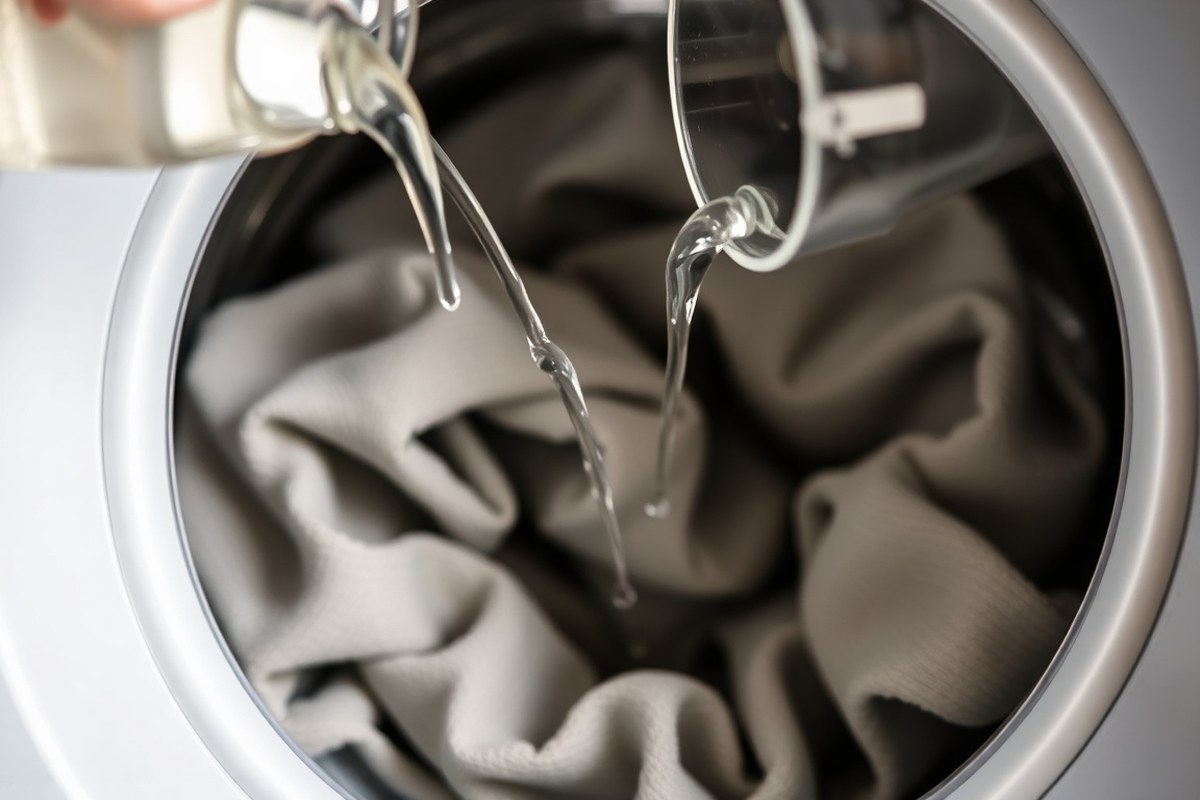
Vinegar does not stain clothes or change fabric colors when used properly in laundry. White distilled vinegar with around 5% acidity is a safe, food-grade option that won’t leave visible marks or spots on your clothing. Instead, it can help preserve the color of fabrics by softening hard water, which otherwise may cause fading over time. Adding about 1/2 cup of vinegar during the rinse cycle helps brighten clothes and prevent color loss without causing damage.
You might worry that vinegar’s strong smell or acidic nature could leave visible spots or streaks. However, any vinegar odor disappears during rinsing, so your clothes come out scent-free. Vinegar also works naturally to break down detergent residue and mineral deposits, making fabrics softer and cleaner. When washing delicate materials, reduce the amount to 2 or 3 tablespoons to avoid potential irritation or weakening of the garment’s fibers.
Using vinegar on stains, like tomato or sweat marks, will not damage or discolor the fabric. Treating tough stains with vinegar before washing can even improve stain removal without risk of leaving vinegar stains. Always add vinegar separately from detergent. Mixing them together at the same time can reduce the detergent’s cleaning power, making the wash less effective. For best results, pour vinegar into the fabric softener compartment so it releases during the final rinse.
Some fabrics might show temporary cloudiness if the vinegar is not diluted properly or used excessively, but this rarely results in permanent staining. To avoid any issues, stick with standard distilled white vinegar. Avoid using stronger vinegars or those with added colors or flavors, as they could have unpredictable effects on fabric color and appearance.
In general, vinegar can actually help extend the life of your clothes by maintaining their color and softness. It doesn’t seal in smells or leave residues like many commercial fabric softeners might. This makes it a practical, low-cost addition to your laundry routine without the risk of stains or color changes. Using plain white vinegar in moderate amounts is the key to safe and effective fabric care.
Which Types of Vinegar Are Safe and Best for Laundry?
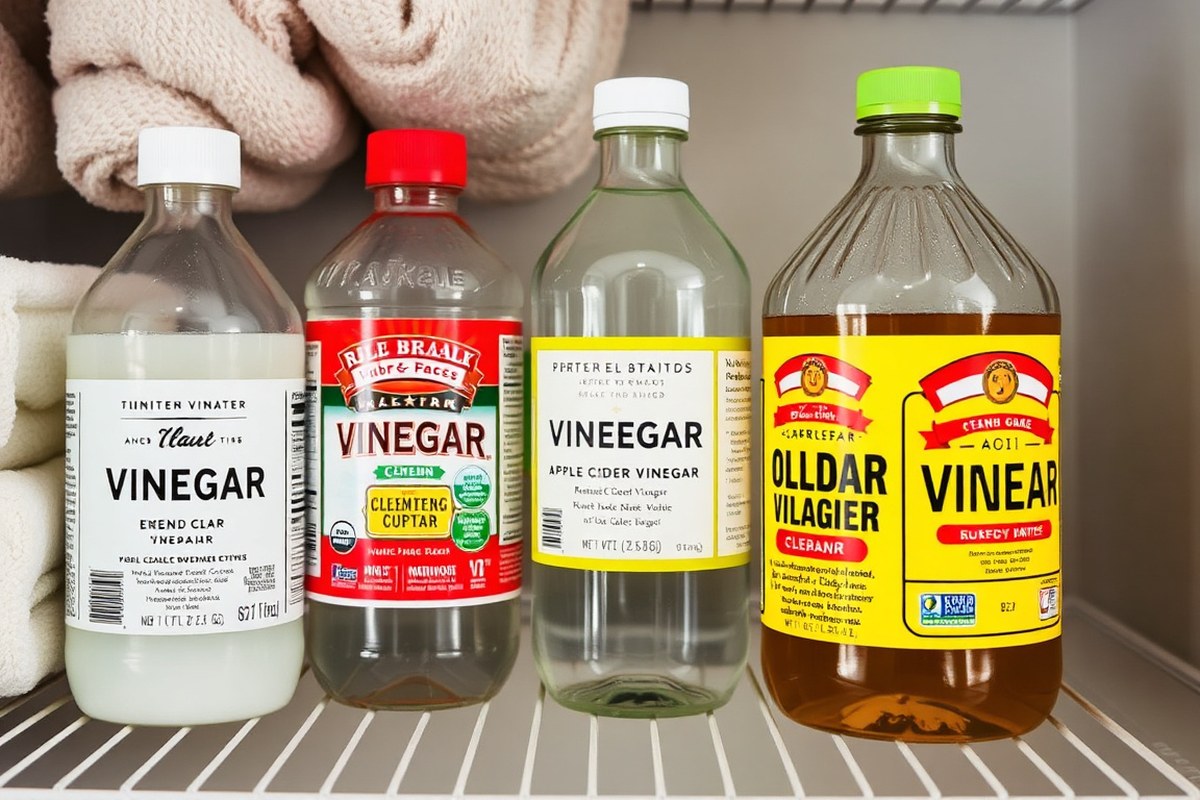
Distilled white vinegar is the best choice for laundry due to its balanced acetic acid level of about 5%. This concentration effectively breaks down detergent residue, softens fabrics, and brightens faded whites without damaging clothes. Other vinegar types may have varying acidity levels or contain colorants that risk staining or weakening fabric fibers.
Cleaning vinegar often contains around 6% acetic acid, slightly stronger than distilled white vinegar. While that makes it a potent cleaner on hard surfaces, it poses a greater risk of fading or weakening delicate clothing fibers. Therefore, it’s not recommended for regular laundry use, especially on colored or sensitive fabrics.
Vinegars like apple cider or wine vinegar typically have lower or variable acidity and contain natural pigments. These pigments can transfer color or leave residues on your clothes, particularly on light or white garments. Using them occasionally in laundry is not advised if you want to keep your clothes bright and unstained.
| Type of Vinegar | Acetic Acid Concentration | Color | Recommended for Laundry? | Notes |
|---|---|---|---|---|
| Distilled White Vinegar | 5% | Colorless | Yes | Effectively brightens clothes, removes odors, softens fabrics, and is safe for all colors and children’s clothes |
| Cleaning Vinegar | 6% | Colorless | No | Stronger acid can damage delicate fabrics, risk fading or weakening fibers |
| Apple Cider Vinegar | Varies (~5%) | Light amber | No | Contains pigments that can stain or discolor clothes |
| Wine Vinegar | Varies | Red or white, colored | No | Color pigments may stain fabric, less predictable acidity |
To use distilled white vinegar effectively, add 1/2 cup to the final rinse cycle in your washing machine. For extra brightening of white garments, soak clothing in a mix of 1 cup vinegar with hot water before washing. Avoid overusing vinegar or mixing it with bleach to prevent fabric damage. Distilled white vinegar’s mild acid level is strong enough to tackle detergent residue but gentle enough to maintain fabric integrity.
Always use distilled white vinegar for laundry to avoid unexpected fabric staining or damage from stronger or pigmented vinegars.
Purchasing distilled white vinegar is cost-effective, often priced below other specialty cleaning products. Its versatility extends beyond laundry, making it a staple in household cleaning supply kits. By choosing the right vinegar type and using it correctly, you can improve clothes’ freshness and brightness safely and economically.
How and When to Add Vinegar During Laundry Cycles
Add vinegar during the rinse cycle for best results, using about 1/2 cup per average laundry load. Dilution is optional when adding it to the washer but is essential when soaking clothes beforehand. Avoid mixing vinegar with detergent to prevent reduced cleaning effectiveness.
Adding Vinegar to the Rinse Cycle
The optimal time to add vinegar is during the rinse cycle, after the detergent has worked on cleaning your clothes. Adding it during this stage helps soften fabrics, reduce static, and remove lingering odors without interfering with detergent action. Use 1/2 cup of distilled white vinegar for a regular load; heavier items like blankets may require up to 2 cups.
You can pour the vinegar directly into your washing machine drum or use the fabric softener dispenser if your machine has one. This method ensures even distribution during the final rinse. Manually pausing the machine right before the final rinse allows you to add vinegar at the right moment if your washer does not have separate dispensers.
- Start your washing machine and run the normal wash cycle with detergent.
- Pause the machine just before the final rinse begins.
- Measure 1/2 cup (up to 2 cups for bulky items) of white distilled vinegar.
- Pour the vinegar directly into the drum or the fabric softener compartment.
- Resume the rinse cycle so vinegar can work effectively at this stage.
- Let the cycle complete and remove your laundry promptly to avoid musty smells.
Soaking Clothes in Vinegar Solution Before Washing
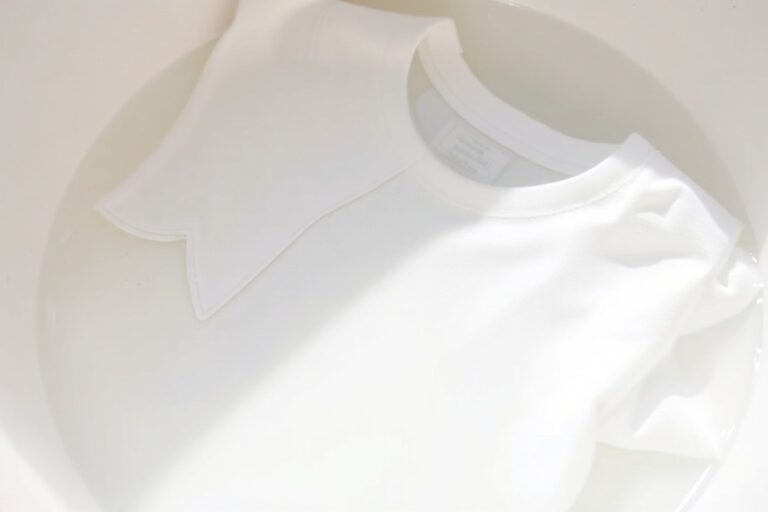
Clothes with tough odors or strong mildew smells benefit from soaking in a vinegar mixture. Use a diluted vinegar solution to protect fabric and avoid overpowering vinegar smell. Prepare a bucket or tub of cool to warm water and stir in 1 cup of distilled white vinegar.
Submerge your clothes fully and allow them to soak for 30 minutes up to several hours, depending on odor strength. After soaking, wash the clothes normally with detergent. This pre-treatment tackles odors deeply without risking fabric damage or colour loss.
Combining Vinegar with Detergent Safely
Avoid adding vinegar directly to the wash cycle together with detergent. The acidic nature of vinegar can weaken detergent effectiveness and reduce cleaning power. Instead, keep vinegar addition separate, either during the rinse cycle or as a pre-soak.
To remove odors, substitute detergent completely with vinegar for a single wash cycle. Apply vinegar again during the rinse cycle if odors remain. This approach cleans and deodorizes while avoiding chemical interactions. For routine softening, stick to vinegar in the rinse cycle only.
How Vinegar Helps Remove Odors, Soften Fabrics, and Brighten Clothes
Vinegar offers several laundry benefits beyond removing stains. It neutralizes odors effectively, softens fabrics without harsh chemicals, and can brighten white and colored clothes. Adding vinegar to your rinse cycle achieves these results naturally and affordably, keeping your laundry fresh and comfortable.
How Vinegar Neutralizes Odors in Laundry
Vinegar works as a natural deodorizer by neutralizing alkaline odors caused by sweat, mildew, and bacteria. Adding 1/4 to 1/2 cup of white distilled vinegar during the rinse cycle allows it to break down odor molecules, leaving clothes smelling clean rather than vinegary. The smell of vinegar dissipates quickly as clothes dry, so you won’t notice any lingering vinegar scent on your laundry.
This makes vinegar a practical choice for eliminating musty or mildewy smells from towels, activewear, or clothes stored in damp areas. It can also prevent the buildup of soap scum inside your washing machine, which contributes to unpleasant odors.
Vinegar’s Role in Softening Clothes Naturally
Adding vinegar to your rinse cycle softens fabrics by breaking down detergent residue and minerals left on clothes. Use 1/4 to 1/2 cup of white distilled vinegar per load for best results. This prevents stiffness, making towels fluffier and clothes feel gentler on your skin.
Unlike commercial fabric softeners, vinegar does not coat fabrics with chemicals, which can reduce absorbency or irritate sensitive skin. It also helps reduce lint and pet hair sticking to fabrics. Be cautious with delicate fabrics such as silk, acetate, or those with elastic. Test a small, diluted amount first, since vinegar can alter their texture or color.
Brightening Whites and Protecting Colored Fabrics
Vinegar can brighten white garments by dissolving dulling mineral deposits and soap residue. Regular use helps maintain whites’ brightness without harsh bleach. For best effect, add 1/2 cup of white vinegar during the rinse cycle.
Vinegar supports color preservation by fixing dyes and shielding fabrics from fading. It’s milder than chlorine bleach and won’t harm or strip colors. Add 1/4 to 1/2 cup of vinegar during the rinse cycle for colored garments to brighten colors and slow fading over long-term use. Since vinegar’s acidity is mild, it works well with most fabrics, but testing is recommended on bright or dark colors to avoid any unexpected reactions.
When Should You Avoid Using Vinegar in Laundry?
Vinegar is generally safe for many fabrics, but you should avoid using it on delicate items like silk, wool, or rayon. These fabrics have sensitive fibers that acid in vinegar can weaken or discolor over time. When treating such delicate clothing, opt for specialized detergents instead of vinegar to maintain their texture and appearance.
Using vinegar frequently in your washing machine can harm rubber parts such as hoses and seals. The acid in vinegar may degrade these components, leading to costly repairs or leaks. To protect your machine, limit vinegar use to occasional cleaning sessions or specific laundry loads that need odor or residue removal.
Some fabrics can also lose their finish or fade if exposed too often to vinegar’s acidity. Avoid using vinegar on clothes labeled as dry-clean-only or those with water-sensitive dyes. Also, never combine vinegar with chlorine bleach in the same wash cycle, as this can produce harmful fumes and damage fabrics.
- Do not use vinegar on silk, wool, or rayon items
- Avoid frequent vinegar use to protect rubber machine parts
- Skip vinegar on dry-clean-only and water-sensitive fabrics
- Never mix vinegar and chlorine bleach in the washing machine
- Use vinegar only for cotton, polyester, and durable synthetics
- Limit vinegar to occasional laundry cycles, not every wash
Adding vinegar to laundry should be done carefully to prevent damage to both clothes and the washing machine. For delicate fabrics, stick to gentle detergents and hand washing if possible. When you use vinegar, measure it properly, typically ½ to 1 cup per load, and pour it into the fabric softener dispenser to ensure even distribution and avoid concentrated contact with fabrics.
Do not put vinegar directly on delicate fabrics without diluting, and avoid regular vinegar use if your washing machine has rubber hoses or seals that could degrade.
Common Vinegar Laundry Mistakes and How to Fix Them
Using too much vinegar in your laundry is a common mistake that can cause issues. Adding more than half a cup per load may leave a strong vinegar smell on clothes and in the washer. Overuse can sometimes lead to fabric weakening over time, especially with delicate materials like wool or silk. Stick to about a half cup (4 ounces) of distilled white vinegar for a regular load to avoid these problems.
Soaking clothes in undiluted vinegar for extended periods can also cause discoloration or damage. Vinegar is acidic, and long soak times, over 30 minutes, may weaken fabric fibers or leave yellowish stains. To prevent this, dilute vinegar in water if you plan to soak clothes, and limit soaking to 15, 20 minutes.
Mixing vinegar with bleach or other chlorine-based cleaners is a serious safety risk. This combination creates toxic chlorine gas, which can harm your respiratory system and eyes. Never pour vinegar and bleach together or use them sequentially without thoroughly rinsing between treatments. Always handle these products separately and follow label instructions carefully.
If vinegar does leave a mark on fabric, rinsing the garment immediately with cold water can help prevent permanent staining. For stubborn marks, soak the item in a baking soda and water solution (about 1 tablespoon of baking soda per cup of water) for 15 minutes, then wash as usual. Avoid hot water for rinsing stains, as it may set discoloration.
Vinegar’s acidity works well to break down residues but can cause problems with certain fabrics or finishes. Avoid vinegar on items labeled “dry clean only” or with special coatings (such as water repellents). Testing on a small, hidden area before full use can prevent unexpected damage.
Keeping these precautions in mind ensures vinegar helps rather than harms your laundry. Use the right amount, avoid dangerous chemical combinations, and take care with delicate fabrics. This approach keeps your clothes fresh without risking stains or damage.
How Vinegar Chemically Interacts with Detergents and Fabrics
Vinegar’s acidity is the key to how it works in laundry. The main active component, acetic acid, has a pH of about 2.5, which helps neutralize the alkaline substances left behind by many detergents and soaps. This neutralizing effect breaks down detergent residues that often make fabrics feel stiff or rough. When you add vinegar during the rinse cycle, it dissolves mineral deposits and detergent buildup from the clothing, which helps restore softness and reduces lint and pet hair clinging to the fabric.
Directly mixing vinegar and detergent is not recommended because the acidic vinegar can react with the alkaline compounds in detergents. This chemical interaction can reduce the detergent’s cleaning power by neutralizing its effectiveness before it can work on the clothes. The best approach is to use vinegar as a separate step after detergent washing, usually during the rinse phase, so vinegar can target the leftover residues without interfering with the detergent’s action.
On a chemical level, when vinegar is applied, the acetic acid reacts with the alkaline detergent residues, breaking them into smaller, water-soluble components that wash away easily. This reaction primarily involves neutralization: the acid in the vinegar reacts with the alkaline substances, forming salt and water. As a result, the clothes lose the residue buildup that causes stiffness and residue film. Because vinegar works on the detergent remnants rather than the fabric fibers themselves, it generally does not damage fabrics or cause stains.
To get the best results, add about half a cup (4 ounces) of white vinegar during the rinse cycle of a regular wash. For particularly stiff towels or clothes with noticeable soap buildup, pre-soaking in a vinegar solution can help. For example, soak items in a mixture of one part vinegar to four parts water for 15 to 30 minutes before washing, then run a normal wash cycle with detergent. This loosens tough residues and improves softness.
One practical tip is to avoid adding vinegar and detergent together in the same dispenser or at the same time in a top-loading machine. In front-loading machines, which have separate compartments for detergent and rinse additives, put the vinegar in the fabric softener compartment to ensure it is added during the rinse phase. This keeps the chemical reaction from cancelling out the detergent’s cleaning abilities. Proper use of vinegar costs very little, white distilled vinegar typically sells for about $2 to $3 per quart, and can improve fabric feel without harsh chemicals.
Deciding When to Use Vinegar: A Practical Laundry Decision Guide
You should use vinegar in laundry loads mainly when dealing with specific fabric types, persistent odors, or certain stains. Skipping vinegar makes sense if the fabric is delicate or if the stain is better tackled by specialized products. Vinegar is safe for occasional use, about once a week or with select loads, but not necessarily for every wash.
Vinegar Use by Fabric Type
Cotton, polyester, and towels benefit from vinegar as it softens fabric, brightens colors, and reduces odors. Vinegar also works well with decorated garments, helping protect prints and embroidery. Avoid vinegar on delicate fabrics like silk or acetate because acid may weaken fibers or cause damage over time.
| Fabric Type | Use Vinegar? | Reason |
|---|---|---|
| Cotton and cotton blends | Yes | Softens fabric; brightens colors; reduces odors |
| Polyester and synthetics | Yes | Removes odor; acts as fabric softener |
| Towels | Yes | Eliminates mildewy smell; softens fibers |
| Decorated garments | Yes | Protects decoration; reduces residue |
| Silk, acetate, and delicate fabrics | No | Can weaken or damage fibers |
To decide quickly, check the care label and avoid vinegar on delicate materials. For most common fabrics, vinegar adds value without extra cost or complexity.
When to Use Vinegar for Stain Removal
Vinegar can help break down organic stains like sweat, deodorant, or mild mildew smells but is not a universal stain remover. Skip vinegar for grease, ink, or protein stains, which usually require detergent, stain sticks, or enzymatic cleaners. Apply vinegar before washing to target odor and mild stains but avoid soaking for long periods as this can affect colors on some dyed fabrics.
| Stain Type | Use Vinegar? | How to Apply |
|---|---|---|
| Sweat and deodorant | Yes | Soak or spray before washing; then wash normally |
| Mildew and musty odors | Yes | Add ½ to 1 cup vinegar during rinse cycle |
| Grease or oil stains | No | Use detergent or stain remover; vinegar not effective |
| Ink or dye stains | No | Use specialty stain removers designed for ink or dye |
For odor problems, adding vinegar to the rinse cycle after pretreating stains can refresh clothes effectively. Avoid using vinegar on fresh protein stains like blood, as acid can set them.
Test vinegar on a hidden area before use on decorated garments to ensure colors do not fade.
Frequency Recommendations for Vinegar in Laundry
Using vinegar too frequently can build up acidity that may weaken fabrics over time. Limit vinegar use to once a week or only on loads that need odor removal and softening. For routine laundry without special needs, regular detergent and fabric softeners are sufficient.
Adding ½ to 1 cup of white vinegar during the rinse cycle is enough for one load. Avoid continuous daily use; occasional use balances cleaning benefits with fabric longevity and avoids odd smells in the washer.
If you wash mostly towels or workout clothes prone to odor, use vinegar every 1 to 2 weeks to maintain freshness. For delicate clothes or mixed loads, skip it unless odor is present.
Step-by-Step Action Plan for Using Vinegar in Laundry
Follow these steps to safely add vinegar to your laundry routine without risking stains or damage.
- Before you start: Check your clothing labels to avoid vinegar on dry-clean only or very delicate fabrics.
- Load your washer: Add your clothes as usual, ensuring they’re not overcrowded for effective washing and rinsing.
- During the wash cycle: Pour 1/2 to 1 cup of distilled white vinegar into the detergent compartment or add it straight to the water after the detergent has dissolved.
- After the wash cycle: Inspect clothes for any unusual fading or stains before drying to catch any issues early.
- Before drying: Skip vinegar if fabric softener was used, to avoid chemical reaction that can leave residues or odors.
- Weekly: Use vinegar once a week or every other week to maintain freshness and fabric softness without overuse.
- When stains are visible: Rinse them right away using cold water and skip the heat drying step, as heat can cause stains to become permanent.
- Store vinegar safely: Keep white distilled vinegar sealed and away from heat to maintain its effectiveness.
Frequently Asked Questions
Does Vinegar Leave a Smell on Clothes?
No, using white vinegar in laundry does not leave a vinegar smell on your clothes after washing. It helps remove odors without replacing them with a vinegar scent.
What Type of Vinegar Is Best for Laundry?
Food-grade distilled white vinegar with about 5% acidity is recommended for laundry. It safely whitens whites, softens fabrics, and deodorizes without damaging clothes.
Will Vinegar Change the Color of My Clothes?
Vinegar does not change the color of your clothes; it can actually help preserve colors and prevent fading. Use white vinegar for the best result in maintaining fabric color.
Does Baking Soda Remove Stains from White Clothes?
Yes, baking soda can help remove stains from white clothes when used alongside vinegar. Add half a cup to your detergent dispenser for better stain-fighting power.
Can I Use Vinegar on Delicate Fabrics Like Silk or Wool?
It’s best to avoid vinegar on delicate fabrics such as silk or wool, as the acidity may damage them. Stick to mild detergents recommended for those materials.
Will Vinegar Damage My Washing Machine over Time?
No, regular use of white vinegar in moderate amounts can actually clean and deodorize your washing machine without causing damage. Avoid excessive use to prevent potential corrosion.
Before You Go
Vinegar does not stain clothes when used properly. It can improve your laundry by removing odors, softening fabrics, and brightening colors safely. Start with small amounts of distilled white vinegar and observe how your clothes respond before making it a regular step. This approach helps you safely benefit from vinegar without risking damage or stains.