Does White Vinegar Stain Clothes? What Actually Works and How to Use It Safely
White vinegar does not normally stain clothes or cause discoloration when used properly. Using distilled white vinegar with 5% acidity in the rinse cycle is safe and can even brighten fabrics and reduce lint. However, overusing vinegar or soaking clothes too long may risk damage, especially on delicate fabrics. This information is for homeowners and renters seeking natural laundry solutions that avoid staining or fading.
You’ll learn which fabrics handle vinegar well, how to apply it safely, what stains it can actually remove, and how often to use it without harming your clothes. The goal is smart, stain-free laundry care using white vinegar as a practical option.
Key Takeaways
- Only use distilled white vinegar with 5% acidity for laundry to avoid fabric damage or staining.
- Adding ½ cup of vinegar to the final rinse brightens clothes and reduces lint and pet hair cling.
- Soak stained areas with a 4:1 water-to-vinegar mix for 15 to 30 minutes before washing to improve stain removal.
- Limit vinegar use to once every 2 to 3 months to prevent chemical buildup in your washing machine.
- Avoid soaking delicate or colored fabrics in undiluted vinegar longer than 30 minutes to prevent discoloration.
- Vinegar is not effective for disinfecting textiles against all pathogens; use high temperatures or oxygen-based agents instead.
Does White Vinegar Stain Clothes or Cause Discoloration?

White distilled vinegar with a 5% acidity level generally does not stain clothes or cause discoloration when used properly. It serves as an effective fabric softener, odor eliminator, and stain remover without leaving residue. Adding about half a cup during the rinse cycle in your washing machine softens fabrics and brightens whites, without any lingering vinegar smell once dry.
White vinegar is mildly acidic and may harm fabrics if used incorrectly or too concentrated. Avoid applying undiluted vinegar straight to clothing without first checking a hidden spot. Test the vinegar on a small, hidden part of the fabric and leave it for 15 to 30 minutes before washing immediately. This helps prevent color fading or fabric damage, especially on delicate or sensitive materials.
Some fabrics are more vulnerable to vinegar’s acidity and require extra caution. Natural fibers like silk, acetate, and rayon can be prone to damage and color shifts. Polyester and cotton blend fabrics are generally safe for routine use with vinegar in diluted form. For heavily soiled areas or sweat and deodorant stains, dilute the vinegar in water or apply using a spray bottle rather than pouring it straight onto the fabric. Gently rubbing the vinegar into the stain before washing improves stain removal without risking permanent discoloration.
Using too much vinegar repeatedly over time could potentially weaken fabrics or affect your washing machine, so using only a quarter to half a cup per rinse cycle is recommended. Applying vinegar regularly as a fabric softener and deodorizer can also help break down detergent residue and mineral deposits that make clothes appear dull or gray. This indirect benefit means white vinegar can actually preserve your clothes’ brightness and longevity if used correctly.
For delicate, bright, or unknown fabrics, confirm compatibility by checking the care label or consulting manufacturer guidelines. When in doubt, dilute the vinegar or limit its use to the rinse cycle rather than direct application. The cost is low and the volume small, using half a cup of distilled white vinegar per wash cycle typically costs just a few cents per load, making it a budget-friendly option for maintaining clothes without artificial chemicals.
Which Fabrics Are Safe or Risky with White Vinegar?

White vinegar is generally safe for many common fabrics, but certain materials and dyes require caution. Using vinegar correctly on suitable fabrics helps avoid damage, color loss, or weakening of fibers. Knowing which fabrics handle vinegar well and which do not is key to protecting your clothes.
Safe Fabrics for Vinegar Use
White vinegar works well on most cotton, polyester, linen, and durable synthetic blends. These fabrics tolerate diluted vinegar during rinse cycles without weakening fibers or fading colors. Vinegar also acts as a natural fabric softener and brightener for these materials.
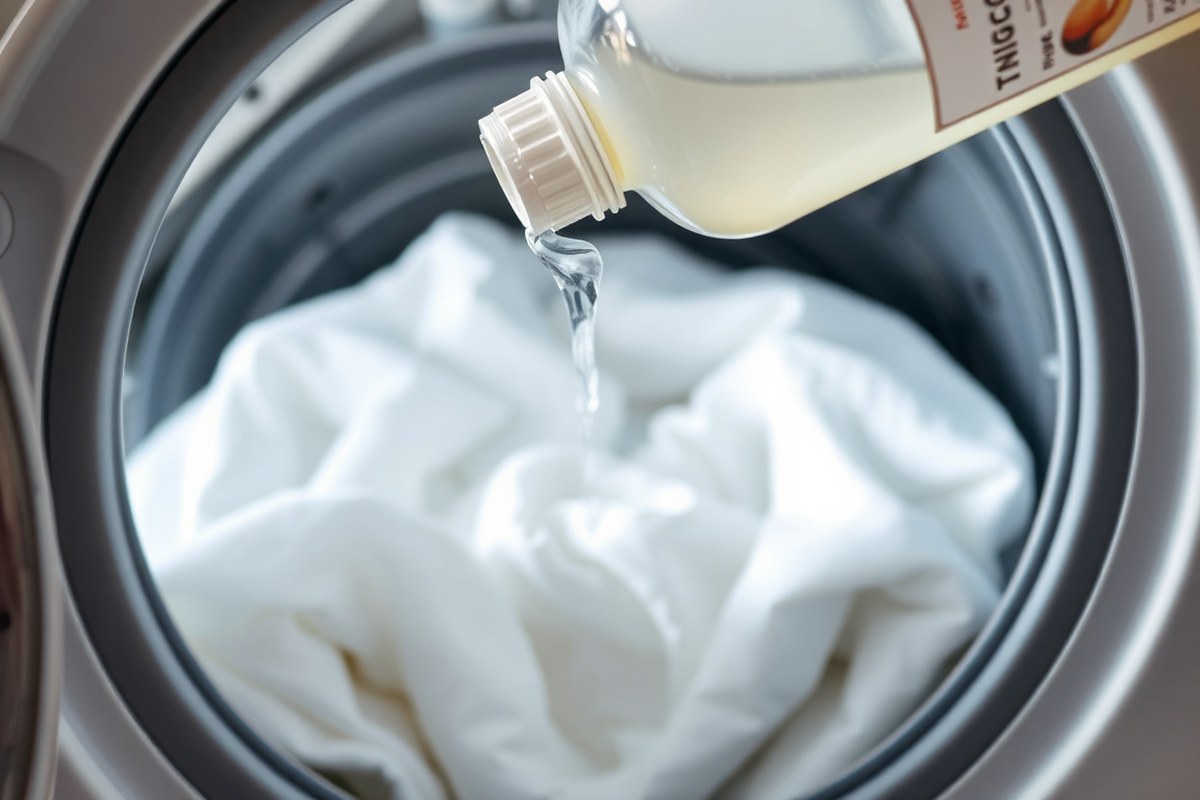
Pour up to 1/2 cup of 5% distilled white vinegar into the fabric softener compartment of your washing machine. This ensures the vinegar spreads evenly during the rinse cycle, avoiding acid build-up on your clothes. Adding vinegar once each month is enough to maintain softness and reduce smells without harming your fabrics.
- Cotton and cotton blends
- Polyester and polyester blends
- Linen and durable natural fibers
- Most synthetic fibers excluding technical sportswear membranes
- Sturdy household textiles like towels
- White and colorfast fabrics
Vinegar’s mild acidity can help brighten whites naturally because it contains no tannins or artificial dyes that cause stains. It also reduces detergent residue build-up on these fabrics, improving softness and fabric life.
Fabrics and Dyes to Avoid
Delicate and natural fibers like silk, wool, acetate, and rayon are risky to treat with vinegar. Their fragile structures and finishes may break down under acidic conditions, causing fiber damage or permanent discoloration. Artisan or unstable colored fabrics may bleed or fade with vinegar exposure.
Avoid using vinegar on clothes with water-repellent finishes or technical membranes found in many athletic garments. Vinegar’s acidity could damage waterproof coatings or reduce effectiveness.
- Silk, wool, and other delicate natural fibers
- Acetate, rayon, and similar semi-synthetics
- Garments with artisan, unstable, or unknown dyes
- Technical fabrics with water-repellent membranes
- Clothes with bright or delicate prints prone to bleeding
Strong or repeated use of vinegar at high concentrations increases risk. Directly pouring undiluted vinegar onto fabric or soaking clothes for long periods can intensify any harmful effects on dyes and fibers.
Testing Fabric Compatibility with Vinegar
Before applying vinegar to an entire garment, always test it on a hidden patch. Dab a diluted white vinegar solution (about one part vinegar to four parts water) on a small inconspicuous spot and wait 10 to 15 minutes to see if discoloration or fiber damage occurs.
Check for any fading, color bleeding, or fabric weakening during the test. No visible damage to the fabric usually means using vinegar sparingly is safe for that material. Avoid soaking or using undiluted vinegar directly without testing first.
Always do a patch test before applying vinegar to your clothes, especially with delicate or unknown fabrics.
When in doubt or dealing with expensive or sentimental items, select a mild detergent specifically designed for delicate fabrics instead of vinegar. This reduces risk and preserves fabric quality.
How to Use White Vinegar for Laundry Without Risking Stains
To use white vinegar safely in your laundry without risking stains or residue, dilute it properly and add it at the right wash cycle step. Use measured amounts typically between 1/2 to 1 cup per load, avoid soaking clothes in undiluted vinegar for extended times, and pour the vinegar into the softener compartment or during the rinse cycle to prevent direct contact with fabric. These steps minimize the chance of damage and help keep clothes fresh and clean.
Correct Dilution Ratios for Vinegar Use
White vinegar should be diluted with water before contact with clothing. For a regular laundry load, add about 1/2 to 1 cup (120 to 240 ml) of distilled white vinegar into the washing machine. Heavier smells or stains may require up to 2 cups (480 ml), but exceeding that is usually unnecessary.
When soaking clothes to combat odors or mineral buildup, mix 1 cup of vinegar per 5 gallons (approximately 19 liters) of water. Avoid soaking clothes in undiluted vinegar since the acid concentration may harm delicate fibers and weaken fabric over time.
Recommended Timing for Vinegar Exposure
Vinegar works best during the rinse cycle to remove detergent residues, soften fabrics, and reduce odors. Adding it too early in the wash cycle risks acid exposure to concentrated detergent and fabrics, which can cause fading or breakdown, especially when left for prolonged periods.
Limit vinegar use to occasional or monthly cycles rather than every load to avoid chemical buildup inside your washing machine and on clothes. This practice helps prevent vinegar from leaving a lingering smell or residue on fabrics.
Safe Methods to Add Vinegar in Laundry Cycles
Adding vinegar safely involves placing it where it mixes with water rather than pouring it directly on clothes. Typically, this means using your washing machine’s fabric softener dispenser or adding it during the rinse cycle manually. Follow these steps for best results:
- Measure 1/2 to 1 cup of distilled white vinegar, adjusting upward for tough odors.
- Pour the vinegar into the fabric softener compartment or wait for the rinse cycle to start before adding directly to the drum.
- Run the washing machine through a complete cycle with your usual detergent.
- For soaking, fill a basin with cool water and dilute 1 cup of vinegar per 5 gallons of water.
- Submerge clothes for no longer than 30 minutes to avoid fabric weakening.
- Rinse clothes thoroughly with water after soaking to remove any vinegar residue.
- Air dry or machine dry as usual, inspecting garments for any lingering odor or changes in texture.
Using this approach prevents vinegar buildup on fabric and inside your washer, protects your clothes from damage, and improve your laundry’s freshness without harsh chemicals.
Using White Vinegar to Remove Stains: What Works and What Doesn’t
White vinegar does have some stain-lifting power thanks to its mild acidity, especially on sweat, deodorant, and food stains. Applying vinegar directly to these stains before washing can improve their removal. However, vinegar does not work well on all stains and is not as strong as commercial stain removers or bleach.
Types of Stains Vinegar Can Remove
White vinegar is effective on stains caused by sweat, deodorant buildup, some food spills, grease, and light wine or coffee marks. Its acetic acid helps break down alkaline residues and deodorizes fabrics. Vinegar can also tackle odors embedded in fabric fibers along with visible stains.
However, white vinegar works best on fresh or lightly set stains. It is less effective on ink, dye-based stains, or deep grease buildup. Vinegar is also not a good choice for removing heavy, older stains or tough dyes. Knowing which stains respond well saves time and prevents fabric damage from unnecessary scrubbing.
Pre-Treating Stains Using Vinegar
Pre-treating stains with white vinegar involves applying it directly to the affected area before laundering. For best results, combine vinegar with other gentle stain pre-treatment steps. Follow these exact steps to pre-treat stains safely and effectively:
- Blot the stain gently with a clean cloth to remove excess residue.
- Pour undiluted white vinegar (5% acetic acid) directly onto the stain until fully saturated.
- Let the vinegar sit on the stain for 10 to 15 minutes to break down residue.
- Rinse the area with cold water to remove loosened particles and vinegar.
- Apply a mild laundry detergent or stain remover to the treated area.
- Wash the garment according to care instructions, preferably in cold water to avoid setting stains.
- Check the stain before drying, as heat can set any remaining mark permanently.
- If needed, repeat the vinegar treatment before drying.
For sweat or deodorant stains, vinegar helps neutralize alkaline buildup in underarm fabric, reducing yellowing and odor. Using vinegar as a pre-treatment in this way can restore whiteness and freshness.
When Vinegar Isn’t Effective for Stains
Vinegar’s mild acidity limits its ability to remove heavy or pigment-based stains like ink, blood, or paint. It cannot replace stronger commercial stain removers or bleach products that contain oxidizers or enzymes needed for these stains.
White vinegar also does not bleach stains or fabrics; it only acts on certain residues and odors. Using it exclusively on tough or older stains may lead to frustration or damaged fibers if scrubbing is too vigorous. Avoid vinegar on delicate silks or wools, as acidity can harm these fabrics.
How Vinegar Affects Fabric Softness, Odors, and Colors
White vinegar helps soften fabrics by breaking down the minerals and residues left by hard water or detergent. When you add about half a cup of vinegar during the rinse cycle, it acts as a natural fabric softener. This process loosens stiff fibers, making your clothes feel softer without leaving behind any coating as commercial softeners might. Softening results are most noticeable on towels and cotton fabrics, where vinegar eliminates the roughness that comes from mineral buildup.
Vinegar also reduces odors by neutralizing alkaline smells rather than masking them. Because vinegar is acidic, it balances the pH of sweat and other odors trapped in fabric fibers. To target strong smells, you can spray white vinegar directly on problem areas like underarms and let it sit for about 10 minutes before putting clothes in the wash. This step helps lift the smell before regular washing removes it completely. The vinegar smell disappears during drying, so your clothes won’t carry a vinegar scent.
Using vinegar in laundry can brighten colors by removing dulling residues and soap scum that build up over time. A half-cup of vinegar in the rinse cycle can restore brightness, especially in cotton and polyester blends. However, using too much vinegar or soaking fabrics for long periods may dull some delicate or dark colors, especially silk or wool. Always test a small hidden area first to see how the fabric reacts. Brightening works best when vinegar is added only in the rinse cycle rather than mixed with detergent.
For wrinkle reduction, washing with vinegar instead of detergent can help relax fibers, making clothes less prone to creasing. You won’t get a heavy fragrance like with softeners, and clothes come out softer and fresher without extra chemicals. Using vinegar is economical, costing just a few cents per load, and environmentally friendly compared to chemical softeners and brighteners.
Use only half a cup of white vinegar during the rinse cycle to soften fabrics and brighten colors without risking damage or lingering odors.
Common Mistakes When Using Vinegar in Laundry and How to Avoid Them
Using white vinegar in laundry can be effective, but some common mistakes may cause stains, residue, or fabric damage. One key error is applying undiluted vinegar directly onto clothes. This can lead to uneven spots or fabric weakening, especially on delicate materials. Always dilute vinegar with water before applying it to garments to avoid this issue.
Another mistake arises from mixing vinegar with bleach or detergent containing bleach. This combination produces harsh fumes and can damage fabrics. To prevent damage, use vinegar during the rinse cycle only, separate from bleach usage. Avoid pouring vinegar directly on clothing inside the washer, as it may leave white residue if the machine has hard water buildup or detergent oversudsing.
Hard water can also cause vinegar to leave a dull film or residue on clothes, making fabrics look dull or feel stiff. Running an extra rinse cycle after adding vinegar can help remove any leftover residue. Use about 1/2 to 1 cup of white vinegar per load, poured into the fabric softener dispenser or added during the final rinse.
If your clothes develop vinegar stains or residue, soaking them in a mixture of warm water and detergent for 30 minutes often helps lift the marks. For persistent vinegar stains, rewashing with detergent and a 1/4 cup of baking soda can neutralize and remove any leftover acid. Avoid using vinegar on fragile fabrics like silk or acetate to prevent damage or color change.
- Never pour undiluted vinegar directly on clothes.
- Use vinegar only in rinse cycles, separate from bleach or strong detergents.
- Measure vinegar precisely: 1/2 to 1 cup per load.
- Run an extra rinse cycle to remove residue.
- Soak stained garments in warm water with detergent to fix vinegar spots.
- Do not use vinegar on delicate fabrics prone to damage.
- Test vinegar solution on hidden fabric areas before full use.
Following these guidelines prevents most vinegar-related laundry problems. Proper dilution, timing, and fabric choice reduce risks of stains or damage. These steps make vinegar a safer option for natural fabric care that also cuts down on chemical use and environmental impact.
When and How Often Should You Use Vinegar in Laundry?
You should adjust how often you use white vinegar in your laundry based on your water type, washing machine type, and laundry frequency. Vinegar is useful for reducing odors and softening fabrics naturally, but its acidity can wear down parts of your washing machine if overused. For typical laundry loads, adding 1/2 cup of distilled white vinegar during the rinse cycle is enough to get benefits without risks.
Adding vinegar through the fabric softener dispenser or manually at the start of the rinse cycle ensures it mixes with plenty of water. This dilution is key to protecting your clothes and machine parts while allowing the vinegar’s cleaning power to work.
| Your Situation | How Often to Use Vinegar |
|---|---|
| Hard water, mostly cold washes, or 10+ loads per week | Once a month |
| Soft water | Every 2 to 3 months |
| High-efficiency (HE) front-loading machine | Every 2 months, with an extra rinse cycle |
| Traditional top-loading machine with odor issues | Once a month or as needed |
Soaking clothes in a diluted vinegar solution (one part vinegar to three parts water) can be useful for tough odors or residue, but it isn’t necessary for regular laundry loads. This method targets problem spots with direct contact but takes more time, usually 30 minutes to an hour. Regular rinse-cycle use delivers ongoing fabric care and odor control without extra effort.
Vinegar can eventually degrade rubber seals, gaskets, and other machine parts, especially in HE washers. Limiting use to no more than once a month for heavy laundry routines, or every two to three months with softer water, balances maintenance with machine longevity. Avoid pouring undiluted vinegar directly into the drum or detergent tray to prevent damage.
Follow this approach closely to enjoy vinegar’s benefits in your laundry without increasing wear on your washing machine or fabrics. Adjust usage based on how often you wash clothes, your water hardness, and your machine model’s needs.
Alternatives to Vinegar for Stain Removal and Fabric Care
White vinegar and commercial fabric softeners serve similar purposes but work in quite different ways and have distinct pros and cons. Vinegar softens clothes naturally by breaking down detergent residues, which also helps reduce odors without adding fragrance. Commercial softeners coat fabrics with lubricants to make them feel smoother and impart scents, but some people find them irritating to sensitive skin. Vinegar is budget-friendly, typically costing about 10 to 20 cents per load using a half-cup, compared to costs that vary widely for store brands. However, vinegar does not provide the long-lasting scent or silky feel fabric softeners do.
Baking soda and vinegar both have stain removal uses, but they target stains differently. Vinegar is acidic, which can break down some mineral and sweat stains, while baking soda acts as a mild abrasive and deodorizer. Baking soda is better at neutralizing odors and gentle scrubbing, while vinegar can sometimes cause yellowing on certain fabrics if used undiluted. For tough or oily stains, neither vinegar nor baking soda alone is effective enough; a commercial enzyme-based detergent or pre-treatment product is recommended.
| Product | Use | Effectiveness | Cost per Load | Pros | Cons |
|---|---|---|---|---|---|
| White Vinegar | Fabric softener, odor control, mild stain remover | Moderate for odor; low for heavy stains | $0.10-$0.20 (½ cup) | Natural, inexpensive, softens fabric | Can yellow some fabrics, limited stain removal |
| Baking Soda | Deodorizer, gentle stain scrubbing | Low to moderate, depends on stain type | $0.05-$0.10 (¼ cup) | Safe on most fabrics, odor neutralizer | Not effective on oily or set stains |
| Commercial Fabric Softener | Fabric softener, scent | High for softness and fragrance | $0.20-$0.50 per load | Soft, fragrant clothes | Potential skin irritant, chemical residues |
| Enzyme Detergent / Stain Remover | Pre-treatment for heavy stains | High for protein, oily stains | $0.30-$0.70 per treatment | Effective on tough stains | More expensive, requires application time |
Use white vinegar as a fabric softener by adding ½ cup during the rinse cycle, but avoid using it directly on fresh stains without dilution. Baking soda can be sprinkled on stains or added to the wash to reduce odor and loosen dirt. Avoid relying solely on these natural methods for tough, oily, or protein-based stains. Enzyme detergents designed for stain removal break down complex stains more effectively and often just need 5 to 10 minutes of pre-treatment time before washing.
Letting stains dry makes removal more difficult; always treat stains promptly and avoid heat until the stain is fully removed.
Heavy staining or delicate fabric types may require professional cleaning. Professionals use stronger stain removers and specialized equipment that cannot be safely replicated at home. If stain removal efforts with vinegar, baking soda, or standard detergent fail, contacting a laundry service or dry cleaner can save the fabric from permanent damage.
Step-by-Step Action Plan for Using White Vinegar Safely in Laundry
Follow these steps to use white vinegar effectively in your laundry without causing stains or fabric damage.
- Before You Start: Check your clothing care labels for vinegar warnings, avoid vinegar on acetate, rayon, or silk to prevent damage.
- Every Load: Add 1/2 to 1 cup of white vinegar to the rinse cycle as a natural fabric softener and odor remover; watch for unchanged fabric color after drying.
- For Stains: Pre-soak stained whites in a mixture of 1 cup white vinegar and 2 cups water for 30 minutes; verify stain lightening before washing.
- Weekly Use: Use vinegar once a week in your washing machine to maintain freshness and minimize soap residue without fabric harm.
- After Use: Wipe your washing machine drum and detergent drawer monthly with diluted vinegar to prevent buildup and odors.
- Avoid Mixing: Never mix vinegar directly with bleach or hydrogen peroxide in your laundry to prevent harmful chemical reactions.
- If Stains Occur: Rinse stained areas immediately with cold water and try a commercial stain remover suitable for the fabric type.
Frequently Asked Questions
Does Vinegar Get Stains Out of Clothing?
Vinegar can help remove some stains and odors, especially light ones, but it may not work well on heavy or oily stains. For tough stains, it’s better to use a dedicated stain remover or enzyme detergent before washing.
Does Hydrogen Peroxide Remove Stains?
Hydrogen peroxide can remove certain stains like blood and wine, acting as a mild bleach. Use it carefully on colorfast fabrics and always test on a hidden area first to avoid discoloration.
What Is the Best DIY Stain Remover?
A mix of baking soda, water, and white vinegar often works well on common stains. Applying it directly and letting it sit before washing can increase effectiveness, but tough stains might need commercial stain removers.
Can Baking Soda Remove Stains?
Baking soda helps lift light stains and neutralizes odors, but it’s not strong enough for deep or set-in stains alone. Combining it with vinegar or detergent improves results on washed clothes.
Can I Use White Vinegar on Colored Fabrics Without Fading?
Using diluted white vinegar usually won’t fade colors, but test on a small hidden spot first, especially for delicate or dark fabrics. Avoid using undiluted vinegar directly on colored clothes.
Is White Vinegar Safe to Use in All Washing Machines?
Distilled white vinegar at 5% acidity is generally safe for most washing machines, including high-efficiency models. Always add it to the rinse cycle and avoid mixing with bleach or other chemicals.
Key Points to Remember
White vinegar does not stain clothes when used correctly and can improve fabric softness and remove odors naturally. To ensure safety, test small fabric areas first and follow care label instructions. Start by adding vinegar to your next rinse cycle and watch how your laundry responds over time.