How Can You Shrink Pants: 8 Reliable Methods for Perfect Fit
You can shrink pants effectively at home by using heat and water, such as washing with hot water and drying on high heat. Boiling denim or soaking certain fabrics helps speed up shrinkage for a better fit. This approach suits anyone looking to adjust pants that have stretched out or arrived too loose.
This article focuses on how can you shrink pants tailored to different fabric types and provides reliable methods for shrinking with household tools. You will learn which techniques work best for materials like denim, cotton, wool, and more, helping you achieve a fit closer to what you want.
Key Takeaways
- Use hot water washing and high heat drying to shrink cotton and denim pants effectively at home.
- Boiling denim pants for 15 to 30 minutes can shrink them faster and more noticeably.
- Wool pants require soaking in boiling water for about 30 minutes to shrink appropriately.
- Linen shrinks best when washed at 60°C (140°F) to activate fiber contraction.
- Use a vinegar soak with warm water for silk to encourage gentle shrinking without damage.
- Expect denim to shrink about 2, 5% in size, reducing inseam length by roughly 1 to 1.25 inches.
1. How Can You Shrink Pants at Home Effectively?

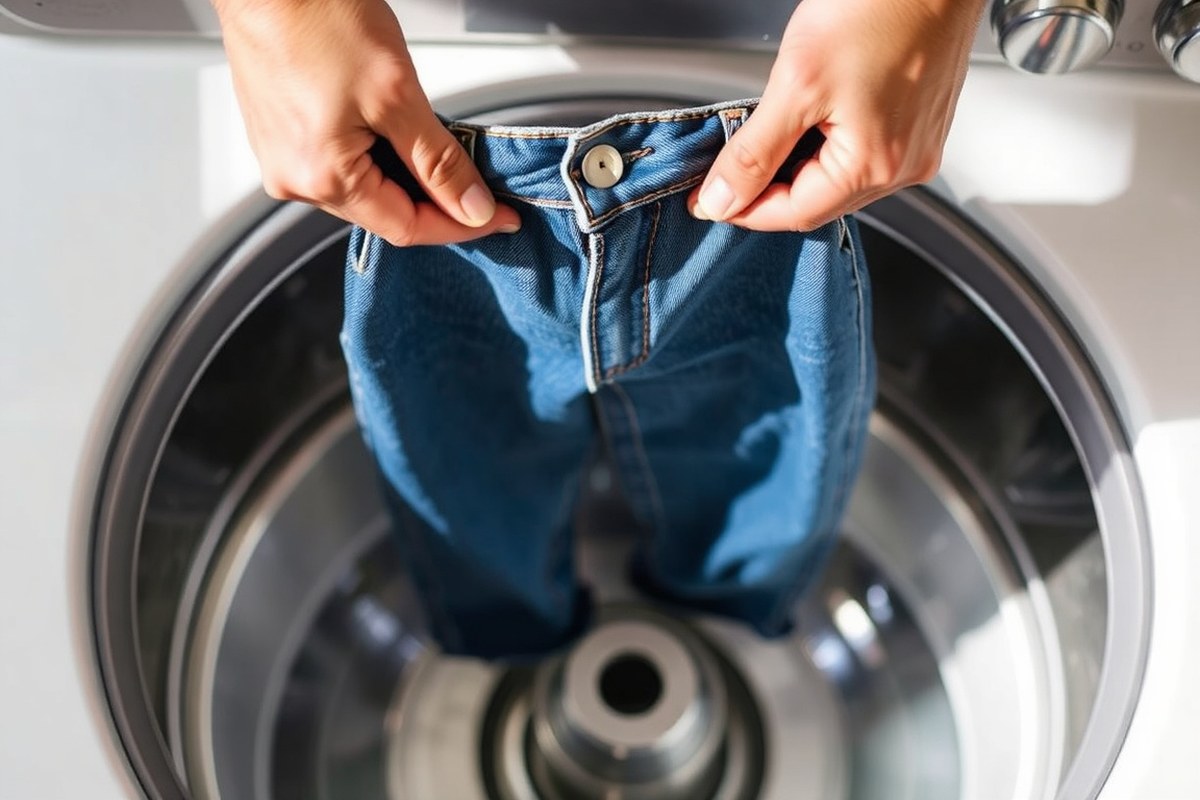
Shrinking pants at home works best with cotton and denim fabrics, which respond well to heat and water. The simplest methods involve using hot water and high dryer heat to make the fibers contract. Hot water relaxes the cotton fibers, allowing them to tighten up and return closer to their original size. You’ll typically want to wash the pants in the hottest water setting your machine allows, at least 140°F (60°C), and then dry them on a high heat setting. These steps cause the fabric to shrink both lengthwise and widthwise, usually by about 3 to 5 percent, which can translate to roughly one size smaller for jeans.
For more targeted shrinkage, such as in the waistband or legs, you can soak those areas in boiling water for 15 to 20 minutes before drying them on high heat. Boiling denim provides faster and generally more noticeable shrinkage than using just the washing machine. However, boiling can be rough on the fabric and isn’t always recommended for blends with polyester or delicate fibers.
Expect shrinkage to be noticeable but moderate. Most cotton pants shrink up to 20 percent under ideal conditions, but typical home methods usually yield less. Drying time also matters; a full drying cycle on high heat after a hot wash maximizes shrinkage. Overdoing it with repeated hot washes and drying or boiling can warp or damage fabric, so it’s best to check fit after each attempt and adjust accordingly.
Some pants won’t shrink much due to fabric blends. High polyester content resists shrinking even with boiling water or dryer heat, so results vary depending on the exact material. For pure cotton or denim, though, these home methods are the most effective, affordable, and accessible for taking in pants that feel too loose. They mainly require hot water, heat from the dryer, and a bit of patience to avoid over-shrinking or damaging the garment.
2. Which Shrinking Method Suits Different Fabric Types?
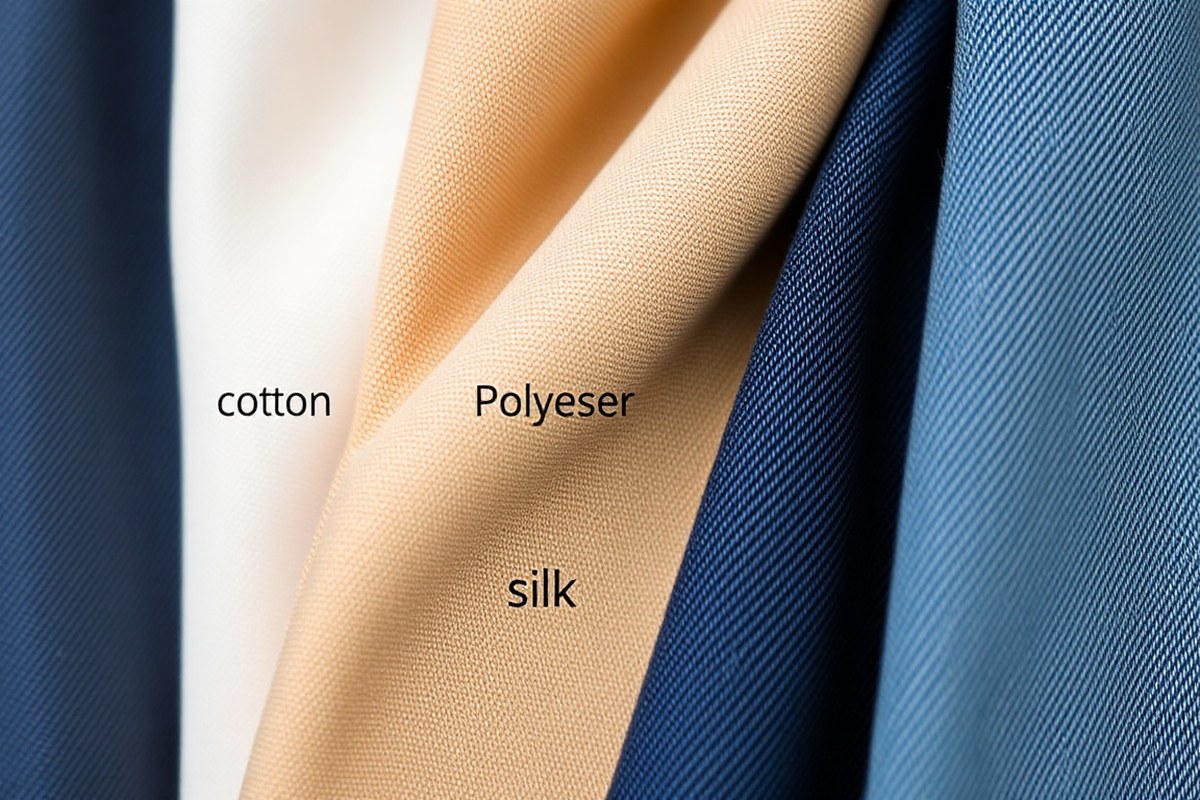
Different fabrics respond differently to shrinking methods. Knowing the fabric of your pants helps you choose the right approach and avoid damage. Natural fibers like cotton and wool shrink more easily, while synthetics require careful heat control.
Cotton and Denim Behavior Under Heat
Cotton and denim are among the easiest fabrics to shrink at home. Both are natural fibers that react well to heat and moisture. For cotton pants and denim jeans, use hot water and a high heat dryer setting to encourage shrinking.
Denim, made from cotton, tends to shrink about 3 to 7 percent after a hot wash and dry cycle. Boiling denim briefly before drying can maximize shrinkage. Expect gradual results, as some thick denim may require repeating the process. Monitor closely to avoid over-shrinking or fabric stiffness.
Polyester and Blended Fabric Reactions
Polyester and blends containing polyester respond differently than natural fabrics. Polyester tends to shrink less, usually between 3 to 4 percent, and needs both heat and agitation during washing to shrink effectively. The higher the cotton content in a blend, the more it will shrink. Use warm water instead of boiling to prevent heat damage.
Blended fabrics may not shrink evenly. Targeted shrinking of areas such as the waist can be practical but shrinking the entire garment may give uneven results. Always check care labels before applying heat to prevent fabric damage or distortion.
Special Care for Wool and Silk Pants
Natural but delicate fibers like wool and silk require gentle treatment. Both can shrink under heat, but they are prone to damage from excessive agitation or high temperatures. Rather than boiling or a hot dryer, steam them on high heat settings while avoiding direct hot water exposure.
Silk is especially sensitive and often unsuitable for at-home shrinking. Improper care can cause fabric weakening or discoloration. Wool can shrink when steamed gradually, but tightly controlled temperatures are essential to avoid felting.
| Fabric | Typical Shrinkage % | Best Shrinking Method | Risk Level |
|---|---|---|---|
| Cotton | 3-7% | Hot water wash + high heat dry | Low |
| Denim (Cotton) | 3-7% | Boiling + high heat dry | Moderate (stiffness) |
| Polyester | 3-4% | Warm water wash + heat + agitation | Low to Moderate |
| Wool | Variable (less predictable) | Steaming on high heat | High (felting risk) |
| Silk | Minimal | Steam only, avoid hot water | High (damage risk) |
Identifying your pants’ fabric is essential before starting. Look for the care label, usually inside the waistband or side seam. It lists the fabric composition and care instructions. Knowing these details helps you select the safest shrinking method and avoid damaging delicate materials like silk or blends with synthetic fibers.
Always test a small hidden area before shrinking the entire garment to avoid irreversible damage.
3. How to Shrink Pants with Hot Water and Drying Methods
To shrink pants effectively using hot water and drying, wash them in the hottest water your fabric can tolerate, typically above 120°F (49°C), then dry them on the highest heat setting until fully dry. This combination tightens and contracts fabric fibers, leading to noticeable shrinkage. Monitor the process closely to avoid over-shrinking or damaging delicate fabrics.
Setting Washing Machine Temperature
Choose the highest water temperature safe for your pants based on their fabric. For cotton and denim, set the machine between 120°F and 140°F (49°C to 60°C). Synthetic fabrics like polyester should never exceed 104°F (40°C) to prevent damage. The washing cycle should last the usual duration, around 30 to 45 minutes, to ensure thorough exposure to heat without weakening the fabric.
Turn your pants inside out to protect the surface during the wash. Avoid detergent overload, which can coat fibers and limit shrinkage. A normal or heavy-duty wash cycle works best for heavy fabrics like denim, while gentle cycles are better for delicate materials that tolerate some heat.
Dryer Temperature and Timing Guidelines
Use the highest dryer heat setting to maximize shrinkage after washing with hot water. For cotton or denim pants, tumble dry for a full cycle, generally 30 to 45 minutes, until the pants are completely dry. Synthetic fabrics, sensitive to high heat, require a shorter drying time at medium heat or repeated drying cycles at lower temperatures.
Overdrying on high heat can cause damage, such as brittleness or fading, so check the pants midway through the drying cycle. Some fabrics may shrink significantly after just one cycle, but thicker or blended fabrics might need two or three cycles to reach the desired size.
Checking and Handling Damp Pants
After drying, feel your pants for damp spots, especially thicker areas like seams and pockets. Stopping the dry cycle when pants are slightly damp lets you reshape or stretch specific areas carefully before the fabric sets in the new size. Use this opportunity to hang damp pants in a shaded, well-ventilated area to finish drying gradually, which can reduce stiffness and prevent over-shrinkage.
Repeat washing and drying cycles only if more shrinkage is needed. Each cycle usually shrinks cotton pants by 3% to 5% and denim by about 3% to 4%. Excessive cycles risk weakening the fabric and causing uneven shrinkage.
- Check the care label to identify the highest safe washing temperature for your pants.
- Turn the pants inside out and load them into the washing machine.
- Set the washing machine temperature to the hottest setting allowed, usually above 120°F (49°C) for cotton or denim.
- Choose a standard wash cycle lasting 30 to 45 minutes and start the wash.
- After washing, transfer the pants promptly to the dryer and set it on the highest heat setting.
- Tumble dry for 30 to 45 minutes or until pants are completely dry, checking halfway to avoid damage.
- If pants are still damp, remove them and hang in a shaded area to finish drying.
- Repeat wash and dry cycles as needed but avoid more than three cycles to prevent fabric wear.
4. Does Boiling Pants Shrink Them Faster or More Effectively?
Boiling pants can speed up the shrinking process, especially for sturdy fabrics like denim. Submerging pants in boiling water for 20 to 30 minutes typically causes fibers to contract faster than just hot washes or drying. However, this method suits only some fabrics and may result in a temporary or uneven shrink, so it requires caution.
Preparing Pants for Boiling
Preparing pants correctly before boiling helps protect the fabric and improve shrink results. Inspect your pants for colorfastness by testing a hidden seam with warm water to avoid unwanted fading. Remove any belts, inserts, or extra hardware that might get damaged or interfere.
- Fill a large pot with enough water to fully submerge your pants.
- Bring the water to a rolling boil on the stove.
- Turn off the heat once boiling to prevent excessive agitation and damage.
- Gently place the pants into the hot water using tongs or a heat-safe utensil.
- Ensure the pants are fully submerged to shrink evenly.
- Cover the pot with a lid to maintain heat during soaking.
Safe Boiling Duration by Fabric Type
Boiling time matters because fabrics react differently to extreme heat. Denim and cotton typically tolerate 20 to 30 minutes of boiling and exhibit noticeable shrinkage. Some fabrics with synthetic blends may resist shrinking or even deform, while delicate materials like silk should be avoided as heat can cause permanent damage.
For faster but more controlled shrinkage, boiling for 3 to 5 minutes works for most cotton pants but increases risk of uneven shrinking or weakening fibers. Avoid boiling stretchy fabrics with elastane since the heat can break down their elasticity. If pants are preshrunk or have stretch blends, expect less shrinkage.
Post-Boiling Drying Recommendations
After boiling, drying techniques impact shrink permanence. Removing excess water by gently wringing or pressing the pants helps prevent dripping but avoid twisting to reduce fabric stress. Air drying may cause stretched parts to relax, while drying on high heat in a dryer solidifies shrinkage, particularly around the waist or legs.
For more permanent results, tumble dry boiled pants on high heat for 30 to 40 minutes. Check fabric care labels to avoid overheating or damage. Using a high heat dryer speeds up fiber contraction, but can sometimes shrink more in length than width, so monitor fit closely during drying cycles.
5. How to Spot Shrink Pants in Specific Areas Like Waist or Legs
You can shrink specific parts of your pants, like the waistband or legs, by applying heat and moisture to only those areas. This focused shrinking is helpful when the entire garment doesn’t need adjusting. Using hot water sprays combined with steam ironing allows you to control which parts shrink, preventing the whole pant from becoming too tight.
Spot shrinking matters because uneven shrinkage can distort the pants’ fit if done incorrectly. Applying heat only to a localized area can cause that part to tighten faster than the rest. To avoid this, you should work gradually, check your progress often, and spread water evenly on the target area. The tools you’ll need are a spray bottle filled with hot water, a steam iron, and a heat-resistant surface or ironing board.
- Fill a spray bottle with hot tap water, around 120°F (49°C) is sufficient to dampen the fabric without being too harsh on it.
- Lay your pants flat on an ironing board or heat-resistant surface, smoothing out wrinkles in the area you want to shrink.
- Spray the targeted section lightly but thoroughly, such as the waistband or pant legs. The fabric should feel damp, not soaked.
- Set your steam iron to the appropriate fabric setting (usually “cotton” or “denim”) and use the steam function to pass over the dampened area slowly.
- Press the iron firmly but move it continuously to avoid overheating one spot and damaging the fabric.
- Allow the area to dry completely after ironing. This can take 15 to 30 minutes depending on humidity.
- Check the fit after drying and repeat the process if further shrinkage is needed. Avoid over-shrinking by doing small rounds and assessing fit at each step.
For cotton or denim pants, this method works well. Wool is more sensitive, so spot shrinking it risks unwanted damage. Hand sewing or tailoring can follow if the spot shrinking doesn’t achieve the desired fit in areas like the waist.
Use caution with heat: uneven high temperatures may shrink some spots more than others and distort your pants’ shape. Keep the iron moving and check your progress often.
6. Common Mistakes When Shrinking Pants and How to Avoid Them
Using high heat or soaking pants for too long can cause damage, including warping, fading, or weakening fibers. Linen pants, for example, may lose their crisp texture if shrunk aggressively, which disrupts their natural feel. Fabric blends like polyester resist shrinking, so trying intense methods wastes effort and risks weakening the material without much size reduction.
Excessive shrinking often happens when pants are dried in a hot dryer too long or washed repeatedly at high temperatures. This can lead to uneven shrinkage or misshaping, especially in areas like the waistband or legs. To avoid this, shrink pants gradually by washing in warm water and air drying or using a low-heat dryer setting. Overdoing heat can also cause unwanted stiffness or discoloration in some fabrics.
- Do not use boiling water on linen or delicate fabrics to prevent fiber damage.
- Avoid drying leather or suede pants; water and heat cause warping and permanent marks.
- Prevent over-shrinking by limiting dryer time to 10-15 minutes on medium heat before air drying.
- Pause shrinking attempts after one wash and try the pants on to check fit before repeating.
- Use cold water washes for polyester blends to maintain fabric quality, as high heat won’t shrink them.
- Handle jeans with caution, sanforized denim shrinks only about 2-3%, so aggressive treatment risks damage without results.
- When pants shrink too much, stretch damp spots gently by hand while drying to bring back some size.
To maintain control over the shrinking process, approach it incrementally and check the fit regularly. Applying high heat all at once may seem faster but only risks ruining the pants’ structure. Pants that shrink too much can regain some shape by dampening and gently pulling them. Always weigh the type of fabric, its care label instructions, and the method before starting to shrink pants at home.
7. How to Measure and Predict Pants Shrinkage Size Accurately
Start by measuring your pants when they are dry and laid flat on a hard surface. Measure the waist by placing the tape across the top edge and doubling the number you get. For inseam length, measure from the crotch seam to the bottom hem. Also record the outseam length from the waist to the hem and the thigh width at the widest part of the leg. Writing these numbers down creates a baseline to compare after shrinking.
Most fabrics shrink differently. Cotton can shrink around 3 to 5 percent in the first wash or heat treatment, while denim jeans may shrink about 1 to 3 percent. Polyester and blends tend to shrink less, often under 2 percent. Shrinking usually affects width more than length, meaning the waist and thigh measurements will reduce faster than the inseam or outseam. Keep realistic expectations: significant size losses beyond one size (roughly 2 inches in waist or length) often require tailor alterations.
After washing or heat drying to shrink, measure the same spots again while the pants are dry. Calculate the change by subtracting the after measurements from the before numbers. For example, if your waist was 36 inches and now reads 34.5 inches, you lost 1.5 inches, about one pant size. Use these results to judge how much more shrinking to attempt. Repeat heat and water exposure in short increments, such as 10 to 15 minutes in the dryer, until you approach your target size.
To aim precisely for a one-size shrink, shrink the pants gradually rather than soaking or boiling all at once. Start with hot water soaking for 10 minutes and dry on high heat for 15 minutes, then measure. If more shrinkage is needed, repeat in 10-minute cycles, guarding against over-shrinking that can make pants too tight or cause uneven results. This incremental approach allows you to control how much the fabric contracts without damage.
Keep in mind pants vary due to fabric type, weave, and pre-wash treatment. Denim shrinkage slows after the first few washes, so expect less size change after initial attempts. For delicate or synthetic blends, aggressive heat risks ruining the fabric or fit. Those pants may only shrink minimally and require tailoring for a perfect fit. Accurately recording measurements before and after every shrinking step avoids guesswork and wasted effort.
For example, a 38-inch waist cotton pant that shrinks 3 percent reduces by about 1.14 inches, ending around 36.86 inches. After one shrink cycle, you might measure and find the waist at 37.2 inches. Another round of 10 minutes drying and hot washing may bring it closer. Use this measured feedback loop instead of guessing how much heat or time will produce the best size. That control is key to safely shrinking pants to your desired fit.
8. When Should You Hire a Tailor Instead of Shrinking at Home?
Shrinking pants at home works best with natural fabrics like cotton or denim, but when you deal with materials such as polyester, spandex blends, or delicate fabrics, professional tailoring is often a better choice. These fabrics resist shrinking through heat and washing, making DIY attempts ineffective or risking damage to the garment. Hiring a tailor ensures you get a precise fit without compromising the pants’ integrity.
Try home shrinking if your pants are made of 100% cotton or denim and you want minor adjustments, like taking in the waist or shortening the legs slightly. However, if the pants need significant size reduction, complex resizing, or alterations beyond simple shrinking, for example, reshaping darts, adjusting inseams professionally, or restoring proportionality, a tailor is necessary.
Tailoring costs typically range from $20 to $40 for common alterations such as taking in the waist or hemming. This can be a modest investment compared to the time and effort required for multiple shrinking attempts at home, which might not yield the desired fit. Cheaper DIY methods risk uneven shrinking, fabric distortion, or weakening the fabric’s structure.
Instances where home shrinking won’t provide a good fit include pants that are too large in multiple dimensions or where the fabric is a synthetic blend that resists water and heat shrinkage. Also, pants with special finishes or treatments might lose quality when exposed to hot water or drying. Your measurements showing a need to reduce the waist by more than a couple of inches or alter thigh and seat areas at the same time suggest professional tailoring as a more reliable option. Here’s a simple decision rule: choose DIY shrinking for one-size or minor waist adjustments on natural fibers; pick tailoring when your pants have polyester blends, need precise multi-area shrinking, or cost more than a typical pair of jeans, making riskier methods less economical.
When shrinking at home, avoid high heat on synthetic blends to prevent fabric damage, tailors can handle these fabrics safely.
| Situation | Best Choice | Typical Cost | Why |
|---|---|---|---|
| 100% cotton or denim, minor waist or length adjustment | Shrink pants at home | Free or minimal (water, electricity) | Fabric shrinks reliably with heat and water |
| Polyester blends or synthetic fabrics | Hire a tailor | $20, $40 | Resists shrinking; heat can harm fabric |
| Multiple large size reductions or reshaping needed | Hire a tailor | $20, $40+ | Ensures precision and garment integrity |
| Jeans with slight sizing issues | Shrink pants at home (boiling or washing/drying) | Free or minimal | Denim shrinks with heat and water, easier to control |
| Expensive or delicate pants with finishes | Hire a tailor | $30, $50 or more | Prevents damage from home shrinking methods |
Tailors use tools like steam ironing to selectively shrink areas, adjusting fit without risking damage. This method controls heat and moisture precisely for a comfortable outcome. Uncertainty about fit calls for a visit to a tailor for a quick consultation or an adjustment estimate, which can avoid extra costs and frustration from trial-and-error shrinking at home.
Step-by-Step Action Plan to Shrink Your Pants at Home
Follow these simple steps to shrink your pants safely and get a better fit. Check each step’s result before moving on.
- Before you start: Identify the fabric type on the pants’ care label to choose the right shrinking method.
- Day 1: Wash the pants in hot water if they’re cotton or denim to encourage shrinkage. Check if they feel tighter after drying.
- Day 2: Use a high-heat setting on your dryer to continue shrinking. Stop when the pants fit your desired size.
- Day 3: For spot shrinking, dampen specific areas and dry them with a hot iron or hairdryer to tighten only those parts.
- Day 5: Measure the pants carefully and compare to your target size. Repeat hot water wash and drying if needed but avoid overdoing it to prevent damage.
- After 1 week: If home shrinking doesn’t achieve the fit you want or fabric is delicate, schedule a session with a tailor for alterations.
Frequently Asked Questions
Can I Shrink Pants That Are Too Big?
Yes, you can shrink pants that are too big by using hot water and a dryer. Washing them inside out at 40-60°C and drying on high heat helps reduce the size, especially for cotton and denim fabrics.
Can I Shrink an XL to a Large?
Shrinking pants from XL to large is possible but usually only reduces size by about 1 to 1.25 inches. Use hot water washing and a full drying cycle, but keep in mind shrinkage varies by fabric type and blend.
How Can I Make My Pants Smaller If They Are Too Big?
Use a combination of soaking in hot water, then drying on high heat. For targeted shrinking on waist or legs, try spot shrinking with a heat source or tailored adjustments if needed.
How to Shrink Pants One Size?
To shrink pants one size, wash them inside out at 40-60°C, then air dry without stretching or use a high heat dryer carefully. This can reduce the size by around 3-5% depending on fabric.
Does Shrinkage Damage the Pants’ Fabric?
Shrinking can weaken fibers if done repeatedly or at very high temperatures. Limit hot water exposure and avoid over-drying to preserve your pants’ condition.
Can All Types of Pants Be Shrunk at Home?
Not all pants shrink equally; cotton and denim respond well, while silk, wool, and synthetic blends need special care or professional tailoring for best results.
Before You Go
Shrinking pants at home requires attention to fabric type and careful control of heat and water. Taking it step-by-step helps you avoid damage and get pants that fit better. Start by finding the care label and using hot water washing with proper drying to see quick results in common fabrics like cotton and denim.