How to Wash Couch Cushions: 8 Essential Steps for Deep Cleaning
To wash couch cushions safely and effectively, start by identifying the fabric type and cleaning codes before vacuuming and spot treating stains. Use the appropriate cleaning method for removable or non-removable covers, avoid excess moisture, and dry cushions thoroughly to prevent damage.
This advice is tailored for homeowners or renters who want to keep their couch cushions clean without risking color fading or fabric wear. Following these steps will help you refresh your cushions, remove stubborn stains, and extend their lifespan.
Key Takeaways
- Check the couch cushions’ cleaning codes to choose the right cleaning solution and method.
- Vacuum cushions with an upholstery attachment before any wet cleaning to remove dust and dirt.
- Pre-treat visible stains with a stain remover and let it sit for 10 to 15 minutes before washing.
- Use baking soda on cushions for 15 to 30 minutes, then vacuum to deodorize and lift dirt.
- Machine wash removable cushion covers according to their fabric care label instructions.
- Clean cushions without removable covers using gentle spot cleaning and minimal moisture.
1. How to Wash Couch Cushions Safely and Effectively

Cleaning couch cushions safely means using gentle methods that protect the fabric, the foam inside, and your couch frame. Removing dirt and stains early prevents permanent damage, while thorough drying stops mold and mildew growth. Both removable and non-removable cushions require care, but the approach varies slightly to avoid shrinking covers or saturating the foam. Follow these steps to wash your couch cushions effectively without causing harm:
- Remove cushions and vacuum thoroughly. Take off any cushion covers if possible and vacuum all surfaces, including crevices, using the upholstery attachment. This removes loose dirt and debris that could embed deeper during washing.
- Check care labels and test cleaning products. Look for cleaning codes marked on the cushions or covers to determine if water or solvents are safe. Test any cleaner on a hidden spot for colorfastness and fabric reaction.
- Hand wash removable covers gently. Use cool or lukewarm water and a mild detergent made for delicates. Avoid hot water which can shrink or fade fabrics. Let the covers soak for 10 to 15 minutes, then rinse thoroughly and press out excess water without wringing.
- Spot-clean non-removable cushions. Lightly dampen a microfiber cloth with a fabric-safe cleaner or mild soap mixed with water. Blot stains gently instead of scrubbing to avoid fabric damage. Rinse the cloth and repeat to remove residue.
- Air dry cushions and covers completely. Lay them flat in a well-ventilated area out of direct sunlight. Flip cushions occasionally and ensure all sides dry fully within 24 to 48 hours to prevent mold. Do not use heat sources like hair dryers or heaters which can warp foam or shrink fabric.
- Replace cushions onto the sofa once fully dry. Confirm they feel dry to the touch inside and out, with no dampness or odors. Firm cushions may soften naturally after a few hours of use.
Skipping vacuuming lets grit stay trapped in fabric, making stains harder to remove. Ignoring drying time risks mildew and odors. Using hot water or bleach on fabric can cause permanent shrinkage or fading. For deeper stains on fixed cushions, hire a professional upholstery cleaner who has equipment to clean without soaking foam.
2. Identifying Couch Cushion Materials and Their Cleaning Codes

Start by locating the care tag on your couch cushions, usually stitched along the seam. This tag provides essential information about the fabric type and the recommended cleaning methods, indicated by letter codes like W, S, WS, and X. Knowing the fabric and cleaning codes helps you avoid damage like shrinking, fading, or fiber breakdown during cleaning.
To identify the fabric type, look and feel. Fabric cushions are often soft and come in various colors and patterns, typically made of cotton, polyester, or blends. Leather or vinyl cushions feel smooth and firm. Keeping fabric cushions clean prevents dirt and pet hair from breaking down fibers, which reduces the lifespan and appearance of your cushions.
| Cleaning Code | Meaning | Suitable Cleaning Methods | Fabric Examples |
|---|---|---|---|
| W | Water-based cleaner safe | Machine-washable covers; mild detergent; gentle cycle in cool water | Cotton, polyester, acrylic |
| S | Solvent-based cleaner only | Spot clean with dry cleaning solvent; no water | Silk, acetate, some synthetics |
| WS | Water or solvent cleaner safe | Spot clean with water or solvent-based cleaners | Blend fabrics, some synthetics |
| X | No water or solvent cleaning | Vacuum only; professional cleaning recommended | Delicate fabrics, unfinished leather |
Once you know your couch cushions’ cleaning code, you can pick the safest cleaning method. For example, cushions with a “W” code usually have removable covers you can machine wash on a gentle cycle in cool water using mild detergent. Always unzip the cover and turn it inside out before washing to reduce fading. After washing, air-dry or tumble on low heat to avoid shrinking. Cushions with an “S” code need special care using dry cleaning solvents to avoid water damage, so spot-clean gently instead of washing. For cushions marked “X,” avoid any at-home wet cleaning; use a vacuum or hire a professional service to keep your couch intact.
Always read and follow the cleaning instructions on your cushion tags to prevent irreversible damage like shrinking, fading, or fabric weakening.
3. Pre-Cleaning Preparation: Tools, Tests, and Setup
Before washing couch cushions, gather the right supplies, check the fabric’s colorfastness, and vacuum thoroughly. These steps protect your cushions and improve cleaning results. Proper preparation also prevents damage and ensures your cleaner works effectively.
Essential Cleaning Tools
Start by collecting tools that fit your couch’s cleaning needs. A vacuum cleaner with a brush attachment helps remove dust and crumbs. You’ll also want gentle cleaning agents like mild detergent, rubbing alcohol (if the fabric code allows), or a dry-cleaning solvent.
Additional helpful tools include soft cloths or microfiber towels, a soft-bristled brush for spot treatment, and spray bottles for applying cleaners evenly. For stubborn stains, having a small bowl for mixing solutions makes the process easier and controlled.
- Vacuum cleaner with brush attachment
- Soft cloths or microfiber towels
- Mild detergent or upholstery cleaner
- Rubbing alcohol (for “S” code fabrics)
- Dry-cleaning solvent (if applicable)
- Soft-bristled brush
- Spray bottle and small bowl for solutions
Using the right tools sets the stage for effective cleaning without harming your couch cushions. Avoid harsh chemicals unless the label confirms safety, and keep testing supplies for fabric compatibility on hand.
How to Test for Colorfastness
Performing a colorfastness test prevents unexpected fading or colour bleeding. Choose a hidden spot on the cushion, such as underneath or near a seam. Dab a small amount of your intended cleaner with a cotton swab or soft cloth and wait 10 to 15 minutes for any changes.
Look for any colour fading, running, or fabric texture changes. If the fabric shows signs of damage or colour loss, avoid that cleaner and try a gentler one or consult the cleaning code on the cushion tag. For example, microfiber cushions marked with “S” often respond well to rubbing alcohol but test first to avoid stains.
A good test result means the fabric remains unchanged and dry after the waiting time. Failing this test means you should select a different cleaner, dry cleaning only, or professional help to prevent damage during washing.
Vacuuming and Preparing Cushions
Lightly vacuum cushions before cleaning to remove dust, dirt, and crumbs. This step stops dirt from embedding deeper during wet cleaning or spot treatments. Use a vacuum cleaner with a brush or upholstery attachment to gently suction the surface. Perform this vacuuming weekly for regular maintenance and right before any deep cleaning.
After vacuuming, unzip removable covers and check seams for tears or weak spots. Repair damage before cleaning to avoid making tears worse. Remove cushions from the couch frame and place them on a clean, flat surface with ample ventilation. For cushions without covers, ensure surface dirt is removed and avoid soaking the stuffing inside.
Also, note your fabric’s cleaning code and instructions on tags to guide the cleaning method you’ll use next. This preparation reduces mistakes, protects cushion integrity, and lowers allergy risks by removing pet hair and dust mites.
4. Cleaning Removable Couch Cushion Covers: Machine Washing and Hand Washing
You can safely wash couch cushions with removable covers either by machine washing or hand washing, depending on the care label instructions. Machine washing works well for sturdy fabric covers like cotton and polyester if the label permits it; hand washing suits delicate fabrics or covers without a washing symbol. Use gentle detergents, cold water, and avoid tumble drying to protect fabric integrity and avoid shrinkage.
Removing and Preparing Covers
Start by unzipping and removing the cushion covers completely from the cushion inserts to avoid washing the foam or filling, which can get damaged in water. Check for any stains or heavy dirt spots and treat those gently before washing. Always inspect the care tag on the cover to confirm if machine washing is allowed and note any temperature or detergent restrictions.
Before washing, vacuum the covers to remove loose dirt and debris. This step reduces the chance of dirt embedding deeper into fabric during washing. For heavily soiled covers, spot clean trouble spots with a mild solution and a soft brush before washing.
Machine Washing Guidelines
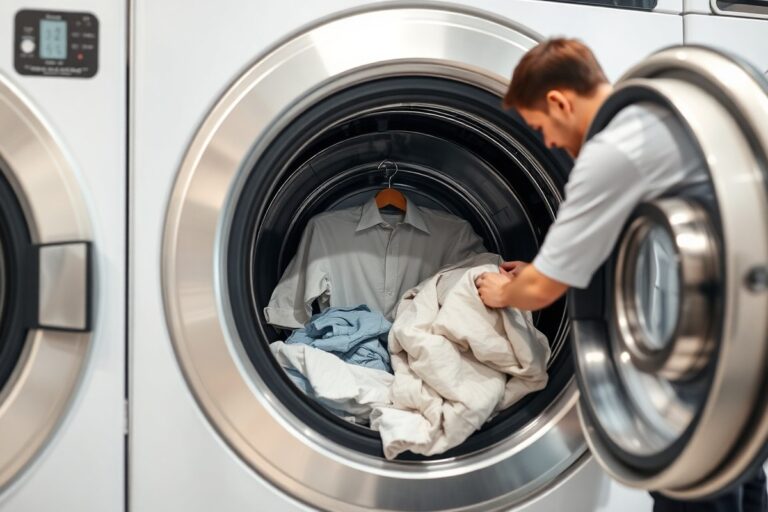
Machine washing is convenient for removable covers that the label says are machine washable, generally made from cotton, polyester, or blends. Choose a cold water cycle with a gentle or delicate setting to minimize wear on fabric fibers.
Use a mild detergent designed for delicate fabrics or sensitive skin. Avoid bleach or fabric softeners, which can degrade fabric and colors. Wash covers separately or with similar colors to prevent color transfer.
- Remove covers and unzip completely, turning them inside out to protect outer fabric.
- Vacuum or brush off loose dirt before washing.
- Set washing machine to gentle/delicate cycle with cold water (less than 85°F).
- Add a mild liquid detergent, avoiding bleach and fabric softeners.
- Load covers loosely into the washer to allow free water flow.
- Run cycle and check covers after washing for stains or damage.
- Stains that persist should be hand washed as needed before drying.
Drying and Finishing Tips
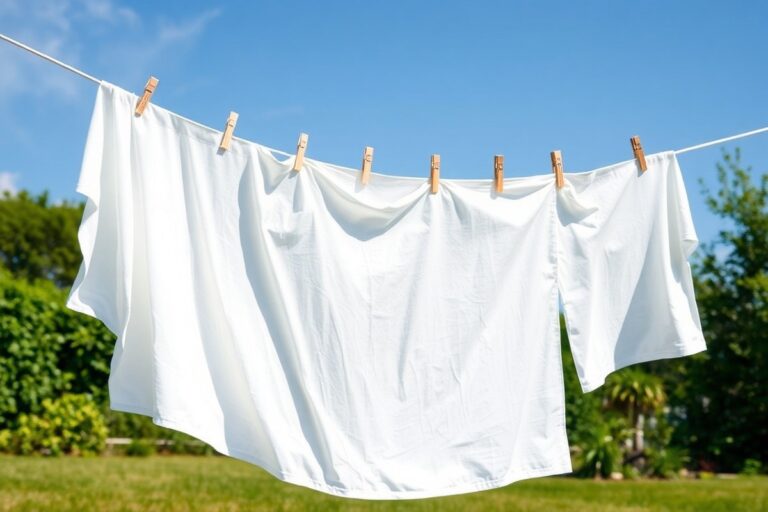
After washing, avoid using a dryer, which may shrink or damage fabric. Instead, gently blot excess water using clean towels. Lay cushion covers flat on a clean, dry surface or hang them on a clothesline out of direct sunlight to air dry. This method helps preserve fabric shape and color.
When the care label permits tumble drying, choose the lowest heat or air-dry setting and take covers out quickly to avoid wrinkles and shrinkage. Always make sure covers are completely dry before putting them back on cushions to prevent mildew growth.
Iron covers at a low temperature if needed, according to the care instructions, to smooth out wrinkles. Rezip covers only when fully dry and place snugly over the cushion inserts to keep your couch looking fresh and clean.
5. How to Clean Couch Cushions Without Removable Covers
Cleaning couch cushions without removable covers requires careful spot cleaning to avoid soaking or damaging the fill inside. Begin by removing surface dirt with a vacuum cleaner using the upholstery attachment. This step is important to prevent dirt from settling deeper during cleaning. For stubborn debris, gently use a clean broom outdoors on a flat surface to loosen particles before vacuuming again.
Choose mild cleaners that are safe for your cushion fabric. For most fabric types, a mixture of warm water and a small amount of mild liquid laundry detergent works well. Use about one tablespoon of detergent in a cup of warm water. Avoid harsh chemicals or bleach as they can cause discoloration or fiber damage. For delicate fabrics like velvet or silk, avoid any wet cleaning methods and consider calling a professional.
Spot cleaning is best done with a white cloth or sponge to prevent color transfer. First, test the cleaner on a hidden area and wait 10 to 15 minutes to check for any adverse reaction. Lightly dampen the cloth with the cleaning solution and gently blot the stained area, starting from the outside in to stop the stain from spreading. Avoid rubbing, which can push dirt deeper and damage fibers.
Once you finish spot cleaning, dry the cushions thoroughly to prevent mold growth inside the foam or filling. Use a fan to speed up air circulation or set up near a window with good airflow. Avoid direct heat sources like hairdryers or heaters that can warp or shrink fabric. If possible, gently lift and tilt the cushions periodically to let air reach all sides. Drying time depends on the room’s humidity and airflow but typically takes several hours to a full day.
For moisture-sensitive cushions, a dry cleaning powder or foam designed specifically for upholstery can be applied and vacuumed off without water. These products minimize the risk of soaking and speed up the cleaning process but always follow label instructions carefully. Upholstery spot cleaning sprays containing enzymes or oxygen-based cleaners can also be effective, but test them beforehand.
Avoid soaking non-removable cushions; excess moisture trapped inside can cause mold growth and unpleasant odors even if the surface feels dry.
6. Removing Common Couch Cushion Stains Effectively
Identifying and treating common couch cushion stains requires targeted approaches to avoid damage and effectively remove spots. Coffee and tea respond well to mild detergents or vinegar solutions, wine is best treated with diluted vinegar, pet urine demands enzymatic cleaners, and grease needs dish soap or solvent-based stain removers. Allow stain removers to set for about 10 to 15 minutes to break down stains before blotting or rinsing.
Treating Beverage Stains
Coffee and tea stains are common on couch cushions and can set quickly. Use a mild detergent mixed with warm water or a white vinegar solution diluted with water to lift these stains. Red wine stains should be treated soon after the spill using diluted white vinegar to neutralize the pigments and prevent lasting discoloration. Follow these steps for best results when treating beverage stains:
- Blot excess liquid gently with a clean cloth without rubbing to avoid spreading the stain.
- Mix 1 tablespoon of dish soap with 1 cup of warm water or combine equal parts white vinegar and water for a natural cleaner.
- Moisten a fresh cloth with the cleaning mixture and lightly blot the stain, moving from one edge to the other and rubbing opposite the fabric grain to help raise the mark.
- Allow the solution to set for 10 to 15 minutes to break down the stain.
- Blot again with a dry cloth to absorb the moisture and lift remaining residue.
- Rinse the area lightly with a cloth dampened in plain water to remove cleaning agents.
- Let the cushion air dry completely away from direct heat or sunlight.
Removing Pet Urine and Odor
Pet urine stains require enzymatic cleaners designed to break down proteins causing stains and odors. These products can be found commercially, such as Bissell Professional Pet Stain & Odor Remover, or you can purchase similar enzyme-based cleaners suitable for fabrics. Avoid ammonia-based cleaners, as they may intensify odors or attract pets back to the same spot. To treat pet urine stains effectively, use this procedure:
- Remove loose debris from the stained cushion with a vacuum.
- Blot the urine spot gently with paper towels to absorb excess moisture.
- Apply a generous amount of enzymatic cleaner according to the product instructions, ensuring deep penetration into the cushion.
- Let the cleaner sit for at least 10 to 15 minutes, or longer if recommended on the label, to break down odor-causing molecules.
- Blot the area with a clean cloth to remove remaining cleaner and moisture.
- Allow the cushion to air dry completely in a well-ventilated space.
Dealing with Grease and Oil Stains
Grease and oil stains need a cleaner that can break down oily residues without harming the fabric. Dish soap is effective as it emulsifies oils, making them easier to remove. For tougher stains such as ink or heavy grease, a solvent-based stain remover may be necessary, but test it on a hidden area first to ensure it does not discolor or damage the cushion. Here’s how to remove grease stains safely:
- Blot away any excess grease carefully with a dry cloth or paper towel without rubbing.
- Combine several drops of dish detergent with warm water and stir briskly to produce a layer of foam.
- Apply the foam to the grease stain using a cloth or sponge. Avoid soaking the fabric.
- Work the foam gently into the fabric, covering the entire stained area.
- Let the foam set for 10 to 15 minutes to break down oil particles.
- Blot with a clean, damp cloth to remove the soap and loosened grease.
- Repeat if necessary and then air dry the cushion.
Using Natural Stain Removers
Natural stain removers like baking soda, white vinegar, and dish soap offer gentle and affordable cleaning for many stains. Baking soda works well for absorbing light stains and neutralizing odors, while diluted vinegar is effective on wine and beverage stains.
For light cleaning or odor control, sprinkle baking soda liberally over the cushion and leave it for about two hours before vacuuming. Mixing ¼ teaspoon dish soap with one cup warm water provides a mild detergent solution suitable for many fabric types. Always test natural cleaners on an inconspicuous cushion area first to avoid damage.
7. Drying and Deodorizing Couch Cushions Without Damage
Drying couch cushions thoroughly after washing is essential to prevent mold, mildew, and lingering odors. Cushions usually take between 8 to 24 hours to dry completely, depending on fabric type, thickness, and airflow. Faster drying reduces the risk of mold growth, which thrives in damp environments, especially with natural or thick foam inserts.
The best drying method involves air drying in a well-ventilated room or outdoors on a dry, sunny day. Place cushions flat or prop them on their side so air can circulate around all surfaces. Avoid direct heat sources like radiators or hair dryers, which might damage delicate fabrics or foam. For thicker cushions, using a fan or opening windows to increase airflow cuts drying time significantly.
To speed up drying, gently press a clean dry towel onto the cushion surface to blot excess water before placing them in the drying area. Avoid wringing or twisting cushions, which can damage their shape. Make sure cushions are completely dry to the touch inside and out before putting them back on the couch to avoid unpleasant smells and allergic reactions.
Deodorizing cushions naturally can improve freshness and reduce allergens. Sprinkling baking soda evenly over the cushions, letting it sit for 15 to 30 minutes, then vacuuming thoroughly is a safe and effective option. Baking soda neutralizes odors without harsh chemicals and is especially helpful if pets use your couch. Another option is lightly spraying cushions with a mixture of equal parts water and white vinegar in a spray bottle, then letting cushions dry fully before use.
If cushions remain damp too long or if drying occurs in a poorly ventilated space, mold and mildew risk increases significantly. Mold not only damages cushions but can trigger allergies or respiratory issues. To prevent this, always ensure cushions dry thoroughly and regularly check for any musty smells or dark spots that indicate mold growth. Removing cushions that develop mold for professional cleaning or replacement is often necessary.
- Air dry cushions flat or standing on their side in a shaded, ventilated spot
- Use fans or open windows to increase airflow
- Blot excess moisture with a dry towel before drying
- Avoid heat sources that can shrink or damage fabric
- Sprinkle baking soda and vacuum to deodorize naturally
- Use vinegar-water spray lightly for odor control
- Dry cushions completely before returning to the couch to avoid mold
Proper drying, paired with natural deodorizing methods, helps maintain your cushions’ comfort, appearance, and hygiene. It takes a bit of patience but prevents costly damage and keeps your home healthier, particularly in households with sensitive individuals or pets. Always check the care label for specific drying recommendations tailored to your couch cushion’s fabric and construction.
8. When to Call a Professional for Couch Cushion Cleaning
When couch cushions show signs of deep-set stains that resist your cleaning attempts or display physical damage like tears or sagging, it’s time to consider professional cleaning. Upholstery professionals can tackle these issues using steam cleaning, dry cleaning, extraction methods, or even re-dyeing, which are far safer and more effective than most home remedies. Trying to clean stubborn stains at home might worsen the damage or leave residues that attract dirt, affecting both appearance and hygiene.
Cushions made from delicate materials such as leather or microfiber require expert care to avoid shrinking, color fading, or texture change. Professionals have specialized solvents and equipment for these materials, ensuring a clean without the risks associated with water or harsh chemicals. If your cushions are heavily soiled or made from these sensitive fabrics, expecting a simple DIY clean to suffice could lead to costly mistakes.
You can decide when to call a professional by running through a quick checklist: Are the stains deep or widespread? Are the cushions torn, flattened, or losing shape? Is the material leather, microfiber, or another fabric that needs special treatment? Have you tried spot cleaning without success? Answering yes to even one of these means professional service can save you time and potential damage. Most upholstery cleaners offer a spectrum of options including steam, dry cleaning, extraction, and fabric restoration, making it easy to find a solution tailored to your specific cushion issues.
To find a reliable upholstery cleaner, start by searching for locally certified professionals with experience in home furniture care. Ask for a breakdown of their cleaning methods, warranty on their services, and if they provide in-home estimates. Checking reviews and seeking referrals from neighbors or friends helps to avoid scams. Make sure they use approved solvents for delicate fabrics and confirm they follow safety standards to protect your home environment. Prices typically range from $50 to $150 per cushion depending on size, fabric, and cleaning complexity.
Always address small stains immediately with a spot cleaner made for your cushion fabric to prevent the need for professional intervention.
Step-by-Step Action Plan for Washing Your Couch Cushions
Follow these steps to clean your couch cushions safely and keep them looking fresh based on their material and condition.
- Before you start: Check the cleaning code on the tag and do a spot test with your chosen cleaner to avoid damage.
- Day 1: Vacuum cushions thoroughly to remove dust and debris.
- Day 1: Remove covers if possible and wash according to tag instructions; use machine or hand washing as appropriate and confirm by fabric feel and look.
- Day 1: For cushions without removable covers, apply a suitable cleaner carefully, then blot stains until they fade.
- Day 1-2: Air dry cushions and covers completely in a well-ventilated space to prevent mold.
- After drying: Apply a fabric deodorizer or sprinkle baking soda, let sit for 15 minutes, then vacuum it off for freshness.
- Weekly: Vacuum cushions regularly and attend spots immediately to maintain cleanliness.
- When stains persist or cushions smell musty: Contact a professional upholstery cleaner to avoid damage.
Frequently Asked Questions
Can You Wash Couch Cushions in a Washing Machine?
Yes, if the covers are removable and machine washable, use a gentle cycle with mild detergent and cold water to avoid shrinking or fading. Always check the care label first.
What’s the Best Way to Dry Couch Cushions After Washing?
Air drying is best to prevent shrinking and odors; lay cushions flat in a well-ventilated area and avoid direct sunlight to maintain shape and color.
Can You Wash Couch Cushions with Foam Stuffing Inside?
Foam cushions usually need spot cleaning or hand washing the cover only; avoid soaking the foam to prevent mold and damage.
How Often Should You Clean Couch Cushions to Maintain Freshness?
Ideally, vacuum cushions weekly and deep clean or wash covers every 3 to 6 months, depending on use and household activity.
What’s a Safe Method to Deodorize Couch Cushions Without Washing Them?
Sprinkle baking soda, let it sit for 20 minutes, then vacuum off to absorb odors without wetting cushions.
How Do You Deal with Pet Hair on Couch Cushions Before Washing?
Vacuum thoroughly using an upholstery attachment or use a lint roller to remove hair, preventing clogging washers or spot cleaners.
Key Points to Remember
Cleaning couch cushions depends on knowing their material and using the right method to avoid damage. By understanding their care codes and tackling stains quickly, you preserve their comfort and appearance. Start with vacuuming and a spot test today to keep your couch cushions fresh and clean long term.