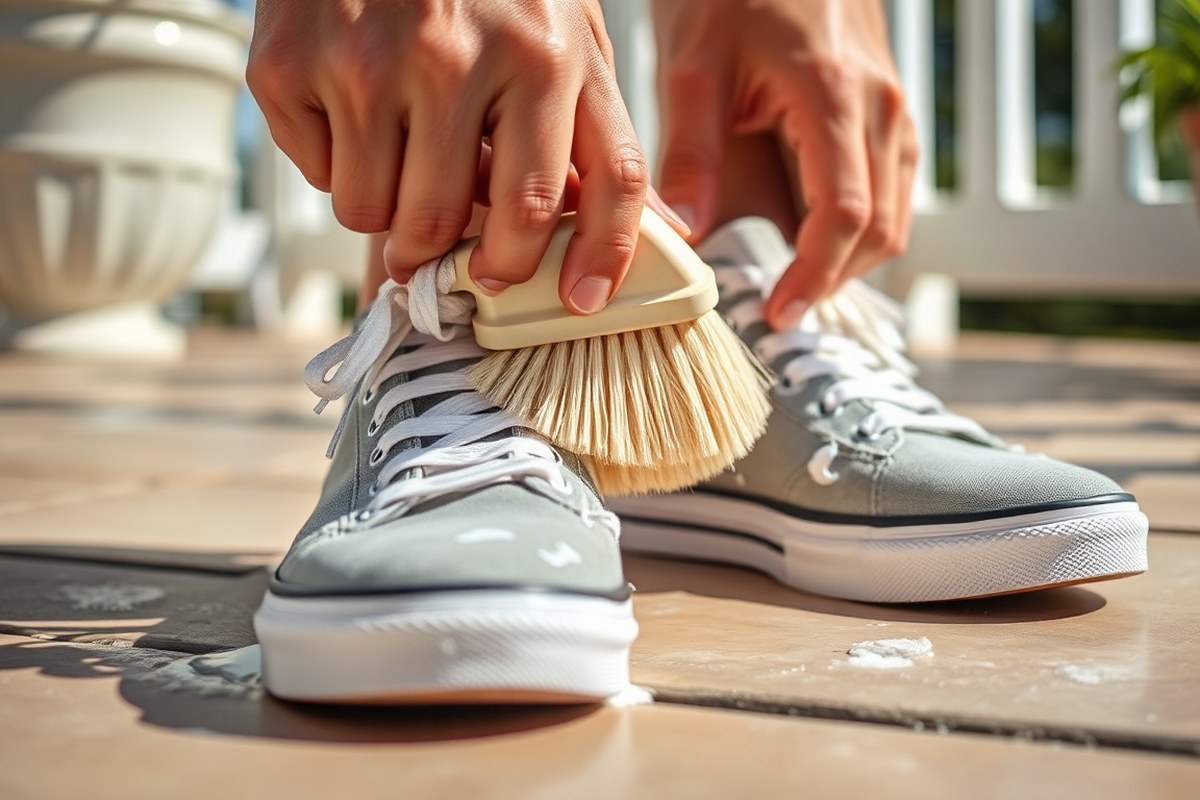
How to Wash Cloth Shoes Safely: A Complete Guide with Proven Tips
To wash cloth shoes safely, choose between hand washing with gentle soap and cold water or using a delicate cycle in the washing machine. Always remove insoles and laces first, avoid harsh detergents, and let your shoes air dry away from heat or direct sunlight. This approach protects the fabric and shape of your shoes while keeping them fresh.
These tips are for anyone who wears cloth shoes regularly and wants to clean them effectively without damage. You’ll find easy steps for prep, stain removal, drying, and caring for insoles and laces, as well as advice on how often to wash your cloth shoes for the best results.
Key Takeaways
- Wash cloth shoes every 1 to 3 weeks to maintain cleanliness and prevent heavy staining.
- Hand wash shoes gently using mild soap and cold water to avoid damaging the fabric.
- Use the washing machine’s delicate cycle and place shoes in water three-quarters full for best results.
- Remove insoles and laces before washing; clean insoles with warm water and baking soda solution.
- Wipe stubborn stains with a damp cloth after applying a gentle stain remover before washing.
- Air dry shoes at least 24 hours in a ventilated area, away from direct sunlight or heat sources.
How to Wash Cloth Shoes by Hand and Machine
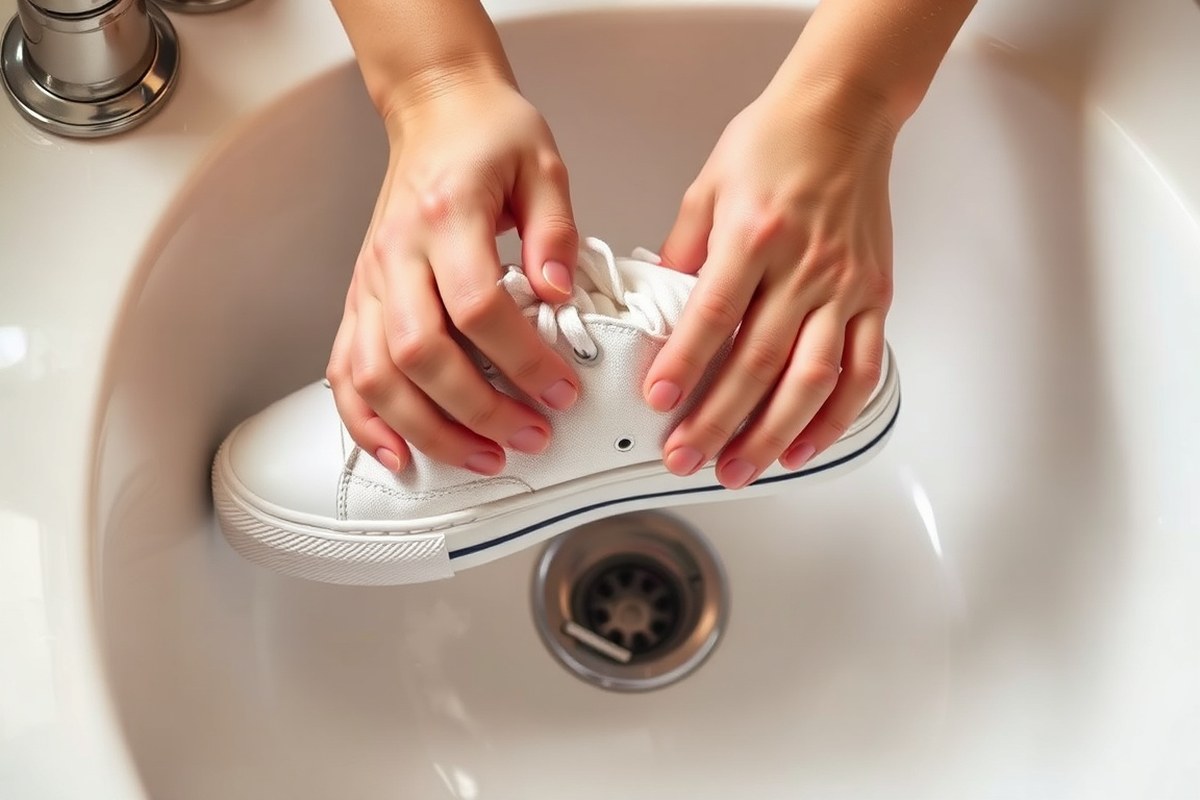
Washing cloth shoes carefully keeps them clean without harming the fabric. Hand washing is gentler and safer, especially if your shoes have delicate details. Machine washing is faster and works well if your shoes are made of sturdy fabrics like canvas, nylon, cotton, or polyester. Both methods require using mild detergent and cold water to avoid shrinking or fading the material.
Using mild liquid laundry detergent mixed with cold water protects the shoes’ fabric and color. Hot water or harsh detergents can weaken the cloth or cause color loss. Avoid bleach unless you have plain white shoes, which can handle a diluted bleach solution. Using a soft brush or cloth helps remove dirt without damaging the fibers. Follow these steps to wash cloth shoes safely in either method:
- Remove laces and insoles. Wash laces separately by hand or with the shoes in a mesh bag to prevent tangling. Insoles are often delicate and should be cleaned by hand.
- Pre-clean the soles and surface. Use a soft, wet cloth or brush to remove loose dirt from the soles and shoe uppers before washing.
- For hand washing, fill a basin with one gallon of cold water and a scoop of mild detergent. Soak the shoes for 1 to 6 hours depending on dirtiness.
- Scrub gently. Use a soft brush or cloth to clean the fabric, focusing on stains or dirty areas. Rinse thoroughly with cold water.
- For machine washing, place shoes inside a mesh garment bag or pillowcase. Use a gentle or delicate cycle with cold water and mild detergent on a front-loading or high-efficiency washer to protect shoes and your machine.
- Set the washing time around 45 minutes to 1 hour. Avoid hot water cycles to prevent shrinkage and material damage.
- Air dry shoes away from direct sunlight or heat. Stuff them with newspaper or rags to maintain shape as they dry.
Hand washing takes longer time but offers careful cleaning without machine wear and tear. Machine washing saves time but only suits many cloth shoes, not those with leather or suede parts. Choose the right method based on your shoe material and manufacturer care labels to keep your shoes looking good and lasting longer.
Best Supplies and Tools for Cleaning Cloth Shoes
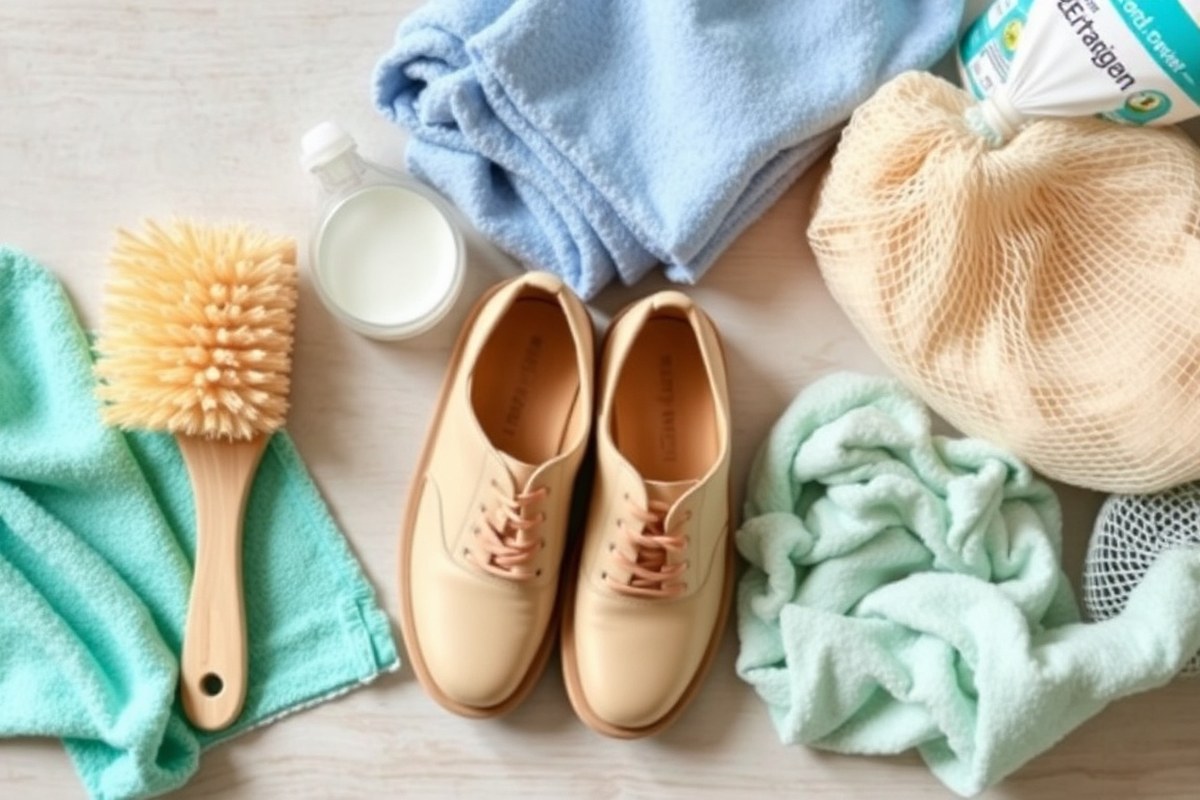
Cleaning cloth shoes properly requires specific supplies that balance effectiveness with gentleness to avoid damage. Start with a soft brush designed for fabrics; this helps remove loose dirt without fraying the cloth. A toothbrush can work as a more precise tool for smaller areas or stubborn spots. For detergents, a mild dishwashing liquid is best. Mixing one teaspoon of this detergent with two cups of warm water creates a safe cleaning solution that lifts dirt without harsh chemicals. Avoid strong soaps or bleach, which can weaken fibers and fade colors.
A clean, soft cloth or microfiber towel is essential for wiping away soap and dirt residue. Using a damp cloth to rinse or blot prevents over-wetting your shoes. For drying, a well-ventilated, shaded area keeps shoes from warping or discoloring, while allowing them to dry in about 24 hours. You’ll also want a container or basin to mix and hold your cleaning solution, which helps you control how much liquid contacts your shoes.
- Soft-bristled shoe brush or clean toothbrush for scrubbing dirt and stains
- Mild dishwashing liquid (1 teaspoon per 2 cups warm water) as a gentle detergent
- Clean microfiber or soft cloth to wipe off soap and moisture
- Container or basin for mixing cleaning solution
- Clean water for rinsing and wiping
- Towel or paper towels for initial drying and blotting
These supplies cost between $5 and $15 depending on what you already have at home. Good results include dirt-free fabric with no visible soap marks or color fading. Avoid over-saturating your shoes with water or scrubbing too hard, as this can break down glue or fabric threads. Always wipe off soap residue completely to prevent stiffness or discoloration after drying.
Use lukewarm water around 90°F (32°C) when mixing your cleaning solution to dissolve detergent properly without shrinking the fabric.
Prepping and Protecting Cloth Shoes Before Washing
Preparing cloth shoes properly before washing protects their shape and color while improving cleaning results. Start by removing laces and insoles, then brush away loose dirt and debris. For stained areas, apply a mild detergent treatment to loosen grime before the full wash.
Removing Laces and Insoles
Taking out the laces and insoles is key to protecting delicate parts and cleaning everything thoroughly. Laces can tangle or wear down in the wash, so remove them and wash separately. Insoles often trap sweat and dirt, so taking them out allows for better cleaning and drying, preventing odor and damage inside the shoe.
Use a gentle approach when removing insoles; pull them out slowly to avoid bending or tearing. Place the laces and insoles in separate containers or a mesh laundry bag to keep them safe. Cleaning insoles with a solution of one cup warm water and one tablespoon baking soda helps neutralize odors and dirt before air drying completely.
Brushing Off Loose Dirt
Removing loose dirt prevents it from embedding deeper during washing. The kind of brush you use depends on your shoe’s material and the dirt amount.
A soft-bristled brush or a dry microfiber cloth works well for lightly soiled canvas or cloth shoes. For tougher dirt or textured soles, a slightly stiffer brush, like a toothbrush with trimmed bristles for extra firmness, can be better. Brush gently to avoid fraying threads or damaging fabric surfaces.
Focus on seams, soles, and crevices where dirt easily collects. Light brushing can take just a few minutes but helps protect the fabric and ensures detergents work more effectively.
Spot Treating Stains Before Washing
Addressing stains before the full wash greatly improves cleaning results. Using a mild detergent or a specialty stain remover designed for fabric helps break down grime without harming the coloration.
Apply the detergent directly to the stained area with a soft cloth or cotton swab, then gently work it into the fabric with circular motions. Leave the treatment on for about 15 minutes to penetrate the stain before washing.
For delicate areas or heavily stained spots, test the detergent on a hidden patch first to check for any color running or fabric reaction. Avoid harsh chemicals on colored cloth shoes to keep colors bright and material intact.
- Remove laces and insoles and set them aside for separate cleaning.
- Use a microfiber cloth or a soft brush to wipe away or brush off loose dirt from the shoe surface.
- Inspect the shoes for visible stains or spots of dirt.
- Apply a small amount of mild detergent directly to stained areas.
- Gently rub the detergent into the stain using circular motions with a soft cloth or brush.
- Let the detergent sit for about 15 minutes before proceeding to wash.
- Place insoles and laces in a mesh laundry bag or separate container for washing.
- Handle delicate or embellished shoes carefully or consult a professional cleaner if needed.
How to Remove Tough Stains from Cloth Shoes
Tough stains on cloth shoes require targeted cleaning methods to remove without damaging the fabric. Using household items like baking soda, white vinegar, and mild cleaners can effectively lift grime, grease, and discoloration. White cloth shoes may need careful use of bleach or vinegar for stubborn spots, but it is important to follow proper dilution and application steps to avoid damage.
Types of Stains and Recommended Removers
Different stains respond best to specific cleaning agents. The table below shows common stain types and the household or commercial cleaners suitable to safely treat them on cloth shoes.
| Stain Type | Recommended Cleaner | Application Notes |
|---|---|---|
| Mud | Dry brush, mild dish soap solution | Brush off dry mud; clean gently with soapy water |
| Grease/Oil | Baking soda paste (baking soda + water) | Apply paste, let sit 15 minutes, then brush off |
| Ink | White vinegar, microfiber cloth | Dab vinegar gently, scrub in alternating directions |
| Discoloration | White toothpaste or shoe cleaner for white shoes | Rub gently with wet cloth; avoid harsh scrubbing |
| Stubborn white shoe stains | Bleach pen (canvas or mesh only) | Spot treat carefully; test on small area first |
Choosing the correct cleaner helps prevent spreading stains or harming shoe fibers. Always start with gentler items like baking soda paste or vinegar before moving to stronger options like bleach pens.
Bleach and Vinegar Safety for Whites
Using bleach can effectively remove tough stains on white cloth shoes, but it requires caution. Dilute household bleach before use to a solution of about 1 part bleach to 5 parts water. Apply it sparingly with a cotton swab or small brush, targeting only the stain. Rinse thoroughly after treatment to prevent fabric damage or yellowing.
Distilled white vinegar is safer than bleach and works well on various stains like ink and mildew. Mix 2 cups of warm water with 1/2 cup vinegar and 1/2 teaspoon dishwashing liquid for a mild cleaning solution. Apply with a microfiber cloth, scrubbing gently. Avoid soaking the shoe, as excessive moisture can weaken fabric bonds.
Always test any bleach or vinegar solution on a hidden area first to check for colorfastness. Avoid using bleach on colored fabric to prevent fading or discoloration.
DIY vs. Commercial Stain Removers
Homemade remedies like baking soda paste and vinegar mixtures offer low-cost, gentle cleaning for many stains on cloth shoes. Baking soda costs just a few cents per tablespoon and can be made into a paste by mixing with water. These solutions reduce the risk of harsh chemical damage but may require more effort or time to work.
Commercial shoe cleaners designed for white or cloth shoes often combine detergents and whitening agents for faster stain removal. They tend to be more expensive, often $5 to $15 per bottle. Follow product instructions carefully to avoid harming the shoe material, especially with ones containing stronger chemicals.
For precise spot treatments, products like bleach pens provide controlled application but must be used with protective gloves and careful application. DIY solutions remain a practical first approach for usual stains, reserving commercial or bleach treatments for stubborn or older marks.
Proper Drying Techniques for Cloth Shoes
Cloth shoes usually need about 8 hours to dry completely, depending on the material thickness and environment. Air drying at room temperature is safest and helps avoid damage like shrinking or warping. Avoid placing shoes in direct sunlight, near heaters, or on air vents because excess heat can weaken fabric fibers and cause colors to fade.
After washing, gently blot excess water with a dry microfiber towel to speed up the drying process without stressing the shoe material. Follow this by placing the shoes in a well-ventilated area away from any heat sources. Leaving shoes to dry naturally allows moisture to evaporate gradually, preventing the growth of odor-causing bacteria that thrive in damp environments.
If you need a quicker drying method, stuffing the shoes with dry newspaper can help absorb moisture from inside. Replace the paper every few hours to maintain drying effectiveness. This method works well indoors, especially in humid climates, without exposing the shoes to heat that risks shrinking. Avoid using a hairdryer or similar heat tools, as they generate temperatures that can damage the glue holding parts of the shoe together.
In colder or more humid conditions where air drying takes longer, it is important to avoid sealing the shoes tightly in a plastic bag or container, as trapped moisture promotes unpleasant smells and fabric breakdown. Instead, place the shoes on a mesh rack or breathable surface to allow air circulation on all sides. This setup takes more effort but ensures the preservation of the shoe’s shape and durability.
After shoes are fully dry, usually after overnight drying, you can reinsert any removable insoles and laces. Wearing the shoes before they are thoroughly dried can lead to discomfort and damage from residual moisture, so patience in this stage ensures longer shoe life.
Never put cloth shoes in a powered dryer or directly on a radiator to dry; heat from these sources can cause irreversible damage and shrinkage.
Cleaning and Caring for Insoles and Shoelaces Separately
Cleaning shoelaces and insoles separately helps remove dirt and odor effectively without damaging your cloth shoes. Insoles can trap sweat and bacteria, causing unpleasant smells, while dirty laces can detract from your shoes’ appearance. Proper washing and drying of these components extend shoe comfort and freshness.
Removing and Soaking Laces
Start by removing the shoelaces to give them a deeper clean and avoid affecting the rest of the shoe. Soaking them in a cleaning solution helps loosen dirt and reduce odors. For general cleaning, use a detergent solution, or for tougher discoloration, a diluted bleach mix can be used cautiously.
- Remove the laces from your cloth shoes completely.
- Fill a bowl with warm water and add a small amount of laundry detergent or mild soap.
- For heavily stained laces, mix one part bleach with five parts water for a diluted bleach soak, but test a small section first to avoid damaging colored laces.
- Submerge the laces in the solution and let them soak for 15 to 30 minutes.
- Gently rub the laces between your fingers to loosen any ingrained dirt.
- Rinse the laces thoroughly under running water to remove all soap or bleach residue.
- Set the laces aside to air dry completely before placing them back in your shoes.
Wiping and Deodorizing Insoles
Removing insoles allows you to target odor and grime directly without soaking the entire shoe. Use a baking soda paste or a vinegar solution to deodorize and clean insoles effectively. These methods kill bacteria and neutralize smells without harsh chemicals.
- Take the insoles out of your cloth shoes and brush off loose dirt with a dry cloth or soft brush.
- Mix a tablespoon of baking soda with enough water to form a paste for scrubbing or prepare a 1:1 solution of white vinegar and water for wiping.
- Apply the baking soda paste to stained or smelly areas and let it sit for 15 minutes, or dampen a cloth with vinegar solution and wipe the entire surface.
- Use a damp cloth to remove the paste or vinegar from the insoles, rinsing the cloth frequently to avoid leaving residue.
- Allow the insoles to air dry fully before putting them back to prevent trapping moisture inside your shoes.
Drying and Reassembling
Proper drying of laces and insoles prevents mildew and preserves shoe comfort. Avoid direct sunlight or high heat to protect materials from warping or shrinking. Using newspaper or shoe trees inside your shoes while drying helps maintain shape and absorbs moisture.
- Lay shoelaces flat on a clean towel or hang them up to air dry at room temperature.
- Place insoles in a well-ventilated area away from direct sunlight and heat sources to air dry completely.
- Stuff the inside of your shoes with newspaper or use shoe trees to absorb remaining moisture and keep shape.
- Only reinsert the insoles into your shoes once they feel dry to the touch to avoid odor buildup.
- Thread your clean, dry laces back into the shoes carefully, ensuring they are untangled and flat.
How Often Should You Wash Cloth Shoes?
Washing cloth shoes too often can cause fabric wear and weaken adhesives, but not washing them enough allows dirt, sweat, and odors to build up, which also harms the shoes over time. The best rule is to wash them based on how often you wear them, how dirty they get, and the specific type of cloth shoes you own. For example, a lightly worn pair that stays clean may only need a wash every few months, while shoes exposed to mud or heavy use might require cleaning every 2 to 4 weeks.
Check your shoes regularly for visible dirt, stains, or odor. When your shoes appear grimy or have an unpleasant odor, it’s time to wash them. Cloth shoes used for outdoor activities or sports tend to trap more sweat and dirt, so they need more frequent washing than casual everyday shoes. Follow the manufacturer’s care label instructions carefully, as some delicate cloth materials can degrade if washed too often or with harsh methods.
You can extend shoe longevity by spot cleaning regularly to remove small stains or dust without doing a full wash. This approach reduces wear on the fabric and seams. Washing shoes too often, like every week without visible dirt, may cause colors to fade, fabric to shrink, and glue joints to loosen. On the other hand, waiting too long may cause stains to set permanently and odors to intensify, which full washing is better at removing.
Use a decision rule like this: if your shoes have visible dirt or an unpleasant smell after about 15 to 30 wears or roughly 2 to 4 weeks of active use, opt for a wash. For lightly worn shoes, wash every 3 to 4 months or as needed. Note that conditions like walking in rain or muddy areas increase the need for quicker cleaning. Shoes made from natural fibers such as cotton may show dirt sooner and absorb moisture faster than synthetic blends, adjusting your washing frequency accordingly.
Maintaining the proper washing schedule balances appearance, hygiene, and durability. Regular washing keeps shoes looking fresh and prevents bacteria buildup, protecting your feet. However, pairs that get damaged by excessive washing might cost more in repairs or replacements. Paying attention to your shoes’ condition and following the suggested time frames helps keep them in good shape without unnecessary damage.
Common Mistakes and How to Avoid Damaging Cloth Shoes
One of the most common mistakes when washing cloth shoes is using a washing machine. The agitation and prolonged soaking often loosen the glue that holds your shoes together, which can lead to separation of soles or damage to decorative parts. Instead, clean your shoes gently by hand with mild soap and water to preserve their shape and structure. Machine washing may be tempting for convenience, but it risks shortening the life of your shoes.
Another frequent error involves drying shoes with heat, such as using a clothes dryer or placing them near a heater. Heat can warp plastic components, shrink fabrics, and cause materials to become brittle. Always let your cloth shoes dry in a well-ventilated area at room temperature. This approach avoids heat damage and encourages even drying, which prevents unpleasant odors or mold growth.
Failing to remove insoles and laces before washing can also cause problems. Dirt and moisture trapped inside insoles can take much longer to dry, increasing the risk of odor and bacterial growth. Wash insoles and laces separately by hand using gentle cleaners, then air-dry them completely before putting them back into your shoes.
Some cloth shoes use delicate or specialty fabrics that require extra care. Using harsh detergents or scrubbing aggressively can fade colors or damage the fabric’s integrity. Always check the manufacturer’s instructions, and test a small hidden area before applying any cleaning solution broadly. When in doubt, consult a professional cleaner who specializes in shoe care, especially for shoes with unique fabrics or heavy stains.
- Avoid using a washing machine for routine cleaning; hand wash instead
- Never dry shoes with direct heat or in a clothes dryer
- Remove insoles and laces before washing to enable full cleaning and faster drying
- Use mild detergents to protect fabric and colour
- Check shoe labels for cleaning instructions to prevent damage
- Seek professional help for stubborn stains or delicate materials
Always air-dry cloth shoes in a shaded, well-ventilated spot to prevent heat damage and mold buildup.
Calling a professional cleaner makes sense when your shoes have persistent stains that you cannot remove at home or when the material is fragile and prone to damage. Professional services often use specialized treatments and equipment that are safer for delicate fabrics. Trying to fix serious problems yourself can lead to costly and irreversible damage, so it is worth the expense when the shoes are valuable or sentimental.
Step-by-Step Action Plan to Clean Your Cloth Shoes
Follow these simple steps to keep your cloth shoes looking fresh without damage. Each phase ensures thorough cleaning and proper care.
- Before you start: Remove the insoles and laces to clean separately. Check for any tough stains and pretreat them using a gentle cleaner or baking soda paste.
- Day 1: Hand wash the shoes using a soft brush and mild detergent in lukewarm water. Rinse well and check that all visible dirt is gone.
- Day 2: Air dry the shoes away from direct sunlight or heat. They should feel dry to the touch within 24 hours without stiffness or shrinkage.
- Week 1: Wash the insoles and laces by hand or machine; let them dry completely before reinserting or retying.
- Every 2 weeks: Inspect shoes for new stains and dirt. Address small spots quickly with spot cleaning to avoid buildup.
- Monthly: Machine wash only if your shoes’ care label permits, using a gentle cycle with cold water in a mesh bag. Skip machine washing if shoes have leather or delicate details.
- After heavy use or wet weather: Repeat hand washing and drying steps to prevent odor and damage from moisture.
Frequently Asked Questions
Can You Put Cloth Shoes in the Washing Machine?
Yes, you can wash cloth shoes in the washing machine using a gentle cycle and cold water to avoid damage and fading. Remove laces and insoles first for best results.
What Is the Best Detergent to Use for Washing Cloth Shoes?
Use a mild detergent or dishwashing liquid mixed with warm water to clean cloth shoes safely without harming the fabric. Avoid harsh chemicals that can fade colors.
How Do I Prevent Cloth Shoes from Shrinking During Washing?
To prevent shrinking, wash cloth shoes in cold water on a gentle cycle or hand wash them. Avoid hot water and high-heat drying methods.
Can I Wash Cloth Shoes with Colored Fabric Without Color Bleeding?
Yes, wash colored cloth shoes separately or with similar colors using cold water to reduce the risk of color bleeding. Hand washing is safer for delicate colors.
What Should I Do If My Cloth Shoes Smell Bad After Washing?
Remove insoles and dry shoes thoroughly after washing; sprinkle baking soda inside to absorb odors. Avoid sealing damp shoes in bags.
Is It Necessary to Remove Insoles Before Washing Cloth Shoes?
Removing insoles before washing helps clean them separately and prevents moisture buildup inside shoes, reducing odor and prolonging shape.
Wrapping Up
Cloth shoes clean well with the right approach, balancing thorough washing and gentle care. Regular attention keeps them fresh and looking good longer. Start by tackling any stains on your shoes today to maintain their appearance and comfort.