How Do You Wash Running Shoes: A Complete Guide with Proven Cleaning Tips
Washing running shoes safely means choosing the right method based on the material and condition of your shoes. You can hand wash most shoes gently with mild soap and soft brushes, while some mesh and synthetic running shoes can handle a gentle machine wash. How do you wash running shoes without ruining them? Start by removing laces and insoles, then clean each part carefully and allow them to dry fully to avoid damage.
This advice is for runners and sneaker enthusiasts who want to keep their shoes fresh, clean, and long-lasting. You’ll find step-by-step instructions for hand and machine washing, stain removal tips, and advice on drying and refreshing your shoes between cleanings.
Key Takeaways
- Remove laces and insoles before cleaning your running shoes to ensure a thorough wash.
- Hand wash your shoes with mild detergent and a soft brush for delicate materials like leather.
- Only machine wash shoes made from durable synthetics or mesh on a gentle cycle with cold water.
- Treat stubborn stains by pretreating with detergent or stain removers before washing.
- Allow running shoes to air dry completely, which can take 24 hours or more depending on conditions.
- Clean insoles and laces separately to keep them fresh and free of odor-causing bacteria.
How to Wash Running Shoes Safely and Effectively
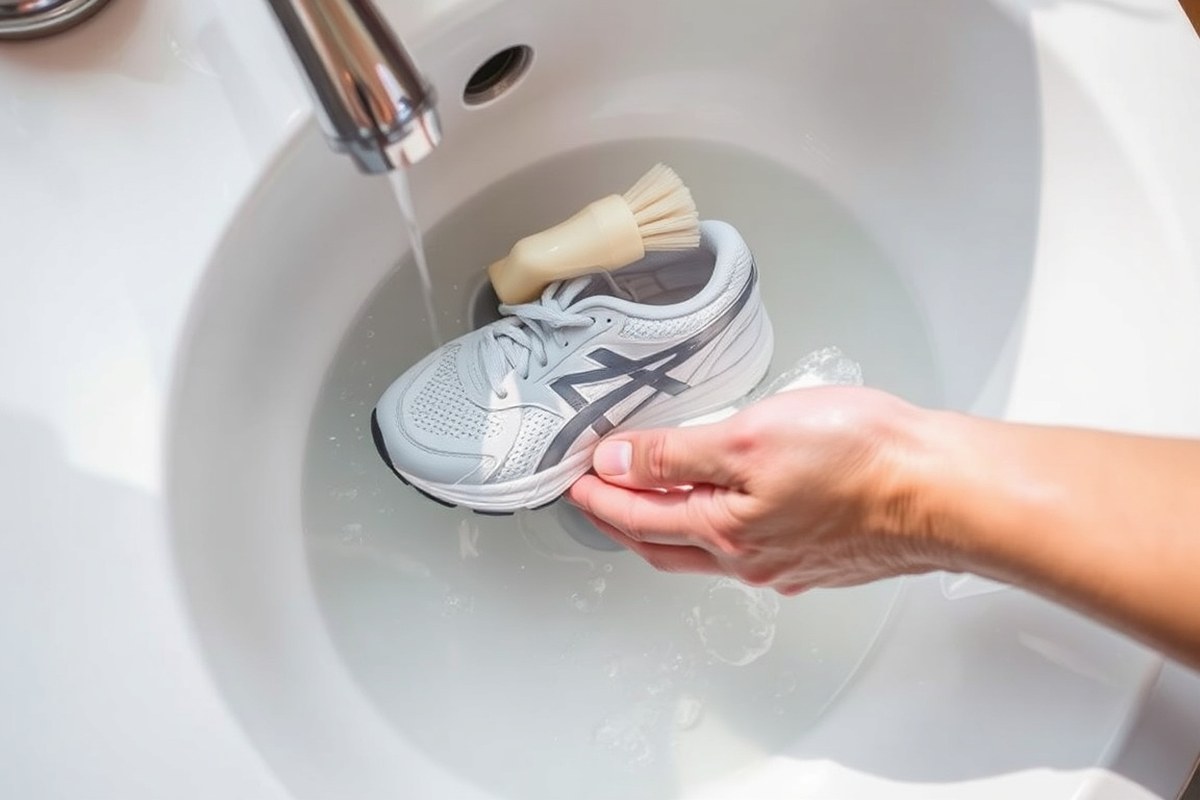
Washing running shoes safely means protecting their shape, materials, and performance while removing dirt and odor. Many running shoes, especially those made with durable synthetic fabrics, can handle a gentle machine wash. Others, like those with suede or leather parts, need hand washing to avoid damage. Using the right tools and following careful steps helps you clean your shoes effectively without warping or weakening them.
Gather the needed supplies before you start: a soft brush or old toothbrush, mild detergent, a mesh laundry bag or pillowcase, and clean towels for drying. Avoid harsh chemicals or bleach, as they can damage shoe fabrics and colors. Separate your shoes’ insoles and laces for individual cleaning, which improves washing results and protects the shoes.
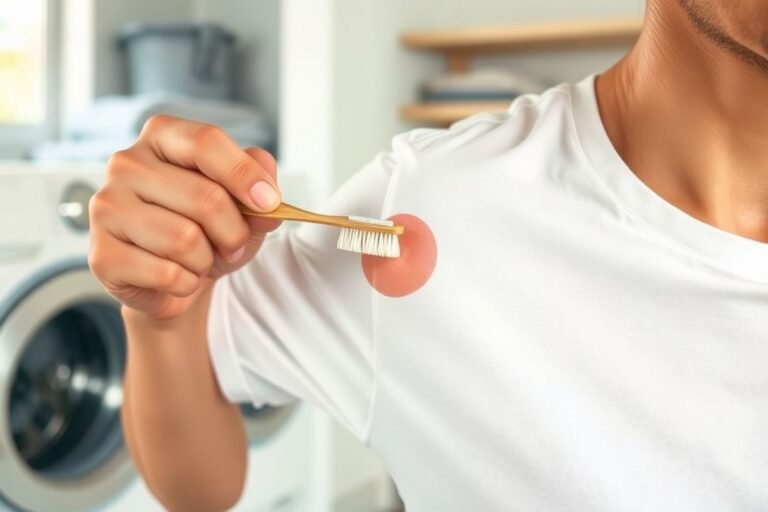
- Remove loose dirt: Use a soft brush to gently scrape off mud, dried grass, and surface debris. This prevents dirt from spreading during washing.
- Take out insoles and laces: Remove these parts to clean separately. Hand wash laces and insoles with mild soap, then air dry.
- Pre-treat stains: Apply a small amount of detergent or a stain remover to stubborn spots. Let it sit 10 to 15 minutes before washing to loosen dirt.
- Place shoes in a mesh laundry bag: Put shoes inside a laundry bag or pillowcase to stop them from hitting the washer drum and causing damage to both the shoes and machine.
- Choose the right wash cycle: Select a gentle or delicate cycle with cold water (below 80°F) and avoid using bleach or fabric softeners. Use a small amount of mild detergent.
- Add cushioning: Wash shoes with a few towels to balance the load. This reduces noise and protects shoes from excessive banging.
- Remove shoes promptly: After the cycle ends, take out your shoes right away to limit exposure to moisture that can weaken adhesives.
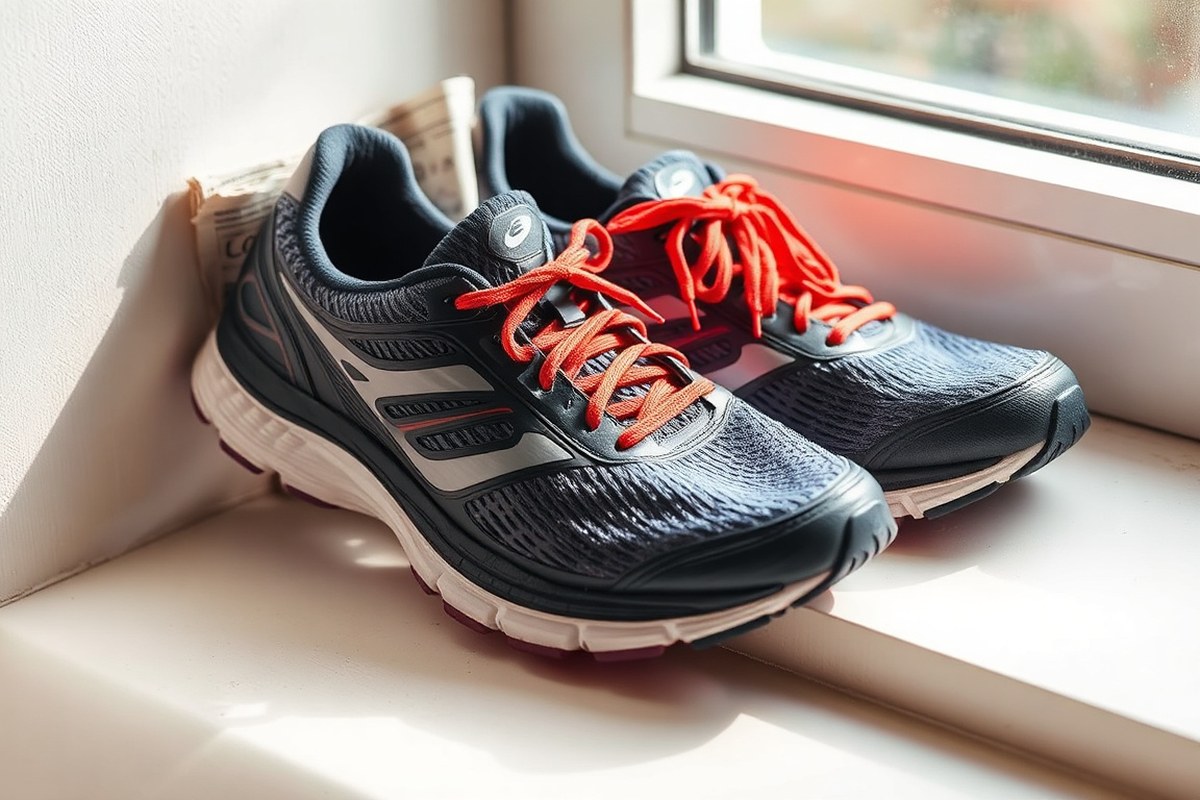
- Dry properly: Avoid dryers or direct heat. Stuff shoes with dry paper towels or cloths and let them air dry at room temperature. Replace stuffing every few hours until fully dry, typically 24 to 48 hours.
Machine washing is a useful option for many running shoes, but it’s best avoided for delicate materials like suede or leather trim. If you are uncertain, hand washing remains the safest choice. Taking these steps helps maintain your shoes’ fit and cushioning while keeping them clean and fresh, ready for many miles of running. Expect shoes to look visibly cleaner with dirt and grime lifted, but some older stains or discoloration may remain without extra treatment.
Which Running Shoe Materials Can Handle Machine Washing?
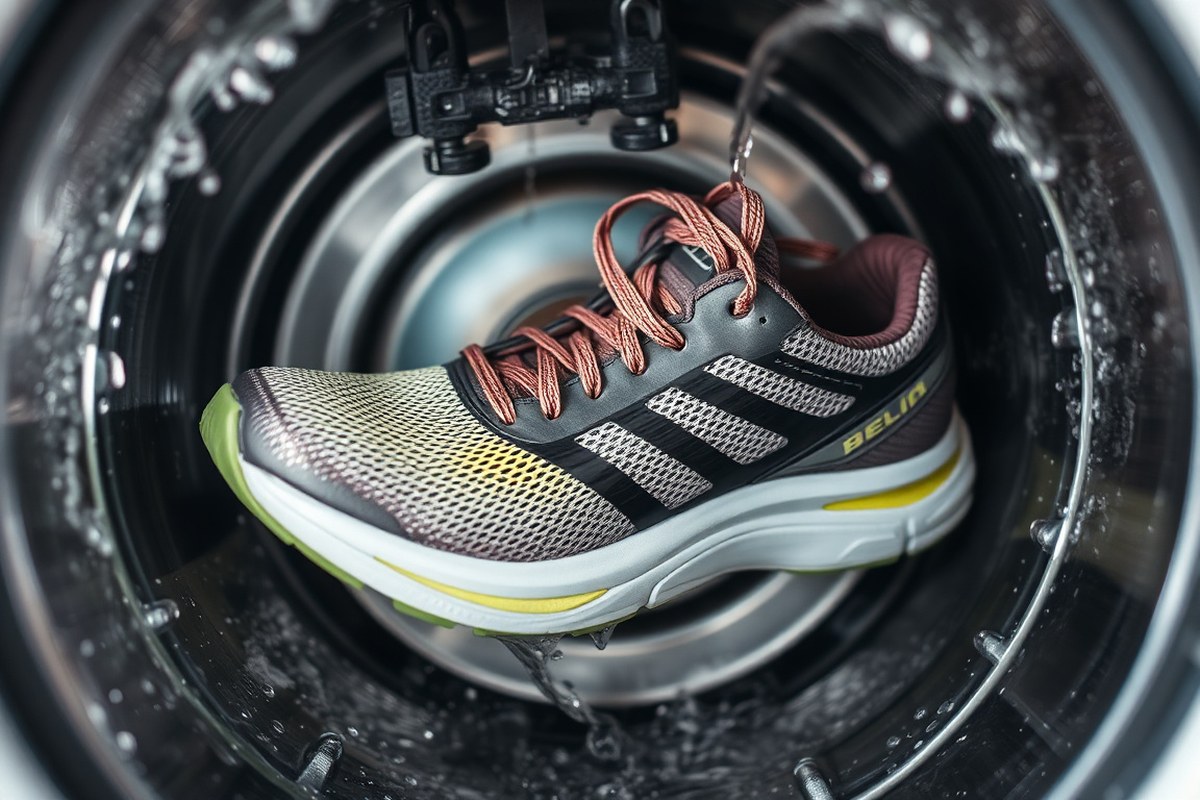
Running shoe materials differ in how well they handle machine washing. Durable fabrics like mesh and synthetic blends can typically be machine washed safely, while leather, suede, and other delicate materials need hand cleaning or special treatment. Knowing your shoe’s material helps you avoid damage and choose the best washing method.
Materials Safe for Machine Washing
Running shoes made from mesh, nylon, polyester, and synthetic materials such as polyurethane (PU) or polyvinyl chloride (PVC) are usually safe to wash in a machine. These fabrics are durable and can withstand the agitation and water exposure without losing shape or color.
Canvas is another material that generally handles gentle machine washing well but requires cold water to prevent shrinkage or color fading. For running shoes with minimal dirt, a machine wash in cold water using a gentle cycle helps remove grime effectively. Always remove insoles and laces before washing and place shoes in a mesh laundry bag to protect them and the machine.
Materials That Require Hand Washing Only
Shoes with parts made from leather, suede, or nubuck require a gentler approach. These materials absorb water easily and can become stiff or damaged if machine washed. Hand washing with a soft cloth and mild detergent is best to clean them without degrading the material.
Spot-cleaning is often more suitable for shoes with mixed materials. Use a specialized suede or nubuck cleaner and a gentle brush for stains. Even if a shoe has synthetic mesh combined with leather accents, hand washing the affected parts separately and carefully is safer than machine washing the entire shoe.
Materials to Avoid Water or Machine Washing
Leather and suede shoes should never be fully submerged in water, including in a washing machine. These materials lose their texture, fade, or warp when soaked. Also, any shoe with leather or suede accents must be kept away from machine washing to preserve stitching and glued joints.
Some shoes have various colored sections or dyes that can bleed or run if exposed to water or heat. Testing a small hidden area with a damp cloth before any cleaning helps avoid irreversible color transfer. For these shoes, dry cleaning or professional cleaners specializing in leather and suede may be the safest option.
| Material | Machine Wash Safe? | Recommended Cleaning Method |
|---|---|---|
| Mesh | Yes | Machine wash cold water, gentle cycle |
| Nylon | Yes | Machine wash cold water, gentle cycle |
| Polyester | Yes | Machine wash cold water, gentle cycle |
| PU or PVC synthetics | Yes | Machine wash cold water, gentle cycle |
| Canvas | Mostly | Machine wash cold water, gentle cycle; test colorfastness first |
| Leather (including accents) | No | Hand wash with mild detergent or professional cleaning |
| Suede and nubuck | No | Spot clean with specialized cleaner and soft brush |
Choosing the right cleaning approach based on the materials increases your running shoes’ lifespan and keeps them looking their best. Avoiding machine washing on delicate fabrics preserves their texture and finish.
Always check the label or manufacturer guidelines for your running shoes before machine washing to avoid unintended damage.
Step-by-Step Guide to Hand Washing Running Shoes
Hand washing running shoes lets you clean them gently, protecting delicate materials and extending their life. This method works well if your shoes have stubborn dirt or if the manufacturer advises against machine washing. You’ll use mild cleaning agents, soft brushes, and water to remove grime without damaging the shoe.
Preparing Your Shoes and Materials
Start by removing the insoles and laces, which should be cleaned separately to reach all parts effectively. Gather mild detergent or a specialized sneaker cleaner, a soft-bristled brush or an old toothbrush, a small basin or sink, and plenty of clean water, preferably lukewarm but not hot. Avoid harsh chemicals or bleach, as these can discolor or weaken fabrics.
Separate your cleaning tools: use a softer brush for delicate mesh to avoid damage, and reserve a sturdier brush for rubber soles or tough stains. Lay out a clean towel to place shoes on during rinsing and drying.
Cleaning Techniques for Different Areas
Before scrubbing, soak your shoes in a solution of warm water with a small amount of detergent for about 15 to 30 minutes to loosen dirt. Keep soaking times short to prevent damage to adhesives and fabrics. For general cleaning, dip the soft brush into the soapy water and gently scrub the upper mesh, focusing on stained or dirty spots with light circular motions.
Use a firmer brush or cloth to clean the rubber outsole and midsole, where dirt tends to accumulate. For laces and insoles, hand wash separately in warm, soapy water and rinse thoroughly. Be thorough but gentle around seams and glued areas to avoid weakening these spots.
Rinsing and Handling Post-Wash
Rinse each part carefully under clean, lukewarm water to remove all soap residue. Avoid soaking your shoes again during rinsing to prevent waterlogged materials, which can lead to odor and deterioration. Gently squeeze out excess water without twisting or wringing the material.
Stuff shoes loosely with paper towels or newspaper to maintain their shape and aid drying. Air dry at room temperature away from direct sunlight or heat sources to prevent shrinking or glue failure. Allow 24 to 48 hours for complete drying before reinserting insoles and laces or wearing your shoes again.
- Remove insoles and laces from your running shoes.
- Prepare a basin with lukewarm water and mild detergent or sneaker cleaner.
- Soak shoes for 15 to 30 minutes to loosen dirt.
- Gently scrub the shoe uppers with a soft brush, focusing on dirty spots.
- Use a firmer brush to clean outsoles and midsoles thoroughly.
- Hand wash laces and insoles separately, then rinse all components.
- Squeeze out excess water gently without twisting materials.
- Stuff shoes with paper towels and air dry completely, avoiding direct heat.
Machine Washing Running Shoes: Best Practices and Tips
Machine washing running shoes can save time but requires careful preparation to avoid damage. Using the right settings and protective measures helps maintain your shoes’ shape and function while getting them clean. Preparing your shoes properly also prevents your washing machine from harm and reduces wear on delicate materials. Follow these steps to machine wash your running shoes safely and effectively:
- Remove the laces and insoles. Take out the laces and place them inside a protective mesh laundry bag to prevent tangling. Remove insoles to clean separately and avoid moisture buildup inside the shoes.
- Brush off loose dirt and mud. Use a soft brush or cloth to remove excess dirt on the surface. This prevents clogging your machine and improves cleaning results.
- Place shoes inside a mesh laundry bag. Put the shoes inside a mesh bag to protect them from direct contact with the washing drum, which can cause scuffing or deformation.
- Use cold or cool water on a gentle cycle. Set your washing machine to a gentle or delicate cycle with cold water (around 30°C or 86°F). Hot water can warp glue and materials in running shoes.
- Add mild detergent only. Use a small amount of liquid detergent free of bleach or fabric softener. Avoid powders, which can leave residue inside the shoes.
- Balance the load with towels. Include a few old towels to stabilize the load and reduce impact forces on the shoes.
- Air dry shoes after washing. Do not use a dryer because heat can damage shoes. Instead, stuff the shoes with paper towels to absorb moisture and maintain shape, then leave them to air dry at room temperature away from direct sunlight.
Following this routine helps prevent common machine washing issues like sole separation, color fading, and fabric weakening. Cold water and gentle cycles reduce the risk of damaging shoe materials such as mesh and foam. Using a mesh bag and balancing the load protects your washing machine and shoes from excessive wear and tear. Avoiding the dryer is important to prevent shrinking and glue failure, which can shorten your running shoes’ lifespan.
Removing Stubborn Stains from Running Shoes
Tackling stubborn stains on your running shoes requires identifying the stain type and using targeted pre-treatment before washing. Mud and grass stains mostly contain soil and organic matter, while grease involves oils that repel water, making all three common but different challenges.
Start by knocking off loose dirt outdoors to avoid spreading it indoors. Use a soft brush or an old toothbrush to gently brush off remaining dried mud or debris without pushing it deeper into the fabric. For mud stains, soak your shoes in warm water mixed with an enzyme-based cleaner designed to break down protein stains for about 30 minutes. This loosens the mud and eases removal during cleaning.
Grease stains need a different approach. Sprinkle a small amount of baking soda or cornstarch directly on the stain to absorb oils. Let it sit for 15 to 30 minutes, then brush it off gently. Next, apply a mild detergent diluted with warm water and use a soft cloth or toothbrush to scrub the area. For grass stains, make a paste of baking soda and water and gently rub it on the spots, letting it sit for 10 minutes before rinsing. Baking soda’s mild abrasiveness and deodorizing properties help lift these green stains.
- Pre-test any cleaning solution on a hidden shoe area to check for colorfastness.
- Remove laces and insoles before cleaning to reach hidden stains and speed drying.
- Use plain white vinegar (½ to 1 cup) to rinse out baking soda residue, especially in white shoes.
- Apply cleaners gently to avoid damaging shoe fabric or seams.
- For white shoes, avoid harsh bleach; vinegar or specialized sneaker whitening products work better.
- Let shoes air dry away from direct heat to prevent material damage.
White running shoes often suffer from dull or yellowed stains. Baking soda mixed with white vinegar creates a fizzing reaction that lifts stains without harsh chemicals. After applying the paste and soaking with vinegar, rinse carefully and repeat if necessary. These natural ingredients brighten whites while maintaining the shoe’s material integrity.
Always remove excess cleaning agents completely to prevent residue build-up, which can cause material breakdown or attract more dirt.
Spot cleaning stubborn stains before washing lets detergent better penetrate dirt and oils during the full shoe wash. With patience and proper pre-treatment, you can remove mud, grass, and grease safely, keeping your running shoes looking fresh longer.
How to Clean Running Shoe Insoles and Laces Properly
Cleaning your running shoe insoles and laces separately helps keep your shoes hygienic and comfortable. Insoles should be wiped down and aired out, while laces can be washed either by hand or in the washing machine. Proper care reduces odor buildup and extends the life of both parts.
Removing and Preparing Insoles and Laces
Start by taking the insoles and laces out of your running shoes. Removing these parts allows you to clean them thoroughly and prevents damage to the shoes during cleaning.
Check your insoles for any signs of wear or damage before cleaning. Torn or heavily worn insoles should be replaced to maintain proper support. Also, untie and loosen the laces so they can be cleaned evenly.
Cleaning Procedures for Laces
Laces collect dirt and sweat and can harbor bacteria, so regular cleaning is important. You can wash them by hand using warm, soapy water or use your washing machine for a quicker method.
- Place the laces in a mesh laundry bag to prevent tangling.
- Use a gentle cycle with warm water, around 104°F (40°C).
- Use a mild detergent that won’t degrade the material of the laces.
- Remove laces promptly after the washing cycle to air dry. Avoid the dryer to prevent shrinkage or damage.
Hand washing is an effective alternative:
- Fill a bowl with warm water and a small amount of mild detergent.
- Soak the laces for about 15 minutes.
- Gently rub them to loosen dirt, then rinse thoroughly with clean water.
- Hang them to air dry completely before re-lacing your shoes.
Sanitizing and Freshening Insoles
Insoles trap moisture and bacteria that cause odors. Machine washing is generally not recommended because insoles can lose their shape or cushioning. Instead, gentle hand cleaning is best.
- Use a damp cloth with warm, soapy water to lightly wipe the surface of the insoles.
- Focus on areas with visible dirt or stains, but avoid soaking the insoles completely.
- For stubborn odors, sprinkle baking soda on the dry insoles and let sit for several hours or overnight, then brush off the powder.
- Let the insoles dry completely in a spot with good air flow, making sure to keep them out of direct sunlight and away from heat sources.
- Optional: Spray with a shoe-safe disinfectant after drying to kill bacteria.
Keeping insoles dry between wears helps reduce odor buildup. Removing them after runs to air out is a good habit. Replacing insoles every few months also maintains freshness and comfort, especially for frequent runners.
Drying Running Shoes Fast Without Damage
Drying running shoes properly prevents damage and helps maintain their shape. Using heat sources like dryers or direct sunlight can warp soles or weaken adhesives, leading to early wear and a poor fit. The best approach is to air dry your shoes in a shaded, ventilated area, which can take 24 hours or more depending on humidity and the shoe materials.
Stuffing shoes with paper towels or dry cloth inside supports their shape by absorbing moisture from the interior and reducing collapsing. Changing the stuffing every few hours speeds up drying. Avoid placing shoes near radiators or using hair dryers because uneven heat can damage fabric and foam. Patience during drying preserves your shoes’ performance and appearance.
- Remove excess moisture: After washing, gently press a clean towel inside and outside your shoes to soak up water without wringing or twisting them.
- Stuff the shoes: Fill each shoe with dry paper towels or a cotton cloth, packing them lightly to maintain the shoe’s natural form while absorbing moisture.
- Place in a ventilated area: Set your shoes upright in a shaded spot with good airflow, such as near an open window or on a fan-powered surface.
- Change stuffing regularly: Every few hours, replace wet paper towels with fresh dry ones until the interior feels fully dry, which usually takes at least 24 hours.
- Remove stuffing and air out further: Take the paper towels out once dry and leave the shoes to breathe another few hours to eliminate any remaining dampness.
- Check shoes before wearing: Confirm the soles and insoles feel completely dry and the shoes have kept their shape before putting them back on for running.
Keeping Running Shoes Fresh Between Washes
Keeping your running shoes fresh between washes helps prevent odors and prolongs their life. Small amounts of dirt or sweat buildup may not require a full wash, but timely care can make a big difference in comfort and appearance. Quick cleaning usually takes 15 to 20 minutes and costs very little, mostly just your time and some basic household supplies.
Neutralizing odors starts with controlling moisture and bacteria growth. After each run, take out the insoles and let both shoes air dry in a well-ventilated area, ideally away from direct sunlight to avoid material damage. Sprinkling a small amount of baking soda inside the shoes absorbs moisture and neutralizes smells. You can also use commercial odor-fighting powders designed specifically for athletic shoes.
Spot cleaning is key for stain and dirt control. Use a soft brush or an old toothbrush with warm water mixed with mild detergent to gently scrub away fresh stains from the upper shoe and midsoles. Wiping down the inside lining quickly with a damp cloth can remove sweat residue. This light maintenance helps preserve the shoe’s structure and appearance, letting you space out deeper cleans for weeks or months, depending on use.
- Air out shoes after every run, removing insoles for better drying
- Apply baking soda or shoe deodorizing powder at least once a week for odor control
- Spot clean midsoles and uppers immediately after noticing dirt or stains
- Use a damp cloth or soft brush with mild soap for quick internal and external wipes
- Store shoes in a dry, ventilated space, avoiding damp closets or bags
- Rotate multiple pairs if you run daily, allowing shoes to fully dry between uses
Frequency of cleaning depends on your running routine and conditions. Daily runners on dusty or muddy trails might need to spot clean after each use and deep clean monthly, while occasional road runners could do quick refreshes weekly and full washes every few months. Watching the condition of midsoles is helpful since deep creases or compression lines are signs of shoe breakdown, signaling it’s time for replacement or more frequent cleaning.
Never put baking soda directly on wet shoes as it can clump and be hard to remove; wait until they are dry before applying.
Some quick refresh techniques also include using sneaker wipes specifically made for athletic shoes for a no-water cleanup. These wipes tackle surface dirt and sweat stains in under five minutes. Using activated charcoal shoe inserts can further help absorb moisture and odors overnight. By combining airing, spot cleaning, deodorizing, and proper storage, you can keep your running shoes feeling fresher for longer periods without relying on frequent full washes.
Step-by-Step Action Plan for Clean Running Shoes
Follow these steps to keep your running shoes clean and in good shape without risking damage.
- Before your run: Remove loose dirt and debris by tapping shoes together and brushing with a soft brush. Shoes should look visibly cleaner.
- After each run: Pull out the insoles and laces for separate cleaning. Check that odors start to fade after cleaning.
- Weekly or biweekly: Hand wash shoes using mild soap and a soft brush or cloth. Shoes should appear fresh without fabric damage.
- After washing: Air dry shoes in a well-ventilated area away from direct sunlight or heat. Shoes should dry fully within 24-48 hours without warping.
- Monthly: Deep clean insoles and laces by soaking in warm soapy water, then rinsing thoroughly. Insoles should feel softer and smell fresher.
- Occasionally: Use a spot-cleaning solution for stubborn stains, applying gently to avoid material damage. Stains should noticeably diminish after treatment.
- Before storage: Store shoes in a cool, dry place with odor absorbers like baking soda. Shoes should stay fresh and retain shape.
Frequently Asked Questions
What Is the Best Way to Clean White Sneakers?
Use a mild soap or specialized cleaner with a soft brush to scrub off dirt. Pretreat stains first to keep the bright look and avoid discoloration.
What Is the Best Way to Dry Wet Shoes?
Air dry your running shoes at room temperature, stuffing them with paper towels to absorb moisture and maintain shape. Avoid direct heat and dryers to prevent damage.
Can You Wash Hokas in a Machine?
Yes, but only on a gentle cycle with cold water. Remove insoles and laces first to protect the shoes and the machine.
Can You Put Runners in the Dryer?
No, running shoes should never go in the dryer as heat can warp soles and break down glue, ruining their fit and structure.
How Often Should You Wash Running Shoes?
Wash your running shoes every few weeks or after heavy use to maintain performance and hygiene.
Can Water Damage Running Shoes?
Excessive water can harm shoe materials and adhesives; always dry them thoroughly to prevent damage.
The Bottom Line
Keeping your running shoes clean and well-maintained requires regular care with the right methods. Using gentle cleaning and proper drying techniques will protect your shoes and extend their life. Start with removing loose dirt after each run and plan regular hand washing sessions to maintain freshness and appearance. Stick to this routine to get the most from your running shoes every mile.