Can You Machine Wash Polyester? Simple Steps and Expert Tips for Safe Cleaning
Yes, you can machine wash polyester safely by using the right settings and care techniques. Avoid hot water and high heat to keep your polyester garments looking their best. This advice is especially useful if you regularly wash polyester clothing, linens, or activewear and want to maintain fabric quality over time.
This article provides clear steps and expert tips on washing polyester fabrics. You’ll learn how to sort, select detergent, choose machine settings, and properly dry polyester items to prevent damage and prolong their lifespan.
Key Takeaways
- Wash polyester in cold water (20, 30°C) to reduce fiber stress and maintain color.
- Use a mild detergent designed for delicate fabrics to protect polyester fibers.
- Select a synthetic or gentle cycle on your washing machine to avoid rough agitation.
- Sort polyester separately from rough fabrics like denim to prevent pilling and damage.
- Tumble dry polyester on low heat (40-50°C) and monitor the drying process closely.
- Pre-treat stains by applying detergent directly and letting it sit for 15 minutes before washing.
Can You Machine Wash Polyester Safely?
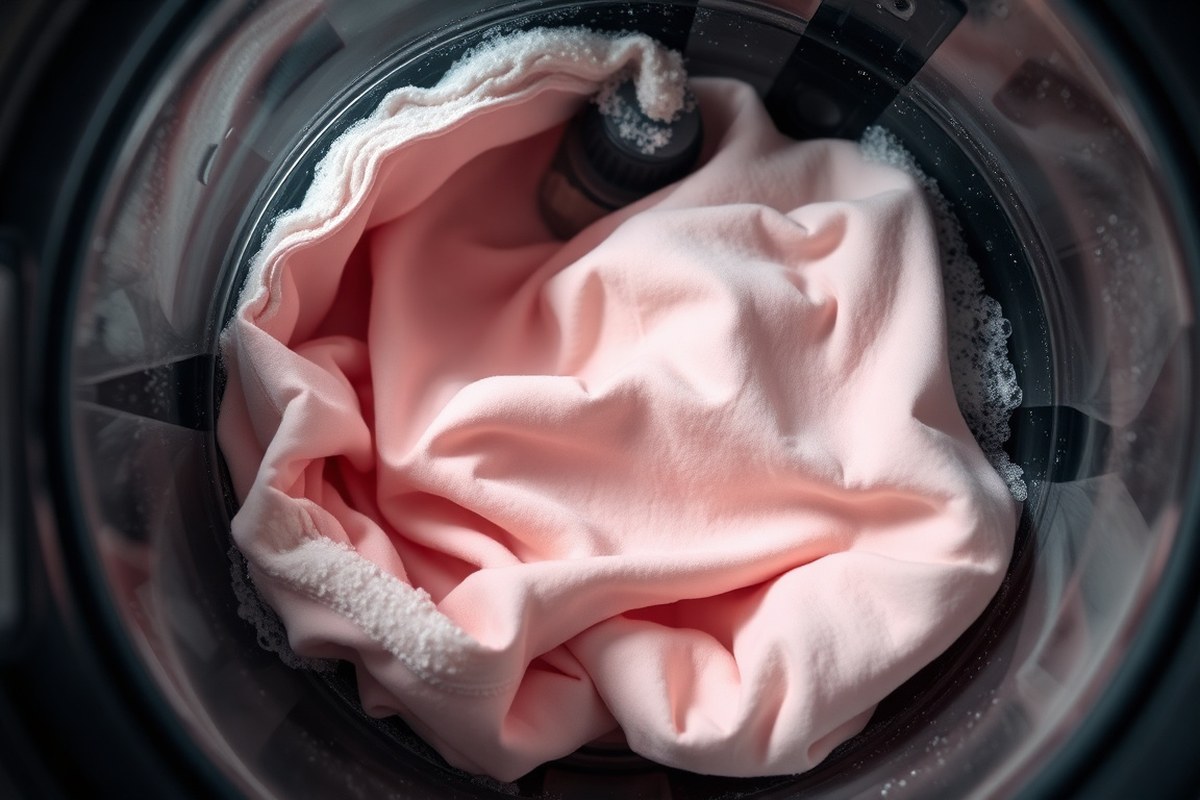
Polyester fabrics can be machine washed safely if you use the right settings and conditions. This synthetic fabric is generally durable enough to withstand machine washing without losing shape or color, making it suitable for everyday clothing like shirts, dresses, and activewear. Most casual polyester items handle machine washing well, but avoiding high heat and aggressive cycles is key to preventing damage such as pilling, static buildup, or fiber distortion.
Using cold water between 20 to 30°C (68 to 86°F) is best for washing polyester in a machine. This temperature range minimizes fiber stress and reduces the risk of fading or weakening the fabric. Washing at higher temperatures, especially above 60°C (140°F), can cause embrittlement of fibers, puckering seams, and noticeable fading after several washes. For lightly soiled or casual polyester items, cold water is effective and gentler for the fabric over time.
Polyester types like 100% polyester garments and DTF-printed polyester typically tolerate gentle or synthetic wash cycles without issues. These cycles reduce mechanical wear and avoid harsh agitation that can roughen fabric surfaces or break down yarns. Long soaking periods are not recommended for polyester yarn fabrics, as they can lead to fiber deformation and damage. Using a gentle wash and low spin speeds helps maintain the shape and feel of polyester clothes.
Sorting polyester fabrics before washing is important too. Separate by color, dark, light, and white, to prevent color bleeding and keep garments looking vibrant. Avoid mixing heavy fabrics like denim with lightweight polyester textiles to reduce friction that can cause distortion or damage. Pretreat stains on polyester garments before placing them in the washer to improve cleaning results without extra washing cycles.
Machine drying polyester also requires caution. Using low heat will prevent the fabric from shrinking, losing elasticity, or becoming misshapen. High dryer temperatures can damage polyester fibers, leading to permanent shape changes or wrinkling. Overall, following these careful washing and drying steps will help you maintain the fabric’s durability and vibrant appearance through repeated machine washing.
What Washing Machine Settings Work Best for Polyester?

Polyester fabrics need careful machine washing to avoid damage. Use water between 30 and 40 degrees Celsius (86 to 104 degrees Fahrenheit) to protect fibers from thermal damage and keep dyes vibrant. Avoid hot water above 104°F since it can weaken polyester by reaching its glass transition temperature.
Select a gentle or synthetic wash cycle. These cycles reduce mechanical stress caused by machine agitation, which otherwise leads to pilling and seam distortion. Spin speeds should stay between 600 and 800 RPM to limit stretching and fabric stress while still removing enough water.
Load size plays a role in fabric care. Aim for a medium load that fills about two-thirds of your washer’s drum. This size allows proper water circulation around the polyester items, cutting down abrasion during washing.
| Parameter | Recommended Setting | Why It Matters |
|---|---|---|
| Water Temperature | 30, 40°C (86, 104°F) | Prevents thermal damage, preserves dye integrity |
| Wash Cycle | Gentle/Synthetic | Reduces mechanical stress, minimizes risk of pilling |
| Spin Speed | 600, 800 RPM | Limits fiber stretching and seam distortion |
| Load Size | Medium (2/3 drum full) | Ensures proper water circulation, reduces abrasion |
Always check polyester garment care labels first, as some blends or finishes may require even gentler cycles or lower temperatures.
Running polyester through highly aggressive cycles or using hot water speeds up fiber wear and seam stress. This results in surface pilling and loss of fabric strength over time. Polyester yarns specifically should not exceed 40°C water to prevent damage. Following the recommended machine settings helps ensure your polyester clothes stay clean without shrinking, fading, or losing shape.
Pay attention to garment features like zippers and Velcro, which can snag polyester in the wash. Keeping loads medium-sized and using a gentle cycle gives the fabric space and a milder environment to maintain its appearance and function. Proper settings extend the life of polyester sports jerseys and home textiles alike, letting you get many washes without obvious wear.
How to Choose the Right Detergent for Polyester Fabrics
Choose a mild, pH-neutral detergent for washing polyester to protect colors and fabric strength. Avoid harsh chemicals and bleach, which can weaken fibers and cause fading. Using the right detergent keeps polyester looking fresh and extends garment life.
Mild and pH-neutral Detergents Explained
Mild detergents designed for delicate fabrics work best with polyester because they clean effectively without damaging fibers. A pH-neutral detergent (around pH 7) prevents alkaline or acidic conditions that degrade the synthetic threads or cause dye loss. Liquid detergents are preferred since powders may leave residues.
You can find pH-neutral detergents labeled as “for delicates” or “for synthetics” at most stores. Look for options with no added bleach or fabric softeners. Using these detergents in cold to warm water (about 30°C to 40°C) improve stain removal while preserving fabric quality.
Detergents to Avoid on Polyester
Harsh detergents with a pH above 10, those containing chlorine bleach or strong alkalis, should be avoided as they can break down fibers and dull colors. Frequent use of such cleaners may cause polyester fabrics to yellow or develop brittle patches. Fabric softeners are also not recommended because they build up on polyester, reducing breathability and trapping odors. Below is a list of detergent types and additives to avoid with polyester:
- Chlorine bleach and strong oxygen-based bleaches
- Highly alkaline detergents (pH above 10)
- Powdered detergents that do not dissolve well
- Liquid fabric softeners and dryer sheets
- Detergents with strong fragrances or dyes
Choosing detergents carefully helps maintain polyester’s shape, color vibrancy, and long-term durability.
Special Detergent Tips for Activewear and Prints
Polyester activewear and printed fabrics often require extra care. Use mild enzyme-based detergents to target protein stains like sweat without harming the fabric. Avoid bleach, even on white activewear, to prevent fiber weakening. For garments with prints or patterns, mild detergents prevent fading or color migration.
Presoaking stained polyester activewear in a pH-neutral liquid detergent for 20 to 30 minutes before washing can improve cleaning results without stressing the fabric. Wash in cold water and on a gentle cycle to reduce friction.
For dye-based or ink stains, treat with cloth dabs of isopropyl alcohol at room temperature instead of harsh cleaners. White vinegar solutions under 40°C also help clean coffee or wine stains safely.
How to Sort and Prepare Polyester Before Washing
Sort polyester garments carefully by color, fabric weight, and soil level before washing to protect colors and textures. Pre-treat stains promptly using appropriate methods to avoid damage and color loss. Check garment labels and fasten all zippers or Velcro to reduce abrasion during the wash cycle.
Sorting by Color and Fabric Type
Separate polyester by color to prevent dye transfer, washing darks with darks and light colors with light ones. Group by fabric weight as well; lightweight polyesters clean best with similar fabrics to avoid uneven agitation that can distort texture. Sorting by soil level also helps by concentrating heavily soiled items for more intensive pre-treatment without over-treating lightly soiled pieces.
Washing polyester jerseys inside out can reduce surface abrasion and pilling, preserving appearance longer. Avoid mixing polyester with rougher fabrics like denim, which can cause friction damage. Always keep delicate polyester blends separate to maintain their unique finishes and colors.
Stain Pre-Treatment Methods for Polyester
Act on stains before washing to avoid setting them permanently. Use a liquid pH-neutral detergent with a pH around 6.5, 7.5 for best color preservation. For sweat or protein stains, enzyme-based detergents with a pH between 6 and 8 can break down organic matter effectively without harsh chemicals.
Apply pre-treatment gently, avoiding scrubbing that could damage polyester fibers. Test any stain remover in an inconspicuous spot first to check for colorfastness, particularly on printed or dark polyester.
- Blot fresh stains with cold water to remove excess material
- Apply a small amount of liquid detergent or enzyme cleaner to the stain
- Let it sit 5 to 10 minutes before washing
- Use cold or lukewarm water for stain rinsing
- Avoid bleach or heavy-duty powders on colored polyester
Proper pre-treatment improves the chance of complete stain removal without repeated washing cycles, which can wear out polyester fibers prematurely.
Garment Inspection and Care Label Checks
Always check the care label before washing polyester. Labels often provide specific temperature limits, recommended washing methods, and warnings against machine washing for delicate blends. Following these instructions prevents shrinkage, color loss, and fabric distortion.
Before loading your washing machine, secure all zippers and Velcro closures to prevent snagging or pulling on polyester fabrics. Turn garments inside out to shield the surface from friction. Inspect for any fragile embellishments; these items may require a mesh bag or hand washing.
- Read care label instructions for temperature and wash method
- Fasten zippers, buttons, and Velcro
- Turn garments inside out
- Use mesh laundry bags for delicate items
- Separate heavily soiled or embellished items for special care
Skipping these preparations risks fabric abrasion, fading, and damage to stitching or decorations that shorten garment life.
Best Practices for Drying Polyester Garments
Polyester garments can be safely dried by either air drying at room temperature or tumble drying on a low heat setting. Avoid using high heat in dryers, which can cause shrinking, fading, or weakening of the fabric. Choosing the right drying method preserves the shape, color, and elasticity of your polyester clothes.
Using Low Heat Tumble Dry Safely
Tumble drying polyester on low heat (40, 50°C) is a quick and effective way to dry most polyester fabrics, such as sportswear or uniforms. Low heat prevents the fibers from melting or shrinking, which could happen at temperatures above 60°C. Monitoring the drying process helps avoid over-drying and heat damage. Follow these steps to safely tumble dry polyester:
- Set the dryer to a low heat or delicate cycle, keeping the temperature between 40 and 50°C.
- Place polyester garments evenly inside the dryer to allow uniform air circulation.
- Start the cycle and check the garments halfway through to prevent overheating.
- Remove clothes promptly once dry to prevent wrinkles and maintain shape.
- Items that still feel damp should be dried in short bursts of 5 to 10 minutes rather than using a long cycle.
- Avoid mixing polyester with heavy fabrics that take longer to dry.
- Turn printed polyester pieces inside out to protect graphics during tumbling.
Always use a low-heat setting and monitor your polyester garments while tumble drying to prevent heat damage.
Benefits of Air Drying Polyester
Air drying polyester at ambient temperatures (20, 30°C) is the safest method for protecting your garments’ shape and appearance. This method eliminates the risk of heat damage, such as shrinking or melting, that can occur from dryer temperatures. Air drying is ideal for delicate polyester clothes and items with trims or embellishments that could be damaged by heat.
Air drying takes longer but helps maintain fabric integrity and reduces replacement costs by keeping the fibers strong. To air dry effectively, lay flat or hang garments on a padded hanger to avoid stretching or distortion. Keep polyester items away from direct sunlight to prevent fading.
Avoiding Heat Damage to Printed Polyester
Printed polyester fabrics are especially sensitive to high drying heat, which can cause colors to fade or print designs to crack. Air drying printed polyester is the best choice to maintain both vivid colors and fabric quality. When tumble drying is necessary, choose the lowest heat setting and turn garments inside out every time.
Prolonged exposure to temperatures above 60°C risks weakening the fabric’s tensile strength and damaging prints. Besides temperature control, avoid over-drying by setting timed cycles and promptly removing garments when dry. Following these precautions keeps your printed polyester looking new longer and prevents common heat-related issues.
How to Prevent Common Polyester Washing Mistakes
Polyester garments often face damage from mistakes made during machine washing and drying. Common problems include static cling, pilling, and shrinkage, each caused by specific washing or drying errors. These issues reduce the fabric’s lifespan and appearance, making it important to follow practical steps to avoid them.
Static cling happens because polyester is a synthetic fiber that builds up static electricity when rubbed or dried in high heat. Using high heat in the dryer can increase this effect, causing polyester clothes to attract lint and stick uncomfortably to the skin. To prevent static, use a low-heat or air-dry setting. Adding dryer sheets or a small amount of white vinegar to the rinse cycle can also reduce static buildup. Overloading the machine increases friction among garments, which worsens static and leads to more wear.
Pilling refers to the formation of small fiber balls on the fabric surface caused by friction during washing and drying. Turning polyester clothes inside out before washing protects the outer surface from rubbing against other items. Avoiding heavy-duty or commercial washers, which have intense agitation, lowers the chance of pills forming. Also, washing polyester separately or only with items of similar texture cuts down on abrasion. Using mild detergents without harsh alkaline chemicals helps preserve the fabric’s smoothness. Proper sorting to keep polyester away from coarse fabrics reduces damage further.
Shrinkage occurs when polyester is exposed to temperatures above about 130°F (54°C), causing fibers to distort, especially if heat levels are unpredictable or excessive. Washing polyester in cold water (around 30°C or 86°F) and drying on low heat limit this risk. High dryer temperatures or long drying cycles can permanently shrink polyester fibers, so sticking to the garment’s care label instructions on temperature is key. Avoiding heat also helps prevent wrinkles.
- Turn polyester garments inside out before washing to reduce pilling
- Wash with cold water (max 30°C/86°F) to prevent shrinkage and fiber damage
- Do not overload the washing machine to minimize friction and static build-up
- Use mild, liquid detergents designed for synthetics and avoid harsh powders
- Dry polyester items on low heat or air dry to avoid shrinking and static cling
- Add dryer sheets or ½ cup of white vinegar during rinse to combat static
- Sort polyester separately from coarse fabrics and heavy garments
Ignoring these tips can result in garments that pill heavily, shrink unevenly, or cling with static, all of which reduce comfort and durability. The cost of replacing damaged polyester clothing or uniforms is much higher than spending a few extra minutes sorting and setting conservative wash and dry parameters. Following these precautions consistently helps polyester fabrics maintain their look, feel, and fit over many wash cycles.
Differences Between Machine Washing and Hand Washing Polyester
Machine washing polyester is convenient and typically safe when you use the right settings, but hand washing offers advantages for protecting delicate polyester fabrics. Hand washing gives you more control over each garment, helping maintain shape and prevent damage from the agitation and spinning found in machines. This precise care matters especially for lightweight polyester or special finishes that can wear off more quickly with machine cycles.
You might choose hand washing polyester when the item is particularly delicate, like sheer or lace polyester, or when it has intricate details such as embroidery or sequins. Garments labeled with a care tag suggesting hand wash or dry clean should be treated accordingly to avoid shrinking or weakening the fabric. In these cases, hand washing at a low temperature, below 40°C (about 104°F), helps preserve the fabric without stressing the fibres. Use a gentle, pH-neutral detergent and gently swish the garment for no more than 5 minutes.
To hand wash, fill a clean basin or sink with cold to lukewarm water, add the recommended amount of mild detergent, and fully submerge the polyester item. Avoid scrubbing hard or twisting the fabric, which can cause stretching or creases. Rinse thoroughly in cool water until soap is gone. Lay the garment flat on a clean towel, roll it up to squeeze out excess water without wringing, then reshape and air dry flat to avoid heat and distortion.
Machine washing works well when you select gentle cycles, keep wash temperatures under 40°C, and opt for shorter cycles. This reduces wear while cleaning effectively. Still, polyester blends with sensitive layers, moisture-wicking coatings, or anti-pilling finishes benefit from hand washing to better preserve those qualities over time. Industrial and professional care often use controlled environments and special chemicals to extend polyester’s life, but at home, these processes aren’t practical, so hand washing these special items is the safest option.
In terms of costs, hand washing polyester takes more time and effort but reduces the risk of damage, preventing early replacement costs. Machine washing saves time and energy but increases the chance of fading or loosening fibres if settings aren’t carefully managed. By making hand washing your go-to for sensitive polyester and using gentle machine washing for sturdier items, you balance fabric longevity with convenience.
Special Care for Polyester Blends, Prints, and Activewear
Polyester blends, printed polyester, and activewear each call for specific washing care to maintain their appearance and performance. Blends combine polyester with other fibers like cotton or spandex, which may affect water temperature and detergent choices. Printed polyester fabric requires gentle handling to keep prints vivid and avoid cracking or fading. Activewear often contains moisture-wicking and antimicrobial treatments that need careful washing to preserve their function and reduce odor buildup.
For polyester blends, use warm water between 30, 40°C (86, 104°F) to prevent shrinking of the non-polyester fibers. Choose a mild detergent designed for mixed fabrics. Avoid high heat drying, which can distort blended fibers. For printed polyester, machine wash inside out on a gentle cycle to protect the print surface. Skip bleach or harsh stain removers that can damage the print. Use cold or lukewarm water to prevent print deterioration. Activewear polyester fabrics benefit from cold or warm water washes with specialized sports detergent that targets odor-causing bacteria without compromising fabric technology. Avoid fabric softeners as they can clog pores in moisture-wicking material, reducing breathability.
- Treat stains before washing using a stain remover suitable for synthetic fibers.
- Turn printed polyester garments inside out to protect surface designs.
- Wash activewear frequently to prevent buildup of sweat and bacteria.
- Use mild detergents free of bleach or strong enzymes for blends and prints.
- Air dry or use low heat in the dryer to preserve fabric finishes and prints.
- Avoid fabric softeners on activewear to keep moisture-wicking intact.
- Rinse thoroughly to remove detergent residue that can trap odors or irritate skin.
Polyester blends wash without major problems if you treat each fiber type’s needs properly. Printing on polyester demands lower water temperatures and gentle cycles to avoid ruining the design. Sports or activewear often requires repeated washing, so choose detergents formulated to dissolve sweat and oils effectively while protecting the technical finishes. Keeping the water temperature moderate and avoiding bleach or softeners are key to prolonging garment life across these variations.
Washing polyester activewear in cold water with a sport-specific detergent and skipping fabric softener helps maintain odor resistance and fabric breathability.
Step-by-Step Action Plan for Machine Washing Polyester
Follow these steps to clean your polyester clothes safely while keeping them in good shape.
- Before you start: Sort polyester fabrics by color and print type to avoid color transfer and damage. Check for any special care labels and remove items with heavy stains to pre-treat.
- Day 1: Set your washing machine to a cold or warm water cycle on delicate or permanent press setting. Using cooler water helps prevent shrinking and color fading.
- Day 1: Pour in a gentle detergent designed for synthetic fabrics, avoiding bleach or fabric softeners that can harm polyester fibers.
- Day 1: Load the machine with polyester garments loosely to reduce friction and wrinkles during washing. Start the wash cycle.
- Immediately after washing: Remove clothes promptly to prevent wrinkles and mildew.
- Day 1: Dry polyester fabrics either by hanging on a drying rack away from direct sunlight or tumble dry on low heat. Check fabric care labels to confirm.
- After first wash: Inspect clothes for any damage, color change, or shrinkage. If all looks good, you can follow this routine for future washes.
Frequently Asked Questions
How to Wash Polyester Fleece?
Machine wash polyester fleece on a gentle cycle with cold water. Use mild detergent and avoid fabric softeners to keep the fleece soft and to prevent damage to its fibers.
Can You Wash Polyester Yarn?
Yes, you can wash polyester yarn but separate by color. Washing separately helps maintain color vibrancy and prevents bleeding onto lighter fabrics.
How to Spot Clean Polyester?
Use a mild detergent mixed with water to gently dab the stain on polyester fabric. Avoid rubbing harshly to prevent fiber damage and always test on a hidden area first.
Does 100% Polyester Bleed in the Wash?
100% polyester usually does not bleed, especially if washed in cold water. High temperatures or mixing with unstable dyes can cause minor color transfer.
Can You Machine Wash Polyester Curtains?
Yes, machine wash polyester curtains on a gentle cycle with cold water. Removing them for washing helps avoid excessive dirt buildup and maintains fabric quality.
Is It Safe to Tumble Dry Polyester Clothes?
Tumble drying on low heat is safe for polyester to avoid shrinking or melting. Use low heat settings to protect fabric integrity and retain garment shape.
Before You Go
You can machine wash polyester safely by using the right settings, detergent, and drying methods to protect your fabrics. Start with sorting and choosing gentle options to avoid damage. Your next step is to pick the appropriate detergent for polyester and get your machine set to delicate with cold water. This approach will keep your polyester clothing looking their best while making your laundry routine easier.