How to Get Mold Off Clothes: 8 Proven Ways for Fast, Safe Results
To get mold off clothes, start by treating the spots with a stain remover or a homemade solution like diluted hydrogen peroxide or vinegar. Wash the garments in hot water if fabric care allows, using a sanitize cycle if available, and dry them thoroughly to prevent mold from returning.
This advice suits anyone facing moldy clothing, from damp basements to musty closets. You’ll learn how to clean safely, what products work best, and how to protect your clothes and health while tackling mold.
Key Takeaways
- Treat mold stains by applying a stain remover or a diluted solution made by mixing one part 3% hydrogen peroxide with four parts water. Allow this mixture to work on the affected area for 15 minutes before washing the clothing.
- Washing clothes in hot water with vinegar kills about 80% of mold spores and reduces moldy odors effectively.
- Use the washer’s sanitize cycle when possible, as water must reach above 140°F to kill most mold species.
- Always dry clothes completely before storing to prevent mold growth within 24 to 48 hours in damp areas.
- Wear a KN95 mask, gloves, and eye protection when treating mold to avoid exposure to spores.
- Keep closet or storage humidity below 50% using a dehumidifier or desiccant to stop mold from developing.
1. How to Remove Mold from Clothes: Step-by-Step Process
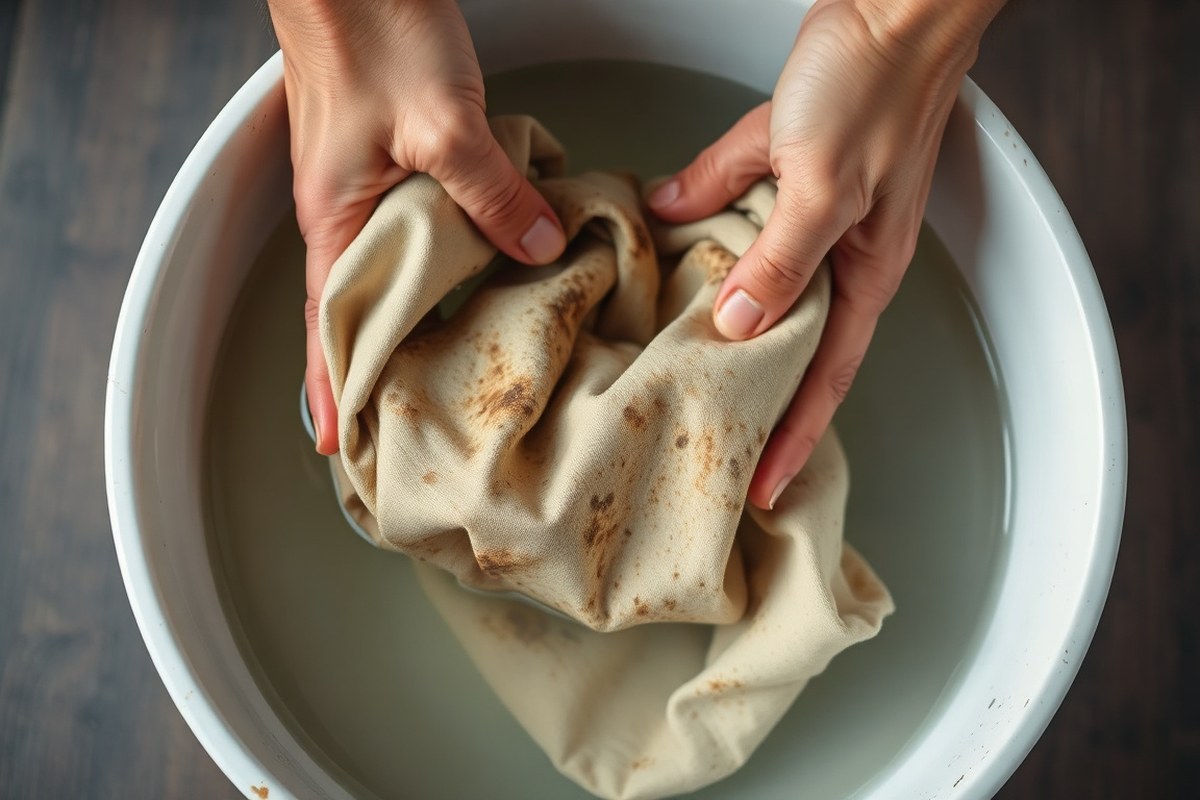
Start by brushing off loose mold spores outside to avoid spreading inside. Then soak the clothes in a vinegar or oxygen bleach solution to weaken mold growth. Finally, wash the clothes on the hottest setting the fabric allows with detergent and a mold-killing additive before thoroughly drying.
Preparing Clothes and Safety Gear
Begin outdoors with a stiff brush to remove visible mold spores from your clothes. This keeps spores from dispersing indoors and contaminating other fabrics. Handle moldy garments separately from your regular laundry to prevent cross-contamination. Wearing gloves, a mask (preferably a KN95), and eye protection is key when dealing with mold to avoid inhalation or skin contact.
Examine the fabric’s care label for water temperature recommendations to prevent damage. Using clothes you don’t mind exposing to mold or strong treatments is advisable, especially if the stain is deep or mold has set in for a long time.
Soaking Moldy Clothes Before Washing
Soaking softens the mold colony and loosens stains before washing. A good soak also helps kill mold spores and reduce odor. You can use one cup of white vinegar in a tub or basin filled with warm water or dissolve an oxygen-based bleach according to package instructions in warm water for soaking.
Keep clothes submerged for at least one hour, but soaking up to several hours can improve results on stubborn mold. Avoid using chlorine bleach in soaking because it may damage some fabrics and won’t work well on mildew odors.
Washing Mold with Hot Water and Additives
Washing your moldy clothes in hot water helps kill about 80% of mold spores and lifts residue. Add detergent plus a mold-fighting additive like one cup of white vinegar or 1/2 cup of Borax during the wash cycle. Add the Borax before placing clothes in the water to dissolve it properly.
Set your washing machine to the hottest safe temperature for the fabric. A thorough wash cycle lasting at least 30 minutes is ideal. Afterward, consider repeating the process if mold traces or odor remain, especially with severe infestations.
Drying and Inspecting Clothes Post-Wash
Completely drying your clothes after washing is important to prevent mold regrowth. Use a high heat setting in your dryer if the fabric allows. Direct sunlight outdoors is also effective because UV rays help kill lingering mold spores and fade stains.
Once clothes are dry, inspect them carefully. If mold spots or odors persist, retreat the areas with a stain remover or hydrogen peroxide diluted 1:4 with water, then rewash. Avoid wearing or storing damp clothes to reduce the risk of mold returning.
- Brush mold spores off clothes outside to avoid indoor contamination.
- Wear gloves, a mask, and eye protection for safety during handling.
- Pre-soak clothes in warm water with one cup of white vinegar or oxygen bleach for 1 to 3 hours.
- Wash clothes in the hottest water safe for the fabric using detergent and one cup of vinegar or 1/2 cup Borax.
- Dry clothes thoroughly using a dryer on high heat or in direct sunlight.
- Inspect clothes for remaining stains or odors; retreat and rewash as needed.
2. Which Cleaning Agents Work Best Against Mold?

Choosing the right cleaning agent depends on your fabric type and how bad the mold is. Bleach is very effective for killing mold and removing tough stains but carries risks. It’s best for white cotton and heavily stained items but can damage colored and delicate fabrics. Vinegar kills about 82% of mold species and often removes mold without harsh effects, making it safer for colors and delicate fabrics. Borax and hydrogen peroxide offer alternatives, with borax good for moderate mold on washable items and hydrogen peroxide helpful for small stains and colors, but it can bleach fabrics, so test first. The table below compares common mold-fighting agents by their effectiveness and safety for different fabric types. Use it to pick the right cleaner based on what you’re washing and mold severity:
| Cleaning Agent | Mold Killing Power | Fabric Safety | Recommended Use |
|---|---|---|---|
| Bleach | High (kills most mold species) | Safe for white cotton only; test on colorfast fabrics; avoid delicates | Heavy mold and tough stains on whites; spot clean colors cautiously |
| White Vinegar | Medium-High (~82% mold species) | Safe for most colors and delicates | General mold removal; safe for colored and delicate fabrics |
| Borax | Medium | Safe for washable fabrics; test on delicate or colors | Moderate mold presence; wash with detergent |
| Hydrogen Peroxide (3%) | Medium | Use cautiously; may bleach colors | Small mold stains; spot treatment only |
| Baking Soda (Natural) | Low-Medium | Very safe; mild cleaner | Light mold or odor; as a supplement to other agents |
Bleach is the go-to for heavy mold on whites but carries risks like fabric weakening and color loss. Always use it in a well-ventilated area and avoid mixing with ammonia or vinegar. Vinegar’s mild acid breaks down mold and deodorizes without harsh effects, suitable for colors and delicate fibers, making it a preferred natural alternative. Borax adds mold-killing power and boosts detergent effectiveness but requires dissolving in hot water before use. Hydrogen peroxide serves as a quick spot treatment but should be tested first on colors for possible bleaching. Baking soda is gentle, best as a booster for odors or mild grime, not a primary mold killer.
Always test a hidden fabric spot before applying any mold remover to prevent unexpected damage or color change.
For selecting an agent, start with the fabric type: use bleach on white cotton, vinegar for colored or delicate items, borax for washable mediums, and hydrogen peroxide only for small stains. Avoid bleach on wool, silk, or rayon. Consider the mold’s severity, spot treat light mold with vinegar or hydrogen peroxide and switch to bleach or borax for stubborn or widespread mold. Combining these agents carefully and following fabric care instructions increases your chance of restoring clothes without damage.
3. How to Protect Yourself While Cleaning Moldy Clothes
Protecting yourself when cleaning moldy clothes is key to preventing mold spore inhalation and skin irritation. Wearing the right gear, choosing a safe workspace, and ensuring good ventilation help reduce health risks and stop mold spores from spreading inside your home.
Essential Personal Protective Equipment
Use a KN95 mask to keep mold spores from entering your lungs. Gloves made of nitrile or rubber protect your skin from direct contact with mold and cleaning agents. Safety glasses or goggles guard your eyes against irritants during brushing or washing. Long sleeves and pants minimize skin exposure further. These items typically cost between $1 to $5 each and are readily available at hardware stores or online.
Putting on your protective gear before handling moldy fabric reduces allergic reactions and respiratory issues. Remove the gear carefully after cleaning and wash your hands promptly.
Preventing Mold Spore Spread Indoors
Since mold spores can easily become airborne, avoid brushing or shaking moldy clothes inside your house. Begin by taking clothes outside and gently brushing loose mold off to stop spores from settling on surfaces. Use a soft brush to avoid damaging the fabric.
After brushing, place clothes directly into a sealed plastic bag or container before bringing them inside for washing. Clean the surrounding area thoroughly to remove any escaped spores.
Choosing and Preparing the Workspace
Work in a well-ventilated area where air can flow freely, such as a laundry room with an open window or a garage with door open. Keep other rooms closed off and vents near your workspace sealed to prevent spores from spreading through your HVAC system.
Set up a designated cleaning zone with a washable or disposable mat on the floor to catch residues. Avoid carpets or soft surfaces in this area. Having access to a sink nearby helps with rinsing off protective equipment and tools.
Best Ventilation Practices During Mold Cleaning
Open windows and doors to create a cross breeze that moves airborne spores out of your cleaning area. Running an air purifier with a HEPA filter nearby can further capture small mold particles. Aim for good airflow for at least 30 minutes before, during, and after cleaning.
If cleaning indoors is your only option, keep vents to other rooms closed and use fans directed out of windows. Avoid using central air conditioning during this time, as it can distribute spores throughout the house.
Safety Gear and Workspace Setup Checklist
- KN95 mask for respiratory protection
- Nitrile or rubber gloves
- Safety glasses or goggles
- Long-sleeve shirt and long pants
- Soft brush for mold removal
- Plastic bags or sealed containers for transporting clothes
- Well-ventilated workspace with open windows or doors
- Sealed-off vents near the workspace
- Air purifier with HEPA filter (optional but recommended)
Following these precautions minimizes your exposure to mold spores and prevents contamination around your home. Skipping protective measures risks respiratory irritation, allergic reactions, and unwanted mold spread.
4. Safely Using Bleach and Alternatives for Mold Stains
Bleach can effectively remove mold stains from certain clothes, mainly whites and bleach-safe fabrics. Use it carefully at the correct dilution and time to avoid damage. For colored or delicate fabrics, safer alternatives like oxygen bleach or borax work well without harsh effects.
Bleach Application and Dilution Ratios
Liquid chlorine bleach is a strong mold remover primarily suitable for white cottons and bleach-safe fabrics. Avoid using it on colored or delicate items to prevent discoloration or fabric damage. A safe dilution ratio for soaking clothes is about 3/4 cup (6 ounces) of bleach per gallon of cool water. Never use hot water for soaking, as heat can set stains.
Soaking time should not exceed 5 to 10 minutes to minimize weakening fibers. Rinse thoroughly after soaking and wash the clothes separately with regular detergent using the hottest temperature safe for the fabric. Always check care labels on your clothing for bleach compatibility. Use this step-by-step method when applying bleach to mold stains:
- Wear gloves and ensure good ventilation before handling bleach.
- Test for colorfastness by applying diluted bleach on a hidden spot and wait 5 minutes.
- Dissolve 3/4 cup of bleach in one gallon of cool water in a large basin or sink.
- Submerge the moldy clothes fully and soak for no more than 10 minutes.
- Remove clothes and rinse thoroughly under cool running water.
- Wash clothes in the machine immediately on the hottest safe setting with detergent.
- Dry clothes in direct sunlight if possible, which helps kill remaining spores.
Alternatives: Oxygen Bleach and Borax
Oxygen-based bleach products like OxiClean provide a gentler option for removing mold stains, making them safe for colored garments and various synthetic materials. Warm water activates these products, which break down mold without relying on strong chemicals such as chlorine bleach. To clean minor or light mold spots, mix two tablespoons of oxygen bleach with your usual detergent when washing.
Borax is another effective and safe type of mold remover, especially when combined with detergent. Dissolve half a cup of borax in hot water and add it to the washing machine to boost mold-killing power. Both oxygen bleach and borax avoid bleaching colors or damaging delicate fibers, making them suitable for a wider range of clothes than chlorine bleach.
When to Avoid Bleach on Clothes
Chlorine bleach should never be used on delicate fabrics such as silk, wool, linen, or lace due to the risk of irreversible damage. It is also unsafe for colored clothing since it will remove or fade dyes. For these garments, oxygen bleach, borax, or natural treatments like vinegar and baking soda are safer choices.
Avoid mixing bleach with ammonia or acids like vinegar because dangerous gases can be released. Never leave clothes soaking in bleach for extended periods, as it weakens fibers and increases the chance of holes developing later. Unsure about using bleach on a certain garment? Choose gentler cleaning options or consult a professional cleaner to avoid damage.
5. Dealing with Mold on Delicate and Non-Washable Fabrics
Delicate fabrics like silk, wool, leather, and suede require special care when dealing with mold. You can try gentle home treatments for some of these, but professional cleaning is often the safest choice, especially for expensive or heavily moldy items. Mold can weaken fibers and cause color loss or stains, so it’s important to act carefully and quickly.
Silk and wool should never be soaked in harsh chemicals or hot water. Use lukewarm water for any washing steps, and stick to gentle spot treatments. For leather and suede, avoid water-based treatments at home because moisture can lead to permanent damage. Instead, opt for professional leather cleaning services that use suitable solvents for mold removal.
- For silk: Lightly dab affected areas with a mixture of lukewarm water and mild detergent, then air dry away from direct light.
- For wool: Use a wool-safe detergent diluted in cold or lukewarm water; avoid scrubbing to prevent felting.
- For leather: Brush off visible mold with a soft brush outdoors, then wipe gently with a cloth dampened with diluted rubbing alcohol (test first in a hidden spot).
- For suede: Use a suede brush or eraser to lift mold spores without moisture; avoid liquid cleaners that can stain.
- Use sunlight between treatments to help dry and naturally bleach delicate fabrics, but limit direct exposure for leather and silk to avoid damage.
- When mold stays after washing or care labels advise dry cleaning, bring the item quickly to a dry cleaner skilled in mold removal.
Homemade remedies can work for mild mold on delicates but carry a risk of damaging fabric if you use the wrong substances or water temperature. EC3 Laundry Additive can be a helpful rinse agent to reduce mold spores without harsh chemicals, but always follow instructions and test in an inconspicuous area first. Never use bleach on silk, wool, leather, or suede as it will ruin the fabric.
Do not try to soak leather or suede at home; moisture can increase damage, so professional cleaning is the safer method.
Professional dry cleaning costs usually range from $20 to over $100 depending on the item and severity of mold. Many cleaners have special mold removal services because solvents dissolve mold spores effectively without harming sensitive fibers. Attempting home care requires making sure the fabric is fully dry before putting it away. Persistent dampness encourages mold to regrow, undoing your efforts and risking health issues.
6. How to Prevent Mold from Returning on Clothes
Avoiding mold on clothes starts with thorough drying. Dry your laundry completely before storing, ideally in direct sunlight, which naturally inhibits mold growth by reducing moisture and killing mold spores. Dry clothes indoors by placing them in front of a fan or in a well-ventilated room when outdoor drying isn’t an option. Damp clothes stored even for a short time can develop mold quickly.
Controlling indoor humidity is critical since mold thrives when relative humidity rises above 50%. Use a hygrometer to monitor humidity levels in your closets and storage spaces. When humidity runs high, operate a dehumidifier or add moisture-absorbing items such as silica gel packs or charcoal bags to your storage spaces. Keeping humidity under 50% makes mold growth unlikely.
- Store only completely dry clothes in breathable cotton bags or containers that allow air circulation.
- Keep closets clean, dust-free, and well-ventilated to prevent moisture buildup.
- Wash clothes regularly, avoiding piles of dirty laundry that encourage mold on organic material.
- Use mold-fighting laundry additives like EC3 during rinse cycles to remove mold spores and odors effectively.
- Inspect storage areas routinely for moisture or mold and address leaks or dampness immediately.
- Maintain washing machines by running monthly cleaning cycles or using additives designed to eliminate mold inside the washer.
Washing machines themselves can harbor mold, especially front-loaders. Run a cleaning cycle monthly or add a laundry additive such as EC3 to each rinse cycle to rinse away lingering mold spores, bacteria, and mildew odors. After washing, leave the door open to allow the interior to dry completely, helping prevent a mold-friendly environment inside the machine.
Proper storage involves avoiding plastic bags or airtight containers that trap moisture. Use breathable storage options and ensure clothes go into storage only after drying fully. Check closets or basements where you store clothes for leaks, condensation, or musty odors regularly. Taking these steps helps keep your wardrobe fresh and mold-free over time.
7. How to Test Clothes and Fabrics Before Mold Treatment
Testing your clothes for colorfastness and durability before applying mold removal treatments prevents unexpected damage to your fabrics. Colorfastness shows whether your fabric’s dye will hold up when exposed to bleach, vinegar, or other solutions. Fabrics like cotton, polyester, and denim usually tolerate mold treatments well, but delicate or brightly colored items, such as silk, wool, or synthetic blends, need extra caution.
Performing a patch test safely means applying the treatment on a hidden fabric spot first to check for color change or fabric weakening. When the color bleeds or the fabric feels rough or thin afterward, avoid using that treatment on the whole garment. Instead, try gentler methods like vinegar and baking soda or take the item to a dry cleaner experienced with mold issues. Follow these steps for a reliable colorfastness and durability test:
- Choose a hidden area: Pick an inconspicuous spot on the inside hem, seam, or under a collar where test damage won’t be noticeable.
- Clean the test area: Lightly wipe with a damp cloth and dry it to remove dirt or oils that might mask the results.
- Apply a small amount of the treatment: Use a cotton swab or a clean cotton ball to dab a tiny bit of your selected mold remover (bleach diluted with water, vinegar, or detergent mix) onto the spot.
- Wait 10-15 minutes: Let the solution sit at room temperature without drying completely to simulate actual treatment conditions.
- Rinse and dry: Gently rinse the spot with cool water and air dry it thoroughly to observe any changes without interference.
- Inspect the fabric closely: Compare the treated spot to the surrounding area in good light. Look for color fading, bleeding, fabric thinning, or texture changes.
- Decide on treatment: If the fabric looks normal and the color is intact, it’s safe to proceed. When color bleeds or damage shows up, avoid harsh chemicals and opt for milder solutions or professional cleaning.
Testing is essential for fabrics dyed with bright or dark colors and items labeled “dry clean only” or “hand wash.” Bleach should only be used on white, bleach-safe fabrics and patches on others, as it can remove color. Vinegar and baking soda treatments usually have less risk of fading but still require testing on delicate fibers to prevent damage.
8. What to Do If Mold Persists or Clothes Are Severely Damaged
Recognizing when mold damage on clothes is permanent helps you avoid wasted cleaning efforts and health risks. Mold spots that stay after multiple cleaning tries, or fabric that looks discolored, feels weak, or smells musty, often means the mold has gone deeper than home cleaning can fix. Black mold on clothing is particularly concerning and should be handled with caution and quick disposal when cleaning fails.
Professional dry cleaners can treat moldy clothes that resist normal washing. Tell the cleaner about the mold so they use the right method safely. Professional cleaning often includes specialized solvents and heat treatments that home washing machines cannot provide, which may cost between $10 and $30 per item depending on fabric and mold severity.
Clothes with severe mold damage or black mold should not be donated or kept in the home. Mold spores can trigger allergic reactions and respiratory problems, especially for sensitive individuals. Damaged clothes can contaminate other laundry or household surfaces.
Proper disposal of moldy fabrics prevents mold spores from spreading. Seal moldy items in a plastic bag to contain spores before discarding in the trash. Avoid shaking out moldy clothes to reduce airborne spores. Some municipal waste programs provide special instructions for mold-contaminated materials, check local guidelines. Use this checklist to decide your next step for moldy clothes:
- Mold stains remain after 2 or more thorough washings with mold-killing agents.
- Fabric feels thin, brittle, or disintegrates easily at the mold spots.
- A musty odor or visible mold persists despite cleaning efforts.
- Black mold appears, or you experience allergic symptoms when handling the clothes.
- Clothes require delicate or complex cleaning beyond home machine capabilities.
- You plan to donate but mold cannot be fully removed.
When these issues happen, the best choice is professional cleaning or throwing the item away. Using high heat above 140°F can kill mold spores, but home dryers rarely reach this temperature consistently enough to eliminate mold, and tumbling moldy clothes risks embedding spores deeper.
Always inform your dry cleaner about mold on your garments so they can take proper precautions and apply the correct treatment.
Step-by-Step Action Plan for Removing Mold from Clothes
Follow this plan to tackle moldy clothes efficiently and avoid future mold growth. Each phase ensures your clothes are clean, safe, and mold-free.
- Before you start: Test a small hidden area of the fabric with your chosen mold remover to check colorfastness and fabric reaction.
- Day 1: Brush off loose mold outdoors wearing gloves and a mask to prevent inhalation. Confirm mold flakes are removed visually.
- Day 1: Soak clothes in a mold-killing solution like diluted white vinegar or oxygen bleach for 30 to 60 minutes. Ensure the solution scent or look changes slightly or mold spots fade.
- Day 1: Wash clothes on the hottest fabric-safe cycle with a heavy-duty detergent. Check for mold stain reduction immediately after washing.
- Day 1: Dry clothes completely in direct sunlight or a dryer on the highest safe heat setting. Confirm no dampness remains by touch.
- Day 2 and beyond: Store clothes in a dry, well-ventilated area with moisture control measures like silica packets or a dehumidifier. Check clothes weekly for any new mold signs.
- If mold persists: Repeat the washing and drying steps or consider professional cleaning for delicate or non-washable fabrics. Know it’s worked when no musty smell or visible mold returns after 7 days.
Frequently Asked Questions
How Quickly Does Mold Grow on Damp Clothes?
Mold can start growing on damp clothes within 24 to 48 hours, especially if moisture is trapped in seams or waistbands. You should dry clothes thoroughly and avoid storing them damp to prevent mold development.
Can Mold on Clothes Cause Health Problems?
Mold growing on clothes may cause allergic reactions, skin irritation, and worsen asthma symptoms. Address moldy garments quickly to lower health hazards and stop mold spores from contaminating other items.
Is Vinegar Effective for Killing Mold on Clothing?
Vinegar kills about 82% of mold species and denatures mold on clothes, reducing both mold and odors effectively. Washing with hot water and vinegar kills roughly 80% of mold spores.
Can EC3 Laundry Additive Help Remove Mold and Odors?
EC3 Laundry Additive rinses away mold spores, bacteria, and musty smells from clothes and the washing machine. Adding it to the rinse cycle improves mold removal and odor control.
How Should I Dry Clothes to Prevent Mold?
Drying clothes completely, ideally under direct sunlight, helps stop mold from coming back. Keep damp clothes out of sealed storage areas since that environment supports mold development.
What If Mold Stains Remain After Washing Clothes?
Persistent mold on fabrics might require reapplying treatments or seeking help from professional cleaners, particularly for delicate materials. Severely damaged clothes may need to be discarded to avoid health risks.
Wrapping Up
Removing mold from your clothes requires careful cleaning and consistent drying to prevent regrowth. Start by treating affected garments immediately and maintain dry storage conditions to keep mold away long term. Running that initial test on your fabric today will protect your clothes and your health before applying mold treatments.