What Does Tumble Dry Low Mean? A Complete Guide for Fabric Care and Best Results
Tumble dry low means drying your clothes on a low heat setting, typically around 125°F, to protect delicate fabrics and prevent damage. This setting uses gentle tumbling and reduced temperature to safely remove moisture without shrinking or degrading your laundry. Knowing what does tumble dry low mean helps you care for sensitive items like Spandex, silk, and cotton, keeping them in good condition longer. This guide is for anyone wanting the best results and fabric care when using a tumble dryer.
You’ll learn how to spot the tumble dry low symbol, which fabrics benefit from this setting, how the temperature and tumbling work together, and common mistakes to avoid. Understanding these details helps you extend the life of your clothes while saving time and effort during laundry.
Key Takeaways
- The tumble dry low symbol is a circle inside a square with a single dot, indicating low heat.
- Set your dryer to approximately 125°F to safely dry delicates and avoid fabric damage.
- Use tumble dry low for fabrics like silk, cotton, linen, and Spandex workout gear.
- Low heat combined with gentle tumbling reduces wear and shrinkage on sensitive fabrics.
- A short, low-heat cycle prevents overheating and maintains fabric elasticity and appearance.
- Avoid tumble drying items labeled “air dry” to prevent damage, opt for air drying instead.
What Exactly Does Tumble Dry Low Mean?

Tumble dry low means drying clothes in a dryer at a reduced temperature, typically around 125°F (about 52°C). This setting uses low heat and gentler tumbling to protect delicate fabrics or items that can be damaged by higher temperatures. It’s designed to dry clothes more slowly and carefully, reducing the risk of shrinking, stretching, or wearing out sensitive materials like silk, cotton blends, or workout gear made with Spandex.
Low heat settings often hover just above 120°F and stay below 135°F, which is much cooler than normal or high heat cycles that can reach 135°F or more. The exact temperature can vary slightly depending on the dryer model, but 125°F is a good average for the tumble dry low cycle. This lower temperature helps maintain the integrity of fibers that might melt, warp, or lose elasticity under higher heat.
To use tumble dry low effectively, load your dryer with the recommended amount of laundry to allow clothes to tumble freely. Avoid overloading, which can reduce airflow and increase drying time. Choose the low heat option on your dryer’s control panel, often indicated by a single dot inside a square symbol or labeled “Delicate” or “Tumble Dry Low.” Start the cycle and check your clothes toward the end, pulling them out slightly damp rather than totally dry, as over-drying even on low heat can cause shrinkage or fabric damage.
Low heat reduces energy consumption compared to high heat cycles but usually takes longer to dry your load. Plan on adding extra minutes or selecting a longer drying cycle when using this setting. The tradeoff is worth it if you want to preserve your garment’s shape, color, and stretch. For instance, a bamboo or elasticized sweatshirt will last about twice as long and retain its softness better when dried on low heat rather than medium or high.
Some fabrics cannot tolerate higher temperatures without damage. Clothes made of cotton, silk, linen, or items with elastane require tumble drying low or air-drying to prevent shrinking and fabric wear. Avoid mixing heavy items like towels with delicate fabrics on low heat, as the heavier load might extend drying times and increase friction that can harm delicate fibers.
In summary, tumble dry low means selecting the dryer’s delicate or low heat cycle, which runs at about 125°F. This setting helps protect delicate clothes by drying gently and slowly. Using it properly involves choosing the right cycle, managing load size, and removing items before they become bone dry. This reduces the risk of damage and extends the life of your garments but costs slightly more time and care than higher heat options.
How to Recognize the Tumble Dry Low Symbol on Clothing
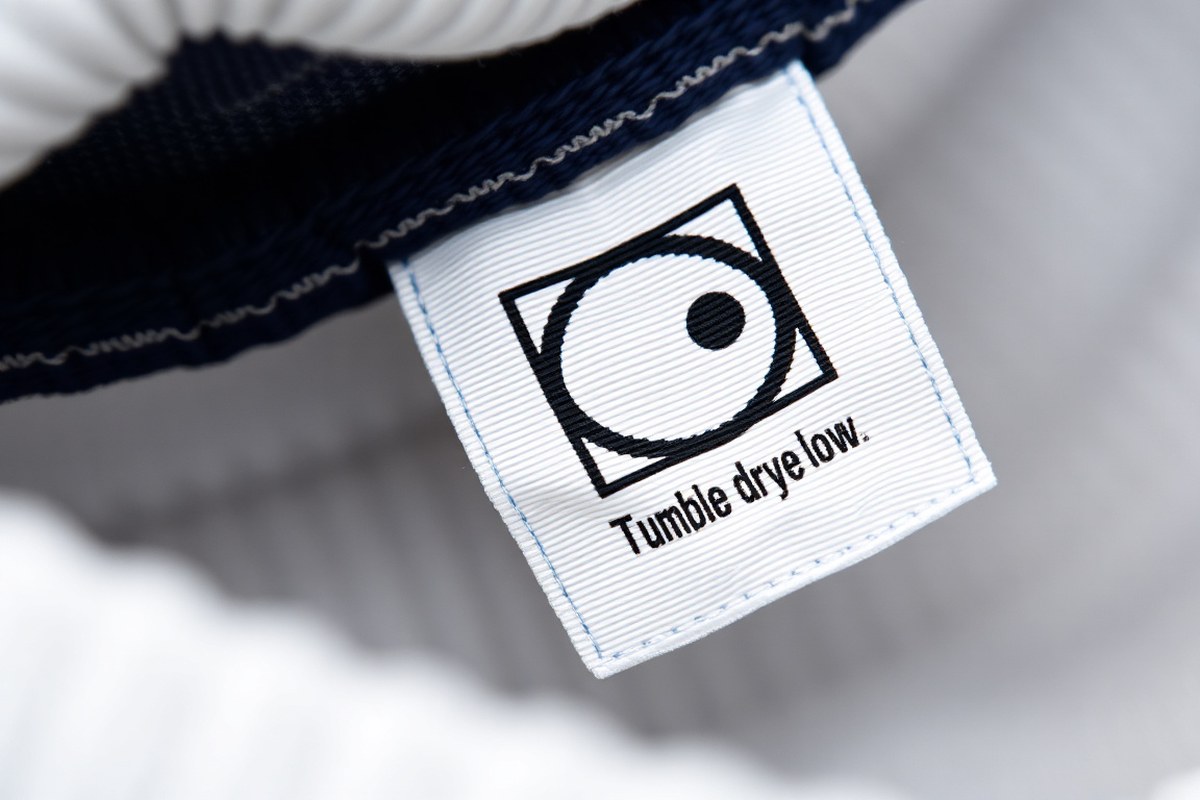
Look for a square with a circle inside on the clothing label; this icon indicates that tumble drying is allowed. Within this symbol, one dot means tumble dry low, which corresponds to using a reduced heat setting in your dryer. This care symbol follows international standards like ISO 3758 and ASTM D5489, ensuring consistency across garment labels. The one-dot symbol tells you exactly how much heat to apply, generally keeping the temperature under about 125°F (52°C) to protect delicate fabrics.
It matters to recognize this symbol because using the wrong heat setting can damage your clothes or reduce their lifespan. For instance, fabrics with elastane or fine edges should only experience low heat to avoid shrinking or losing shape. Low heat also prevents baking in odors, which can happen if high heat traps smells inside the fibers. You should always double-check your garment’s label before drying, especially if you see an “X” over the tumble dry symbol, which means the item should not be tumble dried at all.
The ISO standard provides only two heat level indicators for dryers: one dot for low or reduced heat, and two dots for normal heat. This simplicity helps avoid confusion, making one dot a clear signal to select a gentler drying cycle. Remember, despite the label allowing low heat, some items don’t need this careful approach, but it is particularly useful when refreshing clothes or drying items that need a bit more care. In air fluff cycles, low heat can be used just to freshen fabrics without fully drying them, saving energy and protecting materials.
By accurately matching your dryer’s heat setting to the symbol, you save energy, extend your dryer’s life, and keep your clothes in better condition. Ignoring these symbols can lead to over-drying, fabric damage, or longer drying times as the dryer struggles to handle inappropriate settings. To use this symbol properly, set your dryer to the low heat setting indicated in the manual or on the machine’s control panel and avoid high-intensity tumbling unless the garment is heavy and durable.
Always check for the tumble dry symbol before drying and never ignore an “X” marked over it; drying a non-tumble-dry item, even on low heat, can ruin the fabric.
Which Fabrics and Items Should Use Tumble Dry Low?
Tumble dry low uses gentle heat and tumbling to protect sensitive fabrics and extend garment life. It is best suited for clothes that might shrink, lose shape, or suffer surface damage under higher temperatures. Knowing which fabrics and items require this setting helps preserve your laundry and maintain its quality.
Delicates and Natural Fibers
Delicate and natural fiber garments like silk, wool, and cashmere are prime candidates for tumble drying on the low heat setting. These fabrics are prone to shrinking, felting, or becoming rough when exposed to excessive heat. Low heat helps to remove moisture without overheating, which keeps the fabric smooth and soft.
Low heat tumble drying for these fabrics should be combined with low tumbling intensity to further reduce the risk of stretching or distortion. Avoid overloading the dryer so clothes have room to move freely, accelerating drying while lowering damage risk.
Synthetic and Stretch Fabrics
Synthetics such as polyester, nylon, and garments containing elastane or spandex benefit from low heat drying because these materials can soften, crack, or shrink more quickly at higher temperatures. Using the tumble dry low setting reduces stress on the synthetic fibers and printed areas while preserving elasticity. Here is a list of examples that should use tumble dry low:
- Silk blouses and scarves
- Wool sweaters and knitwear
- Polyester activewear
- Clothes with printed graphics or decals
- Leggings and stretch fabric clothing
- Lightweight lingerie
- Delicate cotton blends
Using low heat on these items helps maintain color vibrancy and fabric shape while preventing premature ageing caused by heat exposure.
Items to Avoid Tumble Drying
Not all clothes or fabrics should be tumble dried, even on the low setting. Some items are too delicate or constructed in a way that heat and tumbling cause irreversible damage. Examples include waterproof garments, items with metal trims, and heavier materials that require more intense drying cycles.
Heavy textiles such as towels and sheets dry better on regular or fast dry cycles with medium to high heat, ensuring thorough drying without overstretching. Clothes with glued parts, sequins, or heat-sensitive embellishments often fail under any heat from tumbling. For these reasons, always check the manufacturer’s label before tumble drying and use alternative methods like air drying or flat drying for sensitive or non-tumble-safe items.
Understanding the Role of Temperature and Tumbling Intensity
Temperature and tumbling intensity work together to influence both how quickly your clothes dry and how gentle the drying process is on fabrics. Using low heat reduces the risk of shrinking, fading, and weakening fibers, but it usually requires longer drying times. Tumbling intensity controls how vigorously the dryer tumbles the clothes, affecting airflow and fabric movement.
Tumbling too hard on low heat can still stress delicate fabrics, while too gentle tumbling might leave clothes damp after the cycle ends. Dryers often offer settings labeled “low heat,” “delicate,” or “gentle,” which differ mainly in tumbling intensity and sometimes duration. For example, delicate cycles tumble more softly and may extend drying time to protect fragile garments. Here is a comparison of typical dryer settings showing how heat and tumbling intensity affect drying quality and fabric safety:
| Setting | Heat Level (°F / °C) | Tumbling Intensity | Typical Drying Time (minutes) | Fabric Suitability |
|---|---|---|---|---|
| Low Heat | 110, 125 °F (43, 52 °C) | Medium | 40, 60 | Cotton blends, synthetics |
| Delicate / Gentle | 110, 125 °F (43, 52 °C) | Low | 60, 80 | Silk, lingerie, lightweight synthetics |
| Medium Heat | 135, 145 °F (57, 63 °C) | Medium to high | 30, 45 | Most everyday fabrics |
| High Heat | 150, 160 °F (65, 71 °C) | High | 20, 30 | Durable cotton, towels, jeans |
Step by step, you select the heat level first based on the fabric type and care labels. Next, use the tumbling intensity or cycle type to match how delicate the items are. On low heat settings, medium intensity tumbling efficiently moves the clothes to promote airflow and even drying without harsh agitation. Gentle cycles reduce tumbling speed and impact further, preventing snags or stretching on fragile garments.
Balancing these factors prevents overdrying, which wastes energy and damages fabrics, and underdrying, which can cause musty smells or wrinkles. Adjusting your machine to use low heat with an appropriate tumbling intensity saves energy and prolongs the life of delicate or synthetic fabrics. Carefully read your dryer’s manual to find programs named low heat or delicate and understand their exact tumbling settings for optimal results.
Typical Drying Times and How They Vary by Heat Setting
| Heat Setting | Typical Drying Time | Key Characteristics |
|---|---|---|
| Low Heat (1 dot) | Approximately 50-70 minutes | Gentle on fabrics; reduces shrinkage and fibre damage |
| Medium Heat (2 dots) | Around 30-45 minutes | Balances drying speed and fabric care; suitable for most fabrics |
| High Heat (3 dots) | 20-30 minutes | Fastest drying time; risk of shrinkage and fibre wear |
| Additional Dry (Extended time) | Varies, typically 10-20 minutes longer than normal cycle | Designed for bulky or thick items |
| Cool Air (No heat) | Depends on tumbling time; no heat applied | Safe for heat-sensitive items like plastic tablecloths and rubber-backed rugs |
Tumble drying on low heat generally takes longer than medium or high heat settings, often adding 20 to 30 minutes extra to a full load’s drying cycle. Low heat typically operates within a temperature range of about 140 to 160 °F, which is warm enough to dry clothes efficiently but gentle enough to protect delicate fibres. It avoids problems like shrinkage or damage that higher heat can cause, making it a better choice for sensitive fabrics.
To manage drying time effectively when using the low heat setting, load your dryer appropriately. Avoid overloading, as too many items extend drying time further. Separating heavier fabrics from lighter ones can also speed up drying. For bulky items or larger loads, consider using the additional dry option, which extends the drying time to ensure items dry thoroughly at the gentler temperature.
Using the low heat setting requires patience, avoid rushing by adding extra time or smaller loads to ensure complete drying without fabric damage.
Using medium or high heat settings can cut drying times roughly in half but comes with a higher risk of fabric wear and shrinkage, especially on delicate clothes. While high heat is fastest, it should only be used for durable items that can tolerate the higher temperature. For heat-sensitive materials, dry air or no heat cycles prevent damage but may take longer or not fully dry thick fabrics.
Common Mistakes Using Tumble Dry Low and How to Fix Them
Common mistakes with tumble dry low often lead to shrunken, damaged, or damp clothes. Understanding how to use this setting correctly prevents these issues by managing heat and drying time carefully.
Overloading the Dryer Drum
Putting too many clothes into the dryer at once blocks proper airflow and heat distribution. This means some items stay damp while others get overheated, increasing the risk of damage.
Keep load size moderate to ensure each garment tumbles freely. Clothes need room for air to circulate and heat to reach all fabric surfaces evenly.
Ignoring Care Labels
Care labels give exact instructions on how to dry each fabric safely. Disregarding them can cause shrinkage, melting, or weakened fibers. Always check for the tumble dry low symbol before setting the dryer.
Some fabrics, like delicates or synthetics, require low heat or no heat at all. Missing this step can shorten your clothes’ lifespan significantly.
Setting Incorrect Heat Levels
Using a high heat setting for items labeled tumble dry low damages fabric by shrinking or warping it. High temperatures generally exceed 135°F (57°C), which is too hot for many fabrics designed for low heat drying, typically around 125°F (52°C) or below. To avoid damage, select the lowest heat setting available on your dryer and check that you’re not using “iron dry” or “high heat” accidentally.
Not Removing Clothes Early Enough
Leaving clothes in the dryer after the cycle finishes causes wrinkles and can lead to a musty smell. Overdrying on low heat also wastes energy. Remove clothes promptly to prevent dampness and minimize the need for ironing or re-drying. Follow these steps to avoid common tumble dry low errors and protect your clothes:
- Sort laundry by fabric type and check care labels for tumble dry instructions.
- Do not overload the dryer; fill the drum about halfway for best heat and airflow.
- Choose the tumble dry low or equivalent low heat setting on the dryer.
- Start the cycle and monitor drying progress to avoid overdrying.
- Remove clothes promptly when the cycle ends to reduce wrinkles and smell.
- If needed, air dry delicate items or lay flat to prevent damage.
Best Practices for Using Tumble Dry Low Effectively
To use tumble dry low effectively, you want to balance drying speed with gentle care to keep fabrics looking good and save energy. Avoid overloading the dryer, as air needs room to circulate for even drying. Choose cycles that work well with low heat and dry your clothes just enough to prevent damage or excess wear.
Sorting Laundry by Fabric Type
Separate clothes by their care labels and fabric thickness before drying. Group heavier items like towels and jeans separately from lighter ones such as synthetics or delicates. This helps ensure the low heat setting can dry similar fabrics at once, avoiding over-drying or damp spots.
Sorting also protects sensitive fabrics from heat damage. For example, use tumble dry low for cotton blends and some synthetics but avoid it for very delicate fabrics unless the label explicitly allows. This approach maintains quality and extends the life of your clothes.
Load Size and Drum Space Recommendations
Keeping the drum about half to two thirds full is ideal for tumble dry low cycles. This amount of laundry gives clothes enough space to tumble freely, letting hot air flow evenly and dry the load efficiently. Overfilling limits air movement and lengthens drying time, wasting energy and risking damp spots.
Conversely, running the dryer with only one or two items wastes energy and can make fabrics rough due to over-tumbling. Aim for a balanced load size to get good results in 30 to 60 minutes depending on fabric type and moisture level.
Selecting Complementary Dryer Cycles
To protect clothes and improve drying results, consider pairing tumble dry low with specific cycles tailored to your needs:
- Use the “No Heat” or air fluff cycle for freshening clothes that are not very wet or to finish drying delicate items after low heat.
- Choose sensor drying or moisture-sensing cycles, if available, to avoid over-drying and save energy by shutting off the dryer once clothes reach the right dryness level.
- Add a short cool-down period at the end of the drying cycle to reduce wrinkles and heat damage.
- Clean the lint filter and check vents before every load to ensure proper airflow, which supports energy efficiency and drying performance.
- For mixed loads, start with tumble dry low, then finish with air fluff to protect delicate fabrics inside the same load.
Applying these steps helps balance drying efficiency with fabric care, avoiding common issues like shrinking, fading, or rough textures. A well-maintained dryer and smart cycle choices reduce energy costs and keep your clothes in good condition longer.
When to Avoid Tumble Drying and Alternative Methods
Certain clothes should never go into the tumble dryer, regardless of the setting, because the heat and tumbling can cause damage. Items made from delicate fabrics like silk, wool, and some synthetics, as well as garments with embellishments such as sequins, beads, or glued-on patches, are better off air-dried. High heat and tumbling can shrink, warp, or weaken these materials, ruining their shape and look. In addition, items labeled “dry clean only” should generally avoid tumble drying since the process can alter the fabric’s texture and color.
To safely dry delicate or heat-sensitive clothing, lay items flat on a clean towel or drying rack, shaping them gently to prevent stretching. Hanging wet wool sweaters can cause them to lose their form. Allow air to circulate around the fabric to speed drying while avoiding direct sunlight and heat sources which may cause fading or shrinkage. This method takes longer, often 12 to 24 hours depending on humidity and airflow, but helps maintain the garment’s quality.
Some blends of synthetic fabrics like polyester may tolerate tumble drying on very low heat or the “air fluff” cycle. This cycle tumbles clothes with air circulation but no added heat, providing a gentle way to freshen garments without fully drying them. It’s useful for reducing wrinkles or removing odors from clothes that aren’t dirty enough for a full wash. To refresh clothes this way, set the dryer to air fluff for 10 to 20 minutes. Avoid using this on items that must stay completely dry or have strict drying instructions.
Towels and heavy cottons dry well in a tumble dryer, but delicate items or clothes with special finishes do best with alternate methods. Cotton and linen can shrink if the dryer temperature is too high, so even some of these benefit from low or medium heat settings or air drying. Always check the care label for specific drying instructions to prevent costly damage.
Double-check care labels before tumble drying, and when in doubt, opt for air drying to extend the life of your clothes.
Step-by-Step Action Plan for Using Tumble Dry Low
Follow these steps to use the tumble dry low setting confidently and keep your clothes in good condition.
- Before you start: Check the garment’s care label for the tumble dry low symbol to confirm it’s safe to use this setting.
- Load the dryer: Sort clothes by fabric type and dryness level; avoid overloading so air can circulate properly and drying is even.
- At the beginning of the cycle: Select the tumble dry low setting, ensuring temperature and tumbling intensity are set to low to protect your fabrics.
- During drying: Pause the cycle halfway to check for dampness and remove delicate items early to prevent over-drying.
- After drying: Feel the clothes to confirm they are dry but not overheated; if damp, extend the low-heat cycle slightly rather than increasing temperature.
- Weekly: Clean the lint filter to maintain dryer efficiency and reduce fire hazards.
- Monthly: Inspect dryer vents for blockage to keep airflow adequate and protect your clothes from uneven drying.
Frequently Asked Questions
What Does the “Tumble Dry” Setting on a Dryer Mean?
Tumble dry means using a dryer to dry clothes by rotating them inside a heated drum. It quickly removes moisture without the need for air drying. Use the right heat setting to protect your fabrics from damage.
How Much Does It Cost to Use a Tumble Dryer for 30 Minutes?
Using a tumble dryer for 30 minutes typically costs around 15 to 30 cents, depending on your electricity rate. Energy-efficient models and lower heat settings reduce running costs.
What Symbol Means “Tumble Dry Low”?
The symbol for tumble dry low is a square with a circle inside and one dot in the circle. This indicates drying at a low heat setting, typically about 125°F, suitable for delicate fabrics.
How Does Tumble Dry Low Protect Clothes?
Tumble dry low uses a lower heat that reduces fabric damage and shrinkage. It’s best for delicate or synthetic materials that can lose shape or stretch with high heat.
Can You Tumble Dry Low with Fabric Softener Sheets?
Yes, you can use fabric softener sheets on the tumble dry low setting. They help reduce static and add softness without harming fabrics when used correctly.
Is Tumble Dry Low Suitable for All Fabrics?
Tumble dry low is safe for many delicates and synthetic fabrics, but not all. Always check garment labels to avoid shrinkage or damage on materials like wool or embellished items.
Key Points to Remember
Using tumble dry low means drying clothes at a gentler heat to prevent shrinking, damage, or wear. This approach suits delicate fabrics and helps extend garment life. Start by checking labels and loading the dryer correctly, then stick to the low setting to keep your laundry safe. Try drying a small batch this week using tumble dry low to see the difference it can make on your clothes.