Do Laundry: A Complete Guide for Beginners with Time and Cost Tips
To do laundry effectively, start by sorting clothes by color and fabric, treating stains promptly, and selecting the right washer settings. Dry clothes carefully to avoid damage and fold them properly for storage. Managing these steps will save time, protect your clothes, and reduce overall costs.
This guide is perfect for beginners who want to handle laundry efficiently without mistakes. You’ll learn practical steps for sorting, washing, drying, and understanding clothing care labels to keep your wardrobe in good shape.
Key Takeaways
- Sort clothes into whites, darks, and delicates to prevent color transfer and fabric damage.
- Always check clothing labels for washing instructions and fabric care details before starting a load.
- Use appropriate washer settings based on fabric type, soil level, and water temperature for best results.
- Pre-treat stains quickly using suitable stain removers and let them sit before washing.
- Choose drying methods like air drying or low heat to prevent shrinking and fabric wear.
- Plan your laundry schedule to spread loads across the week, minimizing disruption and saving time.
What Does Doing Laundry Involve?

Doing laundry means cleaning your clothes and textiles by removing dirt, stains, and odors using water and detergent. The process starts with sorting your laundry. Sorting involves separating clothes by color, fabric type, and washing requirements to prevent damage or color transfer. Once sorted, you load the washing machine with the proper settings for the items you’re washing, such as water temperature and cycle length.
After washing, you transfer your clothes to the dryer or hang them to dry, depending on fabric care instructions. Drying removes moisture from clothes, preventing mildew and odor buildup. Folding or hanging the clothes soon after drying helps keep them wrinkle-free and ready to wear. Each step requires some attention but only takes about 15 to 25 minutes of active time per load, while the entire laundry cycle, including washing and drying, lasts around two hours.
The main tasks of doing laundry include sorting to protect fabrics, washing with the correct detergent and settings, drying carefully to avoid damage, and folding or storing the clothes properly. Doing laundry regularly, about every other day, prevents piling up and keeps your wardrobe fresh. Costs for a typical home laundry load run roughly $1.00 to $1.50 per pound, including detergent, water, electricity, and machine wear. Time-wise, laundry can quietly take 3 to 5 hours weekly for an average household, but the hands-on work is spread out in small bursts throughout the process.
Properly handling each step helps avoid common mistakes like fabric shrinkage, color bleeding, or lingering odors caused by letting wet laundry sit too long. Staying nearby while laundry runs ensures clothes don’t stay wet and start to smell. Using simple accessories like mesh bags or sorting baskets can also make the process easier and more efficient. Mastering these basics lets you take control of laundry without it becoming a constant chore or stress.
How to Sort Clothes Before Washing

Sorting clothes before washing protects fabrics and prevents color bleeding. You should separate your laundry by color, fabric type, and soil level to get the best results and keep clothes looking new longer. Sorting takes about 3 to 5 minutes per load and helps avoid mixing items that require different water temperatures or wash cycles.
Start by dividing clothes into three main color groups: whites and light colors (including pastels), dark colors (blacks, dark blues, dark reds), and bright or bold colors that can sometimes bleed. Washing darks and lights separately is important, especially if you have new or dark-colored clothes, because colors can bleed and stain lighter fabrics.
Fabric type matters too. Separate delicate fabrics, such as bras, underwear, and items made from lace or silk, from heavier fabrics like denim and towels. Place delicates in mesh laundry bags for extra protection. Keeping fabrics separated allows you to use proper wash cycles and water temperatures that match each type. For instance, delicates usually need a gentler cycle and cold water, while towels and bedding may require hot water to clean thoroughly.
Sorting by soil level improves cleaning effectiveness. Clothes with heavy dirt or sweat, like gym clothes or work uniforms, should be washed separately from lightly worn items. This prevents dirt from redepositing on cleaner clothes and lets you choose stronger detergents or longer wash cycles for heavily soiled items.
- Divide laundry into whites/lights, darks, and bright colors to avoid color bleeding.
- Separate delicates like bras and lingerie; use mesh bags to protect them.
- Keep heavy fabrics like jeans and towels separate from delicate or lightweight clothes.
- Group heavily soiled clothes apart from lightly worn items for targeted cleaning.
- Check pockets before sorting to avoid damage or stains from leftover items.
- Follow your clothing care labels to determine sorting and washing instructions.
Never mix red or similarly bright colors with whites unless you want pink laundry.
Paying attention to sorting can cost a few extra minutes and minor detergent adjustments, but it saves money by reducing fabric wear and dye transfer. Washing whites in warm water helps keep them bright while cold water on colored fabrics conserves energy and prevents fading. By sorting properly, you minimize the chance of ruining clothes and keep the laundry process efficient and effective.
Understanding Clothing Labels and Fabric Care
Knowing how to read clothing care labels guides you in choosing the right washing method to avoid damage. These labels use symbols that tell you the ideal water temperature, drying method, and whether the garment needs gentle handling or special cleaning. Combining this info with fabric type helps you protect your clothes and keep them looking their best.
Common Laundry Symbols Explained
Care labels use simple icons to communicate washing instructions without words. For washing, a tub of water means the garment can be machine washed; a hand in the tub shows it needs hand washing. Numbers or dots indicate temperature: one dot means cold (around 70°F/20°C), two dots warm (about 90°F/30°C), and three dots hot (up to 140°F/60°C). A triangle is for bleaching, if crossed out, no bleach. A square with a circle inside means tumble drying; dots inside show the heat setting (one dot for low, two for medium). An iron symbol with dots gives ironing temperature, and a circle indicates dry cleaning; letters inside the circle point to the type of solvent used.
Follow these directions closely. For example, choosing a hot water wash for a label showing one dot risks shrinking or fading the fabric. Ignoring a no-bleach symbol can cause permanent stains. Taking a moment to interpret labels saves you money and extends your clothing’s life.
Fabric Types and Recommended Washing Methods
Fabric material affects how you wash clothes. Cotton and polyester blends generally tolerate regular machine washing with warm water, while delicate fabrics like silk, wool, and lace require gentler cycles or lower temperatures. Sturdy fabrics such as denim need cold water washes to prevent fading and shrinking. Synthetics like nylon or spandex benefit from cool or cold water settings to maintain elasticity and shape.
Sorting clothes by fabric and choosing appropriate wash cycles keeps fibers intact. Use the delicate cycle for fragile fabrics; this setting reduces agitation and spin speed. Washing heavily soiled cotton at higher temperatures cleans better but risks shrinking; a balance is washing in warm water and pre-treating stains. Water temperature also affects detergent efficiency, cold water is energy-saving but may need longer cycles or enzyme-based detergents for full cleaning.
When to Hand Wash or Dry Clean
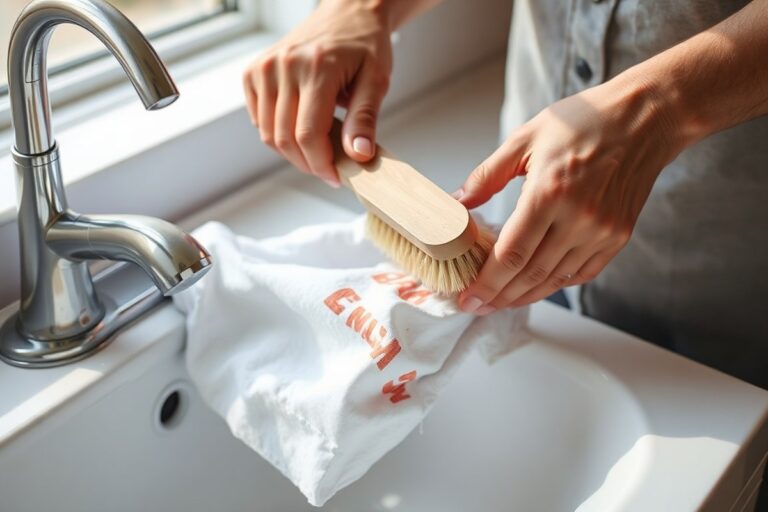
Some items need special care like hand washing or professional dry cleaning. Hand washing suits delicate pieces labeled with the hand wash symbol or marked “do not machine wash.” Use a plastic tub or sink filled with cold to lukewarm water and mild detergent. Gently swirl garments without wringing to avoid stretching. Rinse with cool water and lay flat or hang dry depending on the label’s advice.
Dry clean only clothes usually have a circle symbol on the label. These fabrics, often wool suits, structured dresses, or garments with special finishes, should not be washed in water, which can cause shrinkage or damage. Dry cleaning uses solvents that clean without water, preserving shape and texture. For these items, follow label instructions precisely and budget time and money for professional service, which often costs $5 to $15 or more per piece depending on the item.
Choosing the Right Washer Settings and Products
Select the right washer settings by matching cycle type and water temperature to the fabric and soil level. Use detergents formulated for your fabrics, and decide on fabric softeners or dryer sheets based on softness and static needs. This careful selection helps preserve your clothes and gets them clean efficiently.
Matching Cycle Types to Fabric and Soil Level
Choose a wash cycle based on the fabric’s delicacy and how dirty your clothes are. Heavy-duty cycles use more agitation and longer wash times for sturdy fabrics like towels or denim with heavy soil. Regular cycles suit everyday cottons with moderate dirt. For delicate fabrics like silk or lace, select the gentle or hand-wash cycle, which uses slow agitation and shorter durations to prevent damage.
Adjust cycles to soil level: lightly soiled clothes clean well on quick cycles, saving time and energy. Heavily soiled items benefit from longer cycles with pre-wash or soaking options.
Choosing Water Temperature Safely
Use hot water (120° to 140°F) for whites and heavily soiled cottons to kill bacteria and remove dirt effectively. Warm water (90° to 110°F) works well for synthetic and blended fabrics, balancing stain removal with fabric care. Cold water (60° to 80°F) helps prevent color fading and shrinking, ideal for dark colors and delicate fabrics.
Always follow garment labels for temperature guidance to avoid shrinkage or damage. Using cold water reduces energy costs significantly, often by up to 90% compared to hot water washing.
Detergent Types and When to Use Them
Choose detergents based on your washing machine type and garment needs. High-efficiency (HE) detergents are required for HE washers, producing fewer suds and saving water. Use liquid detergents for oily stains and powder for mud and clay. Laundry pods offer convenience but measure cleaning power carefully, especially with larger loads.
Measure detergent according to load size and soil level to avoid residue build-up and fabric wear. More detergent doesn’t always mean cleaner clothes, overuse can cause buildup on fabrics and in the machine.
- Use liquid detergent for delicate fabrics and quick dissolving.
- Choose powder detergent for heavily soiled cottons and whites.
- Select HE detergent for high-efficiency washing machines.
- Pods for convenience but confirm load size compatibility.
- Use fabric softener or dryer sheets for softness and static control.
- Avoid fabric softener on moisture-wicking or flame-resistant fabrics.
Fabric softeners and dryer sheets reduce static cling and add softness but may affect towel absorbency or certain synthetic fabrics. Use them sparingly for items like towels or activewear to maintain their function.
Treating Stains Before Washing
Stains can set quickly, especially on fabrics like polyester, so treating them as soon as possible is key. First, identify the type of stain to choose the right treatment. Protein-based stains include blood and sweat, oil-based stains cover grease and makeup, and tannin stains come from coffee, tea, or wine.
For protein stains like blood, use cold water and hydrogen peroxide, which can break down proteins without cooking the stain further. Avoid hot water, since it causes protein stains to set permanently. Oil or grease stains respond well to pretreatment with a grease-cutting dish soap, such as Dawn, applied directly to the stain. Rub it gently and let it sit for 5 to 10 minutes before washing.
Tannin stains such as coffee or grass can often be treated by soaking the garment in a mixture of vinegar and water or applying a stain remover designed for these types. Baking soda also helps remove smells and lift stains caused by perspiration and proteins. For stubborn marks, soaking the clothing in warm water mixed with detergent for about 30 minutes before washing can improve stain removal. Use the warmest water safe for the fabric as indicated on its care label.
- Act quickly, treat stains within an hour for best results.
- Test any stain remover on an inconspicuous fabric spot first.
- Use cold water for protein stains to avoid setting them.
- Apply dish soap for grease and oil stains before washing.
- Soak garments with tough stains in detergent and water before washing.
- Check the care label for water temperature and cleaning method recommendations.
- Repeat treatment if the stain remains before drying the item.
Some stains, like deep-set ink or paint, may not respond to home treatments and could require professional dry cleaning. Professionals have access to solvents and techniques not safe for home use and can often salvage delicate or high-value garments. Consider this option if the fabric is expensive or the stain is widespread. Keep in mind, professional stain removal can cost $10 to $30 per item and may take a few days.
Allowing stains to dry or putting stained garments in the dryer locks the stains, making removal difficult or impossible. Always check for stain removal before drying. Treating stains can take 10 to 30 minutes depending on severity, but it pays off by protecting your clothes and saving money on replacements.
Always treat stains before washing and never put stained items in the dryer until the stain is fully removed to avoid permanent damage.
Drying Clothes Without Damage
Drying clothes properly helps prevent damage like shrinking, fading, or wrinkling, while also keeping fabrics fresh and wearable longer. You can use a machine dryer for many fabrics but avoid it for delicate or shrink-prone items. Air drying works best for those sensitive fabrics and reduces the risk of mildew and wrinkles when done right.
Safe Machine Drying Practices
Machine drying works well for durable fabrics such as cotton and polyester. Avoid overloading the dryer because packed clothes don’t dry evenly and can come out wrinkled or even stay damp. Use the lowest heat setting recommended on the care label to protect fabric integrity and avoid shrinking. For cotton, a medium heat setting usually works, but check care tags for specifics.
Start by taking out heavier items, such as towels, before lighter pieces during drying to cut down on time and energy use. Drying times range from 30 to 60 minutes based on how thick the fabric is and how large the load is. Folding clothes right after drying stops wrinkles and helps keep your closet neat. Washing and drying clothes cost roughly $0.10 to $0.20 per pound for supplies and machine wear, so doing full loads saves money.
When and How to Line Dry
Air drying is ideal for delicate fabrics, wool, and clothes prone to shrinking on machine drying, such as silk or lace. Hang clothes on a drying rack or clothesline in a well-ventilated, shaded area to avoid direct sunlight that can fade colors. Using a drying rack speeds up the drying process and helps prevent mildew by allowing good airflow around garments.
To avoid wrinkles during air drying, shake out garments before hanging and smooth them flat if possible. Hang button-up shirts or dresses on hangers to maintain shape and reduce creasing. Make sure clothes are spaced apart enough so air can circulate freely; crowded hanging slows drying and can cause mildew. In humid or indoor environments, use a fan or dehumidifier to speed drying and prevent moisture buildup.
Drying Delicates and Hand-Washed Items
Delicate fabrics like silk, lace, and items with elastic like Lycra and spandex should never go in the dryer. Use a mesh laundry bag during washing to protect these items from snags. After washing, gently squeeze out excess water without wringing to avoid stretching or damaging fibers.
Lay delicates flat on a clean towel or drying rack to air dry, reshaping if necessary to maintain their form. Hanging knit sweaters can stretch them out, so flat drying is especially important. For garments that wrinkle easily, hang on padded hangers indoors away from direct heat or sunlight.
Hand-washed clothes often take longer to dry. Reserve extra drying time of several hours to overnight depending on thickness. Careful air drying keeps your delicate items looking their best and extends their lifespan significantly.
How Long Does Laundry Take and What Does It Cost?
Doing laundry at home typically involves about 1.5 to 2 hours of hands-on time plus the machine run time. Hands-on tasks include sorting, loading and unloading the washer and dryer, folding, and putting clothes away. For a week’s worth of laundry, you might spend 10 hours total, but this time is spread out rather than all at once.
The actual machine cycle washes and dries clothes without much effort from you, although cycle length varies. A typical wash cycle runs about 30 to 40 minutes, and drying can take 30 to 60 minutes depending on load size and dryer efficiency.
The costs of laundry at home come from water, electricity, detergent, and equipment wear. Prices can differ by location. For example, real running costs in North Palm Beach County tend to be a bit higher than the national average, especially during the summer months when air conditioning increases electricity use.
Comparing these home costs and time commitment to a laundry service, many find the extra money spent on wash and fold services worthwhile to save hours each week. The average hourly wage is around $17 as of late 2026, so paying a laundry service that handles your full week’s load could be justified if it frees you from chores.
| Task | Time Required | Cost Estimate |
|---|---|---|
| Hands-on time (sort, load, fold) | 1.5 to 2 hours per week | Valued at about $25 to $35 (based on $17/hr) |
| Machine run time (wash + dry) | 1 to 1.5 hours per week (mostly unattended) | $1 to $3 in utilities (varies by location) |
| Laundry supplies (detergent, softener) | Minimal active time | $5 to $10 per week |
| Laundry service drop-off / pick-up handoff | 5 to 10 minutes per visit | Service cost plus $3 to $5 tip or transport cost |
| Total weekly hands-on home time | About 2 hours | Equivalent value around $30 to $40 |
| Total weekly cost home laundry | Mostly outside hands-on time | Roughly $6 to $13 (utilities + supplies) |
| Typical laundry service hourly cost | Minimal personal hands-on time | Approximately $17 per hour of labor covered by the service |
Choosing a laundry service means trading lower direct costs for home laundry against paying more hourly for someone else’s labor. Most users find the extra cost a fair price for reclaiming 1.5 to 2 hours of their week. Start with a smaller laundry order to check service quality and turnaround before committing to full household loads.
Careful planning can reduce both cost and time. Running full loads maximizes efficiency, and using correct detergent amounts prevents extra rinsing. Laundry services carry the advantage of expert care and less effort but at a premium that varies widely by location and provider.
Folding, Storing, and Avoiding Common Laundry Mistakes
Folding clothes promptly after drying is key to preventing wrinkles and keeping garments looking sharp. Take each item out of the dryer and fold it immediately while it’s still warm. For shirts, lay them face down, fold the sleeves inward, then fold the bottom up in thirds. Pants and jeans should be folded in half lengthwise and then in thirds from the bottom. Smooth out any creases before folding to reduce the need for ironing later. Turning clothes inside out before washing and storing helps preserve colors and reduce fading, especially for dark or bright fabrics.
Proper storage keeps clothes fresh and helps maintain their shape. Use breathable hangers for items like dress shirts and jackets to avoid shoulder bumps. Fold heavier clothes such as sweaters to stop them from stretching out. Separate your clothes in storage by color and fabric type, whites, darks, pastels, and denim each have different storage needs and wrinkle tendencies. This separation also prevents unwanted color transfer if any moisture or dye release occurs over time.
Wait to fold or hang clothes until they are fully dry; any remaining moisture can cause mildew and odors.
- Fold clothes immediately after drying to minimize wrinkles
- Turn garments inside out before washing and storing to protect colors
- Store sweaters folded to prevent stretching
- Hang dress shirts and jackets on shaped, breathable hangers
- Separate clothes by color and fabric type in storage
- Keep your wardrobe well-ventilated to avoid musty smells
Common laundry mistakes include letting wet clothes sit too long, mixing colors improperly, and using excessive heat during drying. When you notice color bleeding, rewash the affected clothes immediately in cold water with a color-safe detergent. For clothes that have shrunk, try gently stretching damp fabric back into shape and air drying flat. Avoid using high heat settings in the dryer as this can cause shrinkage, especially for cotton and wool. Avoid repeated heat exposure after damage occurs, as it may worsen shrinkage or fabric wear. Adjust your laundry habits based on fabric care instructions to reduce damage and extend garment life.
Step-by-Step Action Plan to Do Laundry Efficiently
Use this plan to get started with laundry today and keep clothes looking their best.
- Before you start: Gather laundry supplies and sort clothes by color and fabric type. You’ll know it worked if clothes are separated to avoid color bleeding and fabric damage.
- Day 1: Check clothing labels and treat any stains using appropriate stain removers. Success means stains begin to lift before washing.
- Day 1: Load the washer using correct settings for each load, selecting water temperature and cycle based on fabric care instructions. Loads should come out clean without damage.
- Day 1: Dry clothes according to label recommendations, using low heat or air drying for delicate fabrics. Clothes should dry fully without shrinking or stiffness.
- Day 1: Fold clothes promptly once dry to reduce wrinkles. Your clothes will look neat and be easier to store.
- Weekly: Regularly clean your washer and dryer lint filters to maintain efficiency. You’ll notice faster cycles and safer drying.
- After 2 weeks: Review costs on detergent and energy usage to adjust habits and save money. Lower bills or lasting detergent supply shows progress.
Frequently Asked Questions
What Is Laundry in Housekeeping?
Laundry in housekeeping means washing, drying, folding, and caring for clothes and linens to keep them clean and fresh. It includes sorting by fabric and color, treating stains, and using proper machine settings to avoid damage.
How Much Is 6 Kg of Laundry?
Six kilograms of laundry equals about 13 pounds, which is roughly one large or two medium loads. This amount typically takes 2 to 4 hours of clock time, including washing and drying.
How Do I Wash My Laundry?
To wash laundry, sort clothes by color and fabric, treat stains, choose the right detergent and washing cycle, then dry properly. Following clothing labels helps prevent damage and keeps clothes looking good longer.
Is It Doing Laundry or Washing Laundry?
Both “doing laundry” and “washing laundry” are correct, but “doing laundry” means the full process, including washing, drying, and folding. “Washing laundry” refers only to the act of washing clothes.
How Can I Reduce the Time I Spend on Laundry?
Using a wash-and-fold service can cut your hands-on laundry time to just minutes. You save 3 to 5 hours weekly by dropping off and picking up laundry instead of doing it all at home.
What Causes Clothes to Fade Faster During Laundry?
Using hot water, harsh detergents, and over-drying in high heat can make colors fade faster. Washing in cold water and air drying helps preserve fabric color and quality.
Final Thoughts
Knowing how to do laundry correctly helps protect your clothes and saves time and money. Start with sorting properly and choosing the right settings to prevent damage. Pick one load to wash today, follow the care labels, and see how much better your clothes look and feel.