Do Clothes Shrink in Dry Cleaning? What Actually Happens to Fabrics
Do clothes shrink in dry cleaning? Generally, dry cleaning causes very little shrinkage compared to traditional washing methods, especially if care labels are followed. Clothes made of natural fibers like wool and cashmere can shrink, but this is less common when professionals use the correct solvents and techniques.
This information is for anyone worried about garment care and shrinkage risks from dry cleaning. You will learn what causes shrinkage, which fabrics are most vulnerable, and how to avoid damage to your wardrobe during dry cleaning.
Key Takeaways
- Dry cleaning uses solvents less harsh than water, reducing the risk of fabric shrinkage.
- Fabrics like 100% wool and cashmere are more likely to shrink in dry cleaning.
- Incorrect cleaning methods increase the chance of shrinkage during dry cleaning.
- Most garments labeled “dry clean only” tolerate standard dry cleaning cycles without shrinking.
- Heat from tumble drying up to 160°F in dry cleaning can contribute to minor shrinkage.
- Always check care labels before dry cleaning to ensure the fabric resists shrinkage.
Does Dry Cleaning Actually Cause Clothes to Shrink?

Clothes can shrink during dry cleaning, but such cases are uncommon when the process is done correctly. Dry cleaning uses chemical solvents instead of water to clean garments, which generally reduces the chance of shrinkage compared to traditional washing. However, certain fabrics and conditions can still make shrinkage possible.
Natural fibers like wool and cotton are more likely to shrink during dry cleaning than synthetic materials. Wool, in particular, is sensitive to heat and agitation, and exposure to heat during drying or pressing may cause it to shrink slightly. Cotton is less prone to shrinkage from the solvents used in dry cleaning, but improper handling or residual water in the process can lead to some size changes.
The main factors influencing shrinkage include the fabric type, the dry cleaning method, and how the garment is finished afterward. Excessive heat during pressing or drying is a common cause of shrinkage, especially for delicate wool or blended fabrics. Chemicals used in the process typically do not cause shrinkage on their own, but when combined with heat or moisture, they might contribute. Faulty equipment or processes, such as a malfunctioning dry cleaning machine that overheats, can increase the risk but these incidents are rare with professional services that maintain their machines regularly.
To avoid shrinkage, dry cleaners should always follow the care label instructions and use appropriate settings for each fabric type. For example, a wool sweater might require a cooler pressing temperature and minimal agitation. You can help prevent shrinkage by informing your dry cleaner about any delicate or special garments and checking that your clothes are marked as suitable for dry cleaning. When these steps are taken, major shrinkage is unlikely.
Slight shrinkage might still occur in some cases, such as older garments or those that have shrunk previously. If you want to minimize this risk further, choose cleaners with a reputation for careful handling and quality control. Although dry cleaning is largely considered safer for maintaining garment shape compared to home washing, some minor changes in size may happen especially if the fabric is sensitive. Proper process control typically keeps these changes minimal and acceptable for most garments.
How the Dry Cleaning Process Works and Its Impact on Fabrics
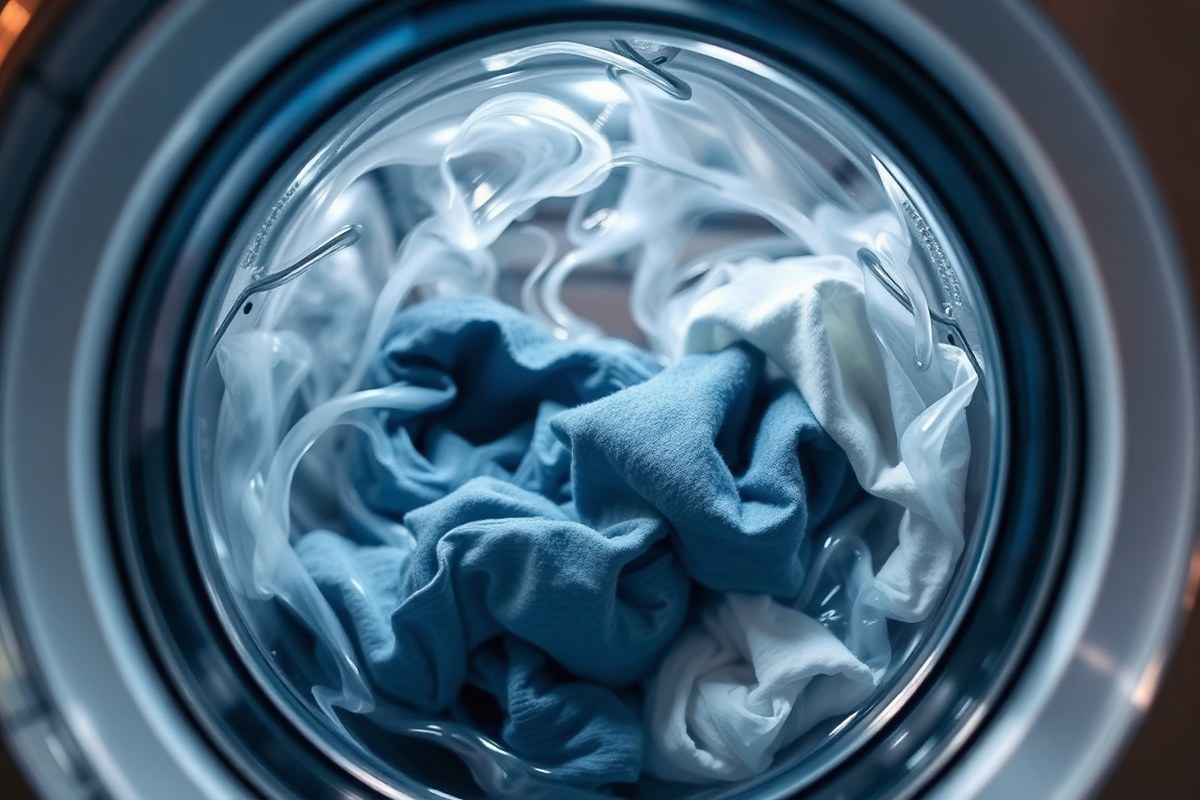
Dry cleaning removes dirt and stains from clothes without using water, which helps protect fabrics from damage like shrinking or stretching. Instead of water, the process relies on special chemical solvents designed to dissolve grease and oils that water can’t clean effectively. This method reduces moisture exposure and prevents the fibers from swelling, a common cause of shrinkage in wet cleaning.
The machine used for dry cleaning looks similar to a front-loading washer but operates with liquid solvents such as perchloroethylene (“perc”) or alternative hydrocarbon solvents and sometimes liquid carbon dioxide. These solvents are less harsh and do not require the same agitation or heat levels as water washing, meaning the fabric experiences less stress overall. Here is a typical sequence of steps in the dry cleaning process that explains exactly how clothing is cleaned and maintained:
- Inspect the garments for stains, fabric type, and care tags to determine the best cleaning method and solvent to use.
- Pre-treat any visible stains using chemical spot removers before placing the garment in the machine.
- Load the clothes into the dry cleaning machine, which operates similarly to a washing machine but uses a liquid solvent instead of water.
- Clean the clothes by circulating the solvent gently through the fabric. There is minimal mechanical agitation to avoid fabric stress and no water involved.
- Filter and recycle the solvent within the machine for efficient cleaning and environmentally safer operation.
- Remove the solvent through a spinning process similar to a dryer, but at lower temperatures, generally up to around 160°F, to evaporate the solvent without causing heat damage.
- Press or steam the garments to remove wrinkles and restore their shape carefully. Pressing uses controlled heat and moisture, but these are carefully monitored to avoid shrinking, especially in delicate fabrics.
- Inspect the final product for any remaining stains or damage before returning the clothes to the customer.
Do not assume “dry clean only” means no heat is involved; the pressing stage applies controlled heat and moisture, so delicate fabrics may still react during this phase.
Which Fabrics Are Most Prone to Shrinking in Dry Cleaning?
Natural fibers such as wool, cotton, linen, and silk are much more likely to shrink during dry cleaning compared to synthetic fibers. These materials react to heat, moisture, and agitation in ways that cause their fibers to contract or felt together, which reduces garment size. Wool and cotton top the list because of their inherent fiber structure and absence of chemical treatments that could prevent shrinkage.
Wool fibers have tiny scales on their surface that can interlock when exposed to heat and agitation, a process called felting. This causes the fabric to tighten and shrink. Cotton fibers, meanwhile, swell when they absorb moisture and then tighten during drying, especially if exposed to high temperatures. Linen behaves somewhat like cotton but is slightly less prone to shrinking. Silk’s sensitivity to heat also makes it vulnerable to shrinkage during cleaning.
Synthetic fibers like polyester, nylon, and acrylic show minimal shrinkage in dry cleaning. These materials are chemically stabilized during manufacturing and do not absorb water or swell like natural fibers do. Their shape retention under heat and solvents is excellent, making them a safer choice for garments you want to keep sized correctly.
| Fabric Type | Cause of Shrinkage | Key Characteristic |
|---|---|---|
| Wool | Felting from heat and agitation | Scaly fibers trap moisture |
| Cotton | Swelling and tightening of fibers | Fibers swell when wet, then contract |
| Linen | Moderate shrinking from moisture and heat | Similar to cotton but less prone |
| Polyester | Minimal shrinkage | Chemically stabilized, low water absorption |
| Nylon | Minimal shrinkage | Stable under heat and solvents |
Blended fabrics can present mixed risks depending on the ratio of natural to synthetic fibers. A cotton-polyester blend may shrink less than pure cotton but more than pure polyester. Fabrics treated with anti-shrink finishes or resins tend to resist shrinkage better. However, such treatments might wear off over time or after several cleanings.
Avoiding shrinkage means paying close attention to fabric content on the care label and choosing dry cleaning only when recommended for susceptible natural fibers. Professional cleaners usually adjust their machines to minimize heat and agitation, but your best protection comes from understanding your garment’s materials and following the label instructions exactly.
How Heat, Moisture, and Chemicals Contribute to Dry Cleaning Shrinkage
Heat exposure during dry cleaning plays a significant role in fabric shrinkage. Excessive drying heat causes fibers to contract, which reduces the size of the garment. Hot pressing, used to remove wrinkles and shape clothes, also risks changing the garment’s size and fit by altering fiber structure. Maintaining controlled temperature levels in professional dry cleaning machines helps prevent these problems. Without proper temperature regulation, sensitive fabrics like wool can shrink or deform when exposed to excessive heat.
Moisture levels in the chemical solvent are another factor affecting shrinkage. Although dry cleaning uses solvents instead of water, small amounts of moisture can be present. This moisture may cause fibers to swell or contract, influencing fabric stability. Solvents like perchloroethylene do not cause fiber swelling, unlike water, so they generally lower shrinkage risk. However, if the solvent mixture contains excess moisture or if a garment is not pre-treated properly, the cleaning chemicals can provoke fabric contraction, especially in delicate fibers.
Chemical solvents themselves affect fiber stability differently depending on the fabric type. Most dry cleaning solvents do not damage fibers or cause them to shrink since they do not use detergents, fabric softeners, or harsh chemicals common in home laundering. For example, nylon fibers show minimal changes from typical dry cleaning solvents. However, some fabrics require a testing patch before cleaning to ensure the solvent does not react negatively. If this step is skipped, chemical exposure may lead to unwanted shrinkage or fabric distortion.
Steam pressing after dry cleaning presents a shrinkage risk, particularly for wool and other heat-sensitive fabrics. Steam introduces both heat and moisture, which together can cause wool fibers to contract or felt, resulting in significant size reduction. Professionals control steam temperature and duration carefully to avoid this outcome. Overexposure to steam or mechanical pressing combined with heat may damage the garment’s shape and size.
To avoid shrinkage caused by heat, moisture, and chemicals during dry cleaning, professionals test and monitor fabric reactions carefully. Controlled machine temperatures, minimal solvent moisture, and precise steam pressing protocols all contribute to preserving garment size. Customers can help by informing cleaners of any fabric sensitivities and choosing reputable dry cleaning services with quality controls.
Signs That Clothes Have Shrunk After Dry Cleaning and How to Check
Clothes that shrink after dry cleaning usually show smaller measurements around critical areas or feel tighter on the body. Checking these changes right after collecting your garments helps you determine if the shrinkage is permanent or just a temporary change due to moisture or fabric relaxation. Knowing what and where to measure makes it easier to identify if your clothes truly shrank or just feel different briefly.
Measuring Key Garment Dimensions
Start by measuring important parts of the garment with a flexible tape measure. Common areas to check include the chest or bust, waist, hips, sleeves, and length from shoulder to hem. Record these numbers before sending clothes to the dry cleaner to have a baseline for comparison.
After cleaning, take the same measurements in the exact spots. A change of 1/2 inch or more often signals shrinkage. Smaller differences can occur because of fabric settling or how the garment was folded. Focus on consistent, clear changes rather than minor fluctuations. Keep these tips in mind:
- Use a soft measuring tape, not a rigid ruler.
- Measure clothes laid flat on a smooth surface for accuracy.
- Compare measurements after the garment has fully dried or aired out for at least 24 hours.
- Measure twice for confirmation before concluding shrinkage.
- Take photos of your garment and the measurements before and after cleaning as a record.
Accurate measurement is the most objective way to determine if your clothes truly shrank after dry cleaning.
Comparing Before and After Cleaning Fit
Tried-on fit gives an immediate sense of whether shrinkage occurred but is less precise than measuring. Put the garment on as you usually would and note any tightness around shoulders, arms, chest, or waist that wasn’t there before. Pay extra attention to fitted areas like cuffs and necklines.
Wear the clothes for a few hours to see if the fabric feels stretched or uncomfortable. Temporary tightness may relax once the material adjusts to your body heat or humidity. Some fabrics regain shape naturally after dry cleaning solvents evaporate.
Wait 1 to 2 days after dry cleaning before judging if fit changes are permanent.
The fit alone can mislead you, so always back up what you feel with measurements.
Signs of Moisture or Heat Damage
Dry cleaning usually avoids water and high heat, but mistakes can cause moisture or heat-related shrinkage. Look for uneven fabric texture, hard or stiff spots, or puckering seams. These may show that fabric fibers contracted or distorted.
Check garment tags for safe temperature ranges and cleaning instructions. Changes in colour or fabric sheen also often accompany damage. Areas most affected often include:
- Sleeve cuffs and collars
- Shoulder seams
- Body length from hem to waist
- Areas with heavy stitching or interfacing
- Delicate fabrics like wool or silk panels
Detecting these damage signs early helps decide whether to seek fixes, such as professional pressing or alterations.
When to Consult the Cleaner
If measured dimensions drop by more than 1/2 inch in key areas or your clothes feel noticeably tighter with visible fabric changes, reach out to your dry cleaner promptly. Discuss the cleaning method used and any visible issues. Experienced cleaners can sometimes stretch garments partially back or recommend alternative treatments.
You should be more concerned when shrinkage affects your ability to wear the garment comfortably, or if fabric damage threatens its structure. Some shrinkage from permanent press construction is irreversible, but proper cleaning usually prevents sudden size loss.
Consulting your cleaner early saves time and increases chances of remedy. Always keep receipts and care labels handy during discussions.
Common Myths and Misconceptions About Shrinkage in Dry Cleaning
Dry cleaning doesn’t always shrink wool garments, even though many people believe it does. Wool is sensitive to heat and moisture, which can cause shrinking, but dry cleaning uses chemical solvents with little water, so shrinkage is usually minimal when done correctly. Problems arise when dry cleaners use excessive heat during pressing or drying, or if the cleaning process isn’t suited to the specific wool fabric. To protect wool garments, professional cleaners should use low heat settings and appropriate solvents designed for delicate fibers.
Cotton, on the other hand, can shrink in dry cleaning, but it happens less often than with washing. Cotton fibers absorb water easily, and traditional washing exposes them to hot water and agitation, which causes more shrinkage. Dry cleaning typically avoids water, so cotton remains more stable. However, some dry cleaning solvents and the heat used in pressing can cause slight shrinkage if not carefully controlled. This is why dry cleaning can be safer for cotton clothes labeled as “dry clean only,” but some risk remains if the process isn’t properly handled.
Many people assume dry cleaning is safer than washing for all fabrics, but that’s not true across the board. Some garments might tolerate water and gentle washing better than chemical solvents, depending on their fiber content and construction. For example, some linens and cotton blends can shrink or lose shape through dry cleaning if the solvents or heat aren’t well matched to the fabric’s needs. Always read garment labels and choose a dry cleaner experienced with treating specific fabrics to minimize damage and shrinkage risks.
The “dry clean only” label is generally reliable but not absolute. These labels reflect manufacturer testing under controlled conditions that often favor dry cleaning solvents over water. Still, individual fabric batches, construction, and trims like buttons or linings can respond differently, sometimes causing unexpected shrinkage or damage if dry cleaned improperly. When you see a “dry clean only” label, it’s a signal to consult your cleaner on the best care method rather than assuming dry cleaning will automatically prevent shrinkage.
Solvents used in dry cleaning, such as perchloroethylene or newer liquid carbon dioxide, typically cause less harm to fibers than water does during washing. Water causes swelling and tension in many fabrics, changing fiber structures and promoting shrinkage. Chemicals in dry cleaning avoid this by not soaking fabric but carry their own risks if misapplied, for instance, aggressive solvents or high heat during finishing can damage delicate textiles and cause shrinkage. It’s all about the right balance of solvent type, temperature control, and cycle length to protect garments while cleaning them effectively.
How to Prevent Shrinkage When Using Dry Cleaning Services
Preventing shrinkage when using dry cleaning services starts with clear communication, choosing a reputable cleaner, and strictly following your garment’s care instructions. Knowing which items need special attention helps you avoid costly damage and keeps your clothes fitting properly.
Communicate Specific Care Needs Clearly
Before handing over your clothes, tell your dry cleaner about any concerns or special instructions for each item. Highlight garments that are prone to shrinking or have a “dry clean only” label and ask them to handle these with extra caution.
Provide your cleaner with details such as fabric type, any recent issues like fading or past shrinkage, and whether the garment is part of a matching set that needs uniform treatment. This helps them select the best cleaning process and avoid unnecessary heat or mechanical stress.
Check Cleaner Reputation and Equipment
Choose a dry cleaner known for careful fabric handling. Look for businesses with positive customer reviews mentioning delicate clothing and shrinkage prevention. A cleaner using modern, well-maintained equipment typically offers safer results.
Visit the cleaner if possible. Well-equipped shops use machines with adjustable settings for solvents and temperature to minimize fabric stress. Ask if they inspect garments for fit and fabric condition before and after cleaning. This inspection can catch early shrinkage signs and prevent further damage.
Follow Garment Label Instructions Exactly
Always read and honor the care labels sewn into your clothing. These labels guide you on whether an item should be dry cleaned only or if hand washing at specific temperatures is allowed. Ignoring these can cause shrinkage or damage. Check for these key points on the label you hand your cleaner, and confirm that the cleaner understands and will follow them precisely:
- ‘Dry clean only’ means professional dry cleaning is safest.
- Garments allowing hand washing should not be subjected to harsh solvents or heat.
- Temperature limits for water or pressing should be clearly noted.
- Avoid cleaning any delicate pieces (like certain wools or silks) more often than necessary.
- Keep matching items together to maintain consistent treatment.
- Inform the cleaner if a garment has embellishments or sensitive trims.
Providing this checklist to your cleaner reduces shrinkage risk and ensures they use the optimal method.
Limit Frequency of Dry Cleaning for Delicates
Even professional dry cleaning can stress delicate fibers, increasing the chance of shrinking if done too often. Plan to dry clean your delicate clothes only when needed, rather than after every wear.
Between cleanings, use gentle airing and spot cleaning to maintain freshness. This approach reduces your exposure to chemicals and heat, both of which contribute to shrinkage over time. For expensive or cherished garments, consult your cleaner about alternative care options or protective treatments that may reduce shrinkage risk while keeping your clothes clean and wearable longer.
What to Do If Clothes Shrink After Dry Cleaning
When clothes shrink after dry cleaning, start by carefully measuring the garment to confirm the shrinkage. Next, contact your dry cleaner to discuss what happened and possible solutions. For minor shrinkage, gentle steaming or stretching at home may help, while more noticeable changes often require professional alterations.
Step 1: Identify Shrinkage and Document It
Begin by comparing your garment’s current size to its original measurements. Measure key areas such as chest width, sleeve length, and overall length with a soft measuring tape. Doing this promptly after picking up your clothes will help you confirm if shrinkage occurred and by how much.
Take clear photos showing the areas you think have shrunk alongside measurements. Keep your original purchase receipt and the dry cleaning ticket as proofs. This documentation will be important when discussing the issue with your cleaner.
- Lay the garment flat on a smooth surface.
- Use a soft tape measure to check dimensions of affected areas.
- Write down the measurements clearly.
- Compare these with your original garment measurements or size labels.
- Photograph the garment from multiple angles holding the tape measure.
- Keep your dry cleaning receipt accessible.
Always measure clothes before and after dry cleaning to detect subtle shrinkage early.
Step 2: Contact Your Dry Cleaner for Advice
Reach out to your dry cleaner within a few days of noticing shrinkage. Good cleaners may offer to redo the process, provide a refund, or suggest remedies because many have policies covering shrinking issues.
Describe the problem specifically and share your measurements and photos. Ask if they’ve seen similar cases and what they recommend. Some cleaners have special machines or steaming methods to reverse minor shrinkage.
- Call or visit your dry cleaner promptly.
- Explain the problem clearly and provide your documentation.
- Ask if they can fix the issue or compensate for damage.
- Request a timeline for any re-cleaning or alterations they offer.
- Follow up with a written confirmation if needed.
Keep communication respectful and specific, it increases your chances for a solution.
Step 3: Use Gentle Stretching or Steaming
Minor shrinkage can sometimes be eased by carefully steaming the garment at home. Use a handheld steamer or the steam setting on your iron to relax fabric fibers, then gently stretch the problem areas while the fabric is warm.
This method is safest with wool, cotton, and some blends but avoid it on delicate or heavily structured items. Don’t hold the steamer too close to prevent moisture damage, and always test on a hidden spot first.
- Hang the garment in a shower steam setting or use a handheld steamer.
- Steam the shrunken area evenly without soaking the fabric.
- While warm and pliable, gently stretch the fabric by hand.
- Repeat the steaming and stretching in short bursts as needed.
- Allow the garment to air dry flat to maintain the stretched shape.
Never tug aggressively; fabric overstretching can ruin the garment’s shape.
Step 4: Consider Professional Alterations
If the shrinkage is significant or affects the garment’s fit badly, a tailor can often adjust seams or add fabric panels to restore size. Alterations are a practical solution especially for high-quality or cherished pieces.
Bring the garment to a tailor who understands garment construction and dry cleaning effects. Get a quote before proceeding, as costs vary widely but generally range from $25 to $100 based on complexity. Minor lengthening or loosening usually costs less than major resizing.
- Find an experienced tailor with good reviews.
- Explain the issue and show any dry cleaning documentation.
- Ask for advice on what alterations are possible.
- Request a detailed quote before approving the work.
- Schedule the alteration and check the fit after completion.
Not all garments can be resized successfully; check carefully before spending on extensive alterations.
Step-by-Step Action Plan to Avoid Shrinkage in Dry Cleaning
Follow these specific steps before and after dry cleaning to keep your clothes fitting right and looking good.
- Before Dry Cleaning: Check the care label on each garment for any warnings about shrinkage and fabric type, so you can communicate special instructions to your cleaner.
- Choose Your Cleaner: Pick a dry cleaner known for careful handling of delicate fabrics; ask if they use low-heat settings to reduce shrinkage risk.
- Drop-Off: Point out any concerns about shrinking, especially for wool or silk items, and request minimal heat pressing and gentle treatment.
- Pick-Up: Try clothes on or measure them right after dry cleaning to check for changes in size immediately.
- After Dry Cleaning: If garments feel tight or shorter, compare measurements to pre-cleaning records and speak with the cleaner about possible remedies or compensation.
- Storage: Store dry-cleaned clothes properly on hangers or folded flat to avoid additional fabric stress that could alter fit.
- Next Cleaning Cycle: Keep notes on which garments shrank previously and discuss with your cleaner about adjusting the cleaning method.
Frequently Asked Questions
Can Dry Cleaning Cause Permanent Shrinkage?
Yes, but permanent shrinkage is rare and usually results from incorrect cleaning methods or unsuitable fabrics. Always check the care label to reduce this risk.
Is Shrinkage More Likely with Home Dry Cleaning Kits?
Home dry cleaning kits may increase shrinkage risk due to uneven cleaning and drying, unlike professional methods. Professional cleaners have better controls for heat and chemicals.
Can Wool Clothes Shrink Even with Dry Cleaning?
Wool can shrink if exposed to moisture and heat, even during dry cleaning. Make sure your cleaner handles wool garments with specific care.
Are Delicate Fabrics Like Silk Safe from Shrinkage in Dry Cleaning?
Delicate fabrics like silk can sometimes shrink in dry cleaning if the process isn’t done properly. Choose experienced cleaners for delicate items.
Does Spot Cleaning During Dry Cleaning Affect Shrinkage?
Spot cleaning usually doesn’t cause shrinkage, but aggressive spot treatments combined with dry cleaning may increase risk. Inform your cleaner about sensitive areas.
Is Shrinkage More Common in Vintage Clothes After Dry Cleaning?
Vintage fabrics can be more prone to shrinkage due to age, wear, and previous treatments. Ask your cleaner about special precautions for vintage items.
Key Points to Remember
Clothes can shrink during dry cleaning mainly because of heat, moisture, and chemicals interacting with certain fabrics. Understanding your garments and communicating your concerns with your dry cleaner helps reduce shrinkage risks. Your next step is to identify which items in your wardrobe need special care and share those details when you take them in for dry cleaning.