How to Clean Gym Shoes: Complete Methods for Every Material and Situation
Cleaning gym shoes effectively means using the right methods for different materials and ensuring they dry properly to prevent damage. You can clean most shoes at home using simple tools like mild soap, brushes, and sunlight for drying. Understanding how to clean gym shoes helps extend their life and keep them looking fresh without professional cleaning.
This information is useful for anyone who wears sneakers regularly, including runners and casual gym-goers. You’ll learn techniques for various materials, how to freshen the inside and laces, and avoid common mistakes that shorten your shoes’ lifespan.
Key Takeaways
- Use mild soap and a soft brush to clean fabric or mesh gym shoes gently without damaging the material.
- Remove insoles and soak them in a cleaning solution for 10-15 minutes to remove dirt and odor.
- Air dry gym shoes in a well-ventilated area for at least 24 hours to prevent moisture damage.
- Replace paper towels inside wet shoes every few hours to help absorb moisture faster during drying.
- Machine wash shoes on a delicate cycle, but only if the material and manufacturer recommend it.
- Let cleaning pastes or powders sit 10-15 minutes before wiping off for best dirt removal results.
Best Methods to Clean Gym Shoes Safely at Home
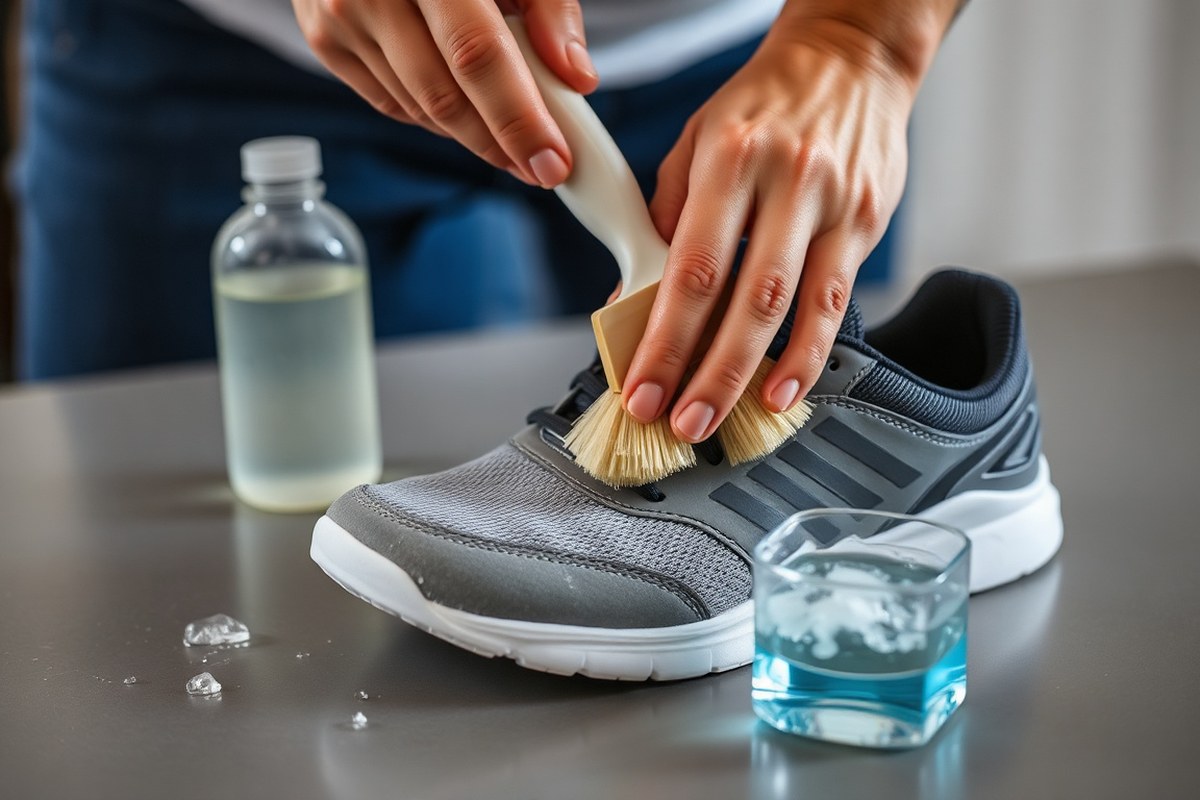
Hand washing gym shoes is generally the safest way to clean them at home, especially if they have delicate materials or detailed construction. It prevents warping, damage to adhesives, and fabric snags, which can happen in a washing machine. Machine washing is an option for sturdy sneakers made of canvas, nylon, cotton, or polyester, but you should always check the shoe’s care label first. Using a mesh laundry bag or pillowcase protects both your shoes and the washing machine by minimizing bouncing and abrasion.
No-water options like dry brushing or using specialized shoe cleaning wipes also serve well for light cleaning or quick touch-ups, keeping your shoes fresh without soaking them. These methods work when your shoes are not heavily soiled, or when machine washing or hand washing is impractical. Each method has its pros and cons depending on your shoe’s material, soil level, and time you want to invest.
| Method | Best for | Time | Materials Needed | Risks |
|---|---|---|---|---|
| Hand Washing | All shoe types, especially leather and delicate | 20-30 minutes | Soft cloth, mild detergent, water, soft brush | Risk of soaking if not careful; time-consuming |
| Machine Washing | Sturdy canvas, nylon, cotton, polyester sneakers | 45-60 minutes (delicate cycle) | Mesh laundry bag or pillowcase, mild detergent | Potential warping or damage; not recommended for leather |
| No-Water Cleaning | Lightly dirty shoes for quick refresh | 5-10 minutes | Shoes brush, dry cloth, cleaning wipes | Not effective on deep stains or heavy soil |
For hand washing gym shoes, follow these steps to avoid damage and get the best results:
- Remove the laces and insoles. Wash laces separately and clean insoles as needed.
- Brush off dirt. Use a soft brush or cloth to remove loose dirt and debris from the shoe surface.
- Prepare a mild cleaning solution. Mix a small amount of detergent with warm water, about 1 teaspoon detergent in 1 cup of water.
- Clean the shoes. Dip a soft cloth or brush into the solution and gently scrub the shoes’ surfaces. Avoid saturating leather shoes.
- Wipe off excess moisture. Use a clean damp cloth to remove soap residue, preventing any buildup.
- Stuff shoes with paper towels or rags. This keeps the shape intact and absorbs moisture inside.
- Air dry. Let shoes dry naturally in a cool, well-ventilated area away from direct heat or sunlight, which can warp or fade materials.
Cleaning Gym Shoes According to Material Type

Cleaning gym shoes works best when you match the method to the shoe’s material to avoid damage and maintain appearance. Different materials like canvas, leather, suede, and mesh call for specific care steps, from gentle hand washing to spot cleaning. You’ll get better results and avoid shrinking, fading, or weakening adhesives by using the right approach for your gym shoes.
Cleaning Canvas and Fabric Shoes
Canvas and fabric gym shoes are sturdy enough to handle gentle machine washing, but removing loose dirt first is essential. Take out the laces and insoles before cleaning to avoid water damage inside the shoe. Using cold water preserves the shape and colors by preventing shrinkage or fading.
Use a mild detergent without chemicals and set your washing machine to a cold, gentle cycle. For stains, you can apply a small amount of Clorox 2™ for Colors Laundry & Fabric Stain Remover directly on fabric areas before washing. After washing, air-dry the shoes away from direct heat or sunlight to keep them from shrinking or warping.
Cleaning Leather and Synthetic Leather Shoes
Leather gym shoes need mild and careful cleaning since harsh scrubbing or soaking can damage the material and glue. Synthetic leather usually handles water better but still requires gentle care. Use a soft cloth or sponge with warm, soapy water made from mild soap to wipe off dirt gently.
Leather-specific cleaners or conditioners help keep the material supple. Avoid submerging leather shoes in water and never put them in the washing machine or dryer. Spot clean stubborn stains and dry them naturally to prevent cracking or peeling. Check if your sneakers combine leather with synthetic panels and treat each part accordingly.
Cleaning Suede and Nubuck Gym Shoes
Suede and nubuck gym shoes are delicate and require special attention to avoid ruining their texture. Use a suede brush or eraser to gently remove dirt and stains without using water excessively, which can leave marks or cause stiffening. For a deeper clean, choose products designed specifically for suede or nubuck.
Lightly dampen a cloth with a suede cleaner for spot treatment and let shoes air dry away from heat. Avoid machine washing or soaking suede shoes. Shoes with embroidery or sequins should be cleaned by a professional to prevent damage.
Cleaning Knit and Mesh Gym Shoes
Knit and mesh materials like those used in Nike Flyknit or On Cloud shoes need gentle handling to maintain flexibility and breathability. Start by removing loose dirt and debris with a soft brush or cloth. Create a mild, soapy water solution using a gentle detergent without harsh chemicals.
Use a soft brush soaked in the soapy water to lightly scrub the mesh areas, focusing on sweat and dirt buildup. Avoid soaking the shoes fully to protect the adhesives and shape. Rinse carefully with clean water and let the shoes air dry. Avoid direct sunlight or heat sources to prevent shrinking or weakening the material. The table below summarizes best practices by shoe material, focusing on cleaning methods, temperature, and drying tips.
| Material | Cleaning Method | Water Temperature | Drying Method | Key Products |
|---|---|---|---|---|
| Canvas/Fabric | Cold, gentle machine wash or hand wash after removing laces and insoles | Cold (to prevent shrinking and fading) | Air dry away from direct sunlight or heat | Mild detergent, Clorox 2™ for Colors |
| Leather/Synthetic leather | Spot clean with soft cloth and mild soapy water; use leather cleaner | Warm water for cloth, avoid soaking | Natural air dry, no dryer | Leather cleaner, conditioner |
| Suede/Nubuck | Brush or eraser for dirt; suede cleaner for spots | Avoid soaking; use minimal moisture | Air dry naturally; avoid heat | Suede brush, suede cleaner |
| Knit/Mesh (Nike Flyknit, etc.) | Light scrubbing with soft brush and mild soapy water | Cold to lukewarm water, no full soaking | Air dry, keep out of direct sunlight and heat | Mild detergent |
Following these material-specific instructions helps preserve your gym shoes’ look and function while safely removing dirt and stains. Taking care with temperature and cleaning agents avoids damage that’s common with inappropriate methods.
Never put leather, suede, or embellished shoes in the washing machine to avoid irreversible damage.
Step-by-Step Guide to Cleaning the Inside and Insoles
Cleaning and deodorizing the inside of gym shoes, especially the insoles, keeps your feet comfortable, prevents odor, and extends the shoe’s lifespan. Removing dirt, bacteria, and sweat buildup from inside the shoes is essential for hygiene and maintaining footwear performance.
Removing and Soaking Insoles
Start by removing the insoles carefully to clean them separately, which allows a deeper clean and better drying. Soaking insoles softens sweat and dirt, making it easier to rinse stains away.
Use a mild detergent or a specialty soak like SneakERASERS Soak. Avoid soaking glued-in insoles fully to prevent damage, just wipe or spot clean those instead.
- Take out the insoles from both shoes.
- Fill a basin with warm water (about 90°F) and add a small amount of mild detergent or SneakERASERS Soak.
- Let the insoles soak for 10 to 15 minutes to loosen dirt and odors.
- Gently scrub the insoles with a soft brush or cloth, paying attention to stained or worn areas.
- Rinse insoles thoroughly with clean water to remove soap residue.
- Press excess water out without twisting or wringing.
- Place insoles on a clean towel to air dry completely before reinserting into the shoes.
Cleaning and Deodorizing the Shoe Interior
Cleaning the inside of the gym shoes protects your feet from bacteria and fungus. Start by removing loose dirt with a brush and sprinkling baking soda inside to absorb odor and moisture.
For disinfecting and deodorizing, lightly mist a vinegar solution (1 part white vinegar to 4 parts water) inside the shoes. Vinegar kills odor-causing bacteria without damaging most materials. Avoid drenching the interior to protect glued parts. After cleaning, stuff the shoes with paper towels or shoe trees to maintain their shape while they dry fully in a well-ventilated area away from direct heat sources.
Maintaining and Replacing Insoles
Regularly clean leather or foam insoles if you wear your gym shoes often, aiming for monthly cleaning. Inspect them for cracks, persistent odor, or worn spots where conditioner no longer helps.
Replace insoles every 6 to 12 months or sooner if they show damage. Worn-out insoles can cause discomfort, blisters, or even back pain. Investing $10 to $30 in new insoles often costs less than dealing with foot problems or shoe replacement. If insoles are permanently affixed and continue to smell or degrade after thorough cleaning, consult a shoe repair professional or consider replacing the shoes for health and comfort reasons.
Essential Tools and Cleaning Products for Gym Shoes
To clean gym shoes effectively without causing damage, you’ll need a few basic tools and household cleaning products that suit different materials and types of stains. Gentle but effective cleaners help extend your shoes’ lifespan by removing dirt and odors without harsh chemicals or abrasive scrubbing that could wear down fabrics or soles.
A soft-bristle brush or an old toothbrush is essential to reach seams, soles, and crevices without damaging your shoes. Microfiber or lint-free cloths are ideal for wiping surfaces after cleaning. For cleaning solutions, Dawn dish soap is a good everyday choice because it cuts grease and grime well, especially on canvas, rubber, and synthetic sneakers. It’s affordable and safe, costing about $5 to $7 for a bottle that lasts many cleanings.
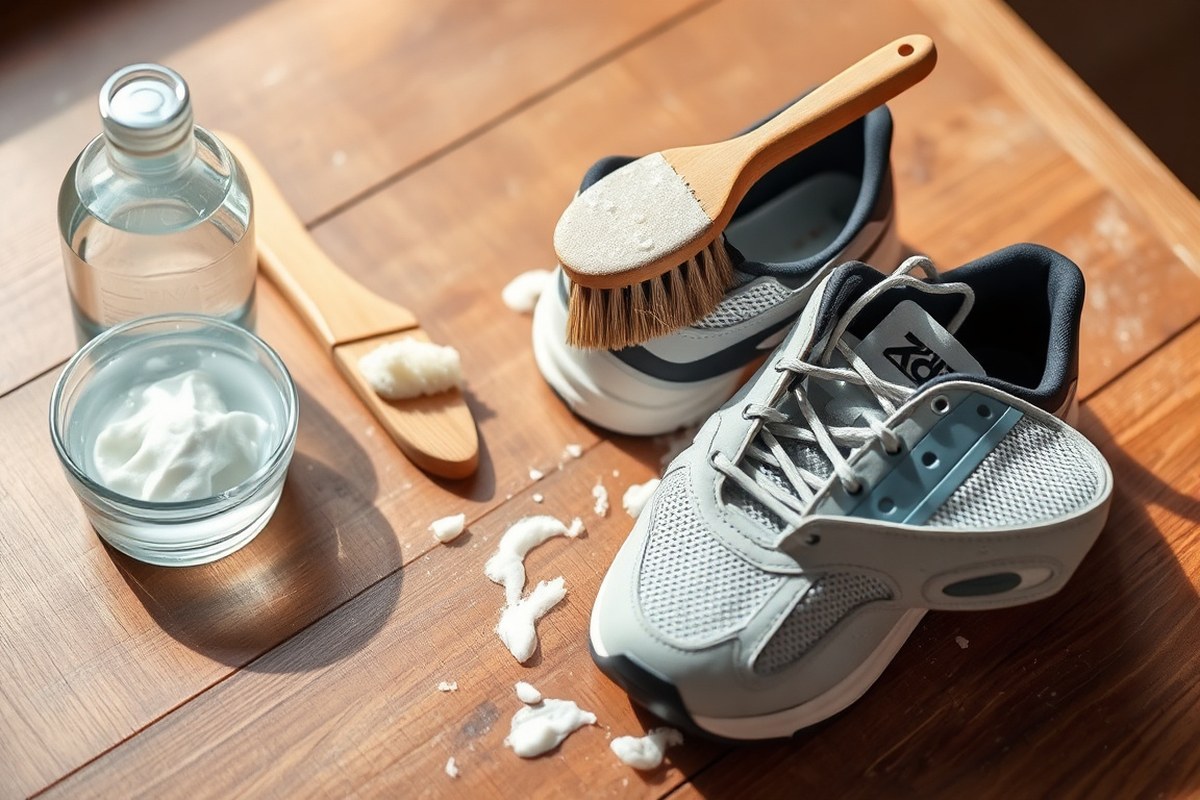
Household staples like baking soda and white vinegar are also effective and budget-friendly options for brightening white or light-colored canvas shoes. You can mix equal parts baking soda and water for a cleaning paste or combine baking soda with vinegar to tackle tougher stains and odors. These ingredients each cost just a few dollars and offer natural deodorizing and whitening without harsh chemicals.
- Soft-bristle brush or old toothbrush for scrubbing dirt and stains
- Microfiber or lint-free cloth for wiping and drying
- Dawn dish soap to cut grease and remove general dirt
- Baking soda to whiten whites and deodorize insoles
- White vinegar for stain removal and odor control
- Non-gel whitening toothpaste (optional) for spot cleaning
- Small bowl and measuring spoons for mixing pastes
Start by mixing one tablespoon of dish soap with half a cup of warm water. Use a brush dipped in this solution to carefully clean the shoe surfaces. For white canvas sneakers, make a paste from three tablespoons of baking soda combined with one tablespoon of white vinegar. Spread the paste on the fabric and leave it for 10 to 15 minutes before wiping it off with a wet cloth. Avoid using baking soda on suede or sensitive fabrics due to the risk of white marks.
Non-gel toothpaste can tackle small spots on rubber or synthetic parts by scrubbing gently with a toothbrush, then wiping away with water. After baking soda treatments, it’s effective to shake excess powder out over a sink, then pour about half a cup of white vinegar on to break down residue and remove odors.
These household products and tools balance convenience, low cost, and gentle cleaning power. Using them properly keeps your gym shoes bright, fresh, and odor-free, while avoiding damage caused by harsh chemicals or aggressive cleaning methods.
Drying Gym Shoes: How Long, How, and What to Avoid
Drying gym shoes properly is important to keep their shape, avoid damage, and prevent odors. The best practice is to air dry shoes in a well-ventilated space, using stuffing materials like paper towels or shoe trees to maintain shape and absorb moisture. Drying times vary by material, typically ranging from 8 to 24 hours, and high heat should always be avoided.
Air Drying vs. Heat Drying
Air drying is the safest method for gym shoes because it prevents heat damage and shape distortion. High dryer heat can warp soles, shrink fabrics, and loosen glued parts. Placing shoes away from direct sunlight and heat sources protects the material integrity and color.
Heat drying might seem fast but often causes permanent damage, especially to synthetic mesh, leather, and rubber components common in gym shoes. Air drying slowly allows fibers to settle and moisture to evaporate evenly, reducing odor risk.
Using Paper Stuffing and Shoe Trees
Stuffing shoes with crumpled paper towels or newspaper absorbs excess water and helps maintain the shoe’s structure while drying. Change the paper every few hours if shoes are wet to speed up drying. For slightly damp shoes, cedar shoe trees are beneficial because they pull moisture and odors out gently without crushing the shoe.
Remove laces before drying to enable better airflow inside the shoe. Put in clean cloths or microfiber towels to wipe any visible moisture before stuffing the shoes. This preparation prevents mold growth and keeps the interior fresh.
Always avoid leaving wet shoes in closed spaces or sealed bags to prevent mildew and foul odors.
Drying Times by Shoe Material
Drying times depend heavily on shoe materials. Lightweight mesh or canvas gym shoes generally take 8 to 12 hours to air dry completely, assuming they’re dry inside and out before storage. Leather or mixed-material shoes may require up to 24 hours because they absorb more water.
Insoles and removable liners should be dried separately on a flat surface, ideally in a ventilated area, for at least 12 hours. Avoid wearing shoes before they are completely dry to minimize moisture buildup and fungal growth. Follow these steps for effective drying:
- Remove the laces and insoles from each shoe.
- Press a clean microfiber towel inside and outside the shoe to absorb surface moisture.
- Stuff the shoe tightly with crumpled paper towels or newspaper to maintain shape and pull out water.
- Place the shoes in a well-ventilated area away from direct heat and sunlight.
- Change the paper stuffing every 3 to 4 hours if the shoes remain very damp.
- Optionally, insert cedar shoe trees after the shoes become slightly damp to control odor and maintain form.
- Allow the shoes and insoles to dry completely, typically between 8 and 24 hours depending on the material.
- Reinsert dry insoles and laces before wearing.
Cleaning and Washing Gym Shoe Laces Properly
Shoelaces pick up a lot of dirt, sweat, and grime during workouts, so cleaning them separately helps keep your gym shoes looking fresh and lasting longer. While some shoe brands suggest hand washing laces to avoid wear, you can also machine wash them carefully if needed. Using the right cleaning solution and drying methods ensures your laces stay strong and look clean without shrinking or fraying.
Hand washing shoelaces allows you to control how deeply you clean them without risking damage. Most dirt and sweat will come off with a soak in warm, soapy water followed by gentle scrubbing. For heavier stains, a mild detergent or a mix of baking soda and water works well. Machine washing your shoelaces can be done by placing them in a mesh laundry bag or pillowcase to prevent tangling. Choose a cold, gentle cycle to protect the fabric and avoid shrinking.
- Remove the shoelaces from your gym shoes. This step prevents your shoes or other laundry items from getting damaged during cleaning and lets you focus on scrubbing the laces thoroughly.
- Fill a bowl or sink with warm water around 90°F (32°C). Add 1 tablespoon of mild detergent or laundry soap for every 2 cups (500 mL) of water to create a cleaning solution.
- Soak the shoelaces in the solution for 15 to 30 minutes. This loosens dirt and sweat, making it easier to remove with scrubbing.
- Use a soft brush or old toothbrush to gently scrub the laces. Concentrate on stained or discolored areas to lift out grime without damaging the fibers.
- Rinse the shoelaces thoroughly under cool running water to remove all soap residues. Soap left in the fabric can cause stiffness or attract more dirt.
- For machine washing, place the laces in a mesh garment bag or pillowcase. Run a cold, gentle cycle with similar colors to avoid damage or tangling.
- Lay the shoelaces flat or hang them to air dry completely. Avoid machine drying or high heat, which can shrink or weaken laces, leading to fraying or breakage.
Cleaning shoelaces every few weeks, depending on your workout frequency, helps prevent buildup of sweat and bacteria. Fresh laces not only improve shoe appearance but also reduce odors. Avoid using bleach or harsh chemicals that can degrade the lace material.
Preventing Odor and Dirt Buildup in Gym Shoes
Cleaning gym shoes every two weeks or whenever they start showing dirt helps maintain hygiene and prolongs their life. Frequent cleaning prevents bacteria and fungus buildup, which cause odors and can damage materials. Regularly wiping the exterior with a brush or cloth removes excess dirt before it settles into the fabric or sole.
Preventing odor and dirt buildup involves establishing simple habits based on your use. After workouts, air out your shoes in a well-ventilated area to reduce moisture, a key factor for bacterial growth and smells. Using odor-removing additives like Clorox™ FreshGuard™ Laundry Odor Remover in your wash cycle can tackle trapped odors in fabric parts without harsh chemicals. For rubber or plastic parts, disinfecting wipes labeled for this use can safely kill germs and keep the surfaces clean.
- Remove insoles and wash or replace them regularly to prevent trapped sweat odor
- Rotate between pairs of shoes to let each pair dry fully between wears
- Use moisture-wicking socks during workouts to reduce sweat contact inside shoes
- Store shoes in a dry, cool place, not in a gym bag or closed space after use
- Spot-clean stains quickly with mild soap and water or toothpaste for white shoes
- Sanitize hard surfaces on second-hand shoes with disinfecting wipes before wearing
Second-hand gym shoes often carry lingering bacteria or fungus, so disinfecting hard, nonporous parts before use is advisable. Clorox™ Disinfecting Wipes work well for this purpose when used as per label instructions. Avoid soaking entire shoes in disinfectants to prevent material damage; targeted cleaning is safer and effective.
Good results show as shoes that look clean, smell fresh, and feel dry inside. Neglecting odor prevention allows bacteria to multiply, causing persistent smells and possible skin irritation. Over-washing or harsh chemicals can weaken materials, so stick to gentle products suited for your shoe’s material. These care steps combine to keep gym shoes in good shape longer, ensuring a more comfortable and hygienic workout experience.
Common Mistakes and How to Fix Them When Cleaning Gym Shoes
Cleaning gym shoes incorrectly can cause damage such as warping, discoloration, or material breakdown, which reduces their lifespan and appearance. Common mistakes include using harsh chemicals, soaking shoes that aren’t water-safe, scrubbing too hard, and drying them in direct heat. These errors can lead to faded colors, misshapen shoes, or even permanent stains.
One frequent error is squeezing in the washing machine or using bleach on non-bleach-safe materials. These actions may remove dirt but often harm the integrity of the fabric or leather. Another typical mistake is skipping the step of removing laces and insoles before cleaning, which can leave areas improperly cleaned and create unpleasant odors.
Tough stains and dirt require targeted treatments rather than a simple wash. For really stubborn marks, gently scrubbing with a toothbrush dipped in toothpaste or a vinegar-dampened cloth held for about 30 seconds can loosen grime without damaging fabric. For hard-to-clean marks on the soles or tough scuffs, using a Magic Eraser designed for extra durability will often restore the surface without harsh chemicals.
- Always remove laces and insoles before cleaning; wash or soak them separately.
- Use mild soap solutions for leather and avoid soaking the entire shoe.
- Test any stain removal product on a small hidden area first to avoid discoloration.
- Do not put gym shoes in the dryer; air dry indoors away from direct heat.
- Wipe away all soap residues with a damp cloth to avoid buildup and stiffness.
- Pre-treat stains with gentle scrubbing using a toothbrush and toothpaste or vinegar solution.
- Use disinfecting wipes on soles and high-contact areas before washing to reduce bacteria and odor.
Always check the shoe’s material before cleaning, using the wrong method is a major cause of costly damage.
When shoes get damaged or stained, prompt attention helps. For water stains on suede, gently brushing once dry can restore texture. If discoloration occurs, specialized cleaners designed for that specific material may help reverse damage. Time and patience are key; letting cleaners sit for 10 to 15 minutes on insoles or canvas before rinsing maximizes stain removal without aggressive scrubbing. Consistent upkeep prevents buildup and extends your shoes’ lifespan.
Step-by-Step Action Plan for Cleaning Your Gym Shoes
Follow this plan to clean your gym shoes safely and keep them fresh. Each step includes how to tell if it’s working well.
- Before you start: Remove the laces and insoles from your shoes. This lets you clean each part thoroughly and helps prevent damage.
- Day 1: Hand-wash the insoles using mild soap and warm water. When they feel soft and free of stains, you’re done.
- Day 1: Spot-clean the uppers using a soft brush or cloth with a gentle cleaner suited to the shoe material. Check that dirt lifts without color fading.
- Day 1: Place the shoes and laces in a mesh laundry bag if you machine wash. Use cold water and a gentle cycle to avoid shrinking or warping. Shoes should look cleaner but not misshapen.
- After washing: Air-dry your shoes and insoles in a well-ventilated area away from direct heat or sun. Shoes feel dry to the touch after 12 to 24 hours.
- Every week: Apply a fabric or leather protector spray to help repel dirt and stains. This keeps shoes cleaner for longer between washes.
- Every 2 weeks: Sprinkle baking soda inside your shoes overnight to reduce odors. A fresher smell confirms the treatment worked.
Frequently Asked Questions
Is Dawn Dish Soap Good for Cleaning Sneakers?
Yes, Dawn dish soap works well to clean sneakers, especially canvas and rubber types. It effectively removes dirt and grease without damaging the shoe materials, making it a good option for regular cleaning.
Is It Okay to Wash Gym Shoes in the Washer?
Washing gym shoes in the washer is usually fine for durable materials like canvas or synthetic mesh. Remove the laces and insoles first, and use a gentle cycle with cold water to avoid damage.
Does Magic Eraser Clean Sneakers?
Magic erasers can clean the rubber and foam parts of sneakers effectively. They help remove scuffs and dirt on soles but should be used gently to avoid damaging delicate fabrics.
How Do I Get Really Nasty Dirt Stains Out of My Hokas?
Pre-treat the stains with a gentle dish soap or liquid laundry detergent before cleaning. Use a soft brush to work the soap into the stains, then rinse and air dry to improve the shoe’s appearance.
Can I Use Bleach to Whiten My White Gym Shoes?
You can use diluted bleach safely on bleach-safe white canvas shoes to remove stains and brighten them. Avoid using bleach on colored shoes to prevent damage or discoloration.
Should I Remove Insoles Before Cleaning Gym Shoes?
Yes, removing insoles helps clean them separately and allows shoes to dry faster. Washing insoles on their own reduces odor and prevents moisture build-up inside your sneakers.
Before You Go
Keeping your gym shoes clean requires regular care and the right techniques for your shoe type. Start by cleaning your insoles and uppers carefully, dry them properly, and maintain freshness to extend their lifespan. Take the first step today by removing your laces and insoles so you can give your shoes a thorough, gentle cleaning.