How to Get Rid of Black Armpits Naturally: 8 Proven Methods That Work
To get rid of black armpits naturally, use gentle exfoliants like a potato juice or lemon juice mask applied for 10 to 20 minutes several times a week. Consistent care, such as switching to mild deodorants and moisturizing with coconut oil, can fade dark underarm skin within a month. These safe methods avoid harsh chemicals and irritation that worsen discoloration.
This advice suits anyone tired of dark patches in the underarm area who prefers natural, affordable options without prescription treatments. You will learn practical remedies and routine changes that deliver visible improvements safely and sustainably.
Key Takeaways
- Apply freshly grated potato juice to your underarms for 15 to 20 minutes, 2-3 times weekly to naturally lighten skin.
- Rub lemon juice on dark underarm skin, leave for 10 to 15 minutes, then rinse to reduce pigmentation.
- Gently scrub underarms with a paste of baking soda and water for 2 minutes, then wash off for exfoliation.
- Use coconut oil to massage your underarms for 15 minutes, followed by rinsing with lukewarm water to soothe skin.
- Switch to mild, fragrance-free deodorants like Dove Sensitive to minimize irritation and inflammation.
- Apply natural masks consistently over 2 to 4 weeks for noticeable improvement in skin tone and texture.
1. What Causes Black Armpits and How They Darken

Dark underarms result from a combination of biological, external, and medical factors that cause increased pigmentation or irritation in the skin. Frequent shaving is a common cause because it irritates and inflames hair follicles, leading to chronic darkening over time. Hair removal creams also contribute by irritating sensitive skin, while dry shaving often causes tiny cuts and dryness that worsen pigmentation.
Harsh deodorants containing alcohol or aluminum compounds are another major factor. These chemicals can irritate the delicate underarm skin, triggering inflammation and darkening. Switching to natural deodorants free from these harsh ingredients often reduces irritation. Tight clothing leads to friction against the underarm skin, which causes repeated irritation and can exacerbate darkening by triggering more melanin production as the skin tries to protect itself.
Biological factors such as dead skin buildup also matter. The underarm area tends to accumulate dead skin cells and sweat, which can cause a dull, dark appearance. Proper exfoliation and hygiene help remove this build-up to keep the skin tone more even. Genetic predispositions can influence underarm pigmentation, so some people may naturally have darker underarms without an obvious external cause.
Certain medical issues can lead to dark underarm skin. Acanthosis nigricans causes thick, velvety, dark patches, often appearing in the underarms, neck, and skin folds, and is connected to insulin resistance, obesity, and type 2 diabetes. Hormonal changes, problems with glands, inherited traits, and polycystic ovary syndrome (PCOS) can also cause underarm darkening. Smoking may cause smoker’s melanosis, which results in darkening in various body areas, including the underarms.
To reduce dark underarms, it helps to understand these causes. Minimizing shaving with alternative hair removal like laser treatments can lower chronic irritation. Wearing loose clothing reduces friction and allows air circulation, which prevents sweat and dirt build-up that contribute to discoloration. Managing weight and blood sugar levels also lowers the risk of insulin-related skin changes that cause darkening. Avoiding chemical-based deodorants and using gentle natural options lessens skin irritation and pigment changes effectively.
2. Natural Remedies That Safely Lighten Black Armpits
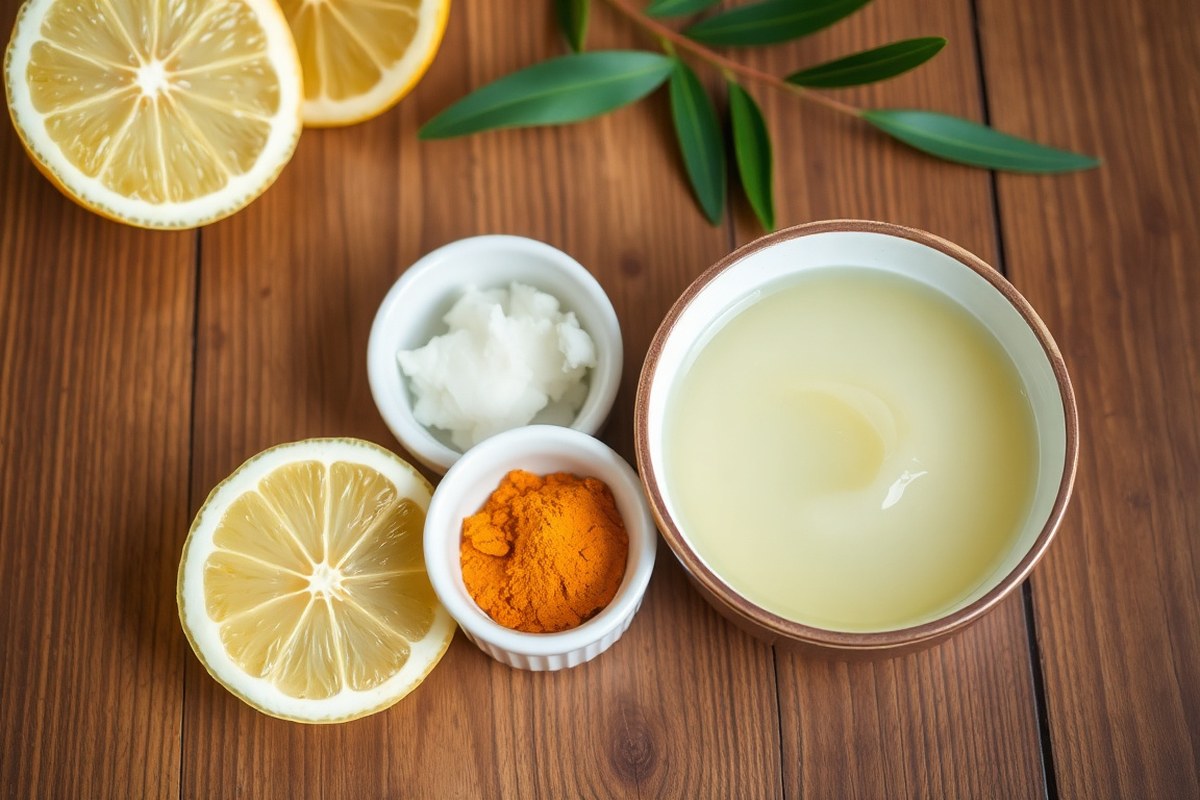
Natural remedies can help lighten dark underarms safely when used correctly and consistently. These treatments use ingredients such as lemon juice, turmeric, honey, coconut oil, potato juice, and cucumber juice, which have mild bleaching and soothing properties. Applying them gently, monitoring your skin’s reaction, and following specific steps will improve effectiveness while minimizing risks.
Lemon-Based Treatments and Safety Tips
Lemon juice acts as a natural bleaching agent due to its citric acid content, which can lighten dark skin with regular use. However, lemon juice can dry out the skin or cause irritation if left on too long or used too often. To reduce risks, apply lemon juice sparingly and always moisturize afterward. Here is a safe method to use lemon juice on your underarms:
- Cut a fresh lemon in half and squeeze a small amount of juice onto a cotton pad or clean fingers.
- Gently rub the juice on the affected underarm areas, avoiding broken skin.
- Leave it on for 10 to 15 minutes only.
- Rinse thoroughly with cool water to remove all lemon residue.
- Pat dry and apply a gentle moisturizer to soothe the skin.
- Use this treatment up to 2-3 times per week, not daily, to avoid dryness.
Do a patch test before applying lemon juice widely, as some skin types react poorly to its acidity.
Using Turmeric and Honey Masks
Turmeric has anti-inflammatory and skin-brightening properties, while honey moisturizes and soothes the skin, making this combination effective for underarm lightening. A turmeric and honey mask can reduce pigmentation and improve skin tone without harsh effects. Follow these steps for a turmeric and honey mask:
- Mix 1 teaspoon of turmeric powder with 1 tablespoon of honey and 1 teaspoon of plain yogurt or milk to form a smooth paste.
- Apply the paste evenly to your underarms.
- Leave it on for 15 to 20 minutes.
- Rinse off with lukewarm water and pat dry.
- Repeat 2-3 times per week for best results.
Avoid wearing clothes immediately after application that could stain from turmeric’s yellow color.
Coconut Oil and Other Natural Oils
Coconut oil contains vitamin E and fatty acids that nourish and lighten skin naturally. Massaging underarms with coconut oil improves skin hydration, reduces pigmentation, and supports skin barrier repair. Other oils like almond or jojoba oil offer similar benefits. Use coconut oil safely with this routine:
- Apply a few drops of virgin coconut oil onto your clean underarms.
- Massage gently in circular motions for 10 to 15 minutes.
- Leave the oil on for at least 5 minutes before rinsing with lukewarm water.
- Pat dry and do not apply deodorant immediately afterward to allow absorption.
- Repeat daily or every other day depending on your skin’s tolerance.
Choose unrefined, organic coconut oil to avoid additives that could irritate your skin.
Potato and Cucumber Juice Applications
Potato and cucumber juices contain mild bleaching agents and antioxidants that brighten dark underarms gently. Using these juices regularly can reduce pigmentation without harsh chemicals. Potato juice is particularly effective due to its enzymes that promote skin lightening. A simple and effective way to apply potato and cucumber juice:
- Grate a small potato or cucumber and squeeze out the juice using a clean cloth or strainer.
- Dip a cotton ball into the juice and dab it onto the underarm areas.
- Leave the juice on for 10 to 15 minutes.
- Rinse thoroughly with cool water and pat dry.
- Repeat up to 3 times a week for noticeable lightening effects.
Use fresh juice each time as it loses potency quickly and can develop bacteria if stored too long.
3. How to Build an Effective Underarm Care Routine
Creating an effective underarm care routine involves gentle cleansing, regular exfoliation, moisturizing, and careful product selection. These steps reduce darkening by removing dead skin cells, preventing irritation, and supporting healthy skin renewal.
Daily Cleansing and Moisturizing Tips
Clean your underarms daily with a mild, fragrance-free cleanser to remove sweat, bacteria, and product residue that can cause darkening. Avoid harsh soaps and scrubbing, which irritate the skin and worsen discoloration. After cleansing, apply a gentle moisturizer with aloe vera or vitamin E ingredients to keep the underarm skin hydrated and reduce dryness and flakiness.
Moisturizing helps maintain the skin barrier, preventing irritation and dark patches. Use a small amount of aloe vera gel or a fragrance-free lotion consistently every day, preferably after showering while skin is still slightly damp.
Safe Exfoliation Guidelines
Exfoliate underarm skin carefully once or twice a week to remove dead skin cells without causing irritation. Choose a mild chemical exfoliant containing ingredients like lactic acid or use a gentle physical exfoliant such as toothpaste with mild abrasives. Avoid harsh scrubs or frequent exfoliation, which can damage sensitive skin and increase pigmentation.
- Wet the underarm area with warm water.
- Apply a small amount of gentle exfoliant, such as toothpaste or a lactic acid-based product.
- Massage lightly in circular motions for 30 to 60 seconds.
- Rinse thoroughly with cool water to close pores.
- Pat dry using a soft towel without rubbing.
- Apply moisturizer with aloe vera or vitamin E immediately after exfoliating.
Stop exfoliating if you notice redness, burning, or increased darkening, and reduce frequency to once every two weeks if sensitivity occurs.
Choosing Mild Deodorants
Many deodorants contain alcohol, parabens, and harsh chemicals that irritate the underarm skin and cause darkening. Opt for deodorants that are free of alcohol and parabens and include botanical extracts known for soothing properties. Look for products labeled as hypoallergenic or designed for sensitive skin.
Natural deodorants, such as those with baking soda-free formulas, help prevent irritation and allow your skin to breathe, reducing the chance of discoloration. Using deodorant wipes with gentle ingredients can maintain freshness without harsh chemicals that worsen pigmentation.
Sunscreen for Underarms
Exposure to sunlight can darken already sensitive underarm skin, especially after exfoliation or treatment. Apply a broad-spectrum sunscreen with at least SPF 30 if your underarms are exposed, such as when wearing sleeveless tops outdoors. Use a formula suitable for sensitive skin to avoid irritation and apply it at least 15 minutes before sun exposure.
Reapply sunscreen every two hours when outdoors to maintain protection. Sunscreen helps prevent post-inflammatory hyperpigmentation and supports a more even skin tone over time.
4. When to Consult a Doctor for Persistent Dark Underarms
Seek medical advice for dark underarms if you notice sudden or severe discoloration, texture changes such as thickening, or if the darkening persists despite consistent home care lasting 8 to 12 weeks. Rapid changes or accompanying symptoms like itching, pain, or swelling require prompt evaluation, as they can signal underlying health conditions like hidradenitis suppurativa or acanthosis nigricans.
Acanthosis nigricans often presents as dark, velvety patches on the underarms and may be linked to insulin resistance, obesity, or hormonal imbalances including polycystic ovary syndrome (PCOS). Noticing these signs warrants a visit to your healthcare provider, who can conduct a physical exam, review your medical history, and recommend tests such as blood glucose or hormone panels to diagnose and treat the root cause effectively.
Home remedies work for mild to moderate discoloration but have limits. If you use natural treatments like baking soda pastes or gentle exfoliation consistently over three months without improvement, this indicates a need for professional intervention. Persistent darkening despite proper skincare and lifestyle changes may require prescription treatments or in-office procedures, which dermatologists can tailor to your skin type and condition severity.
Doctors might suggest topical medications containing ingredients such as retinoids or hydroquinone to lighten hyperpigmentation or recommend laser therapies for stubborn cases. These options typically involve weekly sessions over several months, with costs varying widely from $200 to over $1,000 depending on the treatment and location. Insurance coverage depends on whether the darkening is classified as a cosmetic issue or related to an underlying medical condition.
The decision to consult a doctor can follow this clear step: if your underarm darkening does not improve or worsens after 8 to 12 weeks of consistent, proper home care, or if you develop additional symptoms like thickened skin, rapid onset discoloration, or irritation, schedule an appointment. Early diagnosis of conditions like acanthosis nigricans can help manage potential health risks such as diabetes and hormonal disorders.
Prompt professional evaluation ensures treatments address the cause, not just the symptom, reducing the risk of recurrence and improving skin appearance safely. Avoid trying harsh or unverified remedies that can irritate or damage sensitive underarm skin, as this may worsen pigmentation and complicate treatment.
5. Understanding Professional Treatments and Their Effectiveness
Professional treatments for dark armpits can offer more visible and faster results than home remedies, particularly if the discoloration stems from medical issues like hyperpigmentation or irritation. These options include laser therapy, chemical peels, and prescription creams formulated to reduce melanin production or promote skin renewal. Each treatment type has its own approach, timeline, and cost range, which can affect safety and effectiveness based on your skin sensitivity and cause of darkening.
Laser therapy targets pigmentation by breaking down melanin using light waves and radiofrequency energy. This method can provide noticeable fading after a few sessions, typically around 3 to 5 spaced over several weeks. It’s especially useful if other treatments haven’t worked, but it requires professional operation to minimize risks like burns or increased irritation on the delicate underarm skin.
Chemical peels employ ingredients like lactic acid or glycolic acid to exfoliate the top skin layers, encouraging new, lighter skin to appear. Depigmenting peels such as PRX Derm Perfexion or the Chrysalis Peel System involve application and a brief wait time before washing off. These peels often come as part of a program combined with home-care products and light therapy. They usually need multiple sessions, often 2 depigment peels in a series, to see improvement.
Prescription creams may contain niacinamide, retinoids, or kojic acid. These compounds brighten the skin gradually by interfering with melanin synthesis or promoting cell turnover. Consistent daily use is necessary, and visible results might begin in 3 to 6 weeks. However, irritation risk is higher if the skin is already sensitive or damaged from shaving. The table below summarizes key features of common professional treatments for dark underarms:
| Treatment Type | How It Works | Number of Sessions | Timeframe for Results | Cost Range | Risks or Considerations |
|---|---|---|---|---|---|
| Laser Therapy | Breaks down pigmentation with light/radiofrequency | 3 to 5 sessions | Weeks to months | $200-$500+ per session | Possible irritation, burns; needs professional |
| Chemical Peels (Lactic, Glycolic acids) | Exfoliates skin layers to reveal lighter skin | Typically 2 sessions | Several weeks | Varies; $100-$300 per session | Can irritate thin underarm skin; avoid shaving before |
| Prescription Creams (Niacinamide, Retinoids, Kojic Acid) | Reduces melanin production, promotes cell turnover | Daily use | 3 to 6 weeks | $50-$200 | May cause redness or peeling; monitor skin tolerance |
Combining treatments is common, such as pairing laser therapy or peels with daily use of prescribed brightening creams to sustain and improve results. Medical professionals will customize protocols depending on the cause and your skin’s reaction to treatments. Avoid applying these treatments over freshly shaved underarms, since thin and sensitive skin can worsen irritation and delay improvement.
Always follow your provider’s instructions precisely and report any excessive redness or pain during treatment to prevent complications.
6. How Long Does It Take to See Results from Treatments?
You can expect to see some improvement in underarm lightening within 2 to 4 weeks when using natural remedies consistently. The gradual effect comes from the gentle action of ingredients like cucumber, sandalwood essential oil, or certain tea extracts that work to brighten and soothe the skin without harsh side effects. These natural methods need daily application and patience because they improve your skin’s condition slowly and reduce pigmentation over time.
For natural treatments, start with short application times such as 5 to 8 minutes when using masks or topical remedies to prevent irritation, increasing the duration cautiously. Visible changes often become more pronounced after around one month of steady use. Consistency matters more than speed with natural options; quick fixes may cause rebound darkening rather than gradual lightening. Expect less irritation compared to chemical treatments, but individual results can vary, and some remedies may not work equally well for everyone.
Professional treatments like chemical peels, laser therapy, or medicated creams typically show faster results, often within a few sessions scheduled over several weeks. These methods target pigment cells directly and can produce noticeable fading after 2 to 3 sessions. However, they can cost more and sometimes require recovery time due to skin sensitivity. Side effects like redness or peeling might occur, which is why following post-treatment care and consulting a licensed dermatologist is important.
Choosing how soon you want visible improvement affects what to expect. When avoiding downtime and reducing risks is important, natural remedies offer the safest option, with visible lightening typically occurring in about a month. Professional options can accelerate results but come with higher costs ranging from $100 to several hundred dollars per session, depending on the treatment type and location. Also, a treatment plan may require multiple visits, spaced weeks apart to allow skin healing.
Keep in mind that lifestyle factors such as avoiding friction, using gentle deodorants without harsh chemicals, and maintaining a proper underarm care routine influence how fast and well the treatments work. Effective results depend on treating the cause of darkening alongside the lightening methods. Dark underarms caused by conditions such as acanthosis nigricans require a doctor’s evaluation to treat underlying health problems that may hinder or block skin improvement.
7. Preventing Dark Armpits from Returning After Treatment
Preventing dark armpits from returning requires protecting the delicate skin in your underarm area daily. You can manage this by reducing friction, choosing the right clothing and deodorants, and maintaining a consistent skin care routine. These steps help keep irritation and discoloration at bay.
Avoiding Friction and Irritation
Friction and irritation from shaving, tight clothing, and harsh products can worsen or cause darkening. Before shaving, always moisturize and use a shaving cream that conditions your skin to prevent nicks and irritation. Avoid rough scrubbing or using abrasive materials under your arms. Applying gentle, nourishing oils like coconut oil can provide hydration and mild lightening benefits.
To reduce friction day-to-day, avoid activities or clothing that cause repeated rubbing. Look out for discomfort or redness that signals skin distress, as this can exacerbate dark patches.
Choosing Skin-Friendly Clothing
Wearing loose, breathable clothes allows your skin to breathe and minimizes sweat buildup, which helps prevent irritation and discoloration. Fabrics like cotton or moisture-wicking blends reduce trapped moisture and heat, lowering the risk of dark armpits.
Tight or synthetic clothing increases friction and sweat accumulation, encouraging skin darkening over time. Carefully selecting your clothes for comfort and breathability can make a noticeable difference in your underarm skin tone.
Selecting Safe Deodorants
Many deodorants contain chemicals and fragrances that irritate sensitive underarm skin, worsening darkening. Switching to natural deodorants without harsh chemicals, such as Fomin deodorant wipes, can reduce chronic irritation. Look for products formulated to be gentle and alcohol-free to avoid drying out your skin.
Test new deodorants on a small patch before regular use to check for reactions. Avoid antiperspirants with aluminum compounds if you notice persistent discoloration or irritation.
Maintaining Consistent Skin Care
Regular skin care is key to keeping your underarms healthy and preventing dark patches from returning. Use gentle cleansers and moisturizers designed for sensitive skin daily. Incorporate lightening agents recommended by dermatologists, like products with nicotinamide or melasyl serum, only after irritation resolves.
Avoid over-washing or harsh exfoliation, which can damage the skin barrier. Consistency, rather than frequency, in your skin routine helps maintain an even tone without causing more irritation.
- Moisturize before shaving with a hydrating cream or oil
- Wear loose cotton or breathable fabrics daily
- Choose natural, fragrance-free deodorants
- Avoid harsh soaps and scrubbing underarms
- Wait for skin irritation to heal before using lightening treatments
- Apply gentle moisturizers after washing
- Test new products on a small area before regular use
Following these prevention practices can stop dark armpits from coming back and support healthier skin. If irritation persists despite changes, consulting a dermatologist will help identify suitable treatments tailored to your skin.
8. Common Mistakes and How to Fix Them for Faster Results
One common mistake that slows underarm lightening is using harsh products that irritate the thin, sensitive skin in that area. Strong chemical depilatories, bleach, or alcohol-based treatments can cause inflammation, making darkening worse. Instead, opt for gentle ingredients like kojic acid or mild exfoliants to avoid damaging the skin’s barrier. This helps your skin heal and respond better to lightening treatments over several weeks.
Over-exfoliating is another frequent error. While exfoliation removes dead skin cells to brighten the area, doing it too often or aggressively leads to micro-tears. These tiny injuries not only cause pain but can worsen pigmentation due to inflammation. Limit exfoliation to twice a week with a soft cloth or mild scrub, never more. Listen to your skin; if it feels raw or sensitive, reduce frequency.
Increasing treatment frequency safely means creating a gradual routine that your skin can tolerate. Start with every other day and observe your skin’s reaction. Use the product every other day at first, and after two weeks without irritation, you can try using it daily. Always do a patch test on a small underarm area before full application to check for allergic reactions or discomfort.
- Avoid shaving immediately before treatment to reduce irritation risk
- Use fragrance-free, gentle moisturizers to support skin repair
- Apply sunscreen if exposed to the sun, even on underarms, to prevent UV-induced darkening
- Replace harsh deodorants with mild, hypoallergenic options
- Avoid scratching or rubbing the underarm area to minimize inflammation
- Introduce new products one at a time to monitor for adverse reactions
Fixing these mistakes often shortens the time to see improvement, typically within 4 to 6 weeks. Stop treatments right away if irritation or darker skin appears, and wait until the skin heals completely before trying again. In some cases, switching to a professional method like IPL offers a safer, longer-lasting result without frequent home treatment irritation.
Test any new product on a small skin patch for 48 hours before full use to avoid unexpected irritation or allergic reactions.
Step-by-Step Action Plan for Lightening Black Armpits
Follow this plan to safely reduce darkness in your underarms and maintain a healthy, even skin tone.
- Day 1: Start using a gentle exfoliant designed for sensitive skin to remove dead skin cells. Notice smoother skin texture by the end of the week.
- Week 1: Apply a natural lightening remedy, such as diluted lemon juice or aloe vera gel, every night. Look for gradual brightness and less discoloration after two weeks.
- Week 2: Switch to a mild, fragrance-free deodorant to avoid irritation. Watch for reduced redness and itching.
- Week 3: Begin moisturizing your underarms daily with a non-comedogenic lotion to keep the skin hydrated and healthy. Skin should feel softer and more elastic.
- Week 4: Limit shaving by switching to waxing or trimming to prevent irritation and darkening. Observe any decrease in razor bumps or dark patches.
- After 5 weeks: Assess improvement. If darkness persists or worsens, schedule a consultation with a dermatologist for professional evaluation and possible treatments.
Frequently Asked Questions
What Do PCOS Armpits Look Like?
PCOS can cause dark, thickened patches of skin in the armpits with a velvety texture. These patches, known as acanthosis nigricans, indicate insulin resistance and should be evaluated by a doctor to manage underlying causes effectively.
Can Vaseline Lighten My Armpits?
Vaseline does not lighten dark armpits; it mainly moisturizes the skin. Using it can soothe and protect sensitive underarm skin but won’t reduce pigmentation or change skin tone.
Does Deodorant Darken Underarms?
Some deodorants can contribute to darkening due to irritation or buildup but are not the sole cause. Switching to gentle, fragrance-free formulas and exfoliating can help reduce this effect.
Why Are My Girlfriend’s Armpits Dark?
Dark underarms result from factors like friction, shaving, buildup, or hormonal changes. Her routine or skin type may influence this, and gentle care can help lighten the area safely.
Can Shaving Cause Black Armpits?
Yes, shaving can irritate or cause micro-injuries, leading to darkening over time. Using a sharp razor and moisturizing afterward helps minimize this risk.
Is It Safe to Use Chemical Lighteners on Dark Underarms?
Chemical lighteners can be effective but may cause irritation or allergic reactions. Always follow instructions, perform a patch test, and consult a dermatologist before use.
Final Thoughts
Getting rid of black armpits takes gentle, consistent care and patience. Using natural remedies and avoiding harsh products helps improve your skin safely. Start by choosing one simple change today, like switching to a gentler deodorant, and build your routine from there to see lasting results.