How to Get Pit Stains Out of White Shirts: 8 Proven Methods That Work
Soak white shirts with pit stains in a solution made from the same amount of white vinegar and water for 20 to 30 minutes, then wash them normally. For stubborn stains, try applying a baking soda and water paste or dab 3% hydrogen peroxide after gently scrubbing. These options help dissolve the yellow marks and brighten your white shirts without using strong chemicals.
This advice is for anyone who wants clear, practical steps to remove sweat stains from white shirts at home. You will find proven techniques and product suggestions to make pit stain removal easier and more effective.
Key Takeaways
- Soak white shirts in a 1:1 solution of white vinegar and water for 20 to 30 minutes before washing.
- Use a baking soda paste or hydrogen peroxide 3% for stubborn yellow pit stains after soaking.
- Apply stain remover paste with a spoon or old toothbrush and let it sit for at least 20 minutes.
- For best results, soak shirts overnight in warm water with oxygen bleach detergent like Tide Ultra Oxi Powder.
- Scrub sweat stains gently but firmly after soaking to loosen residue before laundering.
- Avoid using harsh bleach on white shirts as it can weaken fabric fibers and cause yellowing.
1. Effective Methods to Remove Pit Stains from White Shirts
To remove pit stains from white shirts quickly and effectively, soak the stained area using household solutions like white vinegar or a paste made from baking soda and hydrogen peroxide. For older, set-in stains, using an oxygen-based bleach detergent can improve results without damaging the fabric. Each method works by breaking down the sweat stain compounds and whitening the fabric, with careful application ensuring safety on white shirts.
Soaking with White Vinegar Solution
White vinegar is a natural stain remover that helps break down the yellowing caused by sweat and deodorant buildup. Soaking your shirt in a vinegar and water solution can lift these stains by loosening the chemical bonds, making them easier to wash out. This method is accessible and gentle enough for most white cotton shirts but works best on fresh to moderately set stains. Follow these steps to soak your white shirt for pit stain removal:
- Mix a solution of 1 part distilled white vinegar to 2 parts cold water in a bowl large enough to fully submerge the stained area.
- Place the shirt so the stained pits are completely covered by the solution.
- Let the shirt soak for 20 to 30 minutes at room temperature.
- Remove the shirt and gently rub the stained area with your fingers or a soft brush to loosen residue.
- Rinse thoroughly with cold water.
- Wash the shirt as usual in the washing machine.
- Air dry in direct sunlight if possible, as UV rays naturally bleach whites.
Soaking for longer than 30 minutes rarely improves results and can cause a vinegar odor to linger, so keep timing moderate. Vinegar tends not to remove deeply set old stains fully, so consider alternative treatments for those.
Baking Soda and Hydrogen Peroxide Paste
This tried-and-true paste combines white baking soda, hydrogen peroxide (3%), and sometimes salt to target sweat stains without harsh chemicals. Hydrogen peroxide acts as a mild bleach safe for sturdy white fabrics such as cotton and linen, effectively breaking down stain molecules while baking soda gently lifts residues. The paste consistency should be thick enough to stick on the fabric but spreadable to cover the stain evenly. Use these steps to create and apply the paste:
- In a small bowl, mix equal parts baking soda, hydrogen peroxide (3%), and a little water to form a thick paste. For example, use about 1 tablespoon of each.
- Optionally, add 1 tablespoon of salt for extra scrubbing action on white cotton or linen shirts.
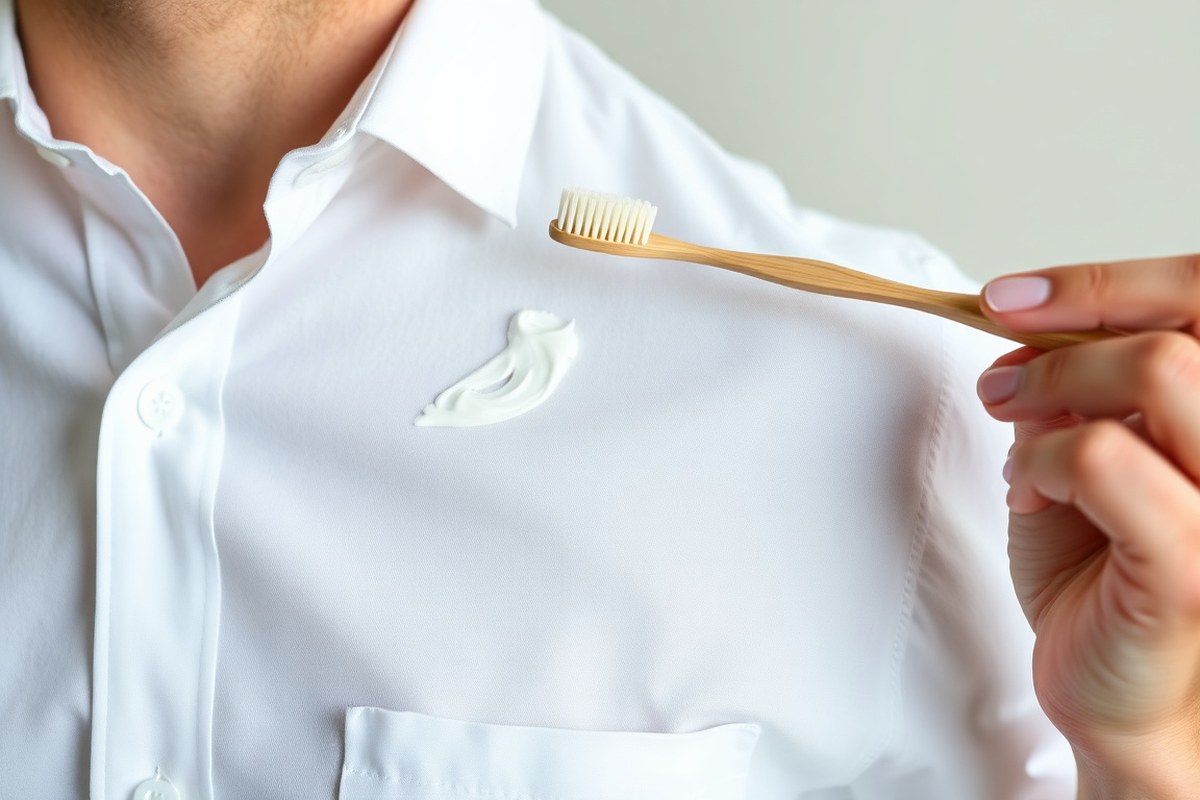
- Using a spoon or an old toothbrush, apply the paste generously to the stained armpit areas.
- Gently rub the paste into the fabric using circular motions.
- Let the paste sit for at least 20 minutes at room temperature, but no longer than an hour to avoid weakening the fabric.
- Rinse the shirt thoroughly with cool water to remove all paste residue.
- Launder as usual in your washing machine and air dry.
Hydrogen peroxide can cause slight bleaching if left too long, so avoid using this paste on delicate whites or fabrics with special finishes. For very delicate whites, wash care labels should be checked first.
Using Oxygen-Based Bleach Safely
Oxygen-based bleach detergents contain sodium percarbonate, which releases oxygen when dissolved in water. This oxygen acts as a powerful stain remover and whitener, making it a recommended choice for set-in pit stains on white shirts. Unlike chlorine bleach, oxygen-based bleach is color-safe and less likely to damage fabric fibers when used as directed.
Before using oxygen bleach, check your shirt’s care label to ensure the fabric is safe for this treatment, especially for delicate or synthetic blends. Stronger fabrics like cotton and linen tolerate it well. Follow these guidelines to use oxygen-based bleach safely:
- Fill a basin with about 2 gallons of warm water (not exceeding 110°F to avoid fabric damage).
- Add approximately 1/2 cup of oxygen bleach powder (such as Tide Ultra Oxi Powder) to the water and stir until dissolved.
- Submerge the stained shirt fully in the solution, ensuring the armpit areas are entirely covered.
- Soak for a minimum of 30 minutes up to overnight for stubborn stains.
- Remove the shirt and gently wring out excess water.
- Launder normally using your regular detergent, preferably with additional oxygen bleach if the shirt is heavily stained.
- Allow the shirt to air dry, ideally in sunlight, which improve stain fading.
Using oxygen bleach on delicate fabrics or those with special finishes can cause weakening or color change. Avoid soaking beyond recommended times and always rinse thoroughly. This approach balances effective stain removal with fabric care for white shirts.
2. What Causes Yellow Armpit Stains on White Shirts?
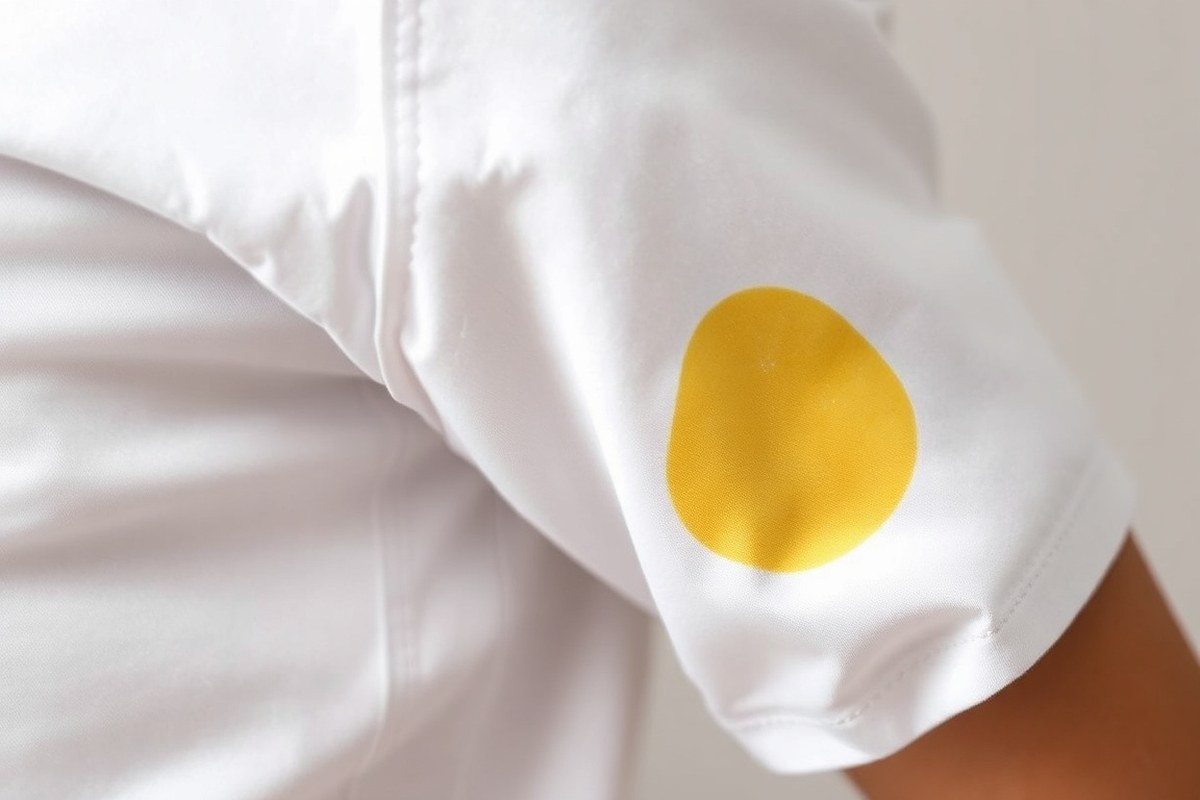
Armpit stains on white shirts mainly come from a mix of your body oils, sweat, deodorant, and dead skin cells. These substances combine and build up in the underarm area. The yellow colour does not come from sweat alone. Instead, it happens when deodorant ingredients, especially in antiperspirants, react with sweat and body oils. This reaction forms a concentrated, yellowish stain that appears more clearly on white or light-coloured fabrics.
Deodorants often contain aluminium compounds, which block sweat glands to reduce perspiration. When these aluminium salts mix with proteins secreted by your sweat glands, a chemical reaction occurs. This reaction leads to the buildup of those yellow stains. Over time, the mixture sticks to fabric fibres, especially if the garment does not get washed immediately. Old sweat combined with deodorant and skin oils can become stubborn and harder to remove.
Fabric type affects how easily these stains are seen and how they form. White shirts made from cotton or cotton blends tend to absorb body oils and deodorant more readily, making stains more visible. Cotton’s natural fibres hold onto sweat components and stain residues strongly. Synthetic fabrics, by contrast, may not absorb as much moisture but can trap deodorant residues on the surface. Fabrics like silk require extra care since their delicate fibres can be damaged by harsh stain removal methods.
The colour contrast between yellow stains and white fabric makes the marks much more noticeable. On darker shirts, similar stains may appear grayish or less obvious. Certain shirt fits also influence sweat and stain formation. Tight-fitting shirts press deodorant and sweat closely against fibres, increasing the chance stains develop. Choosing breathable and looser shirts can reduce this problem since the fabric is not trapped against your skin, allowing better evaporation and less buildup.
To slow down yellow stain formation, consider wearing an undershirt to absorb sweat and reduce direct contact between your skin, deodorant, and your white shirt’s fabric.
Hard water can also play a part in pit stains. Minerals in water sometimes react with sweat and deodorant residues, worsening the staining. This means washing white shirts in softened water or with specific detergents can improve stain removal. The stains are primarily caused by the chemical interaction of deodorant with sweat and oils rather than sweat on its own.
Understanding these causes will help you target treatments better. For example, selecting deodorants without aluminium or changing your shirt materials can reduce stain buildup. Proper care and quicker washing of stained shirts prevent the compounds from settling in and turning yellow. Awareness of this process also stops the frustration of dealing with stains that look like they might never go away.
3. How Long Should You Soak Clothes to Remove Pit Stains?
The optimal soaking time for removing pit stains from white shirts depends on how old and stubborn the stains are. For fresh or mild sweat stains, soaking the shirt in a solution of warm water and a stain remover for 30 minutes is usually enough to loosen the discoloration. After soaking, you can gently scrub the armpit area before washing. This short soak prevents fabric damage and speeds up stain removal without overexposure to chemicals.
For tough or older stains that have set into the fabric, soaking overnight often works better. An overnight soak of 8 to 12 hours in a solution containing washing soda crystals or a specialized fabric rinse can break down the yellow residue that simple washing can’t remove. Washing soda (sodium carbonate) raises the water’s pH, making it more effective at dissolving sweat and deodorant buildup. Tide Clean Boost Fabric Rinse is another product recommended for an overnight soak to treat stubborn armpit stains on white shirts.
Be cautious with soaking beyond overnight. Prolonged soaking, especially in strong chemical solutions, can weaken shirt fibers and cause fabric wear. Soaks longer than 12 hours rarely increase stain removal significantly and may risk fabric integrity. Monitor the fabric closely during an extended soak for any changes in texture or color. Always use lukewarm to tepid water, as hot water can set stains further or damage delicate fibers on cotton or blends.
When dealing with white cotton shirts, avoid soaking with bleach directly for long periods unless it is diluted properly and the care label allows it. Over-soaking in bleach can cause yellowing or fabric breakdown. For safe soaking, mix about 1 tablespoon of washing soda crystals or a recommended fabric rinse per quart of water, enough to fully immerse the shirt without crowding.
After soaking, rinse the shirt thoroughly before washing with your regular detergent. Good results show significant fading or complete removal of yellow stains, with the fabric feeling normal and not weakened. Repeat the soaking process once if stains persist, but limit to no more than two extended soaks per garment to prevent damage. For delicate or “dry clean only” labels, professional cleaning is a safer alternative to soaking.
In short, use 30 minutes of soaking for mild stains and up to an overnight soak for old or stubborn stains. Avoid soaking too long to protect the shirt’s fabric. Following this timeline ensures maximum stain removal without harming your white shirt.
4. Step-by-Step Pre-Treatment and Washing Process
Removing pit stains from white shirts begins with careful pre-treatment before washing. Avoid heat, which can set these stains permanently, and always use cold or warm water during washing with an appropriate detergent. The process includes spot cleaning, selecting the right water temperature, and washing and drying with caution to protect the fabric and remove stains effectively.
Spot Cleaning the Armpit Area
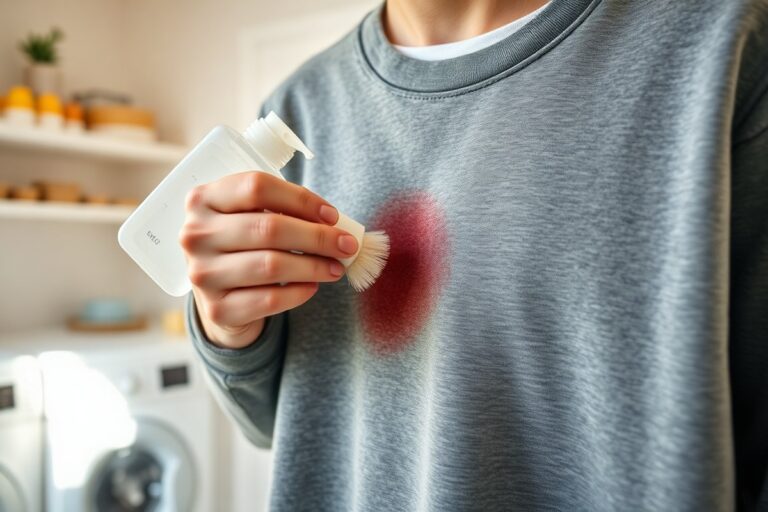
Targeted pre-treatment of the armpit stains is important to breaking down sweat deposits before washing. Applying a gentle scrubbing agent and letting it sit helps loosen the stain without damaging the shirt. Using a soft-bristled toothbrush allows you to focus on the stained area without spreading it.
- Lay the shirt on a flat surface with clean towels underneath to absorb moisture.
- Create a paste by combining baking soda with water, or select a gentle stain remover made specifically for treating sweat stains.
- Apply the paste directly onto the yellow armpit stains, covering them completely.
- Gently scrub the stained area with a soft-bristled toothbrush in circular motions for 1 to 2 minutes.
- Let the paste sit on the stains for about 20 minutes to dissolve sweat residues.
- Rinse the treated area under cold water to remove excess paste before washing.
Choosing the Right Water Temperature
Using cold or warm water is best for white shirts with pit stains. Hot water can set these stains, making them permanent by bonding them into the fibers. Cold water prevents setting and protects delicate fabrics like cotton and linen.
- Check the shirt’s care label for water temperature recommendations.
- Set your washing machine to a gentle or normal cycle using cold or warm water (not exceeding 90°F to 110°F).
- Use detergent formulated for whites or sensitive fabrics to maintain brightness without harsh chemicals.
- Avoid adding bleach unless it is oxygen-based and safe for the garment.
Washing and Drying Best Practices
Washing with proper settings and drying air-dried rather than machine-dried prevents heat damage. Machine drying at high temperatures often causes stains to set permanently and can weaken fibers. Sunlight can mildly bleach whites but may over time weaken fabric; use sun exposure sparingly to brighten shirts.
- Turn shirts inside out before placing them in the washer to protect outer fabric.
- Use a gentle wash cycle and avoid overloading the machine to ensure adequate rinsing.
- After washing, air dry shirts by hanging them in a shaded, well-ventilated area.
- Sunlight can help fade stains, but keep exposure brief to avoid damaging the fabric.
- Do not use dryer heat until the stain is completely gone; repeated heat exposure can set stains permanently.
5. Safe and Unsafe Products for Treating Pit Stains
Choosing the right product to remove pit stains on white shirts is key to protecting your fabric and achieving effective results. Some home remedies are gentle yet powerful, while others can harm your clothes or make stains worse. Ammonia, for instance, isn’t recommended for older, oxidized stains since it may not remove the discoloration and could damage certain fabrics like silk or spandex. Instead, white vinegar often works better for these tougher stains without risking fabric integrity.
When treating sweat stains, avoid mixing household items such as bleach and ammonia, as this combination creates toxic fumes. Safe bleaching alternatives include oxygen-based stain removers that are gentle on fabric and effective against discoloration. Products like Truly Free Home Stain Stick and OxyBoost offer strong cleaning power without harsh chemicals, helping you remove pit stains while protecting your white shirts.
| Product | What It Does | Suitability | How to Use | Potential Risks |
|---|---|---|---|---|
| White Vinegar | Breaks down oxidized sweat stains | Safe for cotton, polyester; avoid silk, wool | Soak stained area in 1 cup vinegar + 2 cups water for 30 minutes | May weaken delicate fibers if used too long |
| Oxygen-Based Stain Remover (OxyBoost) | Powerful stain removal without bleach | Works on most washable fabrics | Apply directly and wash per label instructions | Less effective on very old or set-in stains |
| Ammonia | Breaks down fresh sweat proteins | Only very fresh stains; avoid old stains | Dilute 1 part ammonia to 3 parts water, apply briefly | Can damage sensitive fabrics, worsens old stains |
| Bleach (Chlorine) | Strong whitening and disinfecting | Use only on pure cotton, whites with no spandex | Dilute properly; no longer than 5 minutes soak | Weakens fabric, can cause yellowing if misused |
| Truly Free Home Stain Stick | Targets sweat and pit stains safely | Suitable for everyday white shirts | Rub on stain before washing | None reported with recommended use |
Never mix bleach with ammonia or vinegar to avoid producing harmful gases.
Applying the correct product involves matching it to the fabric type and stain condition. Oxygen-based stain removers provide a balance between strength and safety, suitable for many white shirts. Vinegar works well for older stains but avoid leaving it on delicate fabrics for too long. Avoid household combinations that could damage fabrics or produce dangerous fumes. Your best plan includes gentle, proven stain treatments and testing any new product on a small, hidden area first.
6. How to Treat Sweat Stains on Different Fabrics
Different fabrics require different approaches when treating sweat stains on white shirts. Natural fibers like cotton and linen handle more aggressive stain removers, while synthetics and delicate fabrics need gentler treatments. Using the wrong method can damage fibers or cause colors to fade.
Cotton and Linen Shirts
Cotton and linen are sturdy, breathable fabrics that tolerate common stain removal methods well. To avoid weakening fibers, avoid harsh chlorine bleach and instead use oxygen-based alternatives. Light scrubbing with a soft brush helps lift stains without damaging the weave.
- Mix 1 tablespoon of baking soda with 2 tablespoons of water to form a paste.
- Apply the paste directly to the sweat stain on the dry fabric.
- Let the paste sit for 30 minutes for dirt and oils to break down.
- Using a soft-bristled toothbrush, gently scrub the stained area in a circular motion.
- Rinse the fabric with cool water to remove the paste.
- Apply a solution of 1 part hydrogen peroxide to 2 parts water on persistent stains, letting it sit for 10 minutes. (Test first on a hidden spot.)
- Wash the shirt in the warmest water safe for the fabric, following care instructions.
Synthetic and Blended Fabrics
Synthetics like polyester or blends can be sensitive to harsh chemicals and high heat. Avoid hydrogen peroxide to prevent fabric damage or colour fading. Stick to milder treatments and limit soaking times to preserve fabric integrity.
- Prepare a paste by mixing baking soda and water in a 1:1 ratio.
- Apply the paste sparingly to the stain, avoiding excess moisture.
- Let it sit for 15 to 20 minutes to neutralize odor and lift the stain.
- Gently blot the area with a soft cloth; do not rub hard.
- Rinse the fabric with cold water.
- Wash the garment on a gentle cycle using cold water and a mild liquid detergent.
Delicate or Specialty Fabrics
Fragile fabrics such as silk and wool require gentle handling to avoid damage. Avoid DIY abrasive cleaners, particularly those containing baking soda or hydrogen peroxide. Use mild, diluted vinegar solutions or professional cleaning for stubborn stains.
- Mix equal parts white vinegar and cold water in a basin.
- Submerge the stained area and gently press, do not rub, the fabric for 5 minutes.
- Rinse thoroughly with cold water.
- Lay the shirt flat on a clean towel to air dry away from sunlight and heat.
Avoid commercial stain removers unless specified safe for delicate fibers. Seek professional cleaning if stains persist or the fabric is expensive.
7. Common Pit Stain Removal Mistakes and How to Avoid Them
One common mistake is scrubbing pit stains too hard or for too long. Excessive scrubbing can damage the fabric fibers, causing thinning or pilling without fully removing the stain. Stop scrubbing once you see the stain starting to lift and switch to soaking or using a gentle stain remover to avoid weakening your shirt’s fabric.
Using bleach incorrectly can also worsen pit stains. Chlorine bleach tends to react with the protein and aluminum compounds in sweat and deodorant, causing the yellow stains to darken rather than fade. To avoid this, use oxygen-based bleach designed for whites and follow the package instructions closely. Avoid high temperatures during washing, as heat can set stains permanently.
Another issue is not treating the stain soon enough. Fresh sweat stains respond better to treatment than old, set-in stains. For best results, pre-treat armpit areas as soon as you notice discoloration using a paste made from baking soda and water or a commercial enzyme-based stain remover. Allow 15 to 30 minutes for the treatment to work before washing.
- Skipping pre-treatment step on stains
- Scrubbing vigorously beyond 5 minutes
- Applying chlorine bleach directly on stains
- Using hot water above 120°F (49°C) for washing
- Ignoring fabric care labels during stain removal
- Washing stained shirts with other clothes, causing dye transfer
- Not drying shirts thoroughly before reuse
Failing to read and follow the garment care label can lead to using inappropriate products or washing methods that harm your shirt or make stains harder to remove. Stick to recommended water temperatures and avoid harsh chemicals if the label advises against them. Washing white shirts with stained armpits together with colored clothes can risk transferring dye, making whites appear dingy.
Leaving shirts damp or partially wet after washing increases the chance for bacteria growth and lingering odors, which can sometimes mimic stain presence. Dry your shirt fully, preferably in sunlight when possible, as ultraviolet rays help break down bacteria and brighten fabrics naturally. Avoid drying stained shirts in the dryer before you’re sure the stain is gone, or the heat will set it permanently.
8. Preventing Pit Stains on White Shirts Long-Term
Preventing pit stains requires changes in clothing choices, deodorant use, laundry routines, and some lifestyle habits. Using an aluminum-free deodorant helps because aluminum compounds in most antiperspirants react with sweat and cause yellow stains on white shirts. You should apply deodorant sparingly and let it dry completely before putting on your shirt to reduce residue transfer. Wearing an undershirt beneath your white shirts creates a barrier that absorbs sweat and limits direct contact with the fabric.
Adjusting laundry habits also makes a difference. Wash white shirts promptly after use in warm water, around 104°F (40°C), with a detergent formulated for whites to avoid buildup. Avoid using fabric softeners near the underarm area, as they can trap oils and dirt, worsening stains. Regularly pretreating armpit areas with a mild stain remover before washing maintains fabric brightness and helps stop stains from setting.
- Choose aluminum-free deodorants to minimize chemical reactions causing stains
- Apply deodorant lightly and wait several minutes to let it dry before dressing
- Wear a moisture-wicking undershirt to protect outer shirts from sweat
- Wash shirts soon after use with warm water and appropriate detergent
- Pre-treat armpit areas before washing to keep fabrics bright
- Avoid fabric softeners near pits to prevent residue buildup
- Limit exposure to heavy sweating or change shirts more often during intense activity
Your diet can indirectly affect sweat composition and odor, but changing eating habits alone rarely prevents stains. Staying hydrated and maintaining a balanced diet might reduce sweat intensity but won’t replace protective clothing and proper laundry care. Consistent attention to these prevention steps results in shirts that stay white longer and require less aggressive stain removal.
Always let deodorant dry completely before dressing; wet application significantly increases stain risk.
Step-by-Step Action Plan to Remove Pit Stains from White Shirts
Follow these steps to tackle pit stains effectively and keep your white shirts looking clean and fresh.
- Before Washing: Pre-treat the stained area with a paste of baking soda and water or a gentle stain remover. Let it sit for 30 minutes to start breaking down the stain.
- Soaking Phase: Soak the shirt in cold water with a little oxygen-based bleach for 1 to 3 hours. Confirm the stain lightens before moving on to the wash.
- Wash Cycle: Wash the shirt in the warmest water safe for the fabric using a detergent designed for whites. Check the stain after washing before drying.
- If Stain Remains: Avoid dryer heat. Repeat the pre-treatment and soaking steps, since heat can set the stain permanently.
- After Multiple Treatments: Use a dedicated enzymatic cleaner following label instructions if the stain persists. Ensure it is safe for the fabric type.
- Drying: Air dry the shirt fully once the stain is gone. Avoid machine drying until you’re sure the stain is completely removed.
- Ongoing Care: Apply an antiperspirant that doesn’t leave residue or wash shirts promptly after wear to reduce future build-up.
Frequently Asked Questions
What Is the Best Stain Remover for Pit Stains on White Shirts?
OxiClean is highly effective for removing old yellow sweat stains on white shirts. It targets the concentrated mix of oils and deodorant that cause pit stains, making it a reliable choice for tough stains.
Can You Remove Old Set-In Sweat Stains from White Shirts?
Yes, old set-in sweat stains can be removed by soaking the shirt in a solution with OxiClean or other oxygen-based bleach. Stubborn stains might need multiple treatments and longer soaking times for the best results.
Does Dawn Dish Soap Remove Sweat Stains on Shirts?
Dawn dish soap can break down oils in sweat stains but works best combined with other treatments like baking soda or oxygen bleach. It helps loosen the stain before washing for improved removal.
What Causes Brown Armpit Stains on White Shirts?
Brown armpit stains result from a reaction between sweat, body oils, deodorant ingredients, and bacteria. This mixture breaks down fabric fibers over time, causing the discoloration that looks brown or yellow on white shirts.
Can You Use Vinegar to Remove Pit Stains on White Shirts?
Vinegar is more effective for colored clothing sweat stains than white shirts. For white shirts, oxygen-based cleaners like OxiClean work better at breaking down the stain without damaging the fabric.
Are Sweat Stains Reversible with Home Treatments on Delicate Fabrics?
Delicate fabrics like silk can have sweat stains removed, but it’s best to avoid home treatments. Professional cleaning is safer to prevent fabric damage and preserve your shirt’s appearance.
Wrapping Up
Removing pit stains from white shirts requires patience and the right approach to avoid damage. Starting with safe pre-treatment and following through with careful washing steps helps restore your shirts without harmful chemicals. Try the pre-treatment method on your most stained shirt next to see these techniques in action and keep your whites fresh longer.