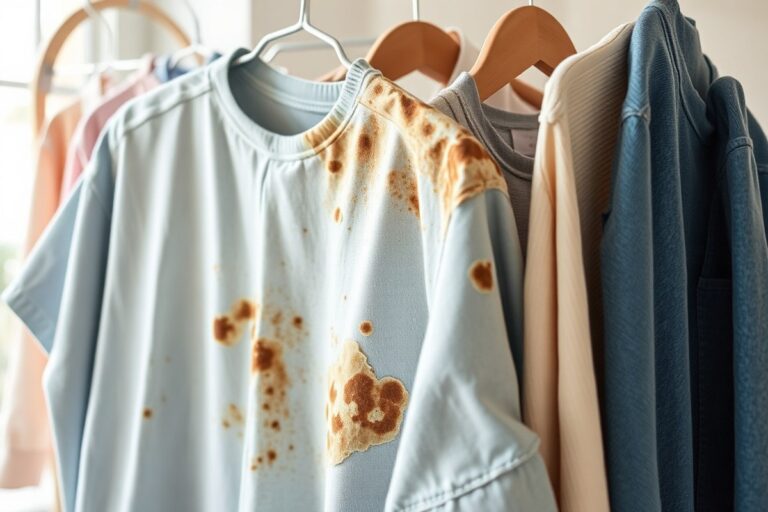
How to Get Armpit Stains Out of White Shirts: 8 Proven Methods That Work
Removing armpit stains from white shirts starts with treating the fabric quickly using a mixture of vinegar or oxygen bleach and allowing adequate soaking time. Regular washing alone often won’t remove yellow sweat stains, so combining pretreatment and long soaks is key. This approach helps restore your shirts without harsh scrubbing that can damage fabric over time.
These methods are especially useful if you frequently wear white shirts and want to keep them looking fresh longer. You’ll find step-by-step instructions on effective stain removal methods, explanations of why these stains develop, and guidance on choosing the right cleaning agents for your fabrics.
Key Takeaways
- Soak armpit stains in a solution of one cup white vinegar to two cups cool water for 30 minutes before washing.
- Apply a baking soda and water paste to stains and let it sit for 20-30 minutes to lift yellow discoloration.
- For old or set-in stains, soak shirts in oxygen bleach for 4-6 hours or overnight for best results.
- Use gentle rubbing motions with a stain remover before soaking to avoid fabric damage.
- Rinse thoroughly after soaking to remove all residue and prevent fabric weakening.
- Test cleaning agents on a small hidden area first if the fabric is delicate or non-cotton.
1. Effective Step-by-Step Methods to Remove Armpit Stains

Getting armpit stains out of white shirts requires prompt action and a few simple steps using common household items or specialized products. Treating fresh stains quickly prevents them from setting, while older stains benefit from deeper soaking and targeted cleaning. Using the right method helps restore your shirt’s bright look without harsh damage.
Fresh Stain Quick Treatment
Start by treating the stain as soon as possible. Fresh armpit stains mainly consist of sweat and deodorant residues, which are easier to remove when wet. Rinsing with cold water and applying an acidic solution like lemon juice can break down the stain’s components before washing. Follow these steps for quick removal:
- Rinse the armpit area with cold water to flush out sweat and loosen stain particles.
- Mix equal parts fresh lemon juice and warm water in a small bowl.
- Apply the lemon-water solution to the stain using a clean cloth or sponge, gently scrubbing the fabric without spreading the stain.
- Let the solution sit on the stain for 10 minutes to allow the acid to work.
- Rinse the shirt again with cold water to remove the lemon juice.
- Launder the shirt as usual using the warmest water safe for the fabric.
These steps usually take about 20 to 30 minutes before washing, offering effective stain removal without waiting or soaking. Avoid hot water initially, as heat can set the stain further.
Home Remedies for Older Stains
Older armpit stains that have begun to yellow and set require stronger home remedies. Baking soda and hydrogen peroxide form an effective paste that breaks down protein-based stains and deodorant buildup. White vinegar as a pretreatment can also help restore whitening. Use this approach for stains that are a day or more old:
- Mix three tablespoons of baking soda with one tablespoon of hydrogen peroxide and one teaspoon of liquid dish soap to create a paste.
- Spread the paste evenly over the armpit stain, covering it fully.
- Allow the paste to sit on the stain for 30 minutes to one hour, checking periodically to avoid fabric irritation.
- Rinse away the paste under cold water, gently rubbing the area to remove loosened stain particles.
- Optional: Pour white vinegar on the stain and let it sit 10 minutes before a final rinse to brighten fabrics.
- Wash the shirt in warm water using your regular detergent.
This process requires about 1.5 to 2 hours, including resting times. Test the paste on a small hidden area first, especially on delicate fabrics, to ensure no damage occurs.
Using Oxygen Bleach for Set-In Stains
For deeply set armpit stains, an overnight soak with oxygen bleach offers the strongest home treatment short of professional cleaning. Oxygen bleach gently lifts stain molecules without the harsh effects of chlorine bleach, making it safe for most white cotton shirts. Try the following for stubborn yellow marks:
- Fill a basin or sink with hot water at the highest temperature recommended on your shirt’s care label.
- Add the appropriate amount of oxygen bleach powder or granules, following the package instructions (typically about 4 tablespoons per gallon).
- Submerge the stained shirt completely, ensuring the armpit areas are fully covered by the solution.
- Soak for at least 4 to 6 hours or overnight for best results.
- After soaking, gently agitate the fabric to loosen the stain.
- Rinse thoroughly with cold water to remove all residue of the bleach solution.
- Wash the shirt in warm water with normal detergent, then air dry or use a low-heat dryer setting.
Effective cleaning can take 8 hours or more including soaking and washing times. Avoid mixing oxygen bleach with vinegar or chlorine bleach as this can create harmful fumes or reduce whitening power. This treatment works best on durable white cotton shirts and may be less suitable for delicate fabrics.
2. Why Do White Shirts Develop Yellow Armpit Stains?

Yellow armpit stains on white shirts develop due to a chemical reaction between sweat and certain deodorant ingredients, mainly aluminum compounds. This mixture oxidizes on the fabric, creating stubborn yellow marks that stand out most on light-colored fabrics like white. The stains become tougher to remove as they set into fibers and mix with body oils and detergent residues over time.
How Sweat and Aluminum Compounds React
Sweat contains proteins and salts which, by themselves, can cause some staining but generally do not produce vivid yellow marks. The real culprit is the aluminum-based ingredients found in many antiperspirants. These aluminum salts react chemically with the proteins in sweat, producing a yellow discoloration on the fabric. This process is similar to how bleach can make protein stains appear more yellow rather than removing them.
This oxidation reaction happens gradually as the shirt is worn and sweated in, intensifying with repeated exposure. White fabrics, having no dye to mask discolorations, reveal these yellow marks clearly. The reaction mainly affects the armpit area, where sweat and deodorant accumulate the most, and the fabric is often in close contact with the skin.
Role of Deodorant and Fabric Fibers in Stain Formation
Besides aluminum compounds, deodorants often leave behind residues on shirts, especially when not fully washed out. These residues can bond with sweat and body oils, further embedding stains into the fibers. On white shirts, residual deodorant can turn yellow or grayish over time as it interacts with sweat, while on dark fabrics, deodorants often leave visible white marks instead.
The type of fabric also influences stain formation. Natural fibers like cotton absorb sweat and oils readily, making stains more likely to set in deeply. Synthetic fibers may repel some moisture but can trap deodorant residues on the surface. Without prompt and proper washing, these combined substances penetrate the fiber structure, leading to stubborn stains that resist regular laundering.
Why Yellow Stains Become Permanent
When sweat and deodorant-related compounds sit too long on fabric, they oxidize and bond tightly with the fibers. This chemical bonding makes them difficult to break down with standard washing alone. Also, body oils act as a binding agent, holding the stain components in place. As these stains age, they also weaken the fabric’s integrity, potentially causing thinning or damage in the armpit area.
Repeated washing without effective pretreatment can actually worsen stains. Some bleaching agents cause protein stains like those from sweat to turn more pronounced yellow, making removal harder. The key to preventing permanence is to treat armpit stains quickly and avoid letting sweat and deodorant residues accumulate without thorough cleaning.
Importance of Prompt Washing and Deodorant Choices
Washing shirts with laundry detergent immediately after wearing helps remove sweat, bacteria, and deodorant before stains can set. Using only warm or cool water during pretreatment helps loosen particles without fixing the stain chemically. Switching to aluminum-free deodorants lowers the chance of yellowing because the critical chemical reaction is avoided.
Maintaining a consistent washing routine that includes pretreatment of armpit areas can keep white shirts free from yellow discoloration. Without this, stains will build up faster and require more aggressive methods to remove. The fabrics stay looking cleaner and last longer when sweat and deodorant do not have a chance to cause permanent damage.
Choose aluminum-free deodorants and wash white shirts promptly to prevent yellow armpit stains from becoming permanent and difficult to remove.
3. Choosing the Best Cleaning Agents by Fabric and Stain Type
The choice of cleaning agents depends largely on the fabric type and the severity of armpit stains. Natural fibers like cotton tolerate more aggressive treatments such as baking soda and hydrogen peroxide, which both lift and brighten stains effectively. Synthetic blends usually require gentler methods since harsh chemicals can damage fibers or cause discoloration.
Cleaning fragile or expensive white fabrics requires care to avoid harm. Using a mild solution of one part white vinegar to two parts water effectively removes buildup while being gentle on these textiles. For sensitive fabrics, a paste made from four tablespoons of baking soda mixed with a quarter cup of water is appropriate. Although hydrogen peroxide can remove stains, frequent use or letting it stay on too long might weaken the fabric fibers.
| Product | Purpose | Safe For Whites? |
|---|---|---|
| Baking Soda | Lifts and deodorizes | ✔️ |
| Hydrogen Peroxide | Brightens fabric | ✔️ (use sparingly) |
| White Vinegar | Breaks down buildup | ✔️ |
For cotton shirts, spreading a baking soda paste over the stain yields good results after 30 minutes, followed by a rinse in cool water. Tougher stains can be treated by soaking the shirt for 30 minutes in a solution of one cup vinegar mixed with two cups water to reduce bacteria causing odors. Synthetic blends require caution; strong baking soda pastes or pure hydrogen peroxide might harm the fibers. Testing a mild white vinegar solution briefly is safer before rinsing thoroughly.
Hydrogen peroxide excels at brightening but shouldn’t be left on delicate fabrics longer than 10 to 15 minutes to avoid weakening. Vinegar safely neutralizes odors and stains on all fabric types when diluted properly, making it a cost-effective option priced around $2 to $3 per quart. Baking soda is also affordable, usually under $1 per box, and doubles as a deodorizer.
Always rinse treated areas with cool water after application to halt chemical reactions and protect fabric. Stubborn or set-in stains, especially on delicate or valuable shirts such as silk or wool blends, may require a professional cleaner’s expertise to avoid damage. Immediate and careful attention with the right cleaning agent supports longer wear and preserves your whites.
4. Preventing Armpit Stains on White Shirts: Practical Tips
The best way to keep your white shirts free of yellow armpit stains is to prevent them before they develop. Stains form mainly because the underarm area traps heat, sweat, and deodorant ingredients that react with your skin and fabric. Deodorant choices play a big role since some formulas cause more buildup. Antiperspirants with aluminum compounds often contribute to yellowing. Choosing a deodorant labeled “stain-free” or “aluminum-free” can reduce the risk.
Proper washing habits also help avoid stains. Sweat and deodorant residues build up when you don’t wash shirts soon enough or wash them at low temperatures. Wash your white shirts after each wear to prevent sweat from setting. Using warm water, around 104°F (40°C), helps break down body oils and deodorant better than cold water while avoiding damage to most cotton shirts. Avoid fabric softeners around the underarm area because they can trap residue.
Fabric care affects stain prevention too. Shirts made with moisture-wicking or breathable materials help keep sweat from clinging close, reducing stain risk. When storing, make sure shirts are completely dry to prevent yellowing from mildew. For cotton or cotton blends, avoid tumble drying on high heat, which can’t remove some residues fully and may set stains.
- Choose aluminum-free or stain-free deodorants to reduce yellowing
- Wash white shirts after every wear at 104°F (40°C) with a good detergent
- Avoid fabric softener in the underarm area to prevent residue buildup
- Wear breathable, moisture-wicking fabrics to minimize sweat retention
- Dry shirts completely before storing to stop mildew and yellowing
- Use oxygen bleach treatments occasionally as safe boosters on whites
By following these steps, you spend less time fighting stains later. The upfront cost of switching deodorants can be as low as $5 to $10 per bottle, and washing wisely only changes your routine slightly. Early action keeps your white shirts bright longer, preventing the permanent yellowing that comes from untreated sweat and chemical buildup. Overlooking these habits can result in deep-set stains that no laundry routine can fully fix, sometimes ruining a favorite shirt.
5. Safe Handling and Fabric Care to Avoid Damage
Always begin by checking the care label on your white shirt before you attempt to remove armpit stains. These labels provide essential information on water temperature limits, suitable cleaning methods, and restrictions on bleach or other chemicals. When the label says to wash only in cold water, soak and clean the fabric with cold or lukewarm water to prevent shrinking or damage to the fibers. Ignoring these instructions can cause color fading, fabric distortion, or permanent damage.
Before applying any stain remover, test it on an unseen part of the shirt, such as the inside hem or near the seam. This step helps prevent unexpected bleaching or color loss, particularly with stronger solutions like diluted white vinegar. A good rule is to mix one part vinegar to two parts water and apply a small amount to test for at least 15 minutes before full treatment. Notice any color change or softening of the fabric? Stop using that product on the stained area to protect your shirt.
Heat can make stains more difficult to remove. Never use hot water to soak or wash a stained shirt unless the care label specifically allows it. Also, avoid putting the shirt in a dryer until the armpit stain is totally gone. The high heat of dryers often sets stains permanently by bonding them deeper into fabric fibers. The stain hasn’t come out after washing? Soak and wash the garment again for better results. Only use the dryer once the fabric is completely free of yellow marks. Air drying is safest during the stain removal process.
Follow a checklist for safe stain removal: read care labels carefully; spot test all products on hidden areas; use cold or lukewarm water according to fabric guidelines; treat stains with suitable pre-treatment products made for that fabric type; wash following label instructions; inspect the shirt after washing but before drying; and always air dry until stains are fully removed. Skipping any step can lead to discoloration, fabric wear, or setting the stain permanently.
Common mistakes include using hot water or heat drying too early, which may fix the stain irreversibly. Another error is skipping the test spot before applying a solution, risking unexpected damage. Catch common mistakes early by soaking the shirt again in cold water, applying a gentle stain remover designed for your fabric, and washing with care. Repeat if necessary before drying. This approach preserves your white shirts longer and keeps them looking crisp.
Never put a stained shirt in the dryer until the armpit stain is completely gone, as heat can permanently set the stain into the fabric.
6. How to Treat Different Fabrics: Cotton, Synthetic, and Delicates
Removing armpit stains requires different approaches based on fabric type, since cotton, synthetics, and delicate materials respond uniquely to cleaning agents and techniques. Using the wrong method or product risks damaging the fabric or leaving stains behind. Tailoring stain removal steps to the specific fabric ensures you clean effectively while preserving your white shirt’s appearance.
Cotton T-Shirts and Casual Shirts
Cotton fabric soaks up sweat and deodorant more readily but also releases stains easier when treated correctly. It tolerates most stain removers, including oxygen-based bleach and enzyme detergents, making it the simplest fabric to clean for armpit stains. The key is timely treatment and using warm water to boost stain removal without hurting fibers. Try this step-by-step routine for cotton shirts with armpit stains:
- Pre-treat the stain with a protein-based stain remover or enzyme detergent, applying it directly to the armpit area.
- Let the product penetrate the fabric for 15 to 30 minutes before washing.
- Wash the shirt in warm water (about 40°C or 104°F) using a detergent formulated for whites.
- Add an oxygen-based bleach according to package directions if the fabric care label allows, to boost whitening.
- Check the stains before drying; if they remain, repeat pre-treatment and washing as drying can set stains permanently.
- Air-dry or tumble-dry on low heat to prevent fabric shrinkage.
Cotton shirts generally cost between $10 and $50, so investing time in careful treatment before washing helps protect your investment and maintain brightness.
Synthetic and Blended Fabrics
Polyester and blends trap sweat and deodorant differently from cotton, making armpit stains stickier and more resistant. Synthetic fibers are less absorbent but hold onto oils from deodorants, requiring stain removers designed for oily or protein-based stains. High heat can damage these fabrics, so cold or lukewarm water is better to avoid fabric distortion. Use these instructions to care for synthetics with armpit stains:
- Apply a stain remover with enzymes or oxygen-based bleach safe for synthetics directly on the stain.
- Allow it to work for 20 to 30 minutes, avoiding longer soaking that may affect fabric integrity.
- Wash in cold water (around 30°C or 86°F) on a gentle cycle to protect fibers.
- Skip chlorine bleach, which can cause discoloration or weakening of synthetics.
- Check stains before drying as heat from dryers can set them; repeat treatment if necessary.
- Air-dry to maintain fabric shape and prevent static build-up.
Synthetic shirts, which may cost around $15 to $60, benefit from careful, cool water cleaning and spot treatments to extend their life and keep them looking fresh.
Delicate and Dress Shirts
Delicate fabrics such as silk or high-grade dress shirts need gentler care since aggressive stain removers and high water temperatures can ruin texture and colour. These fabrics require specialized cleaning agents and often hand washing or professional cleaning to avoid damage. Follow these tailored steps for delicate or dress shirts stained at the armpits:
- Test any stain remover on a hidden area to check for colorfastness and fabric reaction.
- Use a mild, pH-neutral detergent or a detergent formulated for delicates, combined with cold water (below 30°C or 86°F).
- Apply the detergent gently to the stained area, avoiding rubbing harshly.
- Hand wash the shirt carefully or use a washing machine’s delicate cycle with minimal agitation.
- Rinse thoroughly with cold water to remove all detergent residues.
- Lay the shirt flat on a towel to soak up excess water and air-dry away from direct sunlight or heat.
- Consider professional cleaning for severe stains or very high-value shirts to safely remove stains without risk.
These shirts often cost $50 or more, so gentle treatment protects fabric quality and prevents armpit areas from discoloring or weakening over time.
7. Common Mistakes in Armpit Stain Removal and How to Fix Them
One common mistake when removing armpit stains is using heat too soon. Heat, like hot water or a warm dryer, can set the stain and any leftover cleaning agents permanently into the fabric. To fix this, avoid drying the shirt until the stain is completely gone. Instead, air dry after treatment and repeat if necessary with cooler water and stain removers designed for white cotton or your fabric type.
Another frequent error is using the wrong cleaning product. Harsh bleach on synthetic or delicate fabrics can weaken fibers or damage finishes, especially on polyester blends or moisture-wicking shirts. When the wrong product causes damage, rinse thoroughly with cold water to stop chemical action. Then treat the fabric with a gentle detergent and hand wash to restore softness. Avoid bleach on anything other than pure cotton unless label instructions allow it.
Delaying stain treatment greatly reduces the chance of full removal. Old stains often require stronger or repeated applications, which increases wear on the fabric. To counteract fading or ghost stains from late cleaning, use a properly formulated stain remover specifically made for sweat marks. Some products are affordable and come in clear instructions to target tough white shirt armpit stains without fabric harm.
- Applying heat before stain removal, Fix by air drying and retreating with cold water and stain remover.
- Using bleach on synthetic or delicate fabrics, Rinse immediately and switch to gentle detergent; avoid bleach if unsure.
- Ignoring early treatment, Use specialized stain remover and repeat applications carefully on older stains.
- Over-scrubbing or using abrasive tools, Stop and switch to gentle dabbing to prevent fabric damage.
- Mixing incompatible cleaning products, Rinse thoroughly before trying a different method to avoid chemical reactions.
Fixing damage after common mistakes often requires patience and care to avoid worsening the problem. Repeated gentle treatments with the right products, combined with air drying, can bring white shirts closer to their original condition. Always check fabric care labels before applying any stain removal method. When heat sets a stain accidentally, repeat treatment is often needed, and persistent discoloration may remain without professional cleaning. Taking corrective steps immediately limits permanent harm and extends the life of your favorite white shirts.
8. When to Seek Professional Cleaning for Armpit Stains
Stubborn armpit stains that persist despite several attempts with home treatments often signal the need for professional help. If you’ve tried soaking, scrubbing with stain removers, and repeated washing but the yellow or dark marks still show, it’s a clear sign that at-home methods aren’t enough. Keep in mind that older stains, especially those set in for months or years, become more challenging to remove as the proteins and oils bond tightly with the fabric fibers.
Delicate fabrics such as silk, wool, or specialty linens also require professional attention. These materials can be easily damaged or discolored by harsh chemicals or aggressive scrubbing. Shirts labeled as “dry clean only” should not be treated with household liquids or bleach, as that can ruin their texture and colour. Professionals use solvents and techniques that protect the fabric while targeting tough stains.
Professional cleaning services often start with a thorough assessment of your garment’s material and the type and age of the stain. They may use solvent-based removers, enzyme treatments, or oxygen bleach, depending on the fabric and stain composition, that are unavailable or unsafe for home use. Dry cleaning methods help protect shirts that aren’t water washable and prevent shrinkage or distortion that can occur in home laundering.
Expect to pay between $10 and $30 per shirt for professional stain removal, with prices rising for delicate fabrics or heavily stained items. The timing usually requires one to three days, depending on the cleaner’s process and your location. Good results mean the stain is visibly diminished or gone without weakening or discoloring the fabric. Sometimes faint outlines remain but are less noticeable and often improve with proper aftercare at home.
Be cautious not to let the stain sit while waiting for professional service. Continue to keep the area moist with water by blotting gently using a white cloth or paper towel. Avoid heat from drying machines, as heat can set the stain permanently. Hanging the shirt in indirect sunlight after professional treatment helps brighten it without risking damage.
Resist the urge to apply more home remedies after multiple failed attempts; this can damage fabrics and make professional cleaning less effective.
Use a simple decision checklist: if your fabric is dry-clean-only, if stains are older than a month, or if repeated home treatments (like soaking with oxygen-based cleaners for several hours) leave the stain visible, seek professional help. Stains accompanied by fabric thinning, discoloration, or broken fibers also require expert attention, home fixes usually won’t restore damaged textiles.
Step-by-Step Action Plan for Removing Armpit Stains from White Shirts
Follow this practical plan to tackle armpit stains effectively and protect your white shirts from damage.
- Before washing: Apply a mixture of equal parts baking soda and water or a stain remover specifically designed for protein-based stains directly to the armpit area. Let it sit for 30 minutes to break down the stain.
- During wash: Wash your shirt in cold water using a detergent formulated for stain removal. Avoid bleach on protein stains, as it can sometimes worsen yellowing.
- After washing: Check the stain before drying; if it remains visible, repeat the treatment. Heat from the dryer can set stains permanently.
- Drying phase: Air dry your shirt in sunlight if possible. Sunlight can help naturally bleach and brighten white fabrics.
- Routine care: Wash white shirts promptly after wearing to minimize stain setting. Delaying wash increases the chance of stain fixation.
- Monthly upkeep: Periodically soak white shirts in a solution of water and oxygen-based bleach to maintain fabric brightness without damage.
- Before storage: Ensure the shirt is fully dry and stain-free before placing it in your closet to avoid odor and discoloration build-up.
Frequently Asked Questions
Can I Use Bleach to Remove Armpit Stains from White Shirts?
Bleach can remove armpit stains on white shirts but use it cautiously. Avoid mixing bleach with vinegar or peroxide to prevent fabric damage and toxic fumes. Always follow the product label and test on a small area first.
Will Armpit Stains Come Out If I Wash the White Shirt Right Away?
Washing immediately helps prevent stains from setting but may not fully remove them. Pretreating with stain removers increases your chances of a clean shirt. Prompt action limits stubborn discoloration.
Does Wearing Undershirts Reduce Armpit Stains on White Shirts?
Yes, undershirts act as a barrier, absorbing sweat and deodorant before they reach the white shirt. This can significantly decrease armpit stains and prolong the shirt’s life.
Can Homemade Cleaning Solutions Damage White Shirts?
Some homemade solutions like vinegar and baking soda are safe for whites if used properly. Avoid harsh acids or excessive rubbing, which can weaken fabric fibers or cause discoloration.
Are Armpit Stains More Difficult to Remove from Older Shirts?
Yes, stains that have set with time become harder to remove because they penetrate deeper into the fabric. Older shirts may require stronger treatments or professional cleaning.
How Does Deodorant Choice Affect Armpit Stains on White Shirts?
Aluminum-based deodorants often cause yellow stains when combined with sweat. Switching to aluminum-free options can reduce new armpit stains on white shirts.
Key Points to Remember
Removing armpit stains from white shirts is achievable with consistent care and timely treatment. Apply stain removers early, wash carefully, and avoid high heat during drying to preserve fabric quality. Start treating your shirts now to keep them looking fresh and bright for every wear.