How to Get Rid of Armpit Stains: 8 Effective Methods for All Fabrics
To get rid of armpit stains, use a combination of soaking, pretreating with enzyme cleaners, and washing with appropriate detergents. For whites, hydrogen peroxide or vinegar soaks work well, while colored fabrics benefit from mild detergents and stain removers tested for colorfastness. These methods help break down sweat, deodorant residue, and oils that cause stains.
This advice is for homeowners and renters who want effective solutions for removing armpit stains from various fabrics. You’ll learn specific treatments for whites and colors, understand why stains form, and get tips for safe and lasting stain removal.
Key Takeaways
- Soak white shirts in a mixture of 2 cups water and 1 cup white vinegar for 30 minutes to dissolve sweat stains.
- Apply enzyme cleaners directly on armpit stains and pre-treat for at least 30 minutes before washing for better removal.
- For soaking stains on dark or colored shirts, mix ½ cup of Tide with Ultra Oxi Powder into 2 gallons of warm water before treating the fabric.
- Use hydrogen peroxide (3%) only on white or colorfast fabrics, spot-testing first to avoid damage.
- Vinegar sprayed on stained areas 15 minutes before washing eliminates sweat odors effectively.
- Rub gentle only when using a soft toothbrush on stains to help the cleaner penetrate without damaging fibers.
1. How to Remove Armpit Stains from White and Colored Shirts

You can remove armpit stains on both white and colored shirts effectively by using targeted pre-treatment methods and the right cleaning products. For whites, baking soda combined with hydrogen peroxide works well, while colored or delicate fabrics require milder, color-safe solutions. Time management is important: most stain removers need 20 to 30 minutes to work before laundering, and avoiding chlorine bleach prevents fabric damage and discoloration.
Removing Stains from White Shirts
Start by checking your shirt’s care label for washing instructions. For yellow armpit stains on white cotton or light fabrics, a paste made from baking soda and hydrogen peroxide gently breaks down sweat and deodorant buildup. Oxygen bleach (not chlorine bleach) is a safer alternative if extra strength is needed. Avoid mixing bleach with vinegar or peroxide to prevent hazardous chemical reactions. Follow these steps to treat white shirts:
- Mix 4 tablespoons of baking soda with 1/4 cup of hydrogen peroxide and 1 teaspoon of liquid detergent to create a paste.
- Apply the paste generously to the stained armpit areas.
- Let the paste sit for 20 to 30 minutes to allow it to penetrate the stain.
- Rinse the treated areas with cold water before washing.
- Wash the shirt in warm water with a laundry detergent designed for whites and stain removal.
- Check the stain after washing; if it persists, repeat the treatment before drying.
- Air dry the shirt to avoid setting any remaining stain with heat.
Using oxygen bleach as a supplementary treatment can increase results. Dissolve 1/2 cup of oxygen bleach powder in 2 gallons of warm water and soak the stained shirt for 30 minutes before laundering, especially for tough stains.
Treating Colored and Delicate Fabrics
Colored fabrics require stain removers free of chlorine bleach to prevent fading. A solution made with commercial color-safe stain removers or mild laundry detergents that contain oxygen-based boosters maintains the shirt’s color integrity. Avoid harsh scrubbing that can damage delicate fibers. For colored shirts and delicate fabrics, take these steps:
- Apply a color-safe stain remover spray directly to the armpit stains or create a gentle solution of liquid detergent and cold water.
- Let the product sit for about 20 to 30 minutes, following the instructions on the stain remover packaging.
- Gently blot the stain with a clean cloth to help lift it without rubbing harshly.
- Wash the shirt in cold water using a detergent formulated for colored fabrics.
- Air dry the garment to prevent heat from locking in any remaining stain.
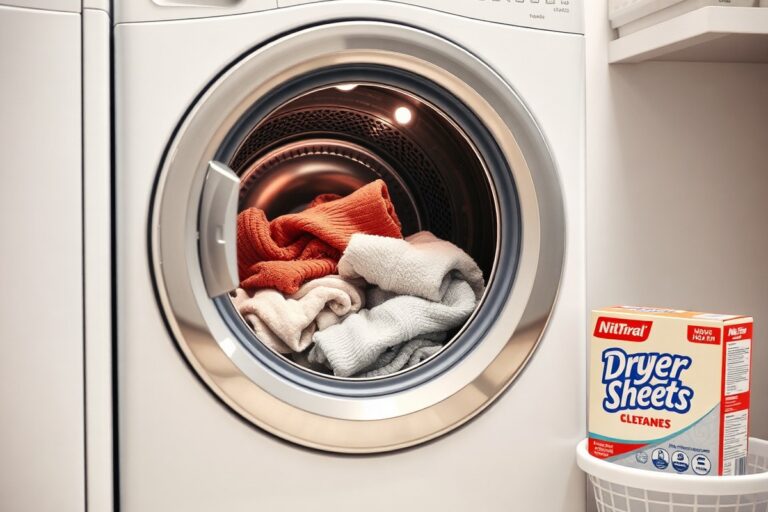
- If deodorant residue remains, try rubbing the area lightly with a dryer sheet as an alternative to detergent.
For delicate fabrics like silk or wool, always test any product on an inconspicuous area first and consider hand washing. Avoid prolonged soaking or strong chemicals that could cause irreversible damage.
Handling Old and Set-In Stains
Old armpit stains become tougher because sweat proteins and deodorant minerals bond with fabric fibers over time. Repeated pre-treatment with enzyme-based stain removers or oxygen bleach can help loosen these set-in marks. Avoid using chlorine bleach, which can worsen yellowing on whites and cause fading on colors. Use this approach for deep-set stains:
- Apply an enzymatic stain remover to the affected area; ensure the product is safe for your fabric type.
- Allow it to work for 30 minutes or follow the product’s recommended time frame.
- Prepare a soaking solution with warm water and oxygen bleach powder (if safe for fabric).
- Soak the garment for 1 to 2 hours, checking occasionally to avoid damage.
- Wash the garment in the warmest water allowed, using a strong detergent.
- Repeat treatments if necessary but avoid drying until stains are fully removed.
Long delays before treating stains increase the chance of permanent discoloration. Store stained clothes in water or pre-treat soon after wearing to improve removal success.
2. Why Do Armpit Stains Form and How Deodorant Affects Them

Armpit stains form because sweat, deodorant ingredients, and your shirt fabric interact in ways that cause discoloration over time. Sweat alone doesn’t create the typical yellow tint; it’s the reaction between sweat proteins, aluminum compounds in many deodorants, and the fabric that leads to stains. Understanding these factors helps you tackle stains effectively and prevent damage when cleaning.
Sweat and Its Role in Stain Formation
Sweat itself is mostly water but contains proteins and salts that can affect fabrics. By itself, sweat doesn’t usually cause yellow stains; instead, the proteins break down and mix with bacteria on your skin, which can lead to odor and some mild discoloration. The real issue starts when sweat reacts with certain chemicals in deodorants.
Sweat’s protein content plays a key part in stain formation because that protein reacts chemically with other substances. This means the longer sweat stays on your shirt without washing, the more it can set into fabric, making stains harder to remove.
Deodorant Ingredients That Cause Yellowing
Many antiperspirants contain aluminum compounds such as aluminum zirconium. These molecules bond to sweat components during perspiration and stick to fabric fibers. This bonding creates a buildup that doesn’t wash out easily, resulting in yellow underarm stains.
Aluminum reacts specifically with the protein in sweat, causing a chemical reaction that looks like yellow stains. This reaction is similar to how bleach can sometimes make protein stains appear more visible. Differences in deodorant formulas mean that some products cause stains faster or more intensely than others.
How Fabric Type Influences Stain Formation
The kind of fabric your shirt is made from affects both how stains form and how well you can remove them. Natural fabrics like cotton tend to absorb sweat and deodorant compounds more deeply, leading to more pronounced yellow stains if left unwashed.
Synthetic fabrics like polyester often trap oils and chemicals from deodorants closer to the surface but can also hold onto residues that cause stains. The weave and thickness of the fabric also matter, tighter weaves may resist some stains better, while thinner shirts show discoloration more clearly.
Why Prompt Washing Matters
Washing your clothes promptly after wearing them helps prevent sweat and deodorant residues from setting into fabric fibers. Using regular laundry detergent to remove sweat, bacteria, and deodorant as soon as you take off your shirt interrupts the chemical reaction that causes yellow stains.
Delays in washing give time for aluminum compounds and sweat proteins to bond and form a buildup. This buildup is much harder to remove later, especially on light-colored fabrics where it becomes very visible. Washing clothes in water between 100°F and 140°F with detergent designed to break down oils and proteins improves stain removal.
Let your deodorant dry fully before dressing to reduce transfer, and wash shirts promptly to stop stains from setting.
3. Natural and DIY Remedies for Armpit Stain Removal
Natural ingredients like baking soda, white vinegar, lemon juice, and aspirin offer safe and effective ways to remove armpit stains and neutralize odor. These remedies work by breaking down the proteins and oils that cause staining, as well as lifting discoloration without harsh chemicals. Using them correctly ensures you protect your fabric while improving the garment’s appearance.
Baking Soda and Hydrogen Peroxide Paste
Baking soda combined with hydrogen peroxide and sometimes salt creates a paste that targets stubborn sweat stains and odors. The baking soda acts as a gentle abrasive and deodorizer, while hydrogen peroxide brightens fabric and breaks down stain compounds. This mixture is safe for most white garments and some colored fabrics, but always test a hidden area first.
For a multi-action stain remover, you can add a small amount of dish soap. This helps dissolve the waxy buildup from antiperspirants often found in armpit stains. Follow these steps for applying the paste:
- Mix ½ cup baking soda, 1 tablespoon salt, and 1 tablespoon hydrogen peroxide in a bowl until you form a thick paste.
- Apply the paste generously to the stained area of the garment.
- Use a soft brush or your fingers to gently rub the paste into the fabric.
- Let the paste sit on the fabric for 30 minutes to an hour to allow it to work on the stain.
- Rinse off the paste thoroughly with cold water.
- Launder the garment as usual in the washing machine.
- Check the stain before drying. Repeat the process if any discoloration remains.
White Vinegar Soak Method
White vinegar breaks down the buildup of deodorant, sweat, and body oils that create yellow armpit stains. It’s a natural acid that works safely on white and colored fabrics. Soaking the garment in a vinegar solution before washing helps to loosen and dissolve tough stains. This method is best for lightly to moderately stained shirts, or as a pretreatment step for more stubborn marks.
- Mix one part white vinegar with two parts warm water in a basin or sink large enough to submerge the shirt.
- Place the stained area or the whole garment into the solution, fully soaking the fabric.
- Allow it to soak for 30 minutes to loosen the stain and deodorize.
- Remove the garment and gently rub the stained area to help lift the buildup.
- Rinse with cold water.
- Wash the garment as usual in your washing machine.
- Air dry and check the stain once dry; repeat if necessary.
Lemon Juice and Sunlight Treatment
Lemon juice contains natural acids that break down sweat proteins and lighten stains. Sunlight adds a mild bleaching effect that improves results, especially on white cotton shirts. This treatment provides a safe and eco-friendly way to reduce armpit discoloration and odors.
Use this method for fresh or lightly set stains. Avoid it on delicate fabrics or dark clothing, as lemon juice and sunlight may cause color fading.
- Mix equal parts fresh lemon juice and water.
- Use a clean cloth or sponge to dab the lemon solution directly onto the armpit stain.
- Gently rub the fabric together to work the lemon juice into the fibers.
- Lay the garment flat in a sunny spot for 1 to 2 hours.
- Rinse the shirt with cold water to remove lemon residue.
- Wash the garment as usual and air dry.
- Repeat if stains remain, but limit sunlight exposure to prevent fabric damage.
Aspirin Powder Soak
Crushed aspirin tablets contain salicylic acid, which helps break down the proteins responsible for sweat stains. This remedy can be effective for lifting older, set-in stains. Aspirin powder is gentle on most fabrics but should be used with care on delicate materials. Combining aspirin with water creates a soaking solution that penetrates and weakens the stain before washing.
- Crush 3 to 4 uncoated aspirin tablets into a fine powder using a mortar and pestle or the back of a spoon.
- Mix the powder with half a cup of warm water until it dissolves.
- Soak the stained area in the aspirin solution for 2 to 3 hours.
- After soaking, gently rub the stained section to lift loosened residue.
- Rinse the garment thoroughly with cold water.
- Wash as usual in the washing machine.
- Check the garment when dry and repeat if the stain persists.
4. Choosing the Right Cleaning Products and Detergents
Choosing the right detergent and stain remover is key to effectively removing armpit stains without damaging your clothes. Protein-based stains from sweat respond best to enzyme cleaners because enzymes break down protein molecules at a microscopic level. For the best results, apply an enzyme cleaner like a pre-treatment directly to the stained area and let it sit for at least 30 minutes before washing.
Oxygen-based stain removers also work well, especially for tough yellow armpit stains on white and colorfast fabrics. These cleaners contain oxygen bleach agents like sodium percarbonate or hydrogen peroxide, which safely brighten and break down stains without harsh chlorine bleach. Tide Ultra Oxi Powder Laundry Detergent and Clorox 2 Stain Remover & Color Brightener are good examples containing these ingredients.
Avoid mixing chlorine bleach with ammonia or other chemicals, as it can release toxic fumes and may make sweat stains worse by yellowing the fabric. Also, avoid chlorine bleach entirely on protein stains because it reacts with sweat compounds and can make stains more noticeable.
Applying enzyme cleaners as a pre-treatment within hours of notice improves stain removal success, and washing with an oxygen-based detergent in warm water typically finishes the job. For delicate fabrics like silk, test stain removers on an inconspicuous spot first because enzymes and oxygen bleach can sometimes alter color or texture.
| Product Type | Key Ingredient | Purpose | Application | Notes |
|---|---|---|---|---|
| Enzyme Cleaner | Protease enzymes | Breaks down protein stains like sweat | Apply directly, sit 30+ minutes before washing | Best on fresh stains; safe for most fabrics |
| Oxygen-Based Stain Remover | Sodium percarbonate or hydrogen peroxide | Brightens and removes tough yellow stains | Added to wash cycle or used as pre-soak | Works on whites and colorfast fabrics |
| Chlorine Bleach | Sodium hypochlorite | Whitening but harsh on protein stains | Not recommended on armpit stains | Can worsen yellowing; avoid mixing with ammonia |
| Standard Detergent | Varies with brand | General cleaning | Wash stained clothes as usual | Combine with enzyme or oxygen boosters for best effect |
For best results, quickly pretreat stains and wash clothes as soon as possible. Use warm water, around 90 to 110°F (32 to 43°C), which helps activate enzymes without damaging fibers. Enzyme cleaners typically cost between $5 and $12 for common household brands, while oxygen-based detergents and stain removers fall into a similar price range depending on size. You can often find these products at grocery stores or online.
Combining an enzyme-based pre-treatment with an oxygen bleach laundry detergent creates a powerful cleaning duo against protein-based armpit stains. Avoid harsh chlorine bleach products and chemical mixtures to protect both your clothes and your health.
5. Safety Tips and Chemical Precautions When Removing Stains
Many common household chemicals used for armpit stain removal can react dangerously if mixed. Never combine bleach with vinegar, ammonia, or hydrogen peroxide. These mixtures release toxic gases that pose serious health risks. Always use these products separately and in well-ventilated areas to avoid inhaling fumes.
Before applying any cleaning solution, test your garment’s colorfastness with a spot test. Choose a hidden area such as the inside hem and apply a small amount of the cleaner. Wait 10 to 15 minutes, then blot with a white cloth. Avoid using the product on the stain if it causes the fabric to lose color, bleed, or look different.
Hydrogen peroxide can be effective for whitening and breaking down organic stains on white or colorfast fabrics. Use a 3% hydrogen peroxide solution and test a hidden spot first. Avoid using it on colored fabrics unless you confirm the fabric can handle it. Apply peroxide directly as a paste or soak, then wait about 10 minutes before rinsing or laundering.
White vinegar is a mild acid useful for mild armpit stains and odor neutralizing. Dilute it with water, usually one part vinegar to two parts water for colored fabrics, and test for colorfastness first. Avoid soaking fabrics in vinegar for too long, as overexposure can weaken fibers or alter dyes.
- Always read and follow product labels for safety and fabric recommendations.
- Do a spot test on an inconspicuous area before applying any cleaner.
- Combining bleach with vinegar, ammonia, or hydrogen peroxide creates dangerous chemical reactions and should always be avoided.
- Use cool or warm water for soaking to protect fabric fibers and colors.
- Limit treatment time to 10, 15 minutes unless the product specifies longer.
- Wear gloves to protect your skin from irritation when handling cleaners.
- Ensure proper ventilation where you use chemical stain removers.
Testing a hidden spot can save your favorite shirt from permanent discoloration or damage.
Chlorine bleach is typically not recommended on yellow armpit stains or protein-based stains unless your fabric care label explicitly permits it. Oxygen bleach is usually a safer alternative for whites, as it’s less aggressive and less likely to cause fabric damage. When treating stains, avoid hot water, which can set stains, and instead opt for cool or warm water soaks. You can pre-soak the stained area overnight if the fabric allows. However, some stain removers require rinsing or laundering within 15 minutes to prevent damage, so always check the instructions.
6. Preventing Future Armpit Stains Through Lifestyle and Laundry Habits
Preventing armpit stains depends largely on your choices around deodorants, clothing, hygiene, and laundry habits. Using an aluminum-free deodorant can lessen yellow staining on shirts because aluminum compounds in antiperspirants often react with sweat to create those marks. These aluminum-free options cost anywhere from $5 to $15 per stick or spray and work well if you notice repeated stains despite washing.
Proper hygiene helps too. Shower regularly and allow your skin to dry fully before applying deodorant. Applying antiperspirant or deodorant at night can improve effectiveness and reduce residue buildup that contributes to stains. Make sure to let your deodorant dry completely before dressing to avoid transferring product onto fabrics.
Laundry plays a big role in preventing buildup. Wash clothes promptly after wearing to avoid sweat setting into fabric, ideally within 24 hours. Use the warmest water temperature safe for your fabric, usually between 104°F (40°C) and 140°F (60°C), as hot water can help dissolve sweat and deodorant residues better. Skip fabric softeners since they can trap oils and create rinse issues, making stains stick around.
Choosing the right fabrics also lowers the chance of noticeable stains and odors. Natural, breathable fibers like cotton or linen let sweat evaporate faster, preventing trapped moisture that leads to stains. Synthetic fabrics like polyester can hold onto sweat and odors more stubbornly.
- Switch to aluminum-free deodorant if you often get yellow stains
- Apply deodorant to dry skin and let it dry fully before dressing
- Wash sweaty clothes as soon as possible, within 24 hours
- Use the warmest water safe for your fabric to break down residue
- Avoid fabric softeners that can trap oils and residues
- Wear breathable fabrics like cotton or linen to reduce sweat buildup
- Consider wearing an undershirt to protect outer clothing
These habits combined make it much harder for stains to form or set in. Using an undershirt adds a protective barrier, absorbing sweat before it reaches your outer layer. Following these steps may require a bit more time and care, but they reduce the need for heavy stain treatments later. If some methods don’t seem to work, adjusting your deodorant brand or laundry temperature might improve results. Not addressing these factors often leads to persistent stains and odors despite repeated cleaning.
7. How Fabric Type Influences Armpit Stain Removal Success
Different fabrics handle armpit stains in distinct ways. Cotton, being a natural fiber, absorbs sweat and deodorant easily, which makes stains appear quickly but also allows the fabric to release those stains more effectively during washing. Synthetics like polyester and nylon trap sweat and deodorant more than cotton does. This trapping leads to tougher stains and lingering odors because the fibers hold onto bacteria.
Blended fabrics combine the characteristics of both natural and synthetic fibers. Stain removal on blends can be trickier because the synthetic part resists cleaning, while the cotton part cleans more easily. You need to balance cleaning to avoid damage to delicate synthetic fibers, which sometimes break down or lose shape with harsh treatments used on cotton.
| Fabric Type | Stain Resistance | Cleaning Approach | Common Risks | Recommended Pretreatment |
|---|---|---|---|---|
| Cotton | Lower resistance; stains absorb but wash out easier | Use warm water (up to 104°F / 40°C), detergent with enzymes, soak briefly | Color fading with hot water or bleach | Apply enzyme-based stain remover or detergent prewash |
| Polyester | Higher resistance; traps sweat and deodorant deeply | Use cool to lukewarm water (below 95°F / 35°C), gentle detergent; avoid bleach | Heat damage, fabric distortion, lingering odor if not fully treated | Use baking soda on damp stain before washing for odor and stain boost |
| Blends (Cotton/Synthetic) | Medium resistance; depends on ratio of fibers | Use moderate temperature water, gentle detergent, short soak; test colorfastness first | Shrinkage, damage to synthetic fibers if overheated or scrubbed | Gentle enzymatic pretreatment, avoid excessive drying heat |
You may notice that cleaning cotton stains usually removes odors as well. With synthetics, odor can persist because bacteria get trapped in the fibers. You might need to repeat pretreatment or use odor-neutralizing boosters like baking soda. Avoid applying very hot water or bleach on synthetics to prevent fabric damage. Blended fabrics require cautious treatment to avoid harming either component.
Cleaning treatments should match fabric breathability. Cotton breathes well, so stains and moisture wash out faster. Synthetic fabrics’ tight weaves reduce airflow, holding stains and odors longer and requiring mild but persistent cleaning methods. Pretreat your garments by applying an enzyme-based detergent or a detergent designed for stains, and let it sit for 15 to 30 minutes before washing. For tough stains on synthetics, sprinkle baking soda on dampened areas, then launder with a proven stain remover like Persil ProClean Stain Fighter, which can tackle build-up without harsh bleaching.
8. When to Seek Professional Help for Tough Armpit Stains
Armpit stains that have set in after multiple wears and washings often require professional attention. These stains usually appear yellow or dark and resist home treatments such as soaking or applying natural remedies. One clear sign is if the discoloration remains after several washings with specialized stain removers and fabric rinses, or if the fabric feels stiff or damaged in the stained area. Trying to tackle these stains at home beyond this point may waste time and damage the garment further.
Professional cleaners use targeted techniques that differ from standard laundering. They often apply specialized chemical treatments designed to break down the sweat, deodorant residues, and fabric discoloration without harming the garment. Treatment might include pretreating the stain with oxidizing agents or enzyme-based solutions, followed by controlled machine washing with industrial detergents and extra agitation to loosen buildup. For delicate fabrics, spot treatment and hand cleaning under expert supervision reduce the risk of fabric damage.
Turning to experts means preparing for both the costs and time the process can involve. Basic stain removal services typically cost between $10 and $30 per garment, but more stubborn stains or delicate fabrics requiring special care may command higher fees. The cleaning process can take one to three days, depending on the cleaner’s schedule and the treatment needed. If multiple treatments are necessary, this may extend the timeline. Some professionals also offer express services with a surcharge.
Professional cleaning involves a few risks you should consider. Chemicals potent enough to remove tough stains may weaken fabric fibers or cause color fading if not applied properly. Trustworthy professionals will assess the garment’s material and condition before proceeding, minimizing risks. Still, vintage or very delicate items carry some risk of damage regardless of the care taken. It’s a good idea to ask the cleaner about their experience with similar fabrics and stains and to inquire about guarantees or liability policies.
Always check the garment label and inform your professional cleaner about any previous treatments or concerns to avoid unintended damage during stain removal.
Step-by-Step Action Plan to Remove Armpit Stains
Follow these practical steps to effectively tackle armpit stains and keep your shirts looking fresh.
- Before you start: Check the fabric type on the shirt’s care label to choose the right stain removal method and avoid damage.
- Day 1: Pretreat the stain with a stain remover or a natural solution such as a paste of baking soda and water. Let it sit for 15-30 minutes, then rinse with cold water. The stain should start loosening.
- Day 2: Wash the shirt in cold water using a detergent designed for stain removal. Avoid hot water which can set the stain. Check if the stain is gone before drying.
- After washing: Air dry the shirt. Avoid using a dryer until you confirm the stain is fully removed, since heat can make stains permanent.
- Week 1: For persistent stains on durable fabrics, apply an oxygen-based bleach following product instructions and wash again. Confirm the stain fades without fabric damage.
- Week 2: If stains remain, consider professional cleaning, especially for delicate or expensive fabrics. Professionals can use treatments not available at home.
- Ongoing: Prevent new stains by switching to a non-staining deodorant, wearing undershirts, and washing shirts promptly after use.
Frequently Asked Questions
What Household Items Can I Use to Remove Armpit Stains?
Basic household items like vinegar, baking soda, and lemon juice can help remove armpit stains effectively without harsh chemicals. These natural options work well for both white and colored shirts when used properly.
Can Armpit Stains Be Completely Removed from All Fabric Types?
Complete removal depends on the fabric; natural fibers often respond better than synthetic ones. Always check the care label and test stain removers on a small area first to avoid damage.
How Does Hard Water Contribute to Armpit Stain Formation?
Hard water contains minerals that can combine with sweat and deodorant to worsen stains. Using a water softener or specific detergents can reduce these minerals’ effects on clothing.
Is It Safe to Mix Baking Soda and Hydrogen Peroxide for Stain Removal?
Mixing baking soda and hydrogen peroxide is effective but should be done cautiously to avoid fabric damage. Use small amounts and avoid mixing with bleach or vinegar to prevent hazardous reactions.
Can Washing Stained Shirts on Hot Water Settings Improve Stain Removal?
Hot water can help break down sweat and deodorant residues, but check fabric care labels first. Hot water might set protein-based stains on some fabrics, so warm or cold water is often safer.
Are Odor-Removing Products Necessary When Treating Armpit Stains?
Removing odor is helpful but optional as many stain removers also target smell. Using detergents with odor-eliminating formulas ensures your shirts smell fresh after cleaning.
The Bottom Line
Removing armpit stains takes the right approach for your shirt’s fabric and timely treatment. Take action today by testing a stain remover on a small area to ensure it works well with your fabric, then proceed with washing as instructed. Maintaining good habits will keep your shirts looking their best longer.