How to Get Rid of Deodorant Stains on Shirts: 8 Effective Methods That Work
To get rid of deodorant stains on shirts, use white vinegar or a hydrogen peroxide paste applied directly to the stained area, then wash with warm water. For fresh stains, rubbing with an old pair of nylon tights can help lift off the residue quickly. These methods target the stain before it sets, improving your chances of removal.
This advice is for anyone dealing with deodorant marks on their clothes who wants effective, easy solutions. The steps outlined here cover multiple fabrics and stain types, providing reliable techniques that minimize damage and keep your shirts looking clean.
Key Takeaways
- Submerge yellow deodorant stains in white vinegar for 45 to 60 minutes, then launder with the hottest water allowed by the fabric’s care instructions.
- Combine vinegar, hot water, dish soap, and salt to treat stubborn stains, soak for an hour, then wash as usual.
- Apply a hydrogen peroxide paste and let it sit 15 to 30 minutes to effectively break down stains on durable fabrics.
- Rub fresh deodorant stains gently with a piece of nylon tights to remove residue without chemicals.
- Pour hot water on the stained area and let it sit 10 to 30 minutes to loosen older stains before scrubbing.
- Avoid washing deodorant-stained shirts in cold water, as warm water improves stain removal efficiency.
1. Fast and Effective Ways to Remove Deodorant Stains from Shirts

Deodorant stains can appear quickly and spoil the look of your shirt in seconds. Acting as fast as possible is key to removing these marks before they set into the fabric. Common household items like baking soda and white vinegar are effective and gentle ways to tackle deodorant stains without needing immediate machine washing. This is especially helpful when you’re short on time or away from laundry facilities.
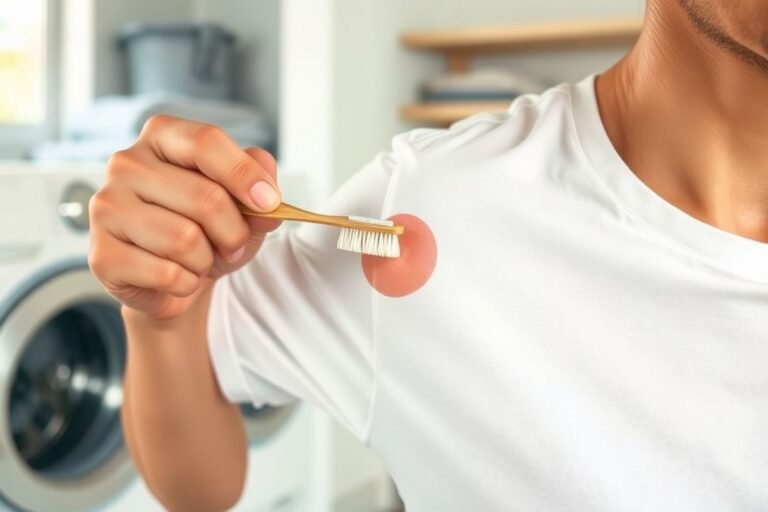
White vinegar helps break down the residue left by deodorants, while baking soda acts as a mild abrasive that lifts buildup without damaging your shirt. You’ll also want to use a soft-bristled toothbrush to work these cleaners into the fabric gently. These methods work equally well on black, colored, or white shirts and can be done quickly, saving your outfit for the day.
- Turn your shirt inside out. This exposes the stained area better and prevents spreading the stain during treatment.
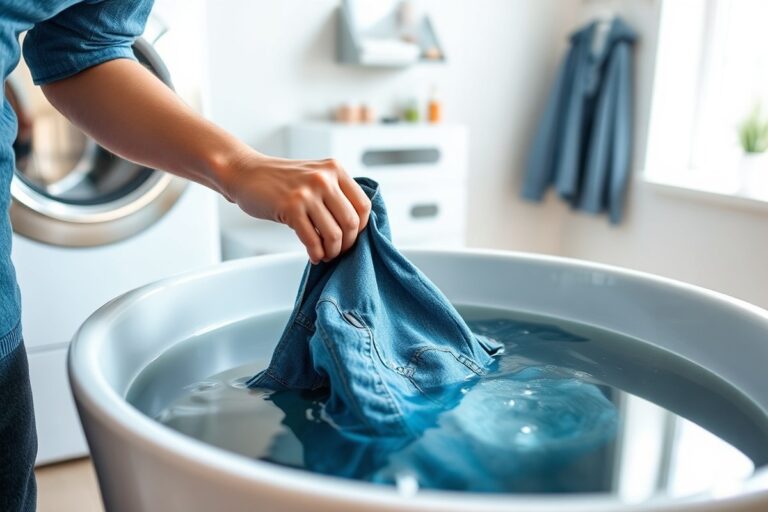
- Soak the stained part in white vinegar. Use enough vinegar to cover the stain and let it sit for 45 to 60 minutes. Vinegar loosens the deodorant buildup effectively, especially for yellowish stains.
- Make a baking soda paste. Mix baking soda with water in a 3:1 ratio (three parts baking soda to one part water) until it forms a thick paste. This uses a cheap and common household ingredient that targets deodorant stains fast.
- Apply the paste to the stain. Use a soft-bristled toothbrush to gently scrub the paste into the fabric. Scrub for 1 to 2 minutes focusing on the stained area, which helps break up residue without damaging fibers.
- Let the paste sit for 15 minutes. This allows baking soda to absorb the stain and deodorant oils before rinsing or washing.
- Rinse or wash the shirt promptly. Rinse under warm water or wash according to the shirt’s care label with an effective detergent like Tide Ultra Stain Release Liquid. Warm water helps dissolve deodorant residues better than cold water.
- Check the stain before drying. If the stain remains, avoid the dryer, which can set it permanently. Repeat the steps or try soaking the shirt in a mixture of hot water, vinegar, dish soap, and salt for an hour before washing again for tough stains.
These measures typically require less than an hour including soaking and scrubbing time, and use inexpensive ingredients most people already have at home. Acting fast preserves both your shirt’s appearance and fabric life. Avoid using harsh chemicals or excessive scrubbing to prevent damage, especially on delicate fabrics.
2. Why Do Deodorant Stains Form and How Sweat Affects Them
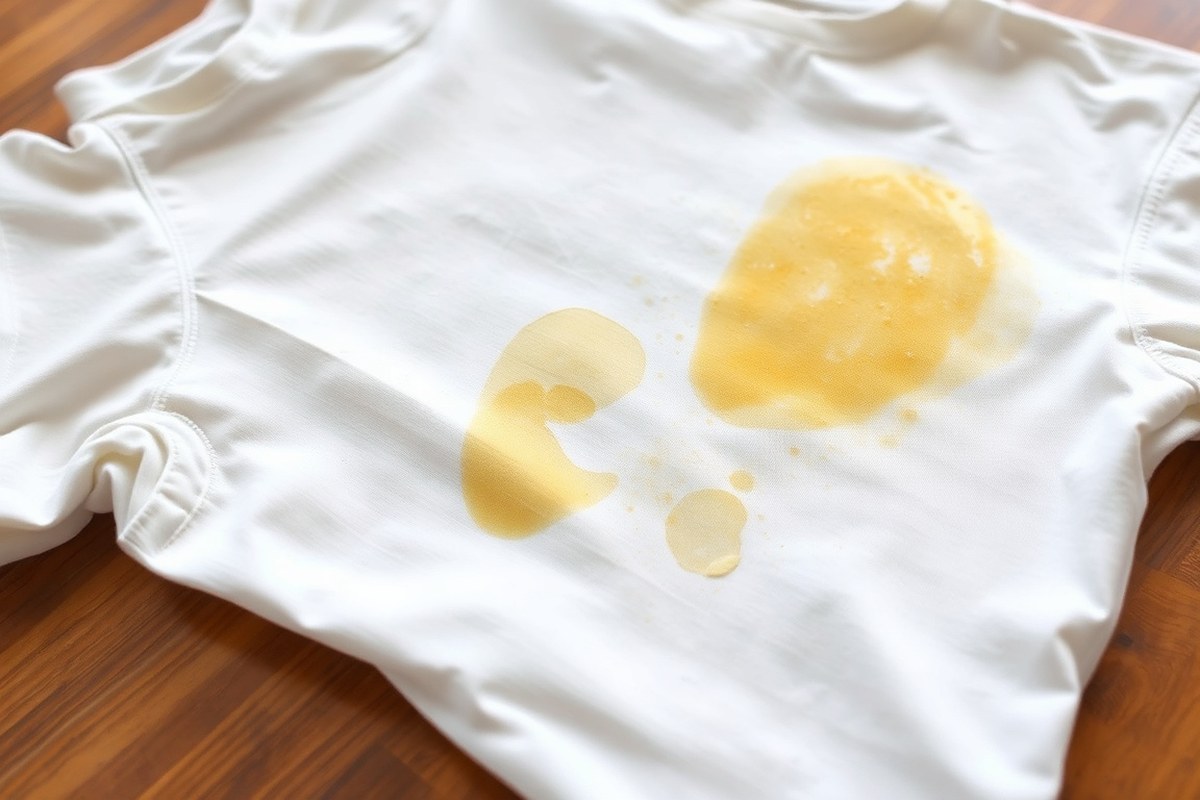
Deodorant stains form on shirts mostly due to certain ingredients, particularly aluminum salts found in many antiperspirants. These substances react with sweat after it touches your clothing, creating white or yellowish discolorations, especially visible on dark or light garments. The combination of aluminum salts and sweat minerals leaves a residue that clings tightly to fabric, making those pesky stains hard to remove.
Sweat itself is mostly water but contains proteins and minerals that play a role in stain formation. When sweat meets deodorant ingredients, especially if you apply too much product or put clothes on before the deodorant dries, the mixture clings to the fibers. Over time, this results in crusty or set-in marks that can be tough to remove. That is why fresh deodorant marks come off more easily than long-lasting yellow stains caused by the same chemical reaction combined with bacteria from sweat.
Not all white marks on shirts come from deodorant. Some visible residues are simply dried deodorant, appearing as chalky or powdery streaks that you can usually remove by lightly rubbing or washing. On the other hand, some yellow or brownish stains happen because sweat breaks down and interacts with the deodorant chemicals, creating pigment that embeds in fabric. This is especially common on white or light-colored shirts, where you’ll notice those dull yellow stains under the arms.
Clothing chemistry also affects how stubborn deodorant stains become. Synthetic fabrics like polyester or blends often show white marks more clearly than cotton due to their texture and moisture resistance. On cotton, sweat may soak in more deeply, which can cause yellowing. To reduce this, wash shirts soon after wearing, especially whites and light colors, to stop bacteria from combining with the deodorant residues in sweat.
Proper application of deodorant helps limit stains. Let the product dry fully before putting on your shirt, and avoid layers of heavy antiperspirant. This cutback lowers the chance that excess aluminum salts mix with sweat and fabric. Since aluminum salts are common in antiperspirants, switching to deodorants without them could reduce staining, particularly if you have frequent problems with marks or yellowing on your clothes.
Let your deodorant dry completely before dressing to prevent residue buildup and reduce the chance of stubborn stains.
3. Best Stain Removal Methods for White, Colored, and Dark Shirts
White, colored, and dark shirts require different treatments to best tackle deodorant stains. White fabrics respond well to bleaching agents like hydrogen peroxide, while colored and dark clothes need gentler methods to prevent fading and damage. Using the right stain remover and application method depends on the fabric color and type, ensuring effective stain removal without ruining your shirts.
Treatment Options for White Shirts
Hydrogen peroxide is highly effective for removing deodorant stains on white and very light-colored shirts because of its bleaching and oxidizing properties. Mix 6 tablespoons (89 mL) of hydrogen peroxide with 3 tablespoons (44 mL) of liquid dish soap for a strong stain-fighting solution. Apply this mixture to the stain and gently scrub with a small brush. Let it sit for about 10 minutes before rinsing.
Adding a splash of white vinegar to your laundry can further brighten white shirts and remove residual stains. Another option for white fabrics containing spandex is Clorox 2™ for Colors Laundry & Fabric Stain Remover, which preserves elasticity while treating stains. Baking soda mixtures also work well to lift sweat and deodorant stains from most white clothing.
Safe Methods for Colored Fabric
Hydrogen peroxide’s bleaching effect makes it unsafe for colored shirts without a prior test; it may lighten or discolor fabrics. Instead, soak deodorant-stained areas in diluted white vinegar before washing. Vinegar helps break down deodorant residue without fading the fabric.
Gentle detergents and stain removers designed for colors are recommended. Pre-treat stains by soaking the affected areas for about 30 minutes in a solution of 1 part white vinegar to 3 parts cold water, then wash as usual. Avoid hot water or strong bleaches, which can cause colors to fade or run.
Removing Stains from Dark and Black Shirts
Dark clothes face a stain removal challenge opposite to white shirts. Deodorant residue often appears as white chalky marks rather than yellow stains. Since detergents usually do not bleach dark fabrics, avoid hydrogen peroxide or bleach in these cases.
A recommended method involves pre-treating stains with diluted white vinegar, which breaks down deodorant buildup safely. Spray or soak the stained area, let it sit for around 10 to 15 minutes, then launder with a detergent formulated for dark fabrics. This helps prevent fading and preserves fabric color.
Using cool or lukewarm water during washing also protects the dark color. Avoid scrubbing harshly as friction can damage the fabric surface and dull the color. The table below compares stain removal methods by shirt color, their effectiveness, safety, and special considerations:
| Shirt Color | Recommended Method | Safe Use of Hydrogen Peroxide | Additional Tips |
|---|---|---|---|
| White or Very Light Colors | Hydrogen peroxide + liquid dish soap mixture; baking soda paste; Clorox 2™ for spandex blends | Safe and effective; acts as a mild bleach | Add white vinegar to laundry for extra whitening |
| Colored Shirts | Diluted white vinegar soak; gentle detergent pre-treatment | Not recommended without testing; risk of fading/discoloration | Use cold water wash; avoid strong bleaches |
| Dark and Black Shirts | Diluted white vinegar pre-treatment; detergent for dark fabrics | Not safe; avoid to prevent chalky white spots and fading | Use cool/lukewarm water; gentle scrubbing only |
Using hydrogen peroxide on white fabrics gives a bright, clean result with stain oxidation and whitening. Vinegar treatments on colored or dark fabrics avoid bleach damage while loosening deodorant buildup. Understanding these differences helps protect your shirts’ colors and fabric integrity during deodorant stain removal.
4. How to Safely Remove Deodorant Stains from Delicate Fabrics
Safe removal of deodorant stains from delicate fabrics requires gentle techniques that avoid damage. Delicate materials like silk, lace, and bras respond best to cold water, mild detergents, and careful handling instead of harsh chemicals or vigorous scrubbing. This preserves the fabric’s texture and elasticity while still addressing stains effectively.
Using Mild Detergents and Cold Water Soaks
Delicate fabrics are sensitive to heat and strong chemicals, so treat deodorant stains with cool or cold water and mild detergents designed for delicate garments. Avoid rubbing the fabric harshly as this can cause distortion, especially on materials like silk or lace. Bras and undergarments benefit from hand washing in a water bath to protect elastic and underwiring. Follow these steps to safely soak and clean delicate items:
- Fill a basin with cold water and add a small amount of gentle detergent formulated for delicates.
- Submerge the stained area or entire garment and let it soak for 15 to 30 minutes to loosen deodorant buildup.
- Gently agitate the water with your hand without scrubbing the fabric.
- Rinse thoroughly under cold running water until all detergent residue is gone.
- For bras, avoid twisting or wringing; press out excess water gently.
- Lay flat on a clean towel or hang damp bras to dry in indirect sunlight to preserve shape and elasticity.
- If stains remain, repeat the soak before drying to avoid setting the stain.
Avoiding Bleach and Harsh Chemicals
Bleach and strong stain removers can seriously damage delicate fabrics by weakening fibers, fading colors, and ruining elastic components in bras. Chlorine bleach, in particular, should never touch yellowed deodorant stains on delicate items because it can worsen staining.
Using mild products minimizes the risk of fabric damage. Hydrogen peroxide can be an occasional addition at a small amount to the soak water (for example, a splash of 3% hydrogen peroxide in a basin) to help with stubborn stains, but test on an inconspicuous spot first. Professional dry cleaning is the safest option for expensive or very fragile pieces.
Spot Treatment with Baby Wipes or Makeup Remover
Baby wipes and gentle makeup removers can offer a quick, safe way to tackle deodorant stains on delicate fabrics without a full wash. These products usually contain mild ingredients that lift the deodorant residue without harsh abrasion or chemicals. To treat spots safely, follow these tips:
- Test a wipe or remover on a hidden area of the fabric to check for discoloration or damage.
- Lightly dab (don’t rub) the stained area with a baby wipe or a cotton ball soaked in gentle, alcohol-free makeup remover to soften and lift the deodorant.
- Rinse the fabric with cold water afterward to remove any residue from the wipe or remover.
- Allow the item to air dry flat or hang it, avoiding heat sources that might set any remaining stain.
- Repeat these steps as needed, but limit frequency to avoid fabric irritation or weakening.
5. Prevention Strategies to Avoid Deodorant Stains in the Future
Preventing deodorant stains starts with using the right product and applying it correctly. Many yellow or white marks come from aluminum compounds found in traditional antiperspirants, which react with sweat and fabric. Switching to an aluminum-free natural deodorant can reduce the risk of these stains because it eliminates this chemical reaction. Natural deodorants often contain less residue and are less likely to leave visible marks on shirts.
Applying deodorant properly also matters. It’s best to apply it to clean, dry skin and allow it to fully dry or absorb before putting on your shirt. This usually takes about 2 to 3 minutes. If your deodorant is still wet or sticky, it will transfer easily to fabric and create stains. Spray or roll-on products should be applied evenly and sparingly to avoid thick layers that cling to clothing.
- Use aluminum-free, natural deodorants to reduce stain risk.
- Wait 2 to 3 minutes after application for the product to dry before dressing.
- Apply deodorant in a thin, even layer only on clean, dry skin.
- Avoid fabric softener, which can trap deodorant residue in clothes.
- Wash shirts promptly with enzymatic or liquid detergents that break down oils.
- Consider using ARM & HAMMER™ Baking Soda to help neutralize odors and prevent buildup.
- Test any new deodorant on an old shirt to see how it affects fabric before adding it to your daily routine.
Natural deodorants can help but may need time to adjust as your body adapts. Some people find natural options less effective at controlling sweat, which could increase fabric staining from sweat itself. You might want to try different formulations or brands until you find one that balances personal odor control with minimal staining. The cost of natural deodorants varies, typically ranging from $5 to $15 per stick, which is a reasonable investment if it helps keep your shirts stain-free.
Always let your deodorant fully dry before putting on your shirt to prevent transfer and buildup of residue on fabric.
Taking these prevention steps only saves time and headache later. Using proper products and methods limits residue buildup, reducing how often you need special stain treatments. Over time, avoiding fabric softeners and washing shirts quickly after wear also lowers the chance of deodorant stains becoming permanent or yellowed. Most importantly, these strategies help keep your favorite shirts looking clean and fresh without extra effort.
6. Common Mistakes When Removing Deodorant Stains and How to Fix Them
One common mistake that reduces the effectiveness of deodorant stain removal is waiting too long to treat the stain. Stains that sit for days, or even weeks, become harder to remove because the oils and chemicals bond tightly with fabric fibers. Treat stains within a few hours for the best chance of success.
Another frequent error is using harsh chemicals like bleach or excessive hydrogen peroxide without testing first. Bleach can discolor or weaken fabric, especially colored or delicate materials. Hydrogen peroxide, though milder, may lighten colors if used in high concentrations or left on too long. Always do a spot test on a hidden area for 5 to 10 minutes before applying widely.
Using too much product or not rinsing thoroughly may leave residue that attracts dirt or causes fabric stiffness. Follow recommended amounts, such as 1 tablespoon of baking soda in a paste or a 3% hydrogen peroxide solution, and rinse well after treatment. Over-saturating fabric can also increase drying time and risk damage.
- Don’t rub the stain aggressively; gently blot or dab to avoid fabric damage.
- Avoid hot water for protein-based stains since it can set them; use cold or lukewarm water instead.
- Pre-treat yellow stains with a vinegar or baking soda solution before washing.
- Do not put stained shirts in the dryer before the stain is fully removed as heat sets the stain permanently.
- Use gentle laundry detergents to avoid harsh chemical interactions with deodorant residues.
To check if a stain is permanent, inspect the fabric after treatment and washing, before drying. If the stain lightens but remains visible, repeat pre-treatment and washing. A stain that doesn’t improve after two or three attempts, especially if set by heat or time, might be permanent.
Test new methods on less visible areas to avoid surprises. For instance, homemade pastes with vinegar and baking soda can cost only a few cents per application, but incorrect use might harm the fabric, requiring costly replacements. Avoid aggressive commercial stain removers on delicate fabrics without consulting care labels.
7. Safe Use of Chemicals and Natural Ingredients for Stain Removal
Deodorant stains often come from aluminum salts, which vinegar can break down due to its mild acidity. Mix equal amounts of white vinegar and water before applying it to the stain with a cloth or spray bottle. Let the mixture sit for 10 to 15 minutes without soaking too long to protect the fabric’s strength. Rinse the area with cool water and then wash the shirt as usual. Most fabrics and colors tolerate vinegar well, but always test a hidden spot first for any fading or damage.
Stronger stain removers like bleach and hydrogen peroxide need careful handling. A 3% hydrogen peroxide solution from the drugstore usually works on many fabrics. For tough stains, soak the fabric in a 1:1 mixture of peroxide and water for up to an hour, but no longer to prevent weakening or discoloration. Wash immediately after soaking. Avoid hydrogen peroxide on delicate fabrics like wool or silk to prevent damage. Chlorine bleach can harm many fabrics and colors, so only use it on bleach-safe white cotton shirts. Dilute bleach well, such as 1 tablespoon per quart of water, apply just to the stain, and rinse quickly to minimize harm.
When handling stain removers, follow these safety guidelines: work in a well-ventilated area, wear gloves to protect your skin, and avoid mixing chemicals, especially bleach with vinegar or other acids, as this can produce harmful fumes. Use cold or lukewarm water during treatment since hot water can set stains or damage delicate fibers. Do not vigorously scrub the fabric, as harsh friction can break fibers or ruin the shirt’s texture. Some materials, like stretch fabrics or fine knits, react poorly to strong chemicals and heat, so limit soak times and opt for gentler treatments, such as rubbing with nylon tights, which have a mild abrasive texture safe for most fabrics and colors.
After applying any chemical or natural ingredient, rinse the shirt thoroughly and wash normally. Good results appear as the stain fading significantly or disappearing completely after washing without weakening or discoloration of the fabric. Signs of fabric damage include thinning, holes, or color changes. Stop using that stain removal method and switch to a gentler one when you see damage, fading, or fabric weakening signs. Using the correct ratios for solutions and limiting exposure time prevents most problems and keeps your shirts looking fresh and stain-free over time.
8. Quick Fixes to Remove or Cover Deodorant Stains Without Washing
Deodorant stains can be tackled quickly without washing if you need a fast fix. Certain household items like dryer sheets, nylon stockings, or baby wipes can lift or hide these marks. Acting swiftly prevents stains from setting and keeps your shirt looking presentable until full cleaning is an option.
Using Dryer Sheets for Instant Stain Lift
Dryer sheets are designed to reduce static and soften clothes, but they also perform well on fresh deodorant stains. Their slightly abrasive texture and softening agents help loosen and remove white marks from fabric surfaces. To use a dryer sheet for deodorant stain removal, follow these steps:
- Take a used or new dryer sheet and fold it for better grip.
- Rub the stained area firmly in circular motions for about 30 seconds.
- Check the fabric to see if the stain has lifted; repeat rubbing if needed.
- Wipe off any residue with a clean dry cloth to avoid fabric buildup.
- If time allows, hang the shirt to air before wearing to prevent further transfer.
Always avoid putting stained shirts into the dryer before attempting to remove marks, since heat can set deodorant stains permanently.
Rubbing Fresh Stains with Nylon Stockings
Nylon stockings or tights are surprisingly effective for removing fresh deodorant marks quickly because their fine fibers apply gentle friction without damaging fabric. This method suits white deodorant buildup on both light and dark shirts. Try this technique right after you notice the stain for the best results:
- Grab an old or ripped pair of nylon tights to avoid worrying about damage.
- Stretch the nylon over your finger for control and rub the stained spot in circular motions.
- Continue rubbing for 1 to 2 minutes until the visible white residue disappears.
- Pat the area with a clean cloth to remove loosened particles.
- Wear the shirt promptly or store it for washing later to prevent sweat/oil stains.
Only use nylon on fresh marks; older stains mixed with sweat or oils often require enzyme cleaners for complete removal.
Applying Makeup Remover or Baby Wipes
Baby wipes or a gentle makeup remover wipe can dissolve fresh deodorant stains thanks to their mild cleansing and moisturizing ingredients. These quick fixes are ideal when you’re on the go and don’t have access to laundry products. To apply this method effectively:
- Select an unscented and alcohol-free baby wipe or a gentle makeup remover wipe.
- Gently dab the stained area, allowing the moisture to loosen the deodorant buildup.
- Wipe from the inside of the fabric outward to avoid spreading the stain.
- Use a dry tissue or cloth to pat the spot until mostly dry.
- Check the shirt under natural light; repeat as needed for better concealment.
Avoid vigorous rubbing with wipes to prevent stretching or damaging delicate fabrics.
Step-by-Step Action Plan to Remove Deodorant Stains Today
Follow these steps to tackle deodorant stains quickly and effectively. Check your progress after each to ensure the stain is fading.
- Before You Start: Identify the fabric type to choose the safest stain removal method, especially for delicates.
- Within 30 Minutes: Gently blot the stain with cold water to prevent setting. The stain should appear lighter.
- Day 1: Apply a paste of baking soda and water; let it sit for 15 minutes. The stain should start breaking down and become less visible.
- Day 1: Rinse thoroughly with cold water and launder the shirt per the care label. The deodorant mark should mostly disappear after washing.
- Immediately After Washing: Check the stained area before drying. If the stain remains, repeat the stain treatment, heat can set the stain permanently.
- For Dark or Colored Shirts: Use a color-safe stain remover following label directions after pretreatment. The color should remain intact with no visible stain.
- For Delicate Fabrics: Use a mild detergent or a targeted stain remover designed for delicate items. The fabric should stay soft and undamaged.
- After Treatment: Air dry the shirt whenever possible to avoid heat setting any faint residual stain.
Frequently Asked Questions
What Household Item Is Most Effective for Removing Deodorant Stains Quickly?
White vinegar is very effective at removing deodorant stains fast. Soaking the stain with it breaks down residue for easier washing afterward.
Can Deodorant Stains Be Removed Without Laundry Detergent?
Yes, baking soda can remove deodorant stains without detergent. It acts as a gentle abrasive and deodorizer, helping lift stains before washing.
Are Deodorant Stains More Difficult to Remove from Colored or White Shirts?
Colored and black shirts usually show deodorant stains more and can be harder to clean. White shirts are less likely to display residue clearly.
Can You Use Bleach to Remove Deodorant Stains Safely?
Bleach should be avoided on deodorant stains on colored and delicate fabrics to prevent damage. Use enzyme detergents instead.
Is It Necessary to Turn Shirts Inside Out to Remove Deodorant Stains?
Yes, turning your shirt inside out helps vinegar or stain remover reach the underarm stains more effectively.
How Soon Should You Treat Deodorant Stains for Best Removal?
Treat deodorant stains as soon as possible; fresh stains come out easier. Delaying makes them more stubborn.
Final Thoughts
Deodorant stains can be removed effectively by acting quickly and choosing the right method for your shirt’s fabric. The next time you spot a stain, try the baking soda paste first, check for results, and then wash carefully according to the plan. Keeping a small stain remover handy can save your shirts from permanent damage and keep them looking fresh.