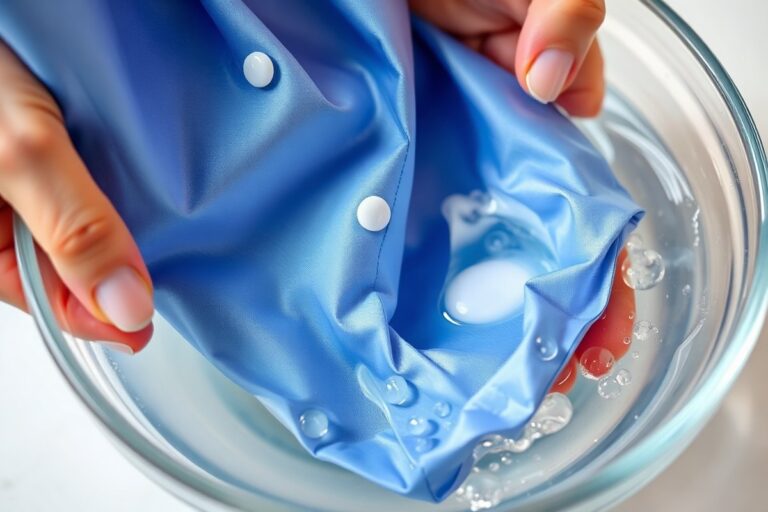
How Much Vinegar to Wash Clothes: Exact Amounts and Tips for Best Laundry Results
Use ½ to 1 cup of 5% white vinegar per laundry load to deodorize, soften, and brighten clothes effectively. For stronger vinegar concentrations like 10% or 30%, dilute accordingly to match the 5% level before adding to your wash. Add vinegar during the rinse cycle to avoid interfering with detergent cleaning power and protect fabrics.
Those wanting natural laundry solutions will find clear, practical advice on using vinegar safely for most cotton and polyester fabrics. This covers the exact amounts to use, how to adjust for different strengths, the best timing in the wash cycle, and handling particularly smelly or delicate clothes.
Key Takeaways
- Use ½ cup white vinegar for regular loads and up to 1 cup for very musty or smelly laundry.
- Dilute vinegar concentrations above 5% to avoid fabric damage; for 10% vinegar, use half the usual amount.
- Add vinegar at the rinse cycle to protect detergent effectiveness and fabric integrity.
- Pre-soak very smelly gym or sports clothes 20, 30 minutes in 1 cup vinegar per warm gallon of water before washing.
- Safe fabrics for vinegar include 100% cotton, permanent press cotton, and polyester; avoid on silk or delicate fibers.
- Vinegar softens fabrics naturally without buildup, helping avoid the need for chemical fabric softeners.
How Much Vinegar Should You Use per Laundry Load?

Amount of vinegar per laundry load varies by load size and your laundry goals, such as softening, deodorizing, or brightening. Using the right quantity helps vinegar work effectively without risking fabric damage or interfering with detergent cleaning.
For small loads, about ¼ cup (60 ml) of white vinegar works well. Standard loads generally need ½ cup (120 ml), and large or heavily soiled loads require between ¾ cup (180 ml) to 1 cup. Adding vinegar during the rinse cycle ensures it doesn’t neutralize the detergent during the wash. For soaking, use a stronger dilution: 1 cup of vinegar per gallon of warm water to soak clothes for 20 to 30 minutes before washing. This soak helps especially with musty smells or heavy odors.
| Load Size | Vinegar Amount (5% acidity) | Best For / Use |
|---|---|---|
| Small | ¼ cup (60 ml) | Lingerie, baby clothes, light loads; add in fabric softener dispenser during rinse |
| Standard | ½ cup (120 ml) | Everyday wear, mixed loads; add in rinse cycle or fabric softener dispenser |
| Large / Heavily soiled | ¾ cup to 1 cup (180, 240 ml) | Bedding, towels, bulk family loads; rinse cycle use; soak for odors |
| Odor pre-soak | 1 cup per gallon of warm water | Soak for 20, 30 minutes before wash; use for musty or very smelly loads |
| Empty washer cleaning | 1, 4 cups (240, 960 ml), depending on manufacturer instructions | Run on hot cycle; dissolves soap scum and residue |
Soaking clothes in a vinegar solution before washing helps remove stubborn odors more thoroughly than adding vinegar only to the rinse. Use about 1 cup of vinegar mixed in a gallon of warm water, soak clothes for 20 to 30 minutes, then wash normally with detergent. For routine softening and brightening, add vinegar during the rinse cycle using ½ cup for most loads. This amount is enough to dissolve detergent residue and prevent static cling without leaving a vinegar smell.
Adding too much vinegar can cause fabrics to weaken, especially with repeated use on delicate items, so stick to the recommended amounts. Using vinegar only in the rinse cycle avoids interference with detergents and helps maintain fabric quality. For heavily soiled or very large loads, increasing vinegar up to 1 cup per rinse cycle can give better results without harming clothes.
How to Adjust Vinegar Amounts Based on Concentration

Using vinegar with higher concentrations than the standard 5% requires proper dilution to avoid staining or damaging fabrics. For 10% vinegar, dilute it by half to match the strength of regular grocery vinegar. For 30% vinegar, dilute about 6 parts water to 1 part vinegar before adding it to your laundry. This ensures safe, effective cleaning without harming clothes or your washer.
Why Concentration Matters in Laundry Vinegar
Most grocery store vinegar comes at 5% acetic acid, a concentration low enough to be safe on most fabrics and washing machines. Vinegar at this level deodorizes, softens, and brightens clothes without harsh effects. Vinegars stronger than 5%, such as 10% or 30% solutions, are more acidic, which can cause fabric weakening, colour fading, or even leave stains if used undiluted. Knowing the concentration lets you adjust your vinegar to avoid these risks while still getting the benefits.
Using too strong a vinegar can lead to skin irritation upon handling and may damage health if splashed into eyes, so dilution is necessary. At home, diluting vinegar to the 5% level or lower matches the acidity of typical distilled white vinegar, making it safe for laundry use.
Diluting 10% Vinegar: Calculation and Mixing
10% vinegar contains double the acetic acid of regular grocery vinegar, so you need to dilute it by half to reach the 5% concentration safe for laundry. This means mixing one part 10% vinegar with one part water by volume. For example, if your recipe calls for ½ cup of 5% vinegar, mix ¼ cup of 10% vinegar with ¼ cup of water. Here is a simple step-by-step to dilute 10% vinegar before adding it to your washing machine:
- Measure the amount of 10% vinegar you plan to use (e.g., ¼ cup).
- Pour the vinegar into a clean container.
- Measure an equal amount of cold tap water (¼ cup).
- Add the water to the vinegar in the container.
- Stir gently to mix thoroughly.
- Pour the diluted vinegar into your washing machine during the recommended wash cycle timing.
Tip: Always dilute stronger vinegar before adding it to your wash to prevent fabric damage and maintain safe handling.
Diluting 30% Vinegar Safely for Laundry Use
Thirty percent vinegar is a much stronger acid, typically used for industrial cleaning or heavy-duty tasks. Direct use on clothes risks severe staining and fabric damage along with safety hazards handling it. To bring 30% vinegar down to the 5% concentration suitable for laundry, dilute 1 part vinegar with about 6 parts water by volume. For example, to prepare ½ cup of 5% vinegar equivalent, mix 1/8 cup (2 tablespoons) 30% vinegar with ⅝ cup (10 tablespoons) water.
Because 30% vinegar is corrosive to skin and eyes, wear gloves and eye protection while mixing. Use a plastic or glass container to avoid corrosion, and add vinegar to water, not the other way around, to minimize splashing. Use this diluted vinegar in place of regular vinegar in your laundry routine to deodorize and soften fabrics without risking damage. Follow these steps to dilute 30% vinegar safely:
- Gather safety gear: gloves and goggles.
- Measure 1 part 30% vinegar into a sturdy container.
- Measure 6 parts cold water and add it to the container slowly.
- Stir carefully to mix, avoiding splashes.
- Store diluted vinegar in a labeled container if not used immediately.
- Use the diluted solution as you would 5% vinegar in your laundry.
| Vinegar Concentration | Dilution Ratio (Water : Vinegar) | Example Mix (to make ½ cup) |
|---|---|---|
| 5% (grocery) | , | ½ cup vinegar only |
| 10% | 1 : 1 | ¼ cup vinegar + ¼ cup water |
| 30% | 6 : 1 | 2 tablespoons vinegar + 10 tablespoons water |
When and How to Add Vinegar During the Wash Cycle
Adding vinegar during the rinse cycle is usually best for softening fabrics and removing residues. The timing varies by washing machine type, with top loaders often requiring manual addition at the right moment, while front loaders allow using the fabric softener compartment. Pre-soaking clothes in a vinegar solution helps tackle heavy odors or tough stains before washing.
Adding Vinegar in Top Loader Washers
When using top-loading washing machines, add vinegar during the rinse cycle to keep it from diluting with detergent and losing effectiveness. Start the rinse cycle and wait until the tub fills with clear water, then pause the machine. Pour between 1/2 and 1 cup of white distilled vinegar straight into the water, then resume the cycle. Doing this removes soap leftovers, softens fabrics, and reduces smells.
Do not add vinegar in the detergent compartment because it will blend with detergent during the wash cycle and neutralize its benefits. Instead, wait for the rinse cycle to avoid this. Distributing clothes evenly around the agitator ensures the vinegar solution reaches all items for consistent results.
Adding Vinegar in Front Loader Washers
Front loaders typically feature a fabric softener compartment, making vinegar addition simpler. Pour 1/2 to 1 cup of white vinegar into that compartment before starting the wash. The machine automatically releases vinegar during the rinse cycle, maximizing benefits like fabric softening and odor removal.
Your front loader may not have a fabric softener compartment, or you might want to increase vinegar’s power against strong smells. Pause the machine once the rinse cycle starts and pour vinegar straight into the drum for best results. Avoid mixing vinegar with detergent to prevent neutralization.
Pre-Soaking Clothes in Vinegar Solution
Pre-soaking helps break down heavy odors and tough stains before machine washing. Mix 1 cup of distilled white vinegar with 4 cups of cool or lukewarm water (under 104°F or 40°C) in a basin large enough to hold your garments. Submerge clothes fully and soak for 30 minutes to an hour.
After soaking, transfer items to the washer and add detergent as usual. You can also add vinegar again during the rinse cycle to improve odor removal and fabric softening, especially for heavily soiled laundry like gym clothes or pet bedding.
- Use cool or lukewarm water to avoid damaging fabrics
- Soak for 30 to 60 minutes for best odor and stain treatment
- Rinse lightly after soaking if fabrics feel stiff before washing
- Do not exceed recommended vinegar amounts to protect colors and fibers
- Combine soaking with vinegar rinse cycle addition for tougher odors
Pre-soaking can cost only a few cents in vinegar and requires planning ahead but can significantly improve laundry freshness for challenging loads. Avoid soaking delicate fabrics without checking compatibility to prevent damage.
What Fabrics Are Safe or Risky with Vinegar Use?
Most common fabrics tolerate vinegar well, especially when diluted and used properly in the wash. Cotton, linen, polyester, and nylon usually handle vinegar safely without damage or color fading. Using vinegar solutions on these materials can soften fabric, brighten colors, and remove odors, making vinegar a practical laundry aid for daily use.
Delicate fabrics such as silk and wool require caution. Vinegar’s acidity risks weakening fibers, fading colors, or causing damage if used too often or in high concentrations. To avoid problems, check the care label for vinegar warnings and perform a spot test by applying a small amount of diluted vinegar to a hidden area of the fabric. Wait 15 to 30 minutes and look for color changes, texture shifts, or any surface damage before proceeding with a full wash.
Synthetics like acrylic or acetate may also need testing first since their response to acidity varies by fabric and dye. Avoid pouring undiluted vinegar directly on these materials to prevent potential staining or weakening of synthetic dyes.
- Safe fabrics for vinegar: 100% cotton, permanent press cotton, polyester, nylon, linen
- Test first on silk, wool, acrylic, acetate, and other delicate or blended fabrics
- Always check the garment’s care label for vinegar or acid restrictions
- Use diluted vinegar in the wash, not undiluted directly on clothes
- Pre-soak delicate fabrics in a diluted vinegar solution for 5-10 minutes if needed, then rinse before washing normally
- Avoid frequent vinegar use on delicate or natural protein fibers to prevent damage over time
Performing a test wash on a small, inconspicuous patch or a single item can help you confirm vinegar’s compatibility without risking your whole wardrobe. Use about 1 cup of white vinegar diluted in a gallon of water for the test soak. After the soak, rinse the fabric thoroughly and dry it to check any changes. If no negative effects appear, use vinegar cautiously in future washes by adding it to the rinse cycle or mixing it with your detergent in recommended amounts.
Delicate fibers often cost more to repair or replace, so err on the side of caution or choose mild, fabric-specific detergents for these garments instead of vinegar. When used carefully, vinegar works well for many everyday clothes, but avoiding direct contact with undiluted vinegar and testing unknown fabrics first keeps your laundry safe.
Using Vinegar Safely Alongside Detergents and Other Laundry Products
Do not mix vinegar and detergent in a single wash because vinegar’s acidity can weaken detergent’s cleaning power. Instead, add 1/2 to 1 cup of white distilled vinegar into the fabric softener compartment or during the rinse cycle. This method removes detergent residue and softens clothes while keeping detergent strength intact.
Using vinegar with bleach should always be avoided. Vinegar’s acetic acid reacts with bleach’s sodium hypochlorite, creating toxic chlorine gas that poses serious health risks and can damage fabrics and machines. Never mix these two substances, and avoid running a wash cycle with bleach and vinegar simultaneously. When you need to whiten or disinfect laundry, use bleach alone following the product instructions, and save vinegar for separate softening or odor removal steps.
Fabric softeners and vinegar are both intended for use in the rinse cycle, but it’s best not to combine them directly. Vinegar serves as a natural fabric softener by breaking down alkaline detergent residues but does not leave a softening film like commercial softeners do. Adding vinegar in the softener compartment works well, but if you also want to use fabric softener, use them in separate cycles to avoid neutralizing each other. Pouring vinegar and fabric softener together in one cycle can diminish their benefits and potentially cause unwanted interactions.
To avoid damage to clothes and machines, always use plain white distilled vinegar with an acidity level of about 5%. Do not use “cleaning vinegar” or vinegar with stronger acid content on laundry, as it can cause fabric fading, bleaching, or machine parts corrosion. When you add vinegar, measure carefully, between ½ cup and 1 cup is sufficient for most household laundry loads. Excessive vinegar may leave a sour smell or damage delicate fabrics.
Adding vinegar through the fabric softener drawer ensures it enters during the final rinse cycle, diluting it properly and preventing direct contact with detergent or bleach. For machine maintenance, avoid pouring undiluted vinegar directly into washing machine parts or seals. Use vinegar rinses periodically but follow manufacturer guidelines to protect your appliance warranty.
Never mix vinegar directly with bleach or detergent; add vinegar separately during the rinse cycle using the fabric softener compartment for safe and effective laundry results.
How to Use Vinegar to Remove Odors, Soften Fabric, and Brighten Clothes
Using vinegar in your laundry can tackle odors, soften fabrics, and brighten both whites and colors effectively. The amount matters depending on what you want to achieve. For eliminating odors, around 1 cup of vinegar per load offers strong deodorizing power without leaving a lingering smell. For fabric softening and brightening, half a cup provides a gentle, effective dose that reduces stiffness and dullness. Vinegar’s mild acidity breaks down residues that trap smells and dull colors, which explains its multiple laundry benefits.
For tough odors like those from gym clothes, towels, or pet bedding, step up the vinegar dose. Soaking clothes in a mixture of 1 cup of vinegar and water before washing can deeply penetrate and neutralize stubborn smells. Adding a half cup of baking soda to the wash cycle alongside the vinegar during rinse can boost whitening, especially for whites. This combination helps lift yellowing and brighten colors without harsh chemicals.
| Purpose | Vinegar Amount | Timing | Frequency |
|---|---|---|---|
| Odor Removal (mild to strong) | 1/4 cup (mild), 1/2 cup (medium), 1 cup (strong) | Add to wash cycle | Use as needed, increase for strong odors |
| Fabric Softening | 1/2 cup | Add to rinse cycle | Use regularly for softer fabric |
| Brightening Whites and Colors | 1/2 cup vinegar + 1/2 cup baking soda | Baking soda in wash, vinegar in rinse | Use with every wash of whites or dull colors |
| Stubborn Odors (e.g. Gym clothes, towels) | 1 cup vinegar soak (mixed with water) | Pre-soak before washing | Use as needed |
Applying vinegar in the rinse cycle removes detergent residue that can cause fabric stiffness and hold on to odors. This rinse also reduces static cling naturally. For your whitening routine, add baking soda during the wash cycle to improve the vinegar effect. Together, they neutralize acids and break down residues that dull fabrics. Avoid using too much vinegar regularly, as excessive acidity can weaken some fabrics over time.
For stubborn smells, soak clothes in a solution of 1 cup vinegar and water for 30 minutes to an hour before washing normally. This boost is ideal for gym gear or heavily soiled towels. Keep in mind that using vinegar won’t replace regular detergent but acts as an effective natural booster to refresh and treat specific laundry issues. Proper dosing and timing ensure your clothes smell fresh, feel soft, and look brighter without damage or lingering vinegar odor.
How to Clean and Maintain Your Washing Machine with Vinegar
Run an empty hot water cycle with around 2 cups of plain white vinegar every few months to clean your washing machine. Each month, wipe down the rubber door seal using a mixture of equal parts vinegar and water to stop mold from developing. This simple practice decreases buildup, keeps your washer smelling fresh, and helps it last longer without damaging any components when used occasionally.
Running a Vinegar Cleaning Cycle
Run a cleaning cycle using vinegar about every 3 months to keep your machine free of mineral deposits and detergent buildup. Avoid adding vinegar during regular laundry cycles to protect rubber seals and hoses in high-efficiency or front-load machines. A hot water cycle is best, as higher temperatures improve vinegar’s ability to dissolve residue and kill odor-causing bacteria. Follow these steps to perform a vinegar cleaning cycle:
- Set the machine to the hottest and longest wash cycle available, typically a heavy-duty or cleaning cycle.
- Pour 2 cups of white distilled vinegar directly into the drum or detergent dispenser.
- Start the wash cycle without adding clothes or detergent.
- Let the cycle run completely to allow vinegar to break down buildup and sanitize.
- After the cycle ends, leave the door or lid open to allow the interior to dry fully.
- Wipe down any visible residue inside the drum with a soft cloth if needed.
- Run a follow-up rinse or quick wash with cold water if you notice any vinegar odor.
Monthly Rubber Seal Cleaning
The rubber door seal and gasket can collect moisture and detergent residue, leading to mildew and mold. Wiping this area monthly with a vinegar solution prevents buildup and extends the life of rubber parts. Vinegar is less harsh than bleach and safer for your skin and environment, but dilute it to reduce the risk of corrosion. Use this routine to maintain the door seal and surrounding parts:
- Mix equal parts white vinegar and water in a spray bottle.
- Spray the solution generously on the rubber seal, folds, and crevices.
- Use a soft cloth or sponge to wipe away any dirt, lint, or mildew.
- Dry the seal thoroughly with a clean towel.
- Leave the machine door open after use to help air circulation.
Preventing Mold and Buildup with Vinegar
Vinegar naturally inhibits mold and mildew by creating an acidic environment where they struggle to grow. This keeps the washing machine fresher, reducing musty smells often found in towels and workout clothes. Regular use as a rinse additive (in small amounts during laundry) can also prevent residue that traps odors and bacteria.
Be cautious not to overuse vinegar, excessive frequency or concentration may degrade rubber seals and hoses over time. Monthly cleaning of seals combined with quarterly vinegar cycles balances protection and maintenance. Air-drying machine parts and using the proper detergent amounts further helps prevent buildup issues.
Common Mistakes with Vinegar Laundry and How to Fix Them
Using too much vinegar or undiluted vinegar can harm your clothes and washing machine. Vinegar is acidic, so excess amounts might weaken fabric fibers, cause fading, or leave a sour smell. For example, using more than 1 cup per load increases these risks. Undiluted vinegar can also irritate skin and damage delicate fabrics. It’s best to stick to measured amounts and dilute vinegar properly in water.
Mixing vinegar with bleach or other harsh chemicals creates toxic chlorine gas, which is harmful to breathe. Never combine vinegar with bleach or any chlorine-based cleaner during laundry. Instead, run a separate cleaning cycle if you’re using bleach or vinegar on different loads. This prevents chemical reactions that damage clothes and pose health hazards.
Soaking clothes in vinegar too long, especially for over an hour, can cause discoloration and weaken dyes. If vinegar must be used as a soak, limit it to 15-30 minutes and always dilute it with water (about 1 part vinegar to 4 parts water). Longer exposure increases risk of fabric damage and fading.
Never mix vinegar with bleach during laundry to avoid dangerous fumes and damaged clothes.
- Using more than 1 cup of vinegar per load
- Applying vinegar undiluted directly on fabrics
- Mixing vinegar with bleach or chlorine cleaners
- Soaking clothes longer than 30 minutes in vinegar
- Using vinegar on delicate or silk fabrics without testing first
- Not rinsing clothes sufficiently after vinegar treatment
Clothes damaged by vinegar can sometimes be restored. First, rinse garments thoroughly with cold water to remove residual acid and stop fabric breakdown. Then, wash the item again with a mild detergent and add a fabric conditioner to help soften fibers. Avoid harsh treatments or high-heat drying, as this can worsen fading or stiffness.
Prevent staining and color fading by using no more than 1/2 cup of white distilled vinegar per load, especially with colored clothes. Always add vinegar during the rinse cycle or dilute it before applying. Conduct a spot test on a hidden area before treating the entire garment, particularly for dark or bright fabrics. This helps avoid unexpected color changes.
Step-by-Step Action Plan for Using Vinegar in Laundry
Follow these steps to get the best results from vinegar in your laundry routine, ensuring clean, fresh clothes without fabric damage.
- Before your first load: Check your vinegar concentration, standard white distilled vinegar is usually 5%, so plan to use 1/4 to 1/2 cup per regular load depending on your goal.
- During your first wash: Add 1/4 cup of vinegar during the rinse cycle to brighten colors and reduce odors. You’ll notice fresher-smelling clothes without vinegar scent afterward.
- Week 1: Use 1/2 cup vinegar in the rinse cycle on heavier loads or to soften fabric. Test on a small item to confirm no fabric issues.
- Week 2: Clean your washing machine by running a hot cycle with 2 cups of vinegar inside. Your drum and detergent compartment should look and smell cleaner afterward.
- Week 3: For tough odors, add vinegar directly to the wash cycle with your detergent but avoid mixing with bleach. You’ll notice reduced smell after drying.
- After one month: Evaluate your fabric’s condition. If you see damage or fading, reduce vinegar amount or frequency. Otherwise, continue regular use adjusted for load size and fabric type.
- Ongoing: Avoid using vinegar on delicate fabrics like silk and rayon. Keep using vinegar with cotton, polyester, and linens for odor removal and softness.
Frequently Asked Questions
Can Vinegar Damage Colors in Laundry?
Vinegar generally does not damage colors and can actually help brighten them. Use white vinegar and avoid using it in excessive amounts to protect fabric color intensity.
Is Vinegar Safe to Use on Baby Clothes?
Vinegar is safe for baby clothes in small amounts, helping soften fabric without harsh chemicals. Always use white distilled vinegar and rinse thoroughly to avoid lingering smells.
Does Vinegar Replace Detergent Completely for Laundry?
Vinegar does not replace detergent fully, especially for heavily soiled clothes. It works best as a rinse additive to reduce odors and soften fabric after detergent washing.
Can Vinegar Remove Mildew Stains from Clothes?
Vinegar helps reduce mildew odors but may not completely remove mildew stains. For stains, pretreat with vinegar soak, then wash with detergent for better results.
How Often Should I Use Vinegar in My Laundry Routine?
Use vinegar every few washes or when you notice odors or stiffness. Frequent use isn’t necessary and can wear fabric fibers over time.
Is It Okay to Use Vinegar in Both Washer and Dryer?
Vinegar is for the washing machine only, typically added during rinse. Avoid vinegar in the dryer as it can damage dryer components.
Before You Go
Using about 1/4 to 1/2 cup of white distilled vinegar per load during the rinse cycle offers effective odor removal, softening, and brightening without harming most fabrics. Adjust amounts carefully based on fabric type and vinegar strength, and avoid mixing vinegar directly with bleach or undiluted detergents. Start by adding vinegar to your next laundry load’s rinse cycle to experience fresher, cleaner clothes naturally and safely.