How to Clean Material Sofa: 8 Essential Steps for Lasting Results
To clean a material sofa effectively, test the cleaning solution on a hidden area, then gently blot stains with a safe cleaner made for your fabric type. Use baking soda to deodorize, wait the recommended drying time, and avoid harsh scrubbing or overwetting delicate fabrics.
This advice suits homeowners or renters who want to maintain their fabric sofas without damage. You’ll learn how to identify sofa materials, pick safe tools and products, handle common stains, freshen odors, and dry your sofa properly for lasting cleanliness.
Key Takeaways
- Identify sofa fabric types and check cleaning codes before applying any cleaning solution.
- Use gentle blotting motions rather than scrubbing to prevent fabric damage while cleaning stains.
- Apply cleaning solutions sparingly and let them work for 5 to 10 minutes before blotting.
- Sprinkle baking soda on sofa cushions for 20 to 30 minutes, then vacuum to deodorize.
- Allow at least 6 to 8 hours drying time before using the sofa or replacing cushions.
- Open windows or use a fan to speed up your sofa’s drying process safely.
1. How to Clean a Fabric Sofa Safely and Effectively

Cleaning a fabric sofa safely and effectively requires gentle techniques and the right approach to avoid damaging the material. Using excessive water, harsh chemicals, or scrubbing too hard can discolor or wear out the fabric. The goal is to remove dirt and stains while preserving the sofa’s look and feel. You also need to handle the cleaning solution carefully to prevent residue buildup or damage to the upholstery.
Follow these basic steps to clean your fabric sofa. This method works on most fabric sofas, including linen, and uses common household supplies you likely have on hand.
- Vacuum the entire sofa. Use a vacuum cleaner with an upholstery attachment to remove dust, loose dirt, and crumbs from the cushions, under the cushions, and along seams. This prevents dirt from embedding deeper during cleaning.
- Spot test your cleaner. Before applying any cleaning solution on a visible area, dampen a white cloth with your cleaner diluted according to instructions. Test on a hidden patch to check for fading or discoloration. This step avoids ruining the fabric.
- Dampen a cloth with the cleaning solution. Never pour or spray cleaner directly on the fabric. Instead, lightly moisten a clean cloth. Household options include a mix of 1 part white vinegar to 3 parts water or a mild dish soap and water solution.
- Blot stains gently. Starting from the outside of the stain, dab it gently with the damp cloth, working inward. Avoid rubbing to prevent spreading or embedding the stain. Use your fingertips for more control over sensitive areas.
- Wipe the area with a clean, damp cloth. After treating stains and cleaning areas, go over the spot with a cloth dampened with plain water to remove any soap or cleaning residue. Residue can attract dirt and cause fabric stiffness.
- Air dry the sofa thoroughly. Open windows or use a fan to speed drying. Avoid sitting on the sofa until fully dry to prevent new dirt from sticking to the damp fabric.
This routine takes about 30 to 45 minutes for an average-sized sofa and costs almost nothing beyond your usual household items. Good results show as a fresh-looking, clean fabric without water spots, discoloration, or stiffness. Avoid soaking the fabric or using too much cleaner, since trapped moisture or residue can cause mildew or damage over time.
2. How to Identify Sofa Fabric and Cleaning Codes
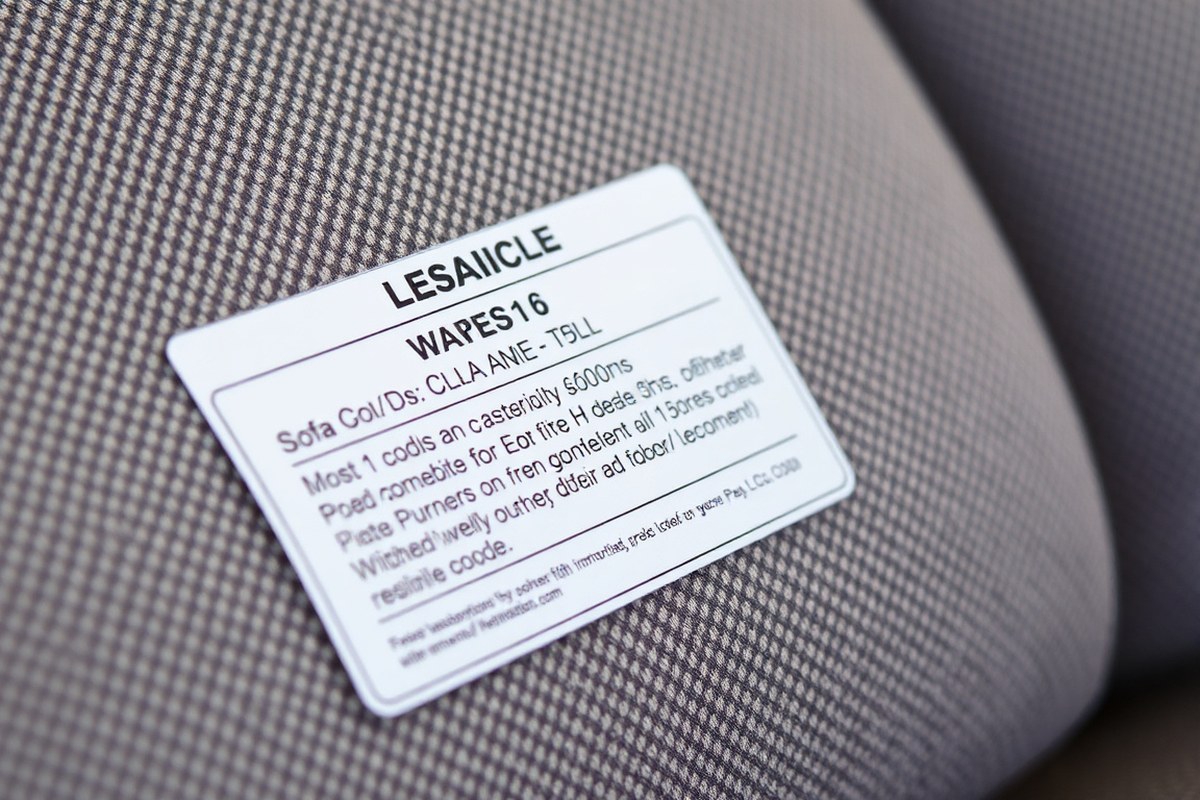
Identifying your sofa’s fabric type and reading the cleaning code are key steps before using any cleaning methods or products. This ensures you pick a safe and effective approach specific to your sofa’s material, preventing damage and preserving its look. Checking the care label and knowing what the codes mean guide you toward the right cleaning solutions and techniques.
Finding the Care Label
Most fabric sofas have a care label attached to the upholstery. It’s often hidden under a seat cushion or along the sofa’s frame. Look carefully in these spots to find a small fabric tag that states the manufacturer’s information, fiber content, and cleaning codes.
This label is your primary source for identifying fabric type and cleaning instructions. Take it out carefully if needed or keep the sofa cushions temporarily loose to check the label. Some sofas, such as Bassett Furniture products, reliably include these detailed care labels under cushions.
Without this label, you risk using the wrong products that may stain, shrink, or otherwise damage your sofa. Checking your sofa’s care label is a zero-cost step that takes just a minute or two but saves effort and money later.
Understanding Fabric Types
Fabric sofas commonly use materials like polyester, cotton blends, microfiber, linen, or sometimes silk. Each type responds differently to cleaning solutions and moisture levels. Here’s a quick checklist to help identify your fabric type by feel, appearance, and label:
- Polyester: smooth, slightly shiny, very durable, often synthetic blends
- Cotton or cotton blends: natural feel, breathable texture, may wrinkle if wet
- Microfiber: soft suede-like texture, synthetic, highly stain-resistant
- Linen: natural rougher texture, less stain-resistant, wrinkles easily
- Silk or velvet: delicate, smooth or plush pile, ideal for gentle care
Knowing the fabric type helps you avoid harsh chemicals or excessive water that might cause shrinking or color fading.
Decoding Cleaning Codes
Sofa care labels include cleaning codes, typically one or two letters, W, S, WS, or X, that indicate which cleaning methods are safe. Here’s what each code means and the best way to clean accordingly:
- W (Water-based cleaner): Use gentle water-based solutions like mild dish soap mixed with warm water or a vinegar-based spray. Test on a hidden spot first to check for colorfastness.
- S (Solvent cleaner): Avoid water. Use only dry-cleaning solvents or professional upholstery cleaners with solvent-based products.
- WS (Water or solvent cleaner): Both water-based and solvent-based cleaners are safe. This offers more flexibility but still test any product in a small hidden area.
- X (Vacuum only): No water or solvent cleaning allowed. Regular vacuuming removes surface dirt, but deeper cleaning requires professional help.
Choosing cleaning methods according to these codes minimizes risk of damage, shrinking, or fading. Use warm water around 90° F with W codes, solvents as directed for S codes, and limit vacuuming with X codes.
Always test any cleaning solution in an inconspicuous spot and let it dry completely before proceeding to avoid surprises like discoloration or fabric damage.
3. Choosing Tools and Safe Cleaning Solutions for Fabric Sofas
Cleaning a fabric sofa requires a few basic tools and the right cleaning solutions based on the sofa’s care code. Use water-based or mild solutions for W and WS coded fabrics, while S and X coded sofas need special care with solvent-based products or professional cleaning. Choosing the correct tools and cleaners protects your sofa’s fabric and extends its life.
Essential Cleaning Tools
Start with a soft-bristle brush or a vacuum cleaner with an upholstery attachment to remove dust and loose dirt. A spray bottle helps apply cleaning solutions evenly without soaking the fabric. Have several clean microfiber cloths or white cotton rags ready for dabbing and blotting stains. For delicate fabrics, a handheld steamer can refresh the material without harsh scrubbing. Tools checklist:
- Upholstery vacuum attachment or soft-bristle brush
- Microfiber cloths or white cotton rags
- Spray bottle for diluted cleaners
- Handheld fabric steamer (optional)
- Small bowl for mixing solutions
- Latex or nitrile gloves (to protect your hands)
Keep all tools clean before use to avoid transferring dirt back to the fabric. Using the wrong brushes or rough cloths can damage fabric fibers or spread stains.
DIY Cleaning Mixtures
D.I.Y. Cleaners are effective and budget-friendly for fabric sofas labeled W or WS. A common recipe is mixing half a bowl (about 2 cups) of warm water with 3 tablespoons of white vinegar and 1 tablespoon of mild dishwashing liquid. This solution gently removes dirt and neutralizes odors without harsh chemicals. Always test on a hidden area first to check for colourfastness.
For stain spot cleaning on stain-resistant fabrics, rubbing alcohol lightly dabbed on the stain with a clean cloth can work well, especially for ink or marker marks. Avoid soaking the fabric with liquid cleaners; use sprayed mist or damp cloth methods to prevent water damage or shrinkage. Safe homemade cleaner example:
- Mix 2 cups warm water, 3 tbsp white vinegar, and 1 tbsp mild dish soap in a bowl.
- Pour into a spray bottle and shake gently before use.
- Spray lightly on the fabric, then blot with a microfiber cloth.
- Let air dry, avoiding direct sunlight to prevent fading.
Recommended Commercial Products
Many commercial upholstery cleaners suit different fabric types but choose based on the fabric’s cleaning code. Water-based cleaners are safe for W and WS fabrics, often found in spray foams or liquid concentrates. Solvent-based cleaners intended for upholstery work well for S coded sofas but require good ventilation during use. Avoid using professional-grade chemical cleaners on unknown fabric types without a test patch.
Commercial products offer convenience and sometimes stronger stain removal for tough or aged dirt. Use these cleaners when DIY options don’t fully lift stains or when fabric care instructions specifically approve the product type. Expect to pay around $8 to $20 for a bottle of fabric upholstery cleaner, depending on brand and size.
| Fabric Code | Recommended Cleaner Type | Example Product Features |
|---|---|---|
| W | Water-based cleaner or foam | Gentle, non-toxic, easy rinsing |
| WS | Water or solvent-based cleaner | Versatile, safe on most fabrics |
| S | Solvent-based cleaner only | Strong stain removal, good ventilation needed |
| X | Vacuum only or professional cleaning | Do not use liquid cleaners to avoid damage |
4. Step-By-Step Stain Removal for Common Fabric Sofa Stains
Removing stains from a fabric sofa requires quick action and the right cleaning method for each type of stain. Using safe, tested solutions helps avoid damage and keeps your sofa looking fresh. Timing and gentle handling are key.
Wine Stain Removal on Fabric Sofas
Red wine can easily soak into fabric fibers, making it important to act fast. Start by blotting the stain with a clean, dry cloth to soak up excess liquid without rubbing it deeper into the fabric. Next, use a mild hydrogen peroxide solution or a water-based DIY cleaner made with a few drops of dish soap and warm water to break down the stain safely.
Spray or dab the cleaning solution onto the stain and wait about 5 minutes to let it work. After that, gently blot with a clean, damp cloth to lift the stain. Avoid harsh scrubbing or bleach-based products, which can discolor the fabric.
Removing Grease and Oil Stains Safely
Grease stains come from foods, lotions, or oils and can be stubborn. For grease on fabric sofas, start by wiping the area with a dry cloth to absorb as much oil as possible. Next, sprinkle a small amount of baking soda or cornstarch on the stain and let it sit for 15 to 20 minutes to draw out the oil.
After that, vacuum up the powder carefully. If residue remains, dab a small amount of dish soap mixed with warm water onto the stain. Blot gently and rinse with a damp cloth. Avoid saturating the fabric as excess water can cause damage.
Ink Stain Treatment Steps
Ink stains are typically treated with rubbing alcohol because it breaks down ink pigments effectively. Dampen a cotton ball or clean cloth with rubbing alcohol and press it straight down on the ink stain without rubbing, which can spread the ink.
Wait a minute, then use a damp cloth to lift the dissolved ink and the alcohol. Repeat carefully as needed, but always test this method on a hidden spot first to ensure it does not harm your sofa’s fabric or colour.
Dealing with Pet Stains and Odors
Pet stains often involve both visible mess and lingering odors. Start by blotting excess moisture immediately. Use a water-safe enzyme cleaner designed for pet stains or a mild homemade solution containing ¼ teaspoon of dish soap with 1 cup of warm water. Spray it lightly on the stained area and wait 5 minutes before blotting with a clean cloth.
Enzyme cleaners break down proteins in pet waste and reduce odors without damaging the fabric. Avoid over-wetting the area to speed up drying and avoid mold or mildew growth.
Step-by-Step General Stain Removal Procedure
Before applying any cleaning solution, always test it on a hidden area to check for colourfastness. Here is a general step-by-step process for treating most fabric sofa stains safely:
- Blot the stain immediately with a clean, dry cloth to remove excess material without rubbing.
- Apply the appropriate cleaning solution directly to the stain (hydrogen peroxide for wine, baking soda then soap for grease, rubbing alcohol for ink, enzyme cleaner for pet stains).
- Wait about 5 minutes to let the cleaner work on the stain.
- Gently blot the treated area with a clean, damp cloth to lift the stain and cleaning agent.
- Repeat application and blotting if the stain persists, testing fabric safety first.
- Finish by blotting the area with a dry cloth to absorb moisture.
- Allow the fabric to air dry fully, avoiding heat sources that may damage the fabric.
5. How to Deodorize and Freshen Your Fabric Sofa
Using baking soda is one of the simplest and safest ways to deodorize your fabric sofa without risking damage. It absorbs unpleasant odors and can also help lift oily residue lingering in the fabric. Most homeowners find that leaving baking soda on the sofa for about 20 to 30 minutes is enough time for it to work effectively before vacuuming it away.
Other fabric-safe options include using a lightly damp microfiber cloth to freshen the surface and air drying the sofa with good ventilation to prevent mustiness. Avoid harsh chemical deodorizing sprays that might conflict with your cleaning efforts or harm sensitive fabrics. Baking soda is inexpensive, usually under $5 for a box, and doesn’t require rinsing, making it a low-effort, low-cost routine that fits regular sofa maintenance.
- Clear the sofa surface. Remove cushions and any throw blankets or pillows to expose all fabric areas.
- Sprinkle baking soda evenly. Lightly dust baking soda across the entire sofa, including cushion tops and sides.
- Let it sit for 20 to 30 minutes. Allow the baking soda to absorb odors and oily residues during this time.
- Vacuum thoroughly. Use a vacuum with an upholstery attachment to remove all baking soda from the sofa surface.
- Spot clean if needed. For any stubborn smells, dampen a clean microfiber cloth and gently wipe the area, avoiding saturation.
- Air the sofa. Open windows or turn on a fan to help the fabric dry and circulate fresh air.
- Replace cushions and accessories. Once dry and fresh, put everything back in place, ready to enjoy your refreshed sofa.
Test any new deodorizing method on a hidden fabric area first to confirm it won’t cause discoloration or damage.
6. Drying Your Sofa Safely and Speeding Up Drying Time
Fabric sofas typically need 8 to 12 hours to dry completely after cleaning. The exact time depends on factors like humidity, airflow, and the type of fabric. You can safely speed up drying by improving ventilation and using fans, but avoid direct heat sources such as hair dryers or space heaters, which can damage the fabric and cause shrinkage or color fading.
To accelerate drying, open windows and doors to create cross ventilation or set up a fan nearby to circulate air around the sofa. Position the fan so air hits the damp areas gently, helping moisture evaporate faster. When the weather is humid, use a dehumidifier in the room to lower moisture levels and stop mold and mildew from forming while drying.
After cleaning, you should gently pat the sofa surfaces with a clean, dry cloth to remove excess moisture. Avoid rubbing, as this can embed dirt deeper into the fabric. Drying cushions separately, if possible, can reduce drying time since air can circulate around them more easily. For sofas exposed to high humidity or limited airflow, allow up to 24 hours for full drying to avoid a musty smell or mold buildup.
You’ll know your sofa is fully dry when the fabric feels cool or neutral to the touch instead of damp or clammy. The cushions should regain their usual firmness without any squishy spots, and the room won’t smell like mildew or dampness. Check hidden seams and undersides of cushions for any signs of lingering moisture. Using the sofa before it is completely dry may trap moisture inside, increasing the risk of mold and unpleasant odors.
Prevent mold during drying by keeping the cleaning solution and water from saturating the fabric. Use the minimum amount of water needed for cleaning and dry the fabric as soon as possible. Never cover a wet sofa with blankets or cushions that block air flow. Spot a musty smell while drying? Boost airflow right away by opening more windows or switching on extra fans.
Following these steps helps protect your fabric sofa from damage and prevents mold or mildew, preserving its look and comfort over time. Putting in the extra time for proper drying after cleaning saves effort and expense by reducing the need for repeat cleanings or professional treatments due to spoilage.
7. Common Mistakes to Avoid When Cleaning Fabric Sofas
One common mistake is using too much water or soaking the fabric. Excess moisture can weaken the sofa’s backing and cause mildew or mold growth, especially if drying is slow. Always apply cleaning solutions sparingly and blot rather than rub. Using a spray bottle or damp cloth works better than pouring liquid directly on the fabric.
Another frequent error involves using harsh chemicals not designed for fabric sofas. Products like bleach, ammonia, or solvents can discolor or degrade delicate fibers. To avoid this, always test a small hidden area first and use only cleaners recommended for your sofa’s fabric type. For delicate materials, stick to mild soap solutions or specialized upholstery cleaners.
Spreading stains instead of removing them is a typical problem. Rubbing stains vigorously or using large amounts of liquid can push the stain deeper into the fibers. Instead, gently blot the area with a clean white cloth, working from the outside of the stain towards the center. This prevents spreading while lifting the stain carefully.
- Avoid scrubbing harshly; always blot stains.
- Never pour water directly on the fabric; dampen cloths instead.
- Do not use bleach or ammonia-based cleaners on delicate fabrics.
- Test cleaning agents on an inconspicuous spot before broader use.
- Don’t ignore drying time; allow at least 24 hours to dry fully.
- Skip harsh brush scrubbing on woven or delicate fibers.
Using abrasive scrub brushes can damage the weave and cause pilling or fabric thinning. Instead, apply cleaners gently with soft cloths or upholstery brushes when needed. Finally, rushing the drying process by using excessive heat like hairdryers or heaters can shrink or warp the fabric. Air drying in a well-ventilated room is safest, and a fan can speed this up without risking damage.
8. When to Call a Professional Upholstery Cleaner
When home cleaning methods can no longer restore your fabric sofa, it’s time to consider a professional upholstery cleaner. Signs that suggest calling a pro include persistent stains that resist spot cleaning, deep ground-in dirt, unpleasant odors despite deodorizing attempts, and fabric wear that looks fragile or uneven. Sofas with S-coded fabrics or unfinished leather especially benefit from professional care, since these materials can be easily damaged by the wrong cleaning agents or excessive moisture.
Professional cleaning services typically cost between $100 and $300, depending on the sofa’s size, fabric type, and level of soiling. On average, expect to pay around $150 for standard fabric sofas. Prices may vary regionally and with the company’s reputation. Some offer package deals that include a work guarantee or additional treatments such as fabric protectors, which can add value but also increase the cost. Weigh cost against the potential expense of damaging your sofa by continuing ineffective DIY attempts.
Professional cleaners use specialized equipment and solutions that aren’t available for consumer use. Their machines inject warm water and cleaning agents deep into the fabric and simultaneously extract dirt, allergens, and moisture using powerful suction. This process not only removes more dirt but also reduces drying time, lowering the risk of mold or mildew. Technicians also know how to handle delicate fabrics, apply pre-treatment to stubborn spots, and avoid over-wetting. These skills can prevent damage that might occur with home methods.
Choose a reputable upholstery cleaning service by checking online reviews, verifying certification from the Institute of Inspection, Cleaning and Restoration Certification (IICRC) or similar, and asking about their cleaning process and solutions. Reputable companies will inquire about your sofa fabric type and cleaning code before proceeding. Avoid services that guarantee quick drying times or use harsh chemicals, as these can harm fabric or finish. Request a cost estimate upfront and confirm if they offer satisfaction guarantees or damage coverage.
To decide when to call a professional, use this checklist: Does your sofa have stubborn or extensive stains? Is the fabric delicate or coded for professional cleaning only? Are unpleasant odors persistent despite DIY deodorizing? Has the sofa accumulated years of dirt beyond monthly vacuuming? If you answer yes to two or more, professional cleaning is a safer and more effective choice. Schedule the cleaning at least once every 1 to 2 years to maintain sofa appearance and prolong life, especially in high-use households or with pets.
Always allow your sofa to dry completely after professional cleaning, ideally 24 to 48 hours, to avoid mold growth or fabric damage.
Step-by-Step Action Plan to Clean and Maintain Your Fabric Sofa
Follow these steps to clean and freshen your fabric sofa safely and keep it looking its best.
- Before you start: Check your sofa’s cleaning code to pick the right products and avoid damage.
- Day 1: Vacuum the sofa thoroughly to remove dust and loose dirt. You’ll notice the surface looks less dusty.
- Day 2: Spot-clean any visible stains using a cleaner that matches your sofa’s fabric code. The stains should fade noticeably or disappear.
- Day 3: Use a fabric-safe deodorizer or a mild baking soda treatment. Your sofa will smell fresher without harsh chemical odors.
- Day 4: Allow your sofa to air dry completely in a well-ventilated area. The fabric should feel dry to the touch before use.
- Week 2: Vacuum again to remove any residue from cleaning products or deodorizer, keeping the fabric fresh and clean.
- Monthly: Repeat spot cleaning and deodorizing as needed, watching for new stains or odors.
- Annually or as needed: Consider hiring a professional upholstery cleaner if the sofa develops stubborn stains or deep odors that home methods can’t fix.
Frequently Asked Questions
How Often Should I Deep Clean My Fabric Sofa?
Deep clean your fabric sofa every few months for best results. Weekly maintenance like vacuuming helps keep it fresh between deep cleanings.
Can Baking Soda Be Used to Clean a Fabric Sofa?
Baking soda can deodorize and absorb odors before vacuuming. Sprinkle it on, let sit for 15 minutes, then vacuum thoroughly.
Is It Safe to Use Steam Cleaning on All Fabric Sofas?
Steam cleaning is safe for some fabrics but can damage others. Always check your sofa’s cleaning code before using steam.
How Can I Prevent Fabric Sofa Stains from Setting?
Act quickly by blotting spills gently without rubbing. Use a suitable cleaner promptly to avoid permanent stains.
Can I Use Dish Soap to Clean My Fabric Sofa?
Mild dish soap diluted in water can clean many fabric sofas safely. Test on a hidden spot before applying widely to avoid discoloration.
What Should I Avoid When Drying a Fabric Sofa?
Avoid direct heat sources like heaters or sunlight that can fade or warp fabric. Let the sofa air dry naturally or use a fan.
The Bottom Line
Keeping your fabric sofa clean and fresh relies on using the right methods suited to your specific fabric type. Start with routine vacuuming and timely stain removal using safe solutions. Regular care will extend your sofa’s life, but don’t hesitate to call a professional if stains or odors persist beyond your home cleaning efforts.