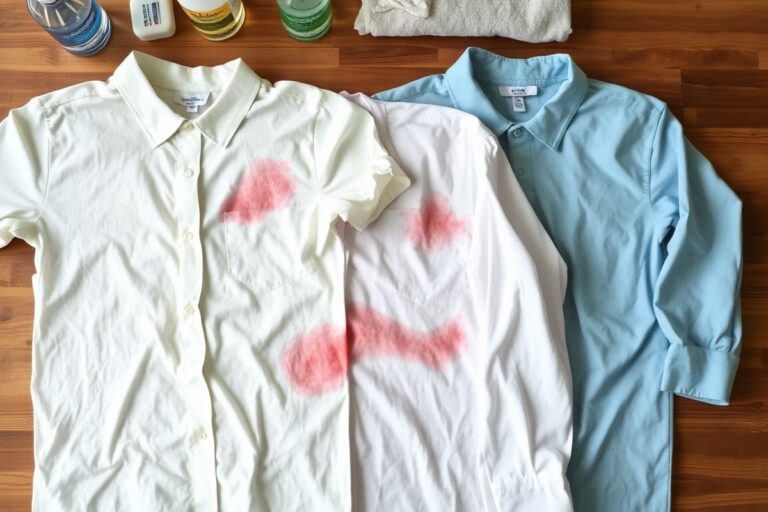
Does Hot Water Shrink Clothes? What Fabrics Are at Risk and How to Prevent It
Yes, hot water can shrink clothes, especially those made from natural fibers like cotton and wool. High temperatures cause these fibers to swell and contract, leading to noticeable shrinkage. Fabrics such as polyester and nylon usually resist shrinking but may contract slightly at very high temperatures above 180°F (82°C).
This information helps homeowners and renters who do their own laundry manage their fabric care better. It explains which fabrics are susceptible to shrinking in hot water and offers practical methods to reduce shrinkage and protect your clothes.
Key Takeaways
- Wash natural fibers like cotton and wool in cold water below 80°F to prevent shrinkage and preserve fabric quality.
- Hot water above 130°F effectively kills dust mites and is best for bedding if you have allergies but increases shrink risk.
- Preshrunk cotton can still shrink slightly but much less than untreated cotton when washed in hot water.
- Synthetics like polyester can shrink about 1% in boiling water, so avoid extreme heat to maintain fit and shape.
- Using fabric conditioner and soaking clothes can help relax fibers and reduce shrinkage after washing.
- Air drying delicate fabrics after washing in cold water is safer to prevent heat shrinkage from dryers.
Does Hot Water Actually Shrink Clothes?

Hot water can indeed shrink clothes, but not all fabrics respond the same way. The primary reason hot water causes shrinkage is that it relaxes and tightens the fibers in the fabric, a process known as relaxation shrinkage. When fibers like cotton absorb hot water, typically at temperatures of 130°F (54°C) or higher, they swell and then contract as they dry, leading to noticeable shrinkage. This effect mainly happens because natural fibers, such as cotton, wool, and linen, have more room between the threads and can move closer together as they shrink. In contrast, synthetic fabrics like polyester and nylon are less prone to shrinkage, although they may contract slightly at very high temperatures, such as close to boiling or above 180°F (82°C).
Because hot water causes fibers to change their arrangement, clothes made of natural fibers shrink more easily. For example, cotton and denim garments often get smaller due to hot water washing. This is why washing these fabrics at temperatures above 130°F frequently leads to size reduction and sometimes fabric stiffness or even damage over time. Hot water also contributes to fading and fiber breakdown, so while it does a better job at dissolving oily stains and killing bacteria, it’s a tradeoff with the garment’s longevity. Synthetic clothes generally resist shrinkage because their fibers are engineered to maintain shape and size under heat, though polyester might shrink by around 1% in boiling water, which is usually imperceptible in normal household laundry.
The extent to which hot water shrinks your clothes depends on the fabric type, water temperature, and washing cycle length. Long wash cycles at temperatures around 130°F or higher increase the chance of shrinkage, particularly with fabrics that have looser weaves. Hot water breaks the bonds within the fibers, allowing them to pull tighter as they dry. Therefore, to avoid unexpected shrinkage, avoid washing natural fabrics in hot water unless you want the shrinking effect. Using cooler water or washing on shorter cycles limits the fiber relaxation and keeps your clothes closer to their original size.
Not all clothes need to face this risk. Many synthetic fabrics handle hot water well without much change in size. This means you can wash polyesters and blends in warmer water safely, but you should still follow care labels. For items made of cotton, wool, or linen, it’s best to stick with cool or warm water settings to preserve fit and fabric integrity. Recognizing how hot water interacts with different textiles helps you make informed choices during laundry, reducing shrinkage and extending the life of your clothes.
Which Fabrics Shrink Most in Hot Water?

Fabrics made of natural fibers tend to shrink the most when washed in hot water, while synthetic fabrics generally resist shrinkage better. The tighter or more stable the weave, the less likely the fabric is to shrink, regardless of the fiber type. Understanding which materials are prone to shrinkage can help you decide how to wash each item safely.
Natural Fibers and Their Shrinkage Levels
Natural fibers like cotton, wool, linen, and silk are most vulnerable to shrinking in hot water. These fibers absorb water and heat, causing the threads to relax and contract back to their original shape. Cotton and wool, especially when loosely woven, can shrink significantly, sometimes after just one hot wash.
Denim, a heavy cotton fabric, also shrinks notably when exposed to hot water due to its looser fiber structure. Silk, while natural, tends to shrink less dramatically but is still prone if washed improperly with heat and agitation.
Synthetic Fibers and Resistance to Shrinking
Synthetic materials like polyester and nylon generally resist shrinkage better because their fibers are more stable under heat. However, very high temperatures can still cause these fabrics to shrink, though typically less than natural fibers. You can shrink synthetics in hot water, but the amount of shrinkage is usually limited.
Delicate natural fibers like wool and cashmere are not recommended for hot water washing, as damage and excessive shrinking can occur. When synthetic or some natural fabrics have shrunk slightly, steaming can often relax the fibers and help restore the original size.
Fabric Weaves and Impact on Shrinkage
The way a fabric is woven affects its shrinkage in hot water. Looser weaves have more space between fibers, allowing shrinkage as the threads tighten when exposed to heat and moisture. Tightly woven fabrics, or those with stable fibers like silk or polyester, resist this tightening.
For example, cotton T-shirts with a loose knit will shrink more than a tightly woven polyester blend shirt. Understanding the weave helps you predict shrinkage potential beyond just fiber type. Selecting wash temperature based on both fiber and weave reduces unexpected size changes. Below is a table summarizing common fabrics, their fiber types, and their typical shrinkage behavior in hot water.
| Fabric | Fiber Type | Shrinkage Prone? | Shrinkage Notes |
|---|---|---|---|
| Cotton (T-shirts, Denim) | Natural | High | Can shrink significantly, especially if loosely woven; denim shrinks notably in hot water |
| Wool (Sweaters, Coats) | Natural | High | Prone to felting and shrinking; machine hot wash can damage fibers |
| Linen | Natural | Moderate to High | Shrinks due to fiber contraction; less than cotton but still significant |
| Silk | Natural | Low to Moderate | More stable than other natural fibers but can shrink if agitated with heat |
| Polyester | Synthetic | Low | Resistant to shrinkage; can shrink at very high water temperatures |
| Nylon | Synthetic | Low | Generally stable; sensitive to very high heat but not typical washing temperatures |
Choosing the right water temperature for washing depends on knowing both the fiber and weave type of your clothes. Natural fibers with loose weaves are the highest risk for shrinkage, so avoid hot water for these. Synthetic fabrics can tolerate hotter water but washing at lower temperatures preserves the garment’s fit longer.
Tip: Always check care labels and test hot water on a small, hidden area of fabric when uncertain about shrinkage risk, especially with blends or unfamiliar clothes.
How Do Hot Water and Heat Cause Clothes to Shrink?
Hot water affects the fiber structure in clothes by causing the fibers to contract and tighten. Natural fibers like cotton and wool have a cell-like structure that absorbs water and swells when wet. When exposed to hot water, these swollen fibers no longer hold their stretched form and start to contract back, pulling the fabric tighter. This process leads to visible shrinkage. Silk, a protein fiber similar to wool, reacts to heat and hot water by the fibers clinging together, which tightens the weave and can warp the fabric’s original shape. The tighter the weave, the less noticeable the shrinkage, while loosely woven fabrics often shrink more.
The heat from drying plays a significant role in shrinking clothes compared to just washing. After hot water causes fibers to swell and relax, high heat from the dryer causes the fibers to contract further as the moisture evaporates. This drying heat locks the fibers into their new, smaller arrangement. Mechanical action from washing also contributes by agitating the fabric, which can increase the fiber’s tendency to bunch up and shrink as the heat sets the new shape during drying. Using lower heat or air drying minimizes these changes and helps preserve fabric size and shape.
Natural fibers tend to shrink more than synthetic ones because of their molecular structure and water-absorbing properties. Cotton, wool, and silk absorb water readily and swell, while synthetic fibers like polyester and nylon do not absorb much water and are less flexible. This means synthetics resist the tightening and contracting that hot water and heat cause in natural fibers. For example, cotton fibers straighten and swell when wet, and heat relaxes their crystalline structure, leading to shrinkage as they revert. Silk fibers respond to heat by fusing slightly, tightening the weave, especially in loosely woven fabric. On the other hand, synthetics tend to maintain their shape because their polymer chains stay more stable under heat and wet conditions.
Avoiding high water temperatures above 130°F (55°C) with delicate natural fibers limits shrinkage and damage since this level of heat can deform fiber structure. Lower temperatures also reduce energy use significantly and help maintain fabric integrity. However, hot water is sometimes necessary for hygiene reasons, such as killing dust mites or bacteria. When necessary, pairing hot water washing with lower drying temperatures offers a balance between cleaning effectiveness and minimizing shrinkage. Washing silk in warm rather than hot water and drying on low heat is advised to preserve its texture and fit. Overall, the interplay between fiber type, water temperature, and drying heat determines how much shrinkage occurs during laundry care.
How Long Does It Take for Hot Water to Shrink Clothes?
Shrinkage from hot water typically begins during the washing cycle, especially when water temperatures exceed 120°F (49°C). Most significant shrinkage occurs in the first wash, often within the 15 to 30 minutes of agitation in the machine. The fibers, particularly in natural materials like cotton, absorb the hot water and swell, which causes them to contract as they dry. While pre-shrunk garments resist this effect, untreated or loosely woven fabrics can show noticeable size reduction from a single hot wash.
Soak time also plays a role but is usually less impactful than heat and agitation. A brief soak of 10 to 15 minutes won’t typically cause dramatic shrinking; however, leaving clothes immersed in hot water for longer than 30 minutes increases the chances of the fibers tightening further. For instance, a cotton t-shirt soaked in hot water for 45 minutes could shrink more than one washed quickly and removed. Therefore, controlling how long clothes remain wet in hot water is important for managing shrinkage risks.
Drying after washing accelerates shrinkage. When heat from a dryer or even warm air contacts the already swollen fibers, they contract more firmly. Clothes removed quickly and air dried on a flat surface or hanger tend to shrink less, especially if they remained in hot water for only a short wash cycle. Drying times vary, but typical machine drying at high heat lasts about 30 to 45 minutes and can further reduce garment size by about 3 to 5 percent.
To avoid excessive shrinkage during washing, use the hot water cycle for no longer than necessary, usually 15 to 30 minutes depending on the machine’s settings. Minimize soak time by promptly starting the spin cycle after the wash. Using gentle agitation cycles helps reduce fiber stress, decreasing the chance that the fabric compacts tightly. After washing, switch to air drying or use the low heat setting on your dryer to slow shrinkage during drying. These steps balance cleaning effectiveness with fabric care, keeping clothes closer to their original size.
Keep in mind that different fabrics respond to hot water at varying rates. For example, pure cotton shrinks faster than blended fabrics. Therefore, closely monitoring the washing cycle time and water temperature based on your fabric type improves results. Taking a small, hidden patch of fabric and soaking it in hot water for 10 to 20 minutes before fully washing the item can help you assess potential shrinkage without risking the whole garment.
Preventing Shrinkage: Best Practices by Fabric Type
Preventing fabric shrinkage starts with the right combination of washing temperature, cycle choice, detergent, and drying method tailored to each fabric type. Using cold water, selecting gentle cycles, and opting for air drying significantly reduce the risk of shrinking, especially for delicate and natural fibers. Below are actionable steps you can follow to keep your clothes fitting well and lasting longer.
Cold and Warm Water Settings for Different Fabrics
Cold water washing is the safest option for fabrics prone to shrinking, including cotton, wool, and delicate synthetics. For example, jeans maintain their shape best when washed inside out on a cold water, delicate cycle. Washing cotton in warm water may be acceptable if the garment tag allows, but hot water increases shrinkage risk.
Delicate fabrics like wool or cashmere require cold water and special detergents to protect fibers and prevent shrinkage. Even though warm water sometimes removes stains better, the slight heat can tighten fibers and reduce garment size.
- Use cold water for cotton, wool, silk, and synthetic blends vulnerable to shrinking
- Warm water is acceptable for durable fabrics like polyester or nylon if needed
- Avoid hot water cycles unless the clothing label explicitly states it’s safe
- Always check care labels for temperature recommendations before washing
- Consider buying pre-shrunk garments when available for items prone to shrinkage
Cold water washing uses up to 90% less energy than hot water cycles, saving money and reducing shrinkage risk.
Choosing the Right Washing Cycle and Detergent
Selecting a gentle or delicate cycle reduces agitation and washing time, both of which help maintain fabric integrity and minimize shrinkage. For delicate fabrics, the shorter cycles limit fiber stress and reduce exposure to heat from water and friction.
Using a detergent formulated for delicate or wool fabrics also ensures fibers receive care during washing. These detergents often contain ingredients that nourish fibers, helping them retain their shape and softness. For general everyday laundry, a quality detergent performs well in cold or warm water cycles to clean effectively without aggressive treatment.
- Choose delicate or gentle cycles for wool, silk, and cotton blends susceptible to shrinking
- Use detergents specifically formulated for delicate or wool fabrics when washing these materials
- For regular fabrics, select a normal cycle with cold or warm water to balance cleaning and fabric care
- Skip bleach or harsh chemicals that may weaken fibers and increase shrinkage risk
- Wash bright or dark colors in cold water with short cycles to preserve color and avoid bleeding
Ideal Drying Techniques to Protect Clothes
Air drying is the best method to prevent shrinkage, especially for delicate items and natural fibers. Lay wool or cashmere garments flat on a clean towel to dry, which prevents stretching or misshaping. Hanging cotton t-shirts inside out can reduce fading and maintain shape without shrinkage risk from heat.
When using a dryer, opt for low heat or air fluff settings that avoid exposing fabrics to high temperatures. Over-drying or using high heat cycles on hot water-washed clothes significantly raises the chance of shrinkage and damage.
- Air dry delicate fabrics flat or hang garments inside out for even drying and shape retention
- Use low heat or no heat dryer settings only if necessary, and remove clothes promptly
- Avoid tumble drying wool, silk, and other natural fibers prone to shrinking
- Use dryer balls to improve air circulation if machine drying is required
- Check moisture levels during drying to prevent over-drying and shrinking
How to Unshrink or Restore Clothes After Hot Water Shrinkage
Clothes shrunk by hot water can often be partially unshrunk by relaxing and stretching the fibers. Using simple home remedies like soaking with hair conditioner, gently pulling the fabric, and applying steam or steam ironing helps restore the item’s size and shape. These methods work best on natural fibers such as cotton and wool, which tend to tighten when exposed to heat but can loosen again when treated carefully.
Soaking with Hair Conditioner or Fabric Softener
Soaking shrunk natural-fiber clothes in a mixture of lukewarm water and hair conditioner softens the fibers and makes them easier to stretch. The conditioner works by loosening the tightened fibers that shrunk during hot water exposure. Use about 1/3 cup of a standard hair conditioner per gallon of lukewarm water. Ensure the water temperature is comfortable to the touch, around 90°F to 100°F, so the fibers don’t tighten further.
Submerge the garment completely and let it soak for 30 minutes to an hour. Avoid hot water to prevent further shrinkage. After soaking, don’t rinse immediately; work with the fabric while it’s still soft and pliable to reshape it.
Gentle Stretching and Reshaping Techniques
After soaking, gently stretch and reshape the garment to loosen the fibers and restore its original dimensions. Cotton and wool fibers were stretched during manufacturing and can return to a shorter form when exposed to heat and water; gently reversing this helps recover the size. Follow these steps for best results:
- Lay the damp garment flat on a clean towel on a hard surface.
- Slowly and evenly pull the fabric along the length and width to its intended size.
- Focus on one section at a time, especially tight areas like sleeves or cuffs.
- Use your hands to smooth wrinkles and creases while stretching.
- Pin the stretched garment to the towel using fabric pins or weights to hold its shape.
- Let the garment air dry while pinned to maintain the new shape.
- Repeat the soaking and stretching process if needed for stubborn shrinkage.
This method uses patience and care to reshape without risking damage or further shrinking. Avoid aggressive pulling as that can distort the garment or weaken the fibers.
Using Steam or Damp Ironing to Relax Fibers
Applying steam or using a damp iron on low heat can further relax shrunken fibers, especially after soaking and initial stretching. Steam penetrates fibers and softens them, making it easier to stretch and reshape the fabric.
Hold a steam iron about 6 inches above the garment, moving slowly and evenly across the surface without pressing down hard. Alternatively, place a damp cloth over the garment and iron on a low heat setting to avoid burning or sealing shrinkage. Use caution with delicate fabrics;
Test on a small area first and avoid high heat to prevent damage. After steaming or ironing, gently stretch the fabric again and let it dry flat in the stretched shape. This combination usually improves restoration results, especially on cotton and wool items.
When Is Hot Water Washing Necessary Despite Shrink Risk?
Hot water washing is important for killing germs, bacteria, and allergens on clothing, especially in situations involving illness or heavy soiling. Washing clothes in water at temperatures of 130°F (54°C) or higher helps eliminate many pathogens that cold and warm water cycles may leave behind. This is why hot water cycles are recommended for items like bed linens, towels, and gym clothes, where hygiene matters most. Using hot water can reduce risks of infections and allergies by thoroughly sanitizing fabrics.
Choosing a hot water cycle is advisable if someone in your household is sick or if you’ve been exposed to contaminants such as pet dander, pollen, or mold. Hot water can also help dissolve oily stains and grease effectively, which cold water struggles with. Washing baby clothes and cloth diapers in hot water is common to ensure sanitation. It usually requires running the washer on its hottest cycle, often 130°F to 140°F, for a regular duration of 30 to 40 minutes to get the best disinfecting results.
Despite the shrinkage risk, many people balance hygiene with fabric care by sorting laundry carefully. Wash durable fabrics like cotton towels or synthetic blends in hot water, while reserving delicate or shrink-prone items for cold or warm water cycles. Using color-safe, fragrance-free detergents alongside hot water can reduce fabric damage and fading. Some washers offer sanitizing or steam cycles, which can kill germs without the high heat of traditional hot water, making these a fabric-safe alternative. These cycles take about 30 minutes and use steam at temperatures near 155°F (68°C), providing a good balance between cleanliness and preventing shrinkage.
For personal safety and fabric care, always follow the care label on your clothes when selecting water temperature and cycling options. Hot water use can add slightly to your utility bill; washing at 130°F uses about 4 kWh per load in electric water heating, compared to roughly 1.5 kWh for cold water. The added energy cost is a tradeoff for improved hygiene. Avoid using hot water on items like wool, silk, or some cotton blends that shrink easily. Instead, choose sanitizing cycles or add laundry sanitizers formulated for cold water, which can kill 99.9% of bacteria without heat according to some product claims.
Comparing Hot Water and Dryer Heat on Clothes Shrinkage
Dryer heat usually causes more severe shrinkage than hot water alone. Hot water can cause fibers to contract, but the high temperatures inside a dryer combined with tumbling action intensify this effect, leading to greater size reduction. Using both hot water and high dryer heat together results in the most shrinkage, often shrinking garments beyond repair. Adjusting drying settings is key to controlling how much your clothes shrink during laundry. Below is a table outlining how different combinations of washing and drying temperatures impact shrinkage risk for common fabrics:
| Washing Temperature | Drying Temperature | Shrinkage Risk | Fabric Examples |
|---|---|---|---|
| Cold (60-80°F) | Low Heat (100-130°F) | Minimal shrinkage | Cotton, polyester blends, silk (risky to dry) |
| Hot (120-140°F) | Low Heat (100-130°F) | Moderate shrinkage | Cotton, wool (wool better low heat drying or no dryer) |
| Cold (60-80°F) | High Heat (130-160°F) | Moderate to high shrinkage | Cotton, linen |
| Hot (120-140°F) | High Heat (130-160°F) | Maximum shrinkage | Cotton, wool, cashmere (risk of irreversible shrinking) |
Using hot water for washing can gradually shrink clothes after repeated cycles, but drying on high heat often shrinks garments faster and more noticeably. For example, a cotton shirt washed in warm water and dried on high heat could shrink 3-5% in size after one cycle, and even more with repeated drying. Wool and cashmere are particularly sensitive to dryer heat and may shrink beyond recovery if exposed to high temperatures, even if washed in cold water. To avoid excessive shrinkage:
- Wash clothes in cold water when possible to minimize initial fiber contraction.
- Use low or no heat drying settings, especially for delicate or natural fibers like wool, cashmere, and silk.
- Consider air drying or using a blow dryer for wool or cashmere if you need slight shrinkage or worry about over-shrinking.
For those aiming to intentionally shrink clothes, the most effective method is to use hot water washing combined with the highest dryer heat setting. This approach causes fibers to contract quickly and significantly. However, it can damage delicate fabrics, so test on a small area first or opt for a blow dryer method.
High dryer heat shrinks clothes faster and more dramatically than hot water, so lowering heat or air drying provides better control over garment size.
Step-by-Step Action Plan for Managing Clothes Shrinkage
Follow these steps to reduce or reverse shrinkage and keep your fabrics looking their best.
- Before washing: Check fabric labels and sort clothes by type, focusing on those prone to shrinkage like cotton and wool. This sets a baseline for care.
- During the wash: Use cold or lukewarm water for delicate or shrink-prone fabrics. Verify water temperature matches your washing machine’s settings to avoid accidental hot water exposure.
- Right after washing: Remove clothes promptly to prevent heat exposure and reshape garments by stretching gently if needed.
- At drying time: Air dry or use low heat settings for sensitive fabrics; watch for any change in size as clothes dry.
- After drying: Assess the garment’s size; if shrinkage occurred, try unshrinking techniques such as soaking in a conditioner solution or using a gentle stretching method.
- Regular maintenance: Maintain fabric shape by washing in cold water regularly and avoiding high dryer heat to reduce future shrinkage risk.
- When hot water wash is necessary: Limit this to heavily soiled items that can tolerate heat; follow up with careful drying to minimize further shrinkage.
Frequently Asked Questions
Can Hot Water Shrink Clothes Made from Synthetic Fibers?
Yes, synthetics like polyester and nylon can shrink slightly in very hot water, but less than natural fibers. Polyester shrinks about 1% near boiling, while nylon starts shrinking above 180°F.
Is It Safe to Use Hot Water for Disinfecting Clothes Without Causing Shrinkage?
Hot water above 130°F kills bacteria and dust mites effectively but may cause shrinkage, especially in cotton. Use warm water for delicate fabrics to balance cleanliness and size retention.
Does Repeated Washing in Hot Water Cause More Shrinkage over Time?
Yes, repeated hot water washes can gradually shrink natural fibers and damage fabric strength. Use hot water sparingly on natural clothes to avoid cumulative shrinkage.
Can Hot Water Affect the Elasticity of Clothes with Spandex or Elastane?
Hot water can weaken elastic fibers like spandex, causing loss of stretchiness and fit. Wash these fabrics in cold or warm water to maintain elasticity.
Will Soaking Clothes in Hot Water Cause Them to Shrink More Than Quick Washing?
Extended soaking in hot water can increase the chance of shrinkage by allowing fibers to contract longer. Limit soak time to reduce shrink risks.
Is Hot Water Shrinkage Reversible for Most Fabrics?
Shrinkage from hot water can sometimes be reversed by stretching damp clothes gently or re-washing with cold water, but results vary by fabric.
Wrapping Up
Hot water does cause shrinkage mostly in natural fabrics by tightening the fibers. Understanding your fabric type and adjusting wash and dry methods helps keep clothes fitting well. Start by checking labels and choosing the right temperature each time you wash. Taking small, deliberate steps today protects your clothes from unwanted shrinking tomorrow.