Can You Wash Shoes in the Washer? A Complete Guide That Works
You can wash many types of shoes in a washing machine, but it requires care to avoid damage. Machine washing works best for canvas, synthetic, and some knit materials, using cold water and gentle cycles.
This guide suits sneaker fans and casual shoe wearers who want cleaner shoes without risking their condition. You’ll find clear tips on machine-washing safety, drying methods, and common mistakes to avoid.
Key Takeaways
- Use cold water and a gentle cycle to protect shoe glue and materials from heat damage.
- Remove insoles and laces before washing to speed drying and prevent waterlogging.
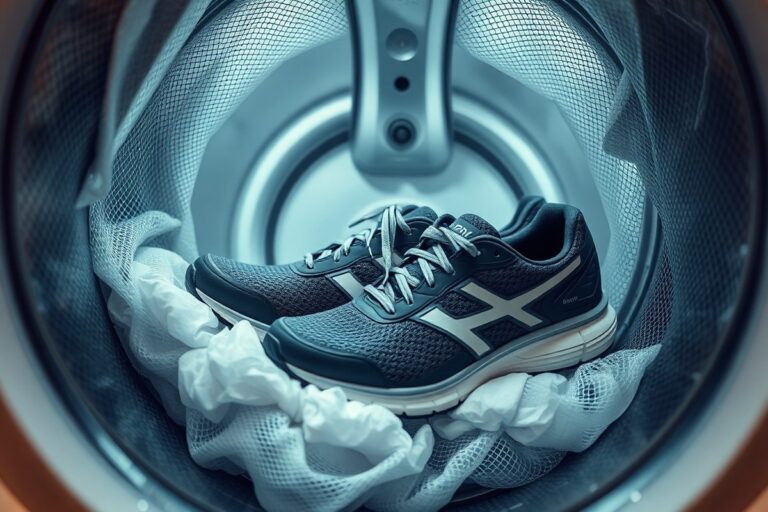
- Wash shoes inside a pillowcase or mesh bag with a few old towels to protect shoes and washer.
- Only machine wash shoes made from canvas, mesh, or synthetic fabrics; avoid leather and suede.
- Let shoes air dry for 24 to 48 hours, avoiding direct sunlight or heat sources to prevent warping.
- Clean shoes every 1 to 2 months or when visibly dirty to keep them fresh and prevent buildup.
Can You Safely Wash Shoes in a Washing Machine?

Washing shoes in a washing machine can be safe for many types, especially canvas and mesh sneakers, as long as you follow certain conditions. This method effectively removes dirt and odors without ruining the shoe when done carefully. It matters because improper washing can deform shoes, damage materials like leather or suede, and even harm your washing machine.
The safest conditions to machine wash shoes include checking the care label to confirm they are machine washable. Avoid putting leather, suede, rubber, or vinyl shoes in the washer, as these materials tend to weaken or distort when exposed to water and agitation. Stick mainly to fabric sneakers or slip-ons, which usually tolerate machine washing well.
Preparing your shoes properly also matters. Remove the laces and insoles before washing. You can wash the laces in the machine, ideally tied together inside a pillowcase or laundry bag to prevent tangling. However, do not put insoles in the washing machine since they will stay waterlogged for days and take a long time to dry.
Placing your shoes with a few towels in the machine helps reduce bouncing, limiting scuffing of both the shoes and the drum. Use a gentle cycle with cold or warm water and a small amount of detergent, about 1 to 2 teaspoons (5 to 10 mL) per load. Avoid hot water to prevent glue breakdown and shrinking. Washing shoes without other heavy laundry cuts down on impact and protects their shape.
Limiting the frequency of machine washing also protects your shoes. Washing no more than once a year or when they become visibly dirty reduces wear from repeated washing. Frequent machine washing can break down shoe materials, causing them to lose support and look worn prematurely.
Machine washing often cleans canvas and mesh shoes effectively without causing shrinking, warping, or damage, as long as you follow these steps. The shoes should not make loud banging noises in the drum, and they should dry thoroughly afterwards. Stiffness, misshaping, or adhesive parts coming loose after washing usually means the process was too harsh or not right for that shoe.
Machine washing shoes costs little beyond your regular electricity and water use. With proper care, the risk of damage is low for machine-friendly shoes and well worth the cleanliness and convenience. On the other hand, using the machine on unsuitable shoe materials or neglecting preparation steps can severely damage the shoes and sometimes the appliance. Always inspect your shoes and follow exact care instructions to keep them in good condition.
Which Shoe Materials Are Machine Washable?

Machine washing works best for shoes made from sturdier fabrics and materials that can withstand water and agitation. Sneakers and tennis shoes with fabric uppers, often combined with synthetic soles, generally hold up well when washed in a machine. They handle the cold, gentle cycle and brief spin without falling apart. Washing these shoes can remove dirt and stains effectively and refresh the overall appearance.
Leather, suede, nubuck, and similarly delicate materials should be avoided in the washing machine. These materials don’t tolerate water and agitation well, often leading to warping, discoloration, or even structural damage. Instead, these shoes require spot cleaning with cleaners specifically designed for those surfaces. Shoes with rubber or vinyl components also risk damage or detachment in the washer, so it’s best to clean those by hand.
The insoles and laces from most shoes can safely be machine washed if placed inside a mesh laundry bag or pillowcase. This protects them from excessive wear and prevents them from tangling or getting lost. Taking this step also reduces the risk of shoes rattling around the washer drum.
| Shoe Material | Machine Washable? | Recommended Method | Risks of Machine Washing |
|---|---|---|---|
| Fabric Sneakers & Tennis Shoes | Yes | Cold, gentle cycle in mesh bag | Minimal; possible mild shape loss if dried improperly |
| Leather Shoes | No | Hand clean with leather conditioner | Cracking, warping, discoloration |
| Suede & Nubuck | No | Spot clean with suede brush and cleaner | Stiffness, staining, damage to texture |
| Rubber or Vinyl Parts | No | Wipe clean with damp cloth | Peeling, detachment, finish damage |
| Insoles and Laces | Yes (separately) | Place in mesh bag or pillowcase, wash cold | Tangling or loss if unprotected |
Always check your shoe’s care label before machine washing to prevent irreversible damage.
Synthetics and fabrics tolerate water better due to their resistance to absorption and deformation. Fabric shoes often benefit from applying a stain remover like Clorox 2™ for colors before washing. Avoid warm temperatures to prevent the shoes from losing shape, and skip the dryer to prevent shrinkage or heat damage. Careful handling during washing can extend the life of your shoes while keeping them clean.
How to Prepare Shoes for Machine Washing
Preparing shoes carefully before machine washing protects them from damage and improves cleaning results. Removing parts like laces and insoles, pre-treating stains, and using proper protection during washing lowers the risk of wear and keeps your shoes looking fresh.
Remove Laces and Insoles Properly
Always take out laces and insoles before placing shoes in the washing machine. Laces can tangle or get damaged, and insoles might lose cushioning or deform if washed with shoes. Clean laces and insoles separately by hand using mild soap and water.
Allow insoles to dry fully after washing to maintain their shape. Removing these parts also lets the machine clean the inside of your shoe better and prevents moisture build-up inside.
Pre-Treat Stains Using Mild Solutions
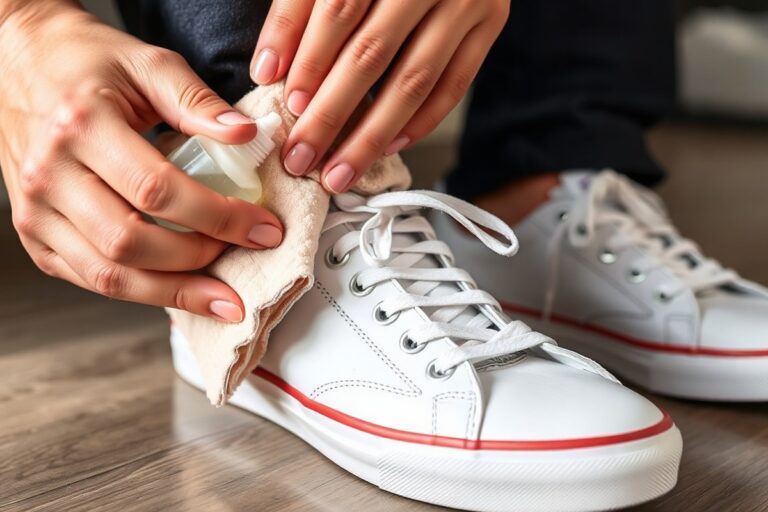
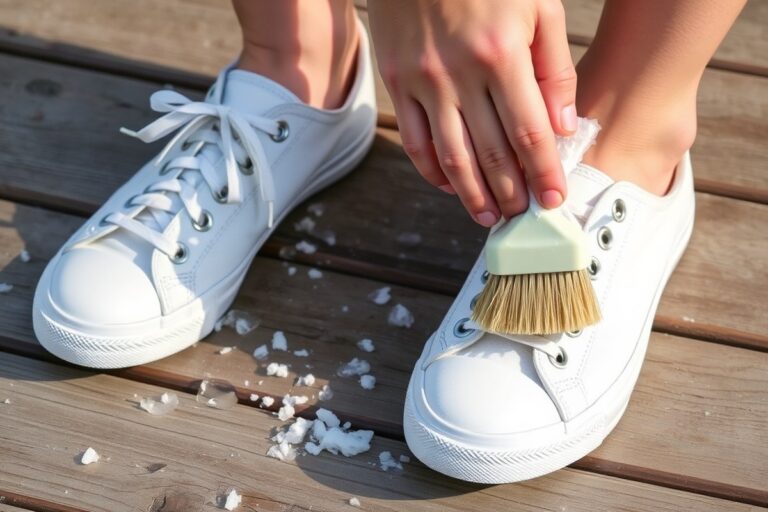
Before washing, gently brush off loose dirt or mud to avoid rubbing grit deeper into the fabric. Use disinfecting wipes, like Clorox™ Disinfecting Wipes, to remove sticky residues and surface grime on rubber soles and midsoles. For fabric areas, apply a mild stain remover safe for the shoe material.
White vinegar works well to loosen light dirt and reduce odors without harsh chemicals. Let any stain treatment sit 10 to 15 minutes before washing to improve effectiveness without damaging delicate fabrics.
Use Laundry Bags and Add Towels
Slip your shoes into a mesh laundry bag to protect them from banging against the machine drum, which can cause scuffing or damage. This also prevents your washer from damage and reduces noise during the cycle. Use old towels or clothes to add cushioning around the shoes inside the wash.
Choose towels that no longer shed lint and avoid new fabrics that could bleed color. Washing shoes alone or with a few towels keeps the machine balanced and prevents uneven wear on your shoes.
- Brush off loose dirt and mud from the shoes and soles.
- Remove the laces and insoles carefully; set insoles aside to hand wash.
- Use disinfecting wipes on rubber soles and sticky areas to remove residues.
- Apply a mild stain remover or white vinegar to stains; wait 10, 15 minutes.
- Place shoes inside a mesh laundry bag to keep them secure in the washer.
- Add 1, 2 old towels to the washing machine as padding around the laundry bag.
- Hand wash laces and insoles separately using mild soap and water.
Choosing the Best Washing Machine Settings for Shoes
Choosing the right washing machine settings protects your shoes from damage and ensures a thorough clean. Use the delicate cycle with cold water, which is gentle enough to prevent deforming or weakening shoe materials. Washing on a warmer temperature risks shrinking, warping, or fading fabric and adhesives. Cold water helps maintain the shoe’s original shape and colour while still removing dirt effectively.
Opt for liquid detergent rather than powder. Powder detergents often do not dissolve fully inside the shoes and can leave gritty residue, especially in mesh or knit shoes. Liquid detergents rinse out more completely, reducing buildup that could irritate skin or attract more dirt later. Stick with a mild detergent formulated for delicate fabrics to avoid harsh chemicals that might degrade synthetic or leather components.
If your shoes have noticeable stains or odors, adding a colour-safe stain remover like Clorox 2™ for Colors can boost cleaning power without bleaching or weakening materials. You can add about half a capful directly into the detergent compartment along with your usual liquid detergent. Avoid using bleach or strong disinfectants that can break down materials or cause colour loss.
For shoes with persistent odors, it helps to run an extra rinse cycle to wash out detergent and any additives fully. While you won’t want to raise the water temperature, extending the rinse time ensures less residue remains inside the shoe where it can trap moisture and bacteria.
When washing shoes made of sensitive materials such as suede or leather, stick strictly to the delicate cycle with cold water or skip the machine wash entirely. The agitation and soaking might damage these shoe types more than it cleans. For athletic sneakers made of nylon, mesh, or synthetic leather, the recommended settings work well to restore freshness without risk.
To summarise the exact steps: remove loose dirt from your shoes and take out the laces and insoles. Place shoes in a laundry bag or pillowcase to protect them from banging inside the machine. Add your liquid detergent and half a capful of Clorox 2™ stain remover to the detergent slot. Select the delicate cycle with cold water and start the wash. Once complete, avoid using the dryer and let shoes air dry fully.
How to Dry Shoes After Machine Washing Without Damage
Drying shoes after machine washing requires care to avoid damage. Avoid putting shoes in the dryer, as heat can warp soles and degrade materials. Air drying at room temperature, while maintaining the shoe’s shape, preserves their fit and appearance.
Remove Insoles Before Drying
Always take out the insoles immediately after washing. Removing them helps both the shoes and insoles dry faster and more evenly. Insoles may retain moisture longer, which can cause odor or damage if left inside the shoes during drying.
Set the insoles on a flat surface in the same area where the shoes will air dry. This prevents any trapped moisture inside the shoe and reduces the chance of warping. Letting both components dry separately speeds up the overall drying process.
Use Shoe Trees or Rolled Towels
To maintain the shape and prevent warping while drying, insert shoe trees or rolled towels inside the shoes. Shoe trees keep the contour intact by stretching the shoe gently. If shoe trees aren’t available, tightly roll up small towels or crumpled paper and stuff them inside.
This technique helps absorb moisture from the interior and supports the structure, avoiding shrinkage or misshaping. Replacing the stuffing every few hours ensures the drying material stays effective without becoming damp.
Place Shoes in a Well-Ventilated Area
Position shoes in an airy room at room temperature, out of direct sunlight or heat sources. Good air circulation speeds drying without causing shrinking or material breakdown. Avoid damp areas as they slow drying and encourage mold growth.
Drying typically takes between 12 and 24 hours depending on shoe material and ambient humidity. Check shoes periodically and replace internal stuffing to help move moisture out efficiently. Patience during this stage is key to preserving your shoes’ shape and integrity.
- Remove shoes and insoles from the washer immediately after the cycle ends.
- Take out insoles and set them aside on a dry, flat surface.
- Place shoe trees inside the shoes, or tightly roll small towels or paper and stuff them firmly.
- Put shoes in a well-ventilated area at room temperature, avoiding direct sunlight and heaters.
- Check shoes every 6 to 8 hours and replace damp stuffing with dry material.
- Allow shoes to air dry completely for 12 to 24 hours before use or storage.
Avoid placing shoes in a dryer; the heat can cause soles to warp and materials to crack or shrink.
Common Mistakes When Washing Shoes in a Machine
Washing shoes in a machine can quickly damage them or even harm your washer if not done properly. One common mistake is washing shoes without protecting them. Shoes banging against the drum can cause scuffs, tears, or loose parts and may unbalance the washer. To prevent this, always toss your shoes in with 2 to 3 old towels to cushion impacts and stabilize the load.
Another frequent error is using harsh cycles or hot water. High heat and aggressive spinning can warp shoe shapes, weaken glue, or fade colors. Stick to gentle cycles and cold water, which clean dirt while preserving materials. Machine drying or excessive heat further risks shrinking or cracking, so avoid tumble drying shoes in the machine.
- Remove laces and insoles before washing to clean all parts and prevent tangling
- Use a small amount of mild detergent and avoid bleach or fabric softeners
- Place shoes inside a mesh laundry bag for extra protection if possible
- Wash similar colors together to prevent dye transfer or staining
- Do not overload the washer; shoes need space to be cleaned properly
- Check pockets and remove debris that could damage shoes or washer
Sometimes shoes come out of the machine still stained or smelling bad. This usually happens when dirt has set in for too long or the shoes did not get enough rinsing. Hand-washing heavily stained spots before machine washing helps break down grime. If odors persist, letting shoes air out in a well-ventilated area or applying baking soda inside can neutralize smells. Washing shoes too frequently, especially without drying properly, may cause mildew and odors, so space out washes based on how dirty shoes get.
Fixing machine issues from shoe washing involves cleaning the washer’s drum and filter to remove lint or small debris. Regular maintenance prevents malfunctions and ensures the washer operates smoothly, avoiding expensive repairs. Always follow manufacturer instructions for your shoes and washing machine to avoid costly damage or safety concerns.
How Often Should You Wash Shoes in the Machine?
Running shoes used regularly should be cleaned roughly every 200 miles or when they start feeling dirty or developing odors. This frequency helps maintain performance and comfort while limiting wear from excessive washing. Washing shoes too often in the machine can cause the materials to break down faster, leading to less support and durability.
For casual shoes worn occasionally or in clean environments, spot cleaning is often enough. Dirt on nonporous surfaces can be wiped off with disinfecting wipes or a damp cloth, avoiding unnecessary washes that might harm delicate fabrics or adhesives. Your shoes don’t need machine washing when they lack visible dirt or smells, as avoiding it helps protect their lifespan.
Machine washing works best for shoes made from durable, washable materials like canvas or synthetic fibers. Shoes with leather, suede, or delicate embellishments should rarely be put in the washer, as water and agitation can ruin their texture and structure. Even for washable shoes, try to stretch washing intervals to reduce material fatigue.
When you choose to machine wash, start by brushing off any mud and debris to remove extra dirt. Taking out insoles and laces helps clean every area thoroughly. Laces can be washed with the shoes or scrubbed separately with mild soap to save money instead of buying new ones. Using a gentle cycle with cold water minimizes damage and shrinking.
Keep in mind that repeating the wash cycle more than a few times per year can cause the fabric and glue to weaken. For running shoes, rinsing them out in the sink or using a soft brush with mild detergent may extend time between machine washes. This practice cuts down on wear while still keeping shoes fresh and hygienic.
In cases where you notice severe stains or persistent odors despite regular at-home care, machine washing might be necessary but should remain infrequent. Overuse leads to problems like sole separation and loss of cushioning. Aim for a balance that cleans your footwear without compromising stability or structure.
Alternatives to Machine Washing Shoes Safely
Choosing to avoid the washing machine makes sense when your shoes are delicate, expensive, or made from materials that don’t hold up well to machine agitation. Hand washing or professional cleaning options protect shoe structure and appearance better than machine washing in these cases. These methods allow you to control cleaning intensity, prevent damage, and preserve your shoes’ lifespan.
Hand Washing with Mild Detergents
Hand washing shoes works best for fabrics like canvas, mesh, and some synthetic materials that might not stand up to a full machine cycle but can handle gentle cleaning. Use mild detergents diluted in warm water, about 90°F (32°C) is ideal, to avoid shrinking or discoloring fabric. Start by removing laces and insoles, then scrub gently with a soft brush or cloth, focusing on stained or dirty areas. Rinse with clean water and soak insoles separately if needed.
Set shoes to air dry in a well-ventilated area away from direct sunlight, which can cause fading or warping. Unlike machine washing, hand cleaning takes more time, expect 15 to 30 minutes depending on shoe condition, but significantly reduces the risk of damage. Hand washing costs only what the detergent and your time require, making it affordable while safer for non-machine-washable shoes.
Spot Cleaning for Delicate Materials
Spot cleaning suits shoes with delicate leather, suede, or intricate detailing that water and agitation could ruin. Use a soft cloth moistened with a cleaner designed for the specific material, like saddle soap for leather or suede cleaner for suede, and gently dab or rub the soiled areas only. Avoid soaking the shoe, as excess moisture can lead to stains or warping.
This targeted cleaning method preserves delicate materials by limiting moisture exposure and abrasion. Spot cleaning is quicker, often under 10 minutes, and requires minimal supplies. You can maintain shoe appearance between more thorough cleanings or if overall washing isn’t possible due to shoe construction or manufacturer warnings.
Professional Cleaning Services
Professional sneaker or shoe cleaners use specialized equipment and cleaning agents that balance deep cleaning with gentle care. They’re a good choice for high-value shoes or when stains resist home cleaning methods. Rates vary but expect to pay around $20 to $75 per pair depending on the service and shoe type, which reflects expert handling and premium products.
Experts can restore shoe shape, remove tough odors, and address both fabric and sole grime without risking home cleaning mistakes. This option typically takes a few days turnaround, making it less convenient but safer for preserving collectible or expensive sneakers. Be sure to research local providers for reviews and cleaning methods to ensure your shoes are in capable hands.
Test any cleaning solution on a small, hidden area of your shoes first to avoid unexpected color changes or damage.
Step-by-Step Action Plan for Washing Shoes in Your Machine
Follow these steps to safely clean your machine-washable shoes without damaging them or your washer.
- Before washing: Check your shoes’ material to confirm they are machine washable, such as canvas or some synthetic fabrics.
- Day of washing: Remove laces and insoles to prevent tangling and clean them separately.
- Before loading: Brush off loose dirt and place shoes inside a laundry bag or pillowcase with towels to balance the load.
- During wash: Use cold water and a gentle cycle with a small amount of mild detergent to protect shoe structure and colour.
- After washing: Avoid the dryer; let shoes air dry at room temperature away from direct heat or sunlight.
- Next day: Check if shoes are completely dry before wearing or reinserting insoles and laces.
- After two weeks: Inspect your shoes regularly for dirt buildup to decide if another wash is needed, usually no more than every few weeks.
- Ongoing care: Use shoe cleaners or wipes between washes to keep shoes fresh and reduce machine washing frequency.
Frequently Asked Questions
Can You Wash Shoes in the Washer and Dryer?
You should never put shoes in the dryer as the heat can warp or damage them. Washing shoes in the machine is okay, but air drying is the safest way to keep them intact.
Can You Wash Running Shoes in the Washing Machine?
Yes, running shoes made of mesh and synthetic materials can be washed on a cold, gentle cycle. Avoid the dryer afterward to prevent damage.
Is It Safe to Wash Shoe Laces and Insoles Together with Shoes?
Wash laces with shoes in a tied pillowcase to avoid tangling. Avoid washing insoles in the machine, as they can stay waterlogged for days.
Can I Wash Expensive or Delicate Shoes in the Washing Machine?
It’s better to hand wash or take expensive or delicate shoes to a professional cleaner to prevent damage from the machine.
Do I Need to Remove Shoelaces Before Machine Washing Shoes?
You don’t have to remove laces, but tie them and put them in a pillowcase with the shoes to reduce wear and tangling.
Will Washing Shoes with Towels in the Machine Protect My Washer?
Adding 2-3 old towels cushions shoes during the wash cycle and prevents them from banging against the washer drum.
Key Points to Remember
Washing shoes in a washing machine can be safe and effective if you stick to the right materials and proper steps. Air drying is key to avoiding damage after washing. Try one machine wash with your prepared shoes soon and see how clean they look before making it part of your routine.