Can You Put Shoes in the Washer? A Complete Guide with Proven Tips
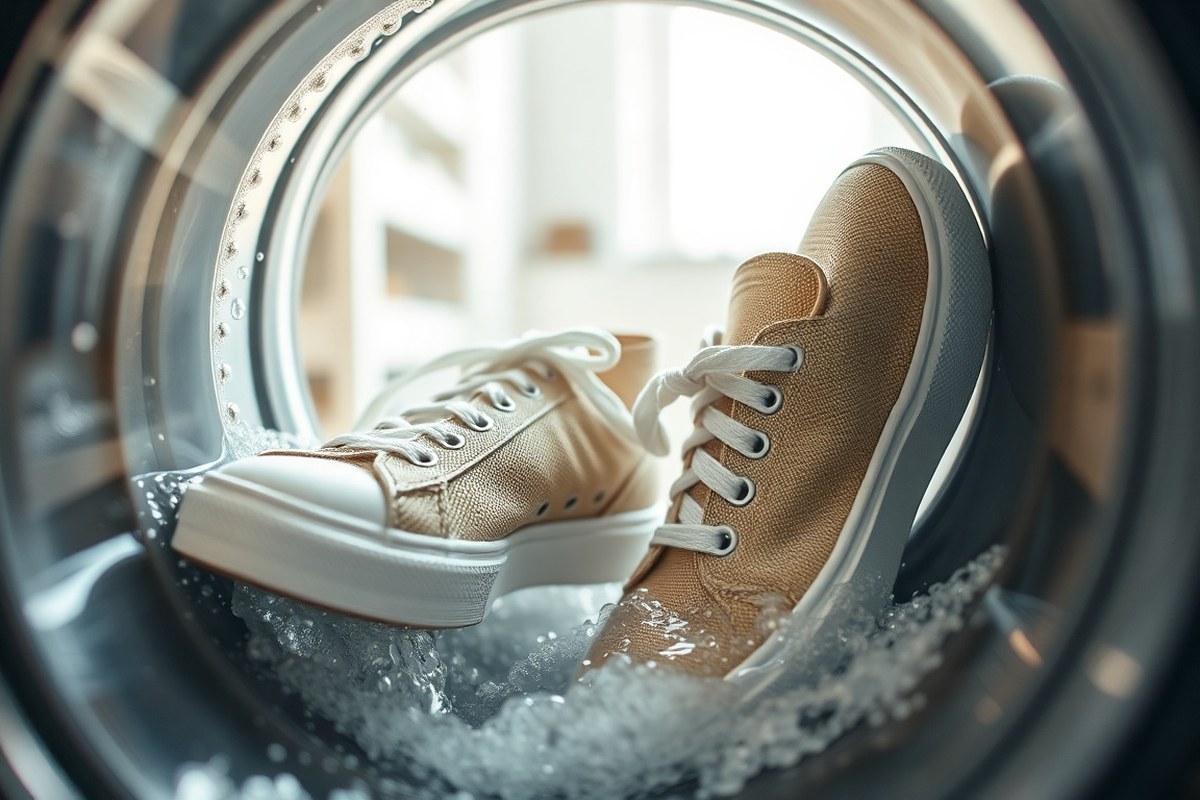
Many kinds of shoes can be cleaned using a washing machine, but some materials are too delicate for this method. Sneakers and canvas shoes usually tolerate machine washing without problems if the process is done properly. Leather and suede shoes should stay out of the washer since water and movement may ruin their surface.
This information is for anyone who wants to clean their shoes efficiently without risking damage. You’ll learn which shoe materials work best in a washer, how to prepare shoes properly, and tips to dry and maintain them for longer use.
Key Takeaways
- Always check the shoe material before machine washing to avoid damage to leather or suede.
- Use a cold water setting of around 30 degrees to prevent colors from running or fading.
- Prepare shoes by removing laces and insoles and placing shoes in a pillowcase for protection.
- Choose a gentle or delicate wash cycle to reduce wear on your shoes’ components.
- Allow shoes to air dry for at least 24 hours, longer for thick athletic shoes.
- Wash athletic shoes every 2 to 4 weeks if you use them regularly to keep them fresh and bacteria-free.
Is It Safe to Put Shoes in the Washing Machine?

Putting shoes in the washing machine is generally safe for many athletic and running shoes, especially those with fabric uppers or synthetic materials. These types are designed to handle regular wear and tear, including gentle washing cycles. You can clean stains, odors, and grime efficiently without risking significant damage if you follow the proper precautions.
Risks involved with machine washing shoes include damage to the shoe’s materials and possible harm to the washing machine itself. Leather and suede shoes should never go in the washer because the agitation and water exposure can ruin the texture and finish. Wearing out glue bonds and weakening the shoe’s structure are other risks when using hot water or harsh cycles. The shoes might also bang around inside the drum, potentially damaging both your shoes and the machine.
For athletic and running shoes, machine washing is usually okay if you select a gentle cycle with cold water. Use a mild detergent and avoid bleach or fabric softeners. To protect both your shoes and the machine, place the shoes inside a mesh laundry bag or tightly closed pillowcase secured with rubber bands to minimize movement. Removing the insoles and laces before washing can help clean more thoroughly and avoid tangling. Using an extra rinse cycle will help remove any detergent residues.
Washing shoes at a laundromat follows the same safety rules as at home. Make sure the machines are front-loading, as top loaders with agitators can be rougher on shoes. Bring a bag or pillowcase to keep your shoes contained, and always check the washing machine’s drum for other items before and after your cycle. Laundromats typically allow you to use cold water cycles that reduce the risk of damage to your shoes while keeping costs low, usually a few dollars per wash. Avoid using the laundromat dryers for shoes, which can cause shrinkage or material breakdown.
Choosing the right shoes and washing method matters because improper cleaning can shorten their lifespan. Using mild cycles, cold water, and protective covers helps maintain shoe shape, colour, and material integrity. When in doubt, avoid machine washing delicate shoes and consider hand cleaning or professional services to prevent costly damage. Proper machine washing offers a time-saving, effective way to clean many common running and athletic shoes but requires care to keep both your shoes and washer in good condition.
Which Shoe Materials Can You Wash in the Washer?

Not all shoes are designed to withstand the harsh conditions inside a washing machine. The safety of machine washing largely depends on the shoe’s material. Shoes made from fabrics like canvas, cotton, and synthetic blends such as nylon or polyester handle the wash cycle well because they tolerate water and agitation without losing shape or texture. These materials allow water to move through and clean them thoroughly while drying fairly quickly after.
In contrast, natural materials like leather and suede are highly vulnerable to damage from moisture and agitation. Leather can warp, crack, or fade, while suede may stain and lose its texture. For these materials, even gentle machine cycles risk irreversible harm, making hand cleaning the safer option. Similarly, shoes with delicate embellishments or glued parts often don’t survive a machine wash intact. Vinyl shoes also tend to fare poorly because heat and water can cause them to degrade or lose flexibility.
| Type of Shoe | Is it Safe for the Washer? |
|---|---|
| Leather | No |
| Canvas | Yes |
| Suede | No |
| Vinyl | No |
| Cotton | Yes |
| Rubber | Sometimes |
| Nylon | Yes |
Synthetic shoes made from materials like nylon or polyester are usually safe for washing machines, performing similarly to cotton or canvas. Rubber components, such as soles, sometimes tolerate washing, though this varies by shoe construction. For example, shoes with glued soles might come apart under agitation. When your shoes combine materials, focus on the most delicate part, if one component is leather or suede, avoid machine washing even if others are machine-friendly.
Leather or suede shoes should never be cleaned in a washing machine since the water and movement can lead to cracking, fading, and permanent harm to the material.
Properly reading the care label on your shoes is critical before deciding to machine wash. Shoes without a label or with ambiguous care instructions should default to gentle hand cleaning. Using a washing machine on unsuitable materials risks costly damage that could be avoided with simple techniques like spot cleaning or bespoke professional services specializing in delicate footwear.
How to Prepare Shoes Before Machine Washing
Preparing your shoes before tossing them in the washing machine helps protect the shoes and your washer while ensuring a thorough clean. Removing parts like laces and insoles, treating stains, and using protective bags reduces damage and improves washing results.
Remove Laces and Insoles Properly
Start by taking out the laces and insoles from your shoes. Laces can tangle or scratch the washer drum, and insoles can collect excess water, slowing down drying. Washing them separately inside a pillowcase or mesh bag allows them to get cleaner without risking damage.
Before removing, untie the laces fully and pull insoles out gently to avoid tearing. Place the laces and insoles in a laundry bag or pillowcase for separate washing with your shoes or other towels.
Pre-Treat Stains for Better Cleaning
Cleaning visible dirt and stains before machine washing improves the final result. Use a stiff-bristled brush or an old toothbrush to scrub off loose dirt, especially from grooves and seams. For stubborn stains, apply a small amount of mild detergent or stain remover and rub gently. Rinsing off excess dirt beforehand prevents your washing machine’s filter from clogging and helps avoid spreading dirt onto cleaner clothes or other shoes in the load.
Secure Shoes in Protective Mesh Bags
Placing shoes inside mesh laundry bags or pillowcases cushions them during the wash cycle and stops them from banging against the washer drum. This reduces scuffs and damage to both your shoes and the machine. Use bags specifically designed for laundry or old pillowcases tied securely.
Also, add a couple of towels to your washing load to balance weight and further protect shoes from excessive movement. This simple step keeps washing quieter and safer for all items inside.
- Remove the laces by fully untying them and take out the insoles from inside the shoes.
- Use a stiff brush or toothbrush to scrub away loose dirt and grime on the shoe surfaces and in hard-to-reach spots like eyelets.
- Apply a mild detergent or stain remover on any stains, gently rubbing with a cloth or brush to pre-treat.
- Rinse off loose dirt and detergent residues under cold water if needed, avoiding soaking the shoes fully.
- Place laces and insoles in a mesh laundry bag or pillowcase for washing separately.
- Put each shoe inside a mesh shoe bag or pillowcase to protect them during the wash cycle.
- Add a few towels to the washer load to reduce banging and absorb shocks.
- Load the washer, ensuring shoes and accessories are secured properly before starting the cycle.
Best Washing Machine Settings for Shoes
To protect both your shoes and washing machine, set the machine on a gentle or delicate cycle using cold water and the lowest spin speed possible or no spin at all. Use mild liquid detergent in small amounts, and place your shoes inside a mesh laundry bag or pillowcase to reduce friction and impact. Adding towels can help balance the load but avoid mixing with delicate or white laundry.
Water Temperature: Why Cold Is Best
Cold water prevents the colors of your shoes from bleeding or fading, which can happen with warm or hot water. It also protects the glue and rubber parts from loosening or warping under heat. Keeping the temperature around 30 degrees Fahrenheit (15 degrees Celsius) keeps your shoes looking good while making the cleaning gentle and effective.
Using cold water requires a bit more detergent or time to tackle tough dirt, but it minimizes damage to fabrics and materials inside the shoes. This balance helps extend the life of your shoes, so sticking to cold water is the safest choice.
Cycle Selection: Gentle or Delicate
Always choose a gentle or delicate cycle to reduce the agitation that can strain shoes and the washing machine drum. Agitation loosens dirt but can also cause shoes to bounce and hit surfaces hard if the cycle is too rough. Gentle cycles use less aggressive movements and slower tumbling to protect the shoe’s structure.
Set the spin speed to the lowest setting or turn off spinning altogether to avoid warping or damaging your shoes. Avoid high spin speeds because they can force water through your shoes and alter their shape.
Detergent Choices and Amounts
Use mild liquid detergent or laundry pods designed for delicate fabrics. Avoid powders or harsh detergents that could leave residue or damage shoe materials. A small amount goes a long way, over using detergent can make rinsing difficult and leave your shoes feeling stiff. Here’s a checklist for detergent use:
- Choose liquid detergent or pods for best solubility
- Use half or less of your normal detergent dose
- Avoid bleach or fabric softeners
- Opt for detergents labeled safe for delicate fabrics
- Consider fragrance-free detergent if sensitive to smells
- Rinse thoroughly by selecting an extra rinse if available
Proper detergent use helps keep shoes clean without compromising material integrity.
Using Towels or Laundry Alone
Wash shoes with a few sturdy towels, like old bath towels, to balance the load and cushion the shoes, limiting their bouncing around inside the drum. Avoid mixing shoes with delicate clothing or white textiles because the shoes’ dirt can transfer and damage more sensitive fabrics.
Make sure to place your shoes inside a mesh laundry bag or pillowcase before adding towels or other items. This creates a protective barrier that reduces shoe-to-shoe or shoe-to-machine collisions.
- Use two or three medium towels to balance the load
- Do not mix with delicate or white clothes
- Bag shoes in a mesh laundry bag or pillowcase
- Remove insoles and laces and wash them separately
- Secure or tie shoelaces to prevent tangling
- Check the washing machine drum after the cycle for damage or residue
This strategy protects your shoes and washer, ensuring the cycle cleans effectively without causing wear or damage.
How to Air Dry Shoes After Washing
Air drying your shoes after washing is the safest way to preserve their shape, material, and overall condition. Avoid using a dryer, as the intense heat can warp or shrink the shoe components. Proper techniques can help your shoes dry effectively, even without a machine dryer.
Stuff Shoes to Maintain Shape
After washing, pat your shoes gently with a towel to remove excess water. Stuffing the shoes with paper helps keep their original form and absorbs moisture from inside. Use crumpled newspaper or paper towels and replace them if they become too damp during drying. Stiffness and warping often happen when shoes dry without support, so stuffing them correctly is important.
Choose the Best Air Drying Location
Select a well-ventilated area with moderate temperature and indirect light to dry your shoes. Direct sunlight can cause colors to fade and materials to degrade, while damp or enclosed spaces will extend drying time. Avoid placing shoes near radiators, heat vents, or heaters to prevent damage. Proper air circulation speeds drying and reduces the risk of odor buildup.
Estimate Drying Time Based on Material
The complete drying process usually takes 24 to 48 hours but varies with shoe material and environment. Thin canvas or synthetic shoes may dry closer to 24 hours, while thick athletic or cushioned shoes often need up to 48 hours or more. Humidity and room temperature also affect how quickly shoes dry. Checking shoes every 12 hours helps you gauge progress and decide if you need to replace stuffed paper.
Avoiding Heat Damage and Warping
Do not put shoes in the dryer, as high heat and tumbling can shrink or warp fabrics and soles. Synthetic parts may melt or deform, ruining the shoe’s fit and durability. Fans or open windows that provide gentle airflow are safer alternatives to speed drying without risking heat damage. Letting shoes dry too quickly in high heat causes permanent shape loss and material breakdown. Follow these steps to air dry your shoes effectively:
- Remove excess water by patting shoes with a clean towel.
- Stuff shoes with crumpled newspaper or paper towels to absorb moisture and keep shape.
- Choose a shaded, ventilated spot indoors with moderate temperature.
- Place shoes away from direct sunlight and heat sources.
- Check shoes every 12 hours, replacing damp stuffing with dry paper if needed.
- Allow at least 24 hours for thin materials; expect up to 48 hours for thick or cushioned shoes.
- Use a fan or open windows to increase airflow, but avoid direct heat.
Never use a dryer for shoes, it can cause irreversible damage to both fabric and soles.
How Often Should You Machine Wash Your Shoes?
Washing your shoes in the machine should generally be reserved for when they are visibly dirty or have developed odors. For typical use, machine washing every 3 to 6 months is enough to keep shoes clean without causing excessive wear. Shoes made from textiles like nylon, polyester, or cotton can handle these occasional washes. Overwashing, especially more than once a month, can damage the materials and adhesives, shortening the shoe’s lifespan according to a 2019 study by Jones and Smith.
For shoes with tough stains or heavy dirt buildup, machine washing is practical. However, to maintain shoe quality, spot clean regularly between washes. Use a soft brush or damp cloth to remove surface dust and stains as soon as you notice them. This simple maintenance helps limit the need for machine washing and preserves the shoe’s materials and structure.
A good routine to follow is to inspect your shoes weekly for dirt or odors. Use a damp rag and a brush to clean shoes with surface dust or light marks. Persistent smells or embedded dirt that won’t wipe off usually mean it’s time to machine wash the shoes. Plan your washes according to how often you wear the shoes and the activities involved. For example, running shoes used daily in muddy or wet conditions may need machine washing every 2 to 3 months, while casual sneakers worn occasionally might only need washing twice a year.
Avoid using the washing machine too frequently because it can cause the shoe glue to weaken and fabrics to fade or fray. Shoes with delicate materials like leather or suede should rarely be machine washed, even if allowed, due to the risk of damage. Instead, rely on spot cleaning and professional services if needed.
Keeping up with regular cleaning also helps protect your washing machine from wear. Shoes can release debris and dirt that may clog your appliance over time. Consider running an empty maintenance wash with a washing machine cleaner monthly if you wash shoes often.
Following this checklist can help manage shoe washing frequency: Check shoes weekly, spot clean as needed, machine wash every 3 to 6 months or when heavily soiled, and perform washer maintenance regularly if washing shoes frequently. This balance protects your investment in your shoes and your washing machine, saving you money and effort in the long run.
Common Mistakes When Washing Shoes and How to Fix Them
Machine washing shoes can cause damage if you don’t follow the right steps. One common mistake is putting heavily soiled or mud-covered shoes directly into the washer. This can not only harm the shoes but also unbalance the machine. An unbalanced washer may vibrate excessively or bang loudly, risking damage to the machine’s drum or suspension. Always clean off large clumps of mud or dirt before washing.
Using harsh detergents or too much soap is another frequent error. Strong chemicals or excess detergents can fade shoe colors and weaken the materials. Choose a mild, liquid detergent meant for delicate fabrics and use only the recommended amount. Avoid bleach and fabric softeners as they may also harm shoes and affect their shape.
Many shoe owners dry their shoes improperly after washing. Putting shoes in a hot dryer or near direct heat often warps their shape and ruins adhesives. To protect the shoe’s form and materials, air drying at room temperature is best. Stuff the shoes with paper towels or clean cloths to support their shape and speed up drying.
Some shoes develop unpleasant odors after washing because they were not dried thoroughly or were washed too frequently. To fix this, make sure to dry shoes completely before wearing or storing. You can also sprinkle baking soda inside and leave it overnight to absorb lingering smells.
- Remove large dirt or debris by hand before washing
- Use a gentle liquid detergent in small amounts
- Wash shoes on a gentle cycle with cold or warm water (under 40°C / 104°F)
- Do not put shoes in the dryer; air dry with paper towels inside
- Avoid washing shoes too often; clean spots by hand between washes
- Check washing machine balance and load distribution to prevent damage
- Use a laundry bag or pillowcase to protect shoes and machine
Keeping these tips in mind minimizes the chances of shoe deformation, color fading, and machine issues. Cleaning shoes too aggressively or frequently can wear down materials faster. The goal is to clean without harsh methods, which takes care and proper preparation. Simple actions, like using milder detergents and drying shoes away from heat sources, make a big difference in preserving your shoes’ life and appearance.
When to Choose Professional Shoe Cleaning Instead
Choosing professional shoe cleaning or hand washing over using a washing machine often depends on the shoe material and the condition of the stains or dirt. Leather, suede, and shoes with delicate fabrics or intricate embellishments should never go in the washing machine. These materials are sensitive to water and agitation, which can cause warping, discoloration, or damage to the surface. Instead, hand cleaning with a mild detergent or specialized products designed for these materials offers a safer and more effective solution.
Shoes with tough stains such as deep oil, paint, or dye often require professional cleaning services. Experts apply specialized products and methods that remove stubborn marks while preserving the shoe’s materials and shape. A study by shoe care specialists at the University of Northern Colorado showed manual cleaning usually removes stains more effectively than machine washing, demonstrating when professional care is beneficial.
Shoes made from certain brands like Adidas or Asics typically come with manufacturer guidelines advising against machine washing. They recommend cleaning these shoes by hand using a mild detergent and gentle rubbing to avoid voiding warranties or damaging the shoes. In these cases, following manufacturer care instructions is the best way to maintain the shoe’s durability and appearance.
Another important factor is the extent and type of staining. While machine washing can remove surface-level dirt, some stains require the careful application of cleaning solutions and scrubbing that a machine cannot provide. Hand washing allows you to control the pressure and cleaning agent used, minimizing the risk of further damage. For instance, salt stains on suede or grease spots on leather should be treated with appropriate solvents or brushes, steps usually available only through manual or professional cleaning.
You can determine when to opt for hand or professional cleaning by evaluating your shoe’s material and the stain’s complexity. Use the following rule of thumb: if the shoe has delicate materials or complex stains, avoid the washing machine. Instead, try hand washing with gentle products first. When the stain persists or the shoe is high-value or designer, consult a professional. This may cost between $15 to $50 per pair, depending on the service, but it preserves the shoe’s condition.
Never put leather, suede, or embellished shoes in the washing machine; spot clean them by hand or trust a professional cleaner to avoid damage.
Step-by-Step Action Plan for Washing Shoes in the Machine
Follow these steps to clean your shoes safely and effectively using your washing machine.
- Before you start: Check the shoe material to confirm it’s machine washable, like canvas or synthetic fabrics. Avoid water-sensitive materials such as leather and suede to prevent damage.
- Preparation phase: Remove laces and insoles, then brush off loose dirt. This protects parts of your shoes and helps the machine clean more thoroughly.
- Loading phase: Place shoes in a mesh laundry bag or pillowcase, then add towels to balance the load and prevent banging noises. This reduces wear on your machine and shoes.
- Machine settings: Use a gentle, cold water cycle with a mild detergent and no bleach. Cold water prevents shrinkage and color fading.
- Right after washing: Remove shoes promptly from the machine to stop moisture buildup and shape loss.
- Drying phase: Stuff shoes with crumpled paper towels or unprinted newspaper to absorb moisture and maintain shape. Let them air dry away from direct heat or sunlight for 24 to 48 hours.
- After drying: Reinsert clean, dry insoles and laces. Check for any damage such as loose seams or color fade before wearing again.
- Routine care: Only machine wash shoes when they’re visibly dirty or have an odor to avoid unnecessary wear. Spot clean regularly to extend shoe life.
Frequently Asked Questions
Is It Safe to Clean Shoes in the Washing Machine?
Yes, but only certain materials like canvas and synthetic fabrics can handle machine washing safely. Avoid leather and suede since water and agitation can damage them.
What Is the 3 Shoe Rule?
The 3 shoe rule means you should rotate between at least three pairs of shoes to allow them to dry fully and reduce wear. This helps prevent bad odors and extends the lifespan of each pair.
How Do I Wash My Shoes in the Washing Machine?
Remove laces and insoles, secure the shoes in a pillowcase or mesh bag, then wash on a gentle, cold cycle with mild detergent. Avoid hot water to prevent damage to glue and fabrics.
Are You Allowed to Wash Shoes at a Laundromat?
Generally, laundromats permit washing shoes, but check the specific rules as some machines or locations may restrict bulky items or shoes to prevent damage or residue build-up.
How to Dry Trainers After Washing?
Air dry them at room temperature, stuffing with paper towels to help maintain shape and absorb moisture. Avoid dryers since heat can warp or shrink your shoes.
Can You Put Shoes in the Dryer After Washing?
It’s best not to use a dryer because heat can weaken adhesives and deform the shoe’s shape. Air drying is safer for preserving shoe structure and longevity.
Final Thoughts
You can safely wash many shoe types in the washing machine by following proper preparation, cycle choice, and drying steps. Taking time to protect the materials and structure helps your shoes stay in good shape longer. Try machine washing one pair first to see how your shoes respond before making it a regular cleaning method.