How Do You Get White Out Off of Clothes: 8 Proven Methods That Work
To get white out off of clothes, start by gently scraping off any excess with a dull knife, then apply isopropyl alcohol or WD-40 to dissolve the stain. Work the solvent into the fabric, let it sit for about 15 minutes, and launder as usual. These steps offer a safe and effective way to treat white out stains on most types of fabric without damaging the material.
This advice is for anyone dealing with white out stains on clothing, from fresh spills to dried marks. You’ll learn the best solvents to use, how to treat different fabrics safely, and the precise steps to clean your clothes thoroughly without worsening the stain.
Key Takeaways
- Use 70% or 91% isopropyl alcohol to remove white out stains without harming the fabric dye.
- For dried white out, soak stained clothes in a vinegar-water solution before applying stain remover.
- Apply WD-40 to stubborn white out spots and rub gently to loosen the dried substance.
- Always let solvents sit for at least 15 minutes to break down the stain for easier removal.
- Check stain removal progress before drying clothes to avoid setting the stain permanently.
- Use a dull knife to scrape off excess white out carefully before applying any solvent.
1. How to Remove White-Out Stains from Clothes Safely

White-out stains on clothes need prompt and careful action to prevent permanent damage. White-out, a quick-drying correction fluid, contains solvents that can set into fabric fibers, making removal challenging as time passes. Acting fast reduces the chance of the stain becoming permanent and helps keep your clothes looking clean.
You’ll need a few items prepared before starting: paper towels or a clean cloth to blot, a dull knife or credit card to lift dried residue gently, a mild detergent or soap, and a solvent like acetone or commercial adhesive remover (use in a well-ventilated area and test on a hidden spot first). Wearing gloves is a good safety measure when working with solvents, and avoid applying heat until the stain is fully removed because heat can set the stain.
- Gently scrape off excess white-out. Use a dull knife or a credit card to lift dried white-out flakes. Be careful not to rub the stain deeper into the fabric or cause tears.
- Blot the area with paper towels. Press gently to absorb any wet white-out. Do not rub as it spreads the stain.
- Apply a small amount of solvent onto a clean cloth. Dab acetone or a commercial adhesive remover onto the stain spot, testing on a hidden section first to check for fabric reaction.
- Blot the stain with the solvent-dampened cloth. Work from the outside toward the center to prevent spreading. Use light pressure to lift the stain.
- Rinse the fabric under cold water. Do this immediately after solvent treatment to wash out loosened white-out residue and solvent.
- Apply mild detergent directly to the stain. Gently rub the detergent into the fabric by hand to break down any remaining stain.
- Rinse again thoroughly with cold water. Make sure all detergent and solvent residues are removed.
- Let the fabric air dry. Do not use a dryer until you confirm the stain is gone, as heat can set any leftover white-out permanently.
This process is effective for fresh or partially dried stains. For large spills or older stains, multiple treatments may be necessary. Avoid using bleach as it can discolor fabric or weaken fibers. If acetone or commercial solvents cause irritation, seek alternatives like specialized stain removers or consult a professional cleaner, especially for delicate materials such as wool. Prompt action and careful handling are key to preserving your clothes without damage.
2. What Solvents Work Best on White-Out Stains and When to Use Them
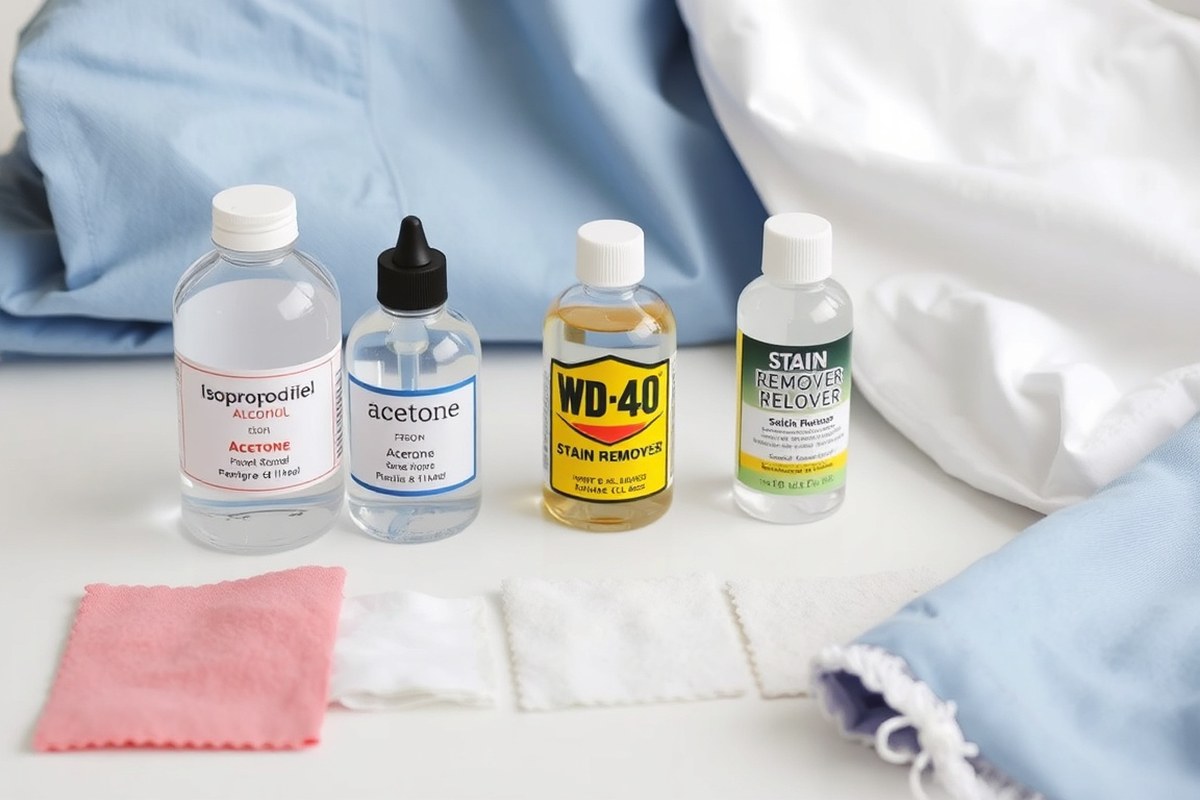
Isopropyl alcohol and acetone are the two most common solvents used to break down white-out stains, each with specific benefits depending on the fabric type and stain severity. Isopropyl alcohol works by dissolving the resin binder in the correction fluid, making it effective for cotton, polyester, and denim fabrics. Acetone acts faster by breaking down the resin quickly but should be avoided on acetate and triacetate fabrics due to the risk of damage. WD-40 can also be used as a lubricant to soften the stain, but it presents the risk of leaving an oily residue that may require further cleaning.
Commercial adhesive removers and dry-cleaning solvents offer alternatives based on fabric care instructions. Adhesive removers lift pigments in washable synthetics but need thorough rinsing afterward, while dry-cleaning solvents are suitable for delicate materials like silk and wool that can only be treated with dry-clean methods.
| Solvent | How It Works | Best for Fabrics | Cautions |
|---|---|---|---|
| Isopropyl Alcohol | Dissolves the resin binder | Cotton, polyester, denim | Test on hidden seam first |
| Acetone | Breaks resin fast | Cotton, wool, linen | Avoid acetate and triacetate fabrics |
| Adhesive Remover | Lifts pigment with resin binder | Washable synthetics | Rinse thoroughly after use |
| Dry-Cleaning Solvent | Evaporates without wetting fibers | Silk, wool, dry-clean-only items | Use in ventilated room |
| WD-40 | Softens stain by lubricating | Various, but test first | May leave oily stain |
Applying the solvent carefully makes a big difference. It’s best to work from the outside of the stain inward. Use a small amount on a soft cloth or cotton ball, then blot gently rather than rub vigorously. The goal is to get the solvent into the fabric to dissolve the white-out without spreading it further. Let the solvent sit for about one minute, then blot with water and mild soap to lift residues.
Commercial stain removers contain chemicals designed to tackle stubborn stains, including white-out, but results vary by product and fabric. Always check the label to ensure compatibility, especially with delicate fibers. Using these solvents requires care to avoid spreading the stain or damaging fabric dyes, so test any chemical on an inconspicuous area first.
Never apply heat like a dryer or iron on white-out stains before they are completely removed, because heat can set the resin into fabric fibers permanently.
3. Step-by-Step Guide for Treating Fresh vs Dried White-Out Stains
You need to treat fresh white-out stains differently than dried ones because the composition changes as it dries, making removal harder. Acting quickly on fresh stains prevents them from soaking deep into the fabric, while dried stains require more solvent use and patience. How you prepare the garment before treatment also varies, affecting your success in removing the stain.
Treating Fresh White-Out Spills
Fresh white-out is still wet or tacky, so the key is to act fast to prevent it from setting. Avoid rubbing, which can spread the correction fluid and embed it deeper.
- Blot gently with a clean, dry cloth or paper towel to remove excess liquid without pushing it further into the fabric.
- Moisten a cotton ball or clean cloth with isopropyl alcohol or an alcohol-based solvent safe for your fabric type.
- Blot the stained area gently using the moistened cloth, working from the outside edges inward to avoid spreading.
- Rinse the fabric under warm running water to flush out loosened white-out.
- Apply a small amount of liquid laundry detergent directly to the stained area and gently work it in with your fingers.
- Rinse again thoroughly under warm water.
- Allow the fabric to air dry or wash according to garment instructions once the stain is visibly reduced.
This process is usually quicker because the white-out hasn’t hardened, minimizing the number of solvent applications needed. Treating the stain as soon as possible usually keeps it from becoming a set-in problem.
Removing Dried or Set-In White-Out Stains
Dried white-out has hardened and bonded to the fabric fibers, so removal requires more effort and multiple steps. You may need to gently scrape away any solid chunks before applying solvent.
- Use a dull knife or spoon to carefully lift off any dried white-out flakes without damaging the fabric.
- Soak a cotton ball or clean cloth with an alcohol-based solvent like isopropyl alcohol or an acetone-free remover suitable for your material.
- Blot the stain by dabbing repeatedly to soften and dissolve the correction fluid.
- Rinse the treated area under warm water to wash away dissolved particles.
- Mix equal parts white vinegar and dish soap; apply a small amount to the stain and gently rub it in.
- Let it sit for 5 to 10 minutes, then rinse thoroughly with warm water.
- Repeat solvent application and cleaning if any residue remains.
- Once the stain lightens significantly, launder the garment according to the care label.
This older stain removal takes more time and repeated treatment cycles. Patience is important, and breaking down the hardened stain bit by bit yields better results than rushing.
How Often to Reapply Solvent and When to Stop
Repeated solvent applications depend on how large and saturated the stain is. Typically, you’ll want to apply solvent, blot, and rinse multiple times to gradually lift the white-out.
Stop when you no longer see any residue transferring to the cloth during blotting, or when the stain stops visibly fading after several attempts. Avoid soaking or overusing solvent, which can damage some fabrics or cause color loss.
For large or stubborn stains, work in small sections rather than soaking the entire area at once. This approach helps manage solvent use and reduces risk of fabric harm. Give the fabric time to dry between applications to assess progress clearly.
4. How to Remove White-Out from Different Types of Fabrics
Removing white-out from clothes requires attention to the fabric type because solvents and techniques vary in their effect. Durable fabrics like cotton tolerate stronger solvents and more aggressive treatment, while delicate and dry-clean-only items demand gentler care or professional handling to avoid damage.
Safe Methods for Cotton, Polyester, and Denim
Cotton, polyester, and denim are generally sturdy fabrics that can handle moderate solvent use and mechanical action. Acetone-based nail polish remover works well on white-out stains on cotton because this fabric absorbs liquids quickly, allowing the solvent to break down the pigment. Start by letting the white-out dry completely, that way you reduce smearing.
Lightly dab acetone on the stain using cotton swabs, working from the stain’s outside edges toward the center. Avoid soaking the fabric to prevent spreading the stain. After applying the solvent, rinse the area with cold water to remove loosened material, then apply laundry detergent and let it sit for about five minutes before washing normally.
- Ensure the garment label says “machine washable” or similar
- Use acetone in a well-ventilated area and test on a hidden seam first
- Apply solvent gently without scrubbing to prevent fabric damage
- Use cold water for rinsing to avoid setting the stain further
- Check that the stain is fully gone before drying to avoid heat setting
Polyester and denim tolerate acetone similarly, but some polyester blends may respond better to a pre-wash stain remover first. Avoid chlorine bleach on these fabrics, as it can cause damage or discoloration. Oxygen bleach is preferable for white fabrics needing extra whitening.
Dealing with Silk, Wool, and Dry-Clean-Only Fabrics
Silk and wool are sensitive to harsh chemicals such as acetone and some detergents, which can weaken fibers or alter colors. Attempting to remove white-out stains yourself risks damage to these fabrics, so the safest approach is professional cleaning. Always check the care tag to see if the item is labeled dry-clean-only.
For dry-clean-only clothing, avoid home treatments with solvents or water-based stain removers. Take the garment promptly to a reputable dry cleaner and describe the stain type to ensure effective treatment. Professionals use solvents and spotting methods suitable for delicate fibers without causing shrinkage or distortion.
- Do not apply acetone or household solvents to silk or wool
- Avoid rubbing or scrubbing delicate fabrics to prevent felting or distortion
- Keep the stained area dry and transport promptly to a dry cleaner
- Inform the cleaner specifically about the white-out stain and attempt timeframe
- Handle the garments gently to avoid stretching or creasing before cleaning
Delaying professional treatment may set the stain deeper, reducing removal success, so act quickly within 24 hours when possible.
Tackling Synthetics and Delicate Blends
Delicate synthetic fabrics and blends such as rayon, acetate, and lace require a cautious approach. While some synthetics resist acetone damage better than natural fibers, their dyes or finishes might not. Using gentle solvents like rubbing alcohol or diluted laundry detergent is often safer for spot treatment.
Begin by testing any solvent on an inconspicuous area to ensure no color bleeding or texture change occurs. Dab the stain gently with a soft cloth soaked in your chosen mild solvent. Work carefully from the edges inwards to minimize spread. After treatment, rinse with cold water and air dry. Avoid machine drying until you confirm the stain is removed.
- Test solvents on hidden fabric areas before use
- Use mild detergents or diluted isopropyl alcohol rather than acetone
- Blot stains gently without rubbing to protect fibers
- Rinse well with cold water after treatment
- Air dry rather than use heat until stain is fully gone
Delicate blends respond best to repeated mild treatments rather than one strong application. If the stain persists, consulting a professional cleaner is advisable to prevent fabric damage.
5. Mistakes to Avoid When Removing White-Out from Clothes
Avoiding common mistakes is essential to prevent making white-out stains worse or permanent on your clothes. Heat, vigorous rubbing, and impatience are the key factors that often cause damage or set stains. Handling the stain gently and letting treatments work fully saves your garment from lasting marks.
Don’t Use Heat Before Removing the Stain
Heat from dryers or irons can permanently set white-out stains. The resin in white-out melts and bonds with fabric fibers under high temperatures, making removal much harder or impossible. Avoid putting your stained garment in the dryer until the stain is completely removed. Instead, air dry after treatment to keep any remaining stain from baking in.
Air drying takes longer but protects your clothing. Usually allowing the fabric to dry naturally for 30 minutes to an hour after applying stain removers is enough before reassessing. Use a fan or hang the item in a well-ventilated place to speed up drying without heat.
The Problem with Rubbing Too Hard
Vigorous rubbing often looks like progress but can actually spread the stain or embed white-out deeper into fibers. White-out contains durable polymers that bond strongly with fabric, so harsh scrubbing might break fabric threads or press the stain in more firmly. Use gentle dabbing or blotting motions instead with a clean cloth or sponge.
This gentle approach lifts the stain without spreading it. Applying pressure unevenly or aggressively exfoliating the fabric surface can cause tiny tears or a worn appearance that makes stains even more visible after treatment.
Rushing Drying Can Set Stains Permanently
Using a dryer too soon after stain treatment prevents full removal because the heat locks any leftovers in place. The stain becomes vastly more difficult to remove or completely permanent. Always check that the stain is gone before drying.
Dry the garment by air and do a daylight check for any visible residual stains. Repeat the cleaning process if even faint marks remain. Only machine dry if no discoloration or tactile residue appears once dry.
Common Mistakes and How to Correct Them
Here is a list of frequent errors and their fixes to improve your chances of removing white-out stains successfully:
- Throwing the garment into the dryer immediately, Air dry after cleaning instead
- Using bleach or bleach-based products, Stick to recommended solvents like rubbing alcohol for spot treatment
- Rubbing aggressively, Dab gently with a cotton ball or cloth to lift, don’t spread
- Applying water directly to a dried white-out stain without solvent, Pre-treat with solvent before water
- Skipping the waiting time after treatment, Allow solvent to penetrate and work for at least 5, 10 minutes
- Washing in hot water, Use cold or lukewarm water to avoid setting the stain
Following these corrections helps reverse damages caused by common stain removal errors and protects delicate fabrics.
Waiting for the Stain to Dry or Settle
Contrary to the impulse to wash immediately, letting fresh white-out dry for about five minutes can make removal easier. Fresh white-out is often too wet to blot effectively and can smear or spread. Drying helps the correction fluid solidify, making it less likely to smear and more predictable when applying a solvent.
Once dry, carefully scrape off any excess with a dull knife or credit card before the solvent stage. This prepares the area better and reduces the chance of pushing the stain deeper.
Never put stained clothes in a dryer before the stain is fully gone; heat makes white-out stains permanent.
6. Effective Homemade Remedies and When to Use Them
White vinegar and baking soda can be effective for removing white-out stains because both act as mild solvents and abrasives. White vinegar’s acidity helps break down the correction fluid without harsh chemicals, while baking soda provides a gentle scrubbing action to lift residue. Using these together or separately depends on how tough the stain is and the fabric type.
To apply vinegar, soak the stained area in a solution of one part white vinegar to four parts water for 30 minutes to several hours. The soaking time allows the vinegar to penetrate and loosen the stain, especially on sturdier fabrics like cotton. After soaking, blot or gently rub the spot with a clean cloth to help lift the softened white-out. For delicate fabrics, avoid long soaks to prevent damage.
Baking soda works well as a paste when combined with a small amount of water or vinegar. Apply the paste directly on the white-out stain and let it sit for 15 to 30 minutes before rinsing. This paste mildly abrasively scrubs off dried correction fluid without harsh chemicals. For tough spots, you can add a few drops of dish soap to the vinegar solution to increase its grease-cutting ability.
- Combine equal amounts of white vinegar and dish soap to create a more effective stain remover.
- Use a classic pink rubber eraser to gently rub off dry white-out before applying liquids.
- Always test vinegar or baking soda on a hidden fabric area first to check for colourfastness.
- Apply the homemade solution, let sit 15 minutes, then blot with a clean cloth rather than rubbing vigorously.
- Rinse thoroughly after treatment to avoid vinegar smell or baking soda residue.
- Use rubbing alcohol as a follow-up solvent if homemade remedies don’t fully remove the stain.
- Limit vinegar soak time on delicate or colored fabrics to under 30 minutes.
Homemade remedies are best for fresh or small white-out stains on washable fabrics and when you want to avoid harsh chemicals or save money. Vinegar and baking soda cost just a few cents per treatment and are usually already in your kitchen, making them accessible. However, for tough or old stains, commercial solvents designed specifically for correction fluid might be necessary because they contain stronger chemicals that break down plastic-based compounds more effectively.
Combining homemade treatments with commercial solvents should be done cautiously. Apply homemade remedies first, then, if residue remains, switch to a commercial solvent like rubbing alcohol. Avoid mixing products directly, as this can reduce effectiveness or damage fabric. Always follow up any treatment with normal laundering to remove loosened stain particles and any remaining product build-up to prevent fabric damage or visible residue.
7. Complete Washing and Drying Instructions After White-Out Treatment
After you’ve removed the white-out stain using your chosen method, proper washing and drying are key to finish the job without setting any residue or damage. Washing temperature and detergent choice depend largely on the fabric type and the stain’s nature. Avoid using water that is too hot or too cold, as this can cause remaining white-out residue to set permanently.
Once the stain appears to be gone, it’s important to rinse the treated area well with fresh water. This helps remove any leftover solvent, soap, or white-out particles that could irritate your skin or cause fabric damage. Some correction fluids and tapes leave behind residues that don’t wash out easily, so thorough rinsing and washing help avoid any lingering marks or odors.
Use the warmest water temperature that your garment’s care label allows to effectively break down any residual stain components. For delicate fabrics, cold or cool water is safer to prevent fabric damage. For sturdy fabrics, cold or warm water works well. Regular laundry detergent is sufficient after stain removal; avoid bleach unless your clothing specifically allows it, as it can harm certain fabrics.
Drying methods are just as important because heat from a dryer can set any hidden stains permanently. Do not put the garment in the dryer until you confirm the stain is completely gone. Air drying or tumble drying on low is safer for delicate fabrics. When the stain remains after washing, repeat the stain removal process before drying. Here’s a step-by-step checklist to help you finish cleaning your clothes after white-out treatment:
- Rinse the treated area under cold running water to eliminate solvent and soap residues.
- Apply your regular laundry detergent directly to the affected spot if needed to boost cleaning.
- Set your washing machine to the warmest water temperature recommended on the garment’s care label.
- Wash the garment according to normal laundry procedures for the fabric type.
- After washing, inspect the garment closely under good lighting to check for any remaining stains or discolouration.
- Should any part of the white-out stain stay, repeat the stain removal and washing steps before drying.
- Allow the garment to air dry or tumble dry on low heat, especially if fabric is delicate or stain removal was challenging.
- Smell-test the fabric to detect any sour or chemical odors that sometimes linger; if odors persist, a deeper cleaning might be needed.
8. When to Call a Professional Cleaner for White-Out Stains
Attempting to remove a white-out stain at home works well for small, recent stains on sturdy fabrics. Avoid tackling large stains or stains on delicate or valuable garments yourself. Such cases call for a professional cleaner who has specialized solvents and equipment to deal with tough white-out residues without damaging the fabric.
Professional treatment becomes necessary if the stain covers a wide area, the fabric is silk, wool, suede, or has intricate detailing, or if you’ve already tried home remedies without success. Vibrant, dark colors especially may react poorly to DIY solvents like acetone, causing discoloration or fabric weakening. Professionals understand which solvent to use and can balance stain removal against fabric care, often using spot-treating machines and proprietary solutions not available to consumers.
Before handing over your garment, point out the exact location and size of the white-out stain to the cleaner. This helps prevent the stain from being missed or worsened during cleaning. Ask whether their process includes stain-removal steps before dry cleaning, since dry cleaning solvents can remove some solvent residues but may not completely eliminate the pigment alone. Also check if they offer spot testing for colorfastness, which ensures your fabric won’t be damaged during stain treatment.
Deciding between DIY and professional cleaning depends on the size and severity of the stain, the type of fabric, and your confidence with stain removers. If the stain is large or on delicate fabric, or if you’re unsure how a solvent will affect your clothing, leave the cleaning to an expert. Prices for professional stain removal typically range from $10 to $50 per item, depending on the stain complexity and garment type.
Good results from professional cleaning look like a completely or nearly invisible stain with no distortion, discoloration, or roughness on the fabric surface. Be wary if a cleaner recommends aggressive treatments that feel harsh to the fabric or if the cost seems disproportionately low. Poor results often mean the spot treatment was skipped, the solvent was inappropriate, or the fabric was weakened by prolonged home treatments.
Treat fresh stains quickly but avoid rubbing aggressively; if unsure about handling a white-out stain, point it out clearly before professional cleaning to increase your chances of full removal.
Step-by-Step Action Plan for Removing White-Out Stains
Follow these steps carefully to tackle white-out stains on your clothes effectively, whether the stain is fresh or dried.
- Before you start: Test your chosen solvent or homemade remedy on a hidden fabric area to check for colorfastness and fabric reaction.
- Within 10 minutes of the spill: Blot excess white-out gently with a cloth to prevent spreading and let it dry slightly if too wet.
- Fresh stain treatment: Apply rubbing alcohol or nail polish remover with a cotton ball, then blot gently; successful removal means the stain lightens noticeably.
- Dried stain treatment: Soak the fabric in warm, soapy water with a few drops of dish soap for 30 minutes before applying solvent; the stain should soften.
- After solvent use: Rinse with cold water thoroughly to remove residue; the fabric should feel clean without sticky patches.
- Washing: Wash the garment on the warmest safe setting per the care label using regular detergent; check the stain before drying.
- Drying: Air dry initially; if the stain remains, repeat treatment instead of using the dryer to avoid setting the stain permanently.
- If stain persists: Consider taking the garment to a professional cleaner experienced with chemical stains to prevent damage.
Frequently Asked Questions
What Is the Best Immediate Action to Take When White-Out Gets on Clothes?
Blot or gently scrape off excess White-Out right away before it dries. Acting fast prevents the stain from settling deeper into the fabric, making it easier to remove later.
Can White-Out Stains Be Removed from All Fabric Types Equally Well?
No, delicate fabrics like silk require gentler treatments than cotton or polyester. Always check the care label to choose the safest cleaning method that won’t damage the fabric.
Is It Safe to Use Acetone-Based Products on Clothes with White-Out?
Acetone can work but may harm some fabrics or remove color, so test it on a hidden area first. Avoid acetone on delicate or synthetic fibers without checking garment instructions.
How Long Should You Soak Clothes Stained with White-Out in Vinegar Solution?
Soak for at least 30 minutes up to several hours depending on stain severity. Vinegar helps break down residue but prolonged soaking might affect delicate fabrics.
Does Washing Clothing in Cold Water Help Remove White-Out Stains?
Yes, cold water can help prevent the stain from setting and reduce color fading. Check if the stain is gone before drying, since heat can make it permanent.
Can WD-40 Be Used to Remove White-Out from Clothes?
WD-40 can help loosen White-Out stains by breaking down the residue. Apply a small amount, rub gently, then wash the fabric thoroughly to remove oily traces.
Wrapping Up
Removing white-out from clothes requires quick action and the right treatment based on your fabric type and stain age. Acting promptly and following tested steps increases your chances of restoring your garment without damage. Try your chosen method today, starting with a spot test, and watch your white-out stain fade away.