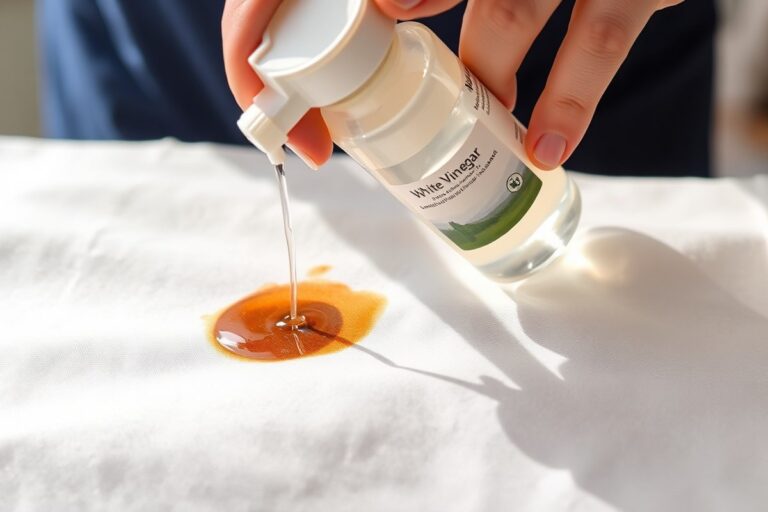
How to Get Rid of Sweat Stains on White Shirts: 8 Proven Methods That Work
Remove sweat stains from white shirts using specific solutions like a baking soda mix, soaking in white vinegar, or bleach for tough yellow marks. These treatments break down the proteins and oils that cause discoloration, helping your shirt look clean again. Fresh stains are easier to treat than older ones, so timing affects results. This guidance suits anyone wanting to restore white shirts stained by sweat to a bright and wearable state.
Eliminating sweat stains on white shirts helps keep your wardrobe looking sharp and extends garment lifespan. Your cleaning method should match the stain’s age and the fabric type. This guide provides straightforward directions to get rid of stains efficiently, along with advice to avoid mistakes and stop stains from forming again.
Key Takeaways
- Apply a baking soda paste to sweat stains and let it sit for 20 minutes before scrubbing gently with a toothbrush.
- Soak fresh sweat stains in white vinegar for 15, 30 minutes to loosen the fabric and ease stain removal.
- For white and cream shirts, carefully use diluted bleach to tackle persistent yellow sweat stains.
- Use a spoon to apply baking soda solution directly onto stains, allowing it to soak for at least 5 minutes before scrubbing.
- Allow treatments like vinegar or paste to sit on stains for at least 10 to 30 minutes for better results.
- Sunlight exposure after cleaning can naturally bleach white shirts and help fade residual sweat stains.
1. How to Get Rid of Sweat Stains on White Shirts Effectively

Begin removing sweat stains from white shirts by applying a paste made of baking soda or soaking the fabric in white vinegar before laundering. Adding hydrogen peroxide can help tackle tougher stains but use it cautiously. Allow enough soaking and treat the stain properly, then wash in cold water to break down residue without harming the fabric. Follow these steps carefully to achieve the best outcome.
Making and Applying a Baking Soda Paste
Mix baking soda with salt and hydrogen peroxide to create a stain-removal paste that lifts sweat marks and odors from fabric fibers. The paste should be thick enough to stick on the stain without dripping. This method is effective on dried and set-in sweat stains because baking soda draws out pigment as it dries.
Use a spoon or an old toothbrush to apply the paste directly onto the stained sections. Let it sit for at least 20 minutes to allow the ingredients to work without drying out completely.
- Combine 4 tablespoons of baking soda, 1 tablespoon of salt, and enough hydrogen peroxide (about 1/4 cup) to form a spreadable paste.
- Lay the shirt flat with the stain facing up.
- Use a spoon or soft brush to spread the paste evenly over the sweat-stained area.
- Allow the shirt to rest for 20 to 30 minutes, avoiding direct sunlight.
- Rinse the treated area with cold water before washing.
Using White Vinegar Soak for Sweat Stains
White vinegar’s acidity helps break down sweat stain residues and deodorizes the fabric. Soaking the entire shirt or just the stained sections in a vinegar-water solution loosens stains, making them easier to remove. Avoid other types of vinegar because they may discolor white fabric.
For older or tougher stains, soaking for at least an hour is best; overnight soaking can be used if the stain is very stubborn. Rinse thoroughly after soaking before applying any other treatments.
- Mix one part white vinegar with two parts cold water in a basin.
- Submerge the stained areas or the whole shirt into the solution.
- Let the shirt soak for 1 to 8 hours, depending on stain severity.
- Remove the shirt and rinse it with cold water carefully.
- Proceed to treat any remaining stains with a baking soda paste or hydrogen peroxide mixture.
Applying Hydrogen Peroxide Mixture Safely
Hydrogen peroxide is a mild bleach and works well on white fabric to reduce yellowing from sweat. It should be used with care because it can weaken fibers or cause color loss on colored garments. Combining it with baking soda improves stain removal and deodorizing.
Test the hydrogen peroxide on a small, hidden area first to check for damage or discoloration. Use short contact times and avoid repeated applications to protect your shirt’s integrity.
- Mix 1/4 cup hydrogen peroxide with 1/4 cup baking soda and 1 teaspoon water to form a paste.
- Apply the paste gently to the stained areas using a soft brush or spoon.
- Allow it to sit for 20 minutes without letting it dry completely.
- Rinse thoroughly with cold water to remove residues.
- Avoid using chlorine-based bleach in combination, which is harsher on fabric.
Washing and Drying Tips After Treatment
After applying stain treatments, wash the shirt in cold water to prevent the stain from setting further. Use a gentle cycle with a mild detergent that does not contain chlorine bleach. Avoid hot water and harsh chemicals, as these may worsen sweat stains or damage the fabric.
Check the stained areas before drying. Stains that don’t completely disappear require another round of treatment before drying, since dryer heat can set the stain permanently. Air drying in the shade preserves fabric quality while preventing yellowing.
- Place the shirt in the washing machine and select a cold water cycle.
- Add mild detergent without chlorine bleach or fabric softeners.
- Run the wash cycle fully, then inspect the shirt for any stain remnants.
- Persistent stains benefit from additional spot treatments instead of going straight into the dryer.
- Hang the shirt to air dry away from direct sunlight when clean.
2. Why White Shirts Get Yellow Sweat Stains

Sweat stains on white shirts appear yellow due to a mix of your sweat’s natural components, body oils, and ingredients in deodorants reacting with fabric fibers. The chemistry behind these stains explains why they stand out so clearly on white cloth. Understanding this interaction helps you tackle and prevent yellowing effectively.
How Sweat Components Cause Yellow Discoloration
Sweat itself is mostly water, but it also contains salts, proteins, and other organic compounds. When sweat dries on fabric, the proteins and salts remain and can bind with the fibers of the shirt. Over time, these substances oxidize, causing a yellow tint, especially on cotton or polyester fabrics, which absorb moisture and oils easily. This buildup creates that stubborn stain typical underarm areas or collars of white shirts.
Your body oils mix with sweat and stick to the fabric, forming an oily layer that traps dirt and bacteria. These bacteria break down the sweat components, further contributing to discoloration. This process happens slowly, so stains become more visible the longer sweat remains unwashed.
The Role of Deodorants and Antiperspirants
Deodorants and antiperspirants often contain aluminum-based compounds to reduce sweating. When these aluminum salts mix with sweat and bind to the protein in your sweat, they create yellowish rings on white shirts. These stains tend to set in quickly and become harder to remove as the aluminum reacts with fabric fibers and body oils.
Using antiperspirants with aluminum can spike the staining process, so the areas under the arms where these products apply show discoloration first. Some deodorants without aluminum still cause staining due to other ingredients like oils and fragrances, but these stains are usually less severe.
Interaction Between Sweat and White Fabric
White fabrics show sweat stains more clearly because any discoloration contrasts sharply with the bright, clean surface. Unlike darker fabrics, white ones cannot hide the yellowing caused by sweat and its chemical reactions. Cotton, a common fabric in white shirts, is highly absorbent, allowing sweat and deodorant residues to penetrate and accumulate, which worsens staining.
Polyester or synthetic blends may react differently, sometimes trapping stains in the fibers more stubbornly or causing a slightly different hue. Heat, body movement, and moisture also affect the way sweat and deodorant residues interact with fabric, making stains more visible after drying.
How Fabric Care Influences Stain Development
Repeated wearing without proper washing allows sweat and deodorant residues to build up and oxidize on fabric, intensifying yellow stains. Washing white shirts in water that’s too hot or using bleach without caution can sometimes worsen stains or cause fabric wear, leaving shirt areas more prone to discoloration in the future.
Choosing breathable, looser-fitting white shirts can reduce direct contact between sweat, deodorant, and fabric, lowering the chance of stain formation. Prompt washing after sweat exposure helps prevent the chemical buildup that causes yellowing, preserving the shirt’s bright look.
Act quickly on fresh sweat stains to prevent chemical reactions that set yellow marks permanently in white fabric.
3. How to Choose the Best Removal Method for Your Stain
Choosing the right method to remove sweat stains depends on the stain’s age, your shirt’s fabric type, and sensitivity. Fresh stains respond well to detergents and baking soda, while old and yellowed stains often need vinegar or oxygen bleach. Delicate fabrics require gentler treatments to avoid damage and discoloration.
Baking Soda Advantages and Application Tips
Baking soda is a mild, cost-effective option that helps reduce odor and loosen light sweat residue on white shirts. It’s best for fresh or lightly stained garments where heavy bleaching isn’t necessary. For application, make a paste by mixing baking soda with a small amount of water, then apply it directly to the stain.
Leave the paste on for 10 to 15 minutes before rinsing or washing as usual. Although baking soda is safe for most fabrics, it may not effectively remove older yellow stains on its own. Avoid using it with hydrogen peroxide on colored shirts to prevent discoloration.
White Vinegar Uses and Limitations
Distilled white vinegar is effective for old, yellow sweat stains thanks to its mild acidity and lack of coloring agents. Sponge vinegar onto the stain to help break down residue before applying an enzyme detergent. For tough, set-in stains, soaking the garment in vinegar for up to 1 hour can increase removal success.
Because vinegar is gentle, it’s suitable for most fabric types but may not completely remove very stubborn stains without an enzyme prewash or booster like oxygen bleach. Avoid over-soaking delicate fabrics and always perform a spot test first.
Oxygen Bleach Safety and Effectiveness
Oxygen bleach is a gentle option for white clothes and effectively removes tough sweat stains without using chlorine bleach. To apply, mix oxygen bleach powder with warm water, then let the shirt soak for around 1 hour. After soaking, wash the shirt using the hottest water safe for the fabric, as indicated on its care label.
This approach often beats many homemade remedies, especially with older stains. You can create a substitute by combining hydrogen peroxide, baking soda, and water if you don’t have commercial oxygen bleach. Avoid using oxygen bleach on delicate or colored fabrics unless the care label says it’s safe.
Hydrogen Peroxide Precautions
Hydrogen peroxide may help remove sweat stains on white cotton shirts by acting as a mild bleaching agent. It’s best used as a spot treatment and diluted with water to minimize fabric damage. Apply with a cotton swab or sponge and let it sit for around 10 to 15 minutes before rinsing.
This method is not recommended for colored or delicate fabrics as it can cause discoloration or weakening of the fibers. Always test a small, hidden area first and avoid combining hydrogen peroxide with baking soda on colored clothes to prevent unwanted bleaching effects. The following table summarizes proper stain removal choices based on stain age and fabric sensitivity.
| Stain Age | Recommended Method | Fabric Type Suitability | Time Required | Notes |
|---|---|---|---|---|
| Fresh sweat stains | Detergent with baking soda paste | Most fabrics except delicate (test first) | 10-15 minutes treatment | Loosens light residue and reduces odor |
| Old, yellow sweat stains | White vinegar soak plus enzyme detergent | Most fabrics; gentle on delicate if limited soak | Up to 1 hour soak or overnight | Better at breaking down set-in stains |
| Stubborn, set-in stains | Oxygen bleach soak and warm machine wash | White or cream fabrics only | 1 hour soak + full wash cycle | Strongest safe whitening option available |
| White cotton shirts (spot treatment) | Diluted hydrogen peroxide | White cotton only | 10-15 minutes spot application | Test first to avoid fabric damage |
| Delicate fabrics | Diluted vinegar or mild detergent only | Delicates (silk, lace) | Short contact time, spot test essential | Avoid scrubbing and bleaching agents |
Selecting the right treatment depends on the balance between stain severity and fabric sensitivity. Light stains on durable fabrics can handle more aggressive agents like oxygen bleach. Old stains require longer treatment times, often with vinegar and enzyme detergents. Always avoid harsh chemicals on delicate fabrics unless the care label allows it.
4. Tools and Techniques for Treating Sweat Stains at Home
Use a soft-bristled toothbrush or a small, gentle scrub brush to treat sweat stains on white shirts. These tools provide enough friction to loosen the stain without damaging the fabric fibers. Avoid stiff brushes or abrasive scrubbers, which can fray or weaken delicate cotton or synthetic materials.
Start by dampening the sweat mark with warm water. Then, put an enzymatic stain remover like Krud Kutter Sports Stain Remover or Zout directly on the affected area. These cleaners contain enzymes that specifically break down protein stains. Let the remover sit for 5 to 10 minutes before the next step.
Gently scrub the stain in small circular motions with your brush. Use light to moderate pressure, enough to agitate the stain but not so much that the fabric feels rough or starts to pill. Concentrate on the stained spot, avoiding the rest of the shirt to prevent unnecessary wear. This targeted scrubbing helps lift the stain without spreading it or stressing the shirt.
When choosing cleaning agents, enzymatic detergents work well for sweat due to their ability to break down proteins and oils. In some cases, a paste made from crushed aspirin tablets mixed with a small amount of water can be gently rubbed onto the stain, as aspirin contains salicylic acid which targets protein-based stains. Test any cleaner in an inconspicuous area first to make sure it doesn’t discolor the fabric.
- Use a soft-bristled toothbrush for scrubbing sweat stains gently.
- Apply enzymatic stain remover directly to the dampened stain and wait 5, 10 minutes.
- Scrub with light circular motions focusing only on the stained area.
- Prepare a paste from crushed aspirin and water as an alternative stain treatment.
- Always test stain removers on a hidden fabric spot before full application.
- After scrubbing, launder the shirt as usual in cool or warm water, not hot.
- Avoid harsh brushes or excessive rubbing which can damage fabric fibers.
Once the stain is loosened, wash the shirt in a washing machine using a regular cycle with cool or warm water to avoid setting the stain further. Avoid hot water as it can fix yellow sweat stains permanently. Proper use of these tools and techniques results in visible stain reduction or full removal, while mishandling can cause fabric wear or incomplete cleaning.
5. How to Prevent Sweat Stains on White Shirts Before They Start
Sweat stains on white shirts form mainly from the reaction between sweat salts and aluminum compounds in many deodorants. Using less deodorant or switching to one without aluminum can reduce this buildup and help prevent stains. Look for natural deodorants labeled aluminum-free, which stop the chemical reaction causing yellowing. Testing a new product on a small skin area first can also avoid irritation.
Laundry habits make a difference too. Don’t let sweat stains set by washing white shirts as soon as possible, ideally within 24 hours. Turn shirts inside out to expose sweat areas directly to detergent. Select the warmest water safe for the fabric, generally between 86°F and 104°F (30°C, 40°C), to improve stain removal during washing. Avoid fabric softeners on white shirts, as they can leave residues that hold stains.
- Use less deodorant and apply only when dry.
- Choose an aluminum-free deodorant to stop chemical buildup.
- Wash white shirts promptly, within one day of wearing.
- Turn the shirt inside out before washing to target sweat areas.
- Use warm water based on fabric care labels, around 86°F to 104°F (30°C, 40°C).
- Skip fabric softeners when washing whites to avoid residue.
Always check care labels before changing your laundry routine to prevent damage, especially with delicate fabrics.
Wearing breathable, moisture-wicking undershirts can also reduce direct sweat contact on white shirts, helping keep them cleaner longer. Avoid overdressing in layers that trap heat, raising sweat levels. Regular cleaning of washing machines prevents mineral deposits that make stain removal harder. Taking these steps consistently balances effort and cost, leading to fewer sweat stains and longer-lasting white shirts.
6. Common Mistakes When Removing Sweat Stains and How to Fix Them
Using the wrong type of bleach is a common mistake when treating sweat stains on white shirts. Chlorine bleach can cause yellowing or weaken fabric fibers, making the stain worse or the garment more fragile. Opt for oxygen-based bleach instead, which is safer for most fabrics and less harsh. Make sure to follow the product instructions and test on a small hidden area first. Avoid using bleach on delicate fabrics like silk or wool.
Drying the shirt before removing the stain can set the stain permanently. Heat from a dryer triggers a chemical reaction that bonds the sweat and stain deeper into the fabric. Always treat sweat stains before washing and drying. After applying stain removers or soaking, wash the shirt immediately on a gentle cycle using cold or warm water, not hot, to prevent damage and limit stain setting.
Scrubbing too hard can damage the fabric and worsen the stain by pushing it deeper into the fibers or tearing threads. Use a soft-bristled brush or a clean cloth to gently work stain removers into the fabric. Letting a stain remover soak for 15 to 30 minutes before washing can reduce the need for vigorous scrubbing. Harsh scrubbing also risks thinning the shirt, leading to holes or visible wear.
When the stain stays visible after washing, repeat the stain removal process before drying the shirt again. Avoid tossing the shirt in the dryer while the stain is still there. Instead, try soaking the stained area in a mixture of warm water and oxygen bleach for 30 minutes, then wash on a gentle cycle once more. For stubborn stains, applying a paste of baking soda and water or a few drops of dish soap can help break down the residue without harming the fabric.
Fabric damage often results from using a heavy wash cycle or high heat settings. Select a gentle machine cycle with lower agitation to protect the shirt’s integrity. Use cold or warm water rather than hot water to avoid shrinking or weakening fibers. Avoid using bleach and stain removers that are not designed for the fabric type. When unsure, check the care label or do a spot test.
Following label instructions and treating stains promptly helps prevent common errors. Keep stain removers on hand and avoid delays in pre-treatment. Stains that sit for days become much harder to remove. Gentle care combined with the right cleaning agents and proper timing reduces the chance of making stains worse or causing fabric wear.
7. How Long Does It Take to Remove Sweat Stains Completely?
Removing sweat stains from white shirts requires careful timing at several steps to avoid damaging the fabric while achieving the best results. Start by soaking the stained underarm area in white vinegar for 15 to 30 minutes. This soak loosens the stain and breaks down residue, making it easier to treat. Avoid soaking longer than 30 minutes, as vinegar is acidic and prolonged exposure can weaken fibers.
After soaking, wring out excess liquid gently to prevent stretching or distortion. Apply a stain removal paste, such as a mixture of baking soda and water or an enzymatic stain remover, directly onto the stain. Let the paste sit for at least 15 minutes, but no more than 30 minutes. This timeframe balances stain breakdown with fabric safety. For older or set-in stains, let the paste sit for 30 minutes before washing.
Machine wash the shirt in cold water following the paste treatment. Cold water prevents the stain from setting permanently, especially important for sweat stains complicated by antiperspirants. Use a regular detergent suitable for whites and avoid bleach unless the fabric care label allows it. When the stain is still visible after washing, repeat the soaking and paste steps, then wash again instead of soaking longer.
It’s best to air dry the shirt until you are certain the stain is fully removed. Heat from dryers or irons can set any remaining stain, making it nearly impossible to remove later. After washing, hang the shirt in sunlight or well-ventilated areas to dry. Only use a dryer after the stain is completely gone. Iron the shirt on the lowest heat setting recommended for the fabric, using a pressing cloth to protect the fibers.
Fresh sweat stains typically respond well to one soak-paste-wash cycle lasting around 1 to 1½ hours total, including soaking and paste setting. Older stains might require repeating this entire process once or twice, increasing total treatment time to 3 hours or more. Excessive or prolonged soaking beyond recommended times risks weakening the white shirt’s fabric and should be avoided.
These timing guidelines help balance thorough stain removal while preserving shirt integrity. Soaking and paste application times provide enough contact for stain breakdown without fabric damage. Cold water washing and air drying prevent stain setting and allow you to inspect results before applying heat. Following this sequence and timing carefully results in cleaner white shirts free from sweat marks and fabric harm.
8. When to Call a Professional for Sweat Stains on White Shirts
Call a professional cleaner if your white shirt’s sweat stains remain visible despite several attempts with home remedies. Stains that have set in for months or years are usually harder to remove because the proteins and oils from sweat bind deeply into fabric fibers. If the shirt is made of delicate materials like silk, wool, or certain blends that react poorly to household cleaners, sending it to a professional is safer to avoid damage or discoloration.
Professional cleaners often use stronger, specialized solutions and controlled methods not available for home use. For stubborn underarm stains, they might apply enzymatic cleaners or oxygen-based bleaches precisely measured and timed for fabric safety. Treatments like ozone cleaning or steam can also break down tough stains without weakening fibers. These services commonly cost between $10 and $30 per shirt depending on location and fabric, but the price is worth it when protecting expensive or cherished garments.
A simple decision rule helps decide when to seek expert help: if you’ve used standard home stain removers like baking soda, hydrogen peroxide, or enzymatic detergent on a white shirt multiple times over a week without fading the sweat marks, professional cleaning is the next step. Also, avoid using home methods on shirts labeled “dry clean only” or “hand wash cold” because water and common stain removers can cause shrinkage, color loss, or fabric distortion. Professionals understand how to handle these fibers safely with solvents and machinery designed for such clothes.
Professional cleaning usually takes 1 to 3 days, depending on the service and workload, and they often provide a satisfaction guarantee or re-cleaning if stains return. Good results look like restored whiteness and undamaged fabric texture, though very old or heavily embedded stains may lighten instead of disappearing fully. On rare occasions, intense chemical treatments can slightly weaken thin fabrics, so ensure your cleaner advises you about your garment’s condition beforehand.
Always check your shirt’s care label before trying any home treatments; ignoring fabric instructions risks permanent damage and costly repairs.
Step-by-Step Action Plan for Removing Sweat Stains on White Shirts
Follow these clear steps to tackle sweat stains and restore your white shirts effectively.
- Before washing: Soak the shirt in cold water mixed with a quarter cup of white vinegar for 30 minutes to start breaking down the stain.
- During pretreatment: Apply a paste of baking soda and water directly to the stain, then let it sit for 15 minutes to lift yellowing.
- When washing: Use a detergent that targets protein-based stains and wash in warm, not hot, water to avoid setting the stain.
- After washing: Check if the stain has faded before drying; repeat pretreatment if visible yellow remains.
- Drying: Air dry the shirt to prevent heat from permanent setting any leftover stain.
- Weekly care: Treat your shirts quickly after wearing to avoid stains setting in and use antiperspirant products to reduce excess sweat.
- Every few wears: Use an oxygen-based bleach designed for whites to keep fabrics bright and remove any lingering discoloration.
- Before long-term storage: Make sure all stains are gone and shirts are fully dry to avoid yellowing over time.
Frequently Asked Questions
Can I Use Bleach to Remove Sweat Stains from White Shirts Safely?
Using bleach can remove sweat stains but may weaken fabric over time. Use diluted bleach cautiously and follow label instructions to avoid damage or yellowing.
How Effective Is Sunlight for Fading Sweat Stains on White Shirts?
Sunlight acts as a natural bleach that can help fade sweat stains. Place the shirt in direct sunlight after treatment for best results, but avoid prolonged exposure to prevent fabric weakening.
Will Washing a White Shirt Immediately After Sweating Prevent Stains?
Washing right after sweating reduces stain setting but won’t prevent all marks. Treating areas like collars and underarms promptly improves stain removal chances.
Do Natural Remedies Like Baking Soda Really Work on Yellow Sweat Stains?
Baking soda is an effective mild abrasive and deodorizer that can help remove yellow sweat stains. Make a paste with water and apply before washing for better results.
Can Deodorant Cause or Worsen Sweat Stains on White Shirts?
Yes, aluminum compounds in many antiperspirants contribute to yellow sweat stains. Switching to aluminum-free products can reduce stain formation on white shirts.
Are Sweat Stains Permanent If Left Untreated for a Long Time?
Sweat stains become harder to remove the longer they set, especially yellowing. Prompt treatment is key, but some older stains may not completely disappear.
Final Thoughts
You can manage sweat stains on your white shirts at home with simple, consistent care and avoid permanent damage. Start by addressing stains quickly and use gentle but effective treatments like vinegar and baking soda. Taking these steps will help keep your shirts looking clean longer. Try pretreating your next stained shirt before washing to see noticeable improvement.