What Does Permanent Press Mean: A Complete Guide to Laundry Settings
The permanent press setting on washers and dryers is designed to reduce wrinkles by using warm water and a medium heat cycle. It gently washes and dries clothes to keep them looking smooth without needing much ironing. This setting is ideal for synthetic fabrics and blends that don’t hold wrinkles well after cleaning.
This explanation suits anyone curious about laundry settings or wanting to keep clothes wrinkle-free with less effort. You’ll understand how the permanent press cycle works, which fabrics benefit most, and how to use it effectively for better laundry results.
Key Takeaways
- The permanent press wash cycle uses warm water and a cooler second rinse to reduce fabric wrinkles.
- During drying, permanent press uses medium heat (125 to 135°F) for 30 to 60 minutes to prevent wrinkles.
- Permanent press fabrics usually need less ironing thanks to the cycle’s gentle agitation and temperature control.
- Best fabrics for permanent press include polyester and synthetic blends that resist creasing post-wash and dry.
- Sorting clothes by fabric type before washing prevents damage and improves wrinkle reduction on permanent press cycles.
- Removing clothes promptly after drying avoids wrinkles that permanent press cycles aim to minimize.
What Does Permanent Press Mean on Washers and Dryers
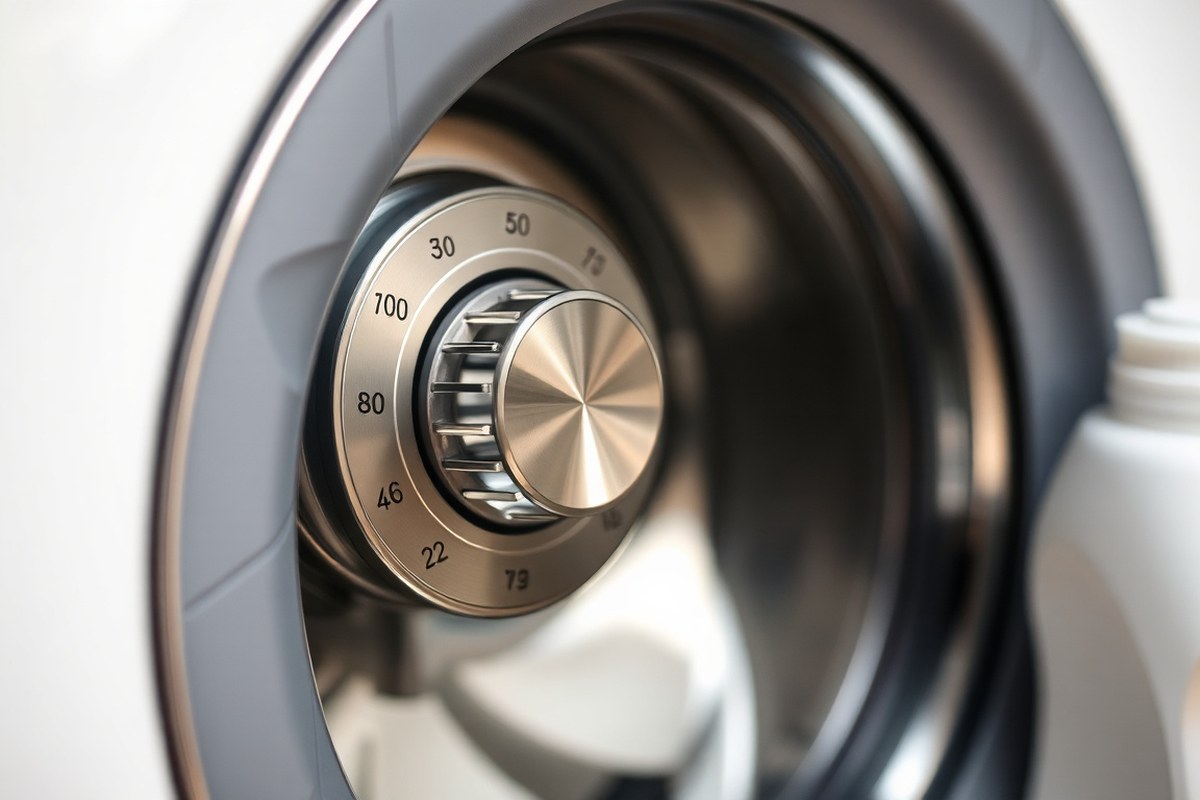
Permanent press on washers and dryers refers to a specific cycle designed to reduce wrinkles and protect fabrics during laundry. Its main function is to wash and dry clothes using moderate heat and gentler agitation to prevent creases that form with harsher treatments. This setting uses warm water and a slower spin speed in the washer, combined with medium heat and a cool-down phase in the dryer. These steps work together to relax fibers and minimize wrinkles effectively without damaging the fabric.
Using warm water around 90 to 110°F during the wash phase helps loosen dirt while making it easier to smooth out wrinkles. The slow spin cycle, which operates at a reduced speed compared to normal cycles, prevents clothes from twisting tightly, which often causes creasing. After washing, the permanent press drying cycle continues the gentle treatment by applying medium heat, generally between 125 and 135°F, to dry garments gradually. This temperature is lower than the regular setting’s 135 to 160°F range, which can be rough on fabric and cause additional wrinkles.
The cool-down feature built into the permanent press cycle of the dryer is a key component. Toward the end of drying, the machine runs without heat for several minutes, allowing clothes to cool while still tumbling. This reduces tight packing and prevents wrinkles caused by lingering heat. Together, these measures keep clothes looking smoother and reduce the need for ironing, especially for fabrics labeled as permanent press, synthetic blends, or cotton blends.
Operating the permanent press cycle requires selecting this specific setting on both your washer and dryer. Follow your machine’s user manual, as some models allow adjustments to water temperature or spin speed within this cycle. Generally, permanent press laundry takes slightly longer than normal cycles due to the gentler spin and extended cool-down but costs no more in terms of energy or water if you use only what the machine requires. Results typically include fewer wrinkles, less fabric stress, and better preservation of clothes’ appearance.
However, this cycle is not a one-size-fits-all solution. While permanent press is gentler than regular wash cycles, it’s still too rough for very delicate items like lace, silk, or vintage clothes that need the delicate cycle’s cold water and minimal agitation. Using permanent press on these may still cause some damage or wrinkles. Conversely, skipping this setting and using high heat or a fast spin can increase wrinkles and fabric wear for items intended for permanent press care.
How the Permanent Press Cycle Works During Wash and Dry
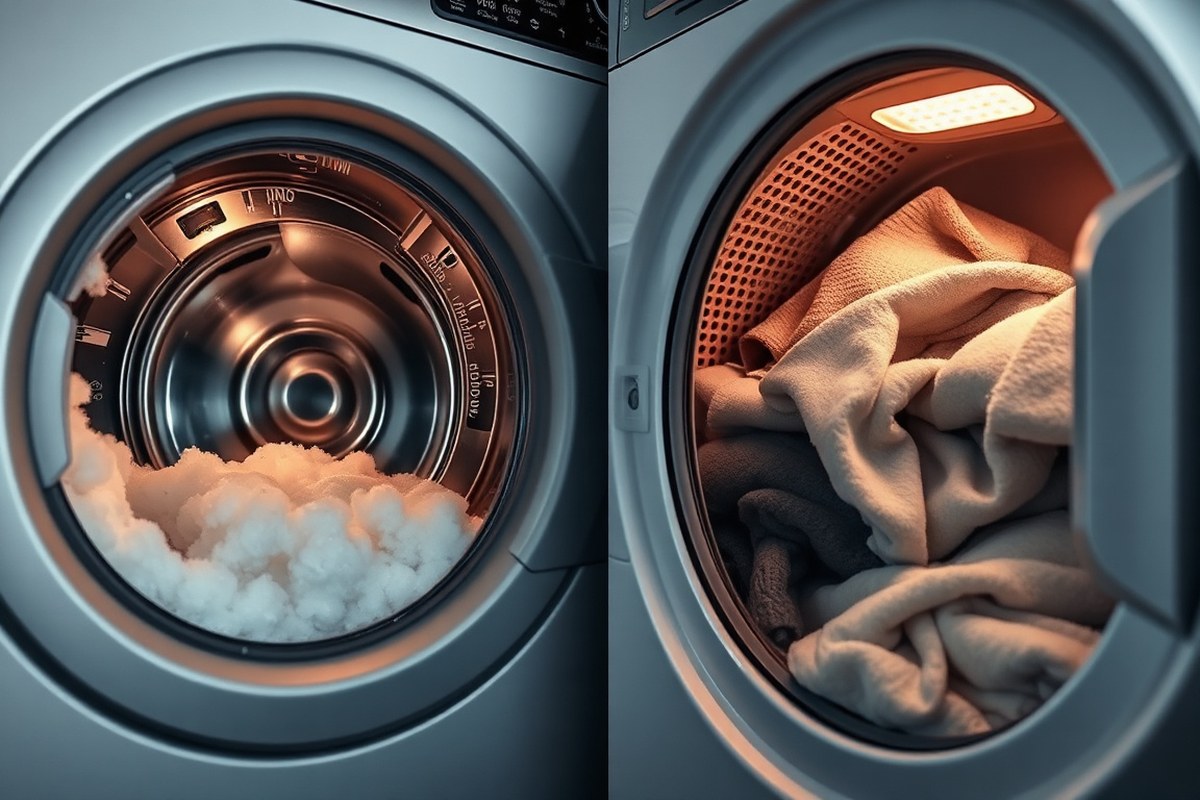
The permanent press cycle uses warm water with gentler agitation and a slower spin to clean clothes while reducing wrinkles and shrinkage. During drying, it applies medium heat with a cooldown phase to further minimize wrinkling. Adjusted temperature and mechanical actions help settle fabrics without stressing them.
Permanent Press Washing Process Explained
The wash cycle in permanent press mode carefully balances cleaning power with fabric care. It uses warm water, typically around 90°F to 110°F, which relaxes fibers to ease out creases but avoids the shrinkage risks of hot water. Agitation is gentler compared to a regular cycle to reduce fabric stress and limit wrinkle formation.
Spin speed is slower as well, usually around 600 to 800 RPM, which extracts water without causing excessive creasing. This combination helps preserve the shape and finish of clothes labeled for permanent press care, like synthetic blends and wrinkle-resistant cottons. On machines without this preset, you can simulate permanent press by selecting warm water and a slow spin manually.
- Fill the washer with warm water (about 90°F to 110°F).
- Add detergent suitable for your fabrics.
- Load your clothes, avoiding overfilling.
- Start gentle agitation to clean without harsh movement.
- Perform a slow spin cycle (600-800 RPM) to reduce water retention.
- Drain water completely.
- Remove clothes promptly to avoid wrinkles settling.
Avoid high spin speeds in the permanent press cycle to prevent fabric creasing and shrinking.
Permanent Press Drying Process Details
The drying phase for permanent press clothing uses medium heat to gently dry without excessive heat stress that causes wrinkles and shrinkage. Dryers automatically adjust drying time to match load size and fabric type, typically ending with a cooldown period where tumbling continues with no heat.
This cooldown helps relax fibers and reduces static. The moderate heating temperature usually ranges between 120°F and 135°F, lower than the high heat used in regular drying. This protects wrinkle-resistant finishes and keeps garments looking smooth. For machines without a permanent press dry setting, select a medium heat timed dry or use the tumble dry low option combined with a cooldown.
Typical Cycle Times and Temperature Ranges
Permanent press wash cycles generally run shorter than normal cycles, often between 30 and 40 minutes depending on water levels and agitation. The slower spin and gentler motions reduce soil removal speed, so cycle length balances cleaning with fabric care.
Drying times at medium heat typically last 30 to 50 minutes, followed by 5 to 10 minutes of cooldown tumbling. Exact times vary by load size and machine model, but the goal is to dry clothes thoroughly without causing new wrinkles.
Water temperatures in washing machines for permanent press cycles usually stay within the warm range (90°F to 110°F). Dryers operate around 120°F to 135°F in this mode, compared to 140°F to 150°F or higher for regular drying.
Which Fabrics and Clothes Are Best for Permanent Press
Permanent press cycles work best with wrinkle-resistant fabrics, mainly synthetics and blends that benefit from a warm wash with a cool rinse. Clothes that wrinkle easily but don’t require delicate handling suit this setting. Avoid using permanent press for very delicate or heavy, rugged fabrics to prevent damage or insufficient cleaning.
Good Candidates for Permanent Press Cycles
Synthetic fibers, such as polyester, rayon, and nylon, are ideal for permanent press cycles. These fabrics tend to wrinkle but respond well to the moderate agitation and temperature control this cycle offers. Blended fabrics combining cotton with synthetics also perform well, as the warm wash loosens dirt without harsh agitation that could shorten fabric life.
Workout clothes and everyday garments labeled permanent press or no-iron are well matched to this cycle. They benefit from the combination of a warm wash to break down stains and a cool rinse to prevent setting wrinkles. Lace and other delicate synthetics that cannot endure a delicate cycle but need gentler treatment than a normal cycle also fit here.
- Polyester shirts and blouses
- Rayon-blend dresses and tops
- Permanent press labeled cotton blends
- Workout clothes made of synthetic fibers
- Lace and synthetic semi-delicate fabrics
Using the cycle on these garments helps maintain their appearance over time by minimizing wrinkles while cleaning effectively. The moderately warm water combined with a cooler rinse preserves the fabric’s protective finish and reduces ironing needs.
Clothes to Avoid Using Permanent Press
Avoid permanent press for delicate fabrics that require cold water and gentle handling, such as silk or wool. These materials can get damaged due to the warm wash temperature or agitation. Also, very rugged or soiled garments like jeans, heavy cotton, or work clothes usually need stronger cycles to clean thoroughly.
Using permanent press on such fabrics can cause shrinkage, loss of texture, or inadequate stain removal. Bulky items like towels and bedding also don’t suit this cycle due to their weight and cleaning requirements, which usually call for heavy-duty cycles with higher wash intensity and hotter water.
Reading Care Labels for Permanent Press Symbols
Check the care label on each garment to confirm if permanent press cycles are recommended. Look for terms such as “permanent press,” “easy care,” “no-iron,” or “wrinkle-resistant.” These labels indicate the clothes have been treated or manufactured to withstand moderate temperatures without excessive wrinkling.
Care tags often specify washing temperature and machine settings; a symbol showing a tub with one line under it often indicates the garment’s suitability for permanent press or similar cycles. Following these instructions preserves fabric integrity and makes laundry results better, extending your clothes’ usable life.
Differences Between Permanent Press, Normal, and Delicate Cycles
The permanent press cycle offers a middle ground between the normal and delicate wash cycles. It uses gentler agitation and slower spin speeds than the normal cycle, reducing wrinkles while still cleaning clothes effectively. This cycle is best for synthetic fabrics with a permanent press finish or casual wear that you want to keep wrinkle-free but that isn’t too fragile. In contrast, the normal cycle uses more vigorous agitation and faster spins to clean heavily soiled, sturdy fabrics thoroughly. Delicate cycles apply the gentlest agitation and slowest spin, protecting very fragile items but providing less cleaning power.
| Feature | Permanent Press | Normal | Delicate |
|---|---|---|---|
| Agitation Level | Moderate, gentle to reduce wrinkles | Rough, strong agitation for thorough cleaning | Very gentle to protect fabrics |
| Spin Speed | Slower spin to avoid wrinkles and fabric stress | Fast spin to remove more water | Slowest spin to minimize stretching |
| Washing Temperature | Warm wash with cooler rinse | Warm or hot wash with warm rinse | Cold or cool wash and rinse |
| Drying Temperature | Lower heat with longer cool-down | Higher heat, shorter cool-down | Low heat or air dry |
| Best For | Synthetics with wrinkle resistance and casual wear | Durable, cotton, heavily soiled clothes | Delicate fabrics and items labeled hand wash only |
| Cleaning Power | Good but less than normal cycle | Strong cleaning for tough stains | Light cleaning for sensitive fabrics |
Choosing permanent press over normal depends on your fabric and wrinkle concerns. For cotton shirts that aren’t heavily soiled, normal settings clean well but can cause wrinkles if dried aggressively. Permanent press reduces wrinkles thanks to gentler agitation and slower spinning while still cleaning reasonably well. It’s less effective for heavy stains due to its milder wash action. Compared to delicate cycles, permanent press cleans more thoroughly but uses more agitation, so it’s not suitable for fragile lingerie or lace.
The goal of permanent press is to balance cleaning power and wrinkle prevention by controlling washing intensity and temperature. When using this cycle, expect your clothes to come out generally clean and with fewer wrinkles than with normal cycles. Drying at a lower temperature with a cool-down phase further helps reduce wrinkles. Avoid permanent press cycles for anything highly delicate or heavily soiled, and save normal cycles for those items requiring extra cleaning strength. Using permanent press cycles appropriately saves you ironing and keeps wrinkle-resistant fabrics looking their best without sacrificing much cleanliness.
Sorting Laundry and Preparing Clothes for Permanent Press
Sorting your laundry correctly before using the permanent press cycle plays a key role in achieving wrinkle-free clothes while protecting fabric quality. Start by separating items based on fabric type and care labels, focusing on moderate soil levels and fabrics prone to wrinkling, like synthetic blends or treated cottons. Avoid mixing heavy fabrics like denim or towels with permanent press clothes, as the texture difference can cause abrasion and undermine the gentle wash cycle.
Color sorting is also important. Group darks, lights, and whites separately to prevent color bleeding. While some permanent press items can be mixed across colors if you know the garments won’t run, erring on the side of caution reduces risk. Check care tags for temperature recommendations; most permanent press fabrics tolerate warm water, which supports cleaning without excessive wrinkling.
Once sorted, load the washing machine loosely, filling it about three-quarters full to allow movement that aids in cleaning and wrinkle prevention. Overloading restricts fabric motion, resulting in poor wash results and increased wrinkles. Use a mild detergent suitable for the fabric type, measuring carefully, typically about 1 to 2 tablespoons (15-30 mL) for a regular load, following the detergent label instructions. Excess detergent can leave residues and stiffen fabrics, defeating the cycle’s purpose.
- Sort clothes by fabric type and wrinkle sensitivity
- Separate colors to avoid bleeding issues
- Load the washer no more than three-quarters full
- Use a mild detergent suited to permanent press fabrics
- Follow care label temperature guidelines
- Avoid mixing heavy or heavily soiled items
- Remove clothes promptly to reduce wrinkles
After washing, transfer clothes to the dryer using the permanent press setting to continue wrinkle reduction. Following the same sorting principles ensures even drying and prevents damage. The permanent press drying cycle uses medium heat with a cool-down period, which helps set the fabric’s shape and reduces wrinkling. Always remove clothes promptly once the cycle ends to avoid setting wrinkles that form from sitting.
Adding too much detergent can cause buildup, increasing wrinkles and reducing fabric softness, stick to recommended amounts for best permanent press results.
Tips to Minimize Wrinkles Using Permanent Press Cycles
Removing clothes promptly after the permanent press cycle ends is essential to prevent wrinkles. Leaving garments sitting in the washing machine or dryer encourages crease formation. Take out your clothes within 10 to 15 minutes of the cycle finishing when possible. For items labeled “permanent press,” hanging them up right away keeps fabric smooth and reduces the need for ironing.
Drying techniques also impact wrinkle reduction. The permanent press drying setting typically uses medium heat and a slower tumbling speed. This gentle approach helps relax the fibers, decreasing wrinkles. Avoid over-drying by stopping the dryer once clothes are just dry or slightly damp. Over-drying can stiffen fabrics and increase creases. Some practical tips to minimize wrinkles while handling permanent press clothes include:
- Promptly remove clothes after washing and drying cycles finish
- Shake out garments before hanging or folding them
- Use permanent press or medium heat settings on both washer and dryer
- Separate heavier and lighter fabrics to ensure even drying
- Hang shirts and blouses on hangers immediately after drying to keep shape
- Fold other items loosely to avoid crease lines
- Use a cool iron or steamer to quickly touch up any remaining wrinkles
Even with proper care, some garments may still show wrinkles after the permanent press cycle. Using a cool iron or steamer immediately after removing clothes can smooth out these stubborn creases without damaging fabric. Follow the care label for temperature guidelines to avoid scorching or melting synthetic fibers.
Taking these steps requires only a bit of extra time but can save you from iron-heavy routines or professional pressing expenses. Ultimately, removing clothes promptly and adjusting drying settings to avoid over-heating are the most effective ways to keep your permanent press garments wrinkle-free and ready to wear.
Common Mistakes and How to Troubleshoot Permanent Press Issues
One common mistake with the permanent press cycle is overloading the washer or dryer. When you stuff too many clothes at once, the cycle can’t move them freely, which leads to uneven washing and drying. This often causes wrinkles and prevents clothes from coming out clean. To fix this, load about two-thirds of the washer’s capacity, leaving enough room for clothes to tumble. For dryers, use a similar approach to let warm air circulate properly.
Another issue is using the wrong water temperature. Permanent press cycles typically recommend warm water, around 90°F to 110°F, which helps relax wrinkles without damaging fabrics. Using hot water can shrink or fade clothes, while cold water might not remove stains well. Check your garment labels carefully and select the water temperature accordingly. Clothes that come out wrinkled may benefit from the permanent press cycle’s cooldown or wrinkle-reduction setting, which reduces wrinkles by cooling garments gradually.
Sometimes improper spin speed causes problems. A too-fast spin can crease delicate permanent press fabrics, while a slow spin leaves excess water that increases drying time and wrinkles. Set your washing machine spin speed between 800 and 1,000 rpm when available to avoid these issues. Should wrinkles persist, shake out your clothes before transferring them to the dryer.
- Don’t overload washer or dryer; aim for about two-thirds full loads.
- Use warm water (90°F to 110°F) as recommended on garment labels.
- Select moderate spin speed (800, 1,000 rpm) to reduce wrinkles.
- Use dryer’s cool-down or wrinkle-release cycle to ease wrinkles.
- Shake clothes out before transferring to dryer to prevent creases.
- Avoid using too high heat in the dryer to prevent shrinking.
Poor cleaning results often come from using too little detergent or the wrong type. Permanent press fabrics can trap oils and dirt, so use a high-efficiency detergent designed for your machine, roughly two tablespoons for a standard load. Pre-treat stains before washing to get the best results. When the permanent press cycle doesn’t clean well, a second wash on a normal cycle can help but might increase wrinkles, so consider the trade-off.
Heat settings during drying also affect results. Use medium heat or the permanent press setting to avoid shrinking and excessive wrinkles. High heat can damage synthetic blends common in permanent press clothing. Turning clothes inside out and promptly removing them from the dryer reduces wrinkles too. Ironing might still be required for a crisp look; the permanent press cycle reduces wrinkles but doesn’t always eliminate them completely.
The History and Evolution of the Permanent Press Concept
The concept of permanent press began as an innovation to reduce wrinkles in synthetic fabrics, becoming closely tied to clothing care advancements in the mid-20th century. It originated alongside the rise of synthetic fibers and grew with changes in washing machine and dryer technology that made laundry easier and less damaging to delicate fabrics. The term remains relevant as a practical laundry cycle designed to handle these materials carefully.
Origins in Synthetic Fabric Development
The development of synthetic fabrics like polyester and rayon in the early to mid-1900s created a new category of clothing that required special care. These fabrics tended to wrinkle less than cotton but were sensitive to heat and harsh washing. To solve these problems, fabric manufacturers treated fibers chemically to create “permanent press” finishes. These finishes helped fabrics stay smooth after washing, reducing or eliminating the need for ironing and making garment care less time-consuming.
This innovation aimed to meet consumer demand for durable and easy-care clothes during a time when more households were using automatic washers and dryers. The synthetic fibers themselves could withstand frequent washing, but the wrinkle-resistant treatment ensured that clothes remained presentable with less effort after a wash cycle. Lower heat settings for ironing and drying became necessary because the chemical finishes could be damaged by high temperatures, causing melting or shiny spots on the fabric.
Introduction of Permanent Press in the 1950s
The term “permanent press” was first introduced in the 1950s, primarily by Procter & Gamble, as both a fabric finish and a marketing term. This period marked an expansion of synthetic fabric use in everyday clothing, including shirts, dresses, and uniforms. Permanent press fabrics promised consumers garments that required less ironing and kept a neat appearance longer between washes. The term quickly became associated with ease of care and wrinkle resistance.
Manufacturers began labeling clothes with “permanent press” tags, advising specific laundry care routines to preserve this finish. This included washing in warm water with gentle agitation and drying at medium or low heat, helping to set wrinkles in place without breaking down the fabric treatment. This focus on gentle care routines led to the development of new washer and dryer cycles designed specifically for these fabrics.
Evolution of Washer and Dryer Settings
As automatic washers and dryers became household standards, appliance makers created specialized cycles to protect permanent press fabrics. These cycles generally use warmer wash water than delicate cycles but cooler than traditional whites, with slower spin speeds to reduce wrinkling. Dryers use medium heat with a cool-down period to let clothes finish drying without overheating, which prevents damage to synthetic fibers and keeps wrinkles from setting in.
Today, the “permanent press” cycle has expanded beyond just synthetic fibers. It is now commonly used for blends of natural and synthetic fibers labeled as wrinkle-resistant or non-iron. Many washers and dryers include this setting as a middle ground between heavy-duty and delicate cycles. It balances effective cleaning with fabric care, protecting garments that are prone to wrinkling without the harsher agitation or high heat that can cause wear.
Always use lower heat when ironing permanent press fabrics to avoid melting or damaging the wrinkle-resistant finish.
Step-by-Step Action Plan for Using Permanent Press Cycles
Follow these steps to get the best results when washing and drying with permanent press settings.
- Before you start: Sort your laundry by fabric type and color, placing permanent press garments separately. This prevents damage and ensures proper cycle performance.
- Loading the washer: Put in the permanent press clothes without overloading. Clothes should have enough room to move to reduce wrinkles and optimize cleaning.
- Choosing settings: Select the permanent press cycle on your washer and dryer, making sure both use warm water and a medium heat drying setting. This combination keeps fabrics wrinkle-free.
- Adding detergent: Use the recommended amount of detergent designed for your washer type (HE or regular). Too much detergent can cause residue, affecting wrinkle control.
- During washing: Allow the washer to complete the entire permanent press cycle without interruption. This ensures the fabric finishes with a cool-down period to reduce creasing.
- Immediately after washing: Transfer clothes promptly to the dryer to prevent wrinkles from setting. Start the permanent press drying cycle right away.
- During drying: Pause the cycle if possible near the end to shake out and rearrange clothes, then finish drying. This limits wrinkles and allows even drying.
- After drying: Remove clothes quickly and hang or fold them. Using permanent press settings alone won’t prevent wrinkles if clothes sit in the dryer or basket for too long.
Frequently Asked Questions
What Temperature Does a Permanent Press Cycle Usually Use?
Permanent press cycles typically use warm water for washing and medium heat for drying, around 125 to 135°F. This helps reduce wrinkles without damaging clothes.
Can You Use Permanent Press Cycles for Workout Clothes?
Yes, permanent press works well for synthetic workout clothes, helping maintain their shape and reduce wrinkles by using gentler washing and drying.
Does the Permanent Press Cycle Save Energy Compared to Regular Cycles?
Permanent press cycles generally use moderate temperatures and shorter or gentler spins, which can save some energy versus hotter, longer cycles. However, savings vary by machine.
Are There Clothes You Should Avoid Washing on Permanent Press?
Avoid washing delicate fabrics like silk or lace on permanent press, since the agitation and heat may still be too harsh for them.
Can Permanent Press Cycles Be Customized on Modern Machines?
Some modern washers and dryers let you adjust temperature and spin speed within permanent press settings for better care based on fabric type.
Why Is Medium Heat Recommended for Drying on Permanent Press?
Medium heat dries gently enough to reduce wrinkles but effectively removes moisture, preventing fabric damage or excessive shrinkage.
The Bottom Line
Permanent press cycles reduce wrinkles by using warm water, controlled agitation, and cool-down periods during washing and drying. To see the full benefit, sorting laundry correctly and acting quickly after drying are key. Next time you wash permanent press fabrics, follow these steps precisely to keep your clothes looking smooth and crease-free without extra effort.