How Long Does a Wash Cycle Take? Complete Guide to Cycle Times & Tips
How long does a wash cycle take? Typical washing machine cycles usually last between 15 minutes and over two hours, depending on the cycle type and load. Quick washes can finish in as little as 15 minutes, while heavy-duty or sanitize cycles may extend up to two or three hours for thorough cleaning.
This information is useful whether you’re managing household laundry time or trying to choose the right cycle for your clothes. You’ll find clear details on cycle durations, how different factors affect timing, and tips to optimize your laundry routine to save time and energy.
Key Takeaways
- Quick wash cycles take 15 to 40 minutes and work best for small, lightly soiled loads.
- Normal wash cycles typically run between 45 and 90 minutes for everyday laundry needs.
- Heavy-duty cycles require 1 to over 2 hours to clean heavily soiled items thoroughly.
- Sanitize cycles last 90 minutes to 3 hours, maintaining high temperatures to kill bacteria.
- Load size and fabric type significantly influence cycle length, with larger or delicate loads needing more time.
- Energy-saving and water-efficient modes often extend cycle times to reduce resource use.
Typical Washing Machine Cycle Durations Explained

Typical washing machine cycles vary widely in length depending on the type of cycle you select, the load size, and the level of soil on your clothes. The shortest cycles tend to be Quick Wash programs, which can clean lightly soiled small loads in as little as 15 minutes. Normal cycles often last from about 30 to 60 minutes, offering a balanced clean for everyday laundry loads. Heavy-duty cycles, designed for very dirty or bulky items, can extend from 1 hour up to 2 hours and 15 minutes or more. Sanitize cycles, focused on killing bacteria and allergens, usually take the longest, sometimes over 3 hours.
Washer-and-dryer combo units typically have even longer cycle times since they handle both washing and drying in the same drum. A combined wash and dry cycle often lasts between 2 and 4 hours, depending on the model and load size. When choosing a cycle, it’s important to balance wash time with fabric care and cleaning effectiveness.
| Wash Cycle | Typical Duration |
|---|---|
| Quick Wash | 15 to 40 minutes |
| Normal / Daily Wash | 30 to 60 minutes |
| Delicate | 40 minutes to 2 hours and 20 minutes |
| Heavy-Duty / Cotton | 1 to 2 hours and 15 minutes |
| Sanitize | 2 to over 3 hours |
| Eco Cycle | 2 to 4 hours |
Choosing a Quick Wash cycle is best for lightly soiled clothes or when you need laundry done fast, but it works best with smaller loads. The Normal cycle suits most laundry tasks and balances cleaning power with time efficiency. Delicate cycles protect fragile fabrics but take longer due to gentler agitation and slower spin speeds. Heavy-duty cycles handle tough stains and bulky items with a thorough, longer wash and more intense settings. The Sanitize cycle’s extended duration ensures high temperatures to kill germs but uses more energy and water. Eco cycles lower environmental impact through longer wash times and reduced water usage.
Your washing machine’s manual or control panel usually displays the estimated time for the selected cycle, helping you plan your laundry activities better. Adjusting options like soil level or water temperature can also affect how long your cycle runs.
How Load Size and Fabric Type Affect Cycle Time
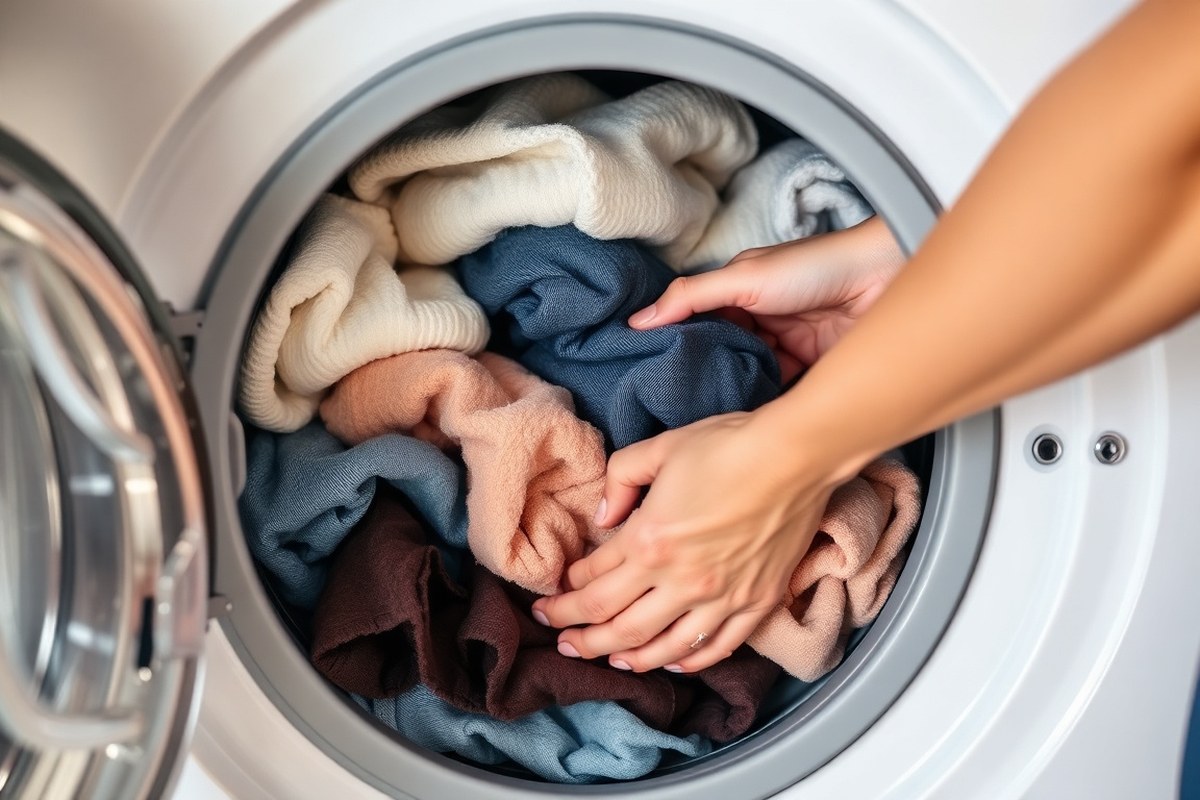
Load size and fabric type directly affect how long a washing machine cycle lasts. Larger loads generally take more time because the machine needs to move more water and detergent through more clothes. Different fabrics require different handling, with delicate items usually needing gentler and sometimes longer cycles to avoid damage.
Load Size and Washing Time Relationship
The bigger the load, the longer a wash cycle usually lasts. A full drum can take up to twice as long as a small or medium load, especially on normal or heavy-duty cycles. This is because the washer adjusts the water levels and agitation time to ensure thorough cleaning. For example, a half load might take 30 to 45 minutes, while a full load could stretch to 60 to 90 minutes.
Loading beyond the recommended capacity can extend the cycle further as the machine struggles to clean and rinse properly. On the other hand, very small loads may also run longer on some washers, especially front-load machines, because they adjust water and spin speeds automatically, which can add time. Matching your load size to the machine’s settings helps keep cycle times efficient without compromising cleaning.
How Different Fabrics Influence Cycle Duration
Fabric type affects cycle length due to the care each material requires. Heavy fabrics like towels and jeans need longer cycles to penetrate fibers and remove soil thoroughly. These cycles can last close to two hours or more to manage the extra agitation and rinsing needed.
Delicate fabrics such as silk or lace usually require shorter, gentler cycles designed to protect the fibers. However, the machine may extend the water fill and soak time to clean these items carefully, often balancing out to a similar total duration as regular loads but with less aggressive action. Synthetics might have medium-length cycles, optimized to clean without overheating or shrinking.
Adjusting Wash Settings Based on Load and Fabric
Many modern washing machines provide cycle options specifically designed for various fabric types and load sizes. Choosing the correct setting can automatically adjust temperatures, spin speeds, and cycle time. Heavier or dirtier loads might trigger longer cycles with higher temperatures, while lighter loads and delicate fabrics get shorter, cooler cycles.
When setting your wash, selecting “heavy-duty” for bulky towels or “delicate” for blouses influences the machine to adapt its timing. Avoid mixing very different fabrics in one load; washing cotton towels with delicate shirts, for example, can either extend cycle time or result in suboptimal cleaning and wear on clothes.
Why Load Balance and Dampness Matter
A balanced load ensures the washer runs efficiently, avoiding excess shaking or adjustments during the cycle that could add time. Unevenly distributed loads cause the machine to pause and rebalance, sometimes doubling the cycle length. Properly sorting and loading clothes can prevent this.
Wetness levels also affect cycle duration during spinning. Heavier loads hold more water and require slower or multiple spin cycles to remove moisture, lengthening the wash time. Dry or lightly soiled clothes may finish faster because they need less rinsing and spinning.
Always avoid overloading your washer; it can double cycle times and reduce cleaning effectiveness while wearing out both your clothes and machine faster.
Fast, Normal, and Heavy-Duty: Cycle Types and Their Time Ranges
Wash cycle types differ mainly in their duration and purpose, impacting how thoroughly clothes are cleaned and what fabrics or soil levels they suit. Quick cycles save time but work best for lightly soiled garments, while normal cycles balance cleaning power and time for everyday loads. Heavy-duty cycles take longer and provide deeper cleaning for heavily soiled items like towels and jeans.
Quick Wash Cycle Details and Timings
Quick wash cycles usually take between 15 and 30 minutes. They’re designed to clean lightly soiled clothes quickly, making them ideal for small loads or when you’re in a hurry. These cycles use shorter wash and rinse times and often operate at a lower water temperature, which means they consume less water and energy.
Thirty minutes is often enough to clean lightly worn T-shirts or gym clothes, but quick cycles may not remove stubborn stains or heavy dirt effectively. For example, if you have a few lightly worn cotton shirts, a 20-minute quick wash can refresh them without sacrificing fabric care. However, avoid using this cycle for items with heavy soil or large loads, as it might leave residue or require rewashing.
Normal and Regular Wash Cycle Differences
Normal cycles typically run from 45 to 60 minutes and suit everyday laundry needs with moderate dirt. These cycles provide longer washing, rinsing, and spinning phases than quick cycles, allowing better stain removal and fabric care balance. Normal cycles often use medium water temperatures and stronger agitation to ensure thorough cleaning on mixed fabric loads.
An example load for a normal cycle might be a medium-size batch of mixed cotton and synthetic clothes, such as work shirts and casual pants. Running 50 to 60 minutes, this cycle ensures soils like sweat and minor stains are washed out effectively. Some washers adjust cycle lengths based on load size, so a smaller load may take closer to 45 minutes, while fuller loads approach an hour.
Heavy-Duty and Sanitize Cycle Lengths
Heavy-duty cycles provide extra cleaning for tough, heavily soiled garments and typically last 75 to 90 minutes, extending up to 120 minutes in front-loading machines. They use higher water temperatures and stronger agitation, making them suitable for items like towels, jeans, and workout gear covered in dirt or grime. The longer wash time allows better penetration of detergent and thorough fabric agitation to remove embedded soils.
Sanitize cycles fall into the longest category, lasting from 90 to 120 minutes. These cycles aim to kill bacteria and allergens on items such as baby clothes, gym wear, or bedding. They combine high temperatures with extended wash and rinse phases. For example, a sanitize cycle might use hot water effectively above 140°F to achieve disinfection but requires significant energy and time investment.
Choosing between heavy-duty and sanitize depends on the soil level and hygiene needs. Heavy-duty fits well for visibly dirty laundry, while sanitize is best when eliminating germs matters more, even if the clothes look clean. Both cycles consume more energy and water, so they are best reserved for appropriate loads rather than everyday washing.
Why Do Washing Machine Cycles Sometimes Take Longer?
Washing machine cycles often take longer than usual due to various built-in features designed to improve cleaning quality and efficiency. Sensors inside the machine monitor load size, soil levels, and water temperature, automatically adjusting the cycle length. For example, if the sensors detect heavily soiled clothes, the machine may add extra wash time to ensure thorough cleaning. This real-time adjustment explains why cycle time can vary for the same load and settings.
Many machines also use load balancing sensors that redistribute clothes during the spin cycle to prevent excessive vibration. When the machine detects an imbalance, it pauses the spin to rebalance the load, which extends the total cycle time. This feature protects the washer from damage but can add several minutes depending on how uneven the load is.
Eco or sanitize cycles typically run much longer than standard cycles. An eco cycle uses less water and energy by extending the wash and rinse times, often lasting between two and four hours. This extended duration compensates for the reduced resources while still achieving effective cleaning. Sanitize cycles are even longer because they must reach and maintain higher water temperatures, usually around 140°F (60°C), for an extended period to kill bacteria and allergens. This heating process alone can add significant time, often making sanitize cycles last two to three hours or more.
Additional rinses also contribute to longer cycle times. Some cycles include multiple rinse steps to better remove detergent and soil, which benefits people with sensitive skin or when washing heavily soiled items. Each rinse cycle may add 10 to 15 minutes, and machines vary in how many rinses they perform based on the selected cycle and sensor feedback.
Overloading the washing machine often makes cycles last longer. The clothes might not move freely, causing the sensors to detect poor washing action or imbalance. The machine responds by extending washing or spinning times to compensate. Avoid overfilling your washer to keep cycle times consistent and ensure cleaner clothes.
Different machine types have inherent timing differences as well. Top-load washers usually complete cycles faster, typically between 30 and 45 minutes, due to their design and wash action. Front-load machines tend to have longer cycles, often lasting from 45 minutes up to two hours or more, as they rely on tumbling action and precise water temperature control. Choosing settings on front-load washers that activate sensors or energy-saving modes can increase cycle times noticeably.
Cycle time fluctuations often happen because modern machines make continuous adjustments during the wash process. Initial time estimates on displays can change as sensors detect changes in load distribution, soil levels, or water heating times. The display might show a longer remaining time mid-cycle compared to the start estimate, reflecting these dynamic changes aimed at improving wash results without wasting resources.
Water Efficiency and Energy-Saving Modes Impact on Cycle Length
Energy-saving and eco wash settings increase cycle length to reduce water and electricity use. These modes use less water and lower wash temperatures, slowing parts of the cycle to save resources without sacrificing cleaning quality. An eco cycle often runs up to 2 hours, compared to typical cycles lasting between 45 and 90 minutes. This longer duration lets the machine optimize agitations and rinse positions to get clothes clean while using less water and energy.
Front-loading washers tend to have higher water efficiency, resulting in longer cycle times when energy-saving modes are active. For example, an eco mode on a front loader may take 90 to 120 minutes to complete, while a standard wash might finish in 45 to 70 minutes. The added time helps the machine use water more carefully and avoid heating it unnecessarily, cutting energy consumption despite the longer run.
Choosing an energy-efficient cycle matters if you aim to reduce utility bills or environmental impact. However, this extends washing times, which may not suit urgent laundry needs. A practical decision rule is to pick eco or energy-saving modes when you have at least 2 hours before you need the clothes, or use these modes for smaller, lightly soiled loads where the longer time trade-off is worthwhile.
For example, if you plan a wash at night, selecting an eco cycle with cold water and moderate spin speed can save energy while still cleaning well. The machine compensates for less heat by extending soak and agitation phases. You want laundry done quickly? Choosing a standard cycle with warmer water may clean faster but will use more resources.
Keep in mind that running an energy-saving cycle with a large, heavily soiled load might result in less effective cleaning despite the extended wash time.
To use energy-saving modes effectively, start by selecting the eco or energy-saving setting on your washer. Adjust temperature to cold or warm instead of hot, and choose moderate spin speeds to maintain water and energy savings. Set the machine to run during off-peak electricity times if possible, as some washers allow scheduling start and end times. Monitoring time remaining helps plan your day around the longer wash lengths.
Eco and energy-saving modes make cycle times up to twice as long as normal washes. This is a trade-off for significant water and energy savings without hurting cleaning results if loads are moderate and soil levels light. When water efficiency is a priority and time allows, using these settings aligns well with water-saving goals. For urgent or heavy-duty washing, you may prefer shorter, standard cycles at the cost of more water and power.
How to Shorten Washing Cycles Without Sacrificing Cleanliness
You can shorten washing machine cycles safely by choosing the right cycle for the soil level and preparing your laundry properly. Using a quick wash setting for lightly soiled clothes is the simplest way to cut down wash time without risking less effective cleaning. Quick wash cycles often last around 15 to 30 minutes, significantly shorter than standard cycles lasting 45 to 60 minutes. However, dirty or bulky loads usually need longer cycles to get clean.
Proper load preparation helps speed up washing without sacrificing cleanliness. Sorting clothes by material and soil level prevents the machine from running longer than necessary. Overloading the machine can double or triple the cycle time because the washer works harder to move and rinses clothes thoroughly. A 3.5 kg load is average for a standard cycle time; bigger loads extend the duration.
Detergent choice and usage also affect cycle length. Using a high-quality detergent with enzymes designed for cold or quick washes can improve cleaning during shorter cycles. Avoid using too much detergent, which can cause excess suds and extend rinse time. Follow the detergent package instructions for load size and water hardness.
- Use the quick wash cycle for lightly soiled, smaller loads.
- Sort laundry by fabric type and soil level before washing.
- Do not overload the washer; keep loads around 3.5 kg for optimal time.
- Choose detergent suited for cold water or quick cycles.
- Use the recommended detergent amount to avoid longer rinse times.
- Pre-treat stains to reduce the need for extended washing.
Common mistakes that increase wash times include filling the machine too full, selecting heavy-duty cycles for lightly soiled garments, and overusing detergent. These errors force the washer to run longer rinse or spin cycles. To avoid this, read your machine’s manual to understand each cycle’s purpose and capacity limits. Keeping the machine well-maintained, with clean filters and drum, ensures it performs efficiently and doesn’t automatically extend cycle length due to mechanical issues.
Following these tips helps you cut down laundry time while keeping your clothes clean. The balance depends on the specific fabrics and soil levels, so adjust your approach based on what you’re washing.
Understanding Washing Machine Time Remaining Displays
Washing machines estimate the time remaining in a cycle using sensors and pre-set algorithms that analyze factors like load size, water temperature, and cycle selection. These estimates display as digital timers, updating during the wash to reflect progress. The machine’s microprocessor measures variables such as water fill level, agitation speed, and rinse timing to adjust the displayed countdown.
The accuracy of time remaining displays varies by machine model and brand because each uses different software to calculate this estimate. Early in the cycle, the estimated time may be less reliable. The machine anticipates how long each step will take based on typical operation. As the cycle progresses and sensors gather real-time data, the time updates to better match actual progress.
Cycle times often change mid-wash due to adjustments in the washing process. For example, if the load is larger or heavier than initially detected, the machine may extend agitation or spin phases to ensure thorough cleaning and water removal. Sensors monitoring water absorption or balance can trigger these changes, causing the remaining time to increase or decrease unexpectedly. Load composition, such as heavier fabrics or uneven distribution, also impacts these adjustments.
Knowing this can help you manage your laundry schedule more effectively. When you see the time remaining increase, it usually means the machine is tailoring the cycle to clean better or protect fabrics, not that it’s malfunctioning. To minimize unexpected changes, load the washer evenly and avoid overfilling. This reduces the need for extra balance or soak time during the cycle.
Modern top-loading machines often complete a standard cycle in 30 to 45 minutes and tend to show more stable time remaining estimates. Front-loaders use more complex cycles and slower speeds, which can lead to longer cycles of 45 to 90 minutes and more frequent timer updates. Understanding your specific machine’s cycle duration and sensor logic helps set realistic expectations for the time display.
Comparing Front-Load and Top-Load Cycle Times and Technologies
Front-load and top-load washing machines differ notably in cycle length due to their design and technology. Front-load washers often have longer but more water- and energy-efficient cycles, while top-load machines usually finish cycles faster but can use more water. Technology such as load-sensing and energy-saving modes also shapes how long a wash takes.
Cycle Times in Front-Load Washers
Front-load washers typically have wash cycles ranging from 60 to 90 minutes. These machines use tumbling action and less water, relying on more efficient cleaning methods rather than just water volume. The longer cycle times allow detergents to penetrate fabrics better and provide thorough cleaning.
This type of washer is effective at handling heavily soiled clothes, but it may not suit those who want quick turnarounds. Some newer front-load models can adjust cycle time based on load size and soil level, optimizing time without sacrificing cleanliness.
Cycle Times in Top-Load Washers
Top-loading washers generally have shorter wash cycles, usually between 30 and 50 minutes. Traditionally, these machines use an agitator or impeller to move clothes in a tub filled with water, cleaning faster by combining water volume and mechanical action.
High-efficiency (HE) top-load washers, however, may extend cycle times to 60 minutes or more as they use less water and employ sensors for load detection. These sensors adjust the wash time and water levels automatically to match the laundry load. Despite the water savings, the increased cycle times may surprise users accustomed to older models.
| Washer Type | Typical Cycle Time | Water Use | Cycle Technology |
|---|---|---|---|
| Standard Top-Load | 30 – 50 minutes | Higher water use | Agitator or impeller, basic timing |
| High-Efficiency Top-Load | 60 – 90 minutes | Reduced water use | Load sensing, longer wash phases |
| Front-Load | 60 – 90 minutes | Low water use | Tumbling action, load sensing |
This table shows average cycle durations and how they connect with water use and technology. Front-load washers match high-efficiency top-load models in cycle length, reflecting similar efforts to reduce water waste. Basic top-load machines finish quicker but consume more water, making the tradeoff clear.
Features Affecting Wash Duration
Load-sensing technology profoundly influences cycle length in both machine types. Sensors detect the size and fabric type of the load, then adjust water levels and agitation time. This precision avoids over-washing smaller loads and saves water and energy without compromising cleanliness.
Energy-saving modes also extend cycle durations, slowing speeds and adding soak times to reduce energy use. While this helps cut utility bills, it means laundry takes longer, an important consideration for busy schedules.
Tip: Overloading or unevenly loading your machine can make sensors work harder, leading to longer cycles and poorer cleaning results.
Step-by-Step Action Plan
Follow these steps to optimize your laundry routine by managing wash cycle times effectively.
- Before you start: Check your washing machine’s manual for cycle options and typical durations to set expectations.
- Load preparation: Sort clothes by fabric type and soil level to choose the appropriate cycle, ensuring efficient washing in the right time frame.
- Loading: Load your washer to the recommended capacity; avoiding overloading or underloading helps maintain cycle time and wash quality.
- Cycle selection: Pick the fastest suitable cycle based on fabric and soil, then monitor time remaining displays to track progress.
- Mid-cycle check: If the cycle extends unexpectedly, pause and check for issues like unbalanced loads; addressing them can restore normal cycle timing.
- After washing: Use energy-saving or water-efficient settings when you want longer cycles without extra energy cost, balancing duration with savings.
- Regular review (monthly): Evaluate your cycle time and laundry outcomes to adjust settings and reduce unnecessary duration over time.
- When buying new machines: Compare front-load and top-load models based on their average cycle lengths and technology benefits to pick one that fits your routine.
Frequently Asked Questions
How Long Does a Sanitize Wash Cycle Usually Take?
A sanitize wash cycle usually lasts from 1 hour 30 minutes up to 1 hour 50 minutes by using hot water to eliminate bacteria thoroughly. This process makes sure your laundry is clean and safe, but it takes longer than typical wash cycles.
What Factors Make Some Wash Cycles Vary Despite Similar Load Sizes?
Variations come from fabric type, soil levels, and water temperature preferences, all influencing agitation and soak times. For example, delicate fabrics typically need gentler and sometimes longer cycles to avoid damage.
Does Increasing Detergent Affect Wash Cycle Length?
Adding more detergent does not shorten or lengthen the cycle; machines set cycle times based on load and soil sensors. Excess detergent can cause buildup, so it’s best to use the recommended amount for efficient cleaning.
How Does Spin Speed Relate to Wash Cycle Duration?
Higher spin speeds reduce drying time but may slightly increase total cycle time due to additional spin phases. Adjusting spin speed can help balance quicker drying against potential wear on delicate items.
Can Washing Machine Age Influence Cycle Times?
Older machines may have longer or less efficient cycles due to wear on sensors and mechanical parts, impacting overall wash time and performance. Regular maintenance can help maintain optimal cycle durations.
Is Water Hardness a Factor in How Long a Wash Cycle Takes?
Hard water itself doesn’t directly increase cycle time, but it can affect detergent efficiency, requiring longer or additional cycles for thorough cleaning. Using water softeners can improve washing efficiency and cycle effectiveness.
Key Points to Remember
Knowing how different factors affect wash cycle times lets you choose the best options for your laundry needs. Start by adjusting cycle settings with the fabric type and load size in mind. This approach keeps your clothes clean while saving time and energy. Consider testing faster cycles on less soiled items to find your optimal routine.