How Long Does Dry Cleaning a Suit Take? Complete Timelines and Tips
Dry cleaning a suit usually takes between one and three days, depending on the fabric and the dry cleaner’s current workload. Express services can speed up this process to as little as six to twelve hours, often the same day. Knowing the typical timeline helps you plan for events or work commitments without last-minute stress.
This overview suits professionals, frequent suit wearers, and event attendees looking to understand how long does dry cleaning a suit take. You’ll learn what affects cleaning times, how different fabrics matter, and tips for getting your suit back quickly and in great shape.
Key Takeaways
- Standard dry cleaning of most suits takes about 2 to 3 days under normal workload conditions.
- Express dry cleaning services can reduce wait time to as little as 6 to 12 hours.
- Delicate suits like tuxedos often require up to a week for proper care.
- Leather, suede, and fur suits can take 1 to 2 weeks due to specialized cleaning solvents.
- Complex stains and fabric types increase the time needed for thorough dry cleaning.
- Properly preparing your suit for drop-off can help avoid delays and extra charges.
How Long Does Dry Cleaning a Suit Typically Take?

Dry cleaning a business suit typically takes about 2 to 3 days. This standard turnaround allows the dry cleaner enough time to carefully treat stains, clean the fabric, press the suit, and ensure it returns to you in good condition. Most standard services aim to complete the process within this timeframe, which balances thorough cleaning with practical scheduling to accommodate daily workload and garment complexity.
Some dry cleaners offer express services that shorten this timeframe significantly. For those needing their suit cleaned quickly, express options can deliver the finished garment in as little as 1 to 4 hours or within the same day if the drop-off occurs early enough. This faster service is ideal for last-minute needs but often comes at a higher cost and may be limited to simpler cleaning tasks or fewer garment types. The quality control on express services is generally good but might not match the detailed attention given during standard cleaning.
Most dry cleaners recommend planning for at least 24 hours when you need your suit cleaned more quickly but cannot access the fastest express options. Cleaning within 24 hours can be possible, especially with express services, but depends heavily on the dry cleaner’s capacity and how busy they are that day. Scheduling your pick-up for the following day ensures the cleaning process is thorough without rushing important steps like stain treatment or pressing.
Factors such as the suit’s fabric, presence of heavy stains, and current workload at the dry cleaner impact exactly how long your suit will take. Standard dry cleaning involves solvent-based cleaning processes that generally require 3 to 4 hours, but the full time includes inspection, drying, pressing, and careful packaging. Express services speed up or skip non-essential steps to meet tight deadlines, which might be fine for regular maintenance but not the best choice if your suit needs extensive care.
The cost of express dry cleaning is usually higher than standard service prices, reflecting the added labor and priority given to your suit. However, for professionals who wear suits frequently and need them ready quickly for meetings or events, paying extra may be worthwhile. When you drop off your suit, ask about the expected turnaround times for both standard and express options. This helps you plan ahead and avoid inconvenient delays.
What Factors Affect Dry Cleaning Time for Suits?

The fabric type of your suit plays a significant role in how long dry cleaning takes. Natural fibers like wool or cotton usually require around 3 to 5 days because they need gentle handling and specific chemicals to avoid damage. Delicate fabrics such as silk or blends with synthetic materials can extend the process up to 4 days, as these materials need careful treatment and slower drying cycles to maintain their shape and texture.
The condition of the suit, including the presence of stains and soil, directly affects cleaning time. Light stains like dust or minor spills typically allow for standard cleaning within 2 to 3 days. More persistent stains, such as grease or ink, often require pre-treatment and extra soaking that can add 2 to 4 days. Heavy stains like blood or deep-set oil can push the turnaround to a full week, as these demand multiple cleaning cycles and specialized chemicals to fully remove without harming the fabric.
Dry cleaners’ workload and seasonal demand also influence how quickly your suit is ready. During off-peak periods, most dry cleaners can return suits within 2 to 3 days because the individual items receive focused attention. In contrast, peak seasons, often surrounding holidays or wedding months, can slow the process, extending wait times to 5 days or more due to higher volumes and stretched staff resources. Always consider timing your drop-off for non-peak days to avoid delays.
Suits with complex features such as linings, padding, or embellishments take longer because these parts require extra care during cleaning and finishing. A suit with multiple layers or decorative elements demands slower, manual processes to preserve the structure and prevent damage. This meticulous approach can add a day or two compared to a simple, unlined suit. It’s a tradeoff for maintaining the suit’s quality versus rushing the process.
Spot treating stains at home with a gentle stain remover before taking your suit to the dry cleaner can help speed up the process and improve results.
When planning suit dry cleaning, keep in mind garments are processed individually. If you bring multiple suits or related items like trousers and shirts, the total time might increase because each piece needs separate attention. Some dry cleaners offer express services for an additional fee that can reduce turnaround to the same day or within 24 hours, but these come with higher costs and may not include extra stain treatments or finishing for elaborate suits.
Step-by-Step Process of Dry Cleaning a Suit
The dry cleaning of a suit follows a detailed sequence designed to clean the fabric thoroughly while preserving its shape and finish. This process starts when you drop off your suit and continues through specialized cleaning cycles, drying, pressing, and a final quality check before pickup.
Drop-Off and Inspection
Your suit undergoes an initial inspection at drop-off to identify any stains, damages, or fabric types that require special care. This step matters because spotting these issues early allows the cleaners to apply the correct pre-treatment products and cleaning methods to avoid fabric damage or incomplete stain removal. During this inspection, staff may note delicate fabrics or embellishments and decide on a suitable solvent and process to use.
Mention specific stains or concerns to help the dry cleaner focus on those areas during pre-treatment. The typical cost associated with this first step is included in the overall cleaning fee, which can range from $10 to $25 per suit, depending on location and service level.
Cleaning and Solvent Cycle
After inspection, your suit moves to pre-treatment, where technicians apply stain removers to problem spots. This step ensures tough stains loosen before the full cleaning. Following pre-treatment, the suit goes into the dry cleaning machine, which uses a special solvent instead of water to avoid shrinking or warping the fabric.
The cleaning machine agitates the suit gently as the solvent circulates, breaking down dirt and oils. The entire cycle generally lasts 45 minutes to an hour. Different solvents and cycles might be used depending on the suit’s material. For example, wool suits require careful temperature control to prevent damage, usually around 80 to 90 degrees Fahrenheit inside the machine.
Drying and Pressing
Once the cleaning cycle finishes, the suit enters the drying stage, which removes any remaining solvent without overheating. This drying phase takes about 20 to 30 minutes and is critical to prevent odors or residue from remaining on the fabric. Proper drying helps keep the suit’s shape intact.
Following drying, the suit receives pressing or steaming to restore its sharp appearance. Pressing smooths wrinkles and reshapes lapels, sleeves, and pants creases. Skilled cleaners use specialized pressing machines or hand irons at temperatures tailored to the fabric type. This step usually takes 15 to 30 minutes and ensures your suit looks crisp and professional when you pick it up.
Quality Check and Packaging
The final step involves a thorough quality inspection to confirm the suit is clean, dry, stain-free, and well-pressed. Staff examine details such as buttons, seams, and fit to ensure no issues were missed. Any problem detected sends the suit back to a specific stage for correction.
Once approved, the suit is covered with a protective plastic garment bag and prepared for pickup or delivery. This packaging keeps your suit safe from dust and wrinkles. The entire process typically takes two to three days but can be shorter with express services or longer if extensive stain treatment or fabric specialization is needed.
How Different Fabrics and Suit Types Influence Cleaning Time
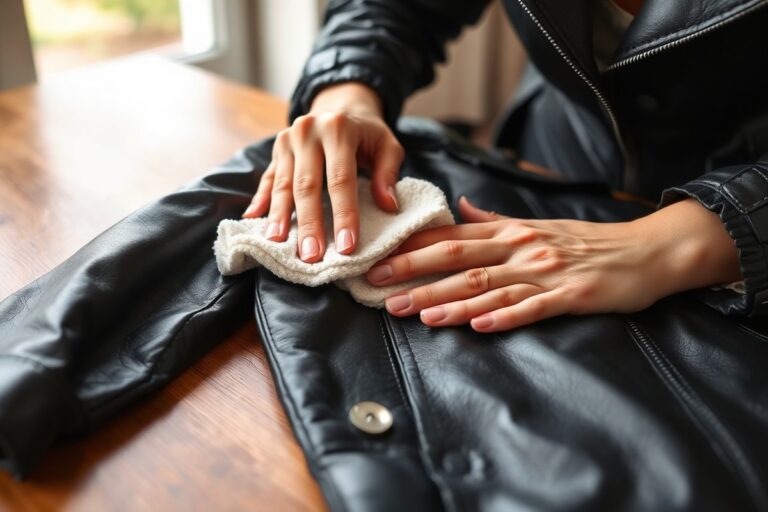
The fabric of your suit largely determines the duration of the dry cleaning process. Wool suits tend to dry more quickly than silk or velvet because their fibers are tougher and need less delicate handling. Leather and suede suits take the longest since they must be cleaned with special techniques to avoid issues such as cracking or becoming stiff.
Tuxedos and other formal wear also take longer to clean since they often combine delicate fabrics and intricate details, requiring gentler handling. This slower process helps preserve the fabric’s quality and ensures the suit’s appearance remains sharp for important events. Below is a comparison table illustrating typical dry cleaning times based on fabric type and suit formality.
| Fabric or Suit Type | Cleaning Time | Drying/Processing Notes |
|---|---|---|
| Wool Suit | 2 to 3 days | Standard solvent cleaning; quicker drying due to durable fibers |
| Silk or Velvet Suit | 3 to 5 days | Delicate handling avoids fiber damage; extended air drying needed |
| Leather or Suede Suit | Up to 2 weeks | Special cleaning process for skin-based materials; slow drying to maintain texture |
| Tuxedo | 3 to 5 days | Gentle cleaning methods for delicate fabrics and added detailing; longer processing |
Cleaning wool suits is more straightforward because they tolerate the standard dry cleaning solvents and processes, allowing for a typical 2 to 3-day turnaround. Silk and velvet suits require slower, more cautious treatments to avoid shrinking or fiber distortion. This can extend the cleaning time by up to two additional days. Leather and suede suits require the longest wait because they cannot be cleaned with typical solvents. These materials undergo special conditioners and slow drying methods to keep their softness and prevent cracking, often taking up to 14 days.
Since tuxedos often combine silk, velvet, or other delicate trims with complex embellishments like satin lapels or beading, dry cleaners treat them with extra care. The process involves additional inspection and spot treatments, which is why three to five days is a common timeframe for tuxedo cleaning. Choosing the right cleaner skilled in formal wear can help avoid delays and maintain your suit’s look for your next event.
Can You Get Your Suit Dry Cleaned Faster? Options for Express Services
Express and same-day dry cleaning services can reduce your suit’s cleaning time from several days to just hours or the same day. Most cleaners offer these faster options, but expect to pay extra. These services prioritize your suit, cutting turnaround to as little as 4 hours, but conditions vary by location and garment type.
Standard vs Express Service Speed
Typically, a suit jacket or trousers take 2 to 3 days to dry clean, while a full suit usually requires 3 to 5 days. Express options speed this up significantly. Many cleaners provide next-day service for jackets and pants, and some offer fully same-day turnaround for your entire suit. For example, elite cleaners can return a suit in 4 hours, while standard services may take 1 to 2 business days.
Availability depends a lot on the cleaner’s workload and the suit’s fabric type. Simple suits in common fabrics are easier to process quickly. More delicate or specialty fabrics trigger longer handling times even with express service. Locations in large urban areas usually have faster express options available than rural or less populated areas.
Rush Fees and Additional Costs
Choosing faster dry cleaning almost always involves an additional fee. The cost varies but often ranges from $5 to $15 or about 20% to 50% more than standard service. This surcharge compensates for prioritizing your suit and possible overtime labor charges at the cleaner’s facility. For example, if a suit normally costs $30 for regular cleaning, expect $35 to $45 for express service.
Some dry cleaners bundle extra services like stain treatment, pressing, or fabric protection with their express packages, which adds to the price. Always clarify what you’re paying for to avoid surprises. Not all locations advertise these fees upfront, so ask directly for the express service rates and any minimum order requirements before leaving your suit.
When to Choose Express Cleaning
Choose express or same-day dry cleaning when you need your suit fast, like for a surprise meeting, a last-minute event, or tight travel plans. Drop off the suit early, since same-day cleaning usually requires morning or early afternoon pick-up to finish on time.
Heat-sensitive fabrics or suits with intricate designs should be discussed in advance with the dry cleaner to confirm suitability for rush service. Some suit owners prefer express service to avoid long waits before an important occasion, but it’s best for routine cleanings to stick with standard turnaround to balance cost and care quality.
Limitations of Quick Turnaround
Faster dry cleaning can compromise certain quality aspects. Rushed processes might limit stain treatment time or thorough inspection, potentially leaving minor spots untreated. Pressing and finishing may also be less precise, which affects the suit’s appearance. The risk grows if the cleaner is handling a high volume of express orders simultaneously.
Delicate fabrics, highly tailored suits, or vintage garments generally do not respond well to express cleaning because they require added care steps. Check if your cleaner uses the same procedures for express and regular services or if shortcuts are taken. Confirm that your suit’s components, like linings or buttons, won’t be damaged by expedited handling. It’s better to wait if your suit is especially valuable or fragile.
Always ask the dry cleaner how express service changes their cleaning process and what guarantees they offer before committing to a rush order.
Preparing Your Suit for Dry Cleaning to Avoid Delays
Preparing your suit properly before dropping it off for dry cleaning can help avoid delays and ensure the best results. Start by examining the suit closely for any visible stains. Mark these for the cleaner so they can apply targeted treatment, which helps prevent time spent on unnecessary trials or multiple cleaning rounds. Also, inspect the suit for any damage like loose threads, missing buttons, or tears. Informing the dry cleaner about these issues upfront allows them to allocate extra care or repairs if needed, reducing surprises that might extend the cleaning timeline.
Communicating your deadline clearly when you drop off your suit is another key step. Let the cleaner know when you need the suit back, so they can prioritize your order accordingly. Inquiring about the specific cleaning methods your chosen dry cleaner uses will give you a better idea of how long they typically need and if any special handling for your suit’s fabric is required. Bringing the suit to the cleaner early in the day helps, too, as it gives them more working hours to complete the job within your timeframe.
- Check all suit pockets and remove any items.
- Identify and point out any stains to the cleaner.
- Note any damages such as loose threads, missing buttons, or tears.
- Communicate your required pick-up date or deadline clearly.
- Ask the cleaner about their processes and expected turnaround times.
- Take your suit to the cleaner early in the day to ensure enough time for thorough cleaning.
- Confirm the cleaner has experience with suits to avoid damage or extended cleaning.
Following this checklist can lead to smoother service and less chance of your suit’s dry cleaning taking longer than expected. Neglecting to point out stains or damages might lead to the cleaner discovering issues late, resulting in additional work or delays. Informing the dry cleaner upfront allows them to prepare, assign enough resources, and set realistic timeframes tailored to your suit’s needs. Selecting a specialist cleaner experienced with suits also matters because they know how to handle fabrics without damaging delicate materials or requiring repeated cleaning attempts, which saves time and maintains your suit’s appearance.
Common Reasons Dry Cleaning Takes Longer Than Expected
Stubborn stains on your suit can significantly increase the dry cleaning time. Removing tough marks like grease, ink, or wine requires extra pretreatment, which is often done by hand before the suit goes into the cleaning machine. This additional step can add a day or more, especially when multiple or deep stains need targeted solvents or specialized spotting agents. When the stain doesn’t respond quickly, your cleaner might have to repeat the process or try gentler methods to protect the fabric, which can extend the timeline. Expect this to cost extra too, usually between $10 to $25 per stubborn stain depending on your cleaner.
Repairs and alterations are another common cause of delays. When your suit needs mending, such as fixing a loose button, re-stitching a seam, or adjusting the hem, these tasks require skilled labor outside the standard cleaning process. Most dry cleaners do not perform these fixes on the same day, so your suit is often held back until tailors can prioritize it. Repairs usually add anywhere from two to seven days depending on the complexity and the shop’s workload. When your suit needs precise alterations after cleaning, like tightening the waist or tapering pants, expect more time due to fittings and adjustments.
High demand during peak seasons like holiday months or prom and wedding periods causes notable slowdowns. Dry cleaners get busier with a surge in suits brought in for special events, stretching their usual one to three-day turnaround to five days or more. This congestion delays every step from inspection to final pressing. It pays to drop off your suit well in advance during these times or check for express options if you need it back quickly. Some shops may charge extra for rush orders in peak periods, sometimes 20% to 50% above standard cleaning fees.
Bigger or specialty garments take longer as well. Thick winter coats or bulky suit layers require more careful handling in machines, which slows down the process to around two to four days. Delicate fabrics like silk-linen blends or heavily embellished tuxedos commonly need hand finishing and spot treatments that push cleaning time toward the longer end of the spectrum, often up to a week. Asking your cleaner about their experience with specialty fabrics helps you understand the timing and costs upfront. When your suit has a unique texture or sensitive lining, expect extra precautions that increase the turnaround time.
Signs Your Suit Needs Professional Attention Beyond Basic Dry Cleaning
You should recognize certain signs that your suit needs more than just a basic dry cleaning to avoid damage and to get the best possible care. Issues like loose buttons, tears, or worn linings usually require repairs before cleaning. Delicate or vintage suits might also need special handling or alternative cleaning methods, which take extra time and expertise.
Common Suit Damages Affecting Cleaning
Repairs often precede cleaning because dry cleaning can worsen existing problems on your suit. Loose stitching on the lapels, missing buttons, or frayed edges must be fixed first to prevent further unraveling or loss during the cleaning cycle. For example, a tailor might need 1 to 3 days to repair moderate damage, adding that time to your cleaning process.
Tears or holes in fabric, especially in the lining, call for patching or replacement before dry cleaning. Otherwise, solvents might seep through damaged areas and cause stains or distort the shape. Failing to address these repairs can result in poor cleaning outcomes or costly aftercare.
Handling Antique and Delicate Suits
Antique suits require professional cleaners familiar with their fabric and construction since harsh chemicals or heat can cause irreversible harm. Those suits often undergo hand cleaning or special low-temperature solvent methods, typically extending the cleaning time to one or two weeks. This approach preserves the fabric’s integrity, color, and structure.
Delicate materials like silk or cashmere also need gentler processes. Dry cleaners might test a hidden section first to check for colourfastness and fibre reaction. Extra caution extends cleaning by several days compared to standard wool suits, but it helps maintain the garment’s appearance and value.
When Restoration Is Needed
Restoration should be planned when you notice stubborn stains that standard dry cleaning can’t remove, or if the suit’s fabric looks faded or misshapen. Cleaning might be delayed for 3 to 10 days or longer while stain treatments, steaming, or reshaping are performed. Professionals recommend scheduling restoration well before an important event to avoid last-minute issues.
Restoration is expensive relative to basic cleaning, ranging from $50 to over $200 depending on the extent of work like reweaving, lining replacement, or button restoration. Good results mean the suit looks as close to original as possible without visible repairs, while poorly done restoration can lead to uneven textures or altered fit.
Alternative Cleaning Techniques
Fragile suits sometimes benefit from alternative cleaning options like wet cleaning or steam cleaning, which use water and gentle detergents rather than harsh solvents. These methods reduce chemical exposure but need a dry cleaner with specialized equipment and expertise, making the process costlier and longer, usually adding several days to service time.
Home care kits that use low-moisture or steam technology exist but often do not replace professional care for damaged or antique suits. These kits are best for maintenance between professional cleanings rather than full cleaning or restoration.
Always inform your dry cleaner about any suit damage or delicate fabrics upfront to plan proper care and avoid unexpected delays.
Step-by-Step Action Plan for Dry Cleaning Your Suit on Time
Follow these steps to make sure your suit is dry cleaned efficiently and ready when needed.
- Before Drop-off: Check your suit for stains or damage to inform the cleaners and avoid delays. Clear communication helps the cleaner prioritize treatment effectively.
- Day 1: Take your suit to the dry cleaner early in the day to maximize same-day or next-day service options.
- Immediately After Drop-off: Confirm the estimated pickup time and ask about express service availability if you need the suit sooner.
- Day 1, 2: Plan to pick up the suit during the cleaner’s earliest possible pickup window to avoid storage delays.
- Upon Pickup: Inspect the suit promptly for cleanliness and any issues. Address concerns right away to ensure proper resolution.
- After Pickup: Hang the suit in a well-ventilated area for a few hours to remove any residual cleaning odors before wearing it.
Frequently Asked Questions
How Soon Can I Wear My Suit After Dry Cleaning?
You should wait at least 24 hours after dry cleaning before wearing your suit to allow any residual solvents to evaporate and the fabric to settle properly. This helps prevent irritation and ensures your suit looks its best.
Does Dry Cleaning Remove All Odors from a Suit?
Dry cleaning removes most odors, but strong smells like smoke may linger and need multiple treatments or special deodorizing services. Aim for professional advice if odors persist.
Can Frequent Dry Cleaning Damage My Suit?
Yes, frequent dry cleaning can wear out fabric fibers and fade colors, especially in delicate materials. Limit dry cleaning to necessary occasions and use spot cleaning in between.
What Happens If I Leave My Suit at the Dry Cleaner Too Long?
If you leave your suit too long, dry cleaners may charge storage fees or dispose of the garment after a certain period. Check their policy to avoid losing your suit or extra charges.
Will Dry Cleaning Shrink My Suit?
Properly done dry cleaning should not shrink your suit, as it uses solvents instead of water. However, poor handling during pressing or finishing might cause minor shape changes.
Is It Better to Dry Clean Suits Before or After an Event?
Dry cleaning suits after an event is best to remove stains and odors promptly. Cleaning before an event only makes sense if the suit was stored dirty or has persistent marks.
Wrapping Up
Dry cleaning a suit typically takes one to three days, depending on fabric, cleaner workload, and service speed. Planning ahead and choosing express options when needed can prevent last-minute stress. Your next step is to schedule your dry cleaning appointment early enough to fit your event or meeting timeline.