How to Wash Tennis Shoes: A Complete Guide for Every Material
Washing tennis shoes properly depends on the material and washing method. You can machine wash some tennis shoes using cold water and mild detergent, but some require gentle hand washing to avoid damage. Knowing how to wash tennis shoes will help you clean them effectively without ruining their shape or color.
This advice is for anyone who wears casual or athletic tennis shoes and wants to keep them looking fresh and lasting longer. You’ll learn how to prepare your shoes, the best cleaning agents for different fabrics, and safe drying tips to protect your shoes after washing.
Key Takeaways
- Use cold water and mild detergent for machine washing tennis shoes to prevent damage.
- Hand wash delicate materials with a soft brush and soapy water to maintain shape.
- Remove laces and soak them separately for about 15 minutes to clean thoroughly.
- Scrub tough stains with toothpaste or detergent, letting it sit for 15 to 20 minutes before rinsing.
- Wash shoes 30 to 40 minutes after proper preparation for best cleaning results.
- Allow shoes to dry completely for at least 24 hours before wearing to avoid odors or deformities.
Can You Wash Tennis Shoes in the Washing Machine?

You can wash tennis shoes in a washing machine if the shoes are made from machine-washable materials such as canvas, polyester, nylon, mesh, or other synthetic fabrics and if the care label permits it. Tennis shoes made of delicate materials like suede, leather, or shoes with embellishments should never be machine washed because this can ruin their texture, shape, or finish. Machine washing works best when you select a cold water cycle with a gentle or delicate setting to protect the shoe’s integrity.
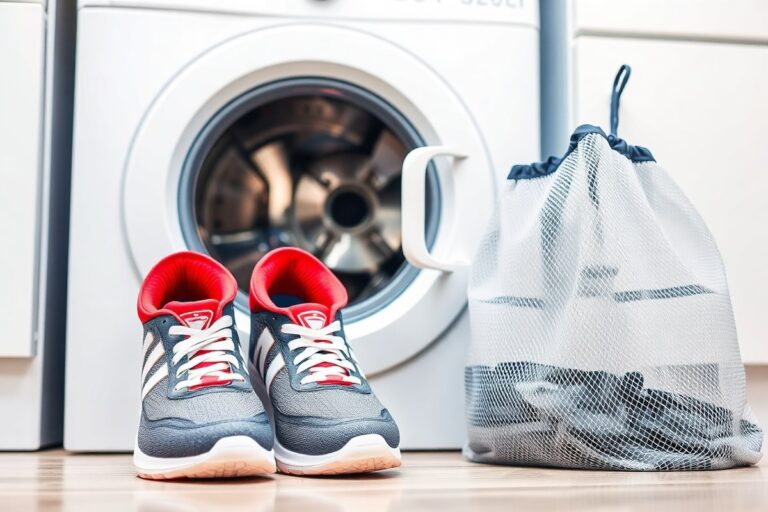
Take out the insoles and laces before washing your tennis shoes in the machine. Removing insoles prevents damage and lets you clean laces better by hand or in a mesh bag. Without a mesh bag, wash insoles by hand or leave them in the shoes, though hand washing usually cleans better. Putting shoes in a mesh bag or pillowcase helps keep noise down and protects both the shoes and the washer’s drum from banging during the cycle.
Make sure to clean off excess mud or dirt before washing to avoid clogging your washing machine. Balance the wash load by adding towels or other laundry items to prevent the shoes from hitting the drum unevenly, which can damage the machine. Use a mild detergent, and avoid bleach or harsh chemicals that could break down the fabric or cause discoloration.
Machine washing can sometimes cause loosening of glue or seams and may affect the shape of the shoes over multiple washes. To limit this risk, always use the shortest and gentlest cycle available, preferably cold water. Dry your tennis shoes by air-drying them in a well-ventilated area, avoiding direct heat sources like dryers or radiators, which can warp or shrink the shoe materials.
Keep in mind that not all washers are well-suited for shoe cleaning. Front-loading machines tend to be gentler on tennis shoes than top-loading ones with agitators, which can be harsh on the shoes and the washing machine’s components. Damage to the washing machine can occur if shoes are not properly contained and balanced, so take care to secure them well and avoid overloading the washer.
Cleaning tennis shoes in a washing machine works well for many synthetic and fabric types when you follow a simple prep routine: check the material and care labels, take out laces and insoles, remove heavy dirt, use a mesh bag to protect shoes and machine, pick a cold gentle cycle, and let shoes dry in the air afterward. This approach minimizes damage risks while giving your tennis shoes a thorough cleaning with minimal effort.
How to Hand Wash Tennis Shoes Effectively

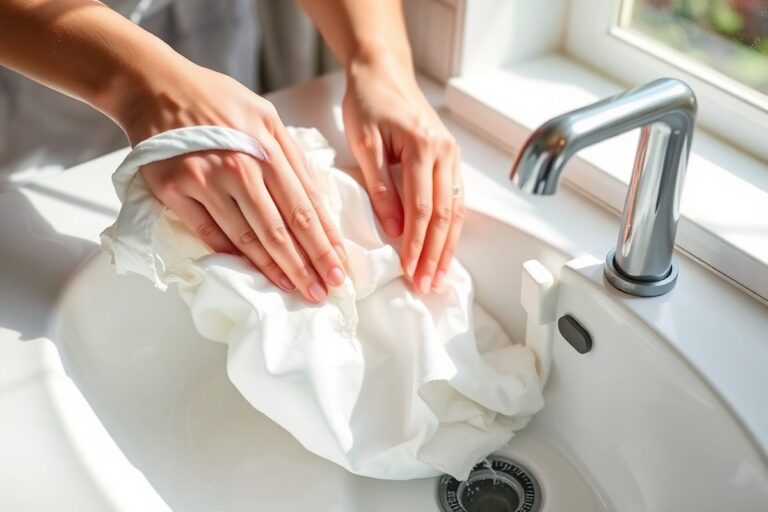
Hand washing tennis shoes works best for delicate materials or shoes with care instructions that advise against machine washing. This method protects the shoe’s structure and fabric while effectively removing dirt and stains. Follow the steps below to clean your tennis shoes gently yet thoroughly by hand.
Gathering Supplies and Tools
Collect gentle cleaning supplies and proper tools before starting. Use mild detergent or dish soap, a soft-bristle brush or old toothbrush, a clean cloth or sponge, and a bowl or bucket of warm water (around 90°F to 100°F). Have a towel ready for drying, and prepare a small mesh laundry bag if you plan to soak laces or insoles separately.
Choosing the right cleaning agents prevents damage, avoid harsh chemicals or bleach on delicate materials like leather or suede. Stick with mild soap solutions to protect shoe texture and color.
Preparing Shoes for Hand Washing
Start by removing the laces and any removable insoles. This ensures thorough cleaning and prevents tangling or damage during washing. Shake or brush off loose dirt with a soft brush outside before applying water and detergent.
Check for any visible stains and pre-treat them using a small amount of detergent directly on the spot or a paste of baking soda and water for white shoes. Let the pre-treatment sit for 5 to 10 minutes to loosen dirt before scrubbing.
Washing and Stain Treatment Steps
Use a step-by-step process to clean the shoes gently:
- Fill a basin with warm water and mild detergent, mixing until sudsy.
- Dip the soft brush or sponge in the solution and scrub the shoe surface carefully, focusing on seams, soles, and stained areas.
- For tough stains, apply a paste of baking soda and water or gently scrub with a soapy brush in circular motions.
- Rinse the brush occasionally in clean water to avoid spreading dirt back on the shoes.
- Use a damp cloth to wipe away excess soap and grime from the shoe.
- Repeat the scrubbing if necessary, but avoid saturating the shoes, too much water can damage adhesives or sensitive materials.
- Pat dry with a towel to remove as much moisture as possible before air drying.
Do not soak delicate tennis shoes in water for more than 10 minutes to prevent damage to glues and fabrics.
Cleaning Laces and Insoles Separately
Clean laces by soaking them in warm soapy water or placing them inside a mesh laundry bag for gentle machine washing if the label permits. Scrub with a small brush if heavily soiled.
Removable insoles benefit from separate hand washing. Use a mild detergent solution and a soft brush to clean them, then rinse lightly and air dry away from direct heat or sunlight to avoid warping or shrinking. Keep laces and insoles separate from shoes during drying to ensure they dry thoroughly and maintain shape.
Preparing Your Tennis Shoes for Washing
Preparing your tennis shoes before washing is essential to protect the materials and get the best cleaning results. Begin by removing the laces and insoles. Laces can tangle or damage shoes in the wash, and insoles often need separate cleaning to avoid retaining moisture and odors. After removal, clean the insoles gently by hand or place them in a mesh laundry bag for machine washing on a gentle, cold-water cycle.
Next, clear off loose dirt, dried mud, gravel, and grass. This step prevents debris from circulating in the wash and causing further grime or damage. Use a soft-bristled brush or an old toothbrush to gently brush the surface and outsoles. Working outdoors or over a garbage bin helps contain the mess. For tougher dried mud, lightly dampen the brush or use a small amount of mild detergent mixed with water to loosen particles before brushing again. Avoid soaking the shoes entirely at this stage to protect glue and other materials.
Maintaining shoe shape during cleaning also matters. Insert shoe trees or stuff crumpled newspaper inside each shoe to support the structure and absorb moisture. This keeps them from becoming misshapen while wet. These simple steps cost nothing and only take a few minutes but make a noticeable difference in the final appearance.
- Remove laces and insoles for separate cleaning
- Brush away loose dirt and debris with a soft-bristled brush
- Loosen tough mud using a damp brush and mild detergent
- Empty small stones and gravel from soles
- Stuff shoes with newspaper or use shoe trees to maintain shape
- Place insoles and laces in mesh laundry bags if machine washing
Following these preparation steps helps your tennis shoes clean more thoroughly and reduces the risk of damage during washing. Skipping the debris removal risks scratching or abrasive wear inside the wash. Neglecting shape support can lead to misshapen sneakers that look worn faster. Taking 10 to 15 minutes to prepare your shoes properly increases the chances they will come out looking fresh without losing comfort or fit.
Best Cleaning Agents and Methods for Different Materials
Choosing the right cleaning agent depends heavily on your tennis shoes’ material. For white canvas or mesh shoes, liquid laundry detergent mixed with warm water works well for general cleaning. Apply directly to stains and let it sit for about 15 minutes before scrubbing gently. For tough white shoe stains, a bleach pen can be used sparingly to spot-treat without risking damage to the whole shoe. However, avoid bleach on colored sections, since it can discolor or weaken adhesives.
Leather and suede tennis shoes require gentler treatment. These materials should never go into the washing machine unless the manufacturer clearly permits it. Instead, use a specialized leather or suede cleaner following the product’s instructions. Clean the uppers softly with the cleaner and a damp cloth, then let the shoes air dry completely. For suede, brush the nap only once the shoes are fully dry to restore texture.
| Shoe Material | Best Cleaning Agent | Application Method | Notes |
|---|---|---|---|
| White canvas or mesh | Liquid laundry detergent; bleach pen for stains | Saturate stain, let sit 15 minutes, scrub gently; spot-treat stubborn stains | Bleach pen should only be used on white areas to avoid discoloration |
| Leather | Leather-specific cleaner | Apply with soft cloth, wipe gently, air dry | Avoid machine washing; whiten with the same steps for leather cleaning |
| Suede | Suede cleaner | Use cleaner, air dry fully, brush nap dry | Never wet excessively; machine washing is not advised |
| General eco-friendly/DIY option | Mild liquid detergent or diluted white vinegar | Hand wash with diluted solution, rinse thoroughly | Effective on lightly soiled shoes; test small area first |
Eco-friendly and homemade cleaners like diluted white vinegar or mild detergents can work for lightly soiled tennis shoes made from fabric. These options are often gentle and prevent harsh chemical exposure, but they may not remove stubborn stains as effectively. Always test a small, hidden area before full cleaning to avoid unexpected fading or damage.
For white leather shoes needing brightening, follow the leather cleaning process carefully, avoiding bleach or harsh chemicals that risk discoloration. Applying cleaner with a soft cloth and thorough drying helps return shoes to a refreshed look without risking damage. On the other hand, white canvas or mesh shoes can tolerate more direct stain treatments like bleach pens but still require caution to avoid weakening glue or fabric fibers.
How to Dry Tennis Shoes Quickly and Safely
The safest way to dry tennis shoes quickly is by air drying them in a cool, ventilated space away from direct sunlight and heat. Using a dryer or placing shoes in direct sun risks warping, shrinking, or material damage. Proper drying can take 12 to 24 hours, but several steps help speed the process without harm.
Removing Excess Water After Washing
Removing as much water as possible from your tennis shoes right after washing speeds up drying and prevents damage. Excess moisture sits in the fabric and sole, increasing drying time and the chance of mildew.
- Shake off loose water gently from your shoes.
- Pat the shoes dry with a clean, absorbent towel both inside and out.
- Remove the insoles and laces; dry them separately.
- Stuff the inside of the shoes with newspaper or paper towels to absorb moisture and hold the shape.
- Press gently on the stuffed paper to soak up remaining dampness, replacing it every hour if possible.
Never wring or twist tennis shoes; this can deform the shape and damage materials like leather or mesh.
Choosing the Best Drying Location
Pick a spot indoors with good air circulation and stable, cooler temperatures for drying tennis shoes. Avoid outdoor areas with direct sun or wind, as sunlight fades colors and heat causes shrinking or warping.
A shaded room with a fan can help move air around without applying heat. Opening a window near the shoes improves ventilation, which reduces drying time to about 12 hours. Avoid damp or humid rooms, which slow drying and encourage mold growth.
Avoiding Heat Damage During Drying
Heat dries shoes faster but causes shrinking, stiffening, and warping, especially in leather, synthetic mesh, or rubber soles. Using a dryer or placing shoes next to radiators or heating vents risks permanent damage.
Keep tennis shoes away from direct heat sources. Instead, rely on air circulation and room temperature. The slow drying helps preserve glue integrity that holds soles and materials together. This gentle process extends the shoe’s lifespan.
Running tennis shoes through a dryer voids most warranties and can crack or peel many shoe materials.
Speeding Up Drying Safely
To dry tennis shoes faster while avoiding damage, improve airflow and moisture absorption without heat. These steps take between 6 to 12 hours for most casual or athletic shoes, depending on materials.
- Remove insoles and laces for separate drying.
- Stuff shoes tightly with fresh newspaper or paper towels, changing every 1 to 2 hours.
- Place shoes in front of a fan to increase air circulation.
- Flip the shoe’s tongue over the toe box to allow more air inside.
- Use a mesh laundry bag to allow airflow if storing shoes in a ventilated area.
- Avoid placing shoes on concrete floors, which absorb cold and slow drying; use a raised rack or shelf instead.
For shoes with delicate materials like suede, avoid water altogether. Lightly brushing off dirt and using a suede cleaner designed for stains is safer than wet cleaning and drying.
Common Mistakes When Washing Tennis Shoes and How to Fix Them
Washing tennis shoes improperly can cause damage such as color fading, loss of shape, or weakened glue holding the shoe together. Avoid washing your shoes in hot water or using harsh detergents, as these can strip the dyes and break down materials. To fix color fading after washing, try applying a shoe-specific dye or color restorer designed for fabric or leather. Prevent shape damage by stuffing the shoes with paper towels or using shoe trees while drying, making sure they air dry naturally and are not exposed to heat sources like direct sunlight or a dryer.
Overloading the washing machine or washing tennis shoes with heavy items may damage both your shoes and the machine’s drum. To protect your washing machine and your tennis shoes, always place the shoes inside a mesh laundry bag before washing and avoid combining them with heavy or sharp objects. Using a gentle cycle with cold water helps reduce aggressive agitation that leads to glue weakening or material distortion.
- Use a mesh laundry bag to protect shoes and the washer drum.
- Wash with cold water on a gentle cycle to minimize material stress.
- Do not overload the machine to avoid banging and damage.
- Avoid harsh detergents; choose mild or sneaker-specific cleaners instead.
- Remove laces and insoles before washing for a better clean and less tangling.
- Air dry shoes naturally and stuff them with paper towels to maintain shape.
- Do not place shoes near heat sources during drying.
Improper washing risks loosening the glue that keeps your tennis shoes intact, which can lead to sole separation or tearing. Experience shape damage after washing? Reshape your shoes right away while they’re damp and use inserts or paper towels to keep their form during drying. Notice discoloration or fading? Limiting washes and cleaning stains by hand can help keep your shoes looking better longer. In some cases, repeated machine washing might ruin the shoes beyond repair, so consider hand washing as a safer alternative, especially for delicate or leather shoes.
How to Remove Tough Stains and Keep White Tennis Shoes Bright
To effectively remove tough stains and keep white tennis shoes bright, targeted cleaning with gentle, household ingredients like baking soda and hydrogen peroxide works best. Using the right mixtures and techniques helps fade stains without damaging fabric or color. Consistent care and preventive steps also guard against yellowing and buildup.
Spot Testing Cleaning Products
Always test any cleaning product on a small, hidden area of your tennis shoes before full application. This prevents damage or discoloration, especially on white material that shows imperfections clearly. Spot testing verifies safety and effectiveness without risking the entire shoe.
Choose a discreet spot like inside the tongue or near the sole. Apply a small dab of the cleaner with a cotton swab or soft cloth, wait 10 to 15 minutes, then check for color change, texture damage, or material breakdown. If no negative effects appear, proceed with full cleaning.
Using Baking Soda and Hydrogen Peroxide Paste
A paste made from baking soda and hydrogen peroxide is a reliable stain-removal method that brightens white shoes without harsh chemicals. The baking soda acts as a mild abrasive and deodorizer, while hydrogen peroxide gently breaks down stains and whitens fabric. Follow these steps to apply the paste safely and effectively:
- Mix 3 tablespoons of baking soda with 2 tablespoons of hydrogen peroxide to form a thick paste.
- Use a soft-bristle toothbrush or sponge to apply the paste directly onto stained or discolored areas.
- Gently scrub in circular motions until the stain starts to fade.
- Allow the paste to sit on the shoe for 15 to 30 minutes to maximize cleaning action.
- Wipe off the paste with a damp cloth, removing residue carefully.
- Rinse the cleaned area with water if possible, avoiding excessive soaking.
- Let the shoes air dry in a shaded area away from direct sunlight.
This process can be repeated if spots remain but avoid over-saturating the shoe to prevent weakening stitching or adhesive.
Treating Scuffs and Discoloration
Scuffed and discolored white tennis shoes need gentle but targeted care to restore brightness. Use a magic eraser or a pencil eraser to rub off surface scuffs without abrasive scrubbing that may wear down material. For stubborn marks, a cotton swab dipped in diluted white vinegar can help break down stains.
Apply vinegar sparingly, then blot with a clean cloth and let dry. Avoid harsh bleach products that can cause yellowing or weaken shoe fabric. Instead, rely on mild acids and gentle abrasives as a safer way to treat discoloration while preserving shoe integrity.
Preventive Tips to Keep Whites Bright
Keeping white tennis shoes bright over time requires regular maintenance and protective measures. After each wear, brush off dirt and grime and spot-clean stains quickly using a mild soap solution. This prevents dirt from setting in and becoming difficult to remove.
Spray water repellent or stain guard products designed for fabric shoes to shield them against moisture and stains. Store your shoes in a cool, dry place away from strong sunlight, which can cause yellowing. Consider using sneaker shields or shoe trees to maintain shape and reduce creasing that traps dirt.
Deodorizing and Maintaining Freshness in Tennis Shoes
Deodorizing tennis shoes is key to keeping them fresh and extending their lifespan. Bacteria and moisture trapped inside your shoes produce odors that need prompt attention. A simple and effective way to remove these smells is by sprinkling baking soda inside the shoes and letting it sit overnight. Baking soda neutralizes odors by absorbing moisture and breaking down bacteria. Afterward, shake out or vacuum the powder to avoid residual dust. This method typically costs just a few cents per use and requires no special tools.
Another home remedy is white vinegar, which works as a natural deodorizer with antibacterial properties. You can mix equal parts of water and white vinegar in a spray bottle and lightly mist the inside of your shoes. Allow them to dry completely in a well-ventilated area, preferably away from direct sunlight. Vinegar can mask and reduce odors but avoid soaking leather or suede as vinegar can dry out or damage these materials.
For ongoing maintenance, always allow your tennis shoes to dry fully between uses to prevent odor buildup. Stuffing shoes with dry newspaper helps absorb excess moisture after play or cleaning and keeps the interior fresh. Replace the newspaper every few hours until the shoes feel completely dry. Doing this regularly after sweaty sessions or rain exposure reduces the chance of persistent smells.
Using a shoe cleaning kit with gentle scrubbing tools also supports odor control by removing dirt and sweat buildup on the surface and inside the tongue and collar. Athletic shoes often contain mesh or knit fabrics that can snag easily, so use soft brushes and avoid harsh chemicals. This keeps the material intact while reducing odor-causing grime.
Deodorize your tennis shoes every 1 to 2 weeks if you wear them regularly, and more often if they get wet or heavily used. For example, sprinkle baking soda overnight after intensive workouts or match days. Vinegar sprays fit well in a post-dry cleaning routine to refresh the shoe’s interior. Consistent attention prevents stronger odors that require more aggressive cleaning.
Never apply vinegar directly on suede or leather without spot testing first, as it may cause cracking or discoloration over time.
Step-by-Step Action Plan for Washing Your Tennis Shoes
Follow these steps to clean your tennis shoes effectively while protecting their material and structure.
- Before you start: Remove laces and insoles to clean separately and loosen dirt. Check the shoe tags for specific washing instructions.
- Day 1: Hand scrub shoes gently with a brush and mild detergent suited to the shoe material. Rinse with cool water and inspect for stains.
- After hand cleaning: For stubborn stains on white or mesh shoes, apply a paste of baking soda and water, let sit 30 minutes, then brush off.
- Day 2: If using a washing machine, place shoes in a pillowcase or mesh bag with cold water and a small amount of gentle detergent. Use a delicate cycle. Avoid the dryer.
- Right after washing: Air-dry shoes in a shaded, ventilated spot. Stuff with paper towels to speed drying and prevent shape loss.
- Once dry: Deodorize by sprinkling baking soda inside and letting it sit overnight before shaking it out.
- Weekly: Wipe dirt and debris off shoes to avoid buildup and keep them fresh longer.
- Monthly: Inspect shoes for wear and clean with proper agents depending on material to maintain appearance and durability.
Frequently Asked Questions
Are You Supposed to Wash Sneakers in the Washing Machine?
Washing sneakers in the washing machine is safe when the care instructions permit. Use the gentle cycle with cold water and a mild detergent. Put the shoes inside a mesh laundry bag to shield them and the washing machine during the wash.
What Is the 3 Shoe Rule?
The 3 shoe rule means rotating among three pairs to let each pair air out and dry completely between wears, which helps prolong their life and reduce odor.
How to Clean Tennis Shoes Without a Washing Machine?
Clean tennis shoes by hand using a soft brush, mild detergent, and warm water, then wipe clean with a damp cloth. Air dry them away from direct heat.
What Is the Best Way to Clean White Sneakers?
Use a paste made of mild detergent and baking soda to gently scrub white sneakers, avoiding harsh bleach that can damage fabric or color. Regular spot cleaning keeps them bright longer.
How to Clean Your Shoes Easier?
Use a soft brush and a damp cloth with mild soap regularly to prevent buildup, making deep cleaning less frequent and quicker to do.
Can You Put Tennis Shoes in the Dryer?
No, avoid putting tennis shoes in the dryer to prevent shrinking or damage; air drying is safest and helps maintain shoe shape.
Before You Go
Tennis shoes clean with care last longer and look better. Start by prepping your shoes for washing and choose the method that matches the shoe fabric. Taking action now keeps your shoes fresh and ready for your next game or outing.